 Vera Mukhina1889–1953
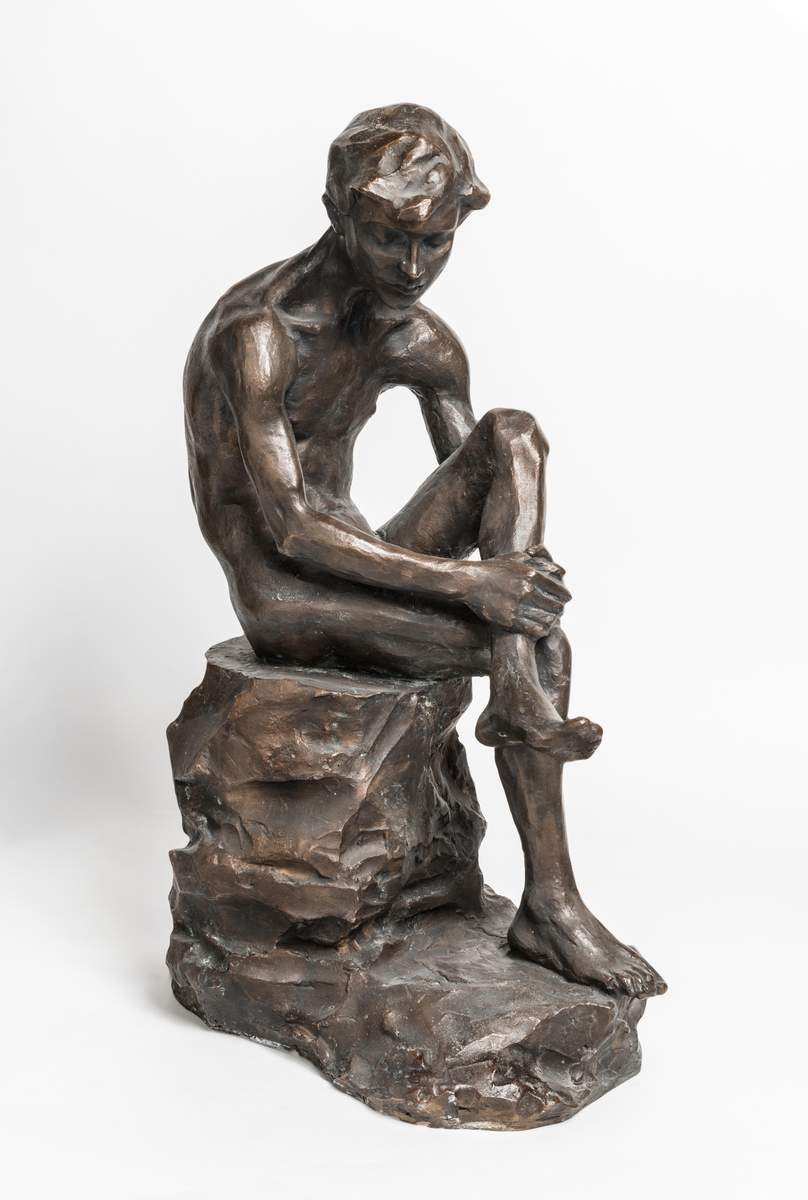
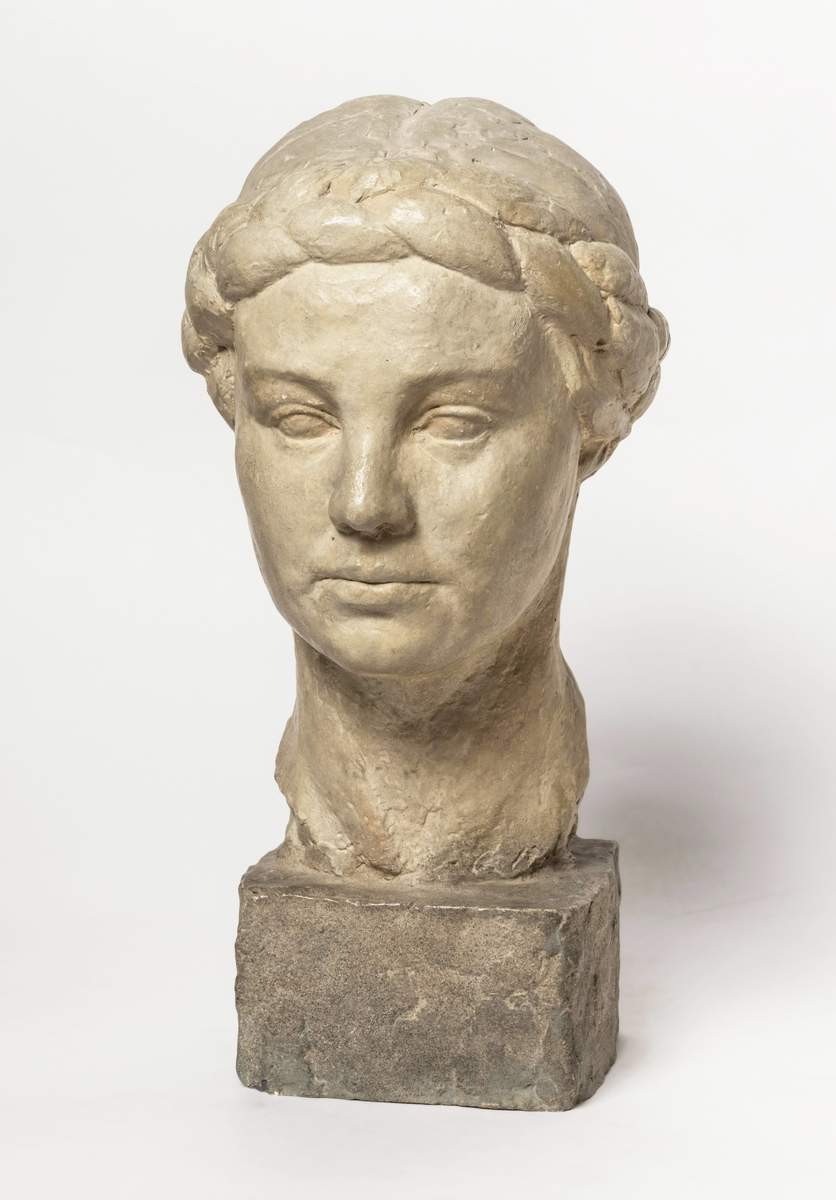
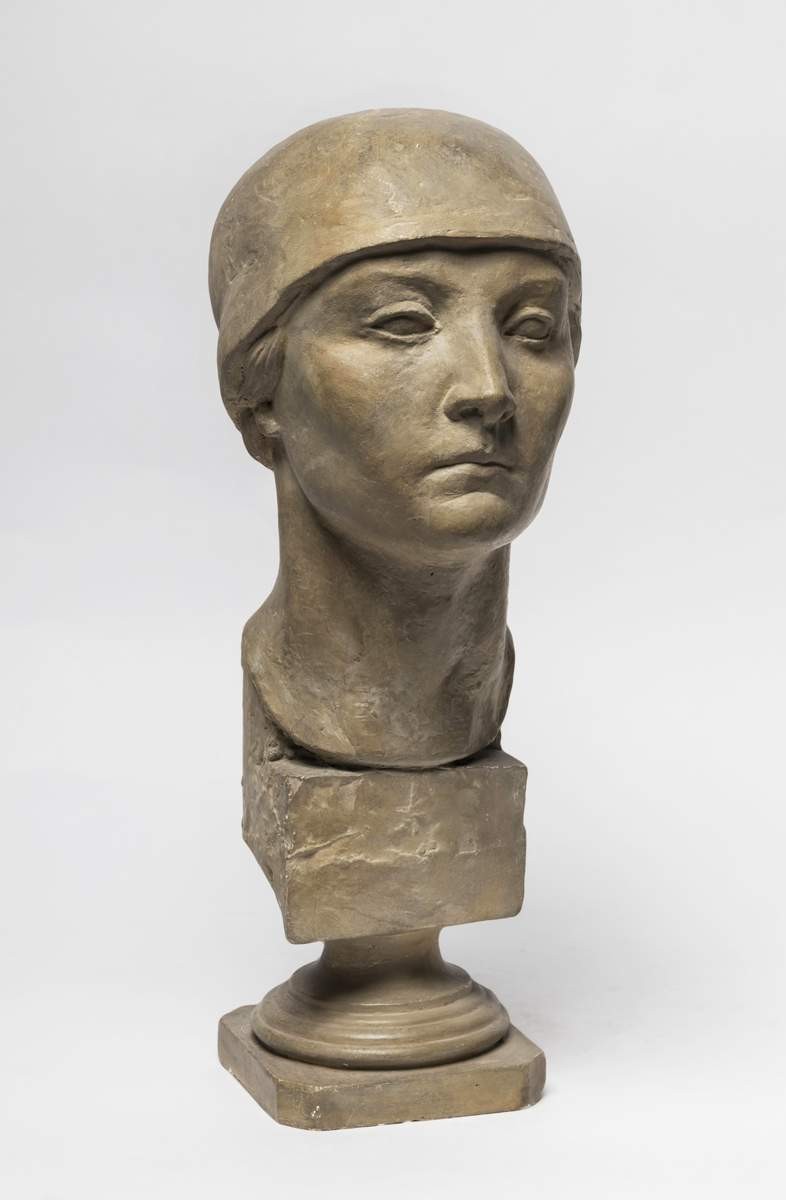
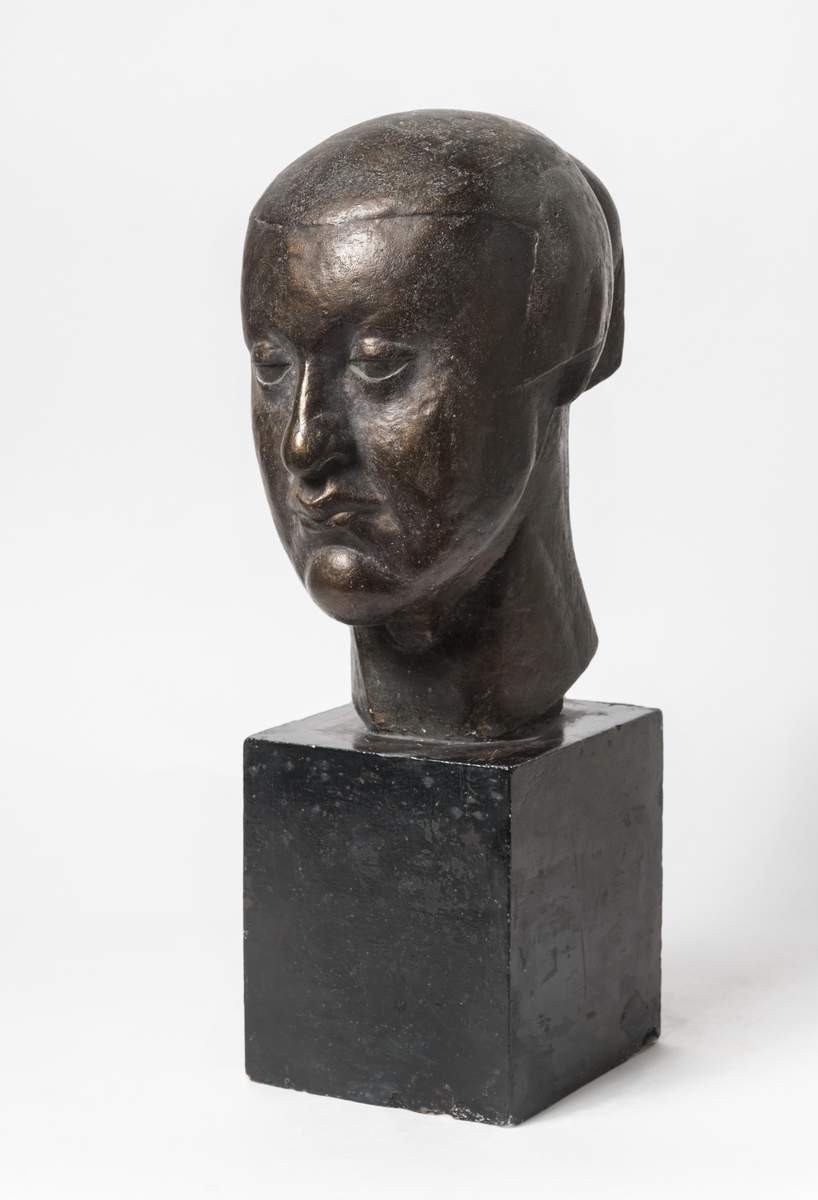
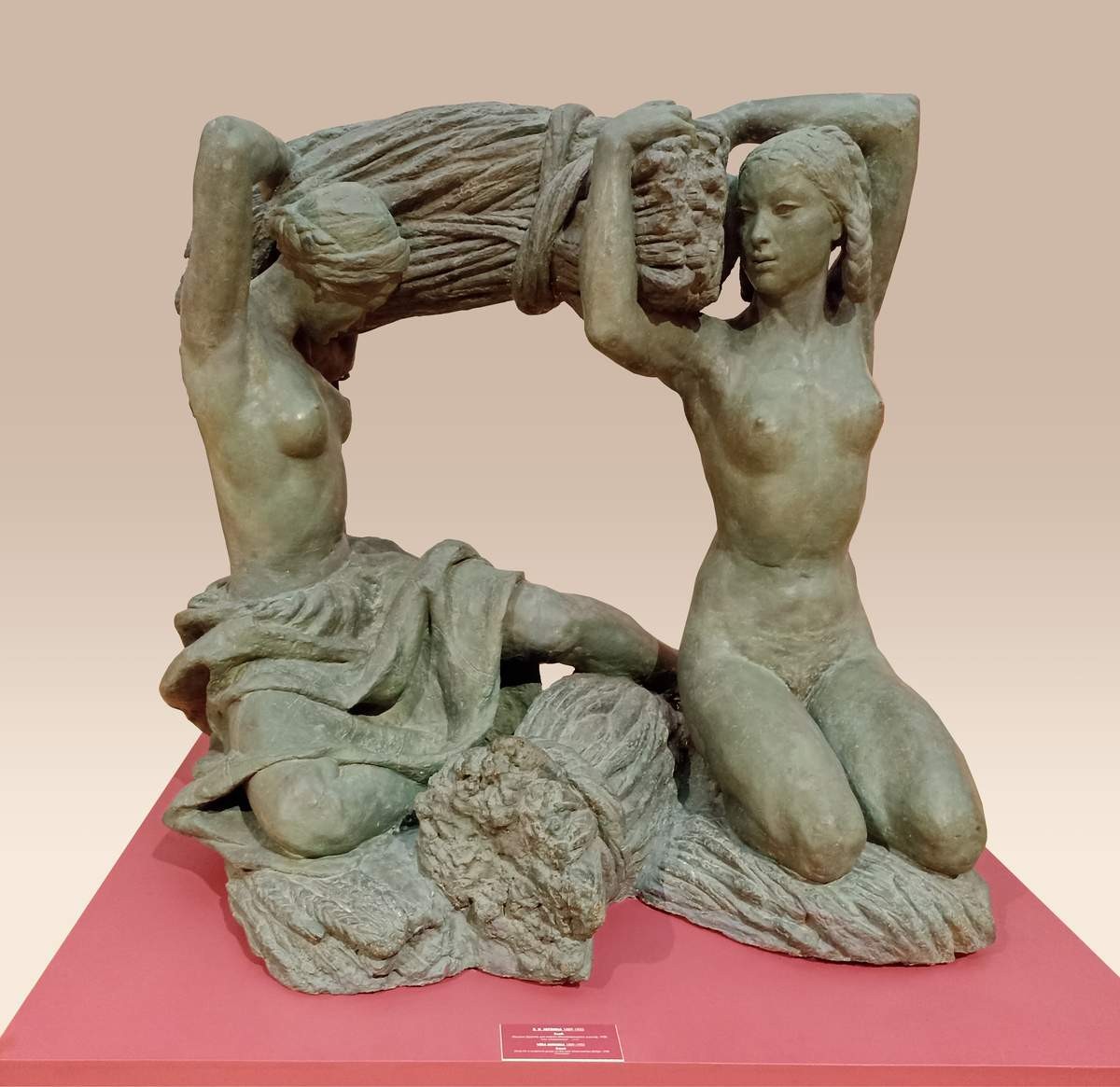
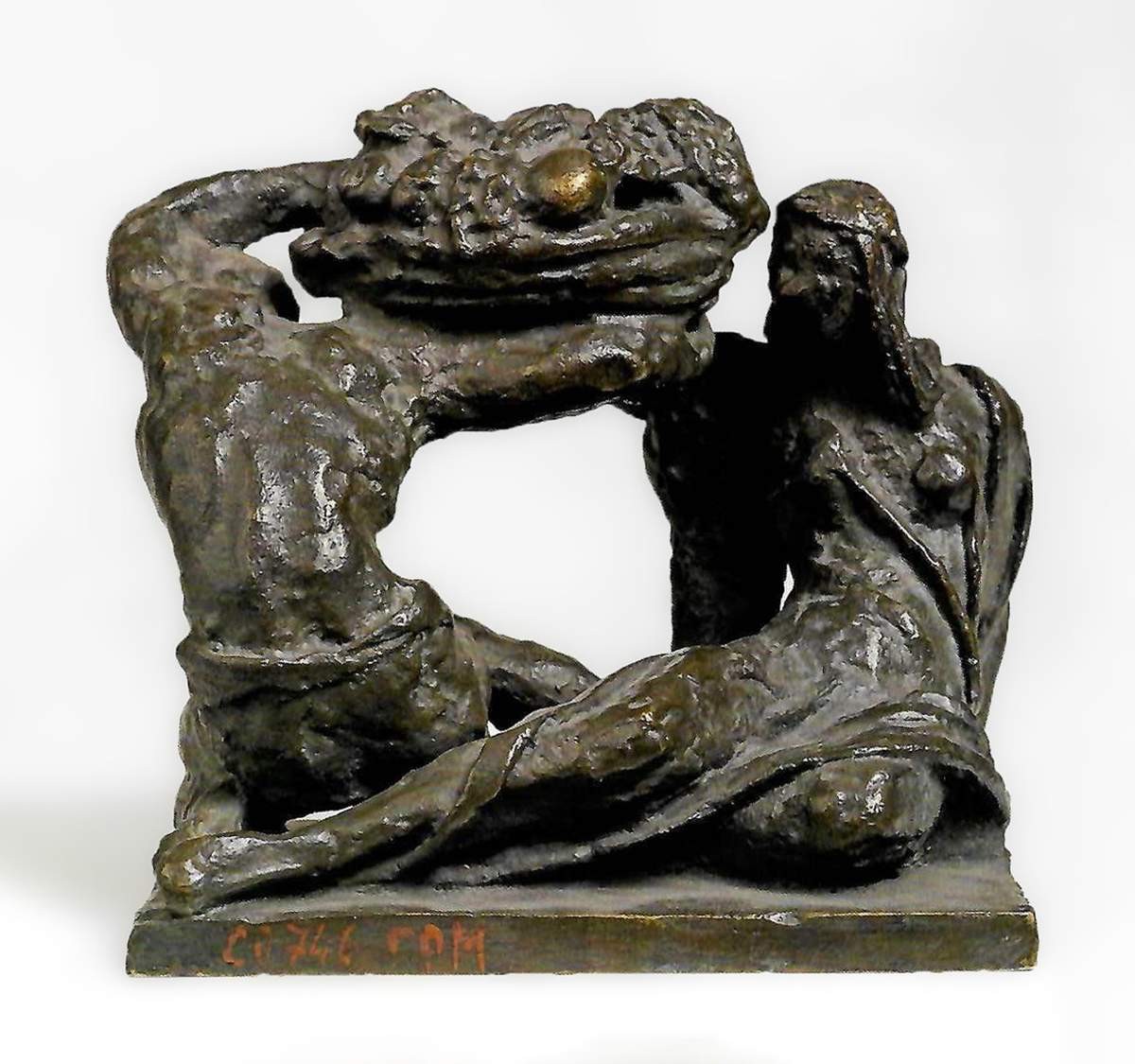
Плодородие
Kann ich es sehen?
Unbekannt
Wo ist „Плодородие“ heute? Sammlung: Russisches Museum, Sankt Petersburg. Unbekannt.

Sankt Petersburg, Russland
Der Besitzer ist bekannt; ob das Werk derzeit ausgestellt ist, nicht.
- Unverändert seit
- Quelle
- Das Museum
Über die Skulptur
In den Worten des Museums — auf Russisch
Гипсовый оригинал, 1938 — ГРМ (СО-678 ); эскиз, гипс, 1934 — ГРМ (СО-676).
Вслед за ДЕТАЛЯМИ Мухина вводит в свои скульптуры ЗНАКИ — предметы, тоже соответствующие теме, но не обязательно скрупулезно воспроизводящие реальность. Это обобщенные образные штрихи, отражающие концепцию произведения. Целью введения знаков, в отличие от деталей, является не отсылка к конкретике, а концентрация смыслового выражения, передача основной идеи в максимально сжатой форме.
Особое место в этом ряду занимают эскизы скульптур для нового Москворецкого моста — три варианта композиций, которые так и не были осуществлены. Сохранилась заметка Мухиной:
Mehr lesen
« Мною были сделаны три варианта групп. Они не были даже просмотрены Моссоветом, так как суммы, ассигнованные на скульптуру, пошли на доделку моста. Вариант 1 — „ Земля “ и „Море“. Вариант 2 — Группы, олицетворяющие богатства нашей страны: „ Плодородие “, „ Хлеб “. Вариант 3 — „ Гимн Интернационала “, фигура освобожденного пролетария, которого поддерживают народы мира, и „ Пламя революции “ в виде динамичной женской фигуры с факелом, вознесенной рабочим, красноармейцем и матросом, несшими в себе революционное пламя Октября» * .
Все эти композиции оснащены знаками: корзинами с плодами, рыбой, снопами, вьетнамской шляпой, факелами и ружьями. Но здесь знаки «перерастают» свою роль обобщенных штрихов и превращаются в аллегории, что ставит их в один ряд с художественными символами. В первую очередь это относится к таким элементам, как снопы и факелы. Марина Стекольникова. Детали, знаки, символы // Вера Мухина. СПб, 2009. С. 13-14.
* .
Russisches Museum
Angaben
- Inventarnummer
- СО-746
Im Katalog
Quellen
- Russisches Museum
- Bild: Russisches Museum — © State Russian Museum
Im Leben von Vera Mukhina
Das ganze Leben1937
“Worker and Kolkhoz Woman” crowns the Soviet pavilion in Paris
The 24-metre, 75-tonne monument, welded from stainless-steel plates on a wooden frame and regarded as the world's first welded sculpture, crowned Boris Iofan's Soviet pavilion at the 1937 World's Fair. The French press called it the greatest work of sculpture of the 20th century, and Picasso wrote of how beautiful the Soviet giants looked against the lilac Parisian sky.
1939
The monument on a low plinth at the VDNKh entrance
After the exhibition closed, the monument was taken apart and moved to Moscow, where in 1939 it was re-erected near the north entrance of the Exhibition of Achievements of the National Economy — on a low pedestal and with its back to the sun, so the sense of flight was lost; the sculptor remarked that the statue now seemed to crawl along the ground.
1941 · Auszeichnung
State Stalin Prize, 1st degree
1945
Saves the Freedom Monument in Riga from demolition
In 1945 Mukhina was invited to Riga as an expert on the Freedom Monument, which was threatened with demolition; against the opinion of Party officials she firmly defended it, and the monument survived.
1947
Academician of the USSR Academy of Arts
Mukhina became one of the first full members of the USSR Academy of Arts and sat on its presidium from 1947 to 1953.
6. Oktober 1953
Died