ART WIKI32.963 ausgestellt
KarteSammlungKünstlerMuseenAusstellungenJournal
Anmelden

ART WIKI

Wo das Meisterwerk hängt und wann man vorgelassen wird.

Sammlungen: Art Institute of Chicago, Cleveland Museum of Art, Eremitage, Getty Villa, Harvard Art Museums, Hirshhorn Museum and Sculpture Garden, J. Paul Getty Museum, Louvre, Metropolitan Museum of Art, Minneapolis Institute of Art, Museum of Modern Art, National Gallery of Art, National Museum of Asian Art, National Portrait Gallery, Puschkin-Museum, Rijksmuseum Amsterdam, Russisches Museum, Smithsonian American Art Museum, Statens Museum for Kunst, Tretjakow-Galerie, Victoria and Albert Museum, Whitney Museum of American Art, Staatskatalog des Museumsfonds Russlands (274 Museen), Europeana (19 Museen), Wikidata (6 Museen), Paris Musées (12 Museen) und Joconde, die Museumsdatenbank des französischen Kulturministeriums (495 Museen). Die Bilder gehören ihren Rechteinhabern.

Rubriken

  • Karte
  • Suche
  • Sammlung
  • Meisterwerke
  • Jetzt ausgestellt
  • Künstler

Mehr

  • Museen & Galerien
  • Ausstellungen
  • Journal
  • Woher die Daten stammen
  • Datenschutz & Cookies
StartseiteKarteKatalog
  1. Sammlung/
  2. Louvre/
  3. Pietà
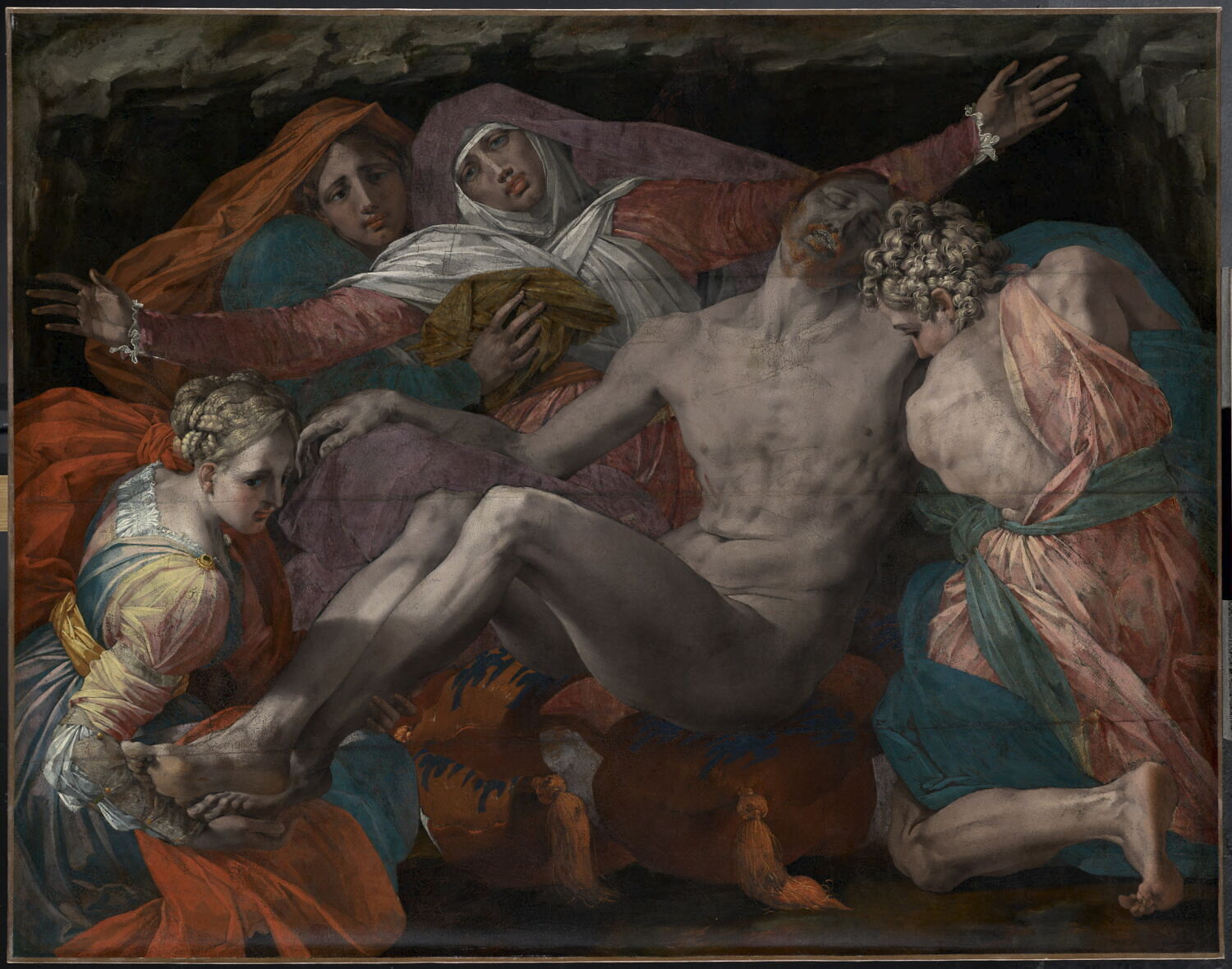
Pietà, Rosso Fiorentino, 2e quart du XVIe siècle (vers 1530 - 1540)
Rosso Fiorentino, PorträtRosso FiorentinoItalien, 1494–1540

Pietà

2e quart du XVIe siècle (vers 1530 - 1540) · Peintures

Über das Gemälde

Pietà is a c.1537-1540 oil painting by Rosso Fiorentino, originally painted on panel and later transferred to canvas. Now in the Louvre in Paris, it is the only securely-identified original painting by the artist known to have been produced for a courtier of Francis I of France. X-ray examination has shown an initial composition under the bodies of Christ and St John.

According to Vasari's Lives of the Artists, it was commissioned by Constable of France Anne de Montmorency soon after the artist's work on the Francis I Gallery at Fontainebleau Palace. De Montmorency's coat of arms features on the pillow under Christ and it was originally at the doorway to the chapel in his Château d'Écouen, from which it was moved to the Louvre at the end of the 18th century.

Wikipedia · CC BY-SA

Angaben

2e quart du XVIe siècle (vers 1530 - 1540)
14941540
Inventarnummer
INV 594

Derweil im Leben von Rosso Fiorentino

Das ganze Leben
  1. 1531

    Moves to France, to the court of Francis I

    In 1531 Rosso moves to France, becomes court painter to Francis I and never leaves the country again; there he is known as “Maître Roux”, the Red Master. Other accounts say he had already secured his court position in 1530.

  2. 1532

    Appointed canon of the Sainte-Chapelle in Paris

    In 1532 Rosso is appointed a canon of the Sainte-Chapelle in Paris.

  3. 1540

    Imprisoned for slander

    In 1540 Rosso is imprisoned for slander and probably died there of natural causes. Vasari claimed that the artist killed himself, but there is no evidence for it.

  4. 14. November 1540

    Died
Mehr von Rosso Fiorentino

Alle Werke

Im selben Saal · Salle 712, Aile Denon, Niveau 1, Louvre

Museumsseite

Darf man es sehen?

Ja, es empfängt Besucher

Louvre

Paris, Frankreich

Saal712, Aile Denon, Niveau 1

Öffentlich ausgestellt. Wer dafür bürgt, steht unten.

Geprüft
vor 12 Tagen
Unverändert seit
26. Sept. 2026
Quelle
Das Museum
Auf der KarteMuseumsseite

Im Katalog

GemäldeÖlItalienische MalereiRenaissance16. Jahrhundert

Quellen

  • Louvre
  • Bild: Louvre — © 2026 GrandPalaisRmn (musée du Louvre) / Mathieu Rabeau
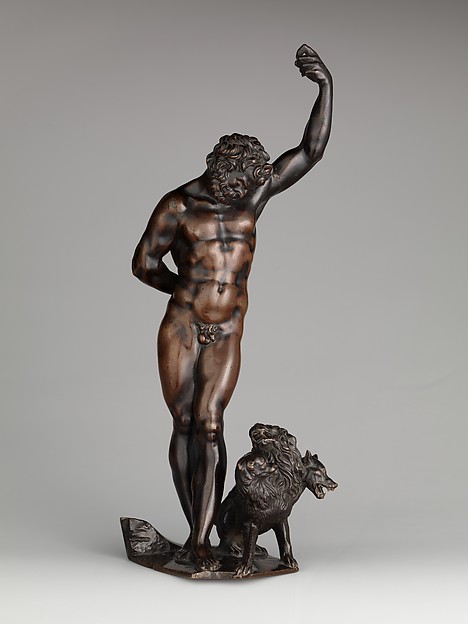
Pluto and Cerberus, Giovanni Battista di Jacopo, early 17th century

Pluto and Cerberus

early 17th century · Metropolitan Museum of Art

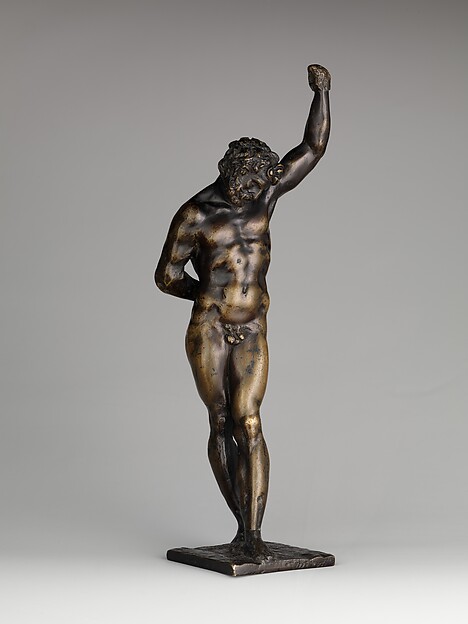
Pluto, Giovanni Battista di Jacopo, mid-17th century

Pluto

mid-17th century · Metropolitan Museum of Art

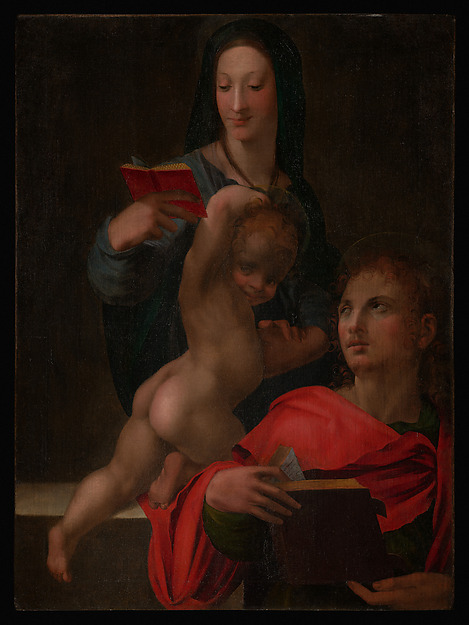
Madonna and Child with Saint John the Evangelist, Rosso Fiorentino, 1512/13

Madonna and Child with Saint John the Evangelist

1512/13 · Metropolitan Museum of Art

Madonna and Child with Cherubs, Rosso Fiorentino, 1517

Madonna and Child with Cherubs

1517 · Eremitage

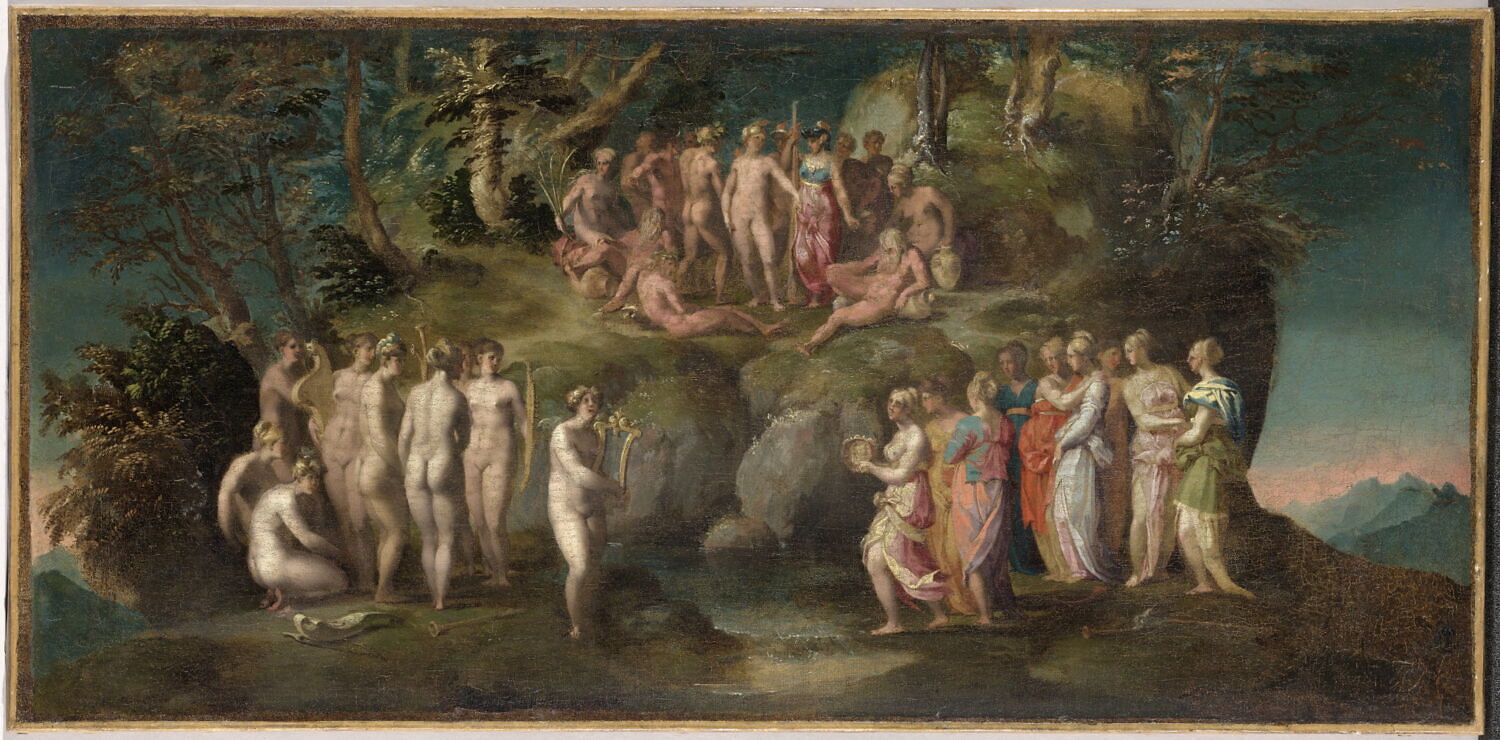
Le Défi des Piérides, Rosso Fiorentino, 1e tiers du XVIe siècle (vers 1523 - 1527)

Le Défi des Piérides

1e tiers du XVIe siècle (vers 1523 - 1527) · Louvre

The Conquest of Ignorance, René Boyvin after Rosso Fiorentino, 1560s

The Conquest of Ignorance

1560s · Nicht ausgestellt · National Gallery of Art

Portrait of a Man, Rosso Fiorentino, early 1520s

Portrait of a Man

early 1520s · Nicht ausgestellt · National Gallery of Art

Dance of the Dryades, Probably French 16th Century after Pierre Milan after Rosso Fiorentino

Dance of the Dryades

Nicht ausgestellt · National Gallery of Art

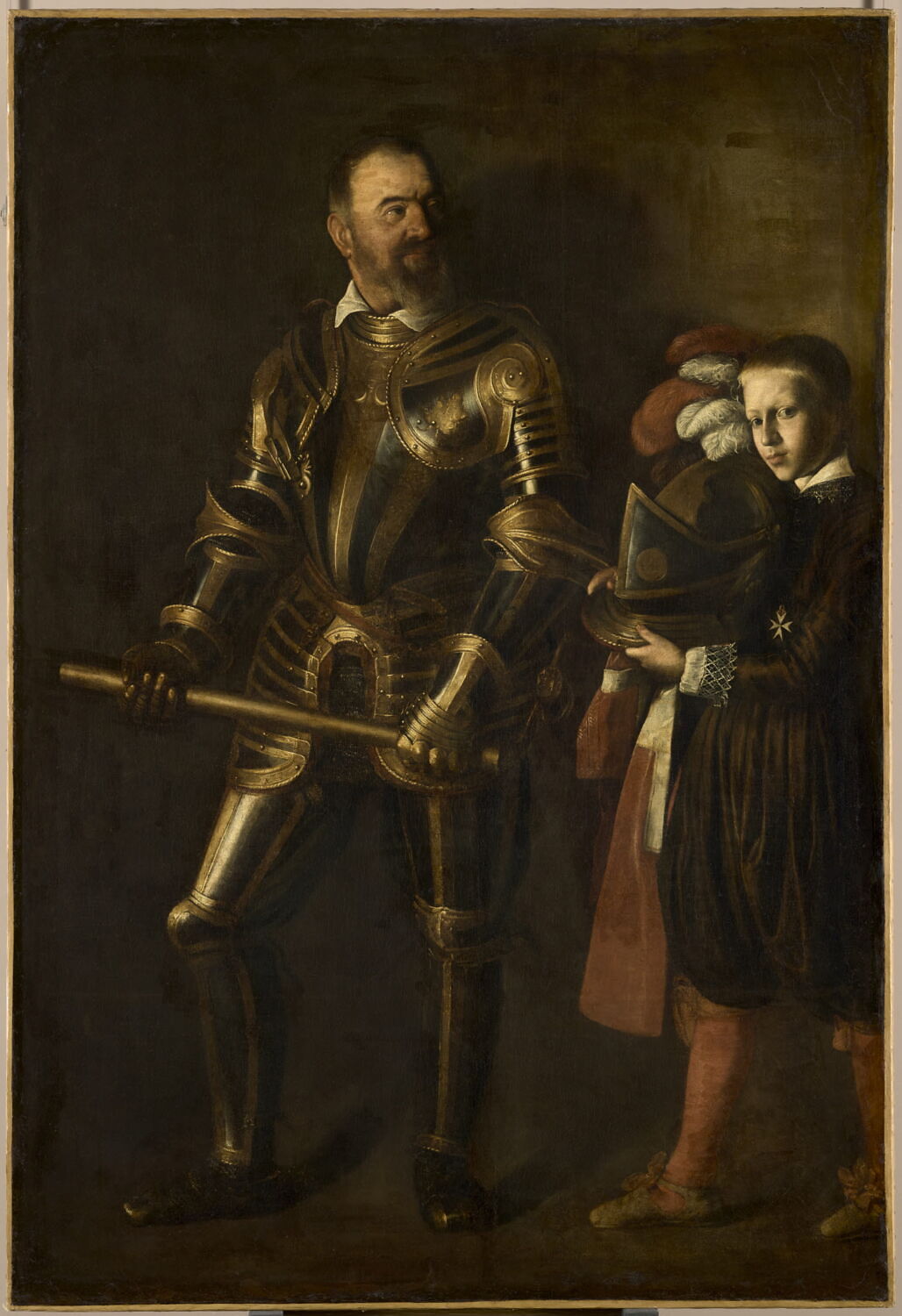
Alof de Wignacourt (1547-1622), grand maître de l'Ordre de Malte de 1601 à 1622, et son page, Caravage, 1e quart du XVIIe siècle (vers 1608)

Caravaggio

Alof de Wignacourt (1547-1622), grand maître de l'Ordre de Malte de 1601 à 1622, et son page, 1e quart du XVIIe siècle (vers 1608)

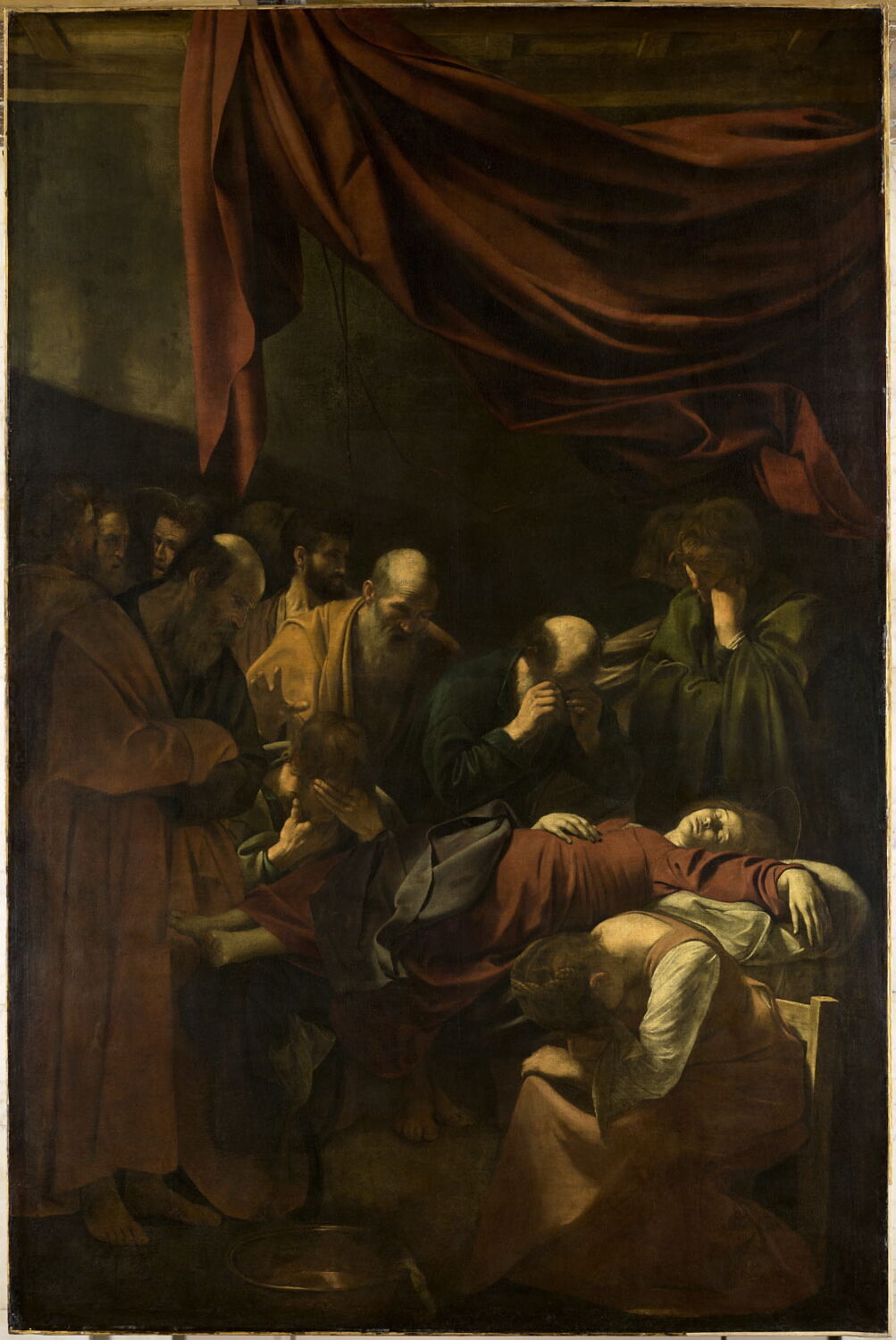
La Mort de la Vierge, Caravage, Début du XVIIe siècle (vers 1601 - 1606)

Caravaggio

Der Tod Mariens, Début du XVIIe siècle (vers 1601 - 1606)

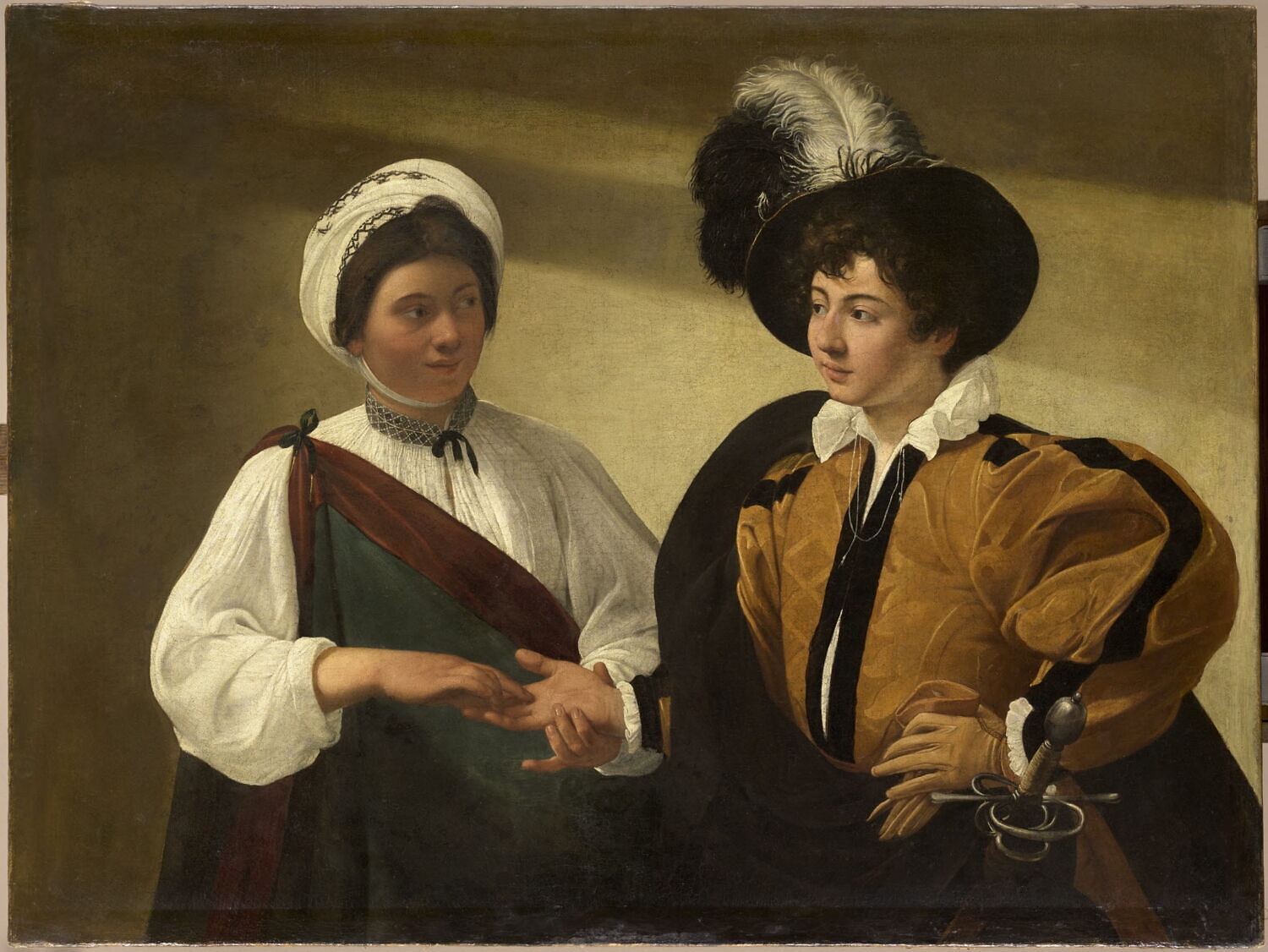
La diseuse de bonne aventure, Caravage, 4e quart du XVIe siècle (vers 1595 - 1598)

Caravaggio

Die Wahrsagerin, 4e quart du XVIe siècle (vers 1595 - 1598)

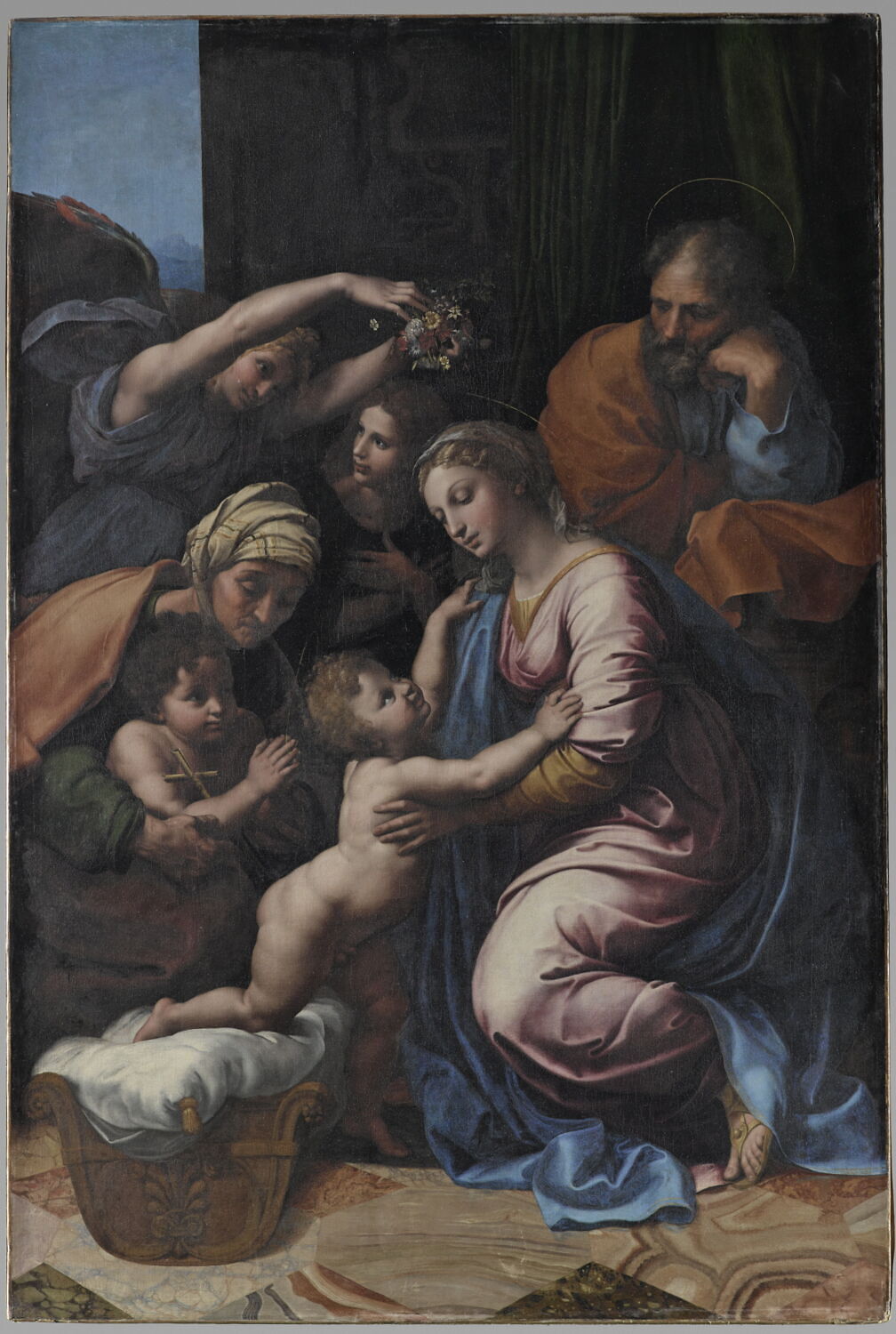
La Sainte Famille, dit La Grande Sainte Famille de François Ier, Santi, Raffaello, dit Raphaël, 1e quart du XVIe siècle (1518)

Raphael

Die heilige Familie, 1e quart du XVIe siècle (1518)

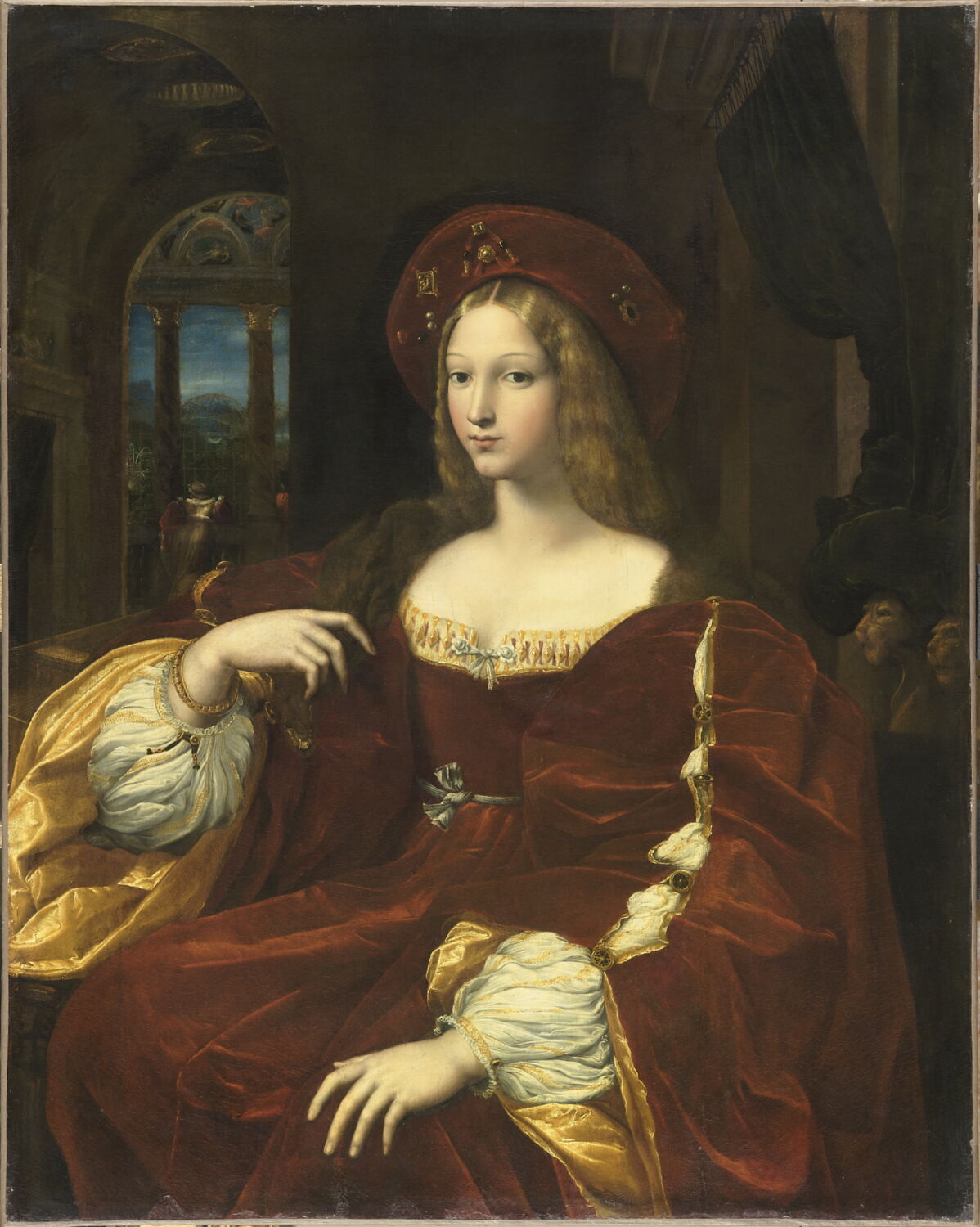
Portrait de Dona Isabel de Requesens, vice-reine de Naples, dit longtemps Portrait de Jeanne d'Aragon (1550-1577), Santi, Raffaello, dit Raphaël, 1e quart du XVIe siècle (1518)

Raphael

Portrait de Dona Isabel de Requesens, vice-reine de Naples, dit longtemps Portrait de Jeanne d'Aragon (1550-1577), 1e quart du XVIe siècle (1518)

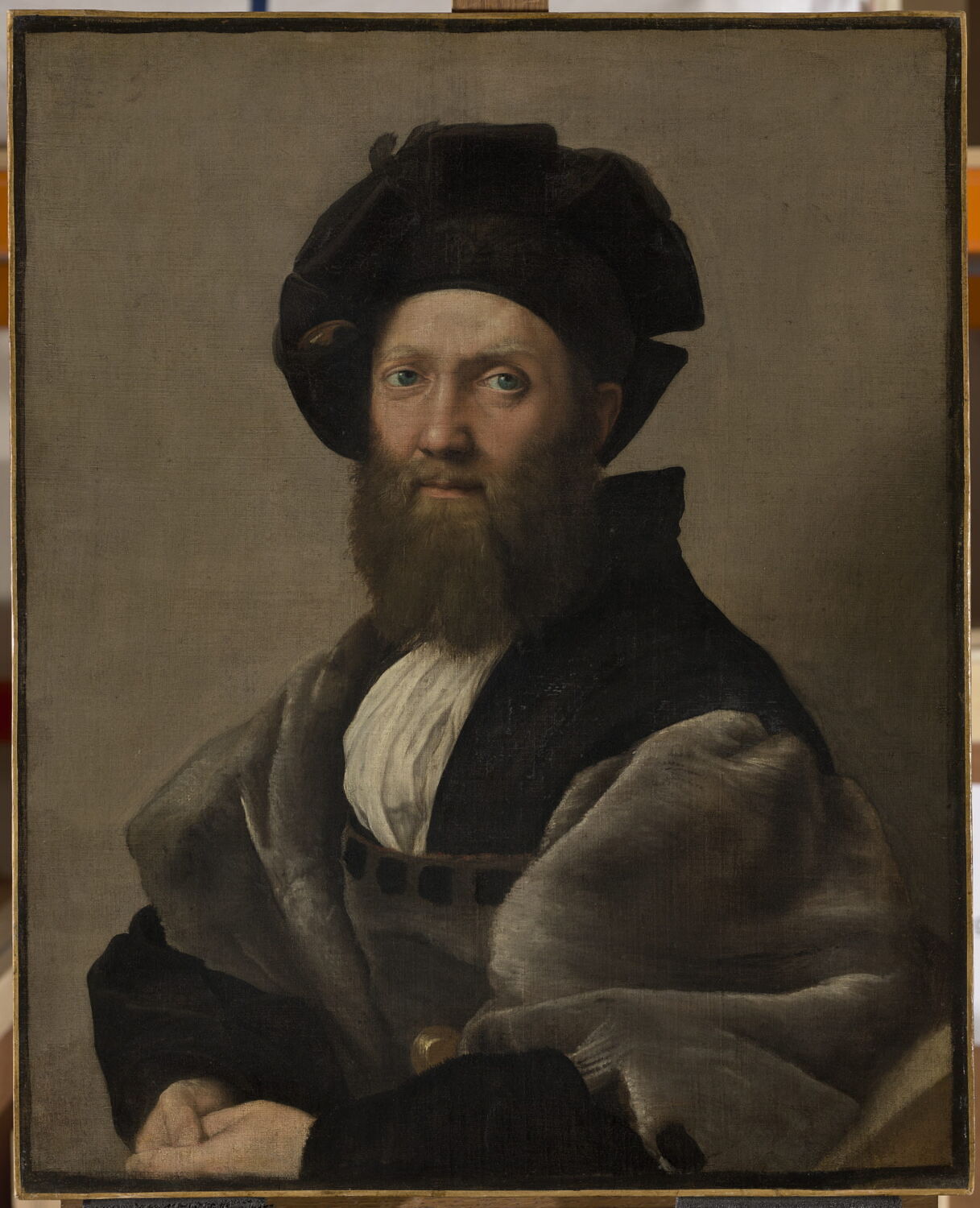
Balthazar Castiglione (1478-1529), écrivain et diplomate, Santi, Raffaello, dit Raphaël, 1e quart du XVIe siècle (vers 1514 - 1515)

Raphael

Porträt des Baldassare Castiglione, 1e quart du XVIe siècle (vers 1514 - 1515)

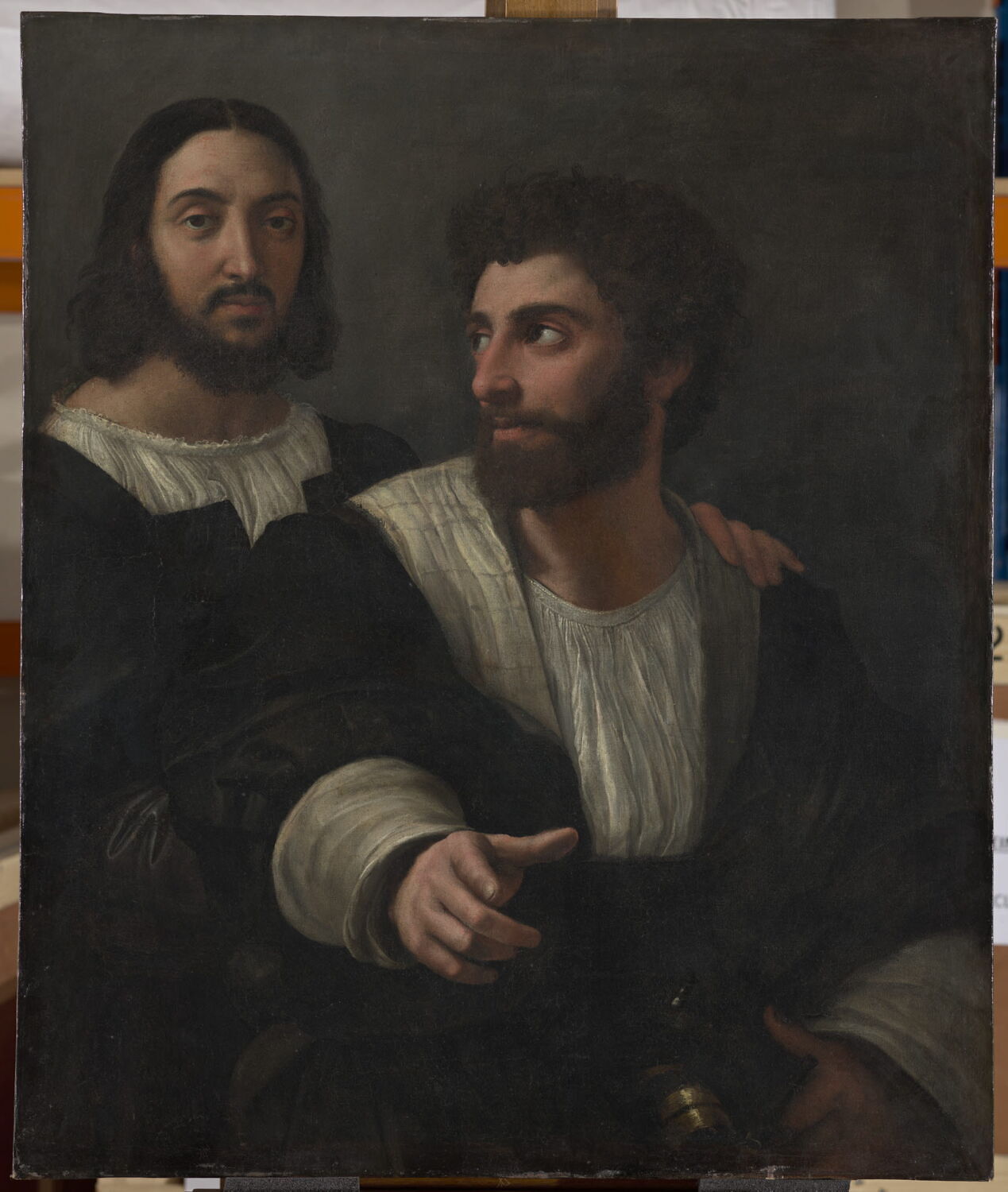
Portrait de l'artiste avec un ami, Santi, Raffaello, dit Raphaël, 1e quart du XVIe siècle (1500 - 1525)

Raphael

Selbstporträt mit einem Freund, 1e quart du XVIe siècle (1500 - 1525)

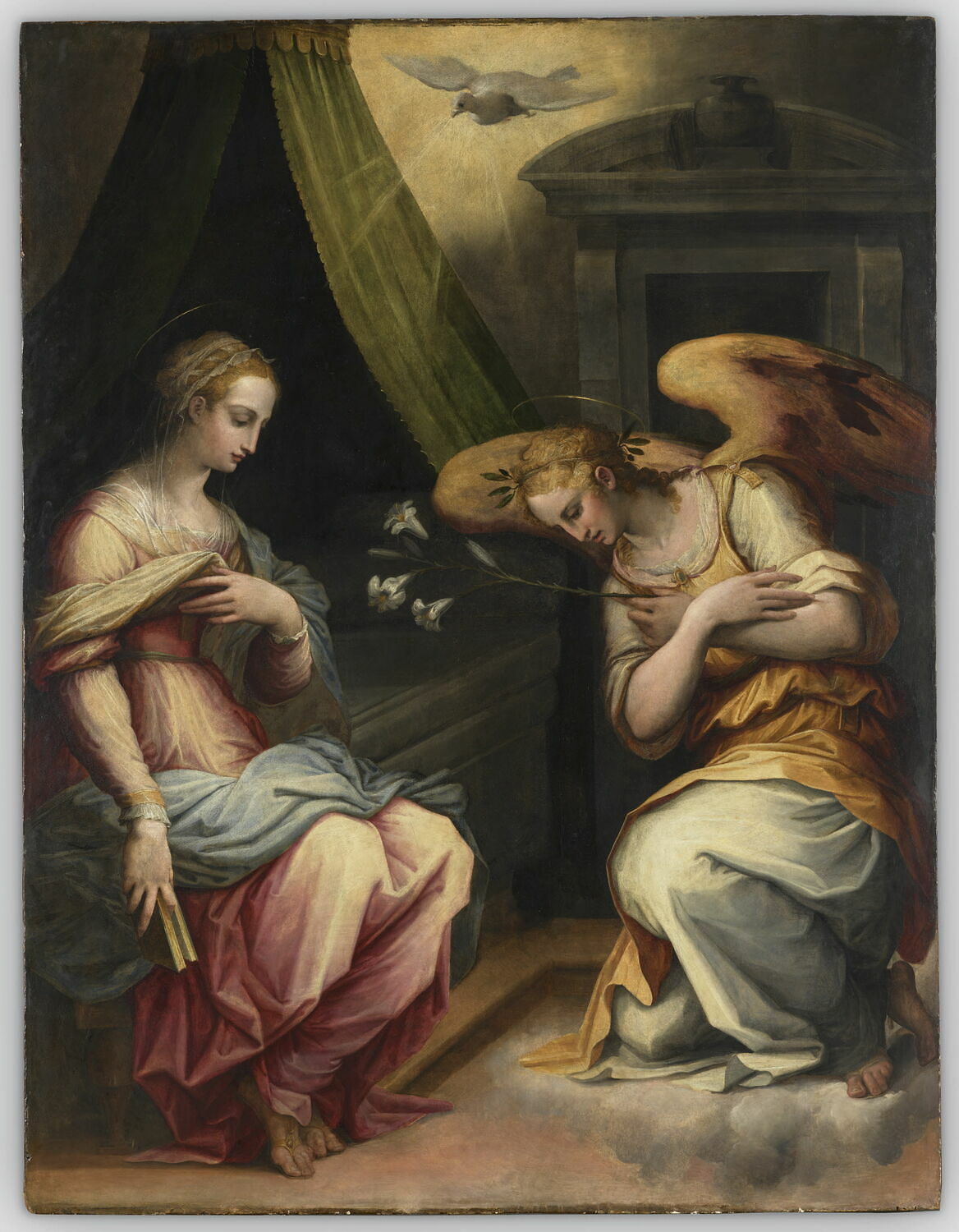
L'Annonciation, Vasari, Giorgio, Fin du XVIe siècle - début du XVIIè siècle (1575 - 1625)

Giorgio Vasari

L'Annonciation, Fin du XVIe siècle - début du XVIIè siècle (1575 - 1625)