ART WIKI33.040 ausgestellt
KarteSammlungKünstlerMuseenAusstellungenJournal
Anmelden

ART WIKI

Wo das Meisterwerk hängt und wann man vorgelassen wird.

Sammlungen: Art Institute of Chicago, Cleveland Museum of Art, Eremitage, Getty Villa, Harvard Art Museums, Hirshhorn Museum and Sculpture Garden, J. Paul Getty Museum, Louvre, Metropolitan Museum of Art, Minneapolis Institute of Art, Museum of Modern Art, National Gallery of Art, National Museum of Asian Art, National Portrait Gallery, Puschkin-Museum, Rijksmuseum Amsterdam, Russisches Museum, Smithsonian American Art Museum, Statens Museum for Kunst, Tretjakow-Galerie, Victoria and Albert Museum, Whitney Museum of American Art, Staatskatalog des Museumsfonds Russlands (274 Museen), Europeana (19 Museen), Wikidata (6 Museen), Paris Musées (12 Museen) und Joconde, die Museumsdatenbank des französischen Kulturministeriums (495 Museen). Die Bilder gehören ihren Rechteinhabern.

Rubriken

  • Karte
  • Suche
  • Sammlung
  • Meisterwerke
  • Jetzt ausgestellt
  • Künstler

Mehr

  • Museen & Galerien
  • Ausstellungen
  • Journal
  • Woher die Daten stammen
  • Datenschutz & Cookies
StartseiteKarteKatalog
  1. Sammlung/
  2. Minneapolis Institute of Art/
  3. Peonies in the Wind
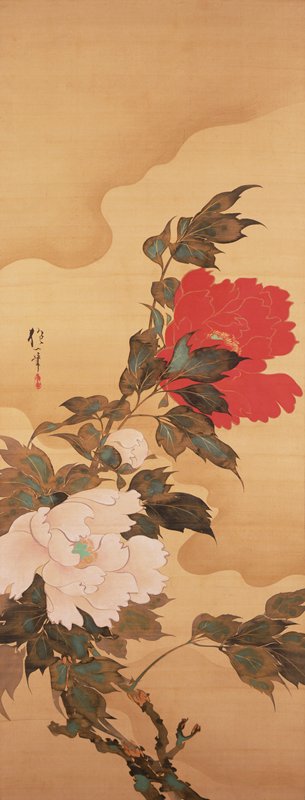
Peonies in the Wind, Sakai Hōitsu, early 19th century
Sakai Hōitsu 酒井抱一, PorträtSakai Hōitsu 酒井抱一Japan, 1761–1828

Peonies in the Wind

early 19th century · Painting

Darf man es sehen?

Empfängt derzeit nicht

Minneapolis Institute of Art

Minneapolis, Vereinigte Staaten

Es gehört zur Sammlung, ist derzeit aber nicht ausgestellt.

Geprüft
vor 9 Tagen
Unverändert seit
25. Sept. 2026
Quelle
Das Museum
Auf der KarteMuseumsseite

Über das Gemälde

Two peonies in full bloom sway as a gust of wind pushes them forward—rain is coming. Every year, Japan has a rainy season from June to July called tsuyu, or “plum rain, ” so named because the timing matches the ripening of plums. Although commonly depicted in Japanese paintings as a subject, peonies were not native to Japan but originated in China. Peonies exploded in popularity among gardeners in the late 1600s, ahead of the morning glory boom in the 1800s—reflected in the nearby painting of morning glories by Watanabe Nangaku.

Artist Sakai Hōitsu shifted his creative approach after discovering the work of painter Ogata Kōrin’s. Sakai’s later works incorporate Ogata’s signature techniques such as tarashikomi—the application of a second layer of paint before the first is dry, resulting in a watery effect—seen here on the leaves.

Minneapolis Institute of Art

Angaben

Inventarnummer
2013.31.22

Im Katalog

GemäldeTuscheJapanische MalereiKlassizismusRomantik19. JahrhundertRinpaJapan

Quellen

  • Minneapolis Institute of Art
  • Bild: Minneapolis Institute of Art — public domain
Mehr von Sakai Hōitsu 酒井抱一

Alle Werke
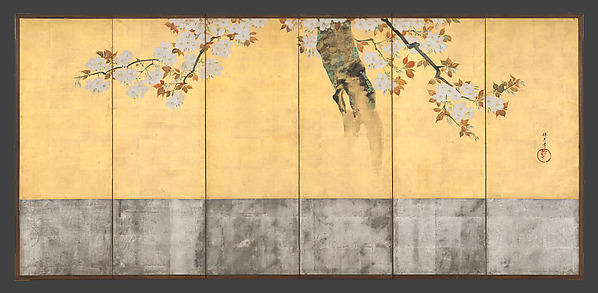
Blossoming Cherry Trees, Sakai Hōitsu, ca. 1805

Blossoming Cherry Trees

ca. 1805 · Metropolitan Museum of Art

White Eyes and Persimmon Tree, Sakai Hōitsu 酒井抱一, c. 1823-28

White Eyes and Persimmon Tree

c. 1823-28 · Harvard Art Museums

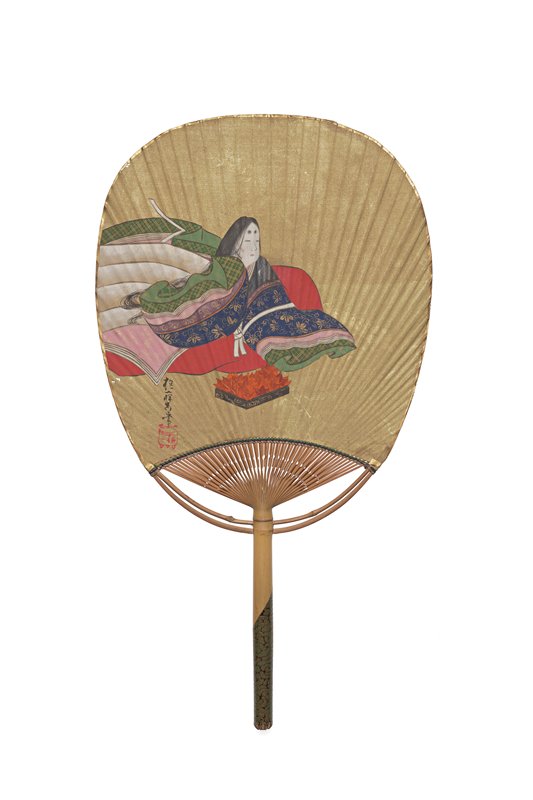
Fan with Akikonomu Chūgū from The Maiden Chapter of the Tale of Genji, Sakai Hōitsu, early 19th century

Fan with Akikonomu Chūgū from The Maiden Chapter of the Tale of Genji

early 19th century · Nicht ausgestellt · Minneapolis Institute of Art

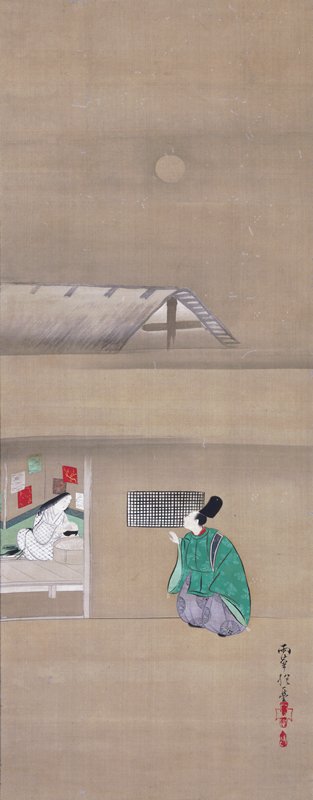
Woman of Takayasu, from the Tales of Ise, Sakai Hōitsu, early 19th century

Woman of Takayasu, from the Tales of Ise

early 19th century · Nicht ausgestellt · Minneapolis Institute of Art

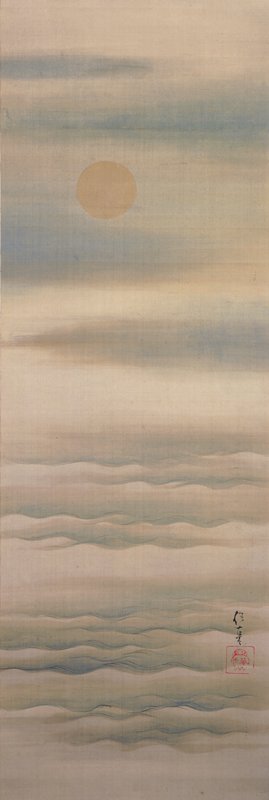
Pale Moon over Soft Waves, Sakai Hōitsu, early 19th century

Pale Moon over Soft Waves

early 19th century · Nicht ausgestellt · Minneapolis Institute of Art

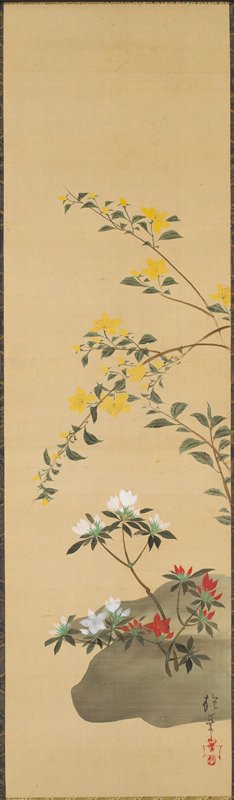
Yamabuki, Sakai Hōitsu, 19th century

Yamabuki

19th century · Nicht ausgestellt · Minneapolis Institute of Art

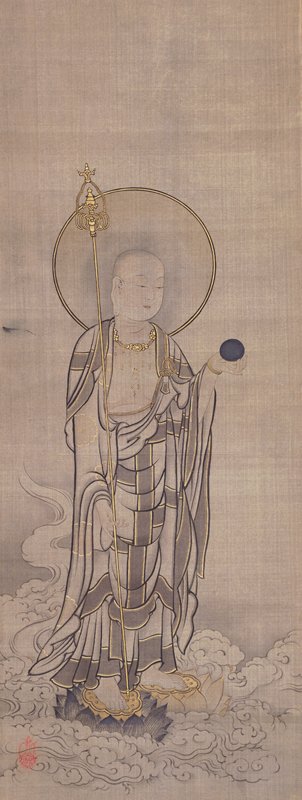
Welcoming Descent of Jizō, Bodhisattva of the Earth Matrix, Sakai Hōitsu, early 19th century

Welcoming Descent of Jizō, Bodhisattva of the Earth Matrix

early 19th century · Nicht ausgestellt · Minneapolis Institute of Art

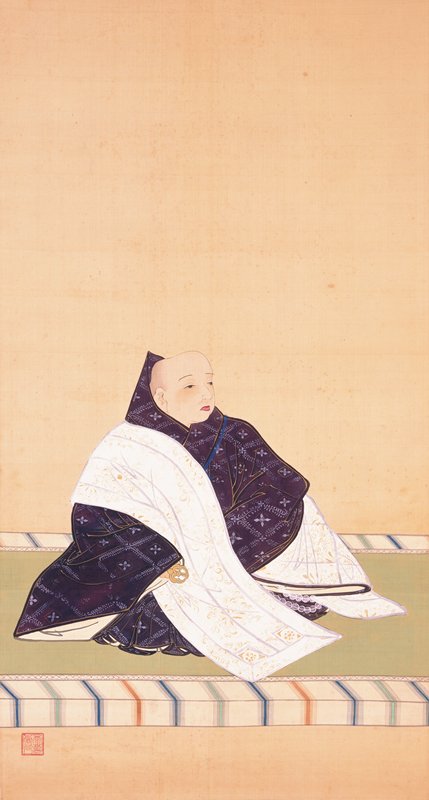
Portrait of Imperial Prince Son’en, Sakai Hōitsu, early 19th century

Portrait of Imperial Prince Son’en

early 19th century · Nicht ausgestellt · Minneapolis Institute of Art

Nachbarn im Haus: Minneapolis Institute of Art

Museumsseite
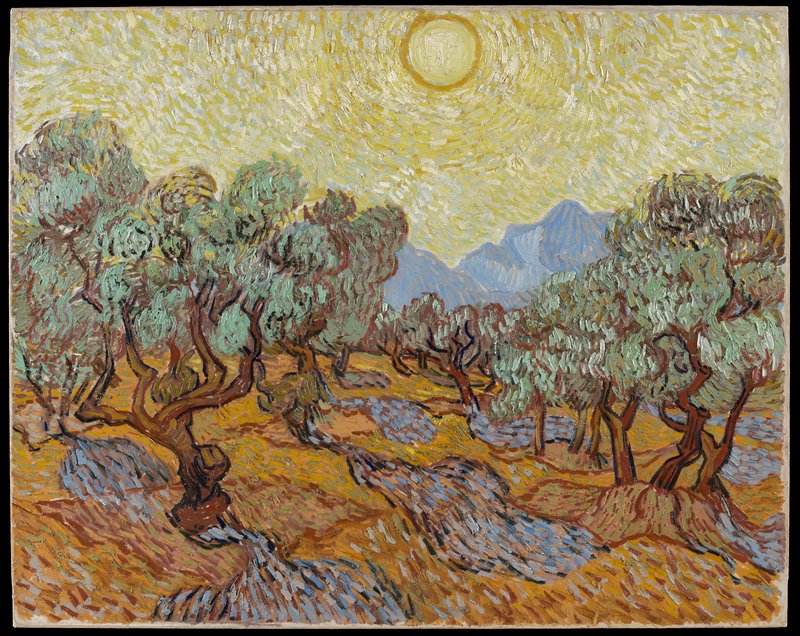
Olive Trees, Vincent van Gogh, 1889

Vincent van Gogh

Olive Trees, 1889

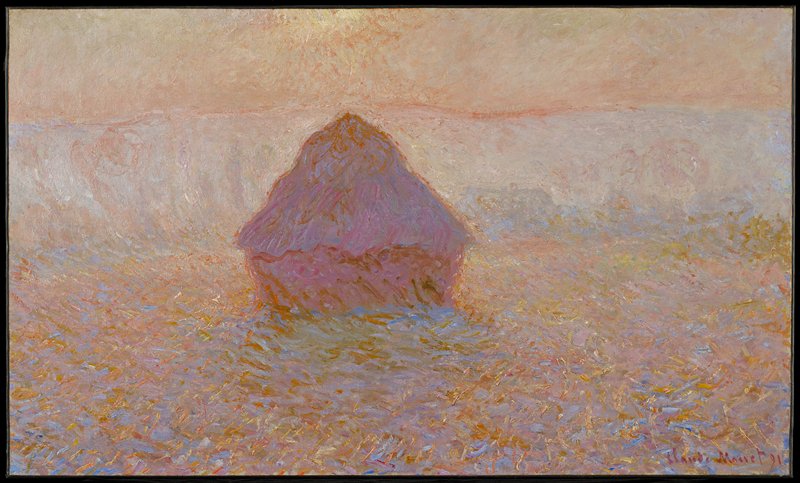
Grainstack, Sun in the Mist, Claude Monet, 1891

Claude Monet

Grainstack, Sun in the Mist, 1891

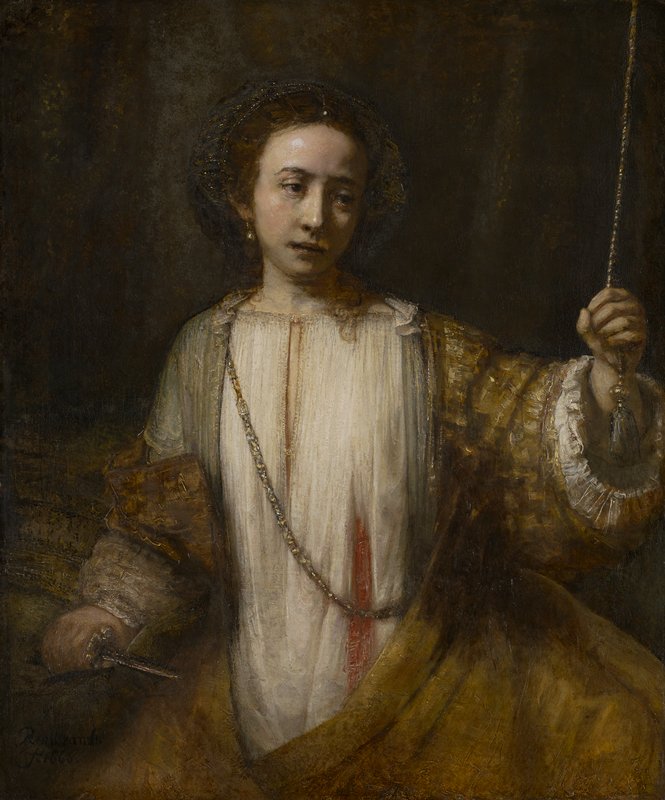
Lucretia, Rembrandt van Rijn, 1666

Rembrandt van Rijn

Lucretia, 1666

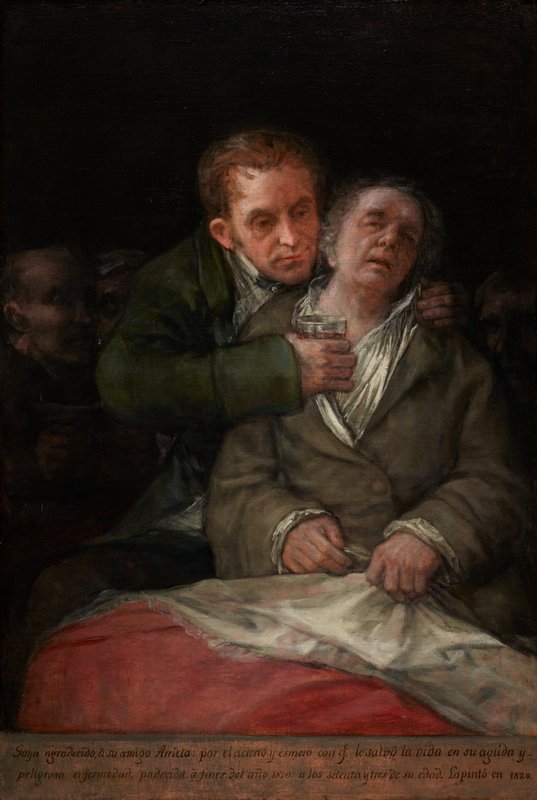
Self-Portrait with Dr. Arrieta, Francisco José de Goya y Lucientes, 1820

Francisco de Goya

Self-Portrait with Dr. Arrieta, 1820

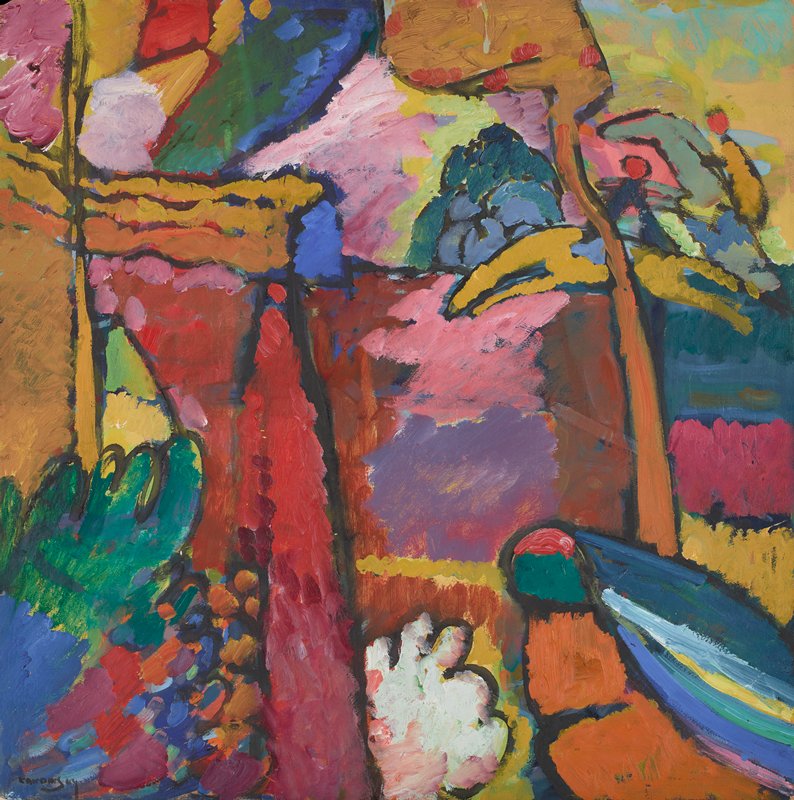
Study for Improvisation V, Vassily Kandinsky, 1910

Vasily Kandinsky

Study for Improvisation V, 1910

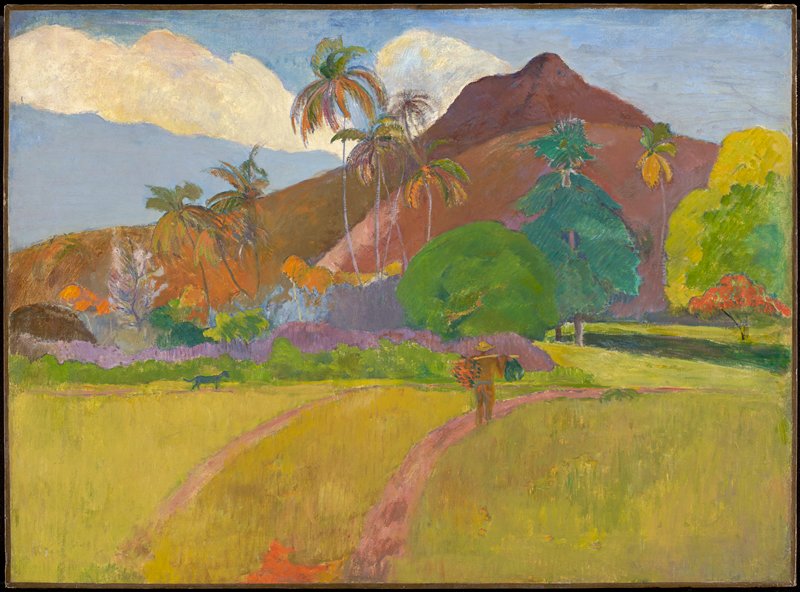
Tahitian Landscape, Paul Gauguin, 1891

Paul Gauguin

Tahitian Landscape, 1891

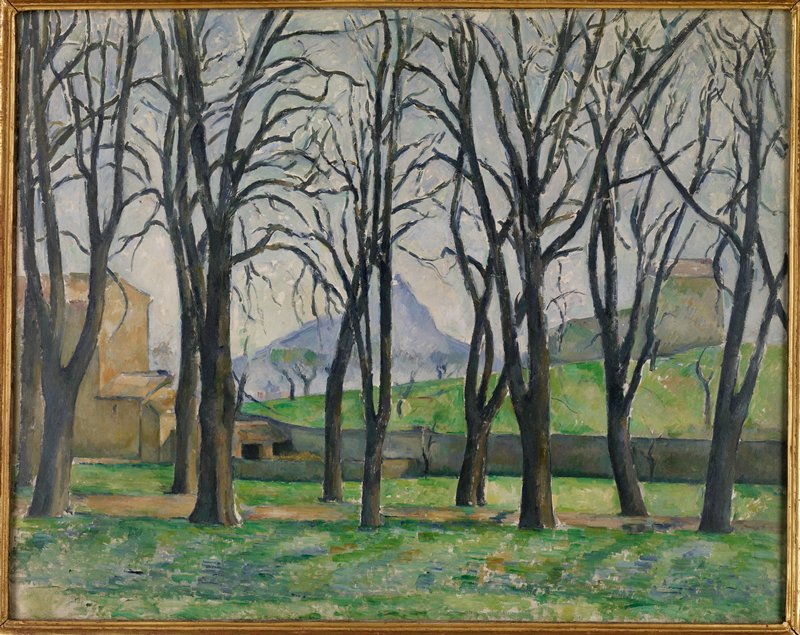
Chestnut Trees at Jas de Bouffan, Paul Cézanne, c. 1885–86

Paul Cézanne

Chestnut Trees at Jas de Bouffan, c. 1885–86

The Union of England and Scotland (Charles I as the Prince of Wales), Peter Paul Rubens, 1633–34

Peter Paul Rubens

The Union of England and Scotland (Charles I as the Prince of Wales), 1633–34