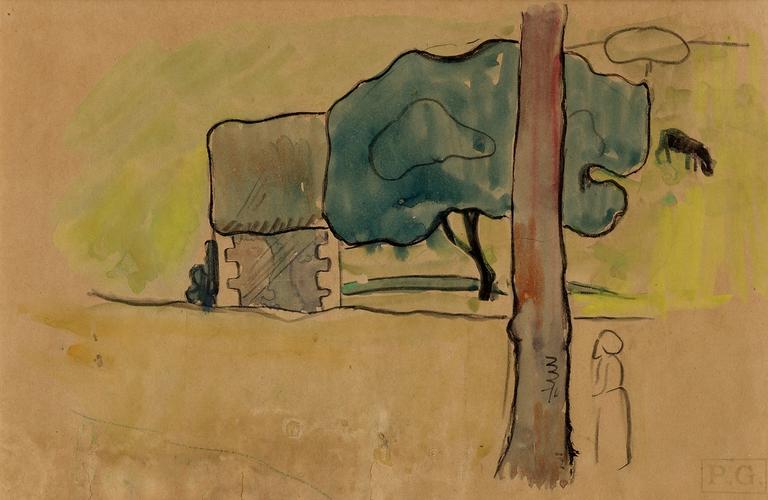
 Paul GauguinFrankreich, 1848–1903
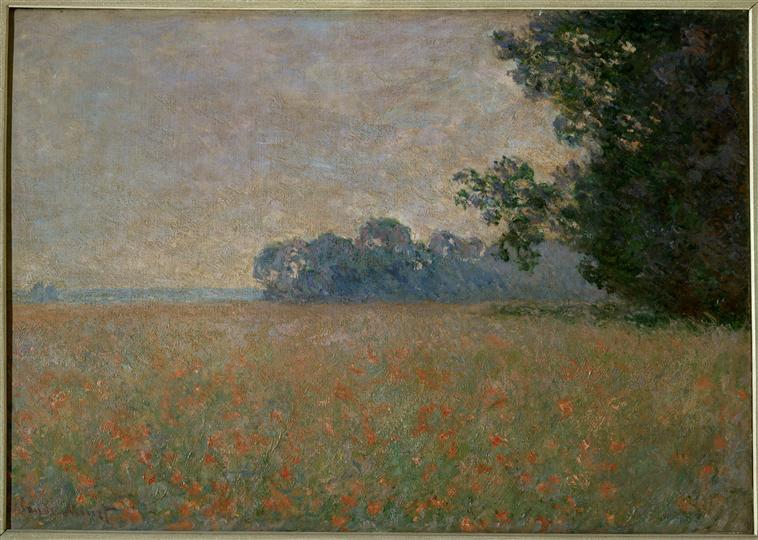
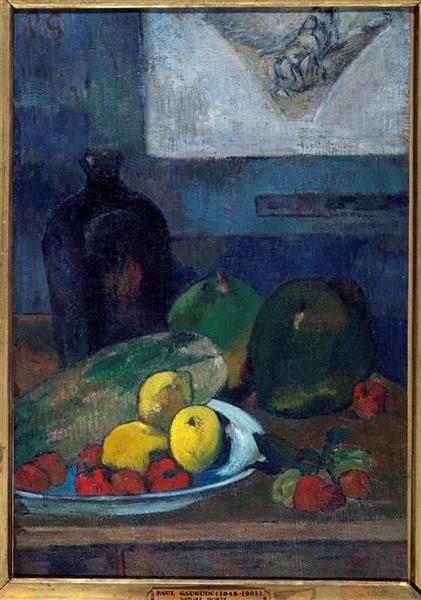
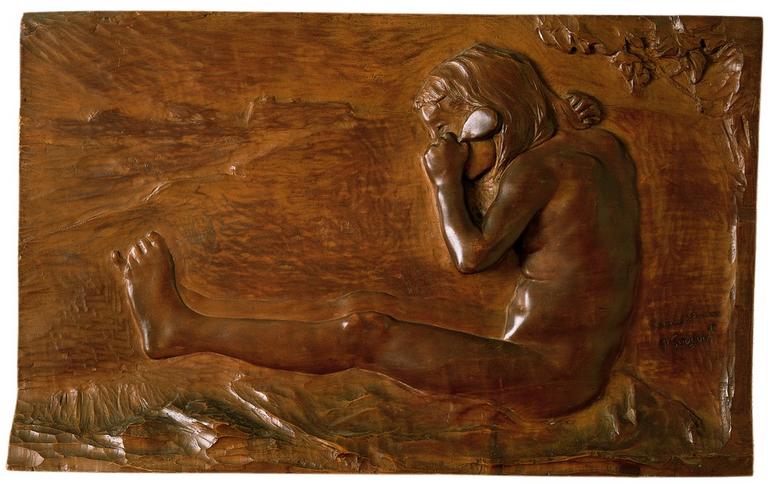
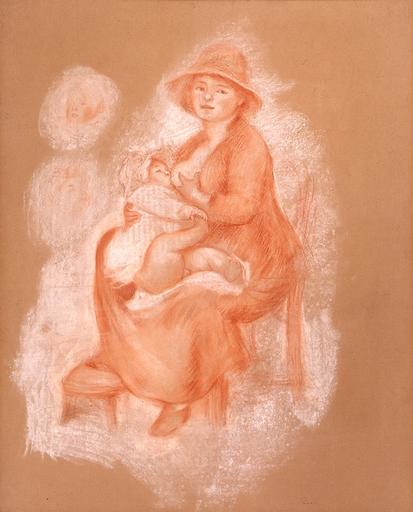
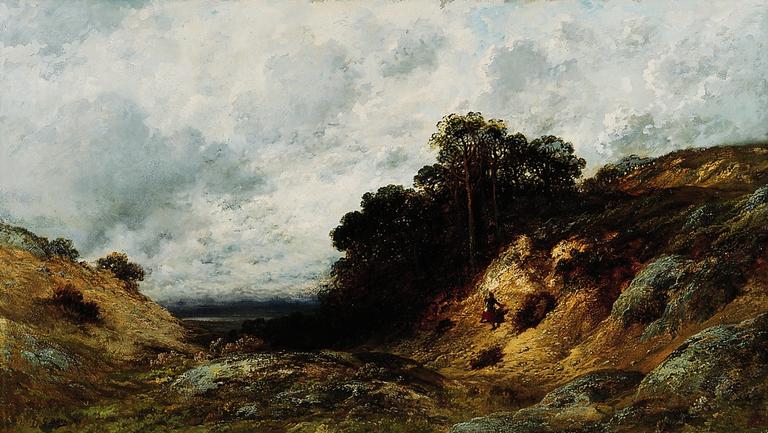
Paysage breton
Darf man es sehen?
Unbekannt
Straßburg, Frankreich
Der Besitzer ist bekannt; ob das Werk derzeit ausgestellt ist, nicht.
- Unverändert seit
- Quelle
- Das Museum
Angaben
- Inventarnummer
- XXI 160
Im Katalog
Quellen
- Musée d’Art moderne et contemporain de Strasbourg
- Bild: Musée d’Art moderne et contemporain de Strasbourg — © musée d'art moderne et contemporain de Strasbourg; Ministère de la Culture (France), base Joconde
Derweil im Leben von Paul Gauguin
Das ganze Leben1891–1901 · Wirkungsort
Tahiti
c. 1898
Suicide Attempt
After finishing Where Do We Come From? What Are We? Where Are We Going?, Gauguin attempted suicide by taking arsenic, but the dose proved too large, and a violent fit of vomiting saved his life.
1899
Birth of a Son by Pahura
In 1899 the artist's Tahitian lover Pahura bore him a son; the painting Women by the Sea (Maternity) is associated with this event.
16 September 1901
Move to Hiva Oa, the House of Pleasure
On 16 September 1901 Gauguin arrived at Atuona on the island of Hiva Oa (Marquesas Islands), where he bought a plot from the Catholic mission and built a two-story house he named the Maison du Jouir ("House of Pleasure"). Here, despite illness and poverty, he worked at full strength — painting landscapes, writing stories, and engaging in journalism.
27 March 1903
Sentence: Fine and Three Months in Prison
After Gauguin's campaign against the gendarmes and his accusations of corruption, the gendarme Claverie sued him for libel: on 27 March 1903 the local magistrate sentenced the artist to a fine of 500 francs and three months in prison. Gauguin appealed to Papeete, but the imprisonment was never carried out — he died shortly afterwards.
8. Mai 1903
Died



![Pair of Wooden Shoes (Sabots) [left], Paul Gauguin, 1889/1890](https://api.nga.gov/iiif/44a731a9-e900-4898-a282-01034fcaa6ca/full/!2400,2400/0/default.jpg)