 Gino SeveriniItalien, 1883–1966
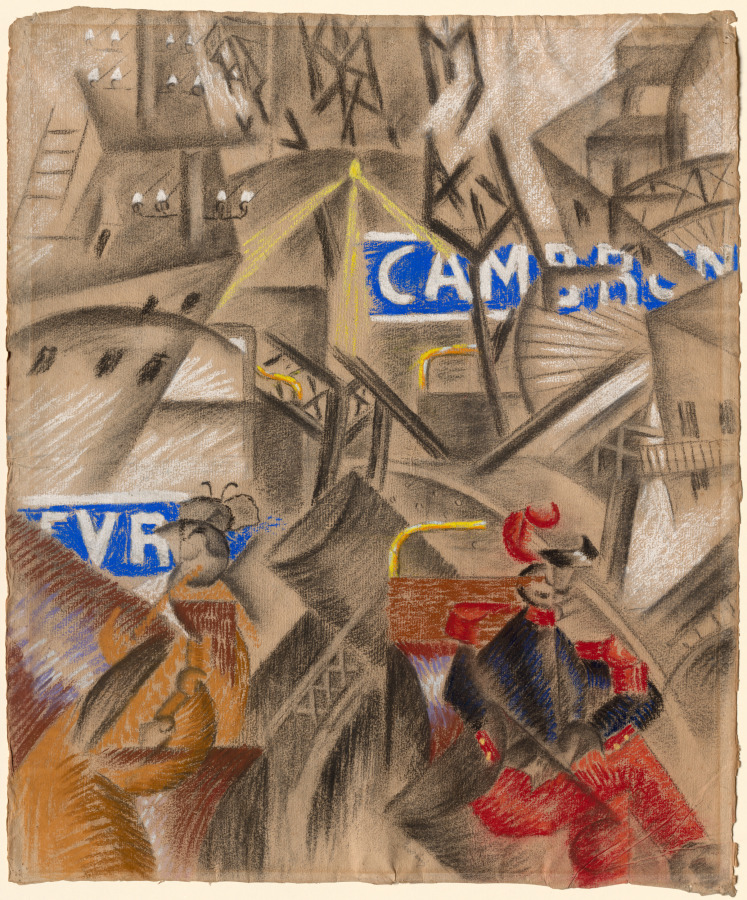
Paris Subway, Ferris Wheel and Eiffel Tower
Kann ich es sehen?
Derzeit nicht ausgestellt
Wo ist „Paris Subway, Ferris Wheel and Eiffel Tower“ heute? Sammlung: Cleveland Museum of Art, Cleveland. Derzeit nicht ausgestellt. Geprüft 29. September 2026.

Cleveland, Vereinigte Staaten
Es gehört zur Sammlung, ist derzeit aber nicht ausgestellt.
- Geprüft
- Unverändert seit
- Quelle
- Das Museum
Über das Werk
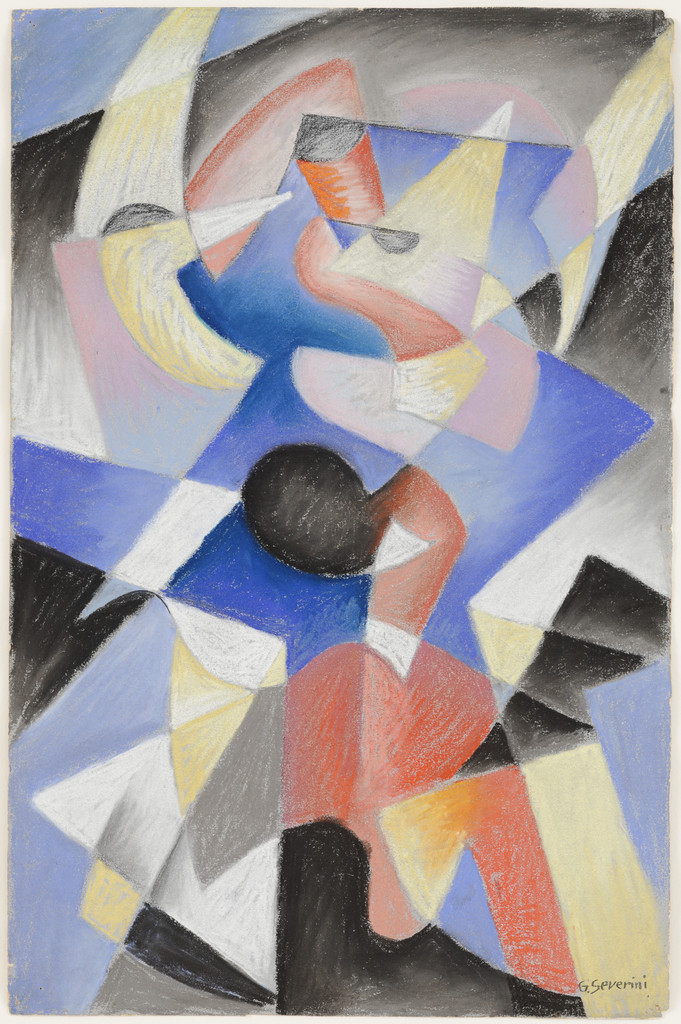
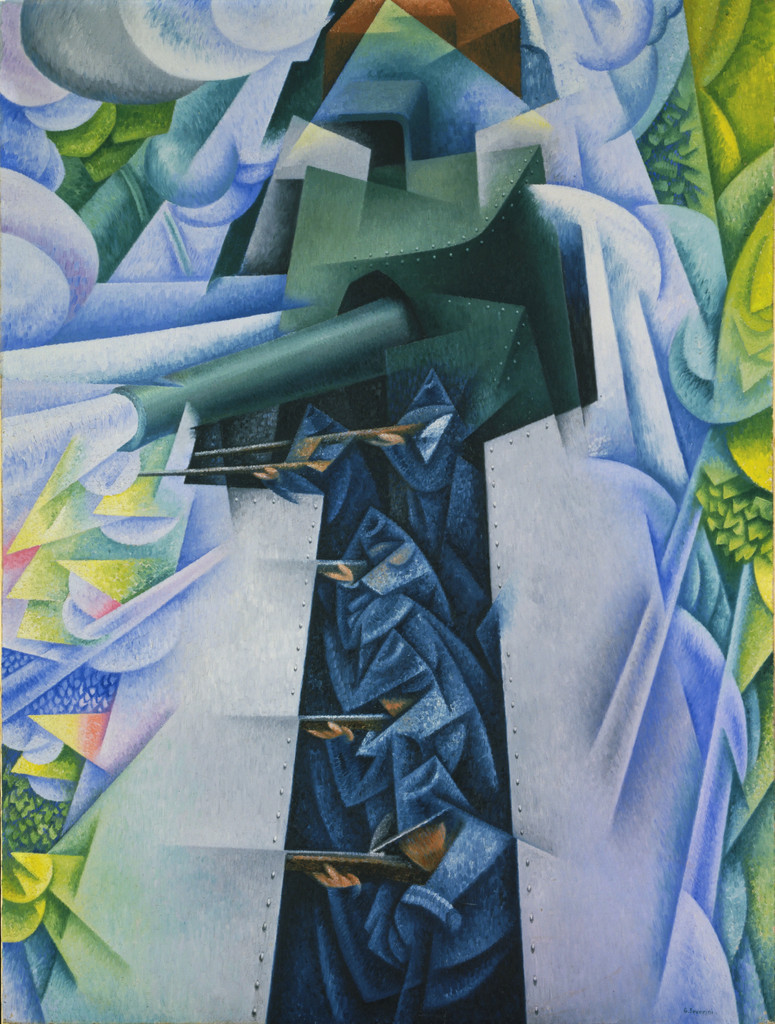
Gino Severini joined the Futurist movement, which emphasized the dynamism, movement, and energy of the modern city, in 1910. He began to depict modern modes of transportation and developed an interest in machines and speed. This pastel was created after Severini visited Paris, in 1911, where he admired technological advances such as the Eiffel Tower and the Métro, the city's relatively new public transportation system. Here, he suggests velocity through shifting planes and viewpoints and abruptly juxtaposing word and image.
Cleveland Museum of Art
Angaben
- Inventarnummer
- 1942.249
Im Katalog
Quellen
- Cleveland Museum of Art
- Bild: Cleveland Museum of Art — © Artists Rights Society (ARS), New York
Im Leben von Gino Severini
Das ganze Lebenfrom 1910
Big-city nightlife becomes his main theme
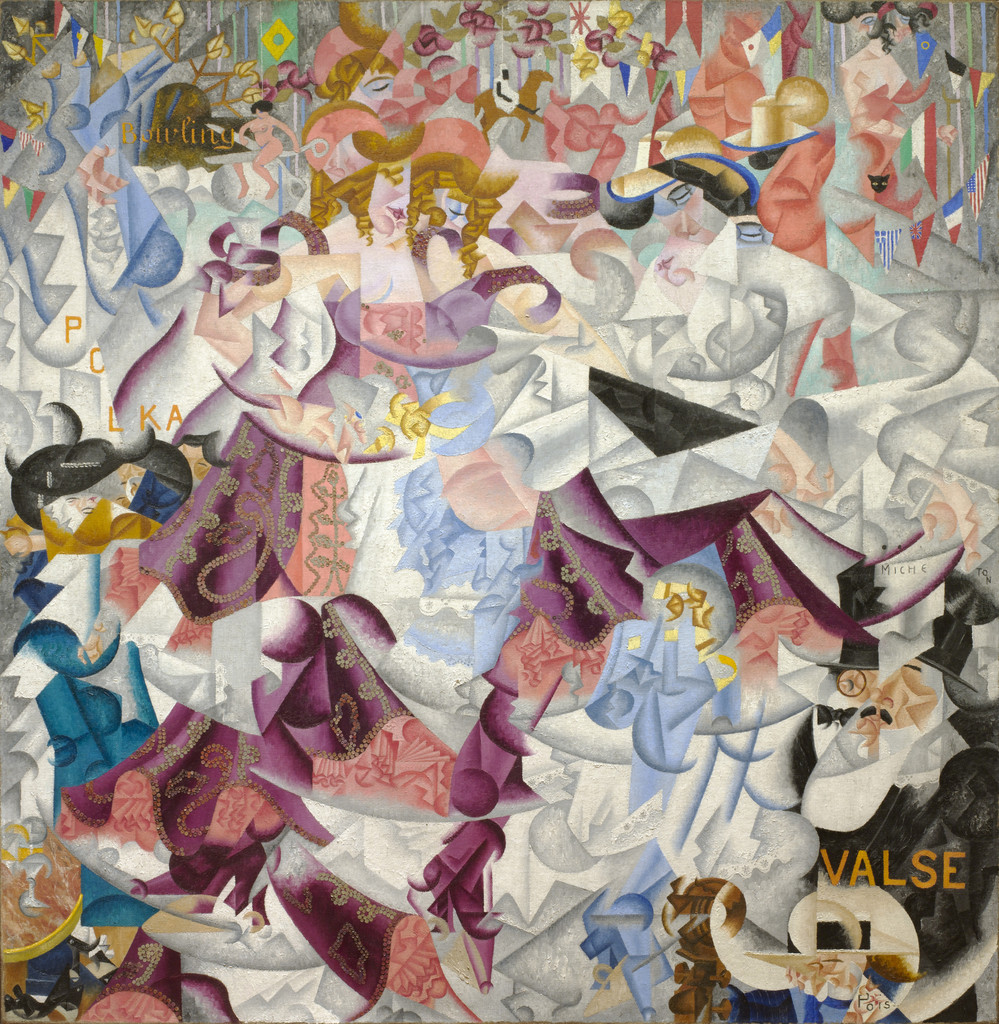
From 1910 the main theme of his paintings is the nightlife of the big city, in which signs of Futurism — dynamism and sharpness of image — can be seen. The machine attracts him less than his fellow Futurists, and he most often chooses the figure of the dancer to express the Futurist theories of dynamism.
February – April 1910
Signs the manifestos of Futurist painting
Invited by Filippo Tommaso Marinetti and Boccioni to join the Futurist movement, he co-signs, with Balla, Boccioni, Carlo Carrà and Luigi Russolo, the Manifesto of the Futurist Painters (February 1910) and the Technical Manifesto of Futurist Painting (April of the same year).
1911
The link between Paris and the Futurists
An important link between artists in France and Italy, he comes into contact with Cubism before his Futurist colleagues; after a visit to Paris in 1911 the Italian Futurists adopt a sort of Cubism, which gives them a means of analysing energy in paintings and expressing dynamism.
1912
First Futurist exhibition outside Italy
He helps to organize the first Futurist exhibition outside Italy, at the Galerie Bernheim-Jeune in Paris, and later takes part in Futurist shows in Europe and the United States. The Futurists were pleased with the response, but, as he later recalled, influential critics, notably Apollinaire, mocked them for their pretensions, their ignorance of the main currents of modern art and their provincialism — and in time Severini came to agree with Apollinaire.
1913
Solo exhibitions in London and Berlin
In 1913 his solo exhibitions are held at the Marlborough Gallery in London (the first of his career) and at Der Sturm in Berlin.
August 1913
Married: Jeanne Fort
.png?width=1280)