 Isaac Levitan1860–1900
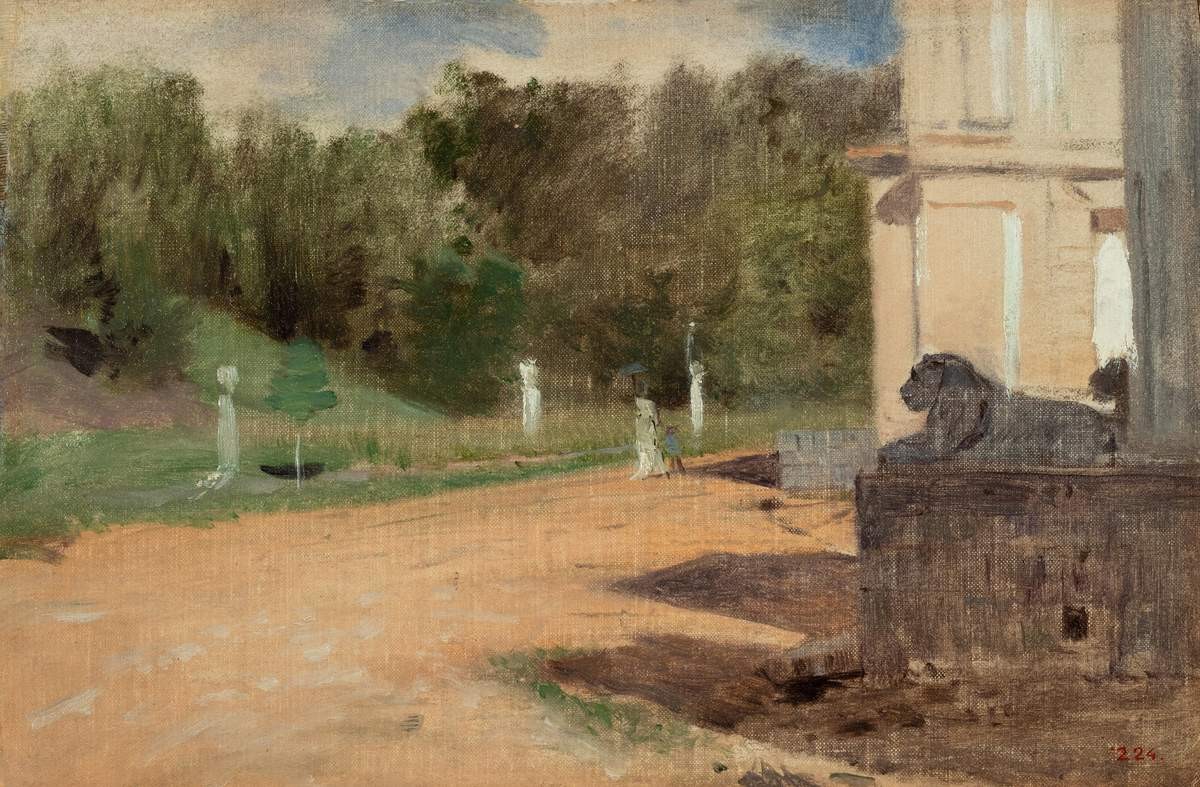
Останкино
Über das Gemälde
In den Worten des Museums — auf Russisch
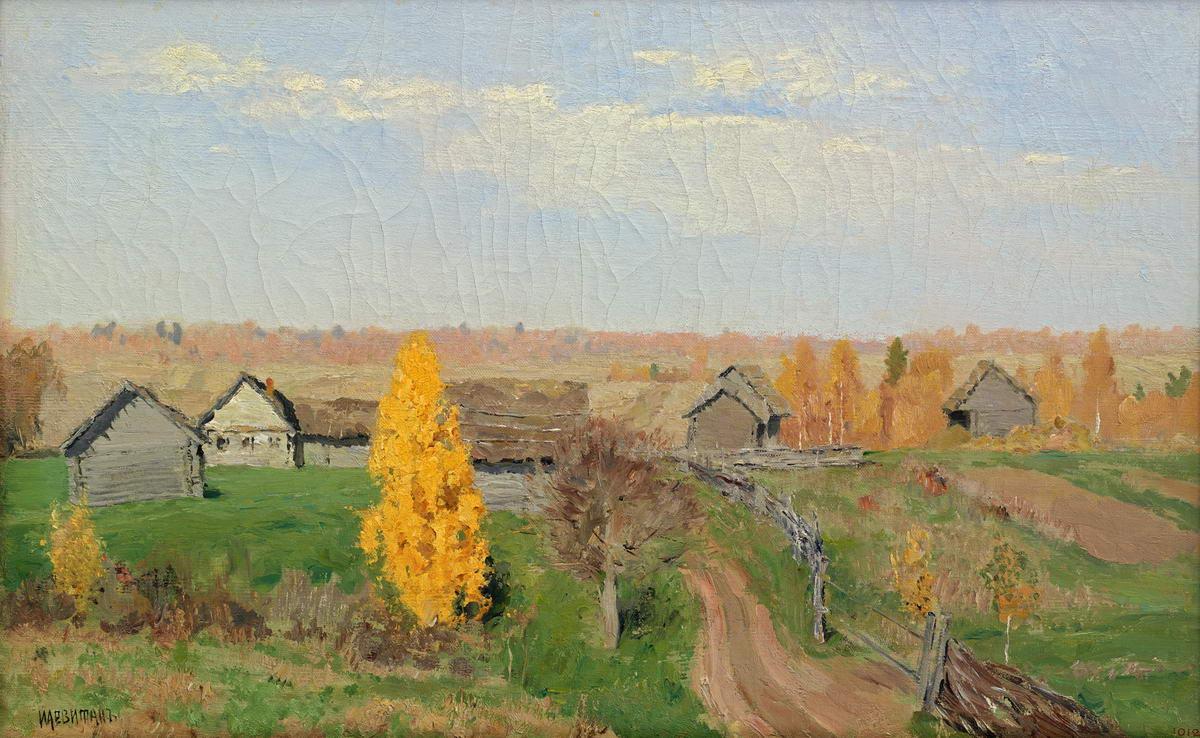
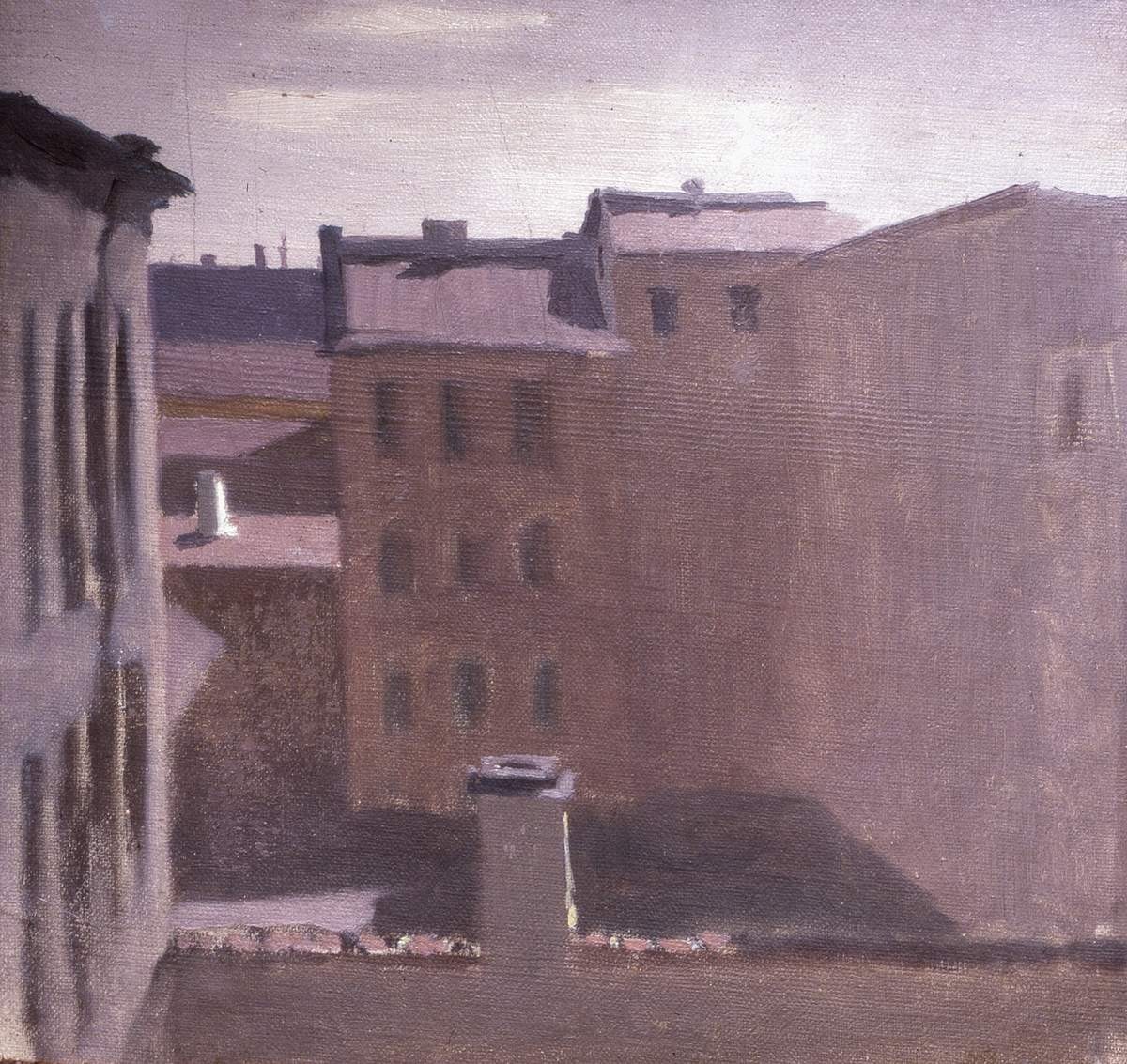
Натурная работа в окрестностях Москвы явилась важным этапом в профессиональном становлении пейзажиста. Вслед за Сокольниками Левитан три лета провел в Останкино, куда вынужден был перевезти больную сестру. в этот период основным результатом занятий живописью стали многочисленные этюды. В них можно найти очарование тихих усадебных уголков (« Останкино», Ж-4274 ), радость оживающей под солнечными лучами природы (« Черемуха », Ж-4275; оба — начало 1880-х, ГРМ), красоту наполненного воздухом деревенского пейзажа (« Домик с ракитами », первая половина 1880-х, ГРМ, Ж-4273), величавость бесконечных прозрачных далей (« Жаркий день », 1883, ГРМ, Ж-1214).
Weiterlesen
Этюд для Левитана имел особое значение. По убеждению художника, только в нем можно было увидеть все характерные черты выбранного мотива. Иногда для большей верности пейзажист начинал писать сразу два этюда одного и того же места. Он был уверен, что «в большом этюде больше вранья»* , и отдавал предпочтение камерным размерам. Результат натурной работы считал самодостаточным и в то же время обязательным художественным материалом для создания полноценной картины. Сергей Кривонденченков. « Пейзаж, завещанный И. И. Левитаном » // Исаак Левитан. К 150-летию со дня рождения. СПб, 2009. С. 7.
*
Russisches Museum

Angaben
- Inventarnummer
- Ж-4274
Derweil im Leben von Isaac Levitan
Das ganze Leben1879
Expelled from Moscow after the attempt on the tsar
After Alexander Soloviev's attempt on Alexander II (2 April), a decree is issued forbidding Jews to live in Moscow, and the eighteen-year-old Levitan is expelled; for the next couple of years he lives with his brother, sister and brother-in-law in a small dacha at Saltykovka near Balashikha. A year later, with the money from the sale of his painting “Evening after Rain”, he rents a furnished room on Bolshaya Lubyanka.
1880
Tretyakov buys “Autumn Day” for 100 roubles
The famous philanthropist and art collector Pavel Mikhailovich Tretyakov buys the painting for 100 roubles and will go on to acquire about twenty more of Levitan's works.
by 1883
The school rejects his picture for the medal
By 1883, disillusioned with the school, Levitan submits a landscape for a silver medal that would have made him a classed artist; Savrasov, by then drinking heavily and no longer teaching, writes “silver medal” on the back of the canvas, but the school rejects the painting and Levitan stops attending classes. Korovin repeated gossip that antisemitism played a part in the rejection.
spring 1884
He takes part in a Peredvizhniki exhibition
In the spring of 1884 he takes part in the travelling exhibition of the Peredvizhniki; he will become a member of their Association in 1891.
mid-1880s
His heart disease sharply worsens