 Louis SullivanVereinigte Staaten, 1856–1924
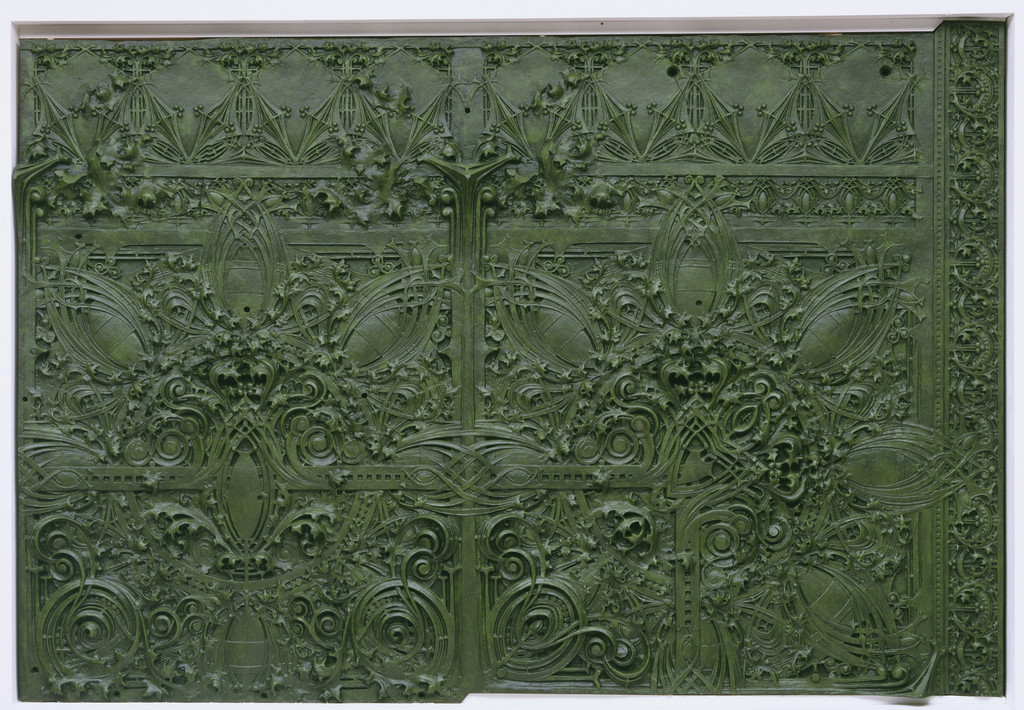
Ornamental relief
Kann ich es sehen?
Ja, derzeit ausgestellt
Wo ist „Ornamental relief“ heute? Minneapolis Institute of Art, G300, Minneapolis. Ja, derzeit ausgestellt. Geprüft 29. September 2026.

Minneapolis, Vereinigte Staaten
Geschlossen· öffnet um 11:00
Öffentlich ausgestellt.
- Geprüft
- Unverändert seit
- Quelle
- Das Museum
Über die Skulptur
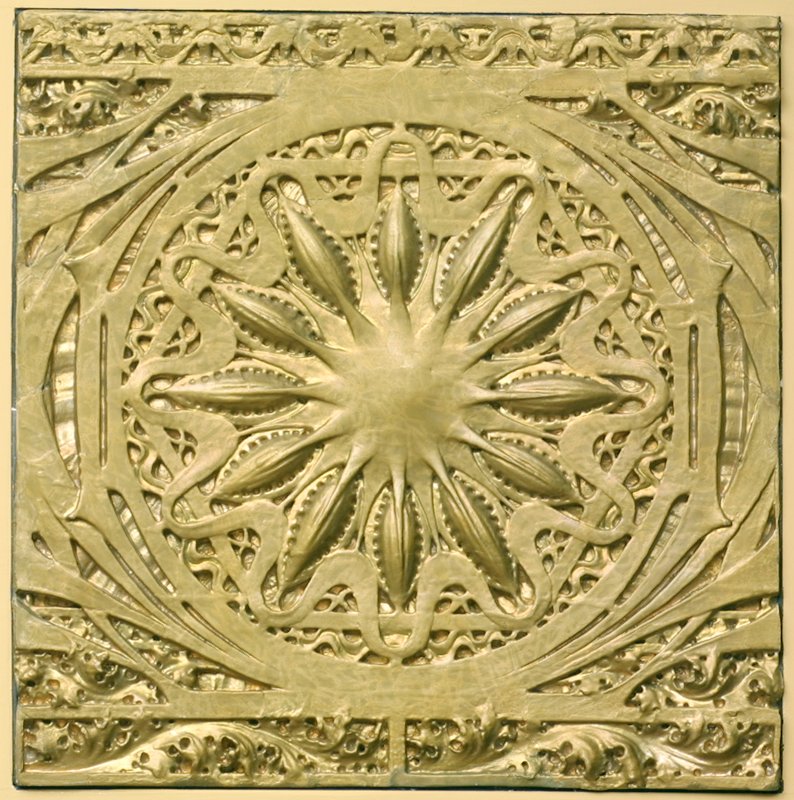
Combining an office tower and a theater, the seventeen-story Schiller Building was the tallest building Adler and Sullivan constructed. The 1, 286-seat theater filled the central portion up to the sixth floor. For the ornamental plaster vaults and panels, Sullivan planned a repeating pattern of stars surround by interlocking circles with lush vines and leaves in green and gold. This theme continued in the large and ornate proscenium arch. As in all Sullivan's architecture, the ornamental motif was repeated throughout the building, both inside and out, to achieve an integrated design.
[insert photo of interior with proscenium arch here - Richard Nickel photo]
Minneapolis Institute of Art
Angaben
- Inventarnummer
- 98.256.4
Im Katalog
Quellen
- Minneapolis Institute of Art
- Bild: Minneapolis Institute of Art — public domain
Im Leben von Louis Sullivan
Das ganze Leben1880s
Fame as theatre architects
Adler & Sullivan first won fame as theatre architects: most of their theatres were in Chicago, but their reputation brought commissions as far west as Pueblo, Colorado, and Seattle (unbuilt).
1890
Chosen to build for the World’s Columbian Exposition
In 1890 Sullivan was one of ten American architects — five from the East and five from the West — chosen to build a major structure for the “White City”, the World’s Columbian Exposition, held in Chicago in 1893.
1893
The Panic of 1893 hits the firm’s practice
Like all American architects, Adler & Sullivan suffered a precipitous decline in practice with the onset of the Panic of 1893; according to Charles Bebb, who worked in the office at the time, Adler borrowed money to keep employees on the payroll.
1894
The firm of Adler & Sullivan breaks up
By 1894, amid continuing financial distress, Adler and Sullivan dissolved their partnership (by other accounts, in 1895); the Guaranty Building is considered the firm’s last major project. Adler had been the one who brought in new business, and after the rupture Sullivan received few large commissions: twenty years of financial and emotional decline began, marked by a shortage of commissions, chronic money troubles and alcoholism.
1894
A break with Wright over moonlighting
In 1894 Sullivan broke with Wright, angered that Wright had taken private commissions in breach of his contract; Wright, however, went on calling him “lieber Meister” (“beloved master”) for the rest of his life.
1894
Three medals from the Union Centrale des Arts Décoratifs
Sullivan’s was the only building at the fair to win extensive recognition outside America: the following year he received three medals for it from the French Union Centrale des Arts Décoratifs.