John Everett MillaisVereinigtes Königreich, 1829–1896
Ophelia
Kann ich es sehen?
Unbekannt
Wo ist „Ophelia“ heute? Sammlung: Tate Gallery, City of Westminster. Ob es heute ausgestellt ist, ist unbekannt.
City of Westminster, Vereinigtes Königreich
Der Besitzer ist bekannt; ob das Werk derzeit ausgestellt ist, nicht.
- Unverändert seit
- Quelle
- Das Museum
Über das Gemälde
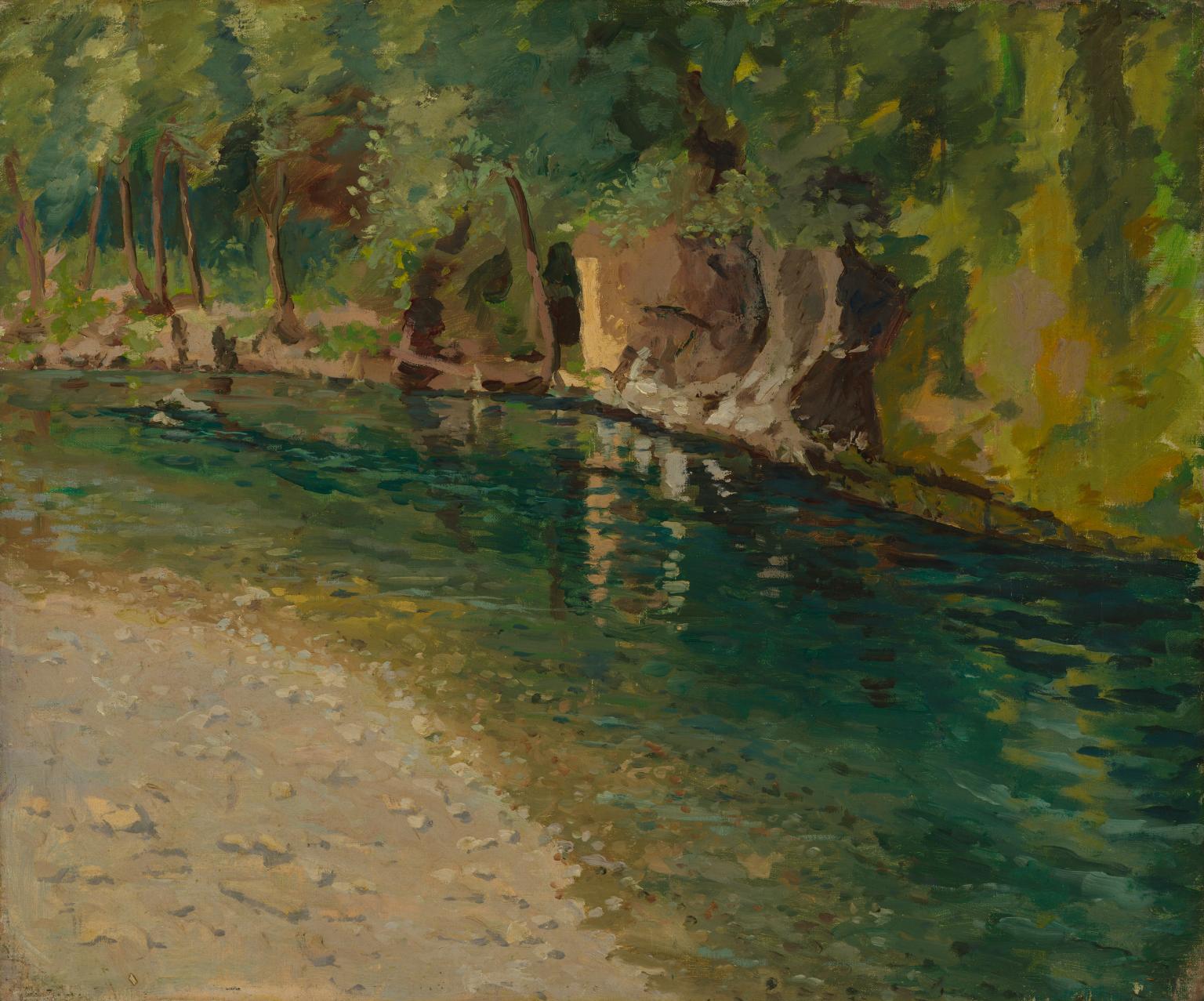
John Everett Millais' Ophelia, datiert 1851–1852, gehört zur Tate in London. Die junge Frau singt im Bach, bevor das durchnässte Kleid sie hinabzieht. Elizabeth Siddal stand Modell; das Ufer studierte Millais am Hogsmill in Surrey. In Hamlet wird der Tod von Gertrud erzählt und gewöhnlich nicht auf der Bühne dargestellt.
Ophelia ist ein Gemälde von John Everett Millais, das 1852 fertiggestellt wurde. Es stellt die gleichnamige Figur aus Shakespeares Tragödie Hamlet dar, wie sie in einem Fluss treibt, kurz bevor sie ertrinkt.
Angaben
- Inventarnummer
- N01506
Im Katalog
Ausstellungen
Ob es heute ausgestellt ist, ist unbekannt
Tate Gallery · 13. Okt. 2026 — jetzt · Unbestätigt
Ob es ausgestellt war, ist unbekannt
National Gallery · 29. Sept. 2026 — 13. Okt. 2026 · Unbestätigt
Quellen
- Wikidata
- Bild: Tate Gallery — John Everett Millais · Public domain · Wikimedia Commons
Im Leben von John Everett Millais
Das ganze Leben1850
The scandal over “Christ in the House of His Parents”
Christ in the House of His Parents (1850) was judged excessively realistic, showing a working-class Holy Family in a messy carpentry workshop, and The Times called it outrageous. Millais was undaunted: the critic John Ruskin saw his outstanding talent at once and backed him, and his works were always accepted for the Academy’s exhibitions, however radical.
1851–1852
Elizabeth Siddal sits for “Ophelia”
For Ophelia (1851–52), his best-known painting, Millais portrayed Rossetti’s beloved Elizabeth Siddal as the heroine. The dense, elaborate pictorial surface, weaving the figure into the natural world, has been described as a kind of “pictorial eco-system”.
1853
Elected an associate member of the Royal Academy
In 1853 Millais was elected an associate member of the Royal Academy of Arts.
summer 1853
A summer at Glenfinlas: falling in love with Effie Ruskin
In the summer of 1853 John Ruskin and his wife Effie invited Millais to spend the summer with them at Glenfinlas, where Millais and Effie fell in love. Effie modelled for his The Order of Release; her marriage to Ruskin, which had lasted several years, was annulled after her parents realised something was wrong and she filed for annulment, and Millais and Effie then married.