ART WIKI32.963 ausgestellt
KarteSammlungKünstlerMuseenAusstellungenJournal
Anmelden

ART WIKI

Wo das Meisterwerk hängt und wann man vorgelassen wird.

Sammlungen: Art Institute of Chicago, Cleveland Museum of Art, Eremitage, Getty Villa, Harvard Art Museums, Hirshhorn Museum and Sculpture Garden, J. Paul Getty Museum, Louvre, Metropolitan Museum of Art, Minneapolis Institute of Art, Museum of Modern Art, National Gallery of Art, National Museum of Asian Art, National Portrait Gallery, Puschkin-Museum, Rijksmuseum Amsterdam, Russisches Museum, Smithsonian American Art Museum, Statens Museum for Kunst, Tretjakow-Galerie, Victoria and Albert Museum, Whitney Museum of American Art, Staatskatalog des Museumsfonds Russlands (274 Museen), Europeana (19 Museen), Wikidata (6 Museen), Paris Musées (12 Museen) und Joconde, die Museumsdatenbank des französischen Kulturministeriums (495 Museen). Die Bilder gehören ihren Rechteinhabern.

Rubriken

  • Karte
  • Suche
  • Sammlung
  • Meisterwerke
  • Jetzt ausgestellt
  • Künstler

Mehr

  • Museen & Galerien
  • Ausstellungen
  • Journal
  • Woher die Daten stammen
  • Datenschutz & Cookies
StartseiteKarteKatalog
  1. Sammlung/
  2. Minneapolis Institute of Art/
  3. Noh and Kyogen Masks
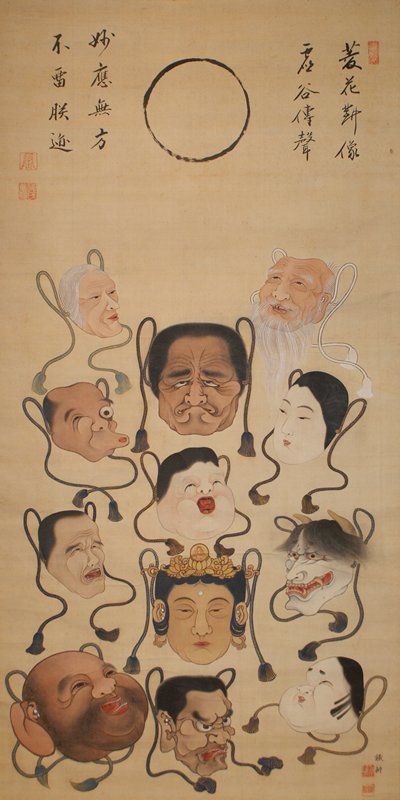
Noh and Kyogen Masks, Ueda Tekkō, early 20th century
UUeda TekkōJapan

Noh and Kyogen Masks

early 20th century · Paintings, Calligraphy

Darf man es sehen?

Empfängt derzeit nicht

Minneapolis Institute of Art

Minneapolis, Vereinigte Staaten

Es gehört zur Sammlung, ist derzeit aber nicht ausgestellt.

Geprüft
vor 3 Tagen
Unverändert seit
25. Sept. 2026
Quelle
Das Museum
Auf der KarteMuseumsseite

Über das Gemälde

Twelve floating heads run the gamut of emotions in this hanging scroll. The heads are masks, as signaled by the corded ties extending from the ears or sides of the heads. Some of the masks depict supernatural subjects, such as the fierce demon with fangs and horns at the right, the serene bodhisattva second from the bottom in the center column, and the large bulbous head of the laughing god of happiness, Hotei (Ch. Budai) at the bottom left.

The inscription along the top is an excerpt from The Record of Linji, a collection of the words and deeds of Linji Yixuan (died 866), the founder of Chan (Jp. Zen) Buddhism. Zeami Motokiyo, who with his father Kan’ami Kiyotsugu developed the current form of Noh theater, often incorporated Zen Buddhist themes into his plays. The excerpt from The Record of Linji might be a reference to this connection between Zen and Noh.

菱花対像

虚谷伝声

妙応無方

不留朕跡

Weiterlesen

A mirror confronting a form, an empty valley echoing a sound.

Marvelously responding in any direction, he left not a trace behind.

(Trans. Ruth Fuller Sasaki)

Minneapolis Institute of Art

Angaben

Inventarnummer
2013.31.171

Im Katalog

GemäldeTuscheJapanische MalereiJapan

Quellen

  • Minneapolis Institute of Art
  • Bild: Minneapolis Institute of Art — public domain
Nachbarn im Haus: Minneapolis Institute of Art

Museumsseite
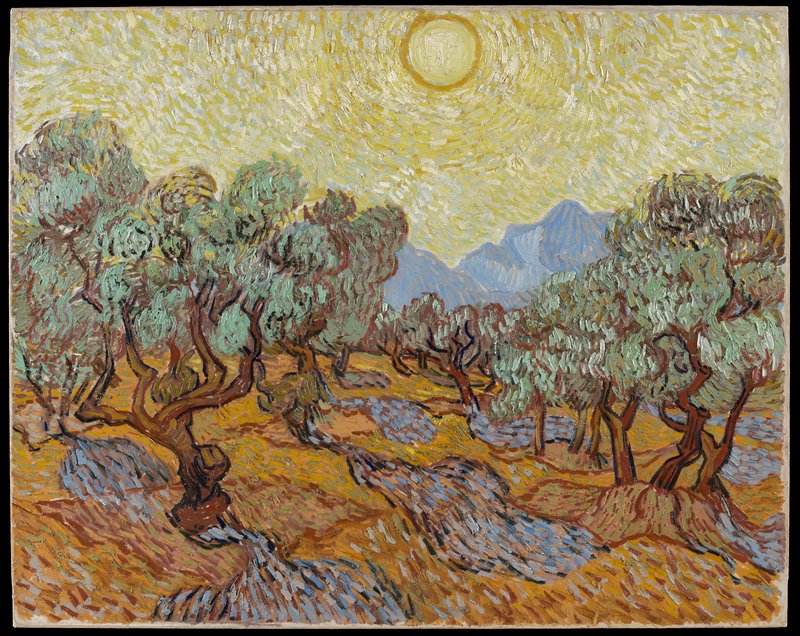
Olive Trees, Vincent van Gogh, 1889

Vincent van Gogh

Olive Trees, 1889

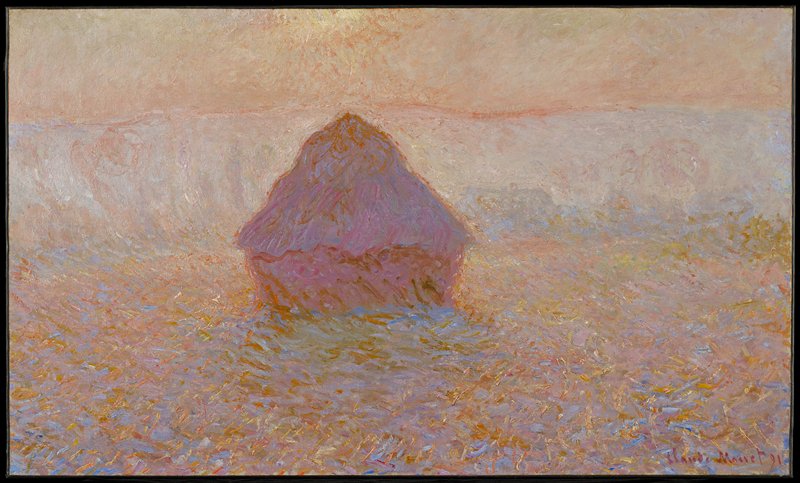
Grainstack, Sun in the Mist, Claude Monet, 1891

Claude Monet

Grainstack, Sun in the Mist, 1891

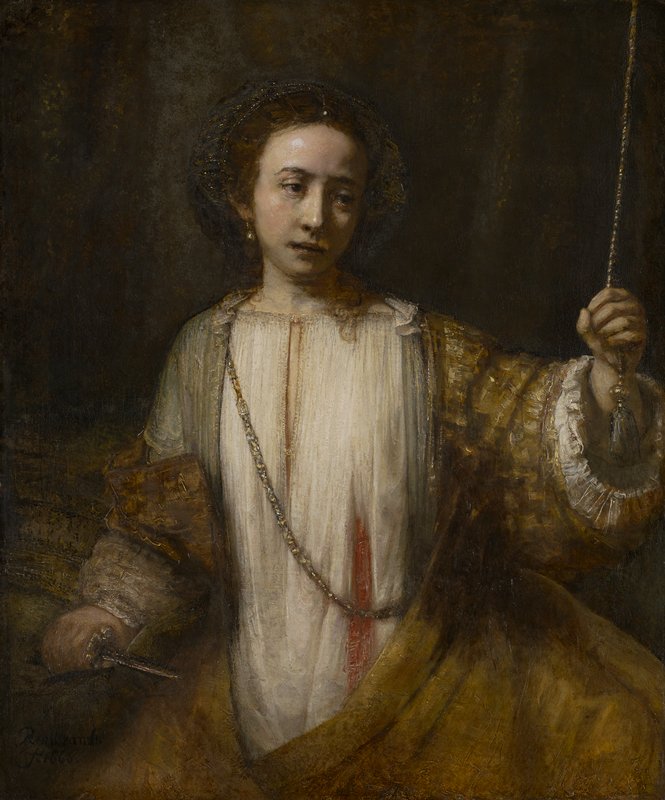
Lucretia, Rembrandt van Rijn, 1666

Rembrandt van Rijn

Lucretia, 1666

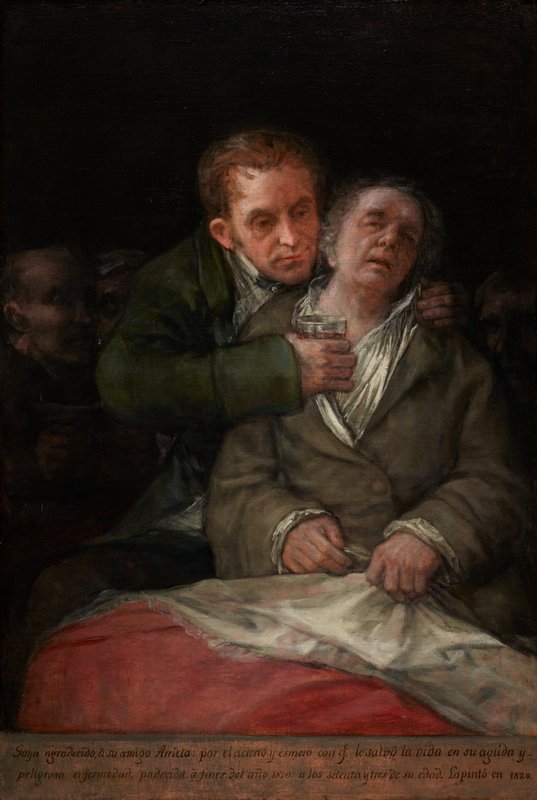
Self-Portrait with Dr. Arrieta, Francisco José de Goya y Lucientes, 1820

Francisco de Goya

Self-Portrait with Dr. Arrieta, 1820

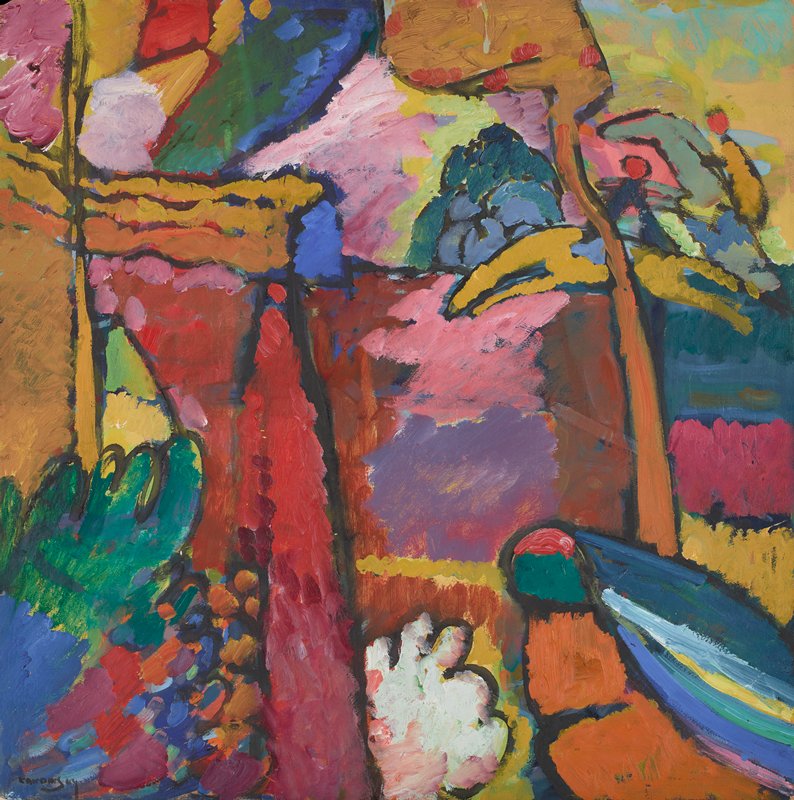
Study for Improvisation V, Vassily Kandinsky, 1910

Vasily Kandinsky

Study for Improvisation V, 1910

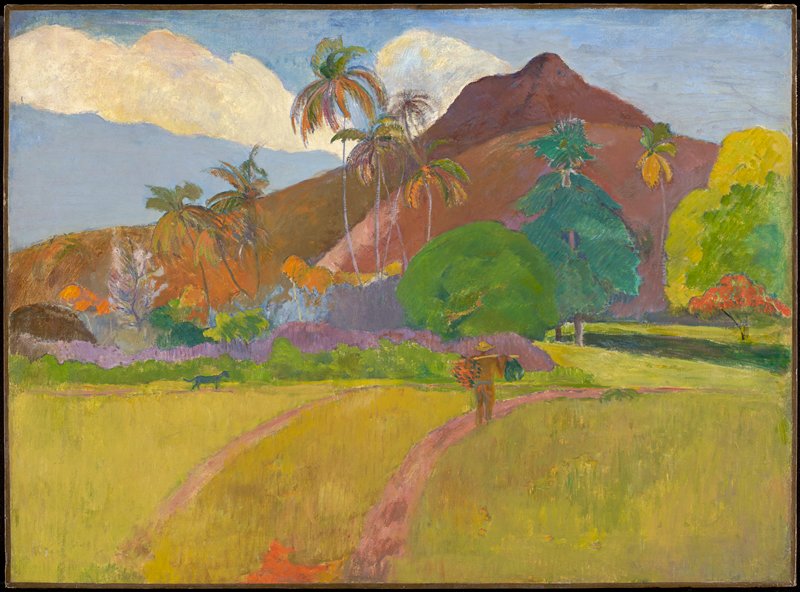
Tahitian Landscape, Paul Gauguin, 1891

Paul Gauguin

Tahitian Landscape, 1891

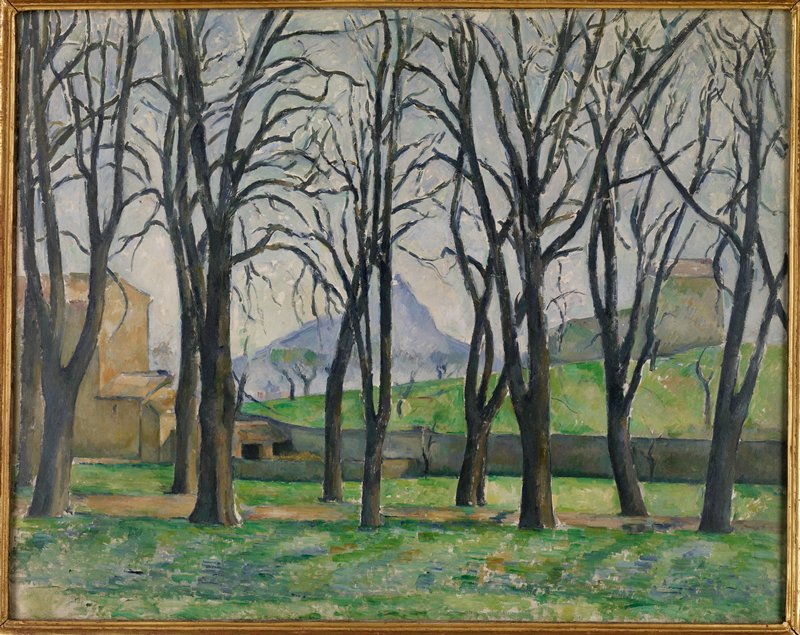
Chestnut Trees at Jas de Bouffan, Paul Cézanne, c. 1885–86

Paul Cézanne

Chestnut Trees at Jas de Bouffan, c. 1885–86

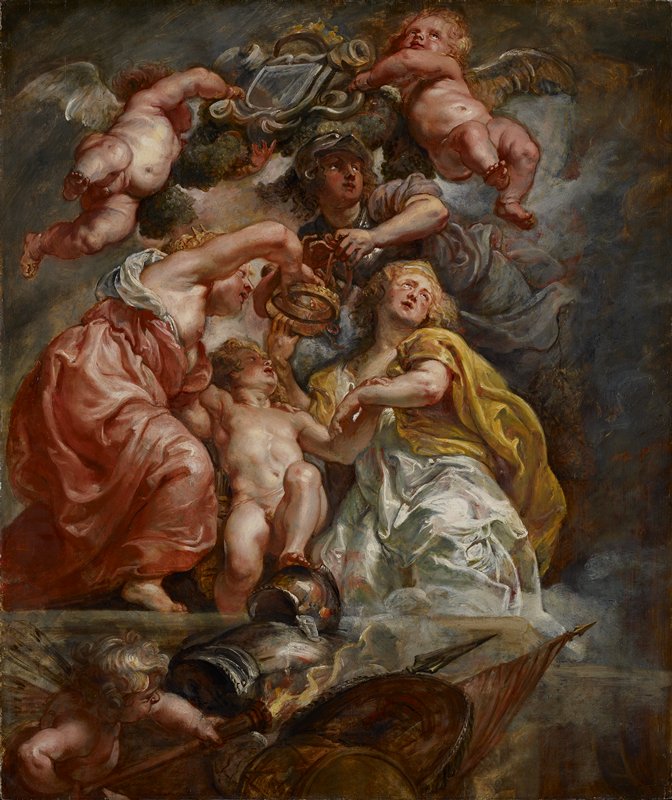
The Union of England and Scotland (Charles I as the Prince of Wales), Peter Paul Rubens, 1633–34

Peter Paul Rubens

The Union of England and Scotland (Charles I as the Prince of Wales), 1633–34