ART WIKI33.040 ausgestellt
KarteSammlungKünstlerMuseenAusstellungenJournal
Anmelden

ART WIKI

Wo das Meisterwerk hängt und wann man vorgelassen wird.

Sammlungen: Art Institute of Chicago, Cleveland Museum of Art, Eremitage, Getty Villa, Harvard Art Museums, Hirshhorn Museum and Sculpture Garden, J. Paul Getty Museum, Louvre, Metropolitan Museum of Art, Minneapolis Institute of Art, Museum of Modern Art, National Gallery of Art, National Museum of Asian Art, National Portrait Gallery, Puschkin-Museum, Rijksmuseum Amsterdam, Russisches Museum, Smithsonian American Art Museum, Statens Museum for Kunst, Tretjakow-Galerie, Victoria and Albert Museum, Whitney Museum of American Art, Staatskatalog des Museumsfonds Russlands (274 Museen), Europeana (19 Museen), Wikidata (6 Museen), Paris Musées (12 Museen) und Joconde, die Museumsdatenbank des französischen Kulturministeriums (495 Museen). Die Bilder gehören ihren Rechteinhabern.

Rubriken

  • Karte
  • Suche
  • Sammlung
  • Meisterwerke
  • Jetzt ausgestellt
  • Künstler

Mehr

  • Museen & Galerien
  • Ausstellungen
  • Journal
  • Woher die Daten stammen
  • Datenschutz & Cookies
StartseiteKarteKatalog
  1. Sammlung/
  2. Victoria and Albert Museum/
  3. Nine Habsburg Emperors, Rudolph I
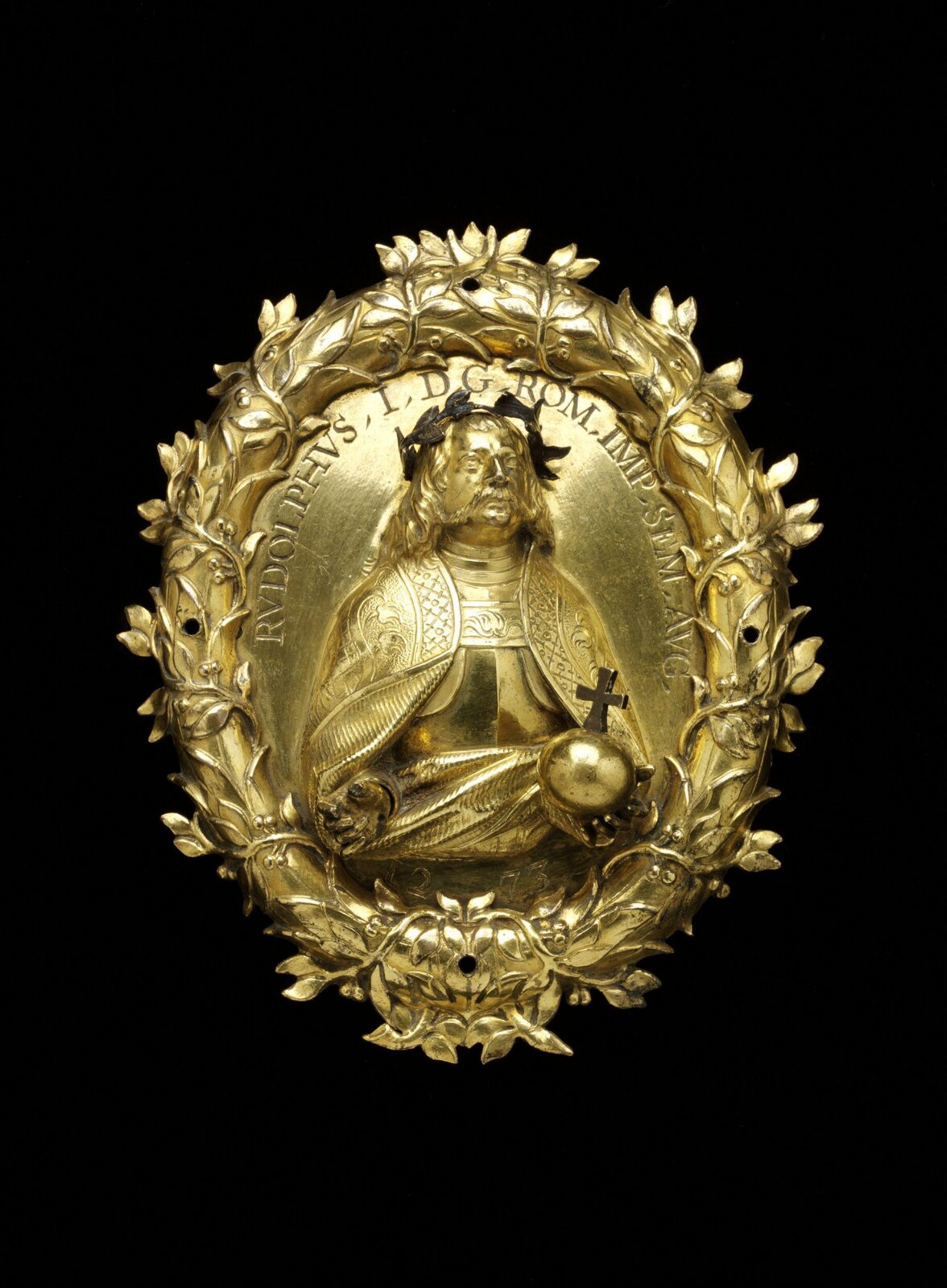
Nine Habsburg Emperors, Rudolph I, 1650-1675

Nine Habsburg Emperors, Rudolph I

1650-1675 · Plaque · 10.1 × 8.5 cm

Über die Skulptur

This plaque is one of nine survivors from an original set of thirteen depicting members of the Habsburg family who had been elected Emperor. This title consciously recalled the imperial power of the rulers of Ancient Rome, and the Emperor, elected by German princes, was expected to act as the secular equivalent of the Pope and defend the Catholic religion. In 1512 this religious aspect was reinforced when the imperial title was modified to 'Holy Roman Emperor'. This alteration may have been prompted by concerns about the emergence of the Protestant challenge to the Catholic religion. From 1438, when Albert II was elected Emperor, the title was virtually hereditary in the Habsburg dynasty. This set of portraits was probably made for someone with strong sympathies for the Habsburg dynasty.

Weiterlesen

The numbering of the images shows the series would have included a portrait (now lost) of Emperor Frederick III, who had usurped the imperial throne in 1314. Holes in the frame of the plaques suggest they were attached to furnishings, such as a cabinet. Series of historical or illustrious figures were a fashionable decorative device in the sixteenth and seventeenth century. Such sequences reminded the viewer of the lessons that could be learned from the study of the past.

Victoria and Albert Museum

Angaben

Inventarnummer
A.11-1977

Im selben Saal · Europe 1600-1815, Room 6, The Lisa and Bernard Selz Gallery, Victoria and Albert Museum

Museumsseite

Darf man es sehen?

Ja, es empfängt Besucher

Victoria and Albert Museum

London, Vereinigtes Königreich

SaalEurope 1600-1815, Room 6, The Lisa and Bernard Selz Gallery

Öffentlich ausgestellt. Wer dafür bürgt, steht unten.

Geprüft
vor 13 Tagen
Unverändert seit
25. Sept. 2026
Quelle
Das Museum
Auf der KarteMuseumsseite

Was es zeigt

Rudolf I

Im Katalog

SkulpturBronzeBarock17. JahrhundertDeutschland

Quellen

  • Victoria and Albert Museum
  • Bild: Victoria and Albert Museum — © Victoria and Albert Museum, London
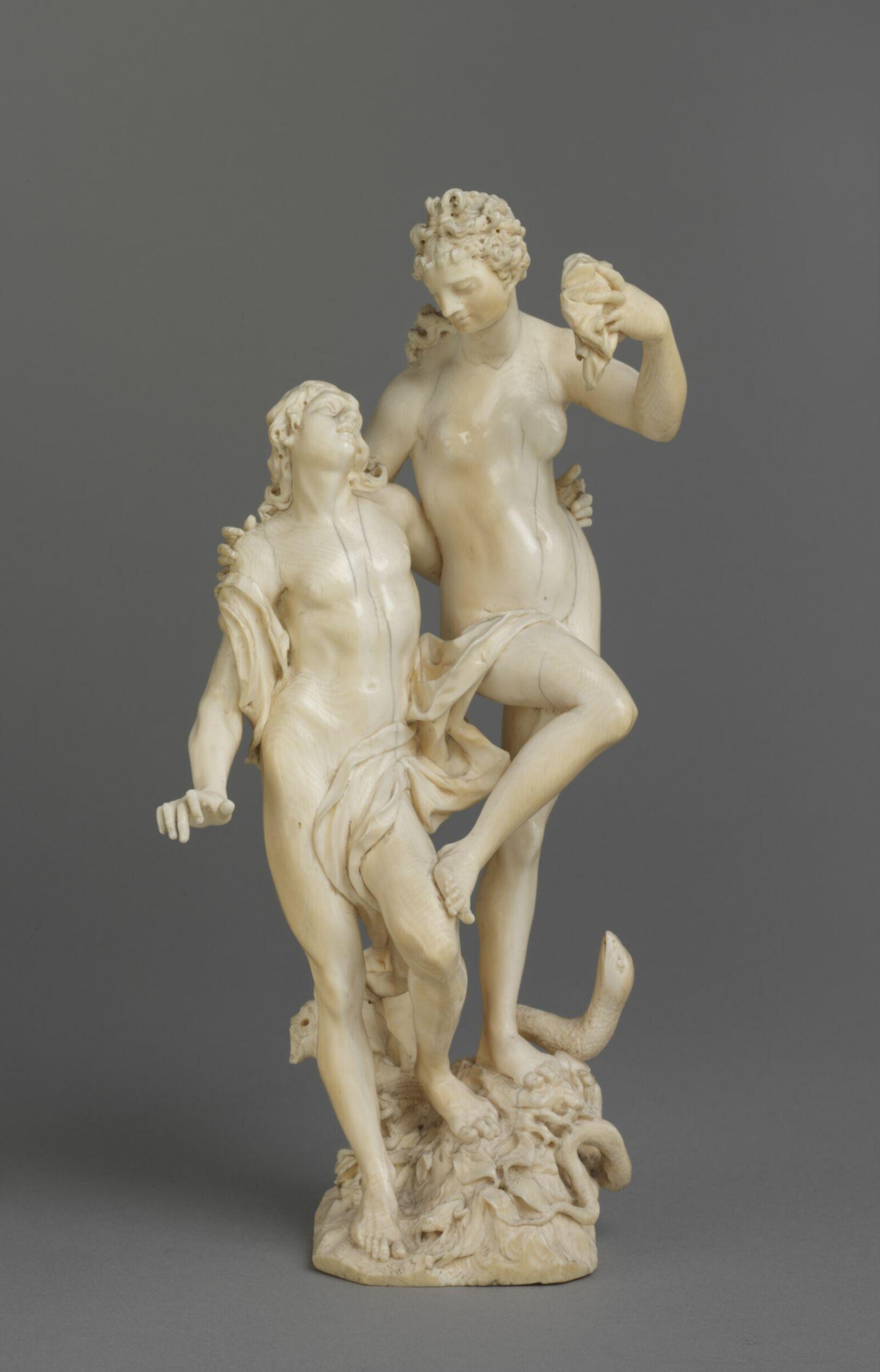
Orpheus and Eurydice, Johann Leonhard Baur, 1716

Johann Leonhard Baur

Orpheus and Eurydice, 1716

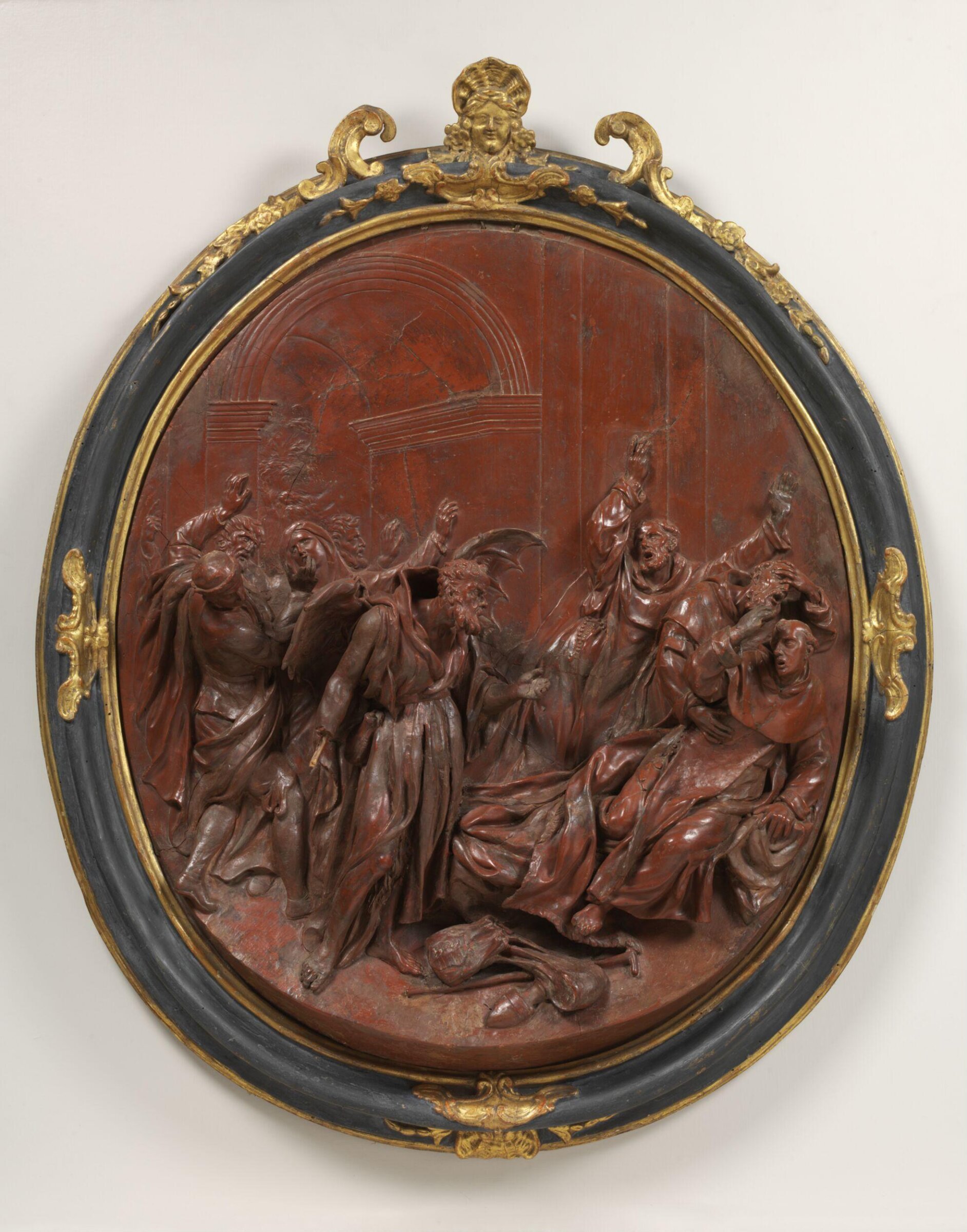
The Blessed Ambrogio Sansedoni Visited by the Devil, Massimiliano Soldani, ca. 1700

Massimiliano Soldani

The Blessed Ambrogio Sansedoni Visited by the Devil, ca. 1700

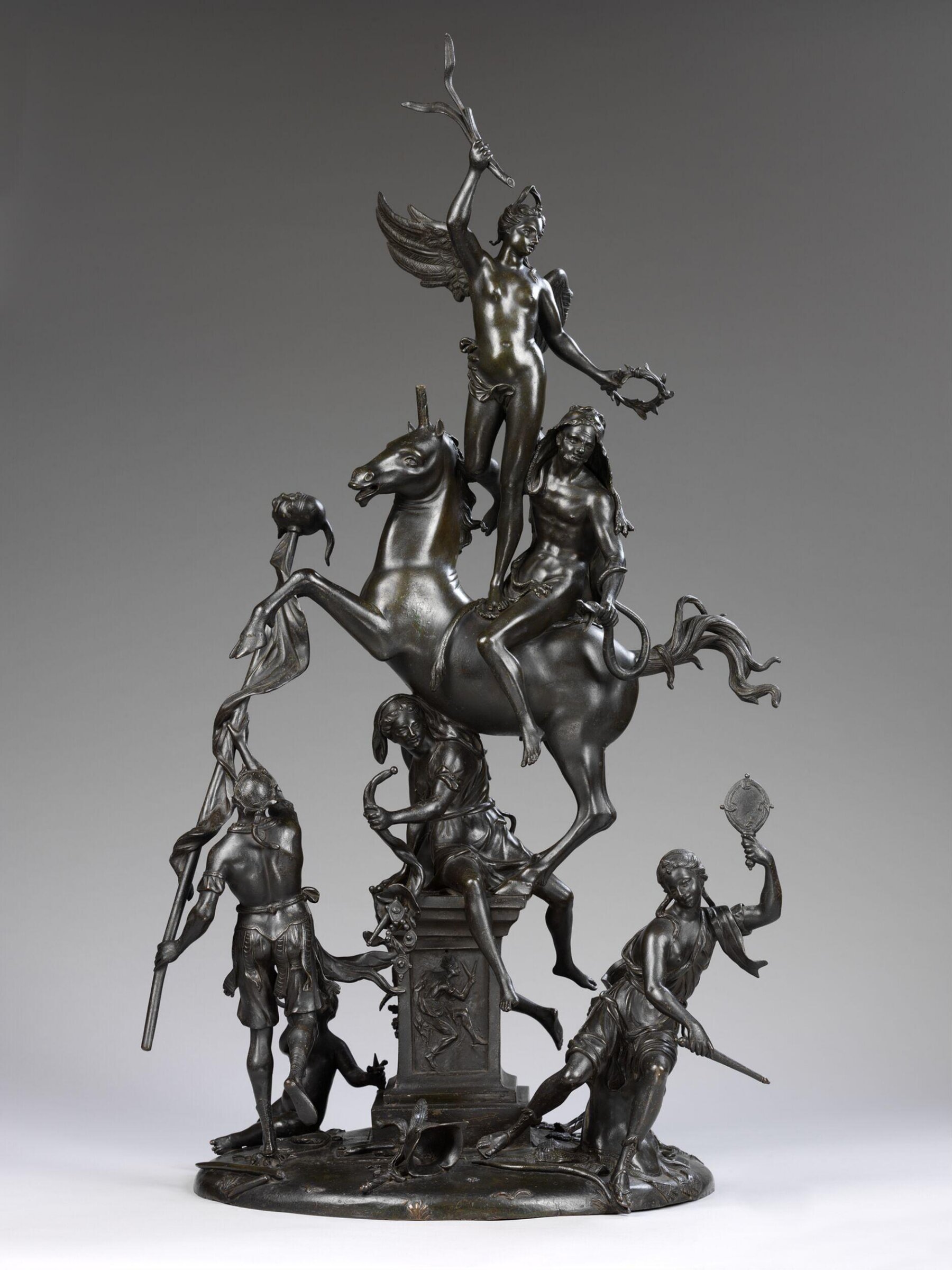
An Allegory of Triumph, Francesco Bertos, ca. 1700

Francesco Bertos

An Allegory of Triumph, ca. 1700

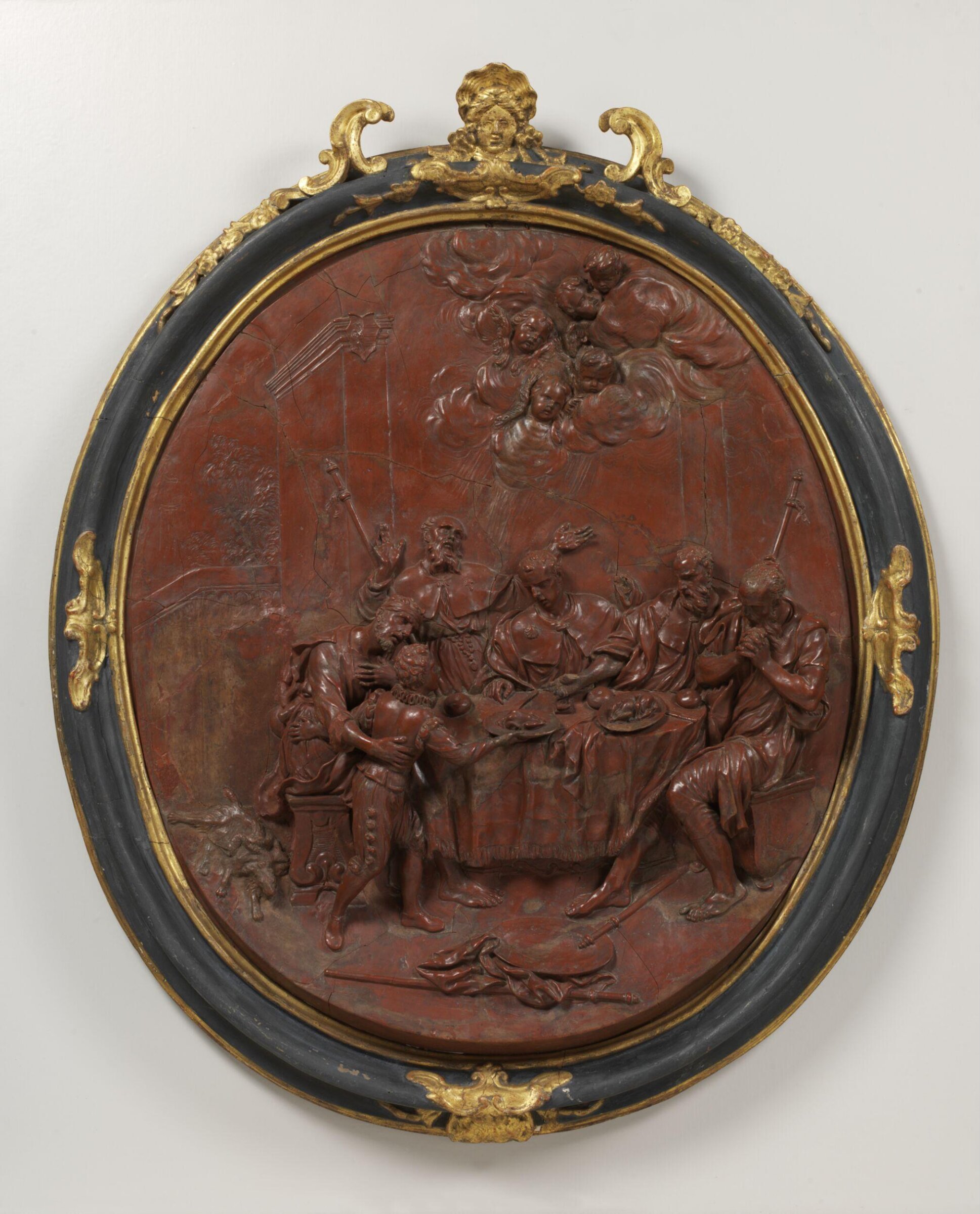
The Blessed Ambrogio Sansedoni Feeding the Pilgrims, Massimiliano Soldani Benzi, ca. 1692-1700

Massimiliano Soldani Benzi

The Blessed Ambrogio Sansedoni Feeding the Pilgrims, ca. 1692-1700

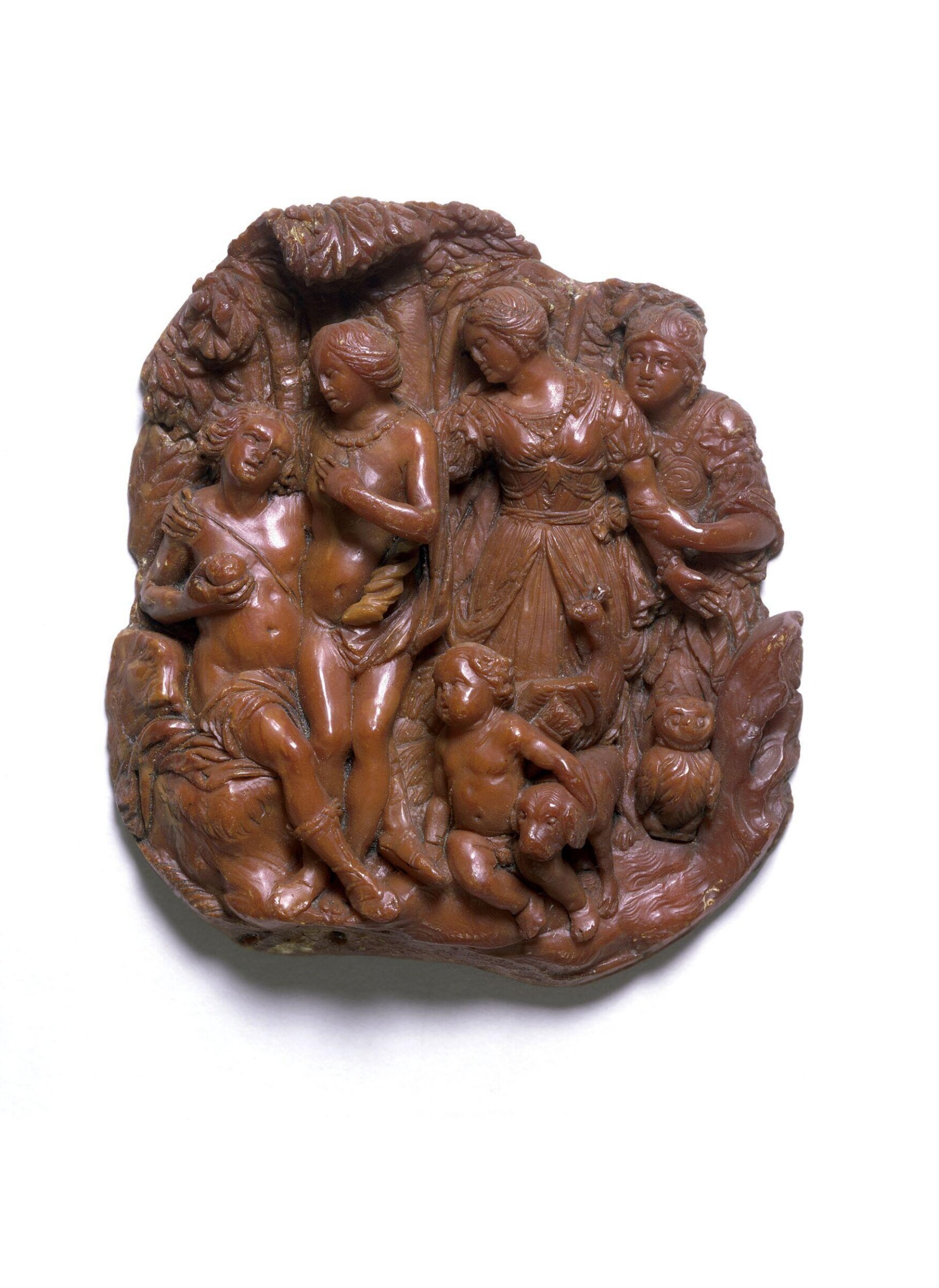
The Judgement of Paris, Christoph Maucher, 1690-1700

Christoph Maucher

The Judgement of Paris, 1690-1700

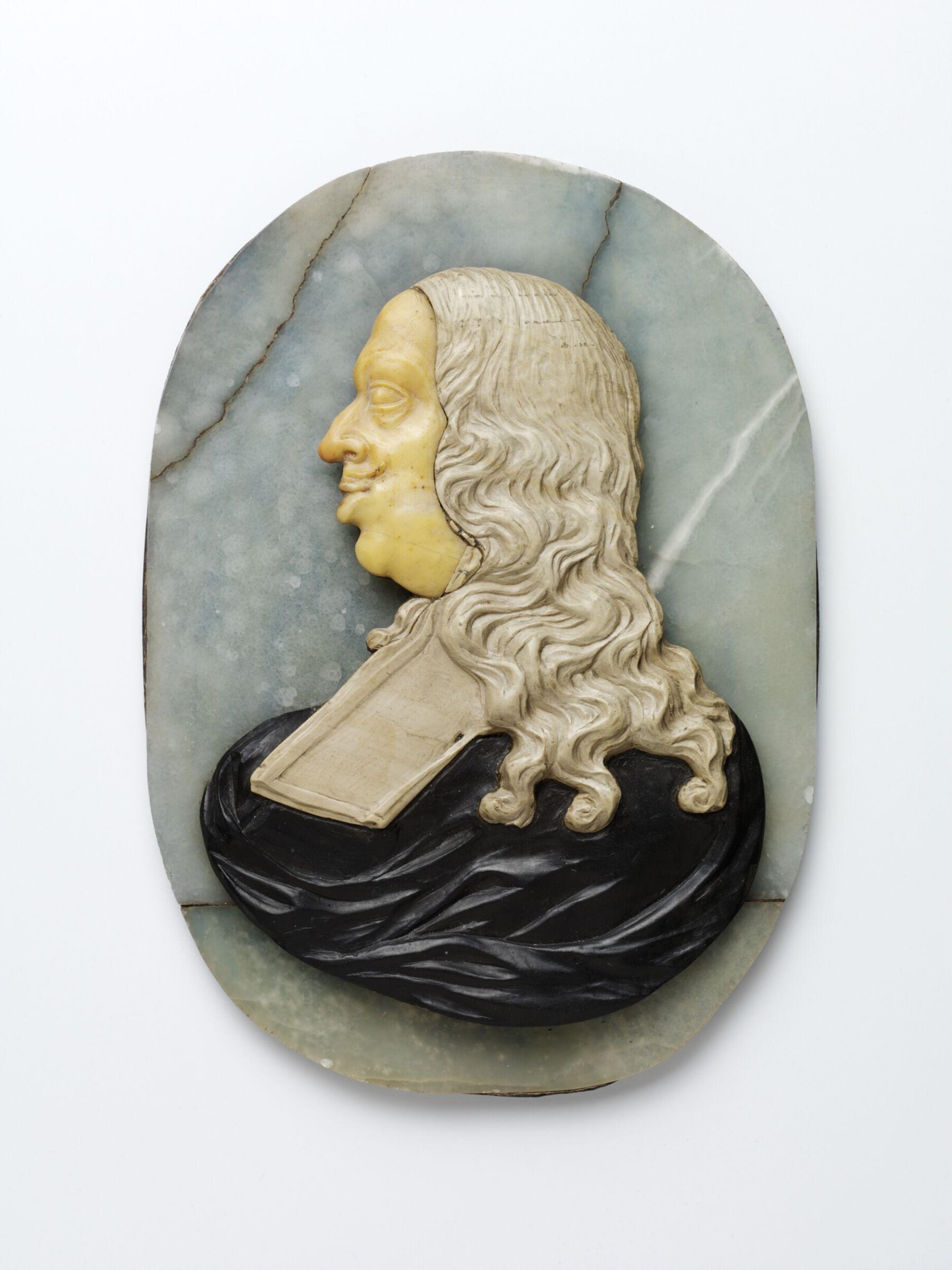
Cosimo III de' Medici, Giuseppe Antonio Torricelli, ca. 1680-1694

Giuseppe Antonio Torricelli

Cosimo III de' Medici, ca. 1680-1694

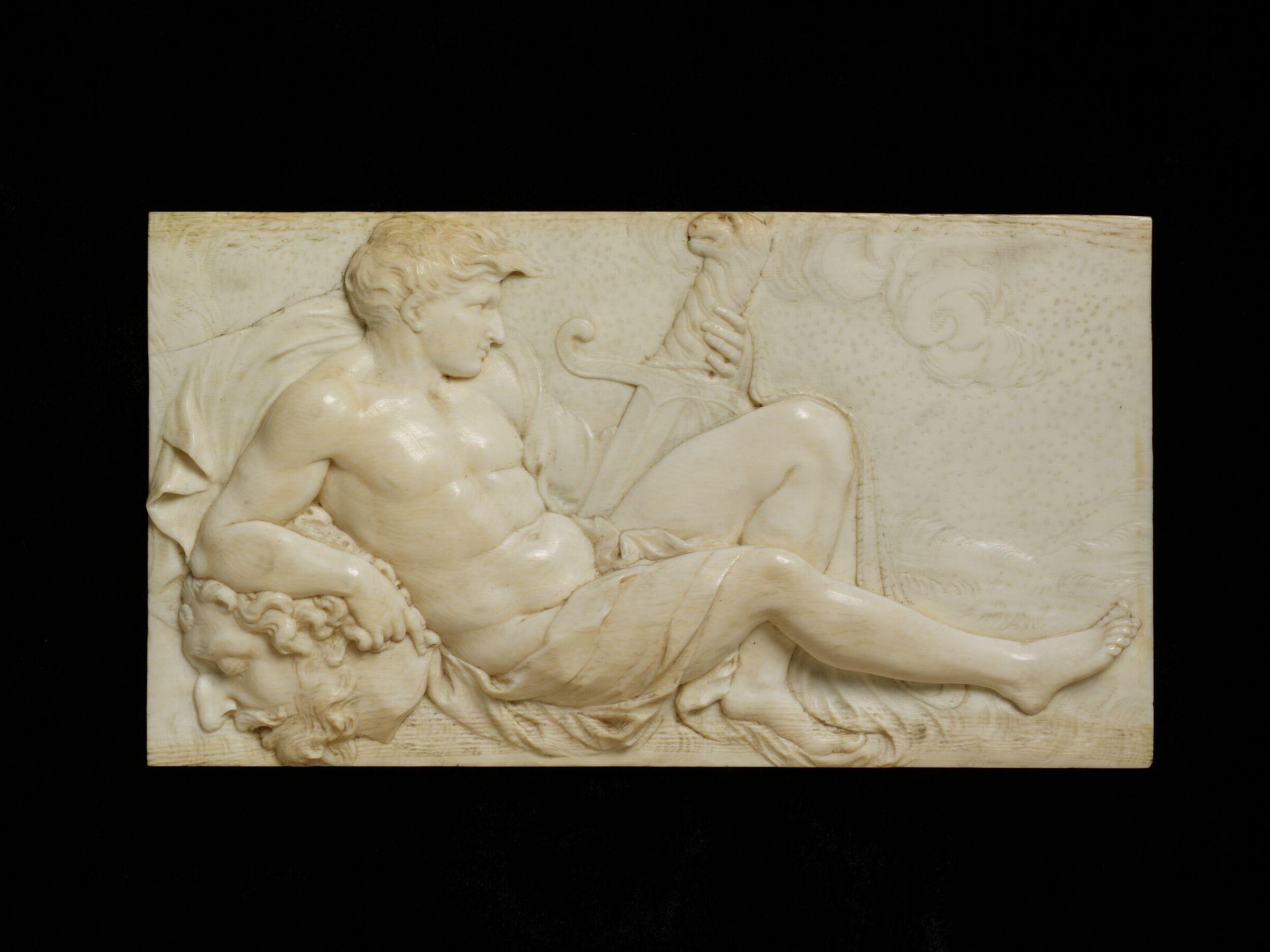
David and Goliath, Francis van Bossuit, ca. 1675 - ca. 1692

Francis van Bossuit

David and Goliath, ca. 1675 - ca. 1692

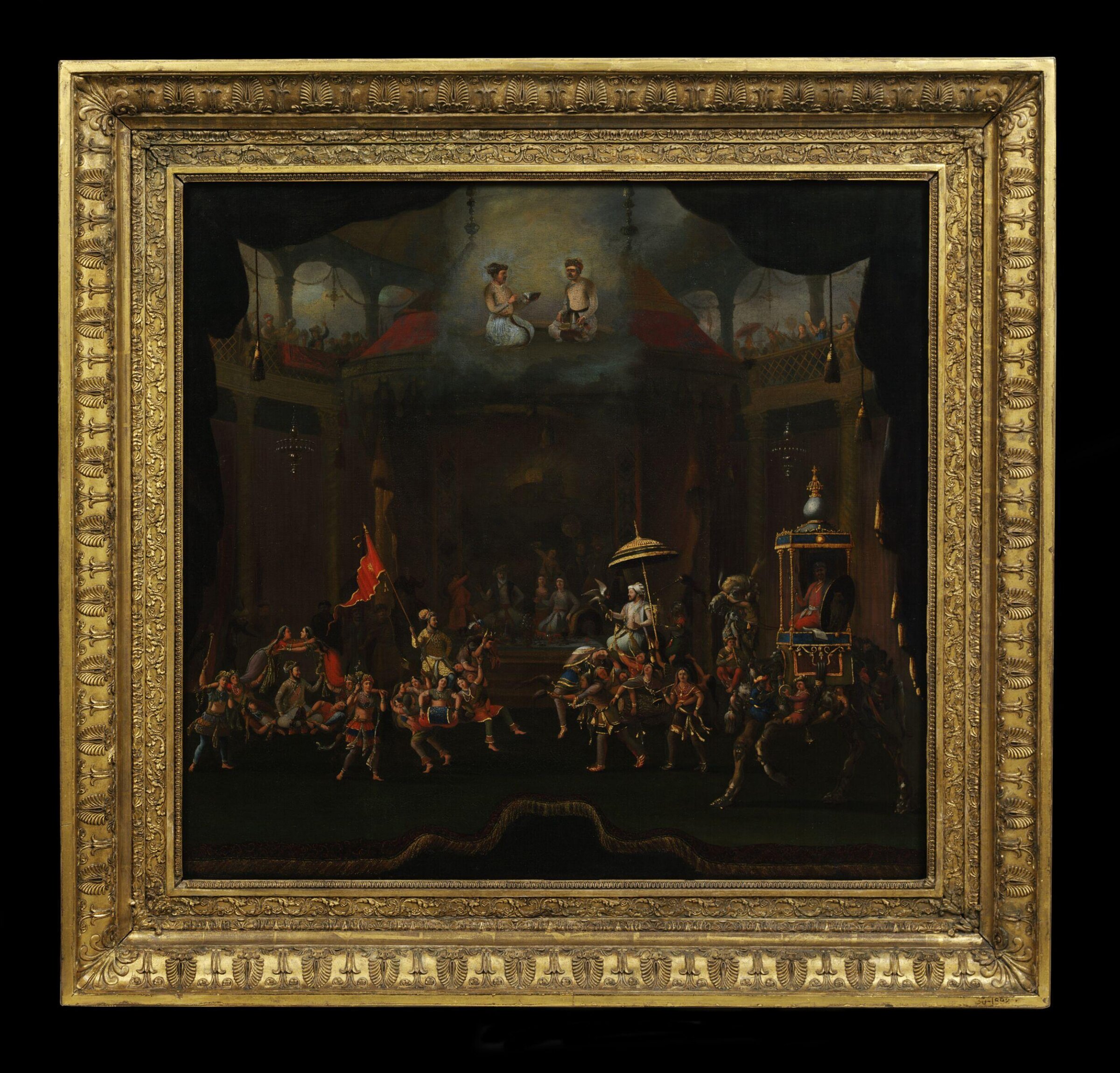
Parade of the Sons of Shah Jahan on Composite Horses and Elephants, Willem Schellinks, late 17th century

Willem Schellinks

Parade of the Sons of Shah Jahan on Composite Horses and Elephants, late 17th century