 GiambolognaFlandern, 1529–1608
Neptune
Darf man es sehen?
Empfängt derzeit nicht

Victoria and Albert Museum
London, Vereinigtes Königreich
Es gehört zur Sammlung, ist derzeit aber nicht ausgestellt.
- Geprüft
- Unverändert seit
- Quelle
- Sammlungsdaten des Museums selbst
About the sculpture
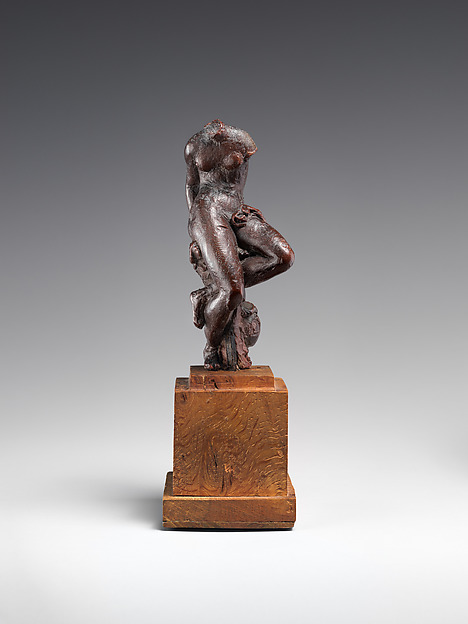
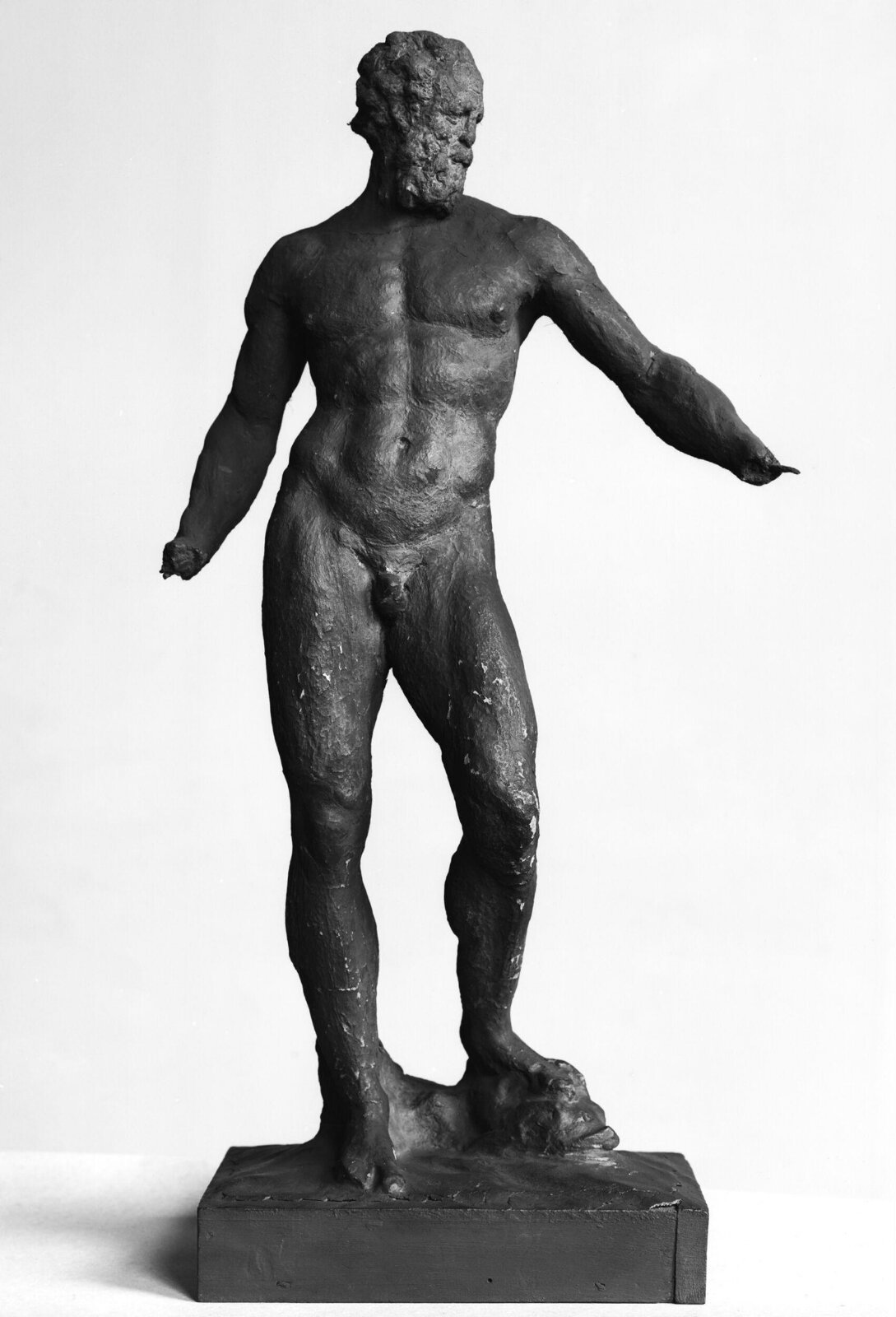
This figure of bronzed clay representing Neptune is made by Giambologna in Florence in ca. 1560.
This terracotta figure of Neptune is the first idea of the celebrated Fountain which stands in the market place at Bologna. In the finished work the right leg is bent instead of the left and is supported by a Dolphin.
A small model for the Neptune statue is known to have been in existence by the end of 1563. Related bronze models are in the National Museum, Stockholm and the Museo Civico, Bologna.
Read on
Giambologna (ca. 1524-1608) was born in Flanders. He went to Rome to study antique sculpture from about 1550 to 1553 and then travelled back through Florence where he was persuaded to stay. He became sculptor to the Medici family and consequently became one of the most influential sculptors of the late 16th and early 17th centuries. He drew attention to many artists from Northern Europe and disseminated his style mainly through small bronzes. He established an efficient and large workshop.
The status of the model has been thoroughly discussed by Pope-Hennessy. It has been accepted as the work of Giambologna by most scholars, apart from J.C. Robinson and Keutner, who preferred Ammanati as author. Gramberg identified it as a preliminary sketch for the full-size model of Neptune produced in clay by Giambologna for the competition held in 1560 over who should carve the statue of Neptune for the projected fountain on the piazza della Signoria.
Victoria and Albert Museum
Angaben
- Inventarnummer
- 1091-1854
What it shows
Im Katalog
Quellen
- Victoria and Albert Museum: the museum's own open data · abgerufen vor 10 Tagen
- Bild: Victoria and Albert Museum — © Victoria and Albert Museum, London