
 Edward WestonVereinigte Staaten, 1886–1958
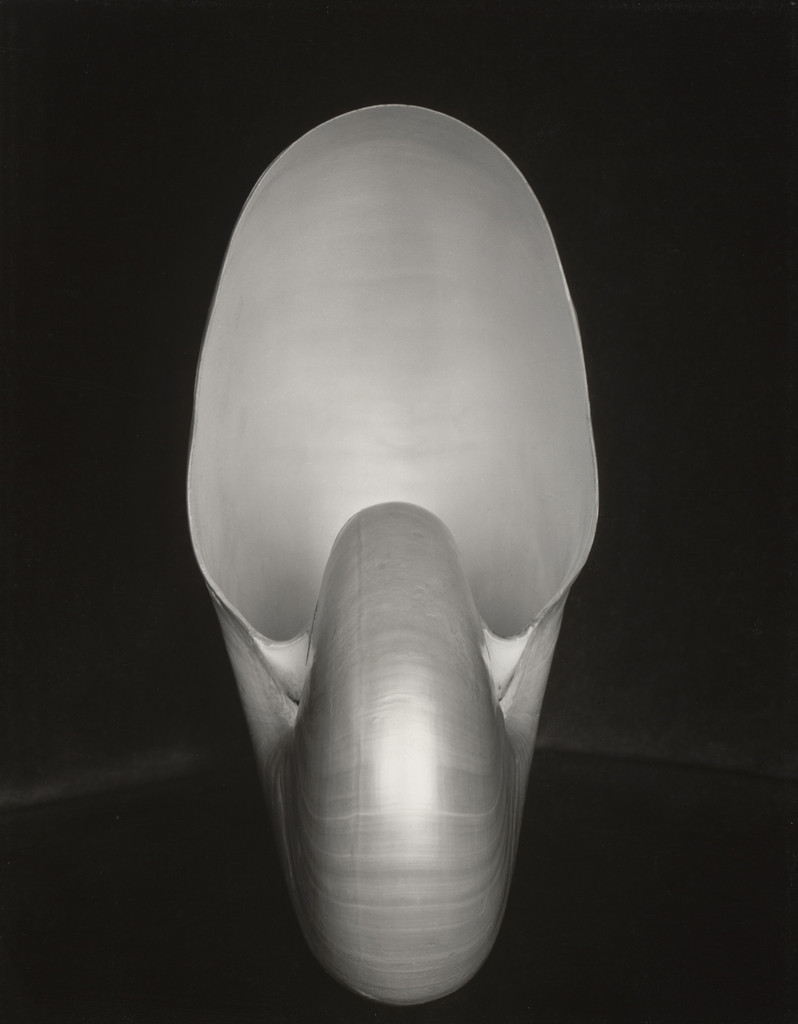
Nautilus
Darf man es sehen?
Empfängt derzeit nicht

National Gallery of Art
Washington, D.C., Vereinigte Staaten
Es gehört zur Sammlung, ist derzeit aber nicht ausgestellt.
- Geprüft
- gestern
- Unverändert seit
- 19. Aug. 2026
- Quelle
- Sammlungsdaten des Museums selbst
Angaben
- Inventarnummer
- 2021.47.1
What it shows
Im Katalog
Quellen
- National Gallery of Art: the museum's own open data · abgerufen vor 5 Tagen
- Bild: National Gallery of Art — © the artist or rights holder
Derweil im Leben von Edward Weston
Das ganze Leben1925
Burns his old journals and begins a new series
The next month he sets up a studio with Johan Hagemeyer; as though trying to erase the past, he burns all of his pre-Mexico journals and starts a new series of nudes with Lerner and with his son Neil, calling these images the start of a new period in his approach to photography.
August 1925
Back in Mexico: a joint show with Modotti
His new relationship with Lerner does not last long, and in August he returns to Mexico, this time with his son Brett; Modotti has arranged a joint show of their photographs, and it opens the week he arrives. He receives new critical acclaim, and six of his prints are purchased for the State Museum.
late 1926
Break with Modotti and return to California
By the time they return from the trip, Weston and Modotti’s relationship has crumbled, and within less than two weeks he and Brett go back to California. He never travels to Mexico again.
May – November 1926
A contract with Anita Brenner and a tour of Mexico
In May he signs a $1,000 contract with the writer Anita Brenner to make photographs for her book on Mexican folk art; from June he, Modotti and Brett travel around the country in search of lesser-known native arts and crafts. The contract required three finished prints from 400 8 × 10 negatives, and the work took until November; on the road Brett receives a crash course in photography from his father and makes more than two dozen prints that his father judges exceptional.
September 1927
A major exhibition at the Palace of the Legion of Honor
In September he has a major exhibition at the Palace of the Legion of Honor in San Francisco.
May 1928
The Mojave Desert: his first landscapes as art
A brief but important trip with Brett to the Mojave Desert, where he first explores and photographs landscape as an art form. The stark rock forms and empty spaces are a visual revelation to him; over a long weekend he takes twenty-seven photographs and declares in his journal that these negatives are the most important he has ever done.
![Ginevra de' Benci [obverse], Leonardo da Vinci, c. 1474/1478](https://api.nga.gov/iiif/8f29e3c9-a289-4d53-abf0-31a66e9e98fa/full/!2400,2400/0/default.jpg)
![Wreath of Laurel, Palm, and Juniper with a Scroll inscribed Virtutem Forma Decorat [reverse], Leonardo da Vinci, c. 1474/1478](https://api.nga.gov/iiif/ff62e8d0-45c4-498f-ad36-6358de827e04/full/!2400,2400/0/default.jpg)


