ART WIKI33.040 ausgestellt
KarteSammlungKünstlerMuseenAusstellungenJournal
Anmelden

ART WIKI

Wo das Meisterwerk hängt und wann man vorgelassen wird.

Sammlungen: Art Institute of Chicago, Cleveland Museum of Art, Eremitage, Getty Villa, Harvard Art Museums, Hirshhorn Museum and Sculpture Garden, J. Paul Getty Museum, Louvre, Metropolitan Museum of Art, Minneapolis Institute of Art, Museum of Modern Art, National Gallery of Art, National Museum of Asian Art, National Portrait Gallery, Puschkin-Museum, Rijksmuseum Amsterdam, Russisches Museum, Smithsonian American Art Museum, Statens Museum for Kunst, Tretjakow-Galerie, Victoria and Albert Museum, Whitney Museum of American Art, Staatskatalog des Museumsfonds Russlands (274 Museen), Europeana (19 Museen), Wikidata (6 Museen), Paris Musées (12 Museen) und Joconde, die Museumsdatenbank des französischen Kulturministeriums (495 Museen). Die Bilder gehören ihren Rechteinhabern.

Rubriken

  • Karte
  • Suche
  • Sammlung
  • Meisterwerke
  • Jetzt ausgestellt
  • Künstler

Mehr

  • Museen & Galerien
  • Ausstellungen
  • Journal
  • Woher die Daten stammen
  • Datenschutz & Cookies
StartseiteKarteKatalog
  1. Sammlung/
  2. National Gallery/
  3. Mythological Scene
Mythological Scene, Paolo Veronese, 16th century
Paolo Veronese, PorträtPaolo VeroneseItalien, 1528–1588

Mythological Scene

16th century · Painting · 76.2 × 132.1 cm

Darf man es sehen?

Unbekannt

National Gallery

London, Vereinigtes Königreich

Der Besitzer ist bekannt; ob das Werk derzeit ausgestellt ist, nicht.

Unverändert seit
29. Sept. 2026
Quelle
Das Museum
Auf der KarteMuseumsseite

Angaben

Inventarnummer
NG1123

Im Katalog

GemäldeItalienische MalereiVenezianische MalereiRenaissance16. Jahrhundert

Quellen

  • Wikidata
  • Bild: National Gallery — Follower of Titian · Public domain · Wikimedia Commons

Derweil im Leben von Paolo Veronese

Das ganze Leben
  1. 1528

    Born

  2. 1553

    Moves to Venice: his first state commission

    In 1553 Caliari began working in Venice, possibly on the recommendation of the painter Giambattista Ponchino, then popular there. His first commission was the ceiling of the newly renovated Hall of the Council of Ten in the Doge's Palace: it already shows a mature style, with foreshortening that makes the figures seem to hang in the air above the viewer, a rich palette and sumptuous multi-figure compositions that fit naturally into a large room.

  3. c. mid-1550s

    Settles in Venice for good: signing as “Veronese”

    For several years Caliari divided his time between Verona, Venice and commissions in other cities, but around the middle of the 1550s he finally settled in Venice, where he spent most of the rest of his life. From then on he signed his paintings “Veronese”, “the Veronese”; the earliest of them that can be exactly dated, the “Transfiguration” in Montagnana cathedral, was finished on 3 June 1555.

  4. April 1566

    Marries Elena Badile in Verona

    In April 1566 Veronese went to his native Verona and married Elena Badile, daughter of his first master Antonio Badile. By then official recognition in Venice had secured him not only fame but also financial independence.

  5. 18 July 1573

    Summoned before the Holy Inquisition over the “Last Supper”

    On 18 July 1573 Veronese was summoned before the Venetian Inquisition, which objected to figures, animals and indecorum unsuited to a Last Supper in his canvas. He answered that painters take the same liberties as poets and madmen; the tribunal ordered him to repaint the picture, but he refused, and in the end it was merely re-titled the “Feast in the House of Levi”.

  6. 19. April 1588

    Died

Mehr von Paolo Veronese

Alle Werke
Mars and Venus United by Love, Paolo Veronese, 1570s

Mars und Venus durch Liebe vereint

1570s · Metropolitan Museum of Art

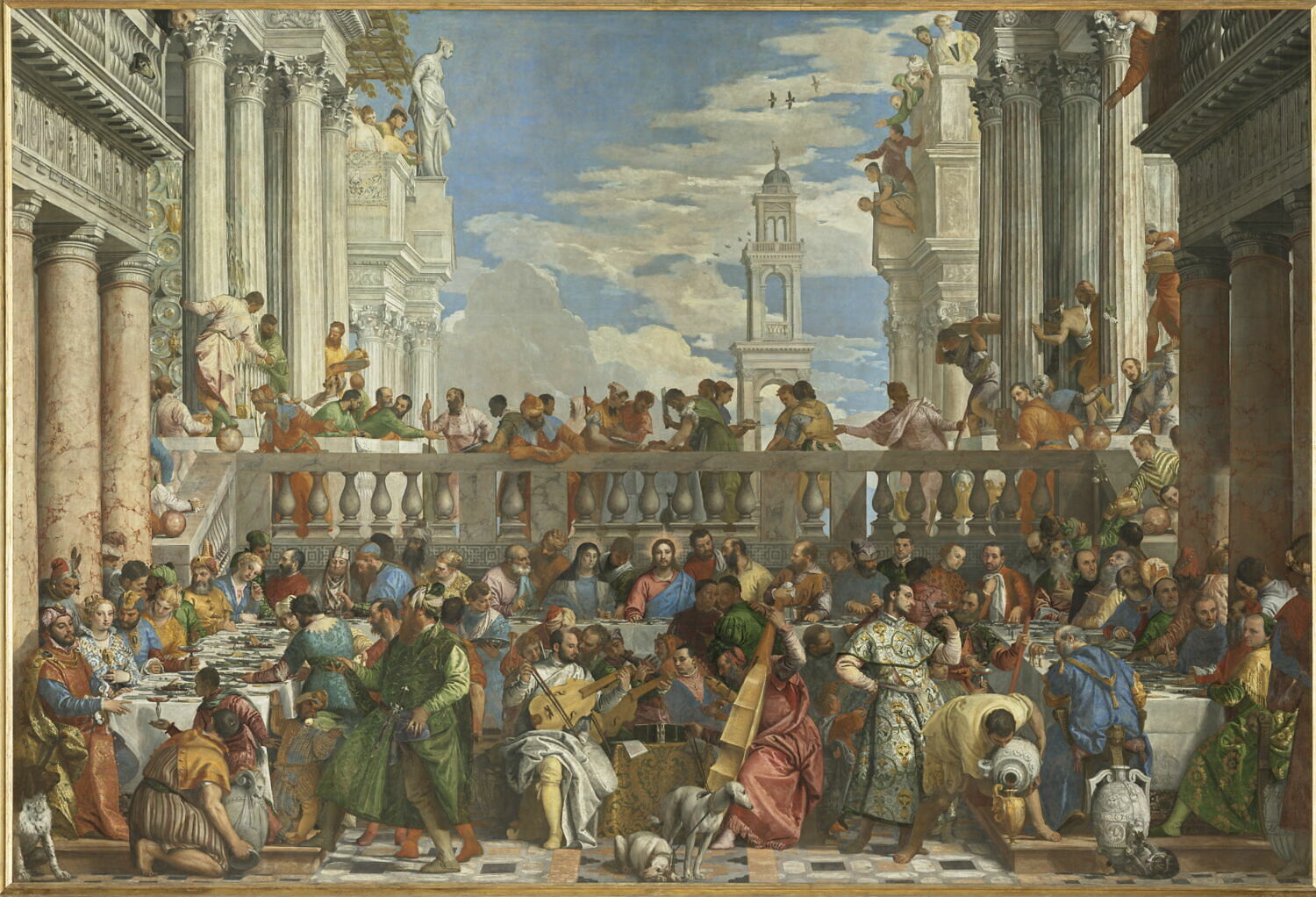
Les Noces de Cana, Paolo Caliari, dit Veronese, XVIe siècle (1500 - 1600)

Die Hochzeit zu Kana

XVIe siècle (1500 - 1600) · Louvre

Diana (sketch), Paolo Veronese, 16th century

Diana (sketch)

16th century · Eremitage

Self-Portrait, Paolo Veronese, 16th century

Self-Portrait

16th century · Eremitage

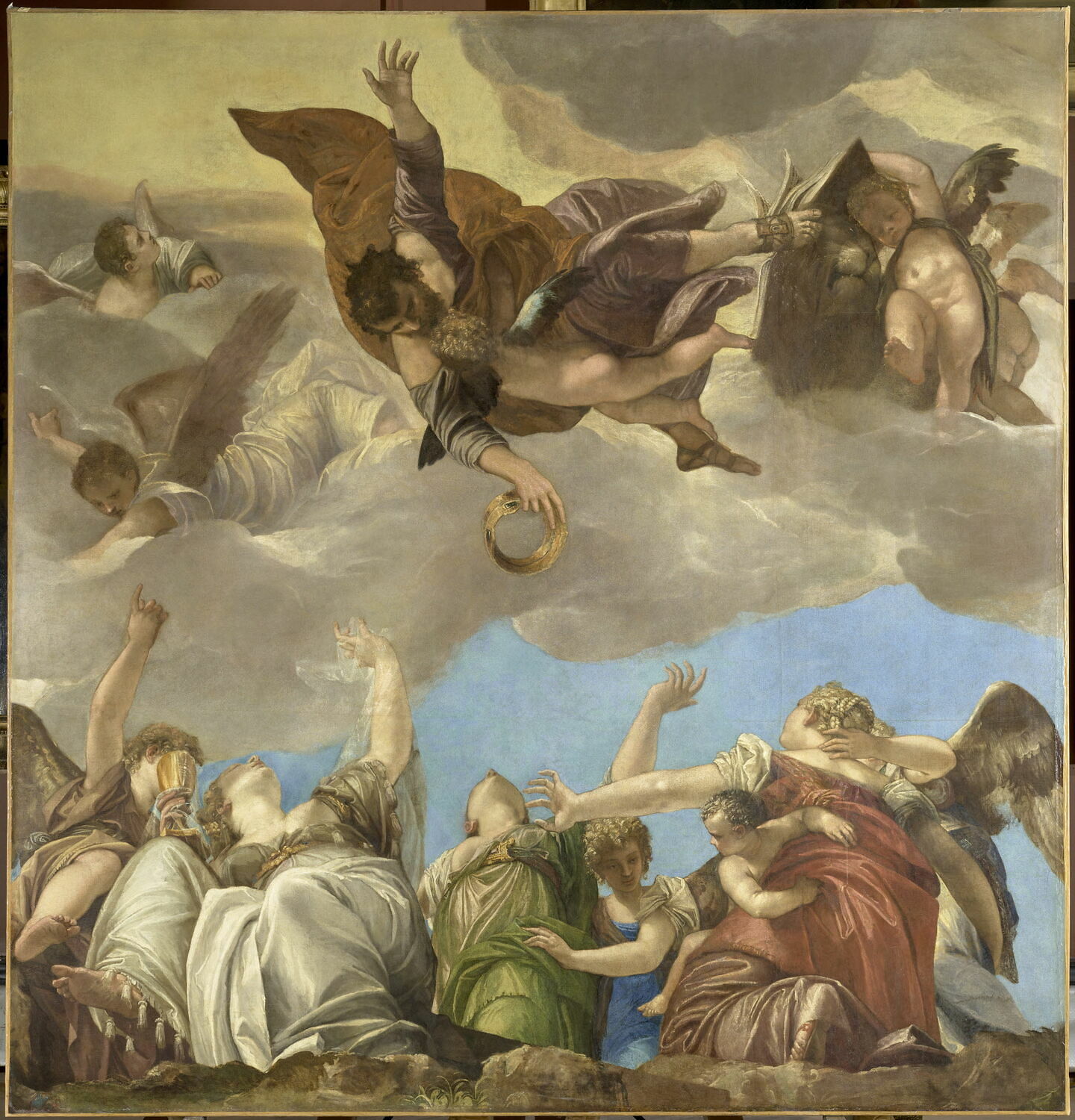
Saint Marc couronnant les Vertus théologales, Paolo Caliari, dit Veronese, XVIe siècle (1500 - 1600)

Saint Marc couronnant les Vertus théologales

XVIe siècle (1500 - 1600) · Louvre

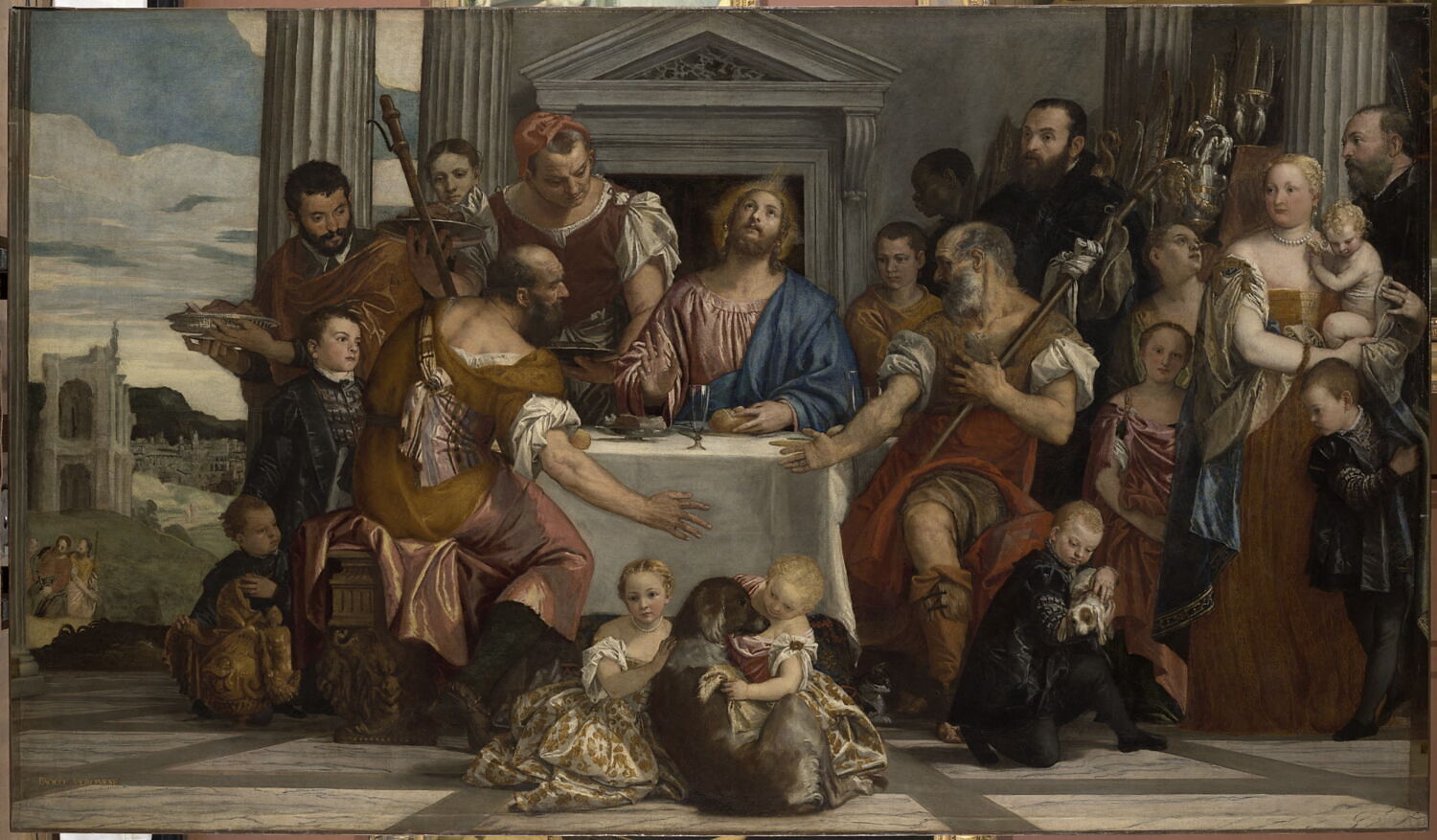
Les Pèlerins d'Emmaüs, Paolo Caliari, dit Veronese, XVIe siècle (1500 - 1600)

Les Pèlerins d'Emmaüs

XVIe siècle (1500 - 1600) · Louvre

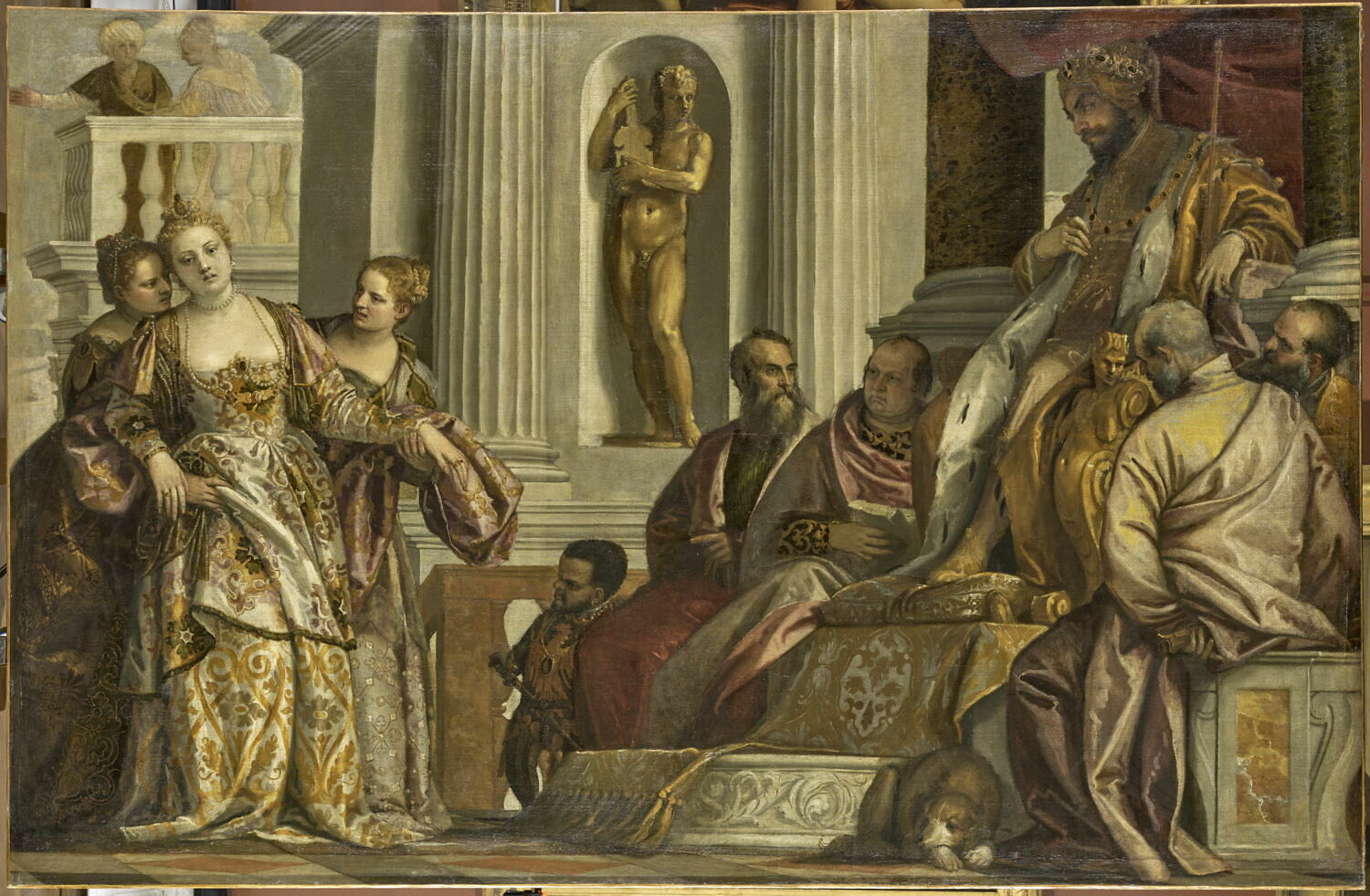
Esther et Assuérus, Paolo Caliari, dit Veronese, XVIe siècle (1500 - 1600)

Esther et Assuérus

XVIe siècle (1500 - 1600) · Louvre

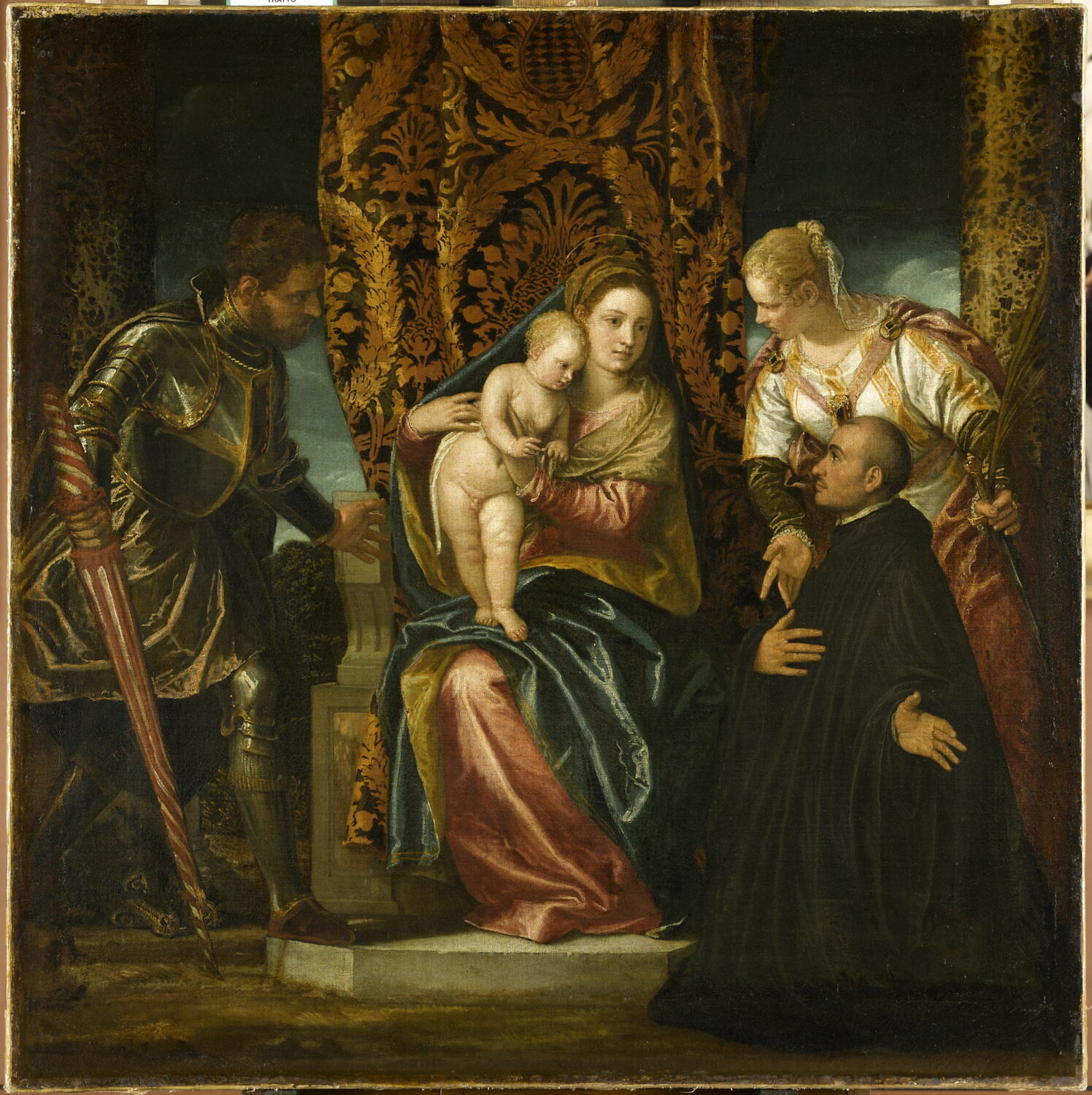
Vierge à l'Enfant avec saint Georges et sainte Justine présentant un bénédictin agenouillé, Paolo Caliari, dit Veronese, XVIe siècle (1500 - 1600)

Vierge à l'Enfant avec saint Georges et sainte Justine présentant un bénédictin agenouillé

XVIe siècle (1500 - 1600) · Louvre

Aus der Sammlung: National Gallery

Museumsseite
Virgin of the Rocks, Leonardo da Vinci, 1490s

Leonardo da Vinci

Virgin of the Rocks, 1490s

Long Grass with Butterflies, Vincent van Gogh, 1890

Vincent van Gogh

Long Grass with Butterflies, 1890

Farms near Auvers, Vincent van Gogh, 1890

Vincent van Gogh

Strohgedeckte Häuser vor einem Hügel, 1890

A Wheatfield, with Cypresses, Vincent van Gogh, 1889

Vincent van Gogh

A Wheatfield, with Cypresses, 1889

Head of a Peasant Woman, Vincent van Gogh, 1885

Vincent van Gogh

Head of a Peasant Woman, 1885

The Entombment, Michelangelo, c. 1500s

Michelangelo

Die Grablegung Christi, c. 1500s

Manchester Madonna, Michelangelo, c. 1494

Michelangelo

Madonna Manchester, c. 1494

Irises, Claude Monet, 1910s

Claude Monet

Irises, 1910s