Thomas GainsboroughVereinigtes Königreich, 1727–1788
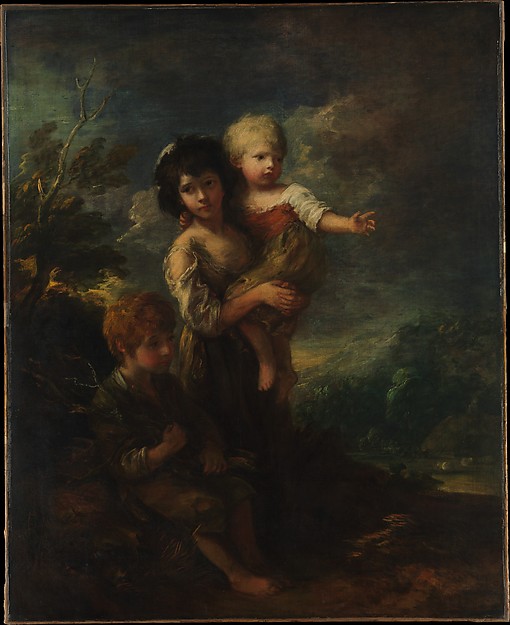
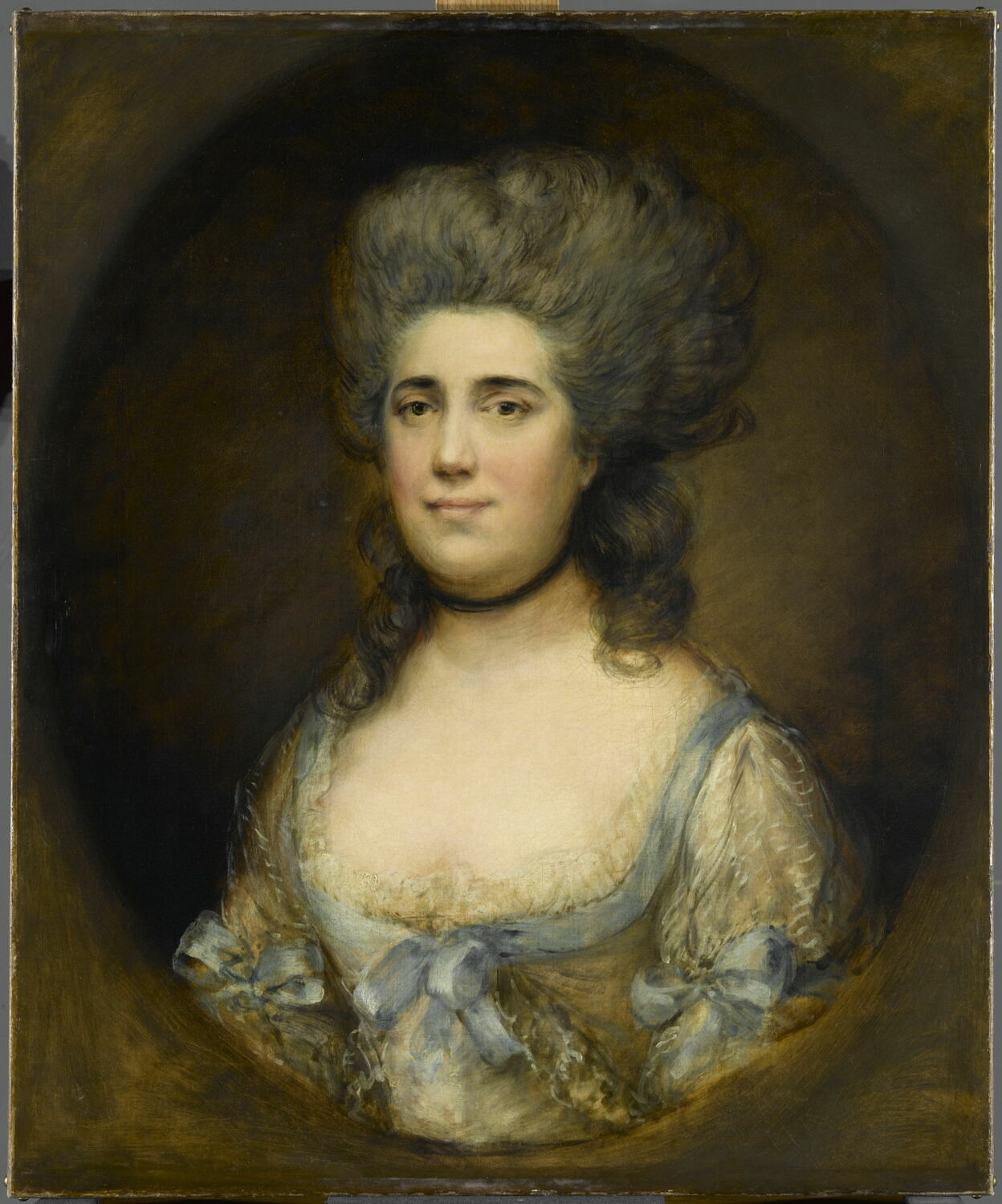
Mrs. Paul Cobb Methuen
Kann ich es sehen?
Derzeit nicht ausgestellt
Wo ist „Mrs. Paul Cobb Methuen“ heute? Sammlung: National Gallery of Art, Washington, D.C. Derzeit nicht ausgestellt. Geprüft 29. September 2026.

Washington, D.C., Vereinigte Staaten
Es gehört zur Sammlung, ist derzeit aber nicht ausgestellt.
- Geprüft
- Unverändert seit
- Quelle
- Das Museum
Angaben
- Inventarnummer
- 1942.9.20
Was es zeigt
Im Katalog
Quellen
- National Gallery of Art
- Bild: National Gallery of Art — Museum open access
Im Leben von Thomas Gainsborough
Das ganze Leben1759–1774
Bath: Van Dyck and Rubens in the houses of the local aristocracy
Of great importance to Gainsborough is his acquaintance with paintings by Anthony van Dyck and Peter Paul Rubens owned by local aristocrats; he copies some of them. The study of the old masters is linked to the appearance in his landscapes of luminous distances that he had not been able to achieve before.
1774
The move to London: Schomberg House
In 1774 Gainsborough and his family move to London, to live in Schomberg House on Pall Mall.
1774–1788
The rivalry with Reynolds
In London Gainsborough sets up his studio next to Christie's auction rooms, which he often visits. His London years are marked by rivalry with Joshua Reynolds, president of the Royal Academy.
1777
Back at the Academy exhibition: “The Watering Place”
In 1777, after a long break, Gainsborough again takes part in the Academy's exhibition, showing “The Watering Place” — his answer to Rubens's “Watering Place”. In the following years he keeps painting landscapes, and even two seascapes appear, one with a calm and one with a stormy sea.
c. 1777
Experiments with aquatint and etching
About this time Gainsborough begins experimenting with printmaking in the then-novel techniques of aquatint and soft-ground etching.




![Ginevra de' Benci [obverse], Leonardo da Vinci, c. 1474/1478](https://api.nga.gov/iiif/8f29e3c9-a289-4d53-abf0-31a66e9e98fa/full/!2400,2400/0/default.jpg)
![Wreath of Laurel, Palm, and Juniper with a Scroll inscribed Virtutem Forma Decorat [reverse], Leonardo da Vinci, c. 1474/1478](https://api.nga.gov/iiif/ff62e8d0-45c4-498f-ad36-6358de827e04/full/!2400,2400/0/default.jpg)