ART WIKI32.963 ausgestellt
KarteSammlungKünstlerMuseenAusstellungenJournal
Anmelden

ART WIKI

Wo das Meisterwerk hängt und wann man vorgelassen wird.

Sammlungen: Art Institute of Chicago, Cleveland Museum of Art, Eremitage, Getty Villa, Harvard Art Museums, Hirshhorn Museum and Sculpture Garden, J. Paul Getty Museum, Louvre, Metropolitan Museum of Art, Minneapolis Institute of Art, Museum of Modern Art, National Gallery of Art, National Museum of Asian Art, National Portrait Gallery, Puschkin-Museum, Rijksmuseum Amsterdam, Russisches Museum, Smithsonian American Art Museum, Statens Museum for Kunst, Tretjakow-Galerie, Victoria and Albert Museum, Whitney Museum of American Art, Staatskatalog des Museumsfonds Russlands (274 Museen), Europeana (19 Museen), Wikidata (6 Museen), Paris Musées (12 Museen) und Joconde, die Museumsdatenbank des französischen Kulturministeriums (495 Museen). Die Bilder gehören ihren Rechteinhabern.

Rubriken

  • Karte
  • Suche
  • Sammlung
  • Meisterwerke
  • Jetzt ausgestellt
  • Künstler

Mehr

  • Museen & Galerien
  • Ausstellungen
  • Journal
  • Woher die Daten stammen
  • Datenschutz & Cookies
StartseiteKarteKatalog
  1. Sammlung/
  2. Minneapolis Institute of Art/
  3. Mountain Wandering
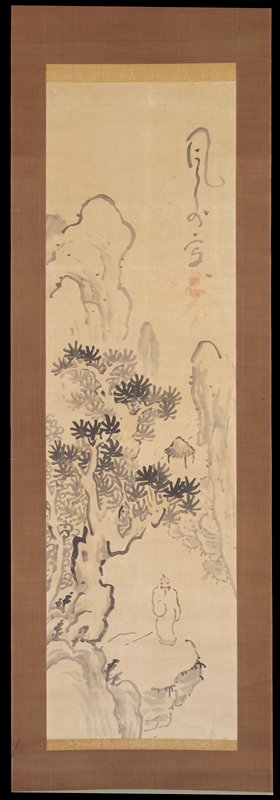
Mountain Wandering, Fūgai Honkō, 19th century
FFūgai HonkōJapan, 1779–1847

Mountain Wandering

19th century · Painting

Darf man es sehen?

Empfängt derzeit nicht

Minneapolis Institute of Art

Minneapolis, Vereinigte Staaten

Es gehört zur Sammlung, ist derzeit aber nicht ausgestellt.

Geprüft
vor 3 Tagen
Unverändert seit
25. Sept. 2026
Quelle
Das Museum
Auf der KarteMuseumsseite

Über das Gemälde

During the 18th and 19th centuries some Japanese artists cultivated the lifestyle and art forms of Chinese scholar-artists (literati). Literati culture, introduced to Japan by Chinese monks, inspired the Japanese painters to emulate the Chinese scholars by immersing themselves in literature, philosophy, nature and ink painting.

Fūgai Honkō, a Zen monk and artist, expresses a belief in the restorative power of nature in this ink painting. The painting invites viewers to take a spirit journey in nature with the walking scholar, from the cliff in front to a thatched hut across the shore, and the mountains beyond. The lone figure walking in the wilderness is a recurring theme in Chinese and Japanese painting. These images represent the learned gentleman's rejection of worldly affairs in favor of leading an hermitic life of self-cultivation and devotion to nature.

Minneapolis Institute of Art

Angaben

Inventarnummer
98.18.28

Im Katalog

GemäldeTuscheJapanische MalereiJapan

Quellen

  • Minneapolis Institute of Art
  • Bild: Minneapolis Institute of Art — public domain
Nachbarn im Haus: Minneapolis Institute of Art

Museumsseite
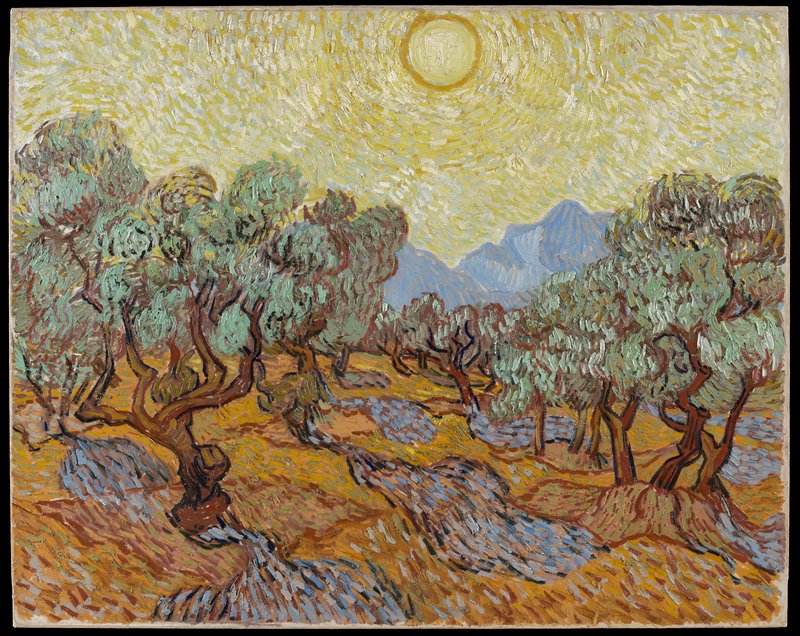
Olive Trees, Vincent van Gogh, 1889

Vincent van Gogh

Olive Trees, 1889

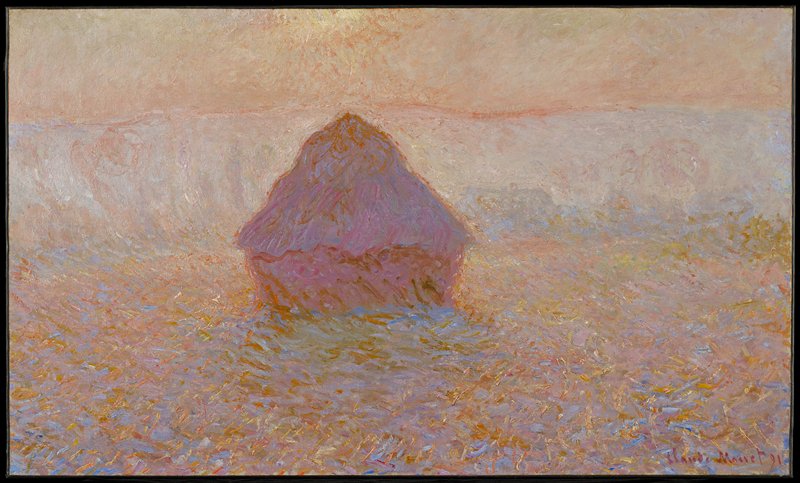
Grainstack, Sun in the Mist, Claude Monet, 1891

Claude Monet

Grainstack, Sun in the Mist, 1891

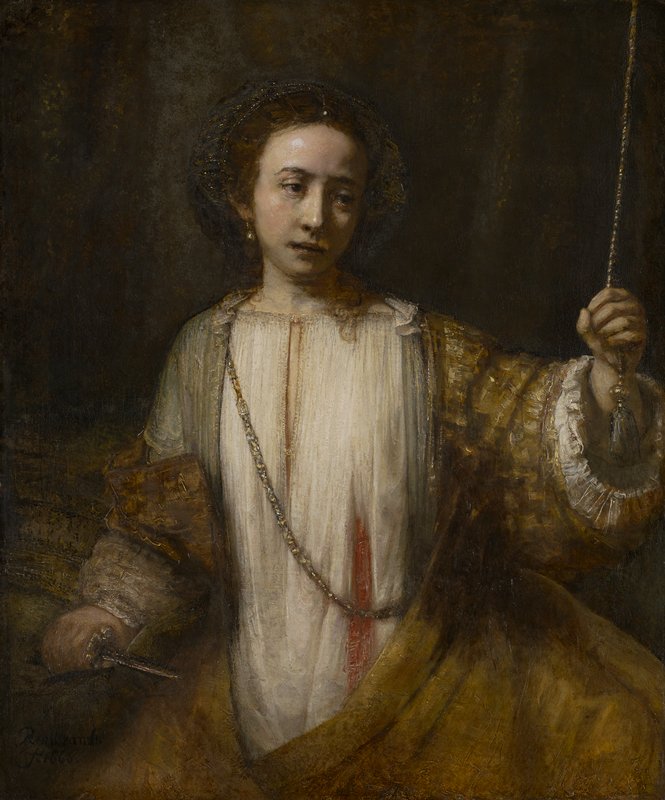
Lucretia, Rembrandt van Rijn, 1666

Rembrandt van Rijn

Lucretia, 1666

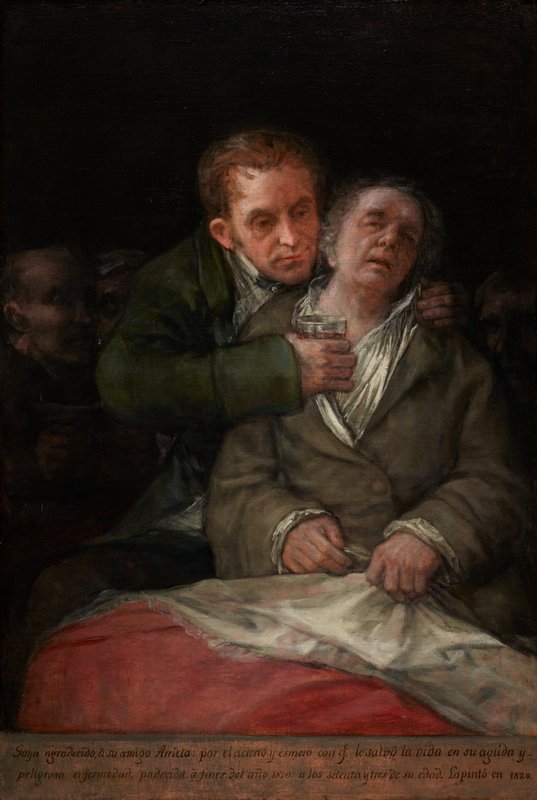
Self-Portrait with Dr. Arrieta, Francisco José de Goya y Lucientes, 1820

Francisco de Goya

Self-Portrait with Dr. Arrieta, 1820

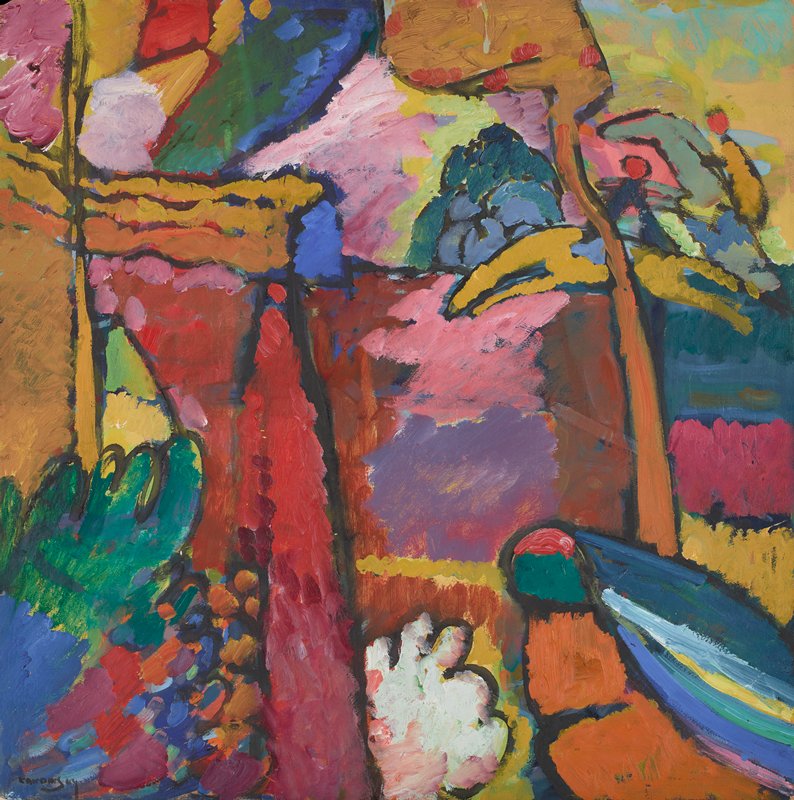
Study for Improvisation V, Vassily Kandinsky, 1910

Vasily Kandinsky

Study for Improvisation V, 1910

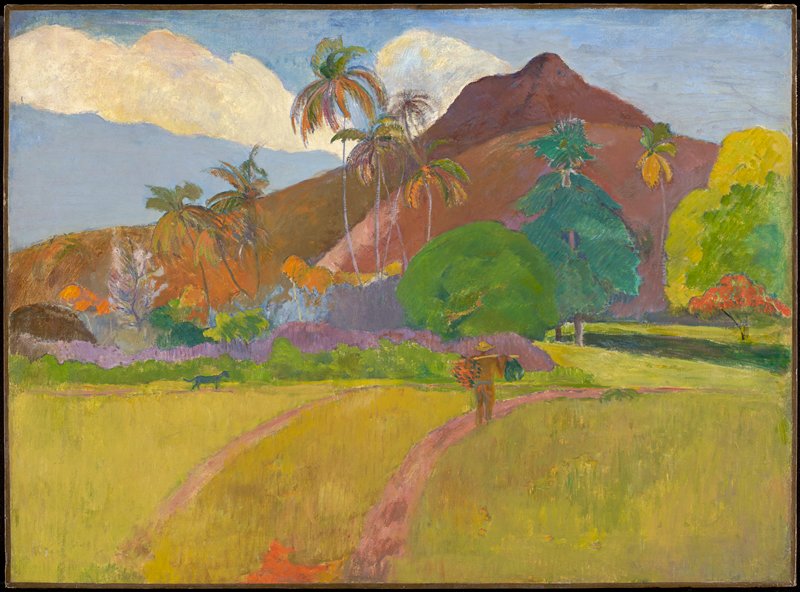
Tahitian Landscape, Paul Gauguin, 1891

Paul Gauguin

Tahitian Landscape, 1891

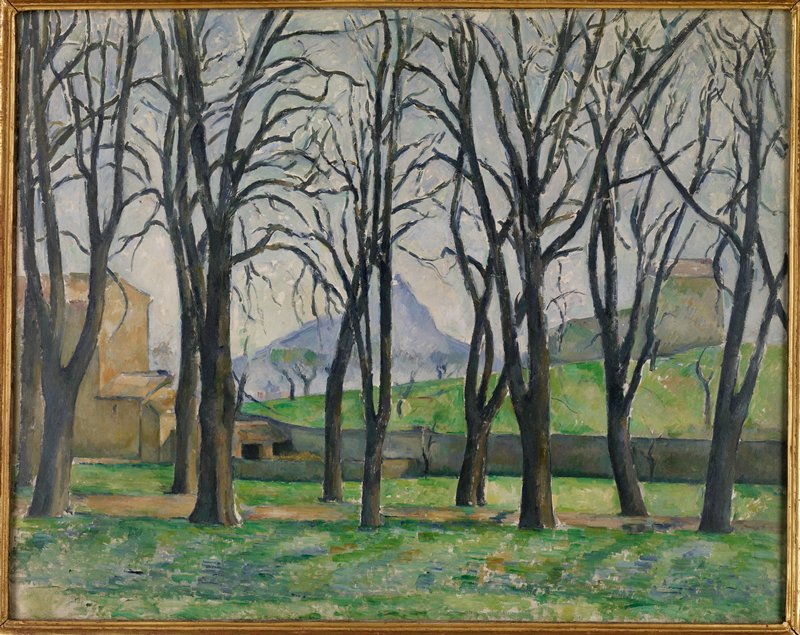
Chestnut Trees at Jas de Bouffan, Paul Cézanne, c. 1885–86

Paul Cézanne

Chestnut Trees at Jas de Bouffan, c. 1885–86

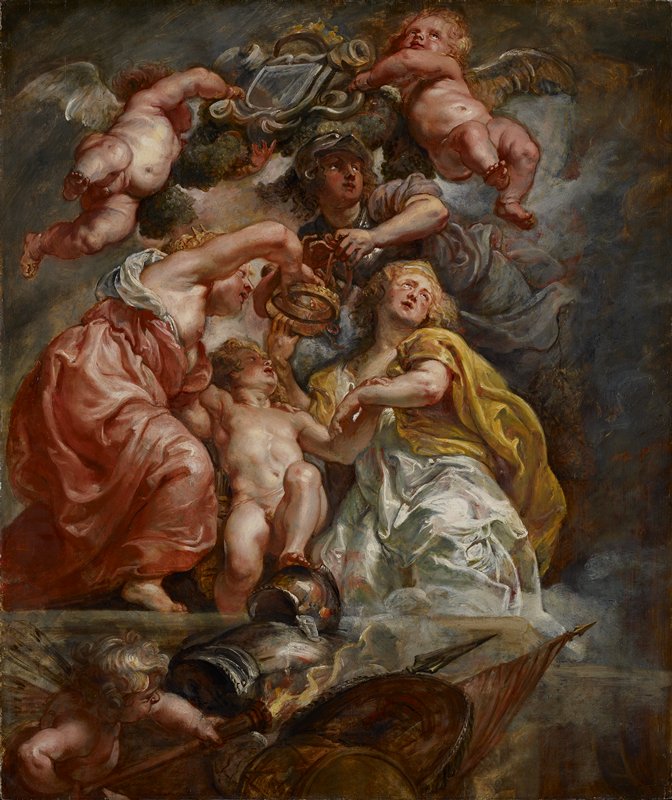
The Union of England and Scotland (Charles I as the Prince of Wales), Peter Paul Rubens, 1633–34

Peter Paul Rubens

The Union of England and Scotland (Charles I as the Prince of Wales), 1633–34