
 Joseph BeuysDeutschland, 1921–1986
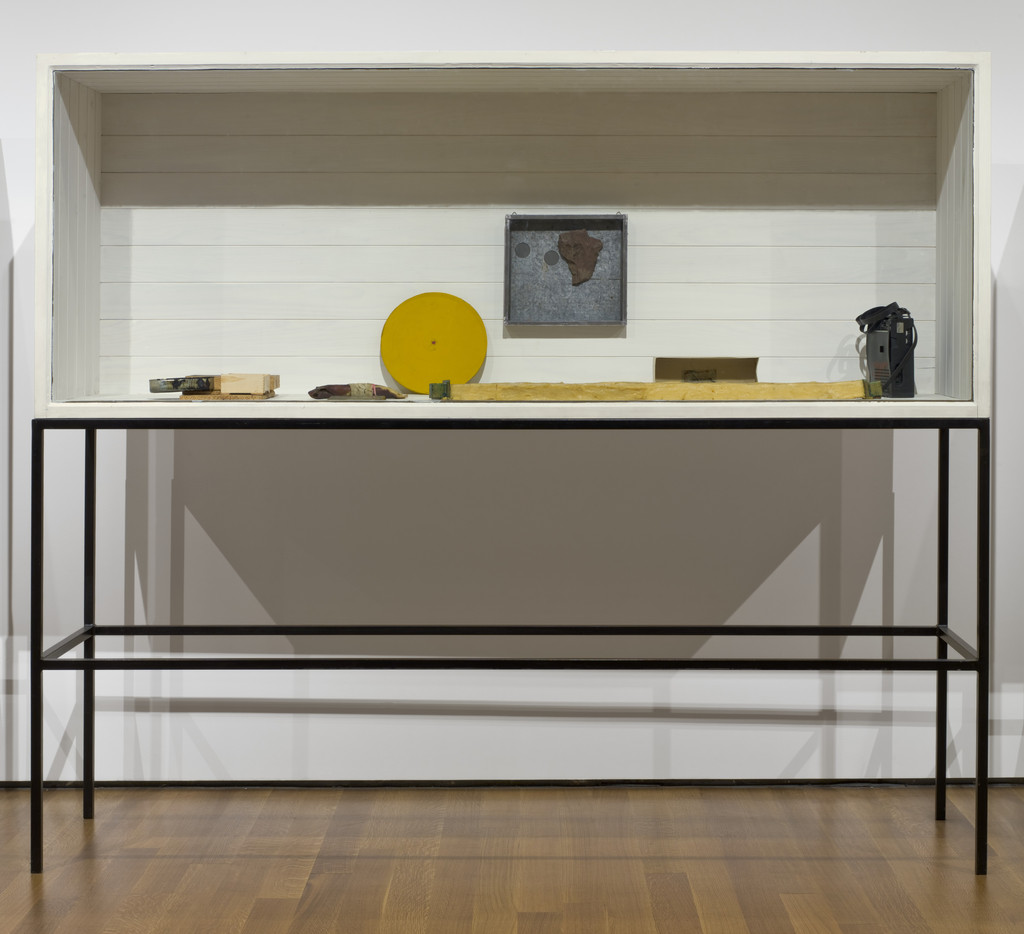
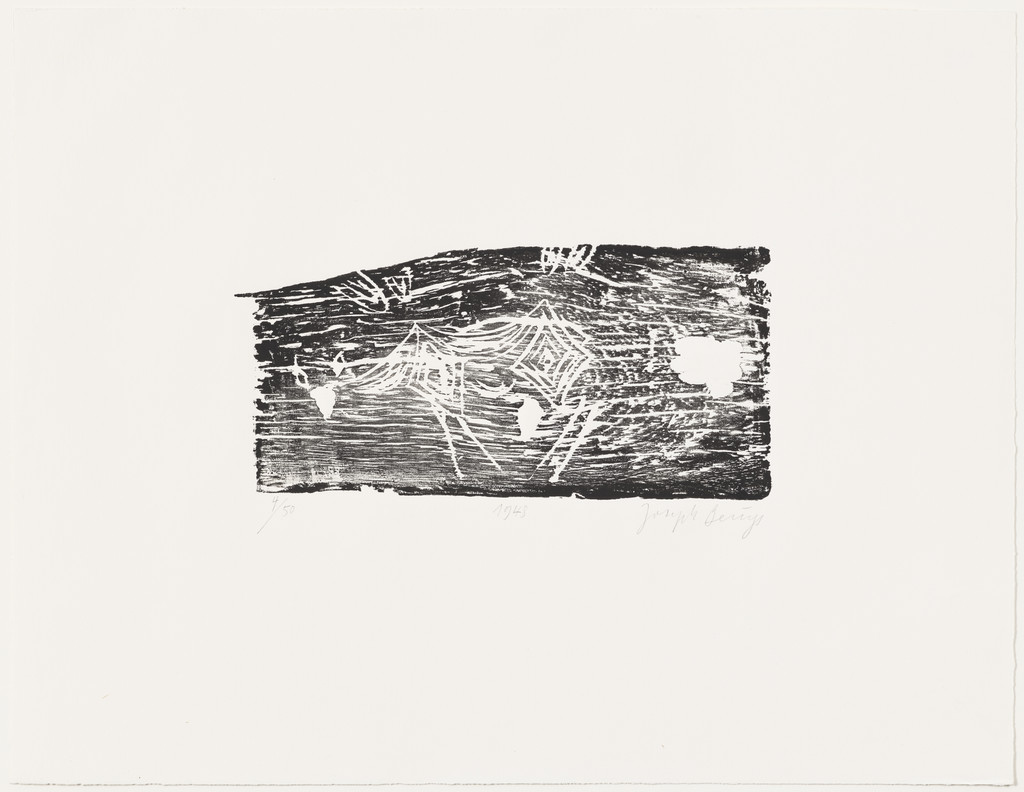
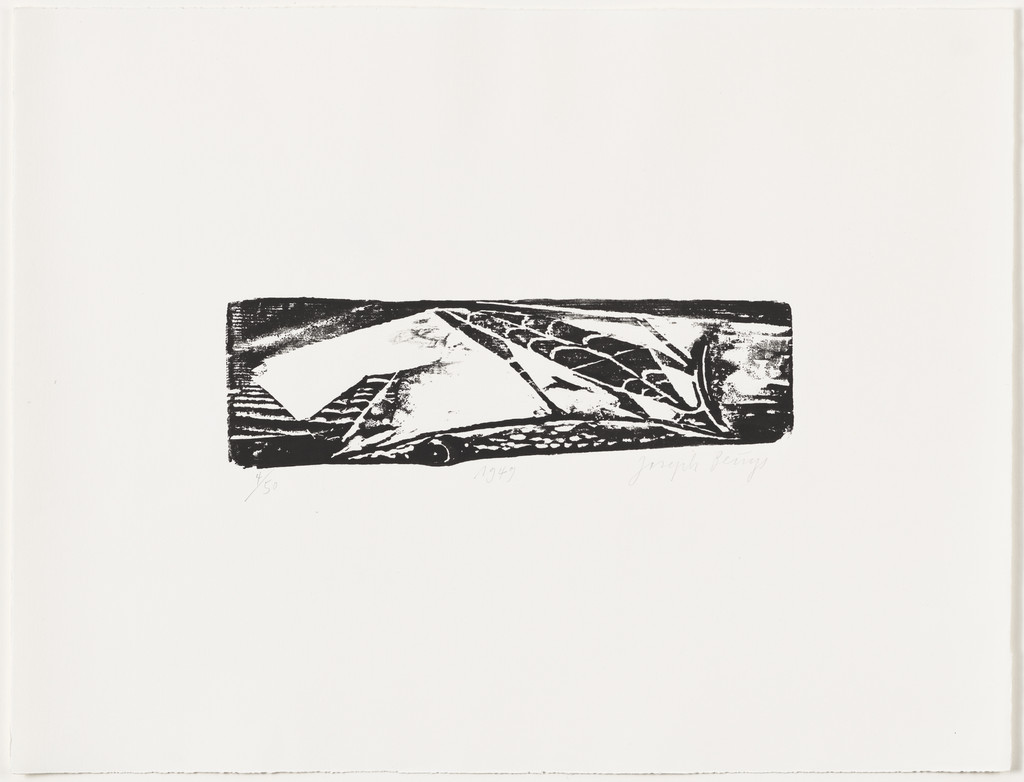
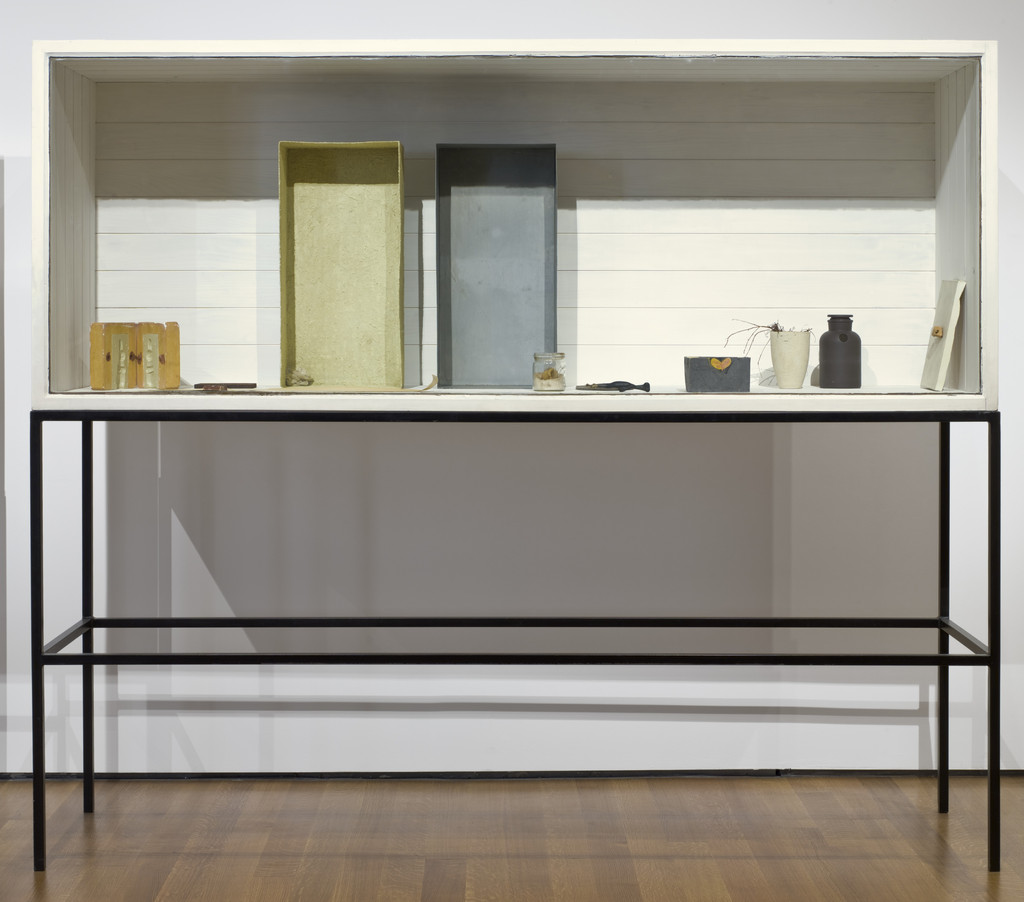
Mönchengladbach Museum Catalogue
Kann ich es sehen?
Derzeit nicht ausgestellt
Wo ist „Mönchengladbach Museum Catalogue“ heute? Sammlung: National Gallery of Art, Washington, D.C. Derzeit nicht ausgestellt. Geprüft 29. September 2026.

Washington, D.C., Vereinigte Staaten
Es gehört zur Sammlung, ist derzeit aber nicht ausgestellt.
- Geprüft
- Unverändert seit
- Quelle
- Das Museum
Angaben
- Inventarnummer
- 2011.147.2
Was es zeigt
Im Katalog
Quellen
- National Gallery of Art
- Bild: National Gallery of Art — © the artist or rights holder
Im Leben von Joseph Beuys
Das ganze Leben1960s
Forms the idea of “social sculpture”
Drawing on Novalis and Schiller and on Rudolf Steiner's ideas of social threefolding, Beuys developed the concept of social sculpture: society as a whole is one great work of art to which everyone can contribute creatively (“everyone is an artist”).
26 November 1965
First solo exhibition in a private gallery
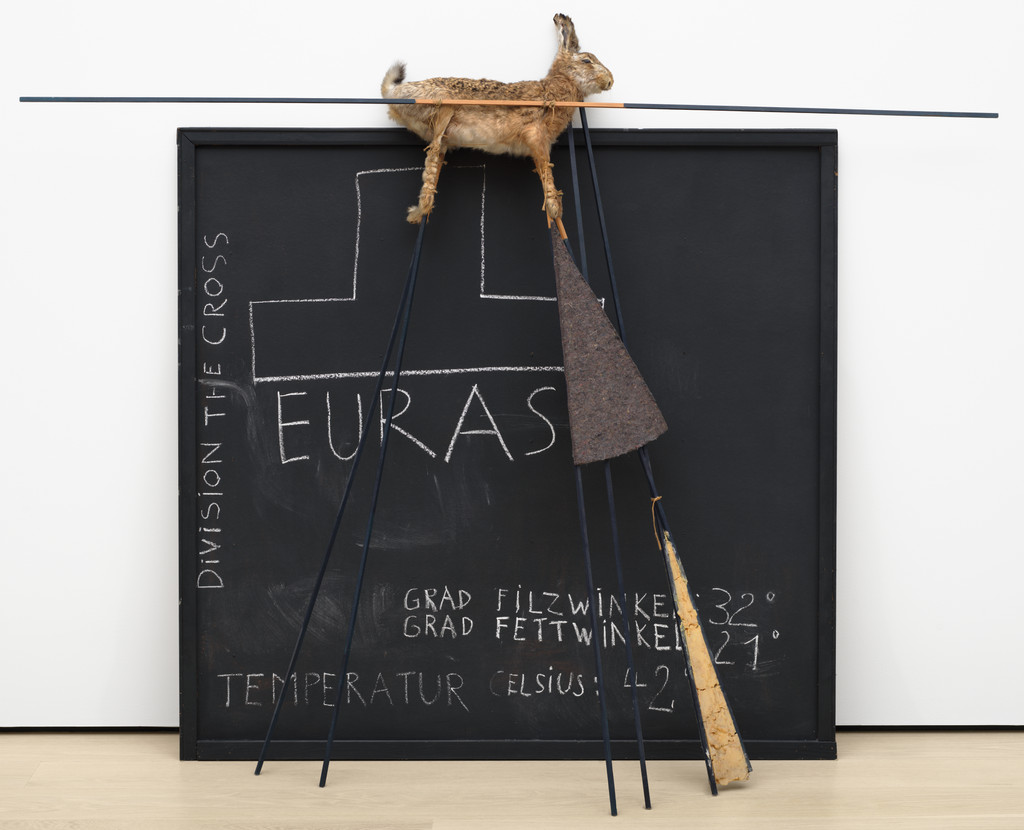
The show opened with an action involving a dead hare: Beuys, his face covered in honey and gold leaf, murmured explanations of the drawings on the walls to the animal while viewers watched through the gallery window; some critics called the photograph with the hare a new Mona Lisa of the 20th century.
1967
Founds a party made up of students
In June 1967, during a student demonstration in West Berlin, a participant died after a clash with the police; in response Beuys created a political party made up solely of students, demanding student self-government and free admission to university for anyone who wished.
27. Juni 1968 – 6. Oktober 1968
Exhibition: 4. documenta
1969
Calls teaching his greatest work
In a 1969 Artforum interview with Willoughby Sharp, Beuys added to his famous statement that teaching is his greatest work of art: the rest is merely waste product and demonstration.
![Ginevra de' Benci [obverse], Leonardo da Vinci, c. 1474/1478](https://api.nga.gov/iiif/8f29e3c9-a289-4d53-abf0-31a66e9e98fa/full/!2400,2400/0/default.jpg)
![Wreath of Laurel, Palm, and Juniper with a Scroll inscribed Virtutem Forma Decorat [reverse], Leonardo da Vinci, c. 1474/1478](https://api.nga.gov/iiif/ff62e8d0-45c4-498f-ad36-6358de827e04/full/!2400,2400/0/default.jpg)


