 Arkhip KuindzhiUkraine, 1842–1910
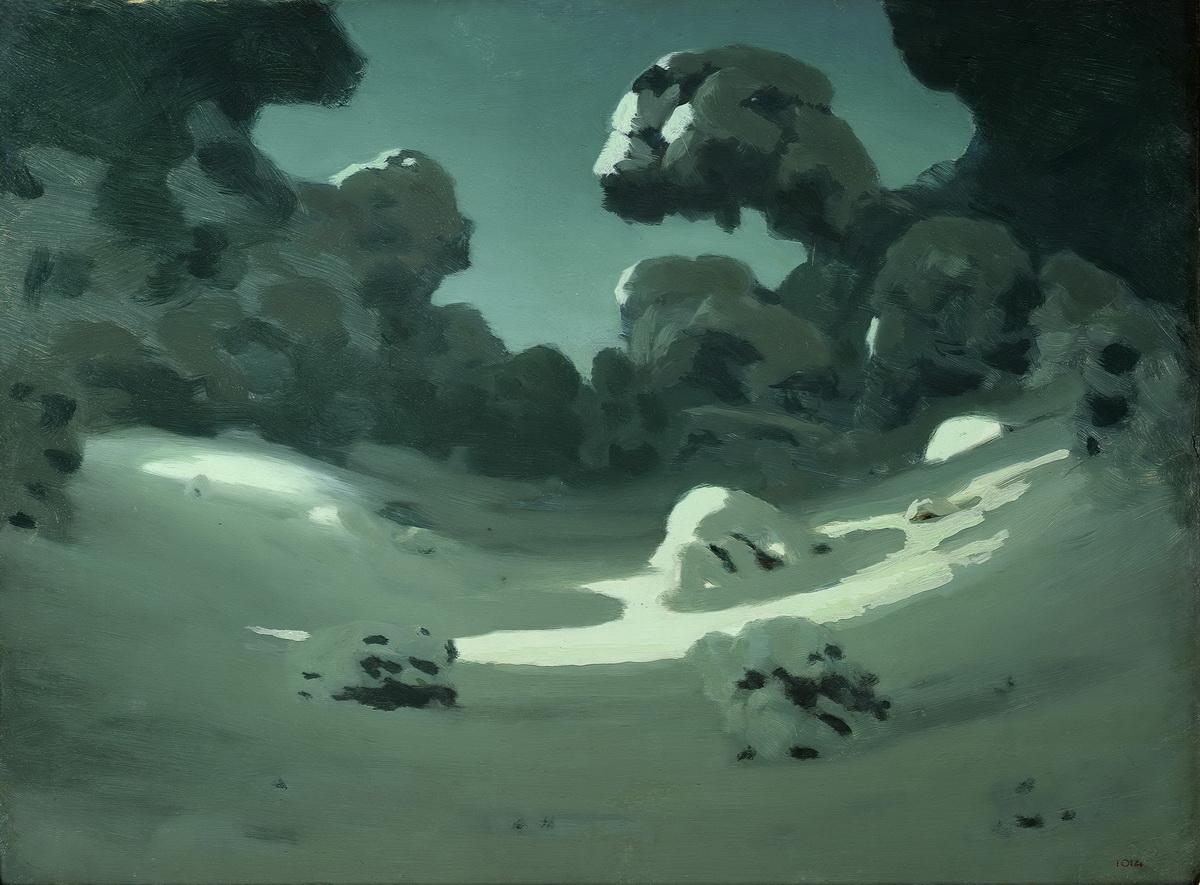
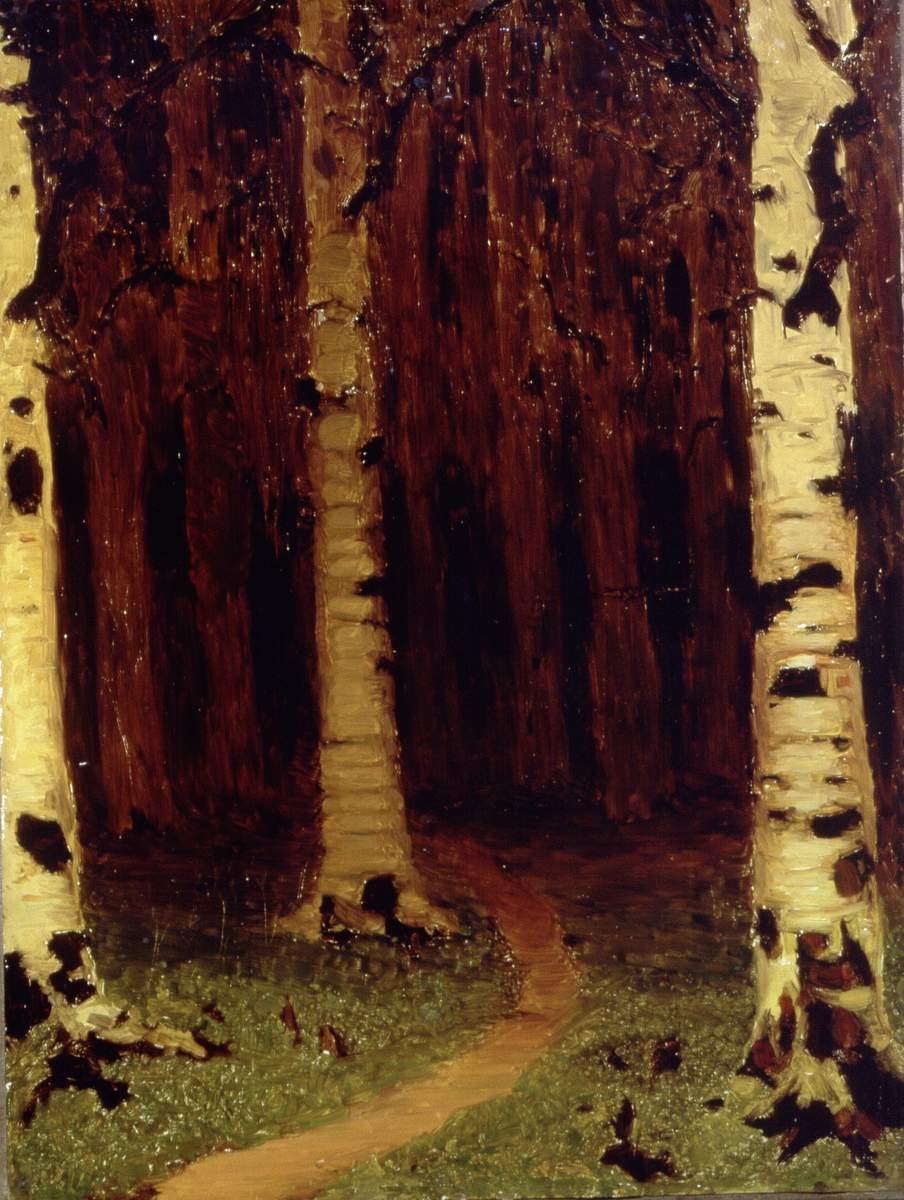
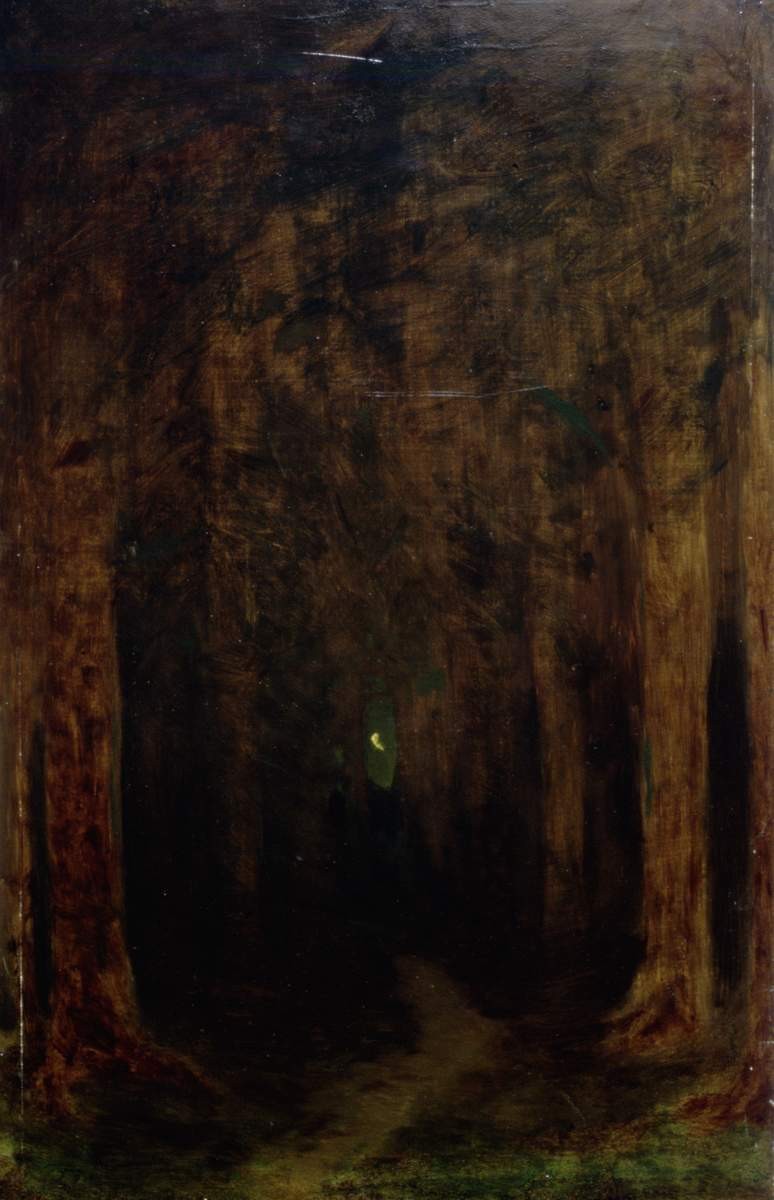
Лес ночью
Kann ich es sehen?
Unbekannt
Wo ist „Лес ночью“ heute? Sammlung: Russisches Museum, Sankt Petersburg. Unbekannt.

Sankt Petersburg, Russland
Der Besitzer ist bekannt; ob das Werk derzeit ausgestellt ist, nicht.
- Unverändert seit
- Quelle
- Das Museum
Über das Gemälde
In den Worten des Museums — auf Russisch
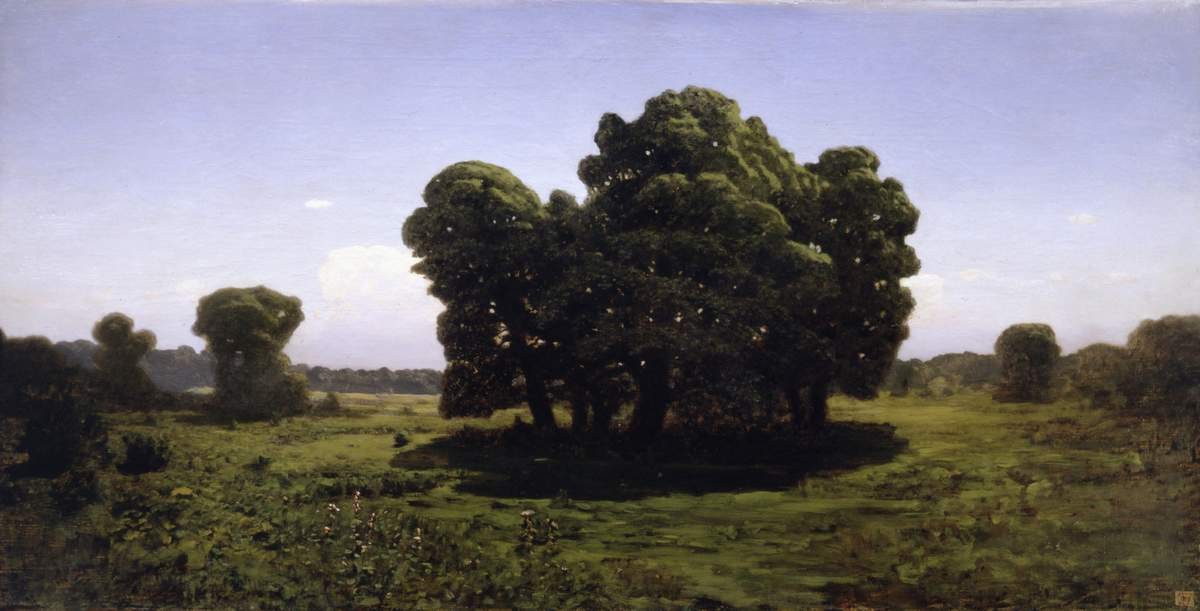
В 1870-е в творчестве Куинджи появляются элементы той образности, которые будут разрабатываться художником в дальнейшем. Это относится и к эскизу „Лес ночью“ (1870-е) с лунным серпом в просвете.
Мрачный зеленовато-коричневатый цвет эскиза, блеснувшее в темноте светлое пятнышко луны, переданное коротким и точным мазком желтой краски, массивные стволы с огромными распластавшимися по земле корневищами придают работе таинственность и тревожность. В этом эскизе уже намечаются элементы той образности, которые будут разрабатываться Куинджи в дальнейшем. Найденный мотив, пробудивший творческую мысль Куинджи своей новизной, повторялся им впоследствии при другом освещении и, возможно, дал толчок к созданию картины 1878 года „Закат солнца в лесу“ (Национальная галерея Армении, Ереван).
Ирина Шувалова. Куинджи в Русском музее // Архип Куинджи. СПб, 2010. С. 11.
Russisches Museum
Angaben
- Inventarnummer
- ЖБ-459
Was es zeigt
Im Katalog
Quellen
- Russisches Museum
- Bild: Russisches Museum — © State Russian Museum
Im Leben von Arkhip Kuindzhi
Das ganze Leben15 September 1868
Awarded the title of free artist
On 15 September 1868 the Council of the Academy of Arts awarded Kuindzhi the title of free artist. Only after a petition to the Council was he allowed to sit the examinations in the main and special subjects needed for a diploma.
1870
Meets Kramskoi and Repin
At that time Kuindzhi got to know the Peredvizhniki painters, among them Ivan Kramskoi and Ilya Repin. The acquaintance strongly influenced his work and started his realistic perception of reality.
1870
A non-class artist and auditor at the Academy
In 1870 Kuindzhi received the title of non-class artist and, at the third attempt, became an auditor at the Imperial Academy of Arts.
1878
The World Exhibition in Paris
In 1878 Kuindzhi’s works were shown at the World Exhibition in Paris in the presence of the artist and his wife; public and critics admired them and noted the absence of foreign influence. The critic Duranty called him the most interesting of the young Russian painters, in whom, more than in others, an original national character is felt.
late 1879
The break with the Peredvizhniki
By the end of 1879 Kuindzhi broke with the Peredvizhniki for good: an anonymous newspaper article sharply criticised both his work and the Society, and its author turned out to be Klodt. Kuindzhi demanded Klodt’s expulsion but, realising that Klodt, an Academy professor, would not be expelled, announced his own withdrawal despite attempts to persuade him to stay; many scholars consider the story only a pretext for a break that had long been brewing.
October – November 1880
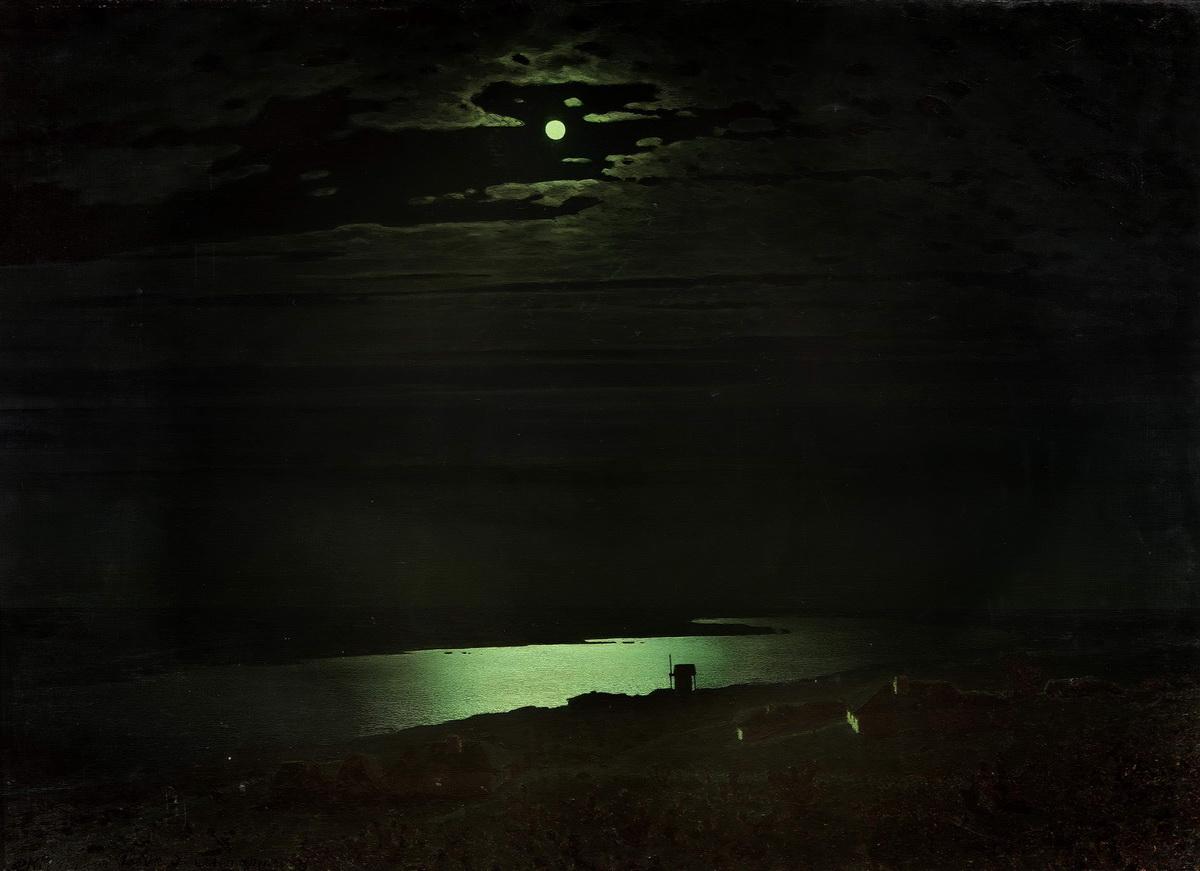
A one-painting exhibition: “Moonlit Night on the Dnieper”
In autumn 1880 Kuindzhi staged an exhibition of a single painting at the Society for the Encouragement of Artists: he draped the hall’s windows and lit the canvas with a beam of electric light. “Moonlit Night on the Dnieper” was an unprecedented success. The painting was bought by Grand Duke Konstantin Konstantinovich, who took it with him on a round-the-world voyage, and under the action of the sea air its bitumen paints darkened.