ART WIKI32.979 ausgestellt
KarteSammlungKünstlerMuseenAusstellungenJournal
Anmelden

ART WIKI

Wo das Meisterwerk hängt und wann man vorgelassen wird.

Sammlungen: Art Institute of Chicago, Cleveland Museum of Art, Eremitage, Getty Villa, Harvard Art Museums, Hirshhorn Museum and Sculpture Garden, J. Paul Getty Museum, Louvre, Metropolitan Museum of Art, Minneapolis Institute of Art, Museum of Modern Art, National Gallery of Art, National Museum of Asian Art, National Portrait Gallery, Puschkin-Museum, Rijksmuseum Amsterdam, Russisches Museum, Smithsonian American Art Museum, Statens Museum for Kunst, Tretjakow-Galerie, Victoria and Albert Museum, Whitney Museum of American Art, Staatskatalog des Museumsfonds Russlands (274 Museen), Europeana (19 Museen), Wikidata (6 Museen), Paris Musées (12 Museen) und Joconde, die Museumsdatenbank des französischen Kulturministeriums (495 Museen). Die Bilder gehören ihren Rechteinhabern.

Rubriken

  • Karte
  • Suche
  • Sammlung
  • Meisterwerke
  • Jetzt ausgestellt
  • Künstler

Mehr

  • Museen & Galerien
  • Ausstellungen
  • Journal
  • Woher die Daten stammen
  • Datenschutz & Cookies
StartseiteKarteKatalog
  1. Sammlung/
  2. Louvre/
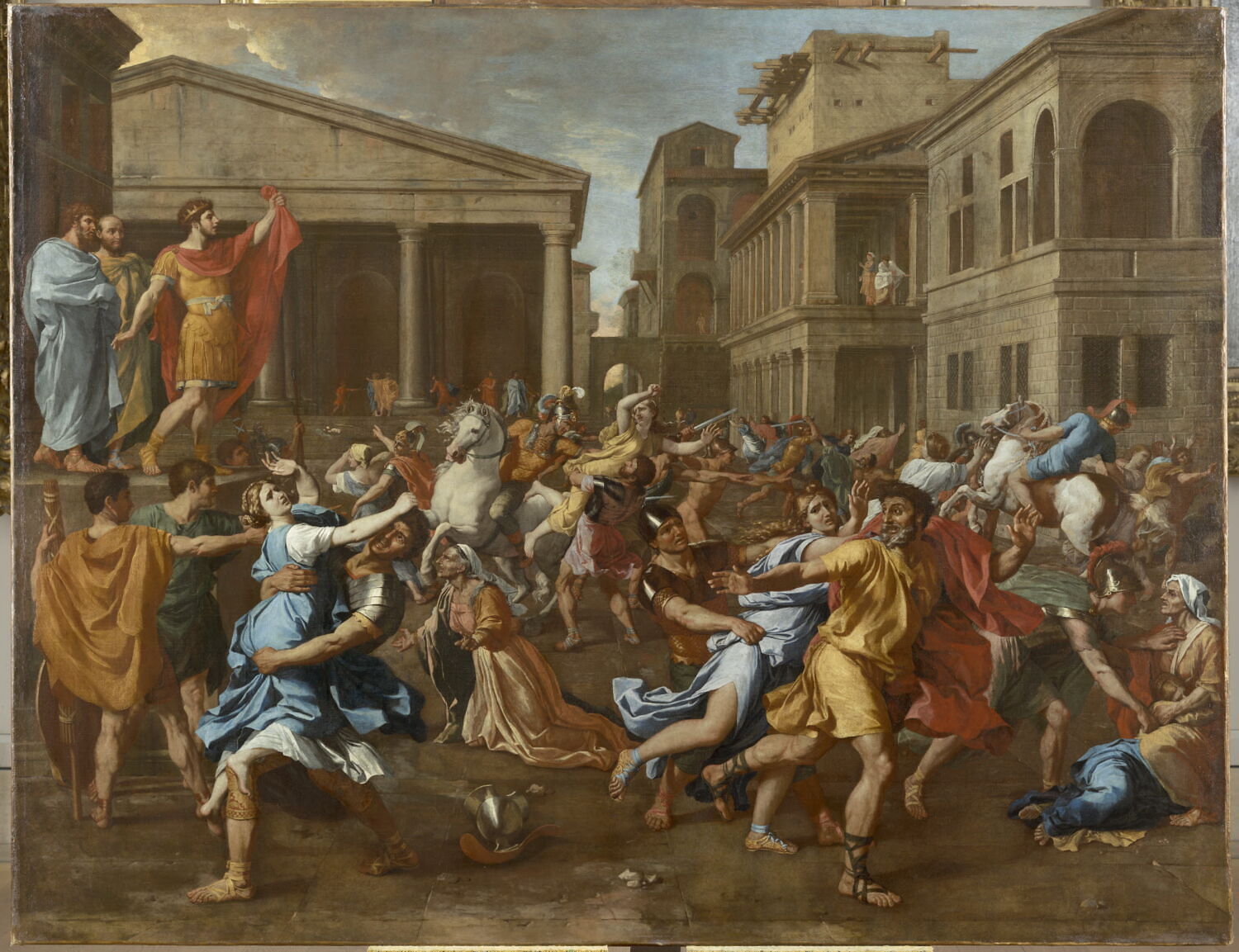
  3. L'enlèvement des Sabines
L'enlèvement des Sabines, Poussin, Nicolas, 2e quart du XVIIe siècle (vers 1637 - 1638)
Nicolas Poussin, PorträtNicolas PoussinFrankreich, 1594–1665

L'enlèvement des Sabines

2e quart du XVIIe siècle (vers 1637 - 1638) · Peintures

Angaben

2e quart du XVIIe siècle (vers 1637 - 1638)
15941665
Inventarnummer
INV 7290

Derweil im Leben von Nicolas Poussin

Das ganze Leben
  1. 1624–1640

    Domenichino’s academy, anatomy, measuring ancient statues

    He resumed his study of anatomy with the surgeon Larchet, drew models at Domenichino’s academy, worked in the open air and measured ancient statues — on the back of the drawing “The Victory of Joshua” survive his measurements of the Apollo Belvedere; unlike many, he did not “restore” the lost fragments of antiques. In his Roman years he began to learn modelling, made wax models, arranged them in the order he wanted on a board, and copied Titian’s “Bacchanal” — in oil and as a bas-relief together with one of the Duquesnoy brothers.

  2. 1630s

    Cassiano dal Pozzo — his chief patron

    Poussin’s flowering coincided with his complete abandonment of church commissions: he gathered a circle of patrons around him but strove for independence, accepting commissions from connoisseurs without binding himself to any of them permanently. The most important was Cassiano dal Pozzo; in the surviving correspondence the relationship comes close to servitude, although the painter did not live in his house.

  3. 1630s

    Brother-in-law Gaspard Dughet — his first pupil

    After the wedding Poussin went on living in the house on the Via Paolina; with him lived Anne-Marie’s brother Gaspard Dughet, the future well-known landscape painter, and from 1636 his younger brother Jean. Poussin became Gaspard’s first teacher, and Gaspard later took his surname; the marriage seems to have been a happy one, but childless.

  4. 1635

    Richelieu commissions “Bacchanals” and “The Birth of Venus”

    His first French commissions came from the envoy François de Créquy and then from Cardinal Richelieu — a series of “Bacchanals”; for Richelieu he also created “The Birth of Venus” (1635), an elaborate composition full of dynamic figures.

Mehr von Nicolas Poussin

Alle Werke

Im selben Saal · Salle 825, Aile Richelieu, Niveau 2, Louvre

Museumsseite
  • 1639

    Begins his correspondence with Paul Fréart de Chantelou

    From 1639 until the painter’s death runs his correspondence with the court counsellor and royal maître d’hôtel Paul Fréart de Chantelou — a monument of long friendship and the chief source on Poussin’s daily occupations; the letters are in French and make no literary claims.

  • December 1640

    December 1640: Poussin returns to Paris

    François Sublet de Noyers, Superintendent of the King’s Buildings, whose invitations Poussin had declined, sent his cousins Roland and Paul Fréart to Rome, offering the title of First Painter to the King and a substantial residence at the Tuileries. Poussin yielded, and in December 1640 he was back in Paris.

  • Darf man es sehen?

    Ja, es empfängt Besucher

    Louvre

    Paris, Frankreich

    Saal825, Aile Richelieu, Niveau 2

    Öffentlich ausgestellt. Wer dafür bürgt, steht unten.

    Geprüft
    vor 12 Tagen
    Unverändert seit
    26. Sept. 2026
    Quelle
    Das Museum
    Auf der KarteMuseumsseite

    Im Katalog

    GemäldeÖlFranzösische MalereiBarock17. Jahrhundert

    Quellen

    • Louvre
    • Bild: Louvre — © 2014 GrandPalaisRmn (musée du Louvre) / Tony Querrec
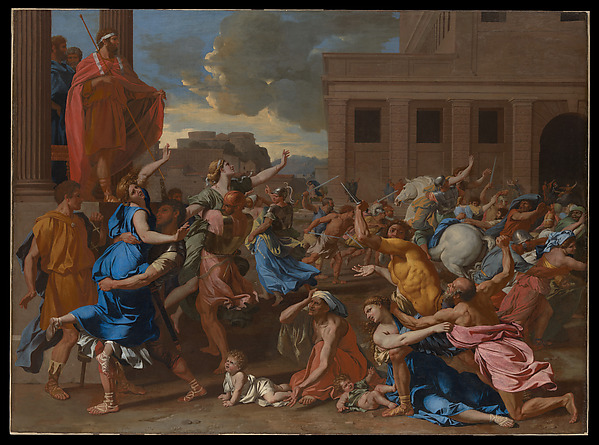
    The Abduction of the Sabine Women, Nicolas Poussin, probably 1633–34

    The Abduction of the Sabine Women

    probably 1633–34 · Metropolitan Museum of Art

    Blind Orion Searching for the Rising Sun, Nicolas Poussin, 1658

    Blind Orion Searching for the Rising Sun

    1658 · Metropolitan Museum of Art

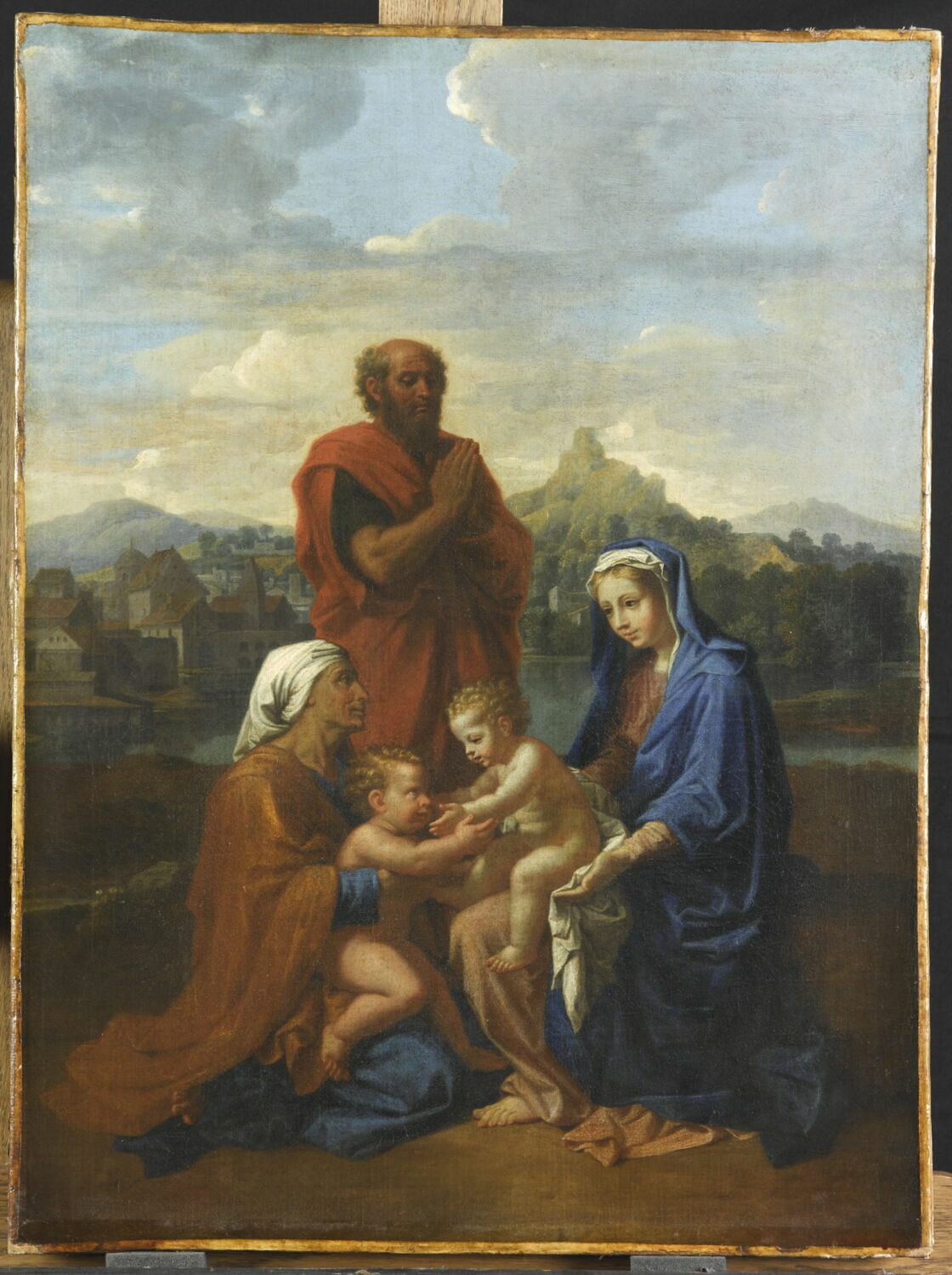
    La Sainte Famille avec saint Jean, sainte Elisabeth et saint Joseph priant, Poussin, Nicolas, Milieu du XVIIe siècle (vers 1650 - 1951)

    La Sainte Famille avec saint Jean, sainte Elisabeth et saint Joseph priant

    Milieu du XVIIe siècle (vers 1650 - 1951) · Louvre

    Victory of Joshua over the Amalekites, Nicolas Poussin, 1623

    Victory of Joshua over the Amalekites

    1623 · Eremitage

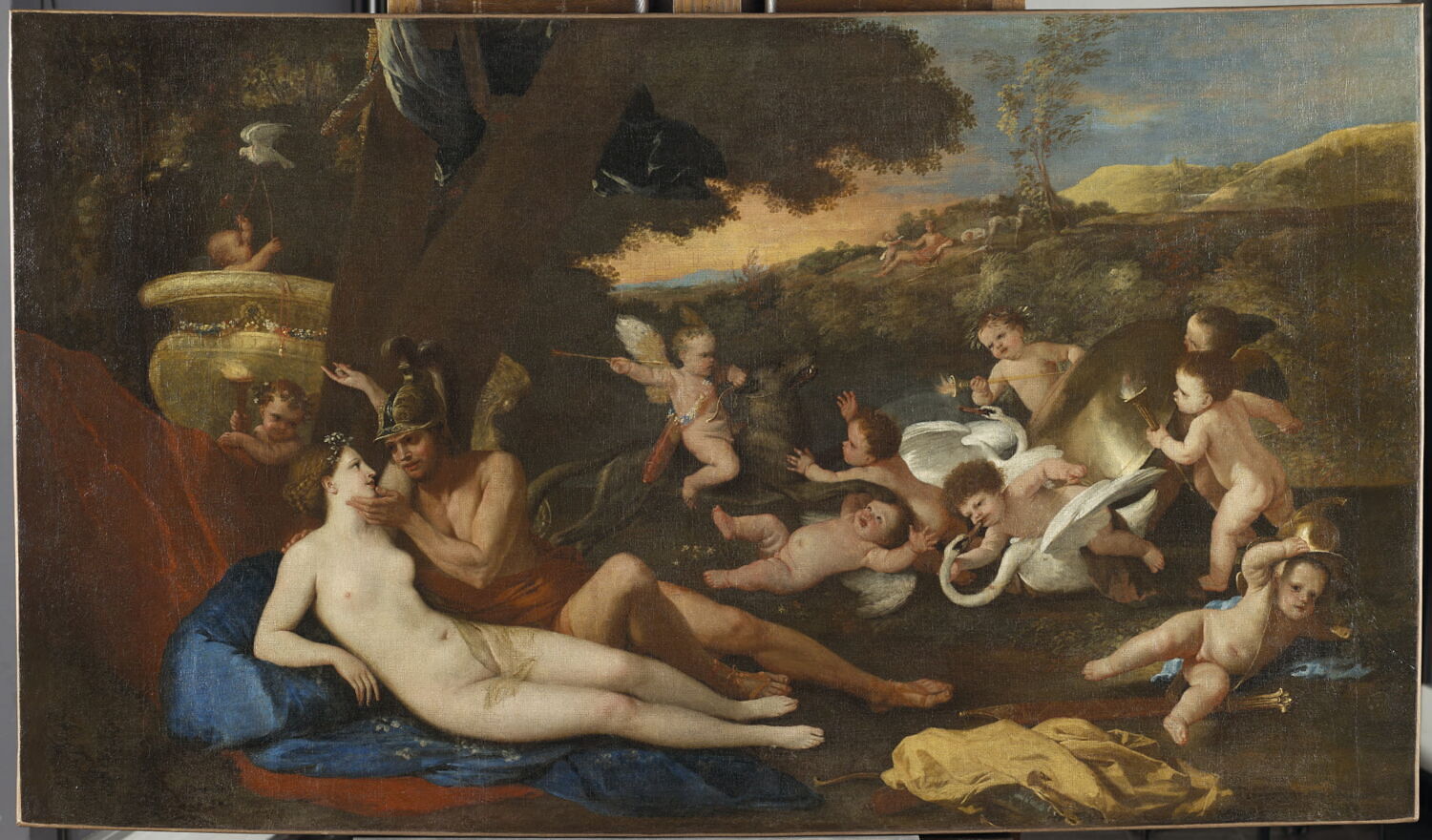
    Mars et Vénus, Poussin, Nicolas, 1e tiers du XVIIe siècle (vers 1625)

    Mars et Vénus

    1e tiers du XVIIe siècle (vers 1625) · Louvre

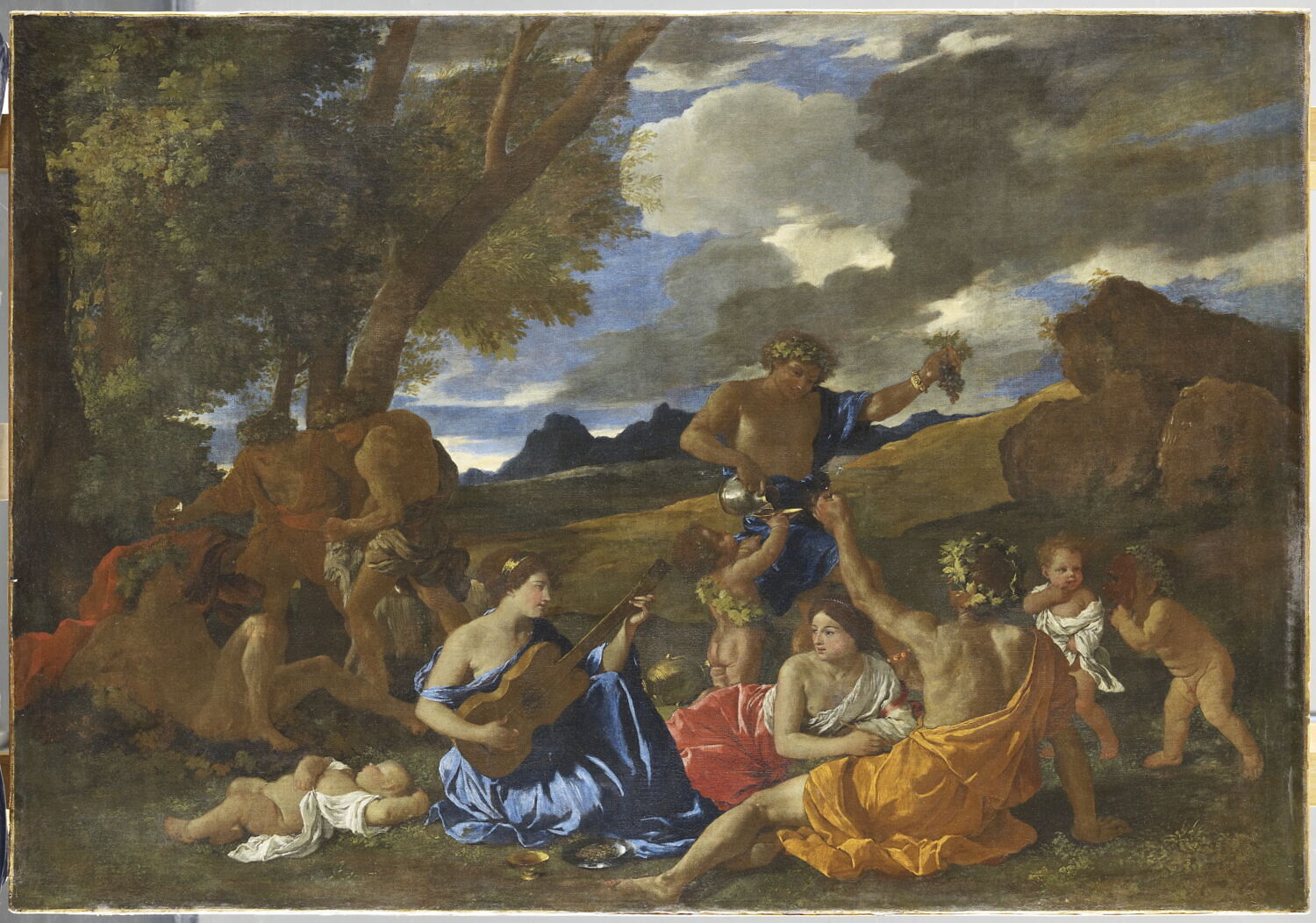
    Bacchanale à la joueuse de guitare, Poussin, Nicolas, 2e quart du XVIIe siècle (vers 1625)

    Bacchanale à la joueuse de guitare

    2e quart du XVIIe siècle (vers 1625) · Louvre

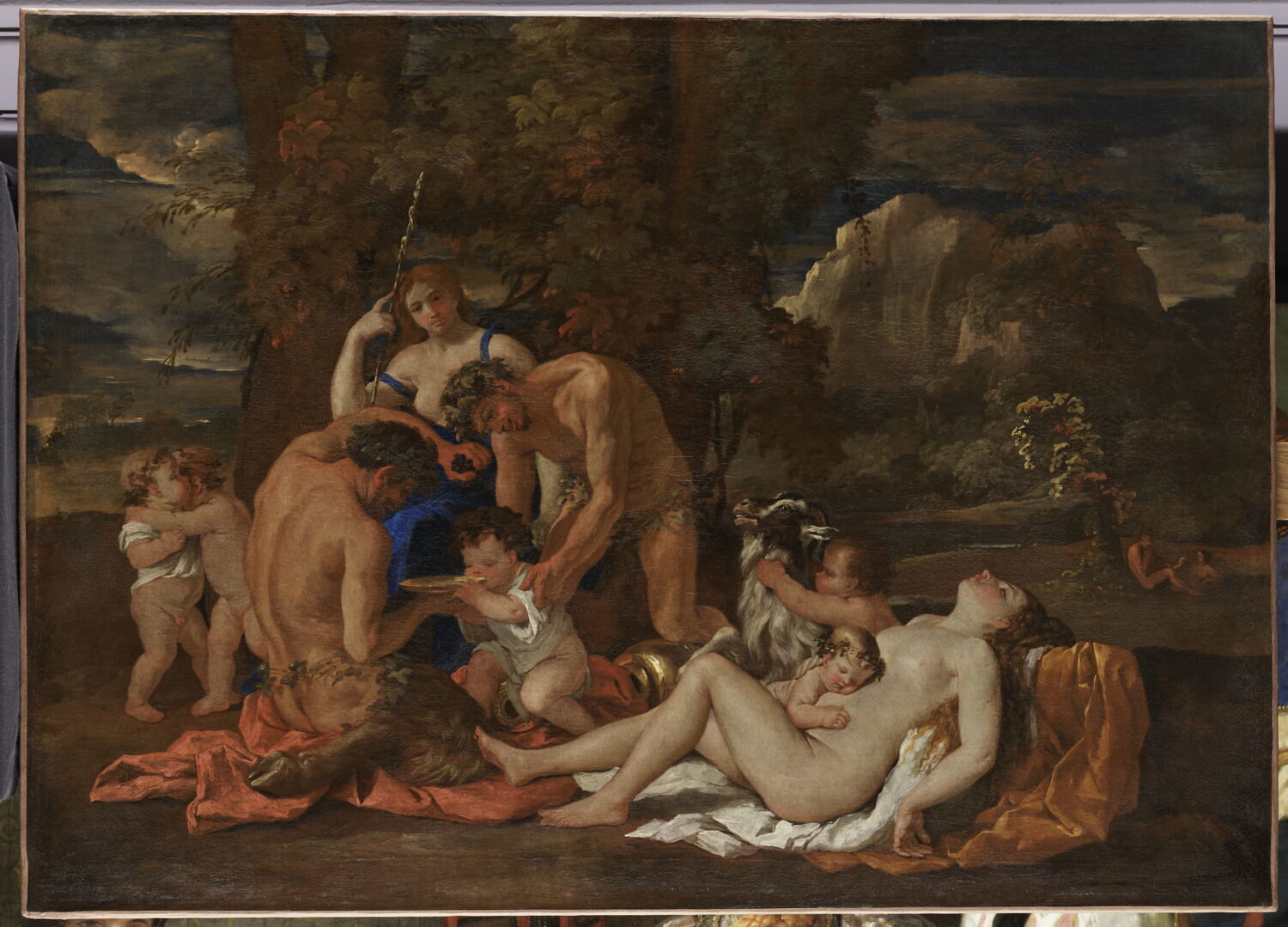
    La Nourriture de Bacchus, Poussin, Nicolas, 2e quart du XVIIe siècle (vers 1626)

    La Nourriture de Bacchus

    2e quart du XVIIe siècle (vers 1626) · Louvre

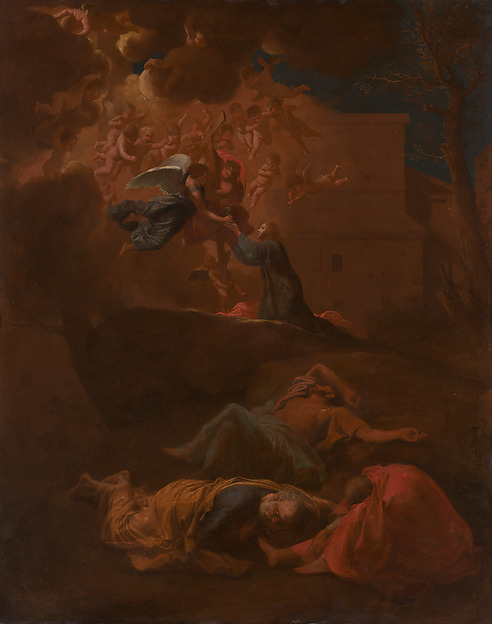
    The Agony in the Garden, Nicolas Poussin, 1626–27

    The Agony in the Garden

    1626–27 · Metropolitan Museum of Art

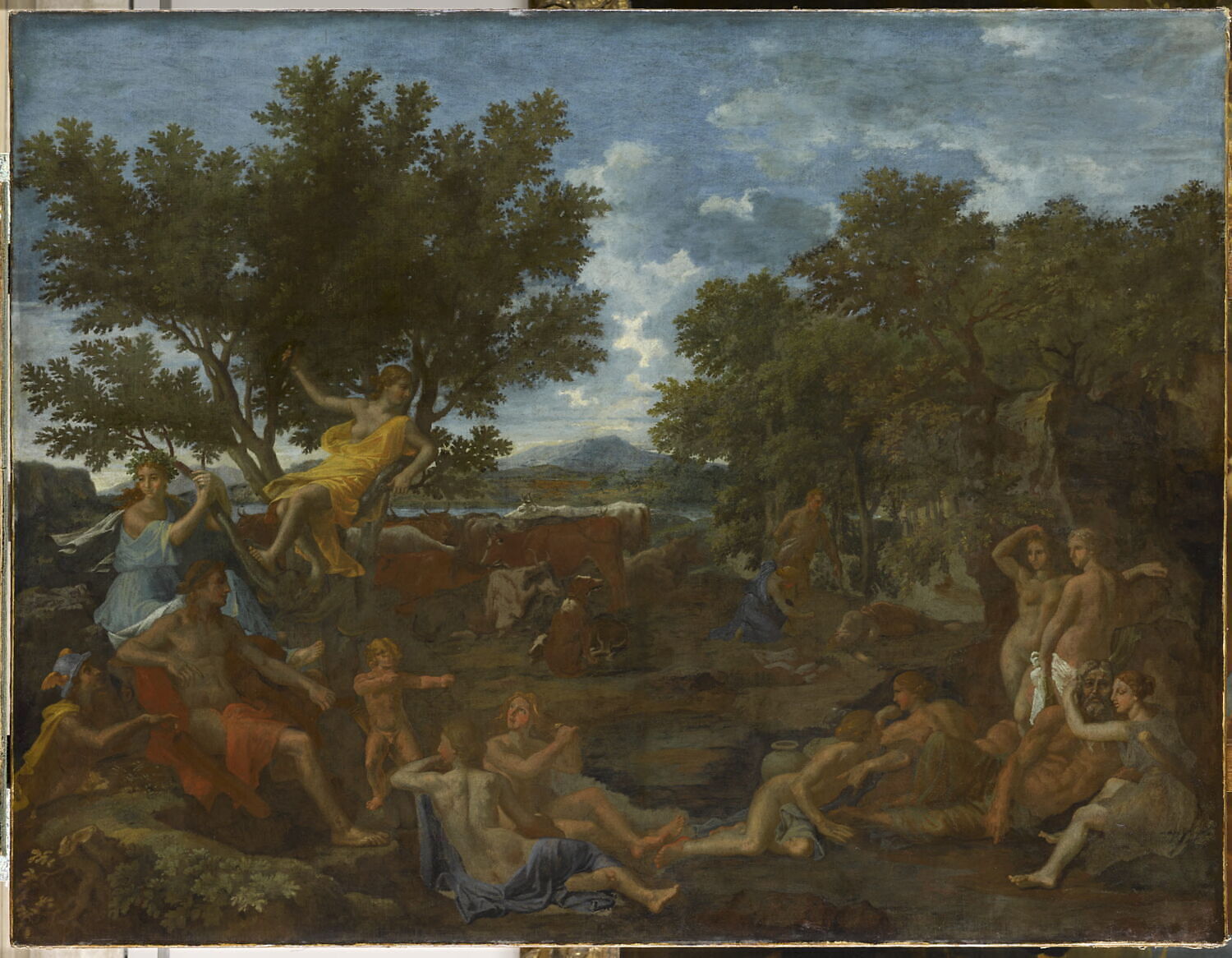
    Apollon amoureux de Daphné, Poussin, Nicolas, XVIIe siècle (vers 1663 - 1664)

    Nicolas Poussin

    Apollon amoureux de Daphné, XVIIe siècle (vers 1663 - 1664)

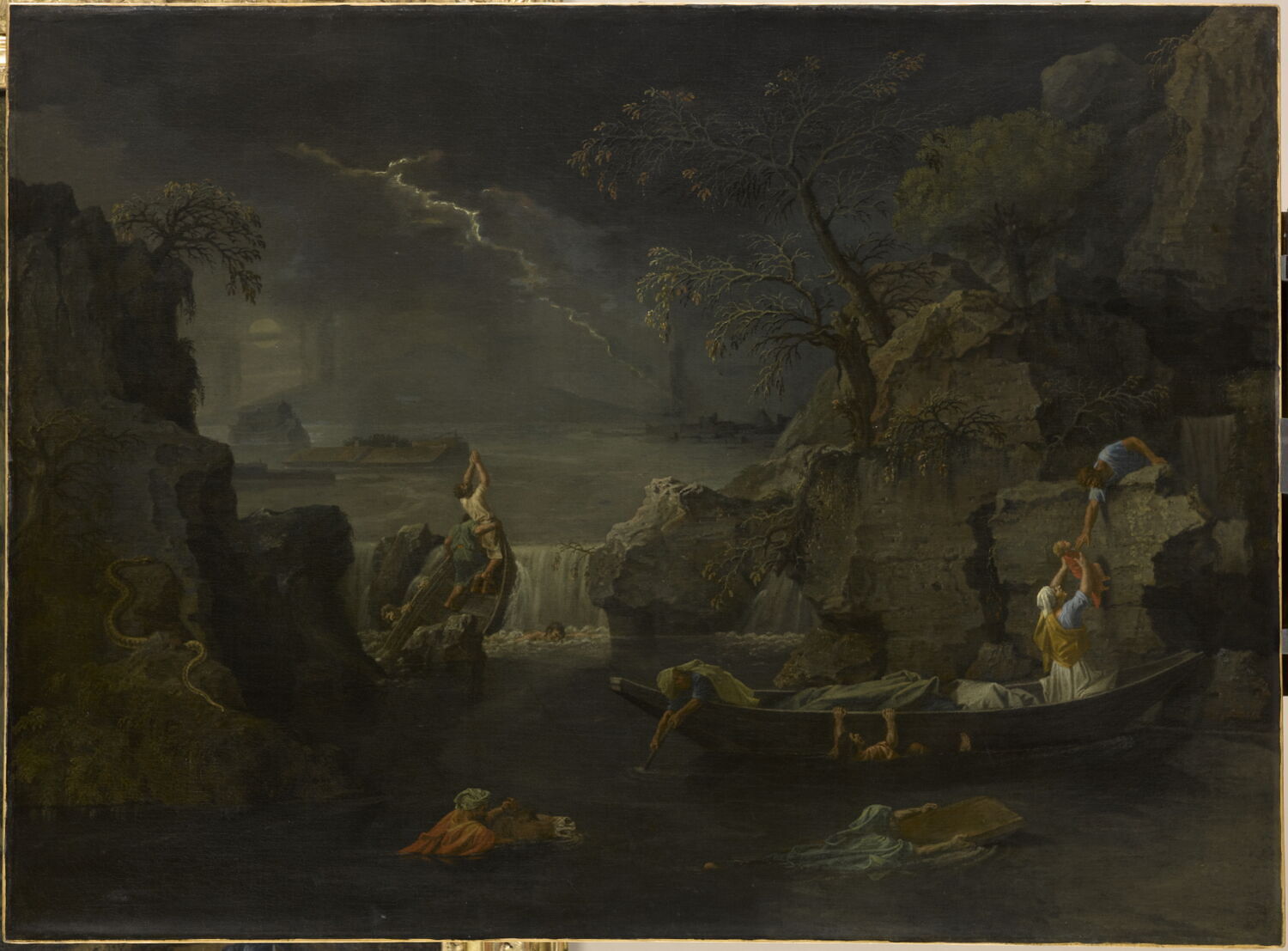
    L'Hiver, Poussin, Nicolas, 3e quart du XVIIe siècle (1660 - 1664)

    Nicolas Poussin

    L'Hiver, 3e quart du XVIIe siècle (1660 - 1664)

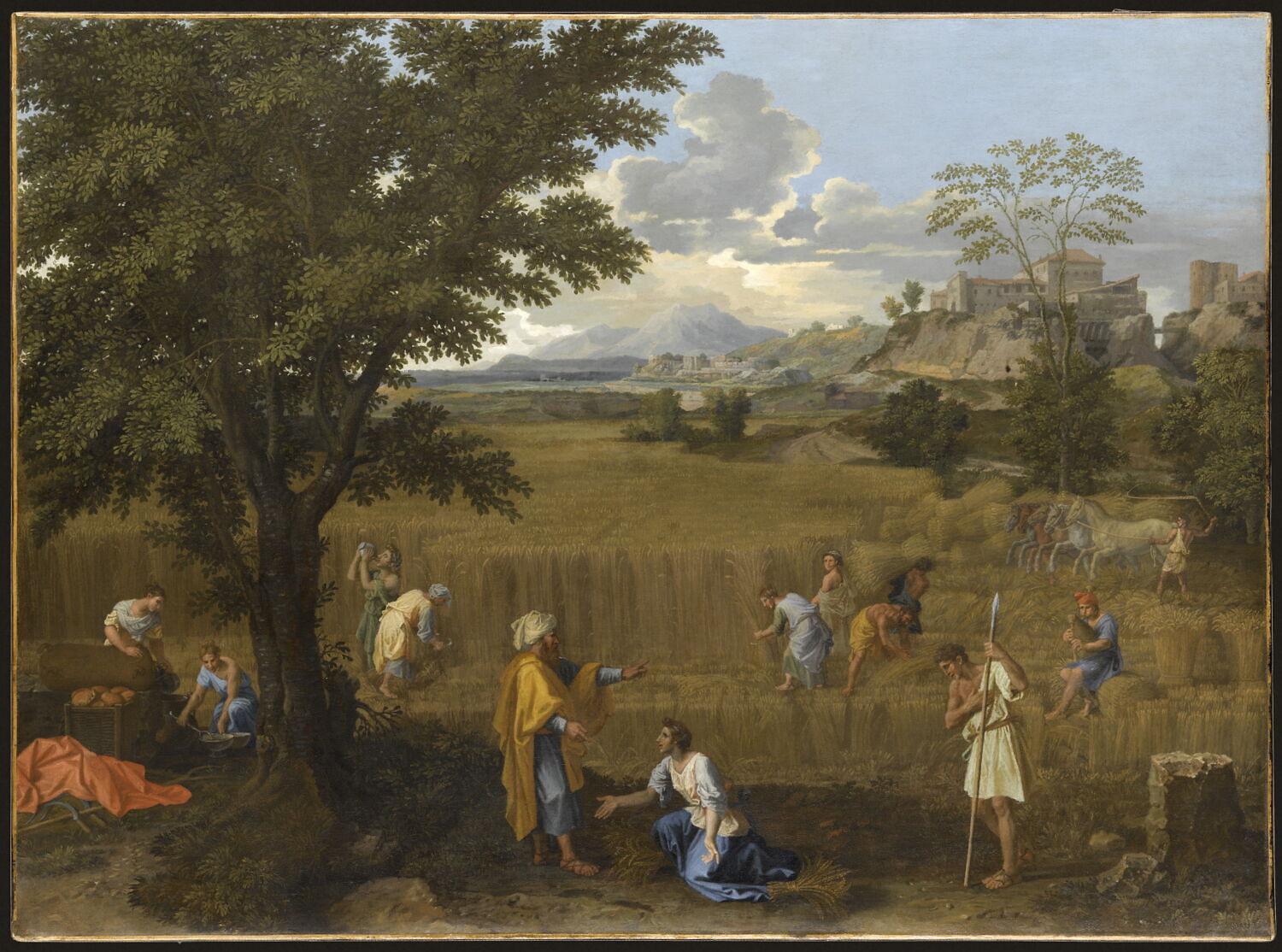
    L'Été, Poussin, Nicolas, 3e quart du XVIIe siècle (1660 - 1664)

    Nicolas Poussin

    L'Été, 3e quart du XVIIe siècle (1660 - 1664)

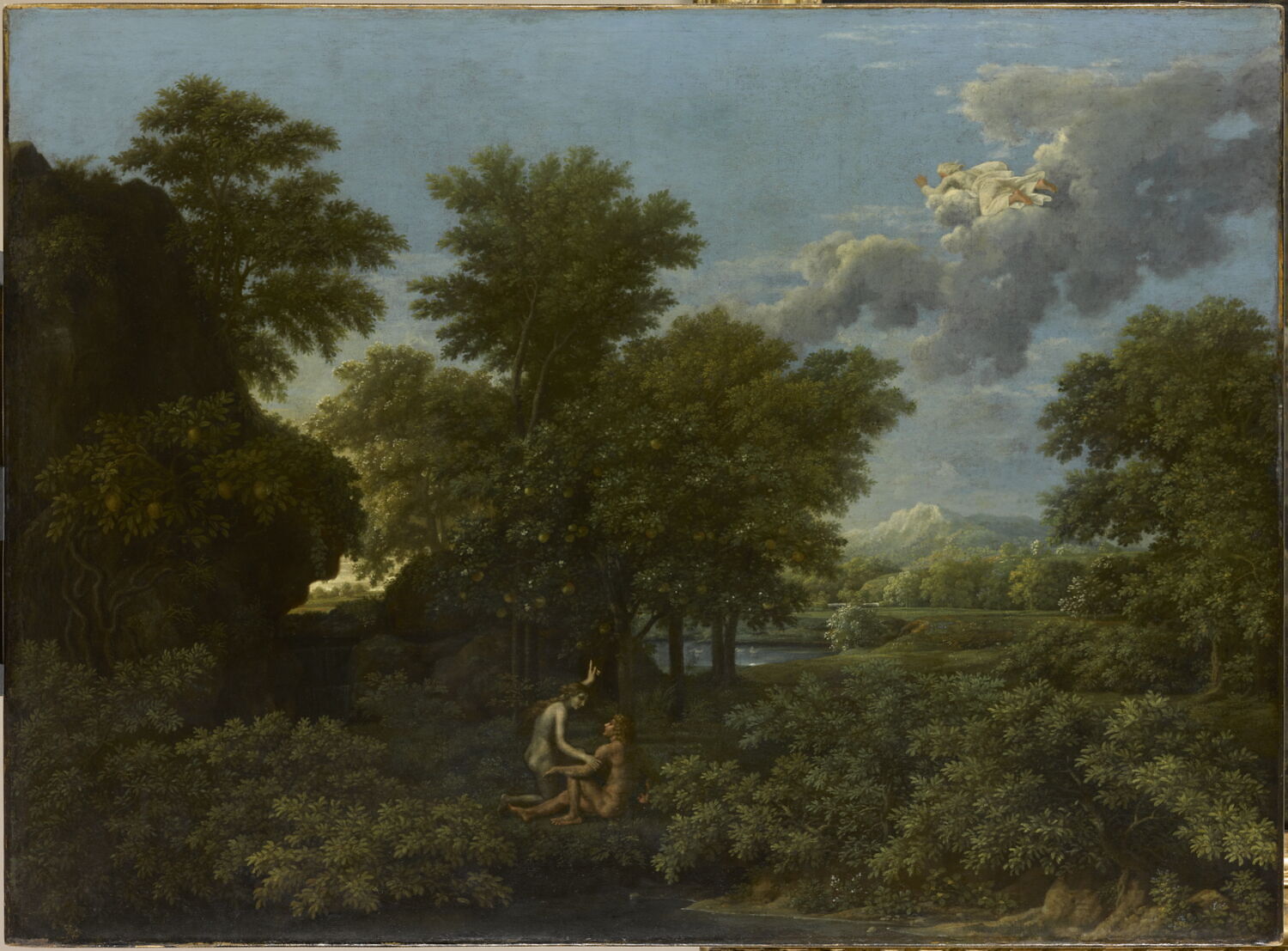
    Le Printemps, Poussin, Nicolas, 3e quart du XVIIe siècle (1660 - 1664)

    Nicolas Poussin

    Le Printemps, 3e quart du XVIIe siècle (1660 - 1664)

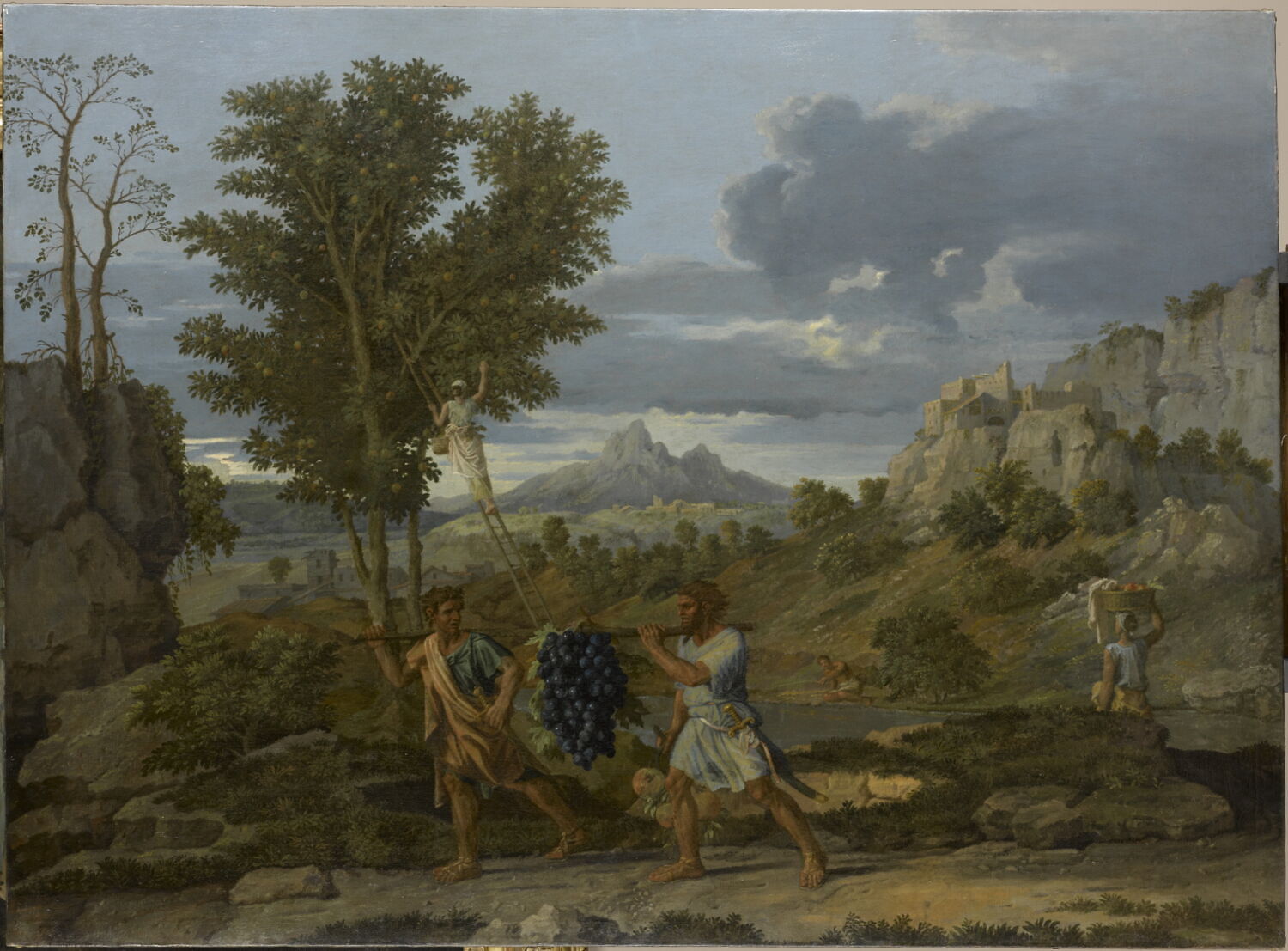
    L'Automne, Poussin, Nicolas, 3e quart du XVIIe siècle (1660 - 1664)

    Nicolas Poussin

    L'Automne, 3e quart du XVIIe siècle (1660 - 1664)

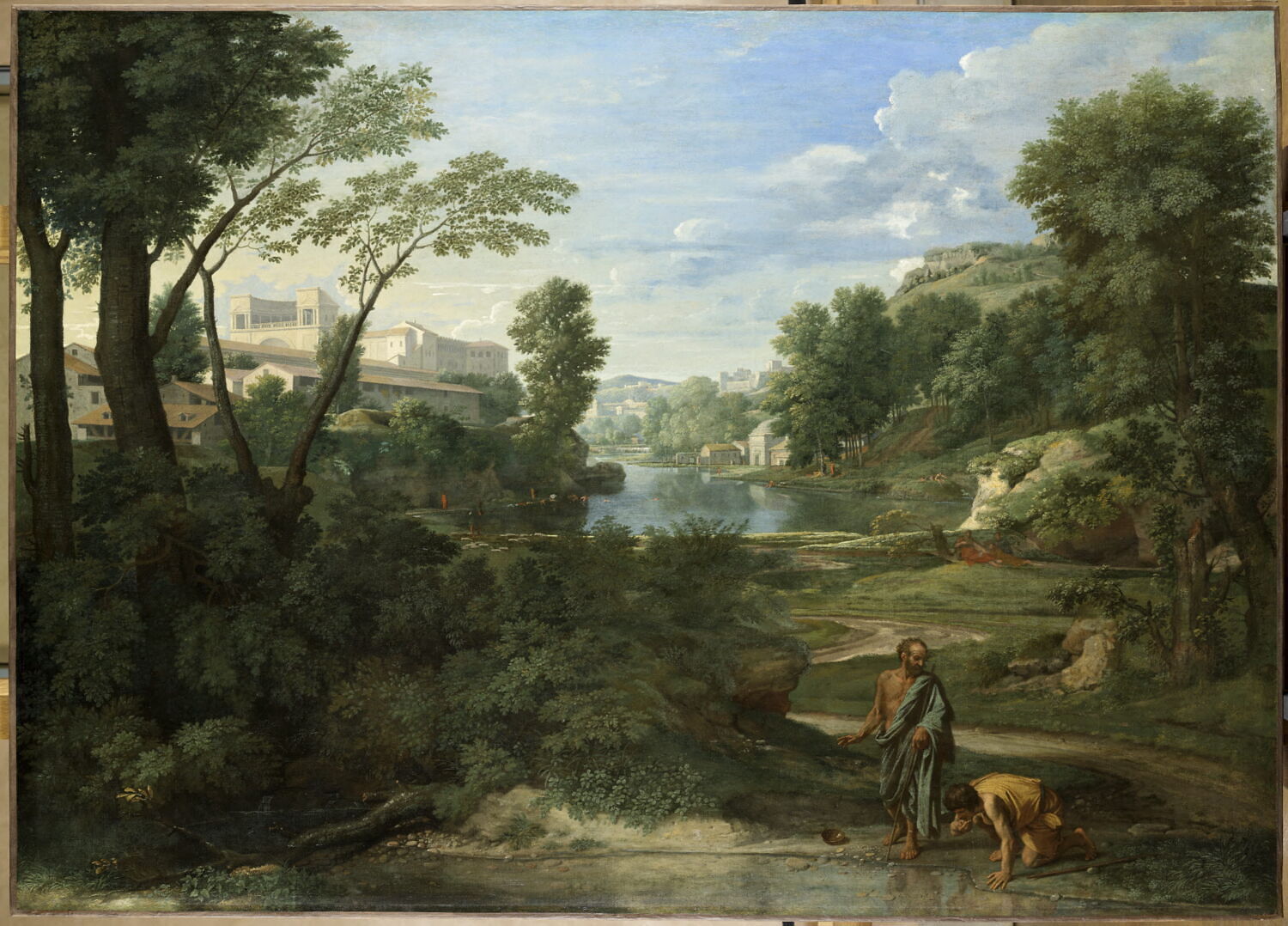
    Diogène jetant son écuelle, Poussin, Nicolas, Milieu du XVIIe siècle (vers 1654 - 1658)

    Nicolas Poussin

    Diogène jetant son écuelle, Milieu du XVIIe siècle (vers 1654 - 1658)

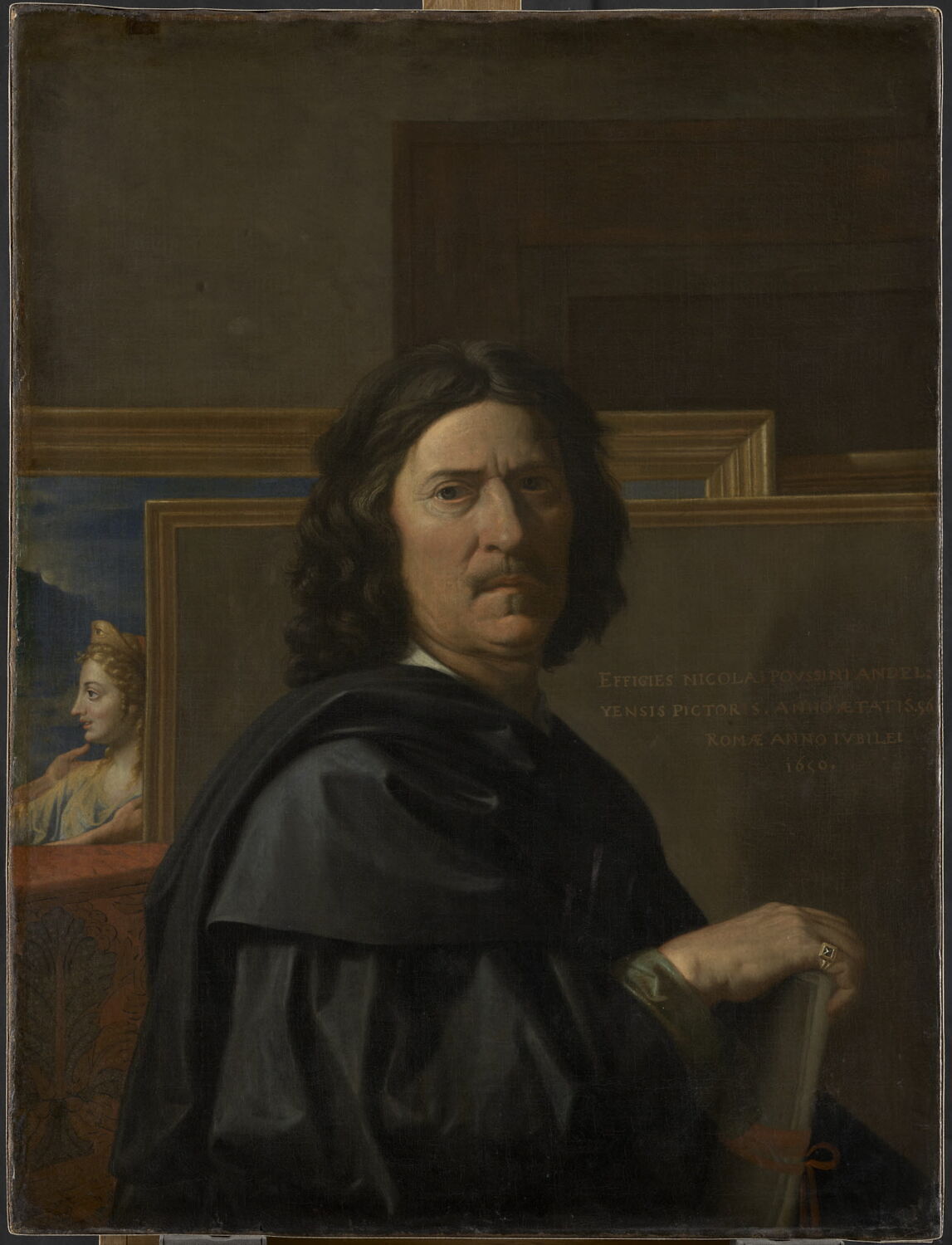
    Autoportrait, Poussin, Nicolas, 2e quart du XVIIe siècle (1650)

    Nicolas Poussin

    Autoportrait, 2e quart du XVIIe siècle (1650)

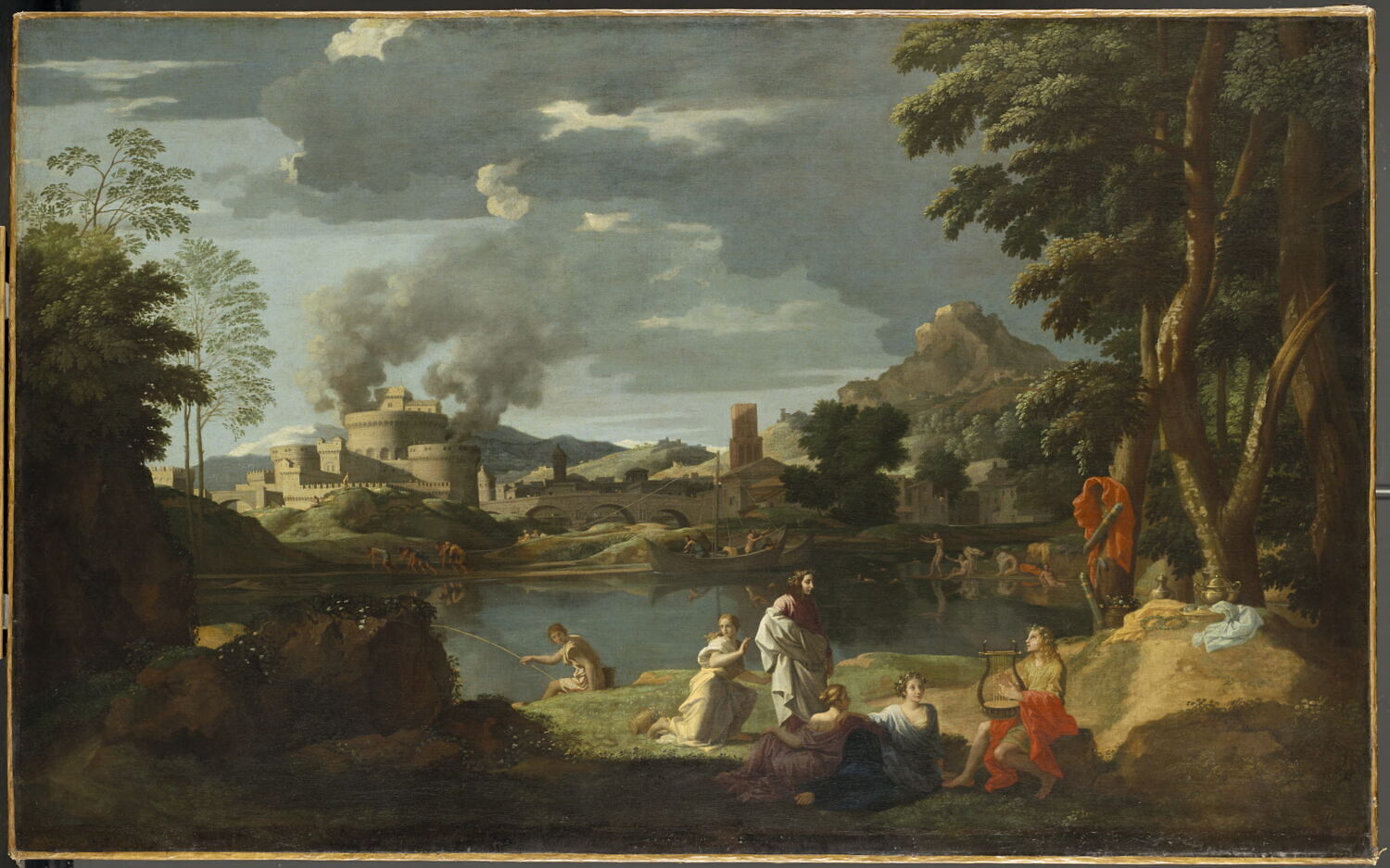
    Orphée et Eurydice, Poussin, Nicolas, 2e quart du XVIIe siècle (vers 1648)

    Nicolas Poussin

    Orphée et Eurydice, 2e quart du XVIIe siècle (vers 1648)