ART WIKI32.963 ausgestellt
KarteSammlungKünstlerMuseenAusstellungenJournal
Anmelden

ART WIKI

Wo das Meisterwerk hängt und wann man vorgelassen wird.

Sammlungen: Art Institute of Chicago, Cleveland Museum of Art, Eremitage, Getty Villa, Harvard Art Museums, Hirshhorn Museum and Sculpture Garden, J. Paul Getty Museum, Louvre, Metropolitan Museum of Art, Minneapolis Institute of Art, Museum of Modern Art, National Gallery of Art, National Museum of Asian Art, National Portrait Gallery, Puschkin-Museum, Rijksmuseum Amsterdam, Russisches Museum, Smithsonian American Art Museum, Statens Museum for Kunst, Tretjakow-Galerie, Victoria and Albert Museum, Whitney Museum of American Art, Staatskatalog des Museumsfonds Russlands (274 Museen), Europeana (19 Museen), Wikidata (6 Museen), Paris Musées (12 Museen) und Joconde, die Museumsdatenbank des französischen Kulturministeriums (495 Museen). Die Bilder gehören ihren Rechteinhabern.

Rubriken

  • Karte
  • Suche
  • Sammlung
  • Meisterwerke
  • Jetzt ausgestellt
  • Künstler

Mehr

  • Museen & Galerien
  • Ausstellungen
  • Journal
  • Woher die Daten stammen
  • Datenschutz & Cookies
StartseiteKarteKatalog
  1. Sammlung/
  2. Louvre/
  3. Der Riegel
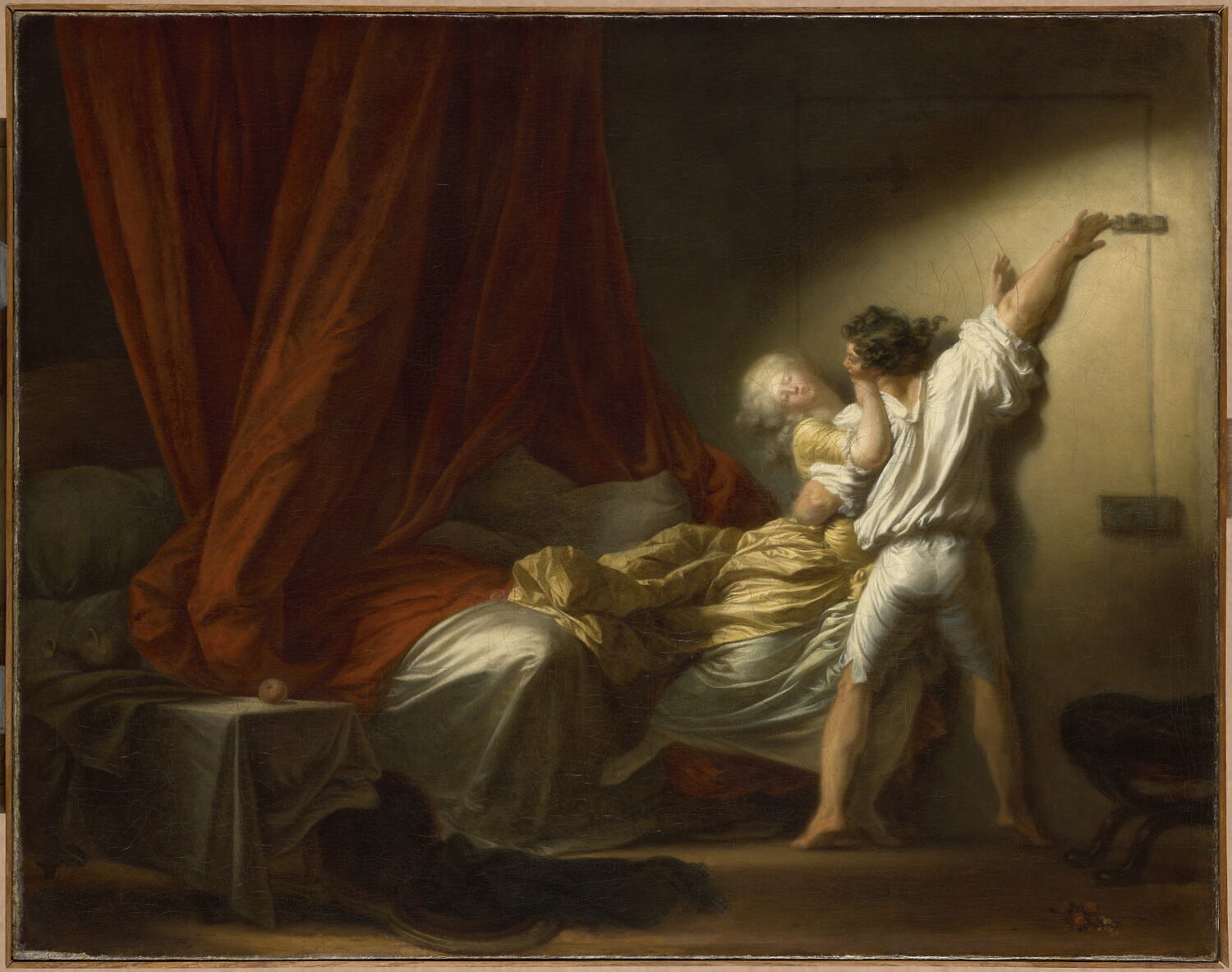
Der Riegel, Jean-Honoré Fragonard, 3e tiers du XVIIIe siècle (vers 1777 - 1778)
Jean-Honoré Fragonard, PorträtJean-Honoré FragonardFrankreich, 1732–1806

Der Riegel

Le Verrou

3e tiers du XVIIIe siècle (vers 1777 - 1778) · Peintures

Darf man es sehen?

Ja, es empfängt Besucher

Louvre

Paris, Frankreich

Saal929, Aile Sully, Niveau 2

Öffentlich ausgestellt. Wer dafür bürgt, steht unten.

Geprüft
vor 11 Tagen
Unverändert seit
26. Sept. 2026
Quelle
Sammlungsdaten des Museums selbst
Auf der KarteMuseumsseite

Über das Gemälde

The Bolt (French: Le Verrou), also known as The Lock, is a galant scene painted by Jean-Honoré Fragonard in 1777. It is one of the most famous paintings by the painter. The scene depicts a man and a woman entwined in a bedroom, the man reaching to the lock on the door. One interpretation suggests the scene shows two lovers embracing in a bedroom, with the man sliding the door bolt shut. Another interpretation posits that the scene depicts a rape, with the woman attempting to break free from the man's grasp as he locks the door to have his way with her.

Weiterlesen

The painting is preserved in the Louvre Museum, in the section of the Department of Paintings devoted to eighteenth-century French painting. This painting, a symbol of the libertine spirit of the 18th century, reflects the state of mind adopted by the painters of the era, notably that of François Boucher, one of Fragonard's teachers and a great representative of rococo painting.

Wikipedia · CC BY-SA

Angaben

3e tiers du XVIIIe siècle (vers 1777 - 1778)
17321806
Inventarnummer
RF 1974 2

Im Katalog

GemäldeÖlFranzösische MalereiRokokoKlassizismus18. Jahrhundert

Quellen

  • Louvre: die offenen Daten des Museums · abgerufen vor 11 Tagen
  • Bild: Louvre — © 2020 GrandPalaisRmn (musée du Louvre) / Michel Urtado

Derweil im Leben von Jean-Honoré Fragonard

Das ganze Leben
  1. 1778

    Marguerite Gérard — pupil and assistant

    Fourteen-year-old Marguerite Gérard, his wife's sister, became his pupil and assistant.

  2. 1780

    Birth of his son Alexandre-Évariste

    His son Alexandre-Évariste was born, who later became a talented painter, sculptor and lithographer.

  3. 26. Oktober 1780

    Son born: Alexandre-Évariste Fragonard

Mehr von Jean-Honoré Fragonard

Alle Werke
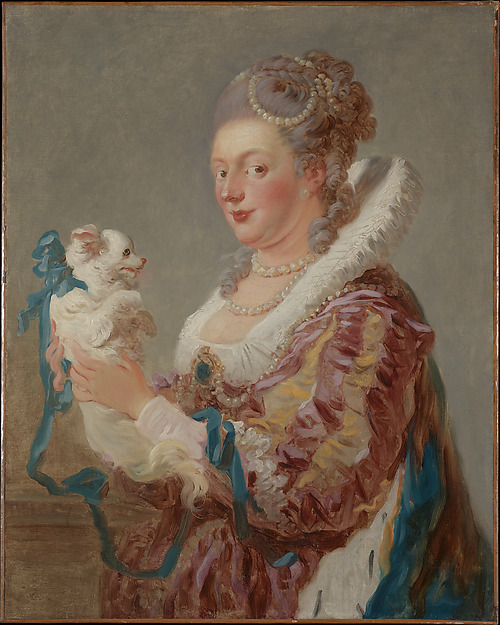
Marie Emilie Coignet de Courson (1716–1806) with a Dog, Jean Honoré Fragonard, ca. 1769

Marie Emilie Coignet de Courson (1716–1806) with a Dog

ca. 1769 · Metropolitan Museum of Art

The Love Letter, Jean Honoré Fragonard, early 1770s

The Love Letter

early 1770s · Metropolitan Museum of Art

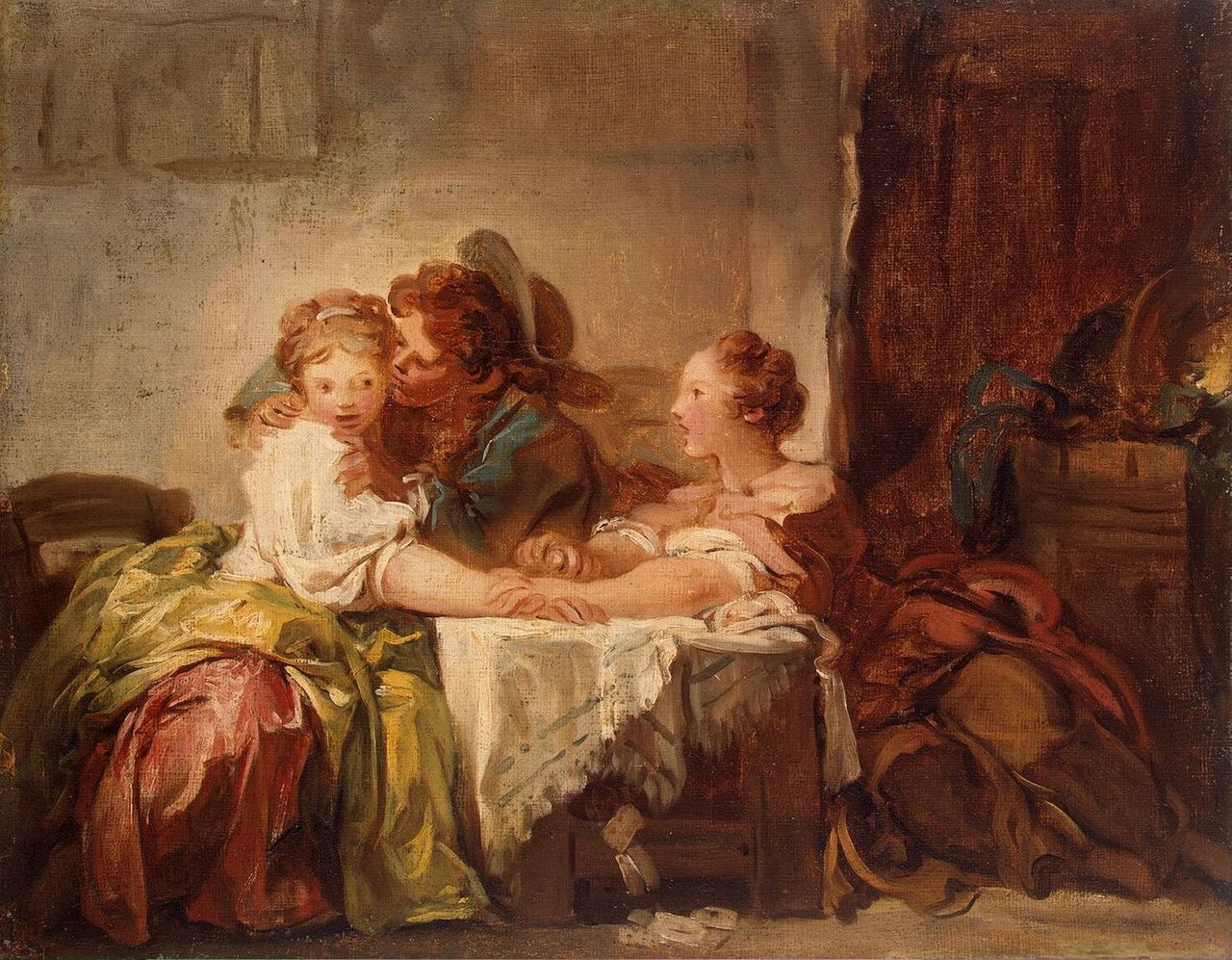
The Captured Kiss, Jean-Honoré Fragonard, 1750s

The Captured Kiss

1750s · Eremitage

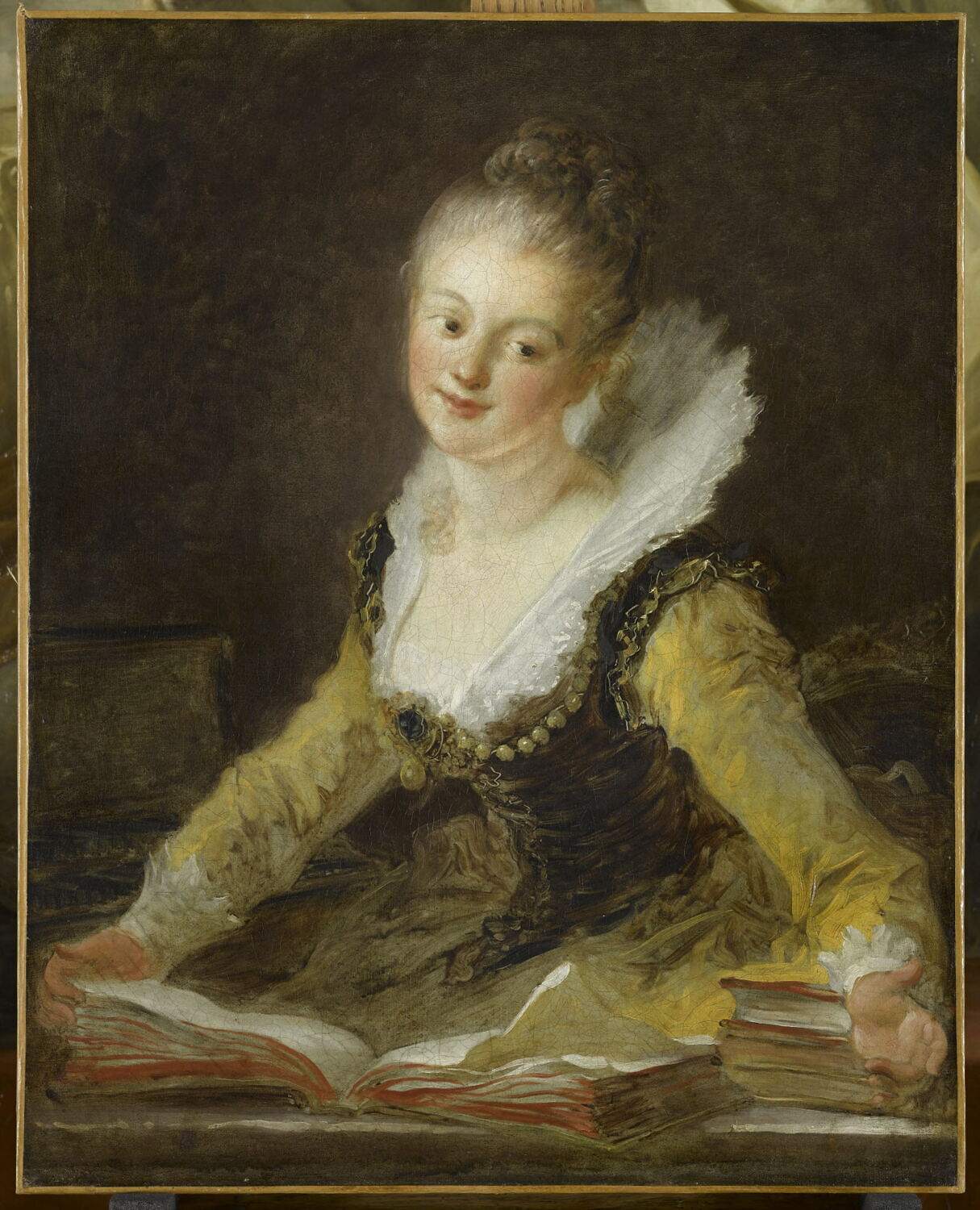
L'Étude, dit aussi parfois Le Chant., Fragonard, Jean-Honoré, 3e quart du XVIIIe siècle (1750 - 1775)

L'Étude, dit aussi parfois Le Chant.

3e quart du XVIIIe siècle (1750 - 1775) · Louvre

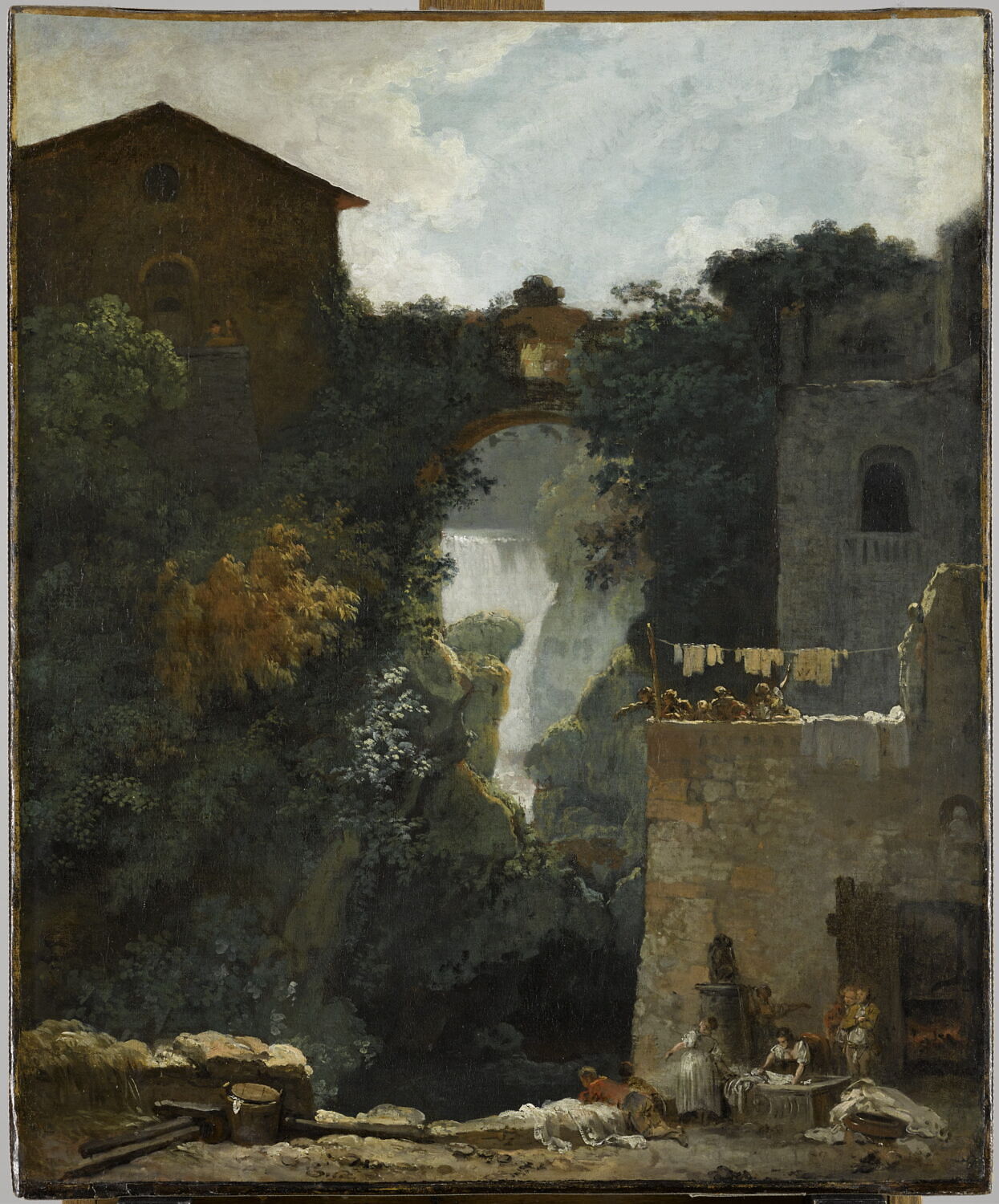
Cascatelles de Tivoli., Fragonard, Jean-Honoré, 3e quart du XVIIIe siècle (1750 - 1775)

Cascatelles de Tivoli.

3e quart du XVIIIe siècle (1750 - 1775) · Louvre

Diana and Endymion, Jean Honoré Fragonard, c. 1753/1756

Diana and Endymion

c. 1753/1756 · National Gallery of Art

L'orage, dit aussi La Charrette embourbée., Fragonard, Jean-Honoré, 3e quart du XVIIIe siècle (vers 1759)

L'orage, dit aussi La Charrette embourbée.

3e quart du XVIIIe siècle (vers 1759) · Louvre

Farmer's Children, Jean-Honoré Fragonard, 1760s

Farmer's Children

1760s · Eremitage

Nachbarn im Haus: Louvre

Museumsseite
Portrait de Lisa Gherardini, épouse de Francesco del Giocondo, dit La Joconde ou Monna Lisa, Léonard de Vinci, 1e quart du XVIe siècle (1503 - 1519)

Leonardo da Vinci

Mona Lisa, 1e quart du XVIe siècle (1503 - 1519)

Saint Jean Baptiste, Léonard de Vinci, 1e quart du XVIe siècle (vers 1517 - 1520)

Leonardo da Vinci

Bacchus, 1e quart du XVIe siècle (vers 1517 - 1520)

Saint Jean Baptiste, Léonard de Vinci, 1e quart du XVIe siècle (vers 1508 - 1519)

Leonardo da Vinci

Johannes der Täufer, 1e quart du XVIe siècle (vers 1508 - 1519)

La Vierge et l'Enfant Jésus, dite Vierge au dévidoir ou Vierge aux fuseaux, Léonard de Vinci, XVIe siècle (vers 1505 - 1520)

Leonardo da Vinci

La Vierge et l'Enfant Jésus, dite Vierge au dévidoir ou Vierge aux fuseaux, XVIe siècle (vers 1505 - 1520)

La Vierge, l'Enfant Jésus et sainte Anne, dit La Sainte Anne, Léonard de Vinci, 1e quart du XVIe siècle (vers 1503 - 1519)

Leonardo da Vinci

Anna Selbdritt, 1e quart du XVIe siècle (vers 1503 - 1519)

La Vierge, l'Enfant Jésus, saint Jean Baptiste et un ange, dit La Vierge aux rochers, Léonard de Vinci, 4e quart du XVe siècle (vers 1483 - 1494)

Leonardo da Vinci

La Vierge, l'Enfant Jésus, saint Jean Baptiste et un ange, dit La Vierge aux rochers, 4e quart du XVe siècle (vers 1483 - 1494)

Esclave rebelle, Buonarroti, Michelangelo dit Michel-Ange, 1513 - 1515

Michelangelo

Rebellischer Sklave, 1513 - 1515

Esclave mourant, Buonarroti, Michelangelo dit Michel-Ange, 1513 - 1515

Michelangelo

Sterbender Sklave, 1513 - 1515