 Pietro PeruginoItalien, 1448–1523
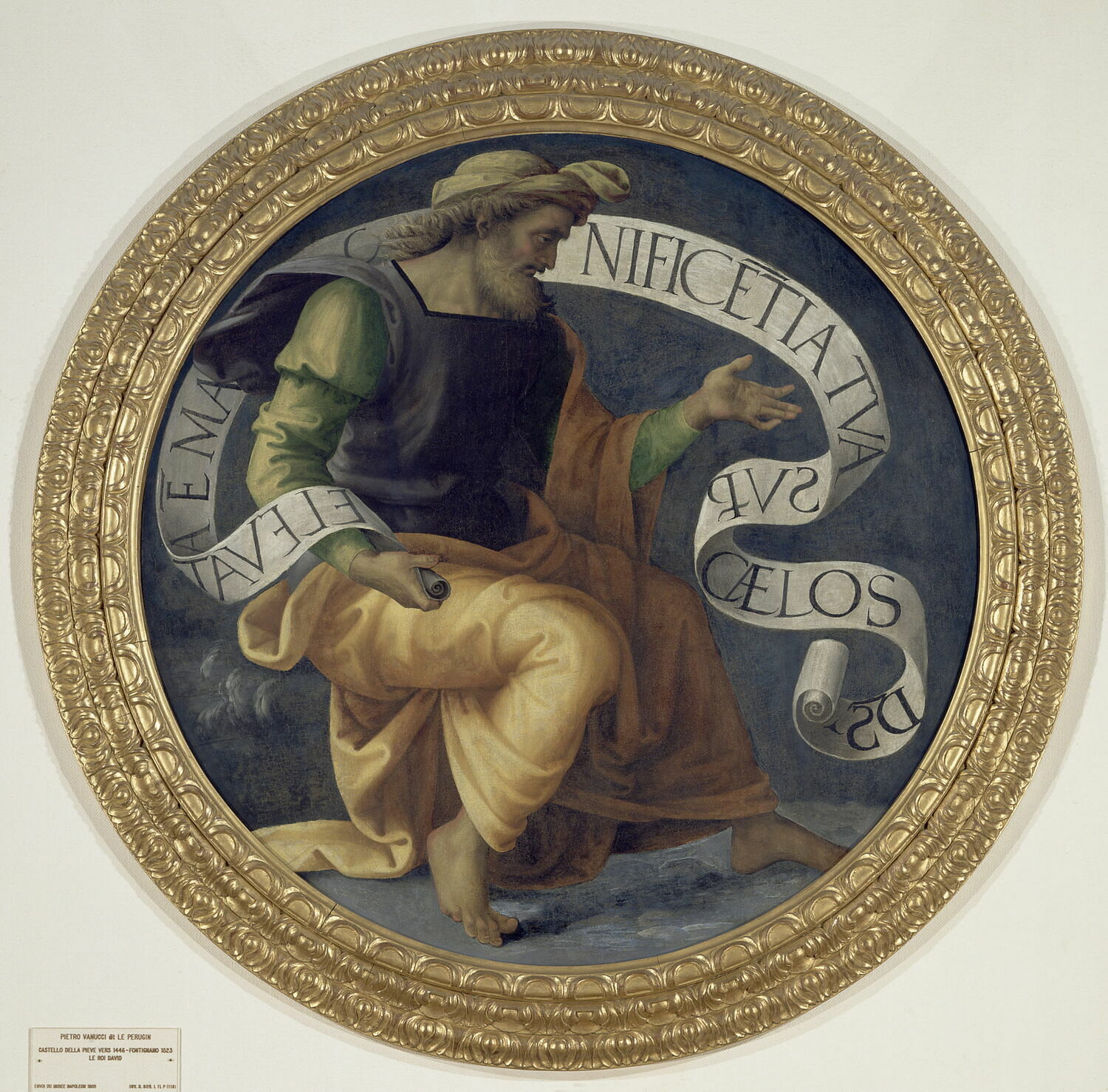
Le Prophète David
Darf man es sehen?
Unbekannt: Das Museum schweigt sich aus

Louvre
Paris, Frankreich
Der Eigentümer ist bekannt. Ob es heute ausgestellt ist, sagt das Museum nicht, und Raten haben wir nicht gelernt.
- Unverändert seit
- 26. Sept. 2026
- Quelle
- Sammlungsdaten des Museums selbst
About the painting
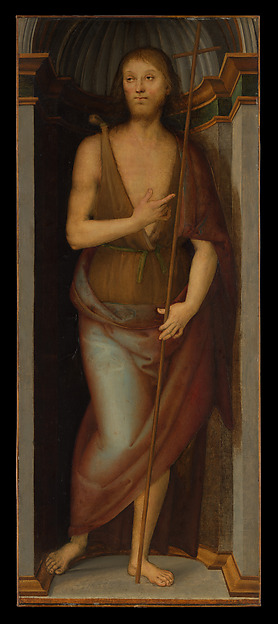
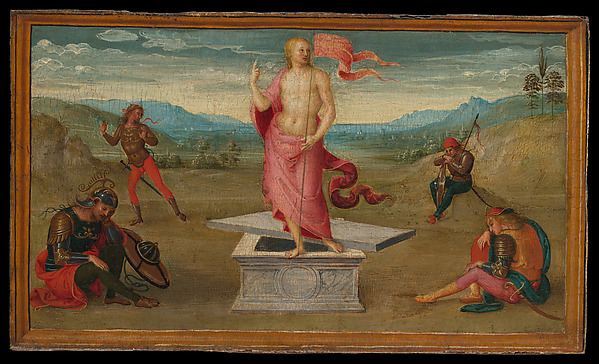
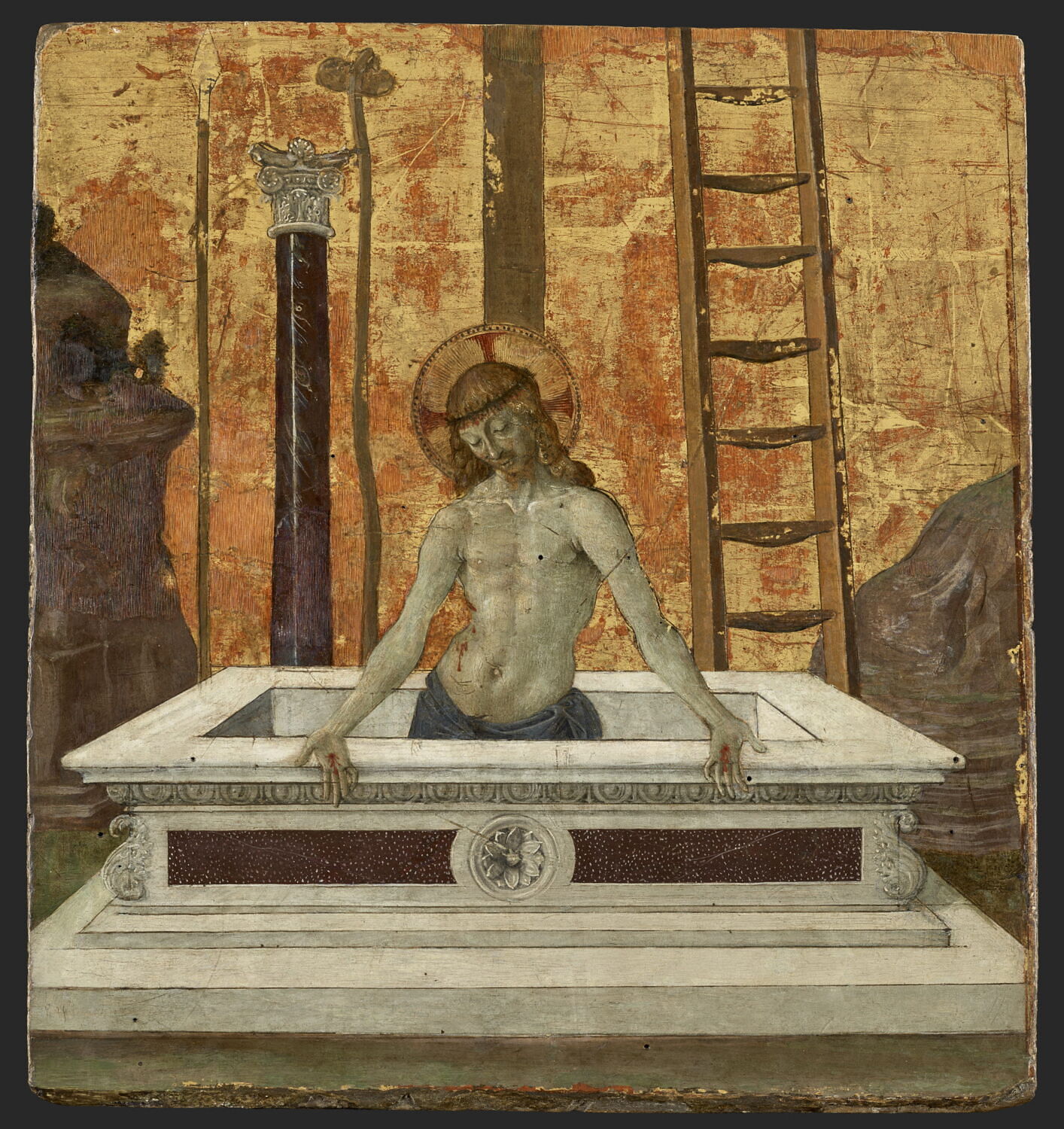
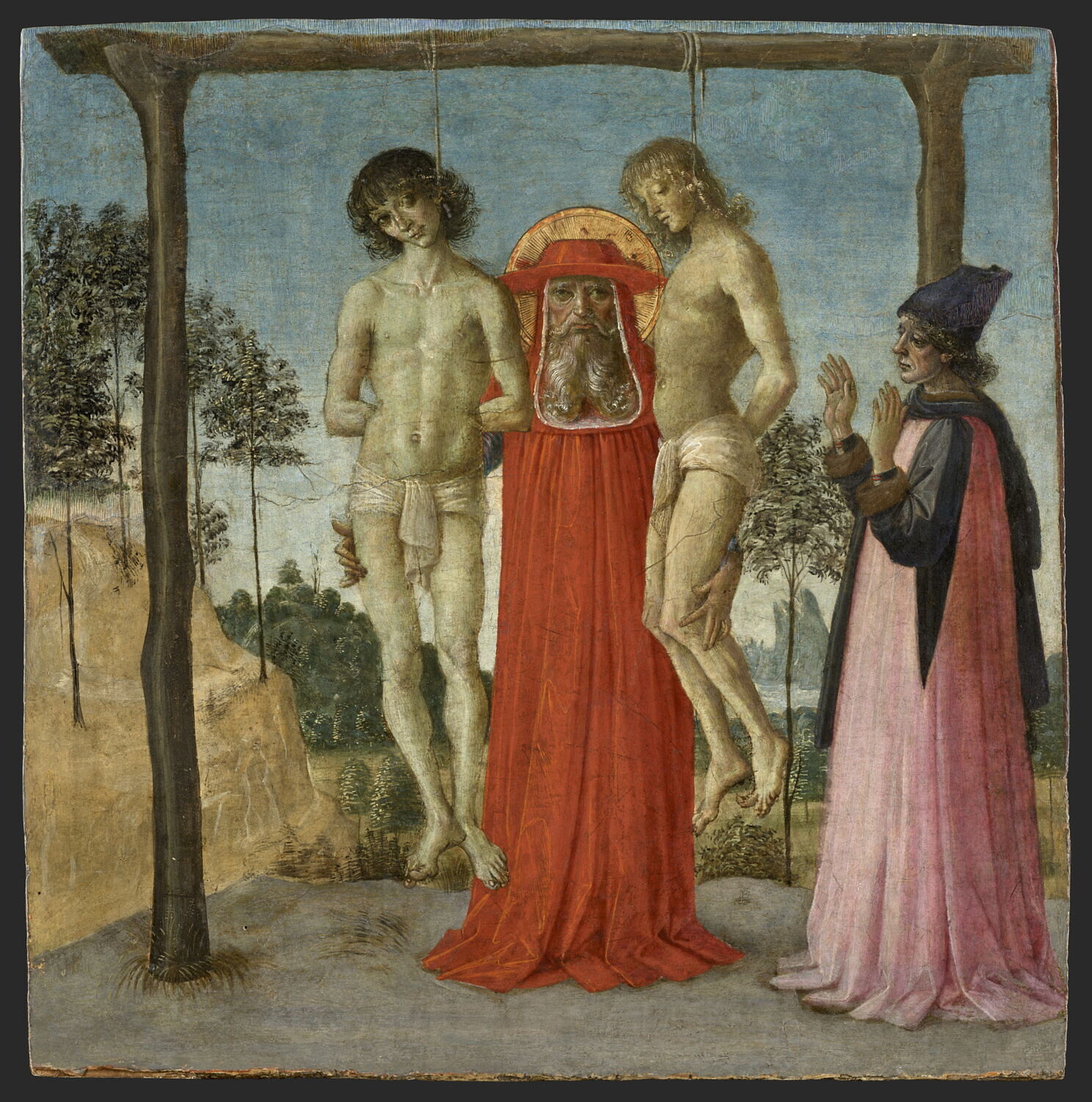
Der Prophet David (fr. Le Prophète David, it. Il profeta David) und der Prophet Jesaja (fr. Le Prophète Isaïe, it. Il profeta Isaia) sind in Öl auf Pappelholz ausgeführte Gemälde in Tondoform des italienischen Renaissancemalers Pietro Perugino (* um 1450; † 1523) und seiner Werkstatt. Sie entstanden zwischen 1496 und 1499 als Teil des San-Pietro-Polyptychons (fr. Polyptyque de Saint Pierre, it. Polittico di San Pietro), eines im Laufe der Zeit in seine einzelnen Elemente zerlegten monumentalen Altarretabels für die Basilika San Pietro in Perugia. Das Tondo des Propheten David wurde in der älteren Forschung zeitweise auch als Darstellung des Propheten Jeremia interpretiert (it. Il profeta Geremia).
Read on
Die beiden Gemälde befinden sich als Dauerleihgabe des Louvre im Bestand des Musée des Beaux-Arts in Nantes. Dort wurden die Bildschichten im Jahr 1835 aus konservatorischen Gründen von den beschädigten Holzträgern gelöst und auf Leinwand übertragen.
Angaben
- Inventarnummer
- Inv 117
Quellen
- Louvre: the museum's own open data · abgerufen vor 5 Tagen
- Bild: Louvre — © 2000 GrandPalaisRmn (musée du Louvre) / Gérard Blot
Derweil im Leben von Pietro Perugino
Das ganze Leben1486–1499
Two studios: in Florence and in Perugia
Between 1486 and 1499 Perugino works mainly between Florence and Perugia, maintaining a studio in each city. In the 1480s and 1490s he is one of the most celebrated artists of Italy.
1504
On the commission to site Michelangelo's “David”
Perugino sits on the commission of artists charged with choosing the site for Michelangelo's David.
1506
Leaving Florence for good
After a series of failures and the loss of his pupils, Perugino leaves Florence for good in 1506 and goes to Perugia, and from there, a year or two later, to Rome.
1507–1508
Julius II summons him to Rome: the Stanza dell'Incendio
Pope Julius II summons Perugino to paint the Stanza dell'Incendio del Borgo in the Vatican, but soon prefers a younger competitor, Raphael, who had been trained by Perugino. Perugino manages to paint the ceiling with figures of God the Father in different glories in five medallions.
1523
Death from the plague; the grave unknown
Perugino dies of the plague at Fontignano; like other plague victims he is hastily buried in an unconsecrated field, the precise spot now unknown. He dies with considerable property, leaving three sons.
1523
Died