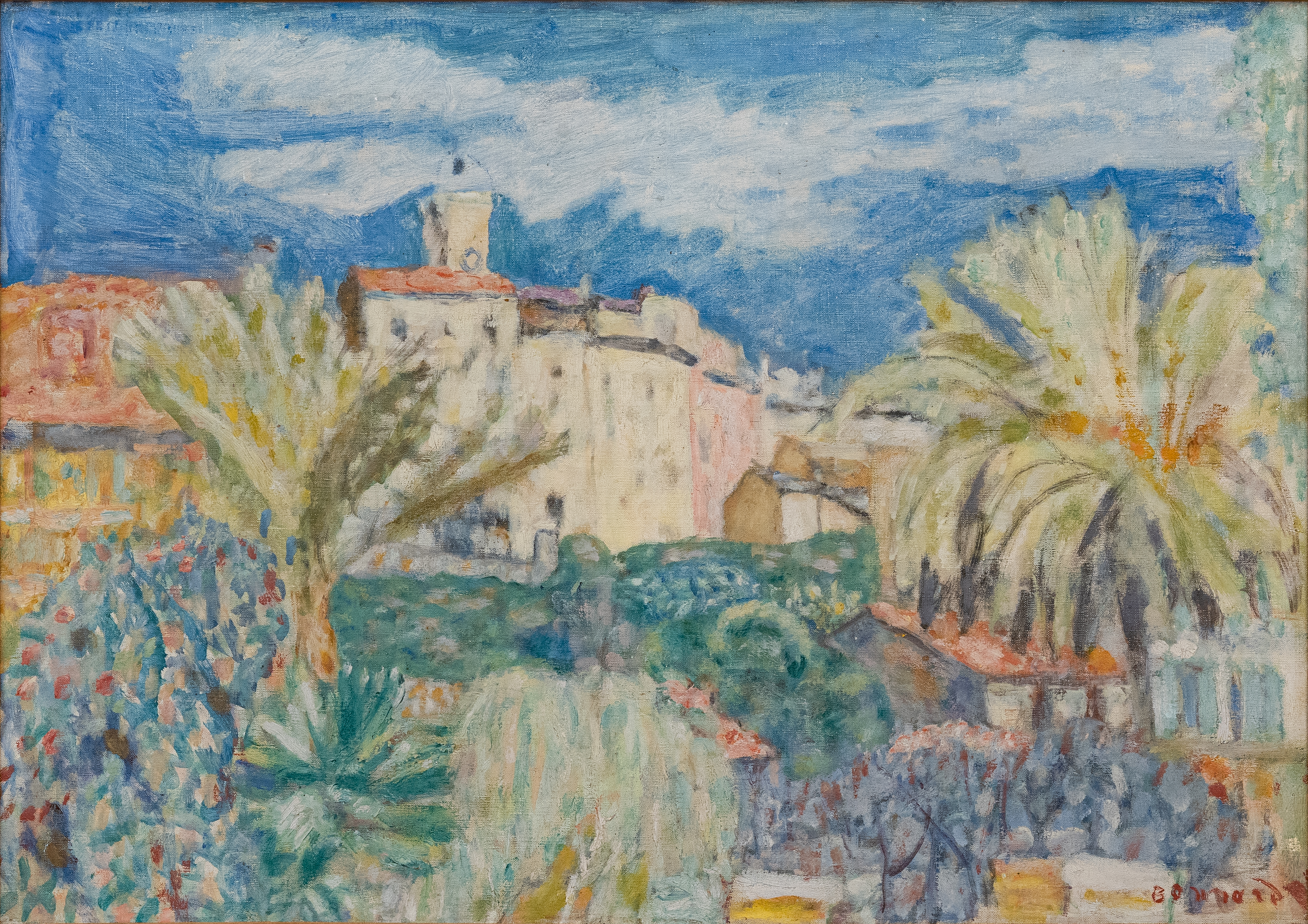
 Maurice de VlaminckFrankreich, 1876–1958
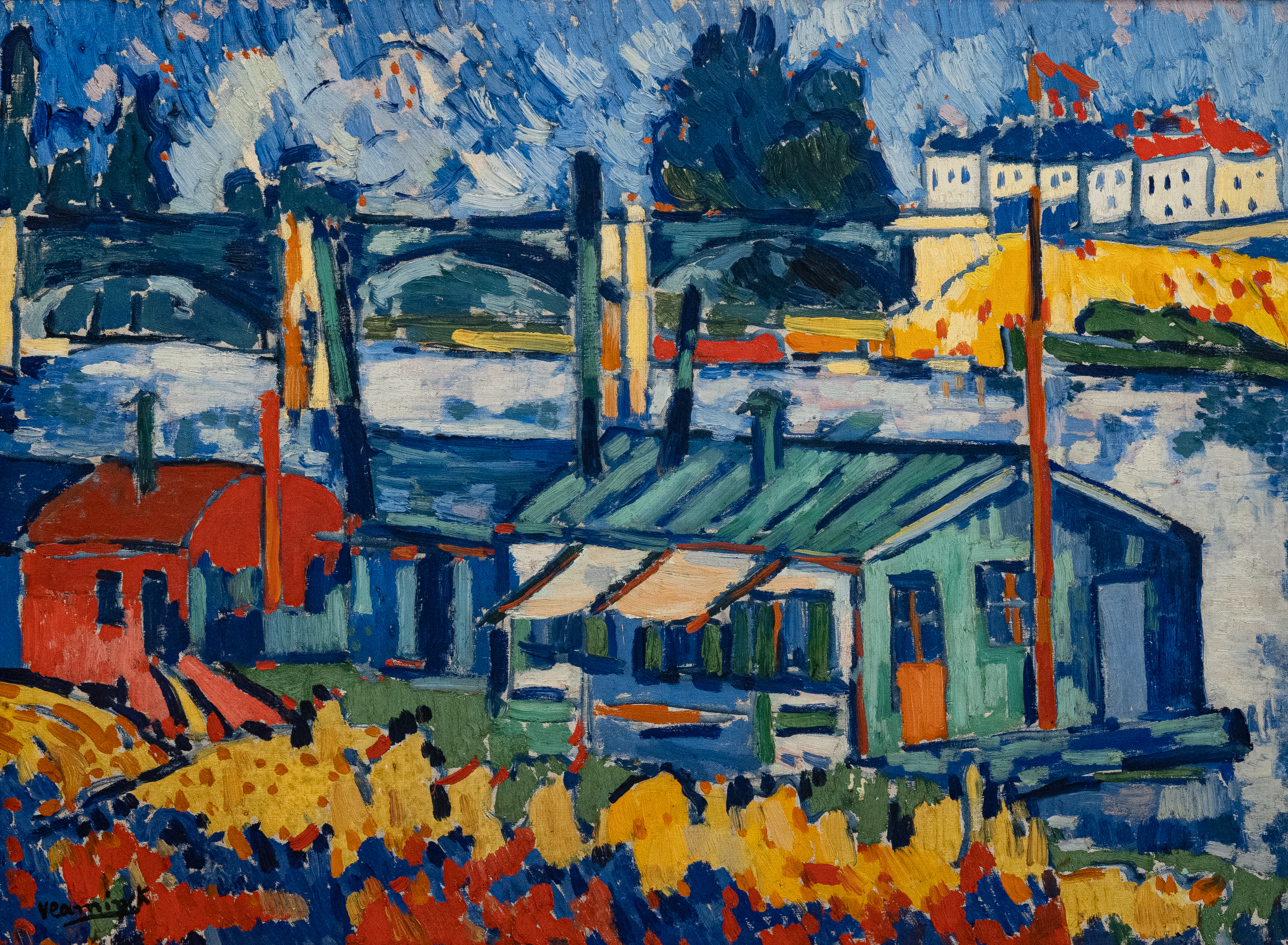
Le pont de Chatou
Kann ich es sehen?
Unbekannt
Wo ist „Le pont de Chatou“ heute? Sammlung: Musée de l’Annonciade, Saint-Tropez. Unbekannt.
Saint-Tropez, Frankreich
Der Besitzer ist bekannt; ob das Werk derzeit ausgestellt ist, nicht.
- Unverändert seit
- Quelle
- Das Museum
Angaben
- Inventarnummer
- D 1955 1 19
Was es zeigt
Im Katalog
Quellen
- Musée de l’Annonciade
- Bild: Musée de l’Annonciade — © Direction des Musées de France, 1986; Ministère de la Culture (France), base Joconde
Im Leben von Maurice de Vlaminck
Das ganze Leben1904
A painting at Berthe Weill's gallery
In 1904 one of Vlaminck's paintings found its way into Berthe Weill's gallery.
1905
Experiments with “deconstruction”
In 1905 Vlaminck began to experiment with “deconstruction”, turning the physical world into dabs and streaks of colour that convey a sense of motion, as in “The Chatou Bridge”, “The Potato Pickers”, “The River Seine at Chatou” and “The Orchard”.
1905
The Salon d'Automne: the birth of the “Fauves”
In October 1905 Vlaminck exhibited at the controversial Salon d'Automne alongside Matisse, Derain, Marquet, Manguin, van Dongen, Camoin and Puy. Seeing their boldly coloured canvases, the critic Louis Vauxcelles disparaged the painters as “fauves” (wild beasts), and the name stuck to the movement.
1906
Ambroise Vollard buys his paintings
In 1906 the Paris dealer Ambroise Vollard began buying Vlaminck's paintings.
1907
First solo exhibition at Vollard's
In 1907 Vlaminck held his first exhibition at Ambroise Vollard's gallery.
1908
Turning to Cézanne
From 1908 Vlaminck's palette grew deeper and richer, and the predominant influence became that of Cézanne.


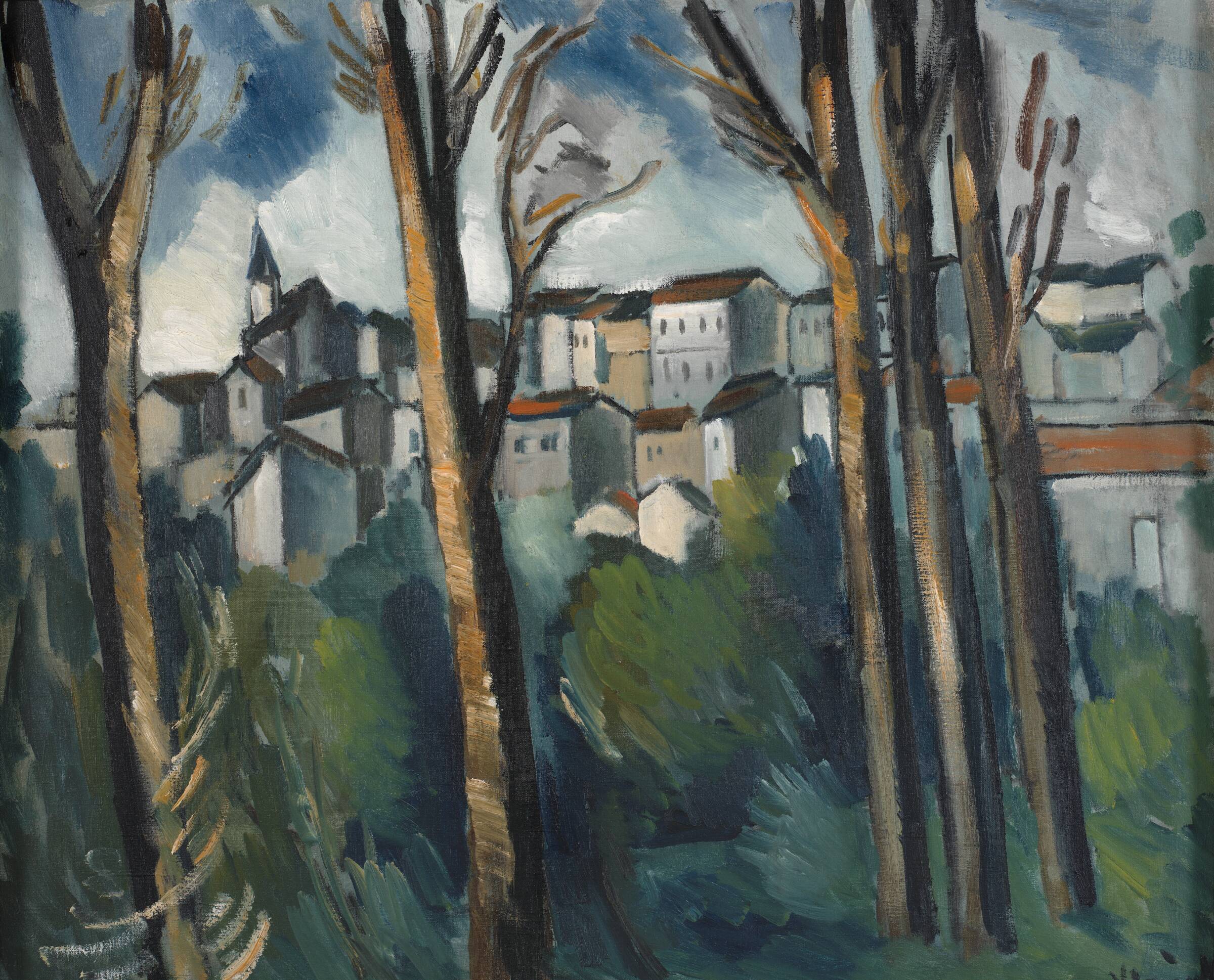
![Entrance to a Village [La Route de Francheville II], Maurice de Vlaminck](https://api.nga.gov/iiif/d834eaed-cba1-4651-ae69-a63dab1f5671/full/!2400,2400/0/default.jpg)