ART WIKI33.040 ausgestellt
KarteSammlungKünstlerMuseenAusstellungenJournal
Anmelden

ART WIKI

Wo das Meisterwerk hängt und wann man vorgelassen wird.

Sammlungen: Art Institute of Chicago, Cleveland Museum of Art, Eremitage, Getty Villa, Harvard Art Museums, Hirshhorn Museum and Sculpture Garden, J. Paul Getty Museum, Louvre, Metropolitan Museum of Art, Minneapolis Institute of Art, Museum of Modern Art, National Gallery of Art, National Museum of Asian Art, National Portrait Gallery, Puschkin-Museum, Rijksmuseum Amsterdam, Russisches Museum, Smithsonian American Art Museum, Statens Museum for Kunst, Tretjakow-Galerie, Victoria and Albert Museum, Whitney Museum of American Art, Staatskatalog des Museumsfonds Russlands (274 Museen), Europeana (19 Museen), Wikidata (6 Museen), Paris Musées (12 Museen) und Joconde, die Museumsdatenbank des französischen Kulturministeriums (495 Museen). Die Bilder gehören ihren Rechteinhabern.

Rubriken

  • Karte
  • Suche
  • Sammlung
  • Meisterwerke
  • Jetzt ausgestellt
  • Künstler

Mehr

  • Museen & Galerien
  • Ausstellungen
  • Journal
  • Woher die Daten stammen
  • Datenschutz & Cookies
StartseiteKarteKatalog
  1. Sammlung/
  2. Herzog Anton Ulrich-Museum/
  3. LE FLEUVE SCAMANDRE
LE FLEUVE SCAMANDRE, François Boucher, 1723–1755
Francois Boucher, PorträtFrancois BoucherFrankreich, 1703–1770

LE FLEUVE SCAMANDRE

1723–1755 · Print

Darf man es sehen?

Unbekannt

Herzog Anton Ulrich-Museum

Braunschweig, Deutschland

Der Besitzer ist bekannt; ob das Werk derzeit ausgestellt ist, nicht.

Unverändert seit
27. Sept. 2026
Quelle
Das Museum
Auf der KarteMuseumsseite

Angaben

1723–1755
17031770

Derweil im Leben von Francois Boucher

Das ganze Leben
  1. 1720–1770 · Wirkungsort

    Paris

  2. 1725–1731

    Travel: Italy

  3. 1726–1728

    Etchings for the Recueil Jullienne after Watteau

    For the first two volumes of the Recueil Jullienne, which reproduced the works of Watteau, Boucher executed about a hundred etchings, including the frontispiece with Watteau's self-portrait; this work became a source of inspiration for him.

  4. 1727

    Departure for Italy

    Because of court intrigues he was able to travel to Italy only in 1727, thanks to the generosity of a third party; in Rome he was especially impressed by the decorative works of Pietro da Cortona and Giovanni Lanfranco.

  5. 1730–1740s

    Major Official Commissions for Versailles

    He received major commissions for the decoration of the apartments of Versailles: The Royal Virtues (1735) in the Queen's chamber, hunting scenes for the Petits Appartements (1736), Venus and Vulcan (1747) in the Dauphin's apartments, and History for the Royal Library (1743–1746).

  6. 24 November 1731

    Accepted as a Candidate at the Royal Academy

    On his return from Italy he was accepted into the revived Royal Academy of Painting and Sculpture in the class of history painting.

Mehr von Francois Boucher

Alle Werke

Aus der Sammlung: Herzog Anton Ulrich-Museum

Museumsseite

Zum selben Thema · Entkleidung

Alle Werke zum Thema

Was es zeigt

EntkleidungFlussFrauMannBeobachtung

Im Katalog

DruckgrafikRokoko18. Jahrhundert

Quellen

  • Herzog Anton Ulrich-Museum
  • Bild: Herzog Anton Ulrich-Museum — CC BY-NC-SA 4.0
The Toilette of Venus, François Boucher, 1751

The Toilette of Venus

1751 · Metropolitan Museum of Art

Cupids. Allegory of Poetry, Francois Boucher, 18th century

Cupids. Allegory of Poetry

18th century · Eremitage

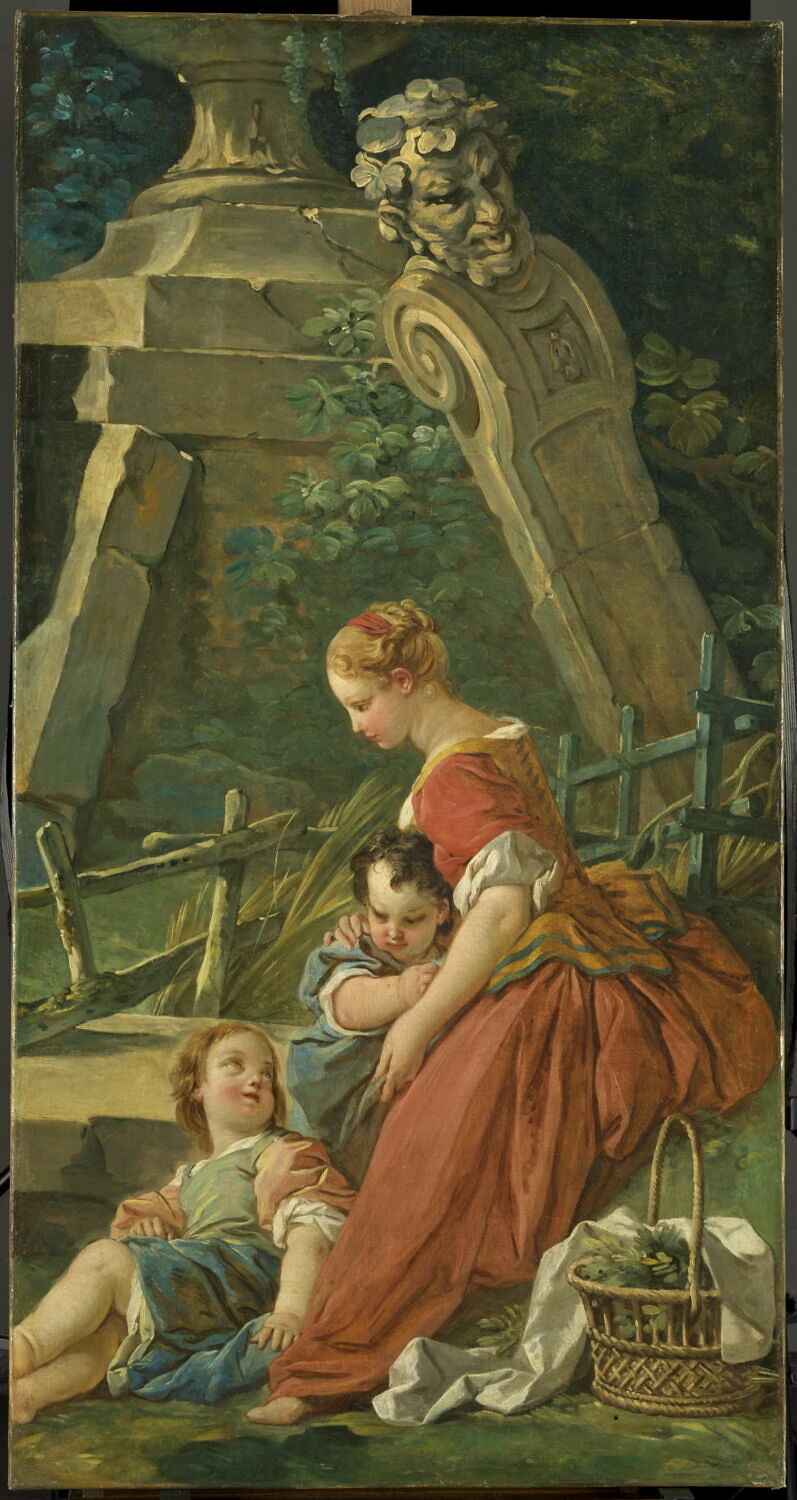
Femme et enfants, Boucher, François, XVIIIe siècle (1700 - 1800)

Femme et enfants

XVIIIe siècle (1700 - 1800) · Louvre

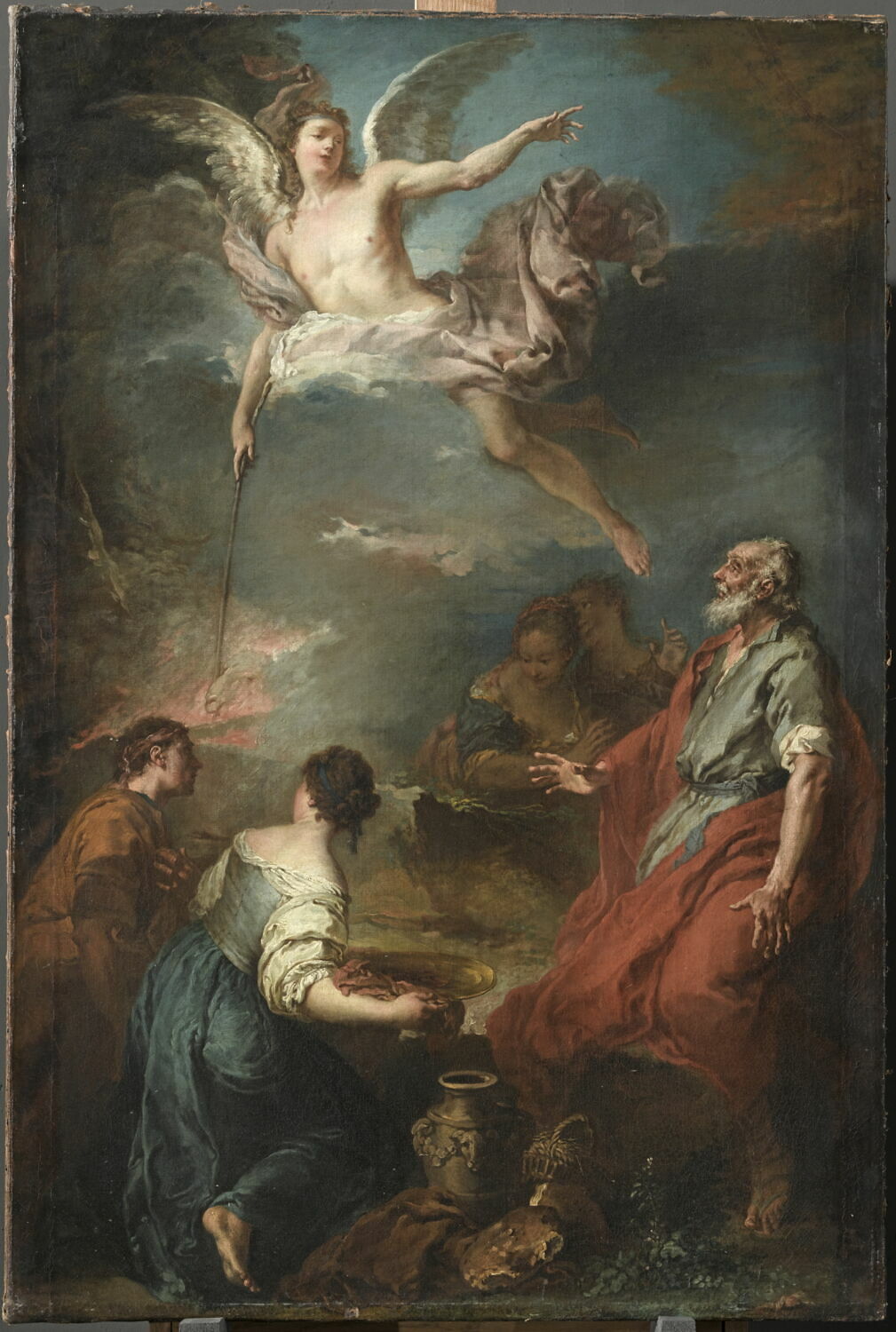
Le Sacrifice de Gédéon., Boucher, François, 2e quart du XVIIIe siècle (1725 - 1730)

Le Sacrifice de Gédéon.

2e quart du XVIIIe siècle (1725 - 1730) · Louvre

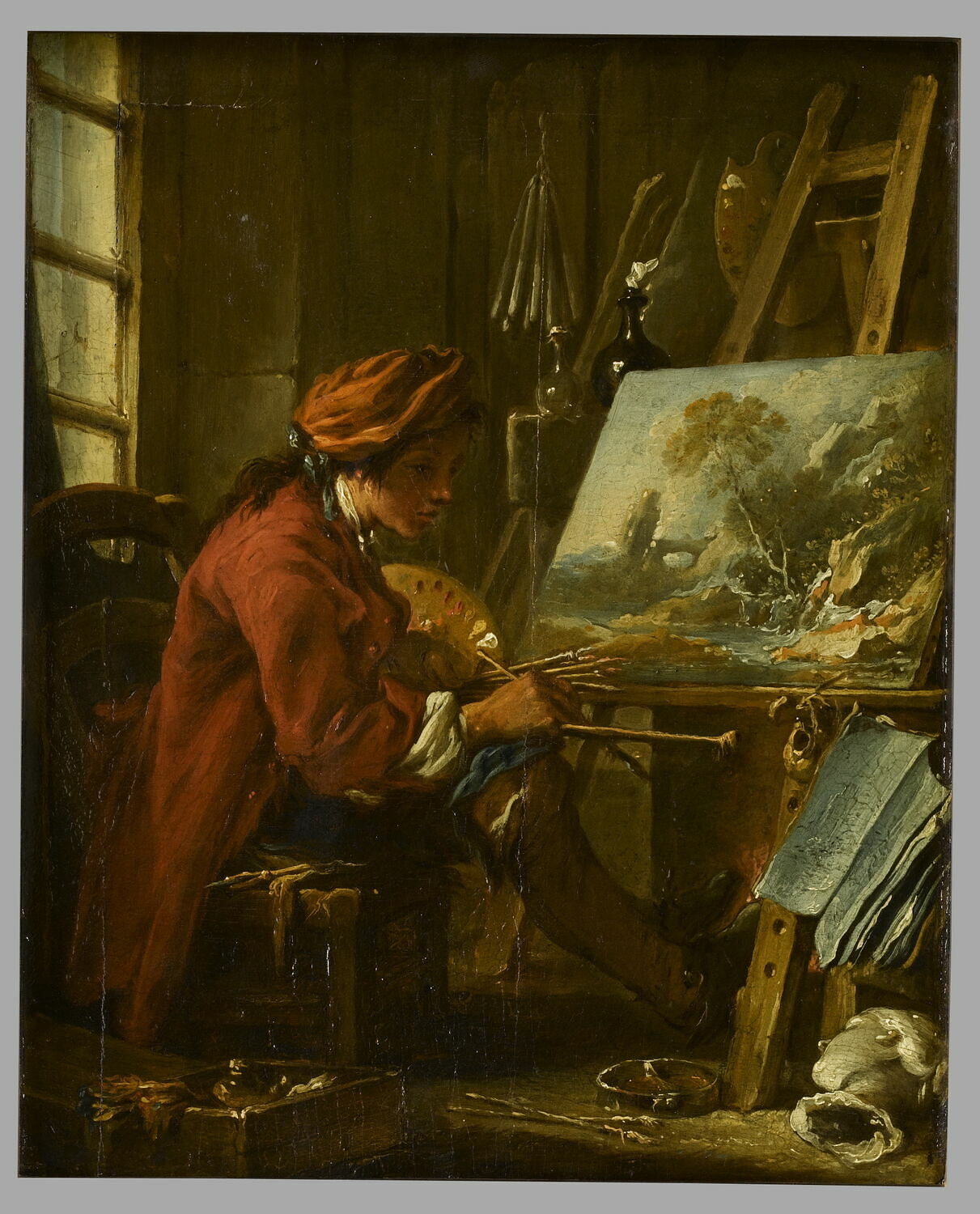
Le Peintre dans son atelier, Boucher, François, 2e quart du XVIIIe siècle (1725 - 1730)

Le Peintre dans son atelier

2e quart du XVIIIe siècle (1725 - 1730) · Louvre

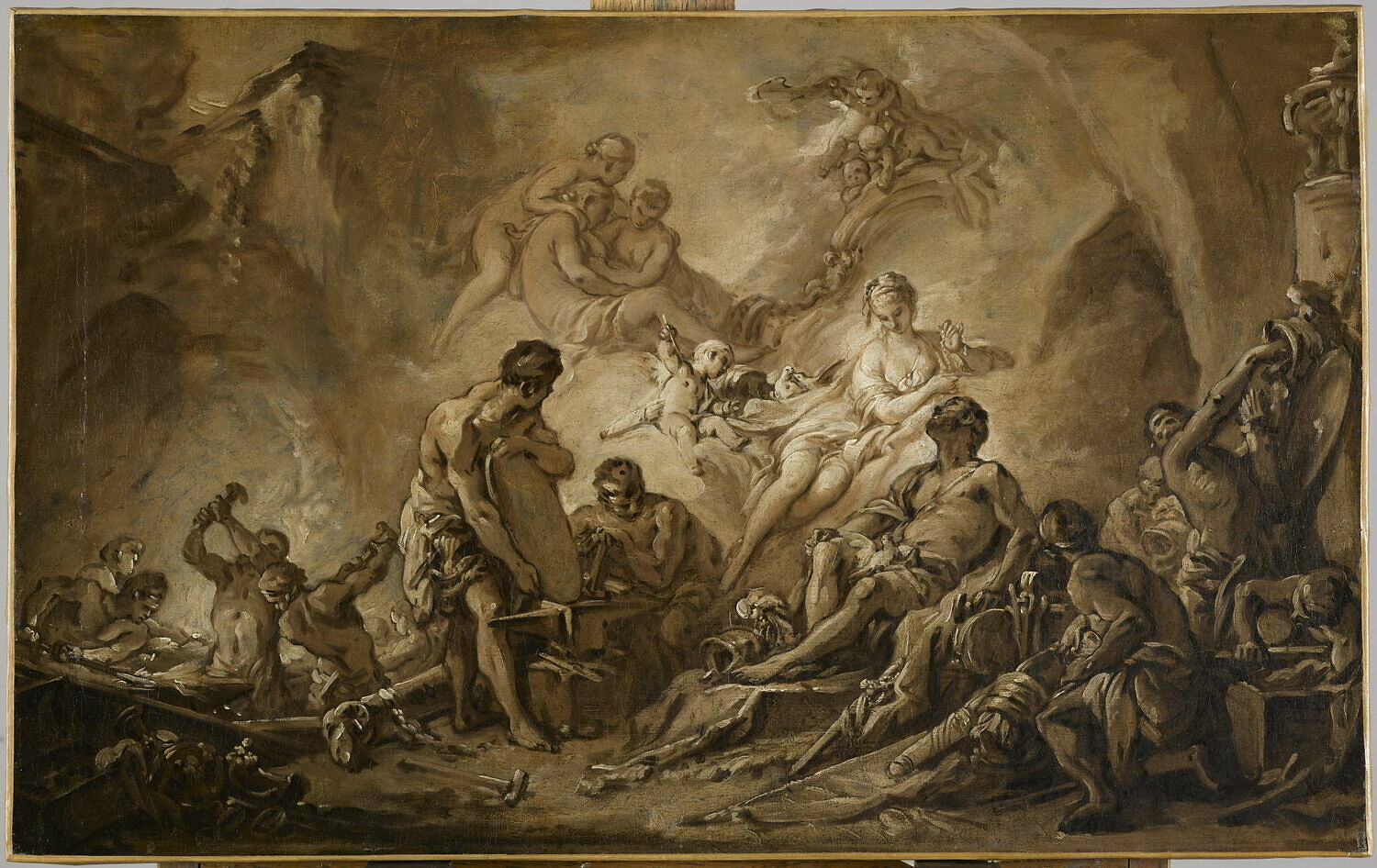
Les Forges de Vulcain., Boucher, François, 2e quart du XVIIIe siècle (1725 - 1750)

Les Forges de Vulcain.

2e quart du XVIIIe siècle (1725 - 1750) · Louvre

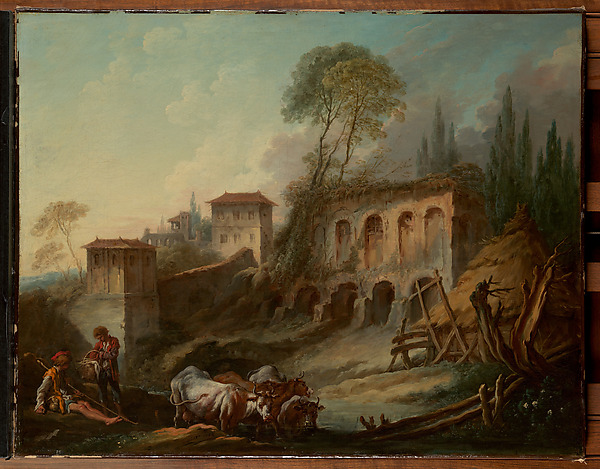
Imaginary Landscape with the Palatine Hill from Campo Vaccino, François Boucher, early 1730s

Imaginary Landscape with the Palatine Hill from Campo Vaccino

early 1730s · Metropolitan Museum of Art

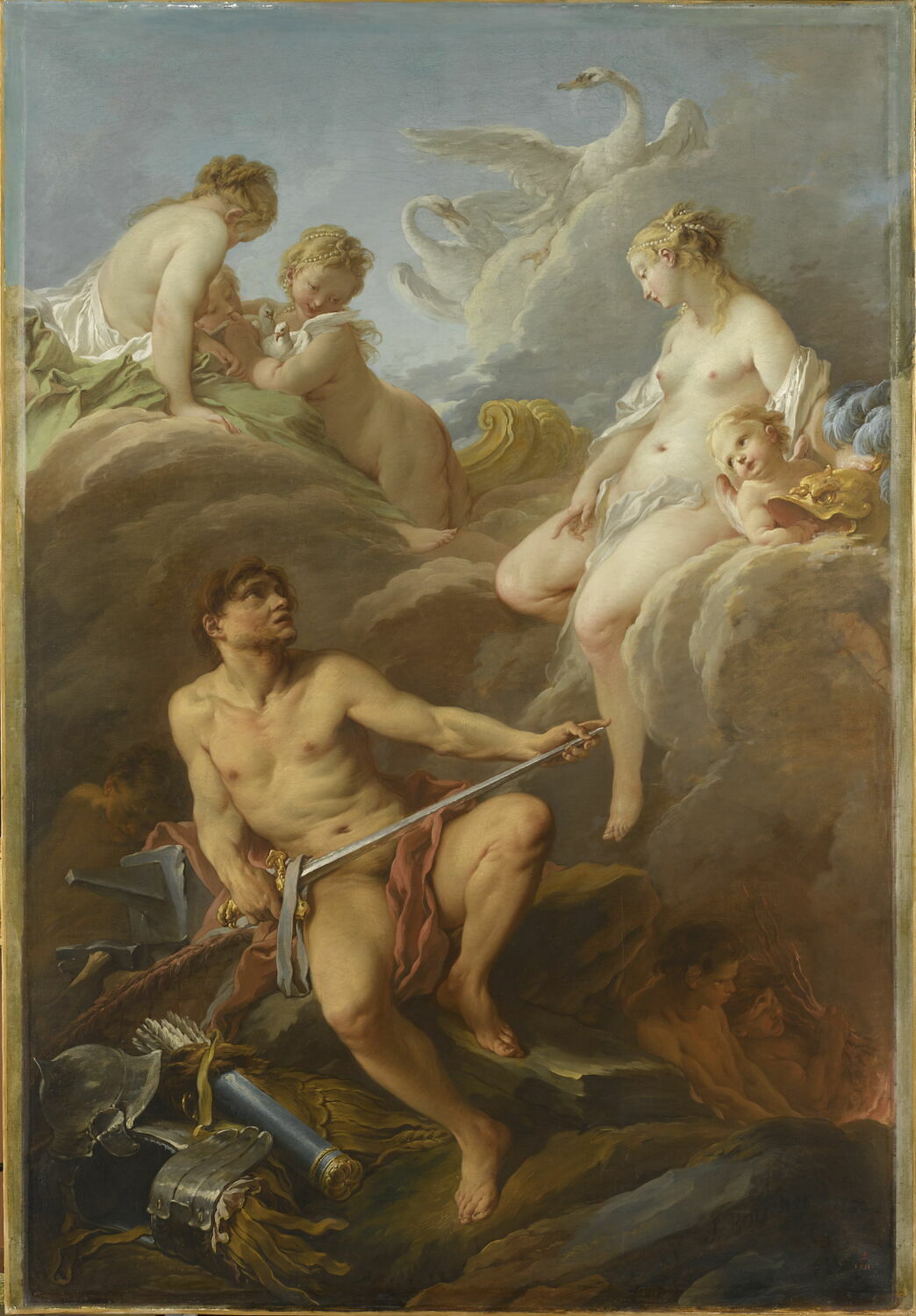
Vénus demandant à Vulcain des armes pour Énée., Boucher, François, 2e quart du XVIIIe siècle (1732)

Vénus demandant à Vulcain des armes pour Énée.

2e quart du XVIIIe siècle (1732) · Louvre

Portrait d'Adolphe de Vignacourt Grand Maître de Malthe, Caravaggio, 1704–1755

Caravaggio

Portrait d'Adolphe de Vignacourt Grand Maître de Malthe, 1704–1755

Ecce Homo, Caravaggio, 1674–1684

Caravaggio

Ecce Homo, 1674–1684

Heiliger Hieronymus, Caravaggio

Caravaggio

Heiliger Hieronymus

Bildnis eines Mannes, Rembrandt, 1839–1850

Rembrandt van Rijn

Bildnis eines Mannes, 1839–1850

Bildnis einer Frau, Rembrandt, 1839–1850

Rembrandt van Rijn

Bildnis einer Frau, 1839–1850

Tobias und seine Frau, Rembrandt, 1773

Rembrandt van Rijn

Tobias und seine Frau, 1773

Tobias und seine Frau, Rembrandt, 1773

Rembrandt van Rijn

Tobias und seine Frau, 1773

Lot mit seinen Töchtern, Rembrandt, 1771

Rembrandt van Rijn

Lot mit seinen Töchtern, 1771

Badestube, Virgil Solis, 1534–1562

Virgil Solis

Badestube, 1534–1562

Herzog Anton Ulrich-Museum

Christi Entkleidung, 1507

Christi Entkleidung, 1507

Herzog Anton Ulrich-Museum

Christus wird für die Geißelung entkleidet, 1671

Christus wird für die Geißelung entkleidet, 1671

Herzog Anton Ulrich-Museum

LA COURTISANNE AMOUREUSE, François Boucher, 1723–1755

Francois Boucher

LA COURTISANNE AMOUREUSE, 1723–1755

Herzog Anton Ulrich-Museum

Pamela undressing herself, L. Truchy, 1762

L. Truchy

Pamela undressing herself, 1762

Herzog Anton Ulrich-Museum