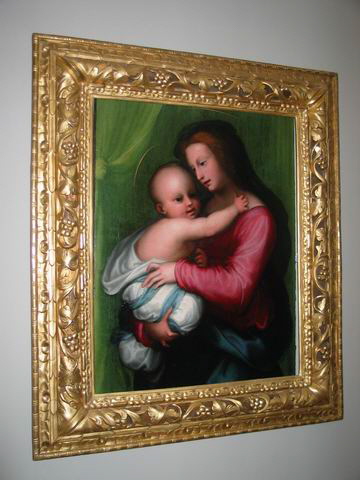
 Fra BartolommeoItalien, 1472–1517
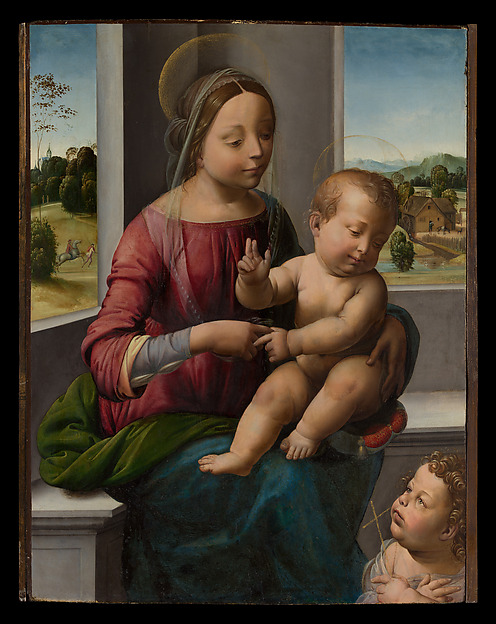
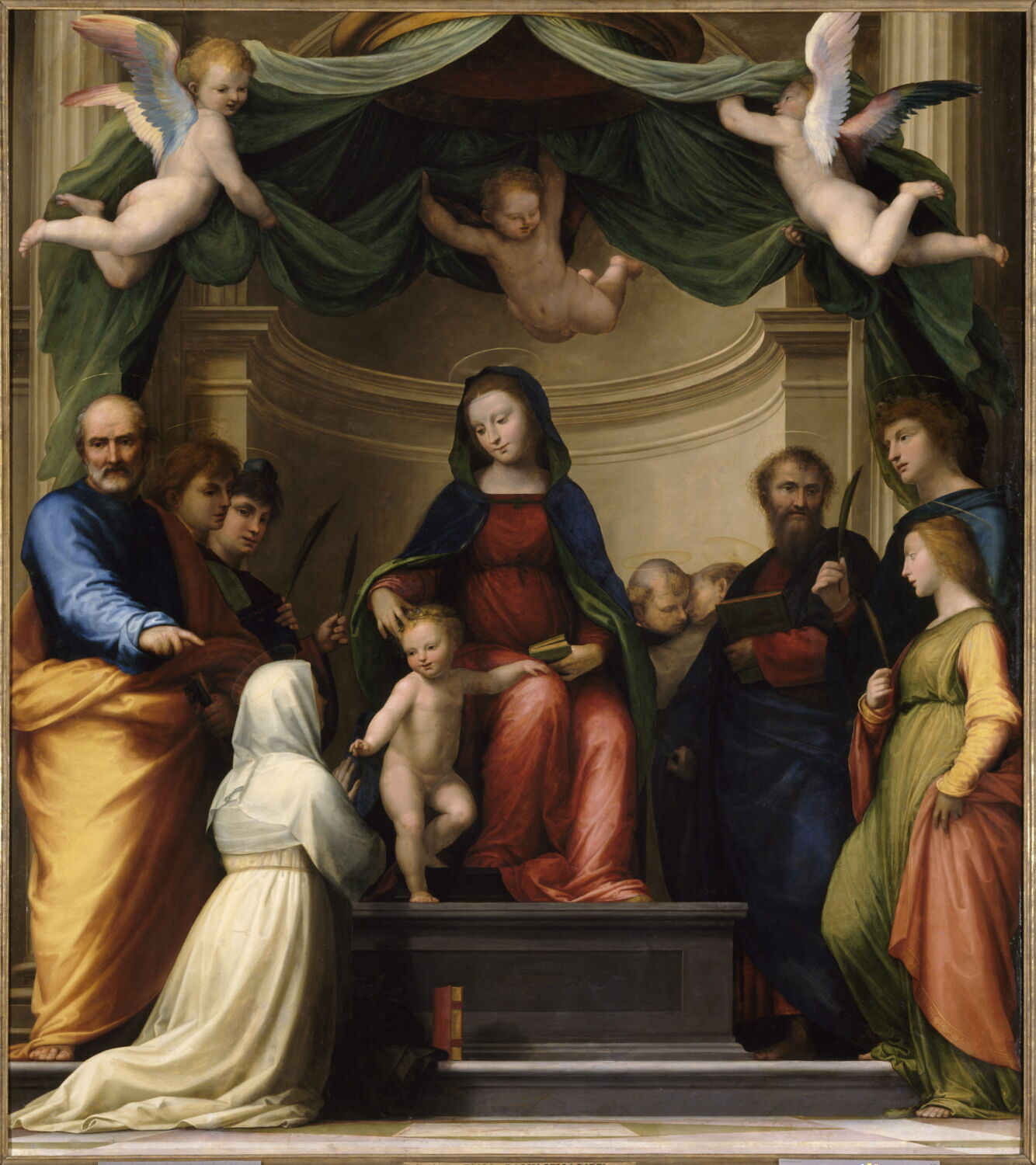
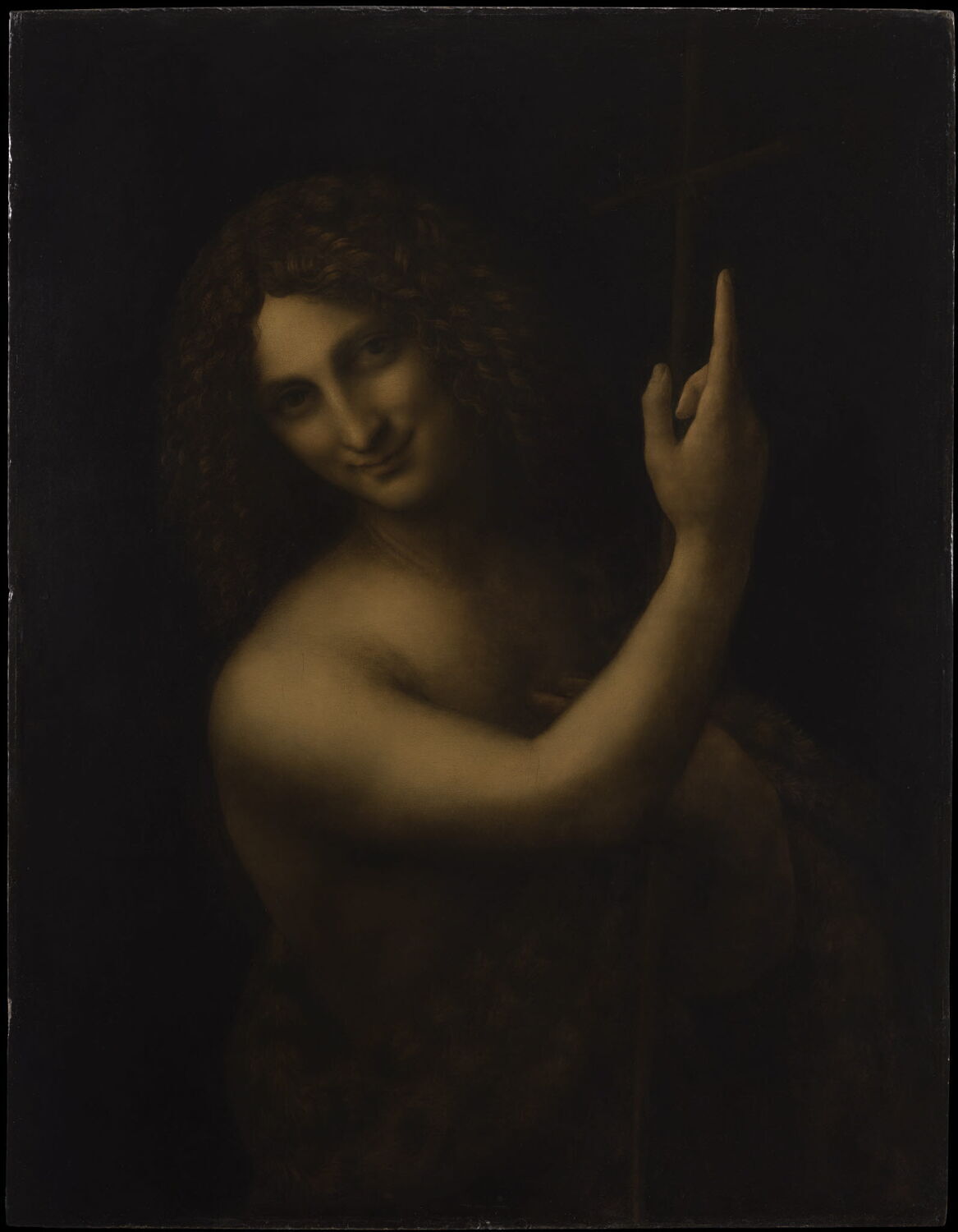
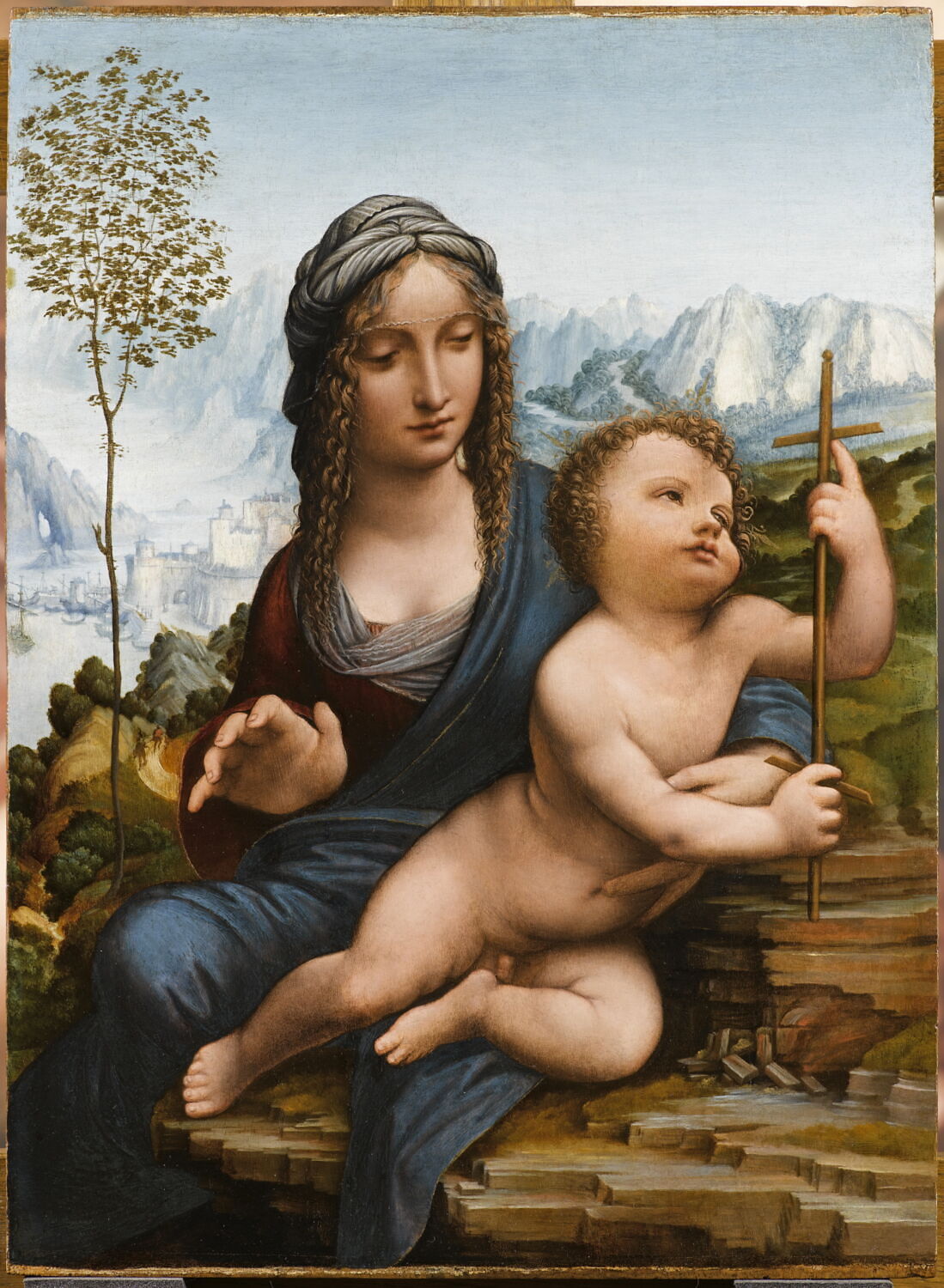
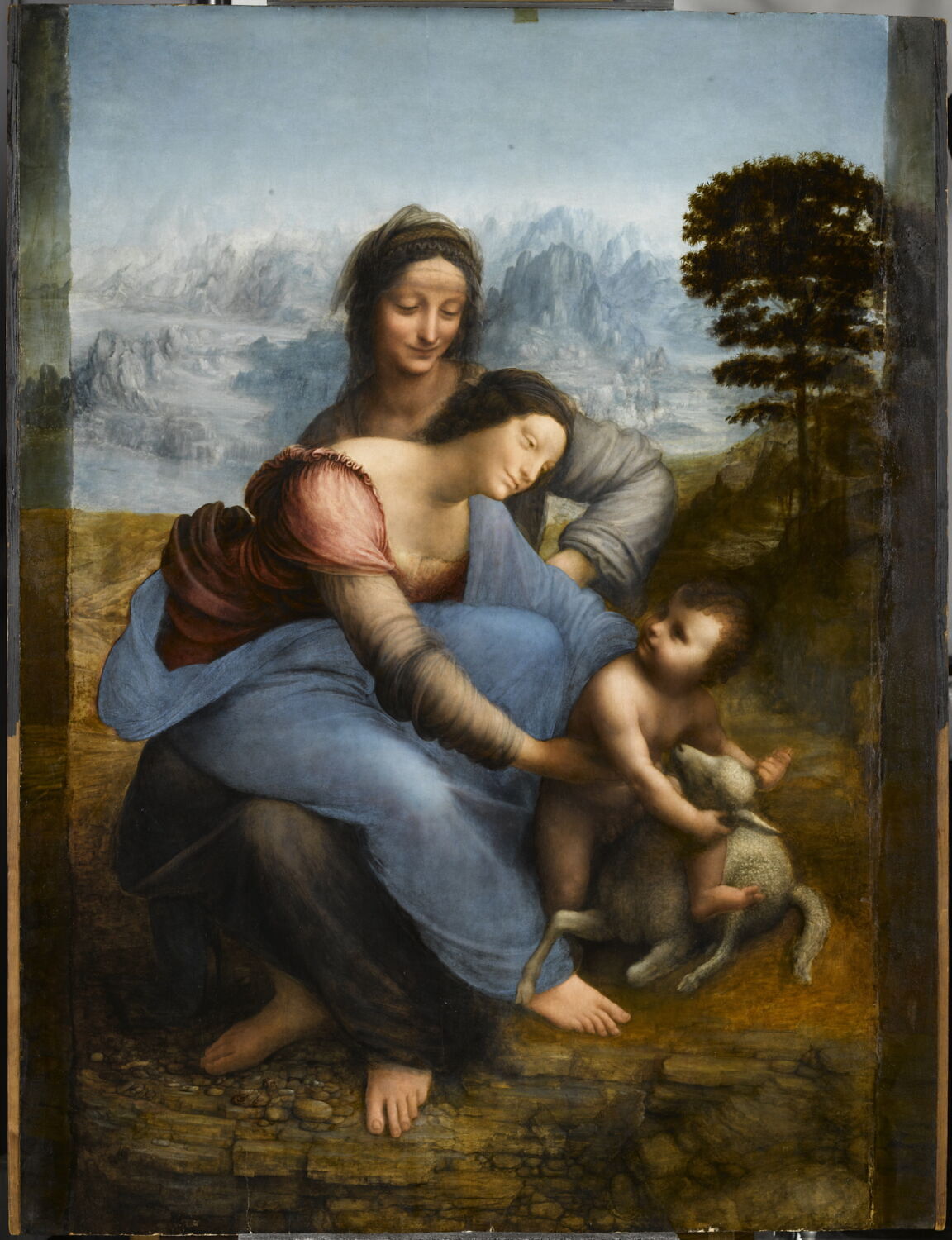
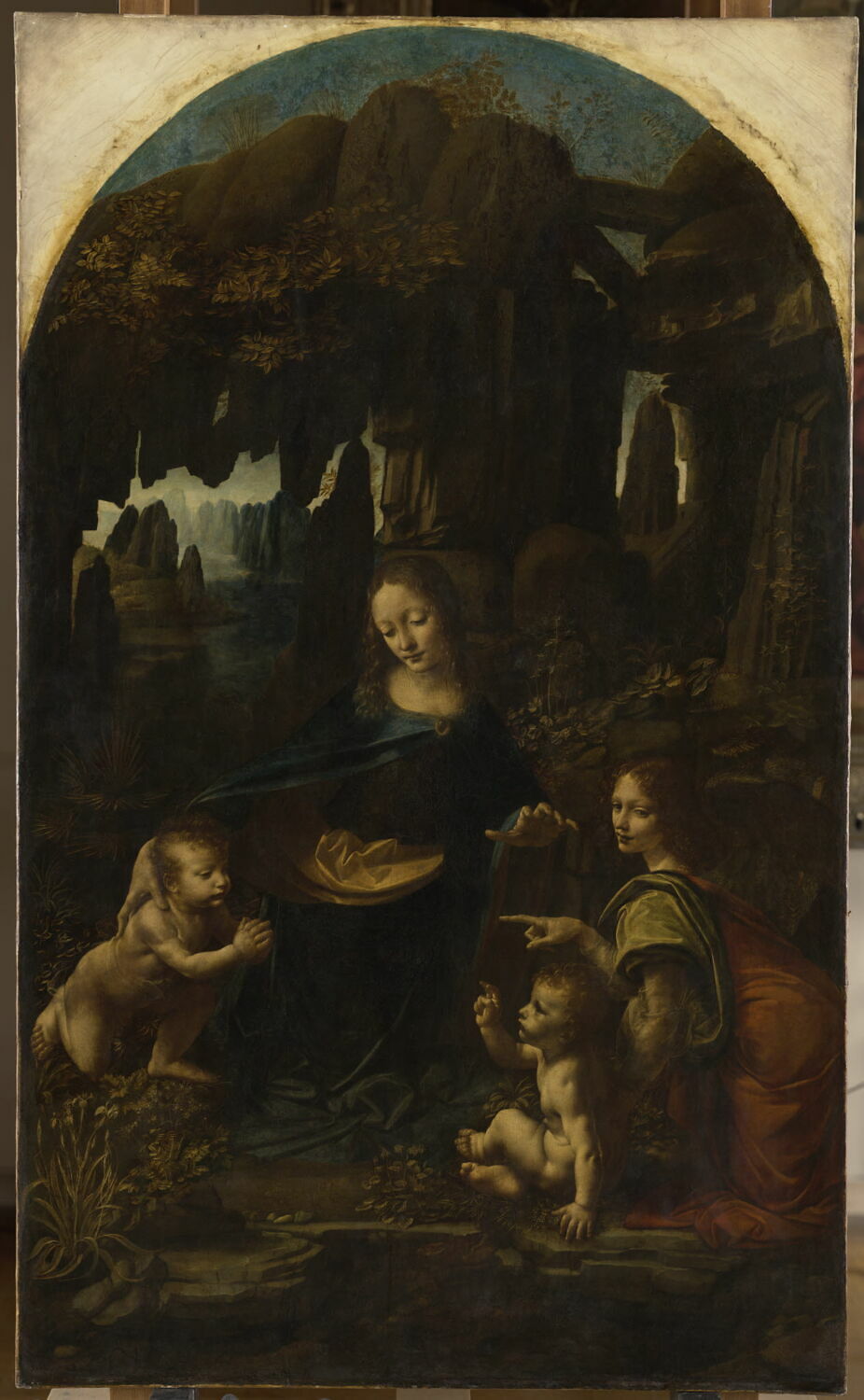
La Vierge et l'Enfant
Kann ich es sehen?
Unbekannt
Wo ist „La Vierge et l'Enfant“ heute? Sammlung: Louvre, Paris. Unbekannt.

Paris, Frankreich
Der Besitzer ist bekannt; ob das Werk derzeit ausgestellt ist, nicht.
- Unverändert seit
- Quelle
- Das Museum
Angaben
- Inventarnummer
- Campana 442
Im Katalog
Quellen
- Louvre
- Bild: Louvre — © 2007 Musée du Louvre / Département des Peintures
Im Leben von Fra Bartolommeo
Das ganze Leben28. März 1472
Born
1476
The family moves to Florence: “Baccio of the Gate”
The future painter’s father, Paolo di Jacopo, a native of Genoa, moved to Florence in 1476 and settled near the gate of San Pier Gattolini. After this house the son was nicknamed Baccio della Porta, “Baccio of the Gate” (Baccio being the Florentine diminutive of Bartolomeo).
1484
Apprenticed at twelve to Cosimo Rosselli
Noticing his son’s gifts, his father, on the advice of Benedetto da Maiano, placed the twelve-year-old Bartolomeo in Cosimo Rosselli’s workshop in 1484 (by other accounts in 1483), where his fellow pupils included Piero di Cosimo, Andrea Feltrini and Mariotto Albertinelli. Baccio’s early works show the influence of Piero di Cosimo, Domenico Ghirlandaio and Filippino Lippi.
c. 1490
Opens a workshop with Mariotto Albertinelli
Around 1490 (by other accounts in 1490 or 1491) Baccio left Rosselli and opened a workshop of his own with his fellow pupil Mariotto Albertinelli.
1496
Becomes a follower of Savonarola
In 1496, moved by the sermons of Girolamo Savonarola, who denounced the vanity of secular art, Baccio became one of his followers, the piagnoni, and twice, in 1496 and 1497, took part in the “bonfire of the vanities” on the Piazza della Signoria, where secular works of art were destroyed.
26 July 1500
Becomes a Dominican friar
On 26 July 1500 Baccio della Porta became a Dominican friar and renounced painting for several years. The following year he entered the convent of San Marco in Florence (by other accounts he became a friar of San Marco already in 1500).