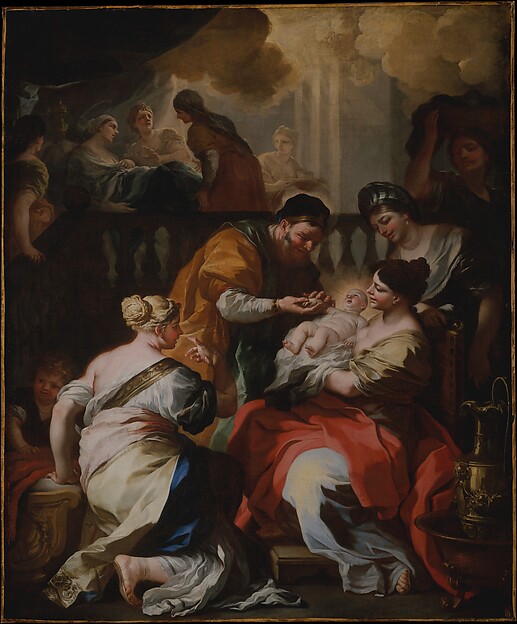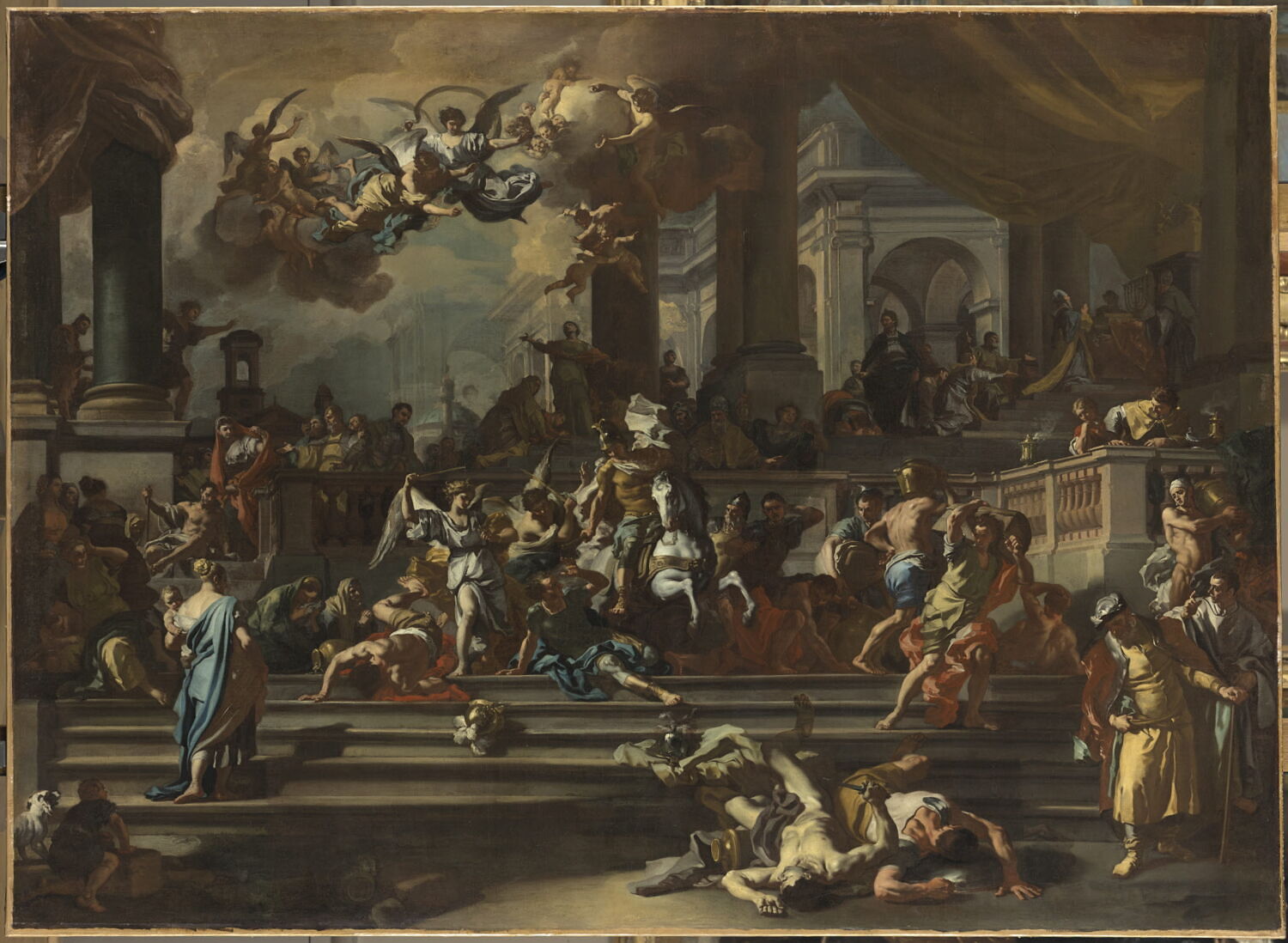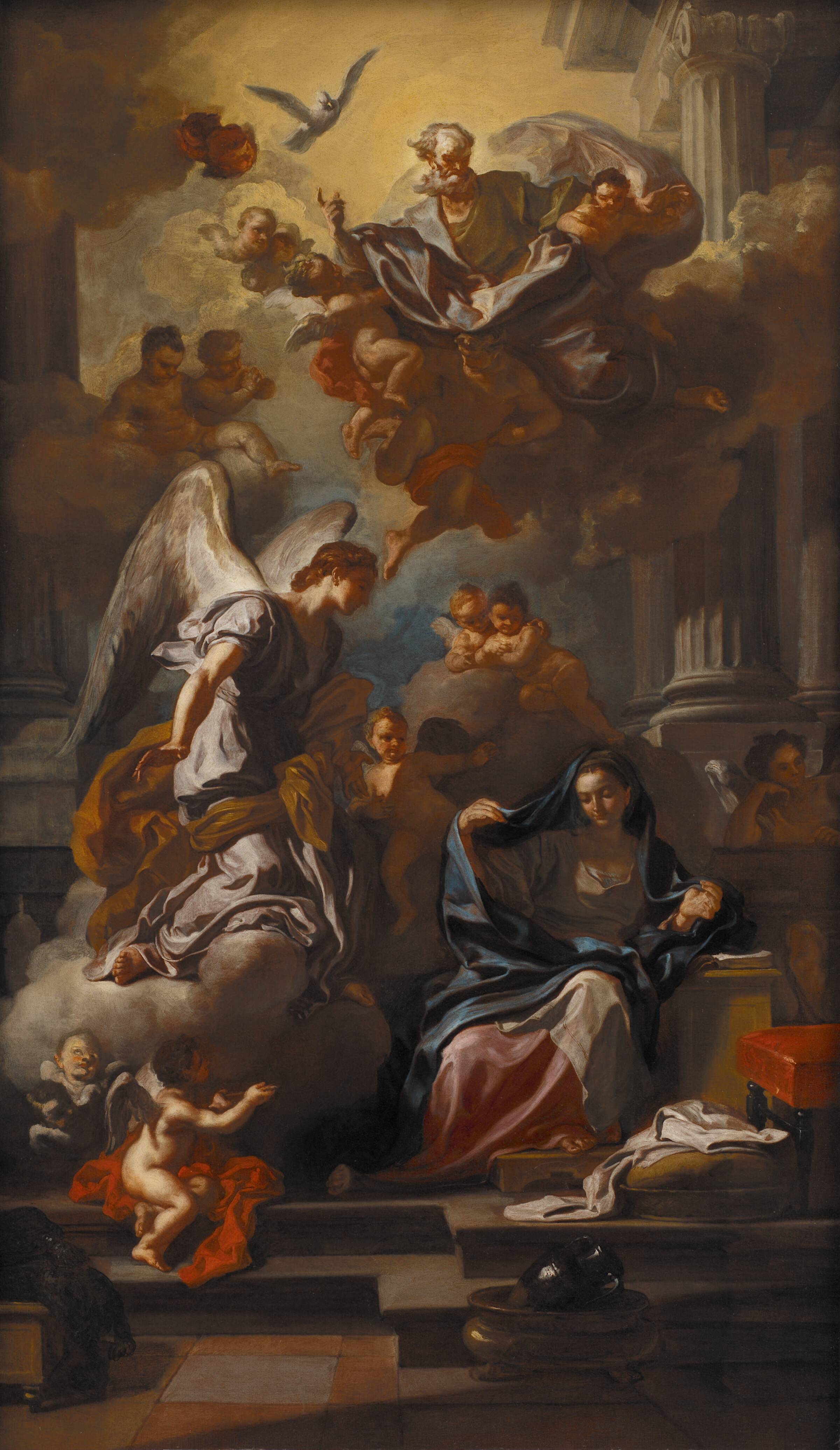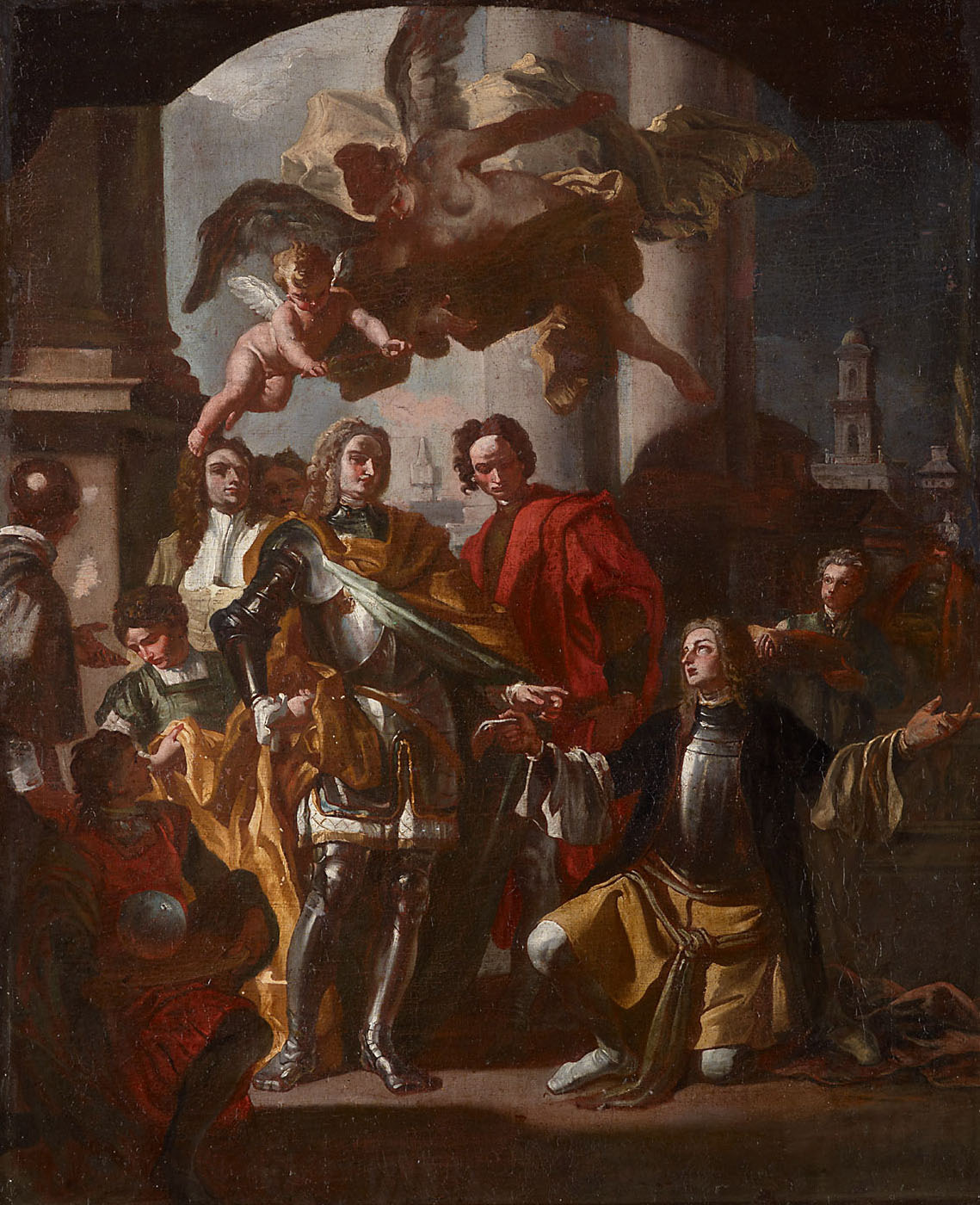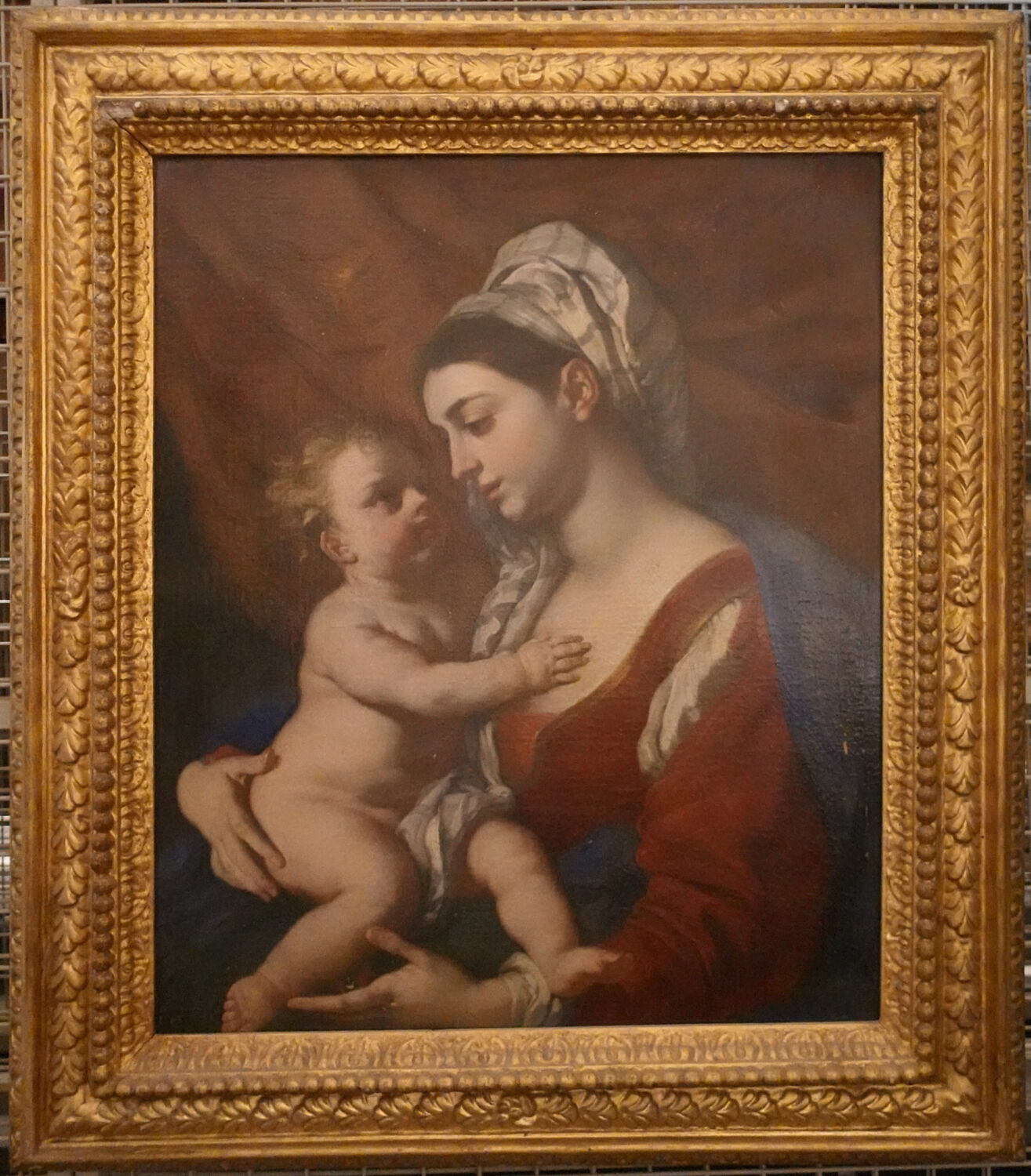
 Francesco SolimenaItalien, 1657–1747
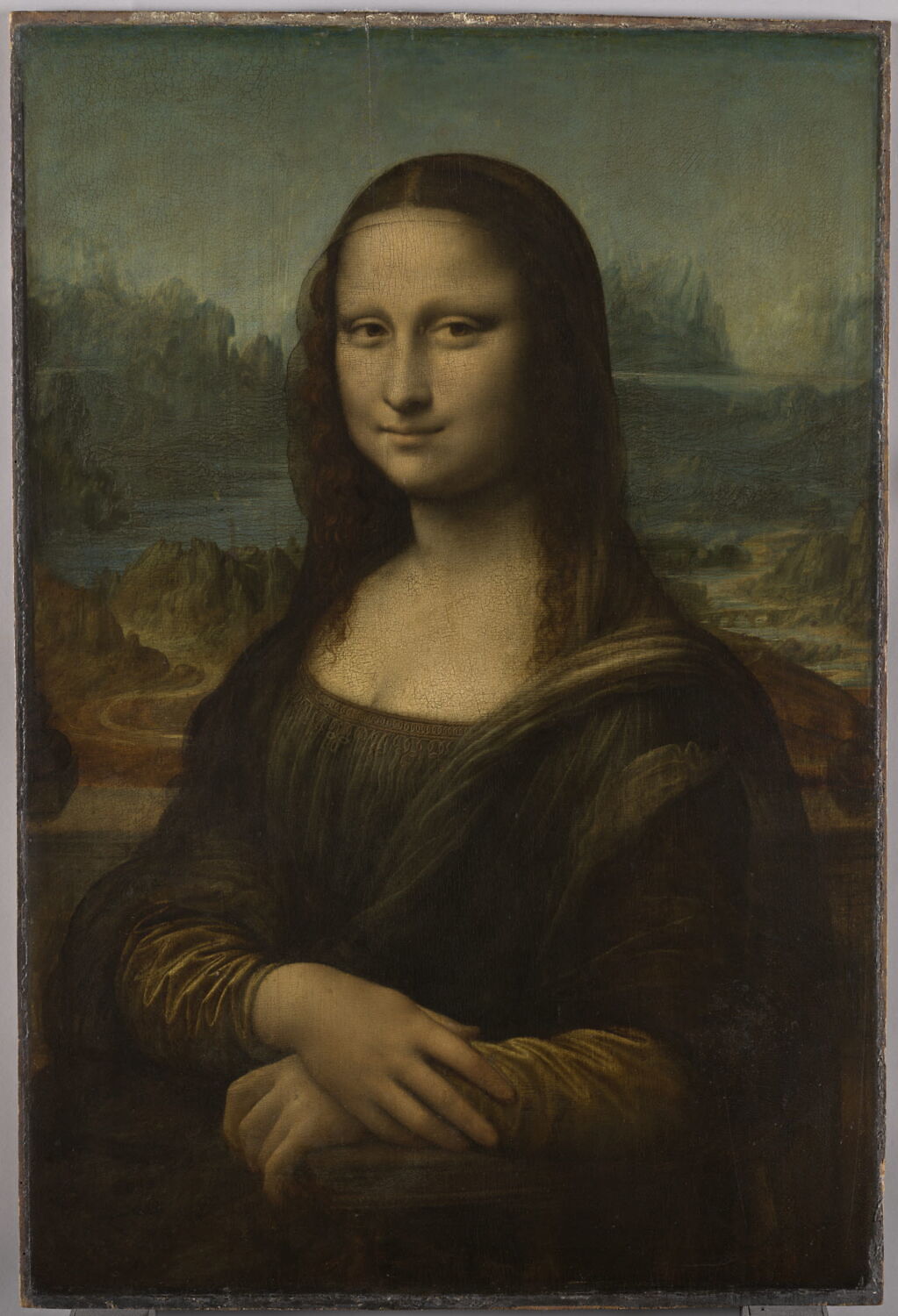
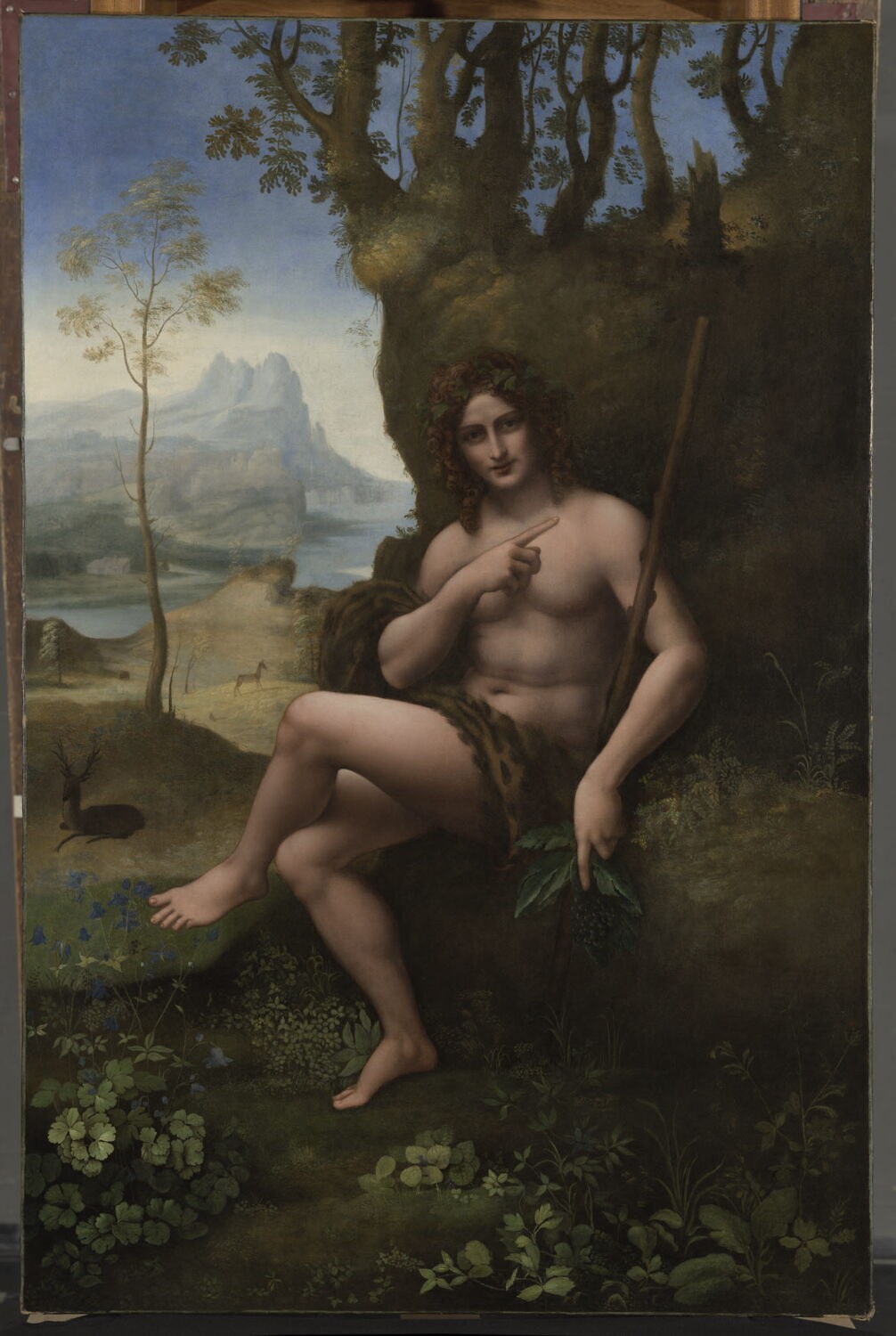
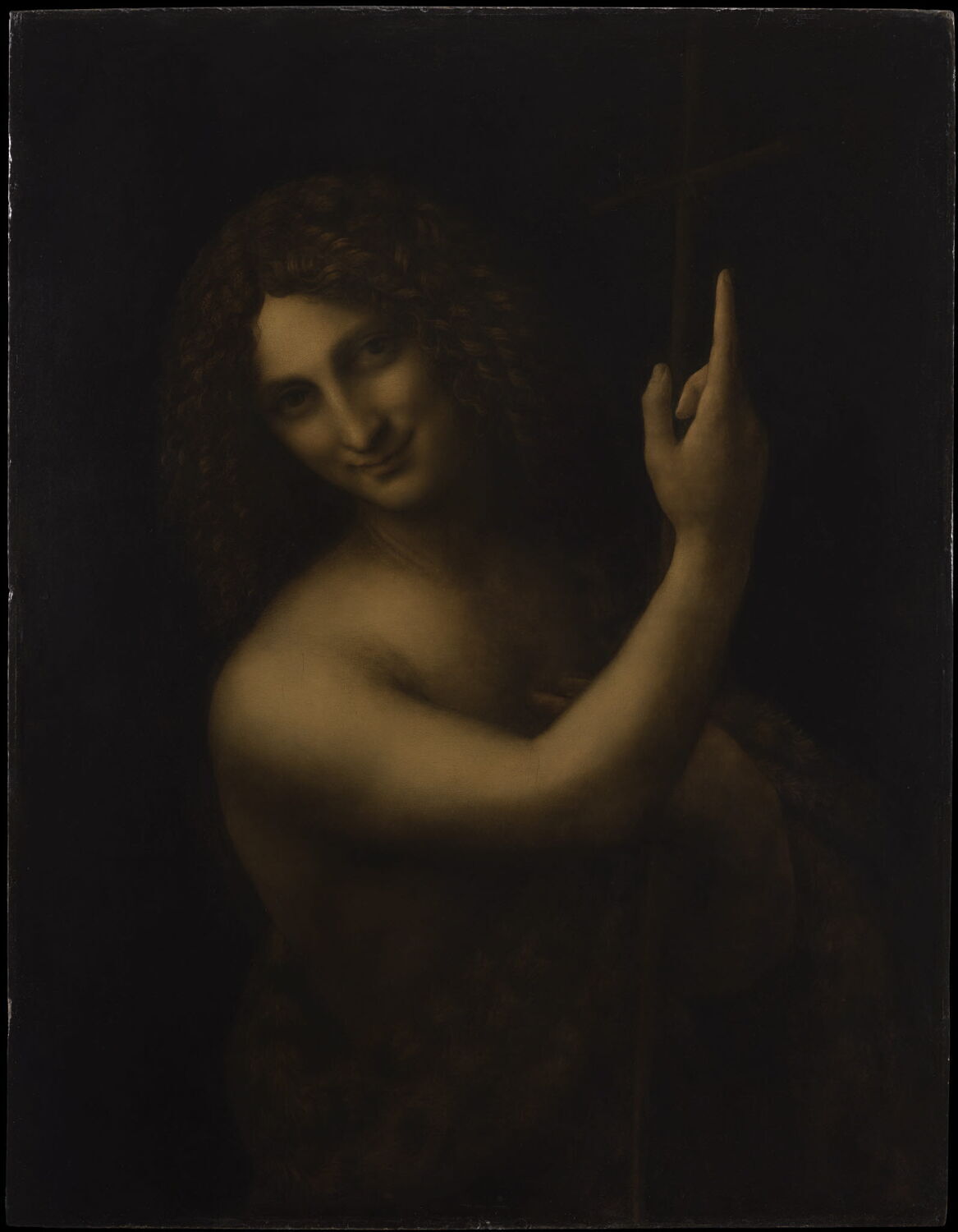
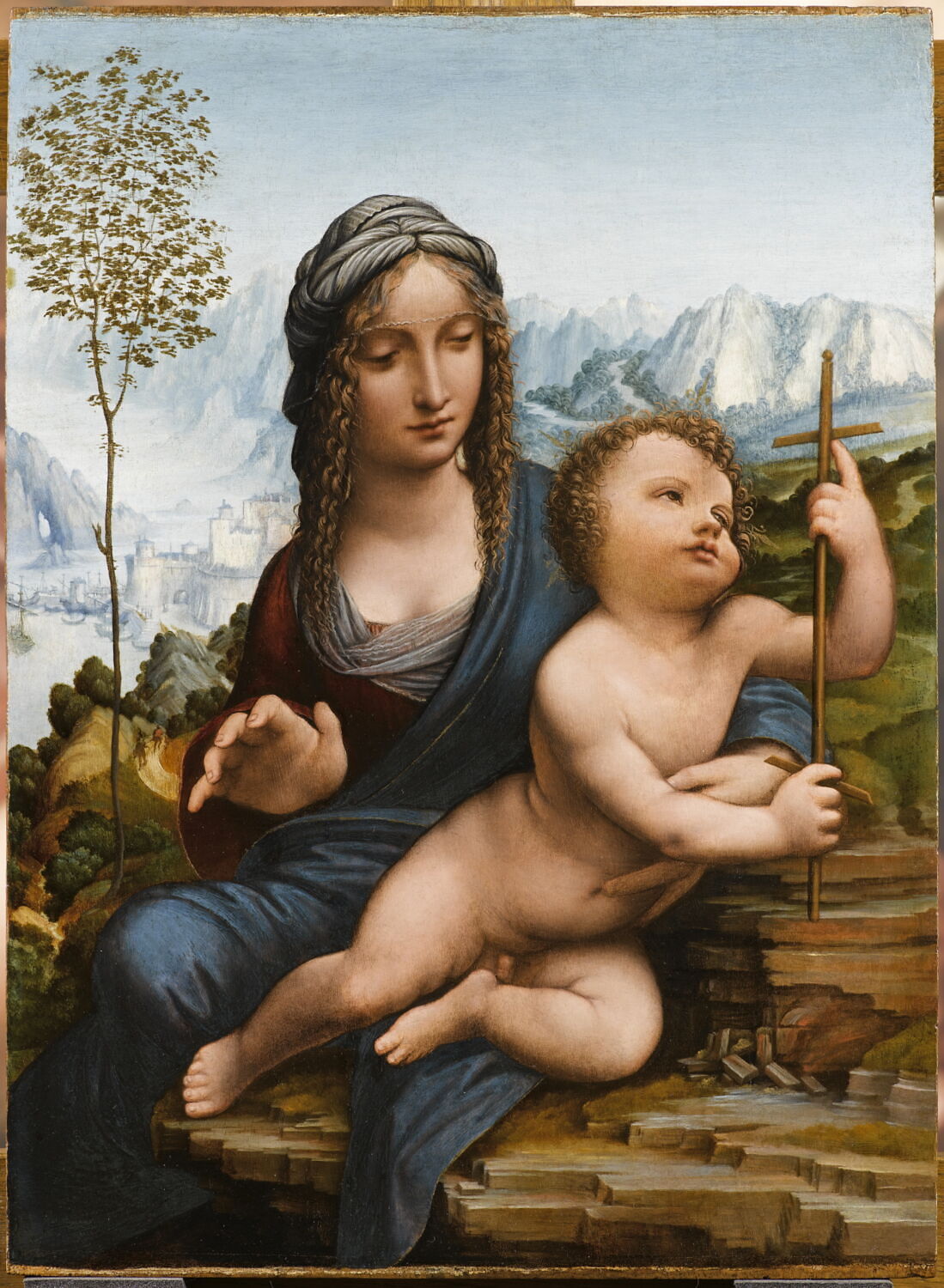
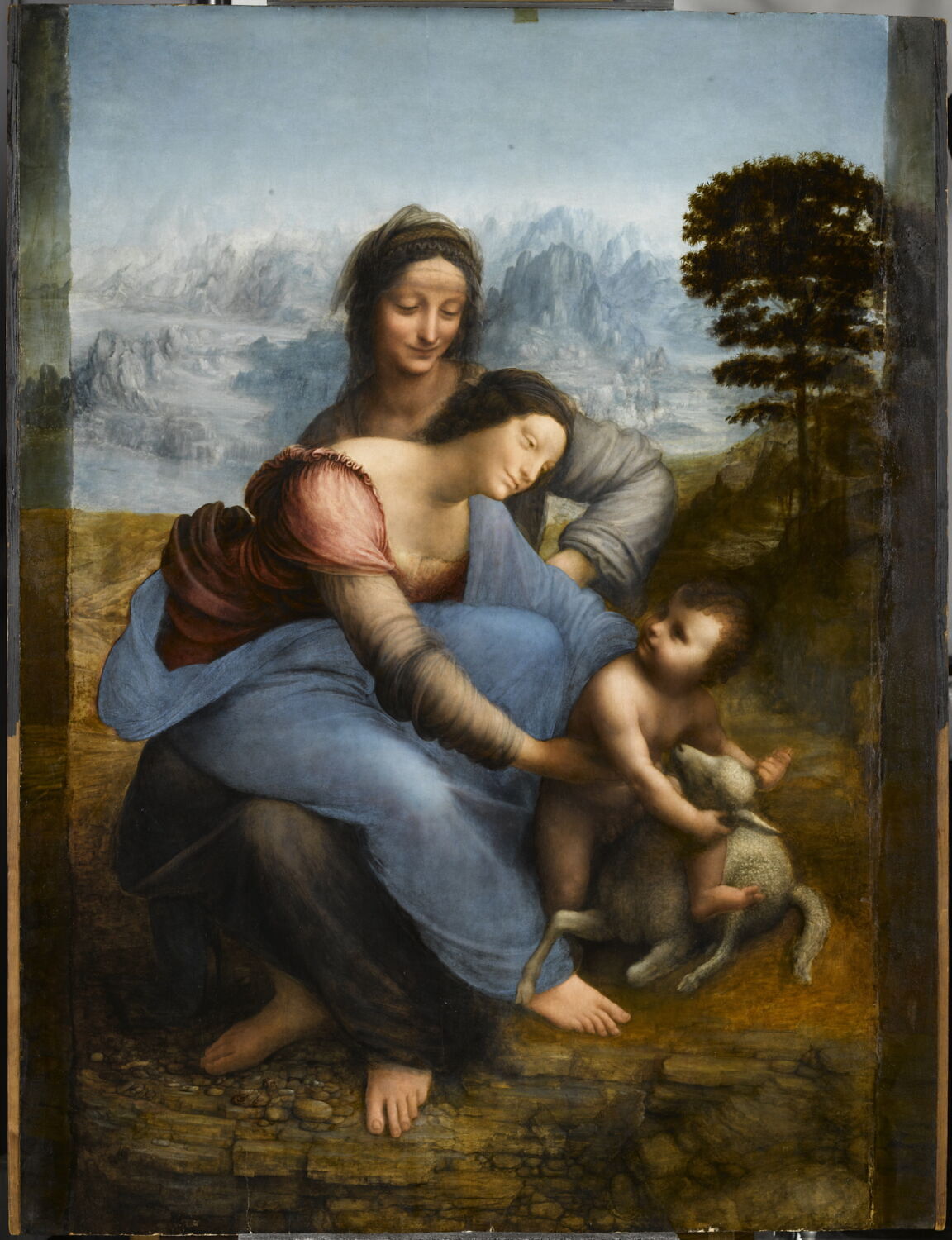
La Vierge avec l'Enfant
Kann ich es sehen?
Derzeit nicht ausgestellt
Wo ist „La Vierge avec l'Enfant“ heute? Sammlung: Louvre, Paris. Derzeit nicht ausgestellt. Geprüft 26. September 2026.

Paris, Frankreich
Es gehört zur Sammlung, ist derzeit aber nicht ausgestellt.
- Geprüft
- Unverändert seit
- Quelle
- Das Museum
Angaben
- Inventarnummer
- Campana 598
Im Katalog
Quellen
- Louvre
- Bild: Louvre — © 2025 Musée du Louvre / Département des Peintures
Im Leben von Francesco Solimena
Das ganze Leben1690s–1730s
His studio dominates Neapolitan painting
From the 1690s through the first four decades of the 18th century his studio dominates Neapolitan painting, becoming a virtual academy at the heart of the city’s cultural life. Among its pupils are Francesco De Mura, Giuseppe Bonito and Gaspare Traversi; the Scottish portraitist Allan Ramsay spends three years there.
1701
Probable visit to Rome
He probably visits Rome, where he paints the Abduction of Orithyia for Cardinal Fabrizio Spada (now in the Galleria Spada); its clear drawing and frieze-like composition show his assimilation of Roman classicism and that of the French Academy in Rome.
1710
Giustiniani commission for the Genoese Senate
The Giustiniani family commissions three paintings for the Senate Room in Genoa, and Solimena is paid over 6,000 ducats. The first completed is the Massacre of the Giustiniani at Scio, in which he tries to subordinate the figures to the architectural structure.
1735–1736
“Battle of Alexander and Darius” for Charles III
Charles III, the Bourbon ruler of Naples from 1734 and later King of Spain, becomes an enthusiastic patron of Solimena and commissions the Battle of Alexander and Darius for the Real Sitio de San Ildefonso (now at El Escorial).
3. April 1747
Died