ART WIKI32.979 ausgestellt
KarteSammlungKünstlerMuseenAusstellungenJournal
Anmelden

ART WIKI

Wo das Meisterwerk hängt und wann man vorgelassen wird.

Sammlungen: Art Institute of Chicago, Cleveland Museum of Art, Eremitage, Getty Villa, Harvard Art Museums, Hirshhorn Museum and Sculpture Garden, J. Paul Getty Museum, Louvre, Metropolitan Museum of Art, Minneapolis Institute of Art, Museum of Modern Art, National Gallery of Art, National Museum of Asian Art, National Portrait Gallery, Puschkin-Museum, Rijksmuseum Amsterdam, Russisches Museum, Smithsonian American Art Museum, Statens Museum for Kunst, Tretjakow-Galerie, Victoria and Albert Museum, Whitney Museum of American Art, Staatskatalog des Museumsfonds Russlands (274 Museen), Europeana (19 Museen), Wikidata (6 Museen), Paris Musées (12 Museen) und Joconde, die Museumsdatenbank des französischen Kulturministeriums (495 Museen). Die Bilder gehören ihren Rechteinhabern.

Rubriken

  • Karte
  • Suche
  • Sammlung
  • Meisterwerke
  • Jetzt ausgestellt
  • Künstler

Mehr

  • Museen & Galerien
  • Ausstellungen
  • Journal
  • Woher die Daten stammen
  • Datenschutz & Cookies
StartseiteKarteKatalog
  1. Sammlung/
  2. Louvre/
  3. La Prédication de saint Étienne
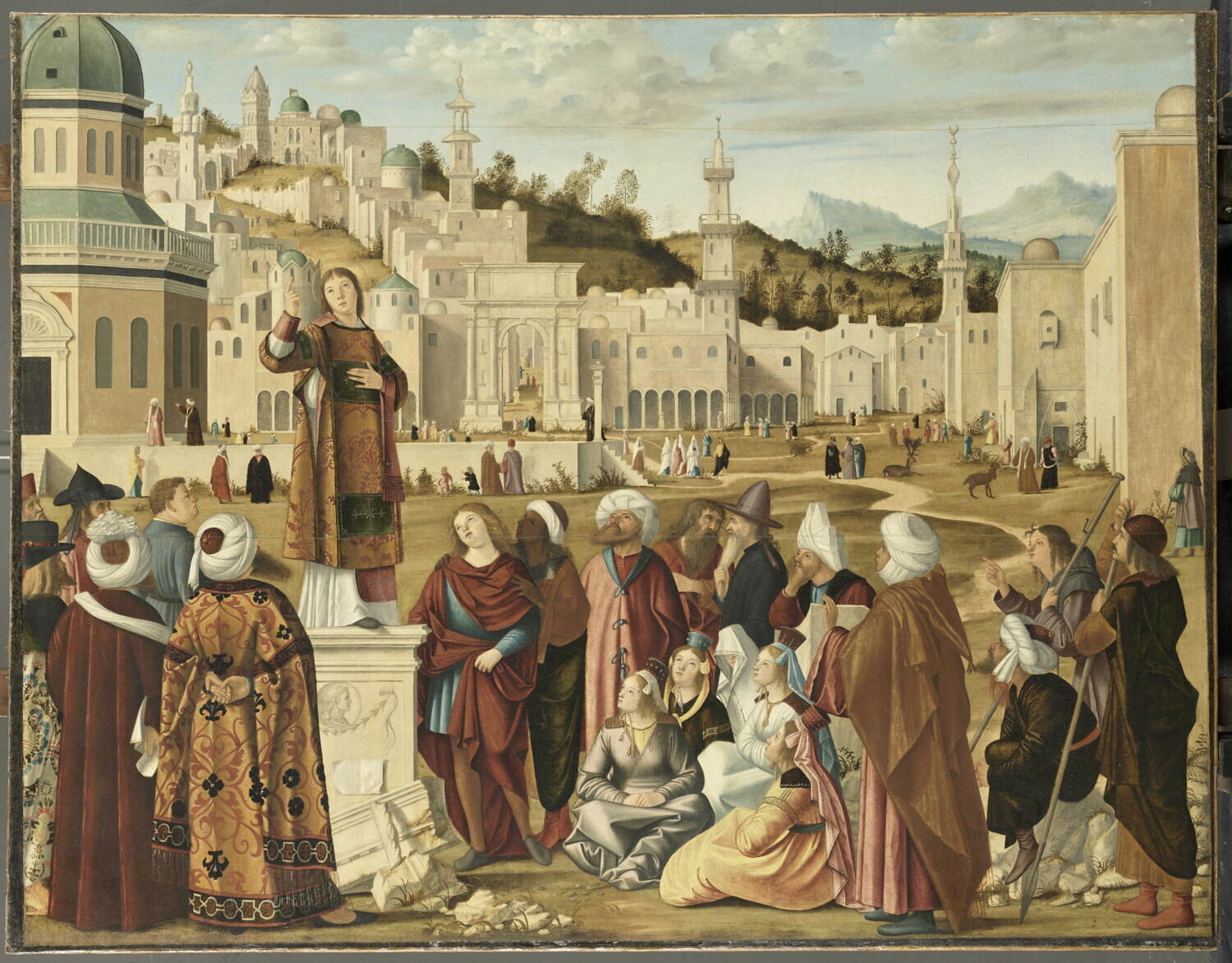
La Prédication de saint Étienne, Carpaccio, Vittore, 1e quart du XVIe siècle (1500 - 1525)

La Prédication de saint Étienne

1e quart du XVIe siècle (1500 - 1525) · Peintures

Über das Gemälde

The Sermon of Saint Stephen is an oil-on-canvas painting by Italian artist Vittore Carpaccio, done in 1514. The painting is from the Venetian Renaissance and depicts the first Christian martyr, St. Stephen, giving a sermon. It is now in the Louvre in Paris.

Wikipedia · CC BY-SA

Angaben

1e quart du XVIe siècle (1500 - 1525)
14651526
Inventarnummer
INV 181

Derweil im Leben von Vittore Carpaccio

Das ganze Leben
  1. 1500

    Son born: Benedetto Carpaccio

  2. c. 1501 – 1507

    Paints with Giovanni Bellini in the Doge's Palace

    Together with Giovanni Bellini, Carpaccio worked in the Hall of the Great Council in the Doge's Palace; like many other major works, the cycle was entirely lost in the fire of 1577.

  3. 1508

    Assesses Giorgione's frescoes on the Fondaco dei Tedeschi

    Carpaccio joined a committee set up to assess Giorgione's frescoes on the Fondaco dei Tedeschi, the trading post of the German merchants in Venice.

  4. c. 1510

    Contemporaries find his style old-fashioned

    By now Carpaccio's manner was seen as too conservative, and success passed to the innovators of the younger generation — Titian, Giorgione and Lorenzo Lotto. After 1510 he worked mainly for individual Venetian patrons and provincial clients, sending altarpieces to cities across the country.

  5. mid-1510s

    The workshop grows as the master's powers wane

    Carpaccio's workshop turned out many works, but his late paintings show a clear decline in creative power, and his old manner was seen as an anachronism. He relied more and more on his sons Pietro and Benedetto, his principal pupils; Marco Marziale was also among his pupils.

  6. 1526

Mehr von Vittore Carpaccio

Alle Werke

Im selben Saal · Salle 710, Aile Denon, Niveau 1, Louvre

Museumsseite

Died

Vittore Carpaccio, PorträtVittore CarpaccioItalien, 1465–1526

Darf man es sehen?

Ja, es empfängt Besucher

Louvre

Paris, Frankreich

Saal710, Aile Denon, Niveau 1

Öffentlich ausgestellt. Wer dafür bürgt, steht unten.

Geprüft
vor 12 Tagen
Unverändert seit
26. Sept. 2026
Quelle
Das Museum
Auf der KarteMuseumsseite

Im Katalog

GemäldeÖlItalienische MalereiVenezianische MalereiRenaissance16. Jahrhundert

Quellen

  • Louvre
  • Bild: Louvre — © 2016 GrandPalaisRmn (musée du Louvre) / Adrien Didierjean
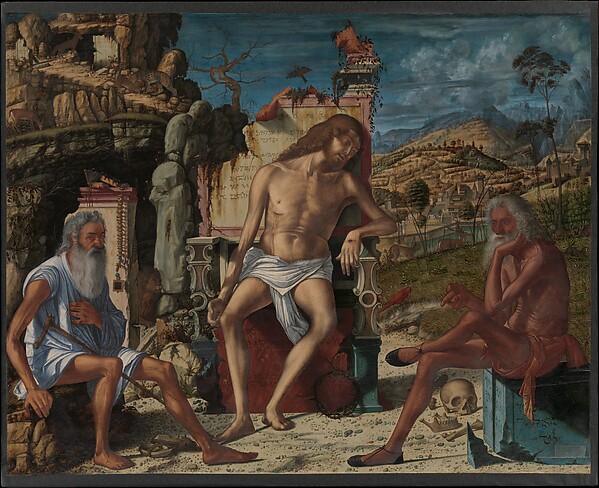
The Meditation on the Passion, Vittore Carpaccio, ca. 1490

The Meditation on the Passion

ca. 1490 · Metropolitan Museum of Art

The Virgin Reading, Vittore Carpaccio, c. 1505

The Virgin Reading

c. 1505 · National Gallery of Art

Madonna and Child, Vittore Carpaccio, c. 1505/1510

Madonna and Child

c. 1505/1510 · National Gallery of Art

The Flight into Egypt, Vittore Carpaccio, c. 1515

The Flight into Egypt

c. 1515 · National Gallery of Art

Three Philosophers, Vittore Carpaccio

Three Philosophers

Nicht ausgestellt · National Gallery of Art

Three Figures, Carpaccio

Three Figures

Nicht ausgestellt · National Gallery of Art

Rückenfigur "Cavaliere della Scalza'" und Knabe im Profil nach rechts, Vittore Carpaccio

Rückenfigur "Cavaliere della Scalza'" und Knabe im Profil nach rechts

Albertina

Studien dreier stehender Figuren, Vittore Carpaccio

Studien dreier stehender Figuren

Albertina

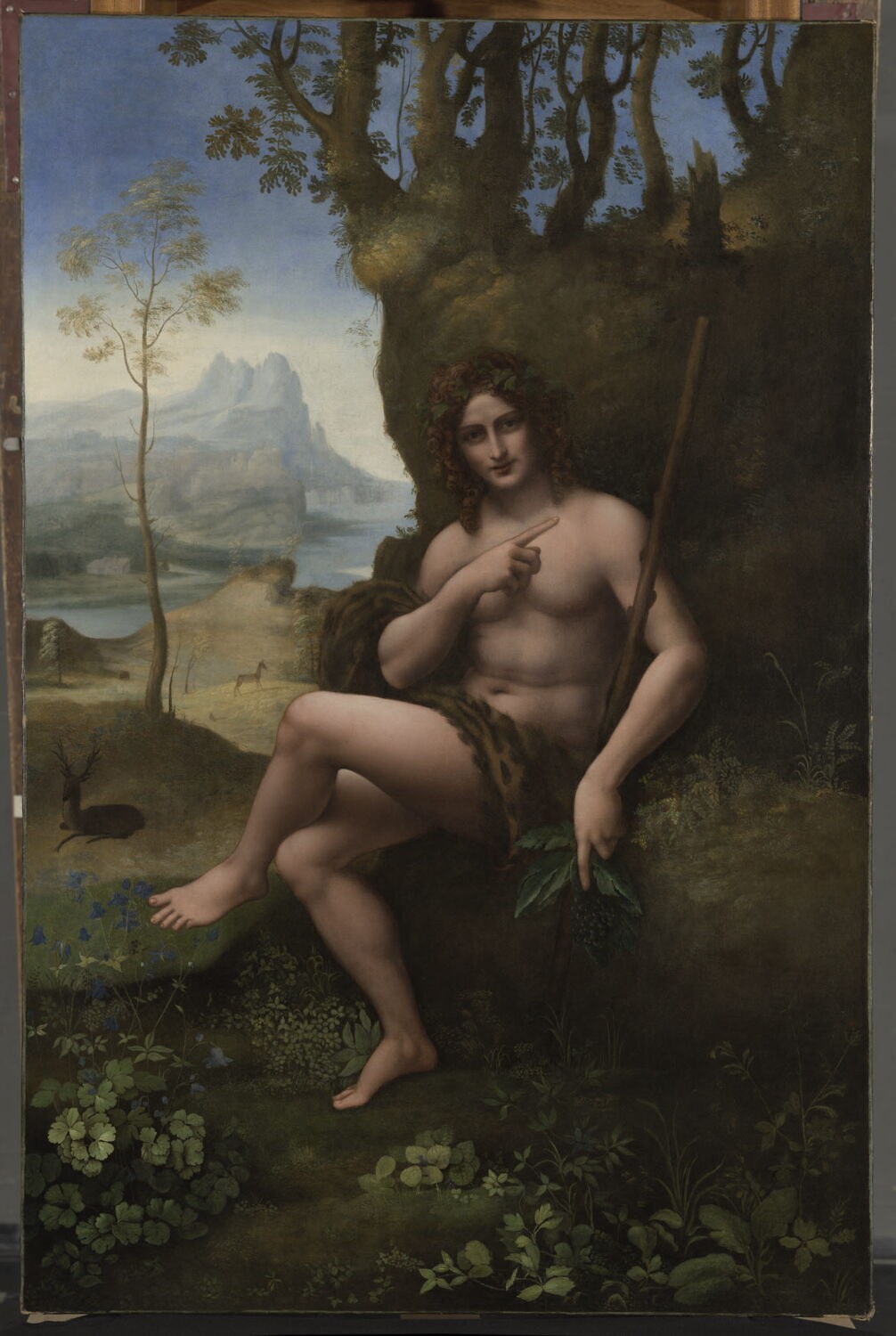
Saint Jean Baptiste, Léonard de Vinci, 1e quart du XVIe siècle (vers 1517 - 1520)

Leonardo da Vinci

Bacchus, 1e quart du XVIe siècle (vers 1517 - 1520)

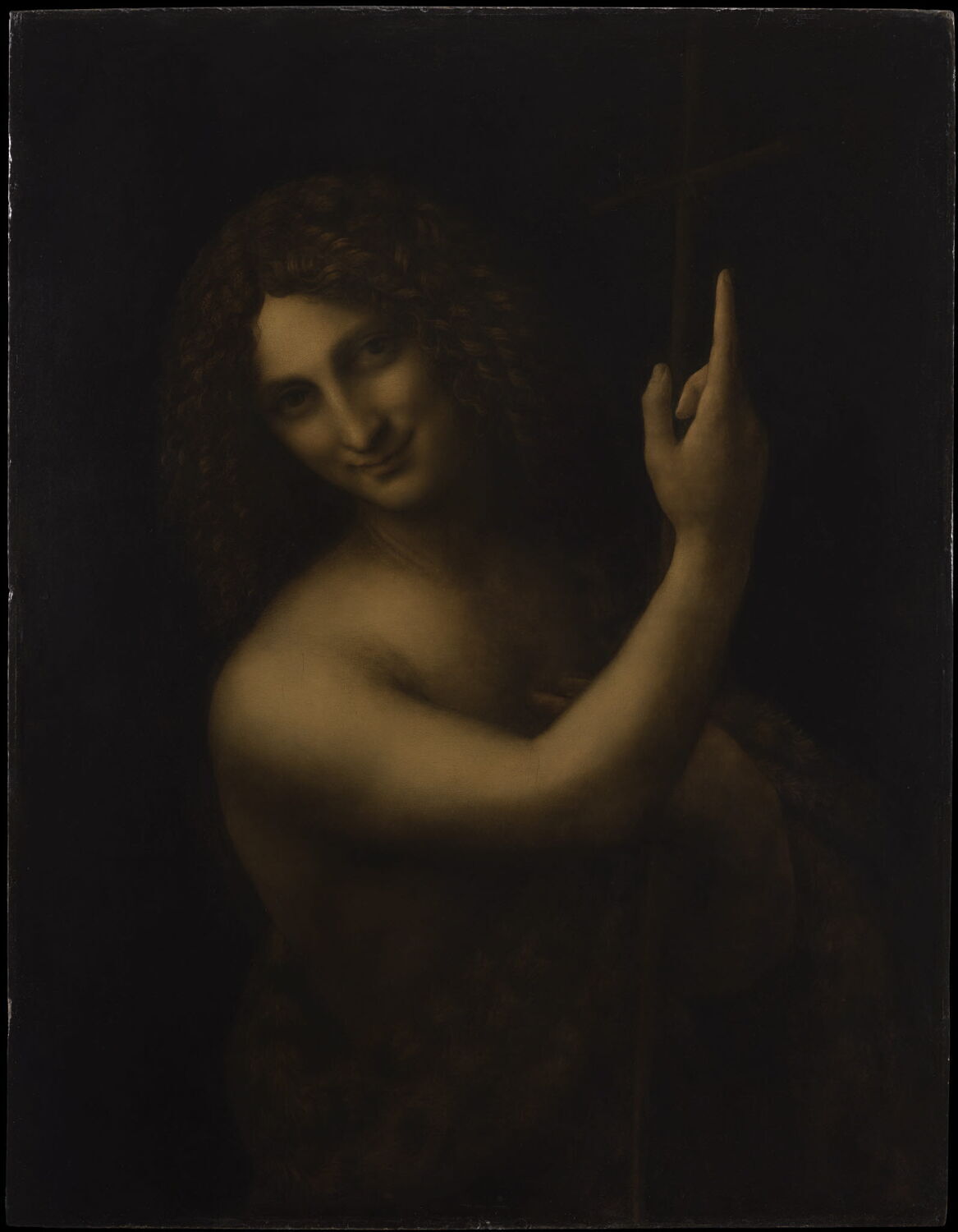
Saint Jean Baptiste, Léonard de Vinci, 1e quart du XVIe siècle (vers 1508 - 1519)

Leonardo da Vinci

Johannes der Täufer, 1e quart du XVIe siècle (vers 1508 - 1519)

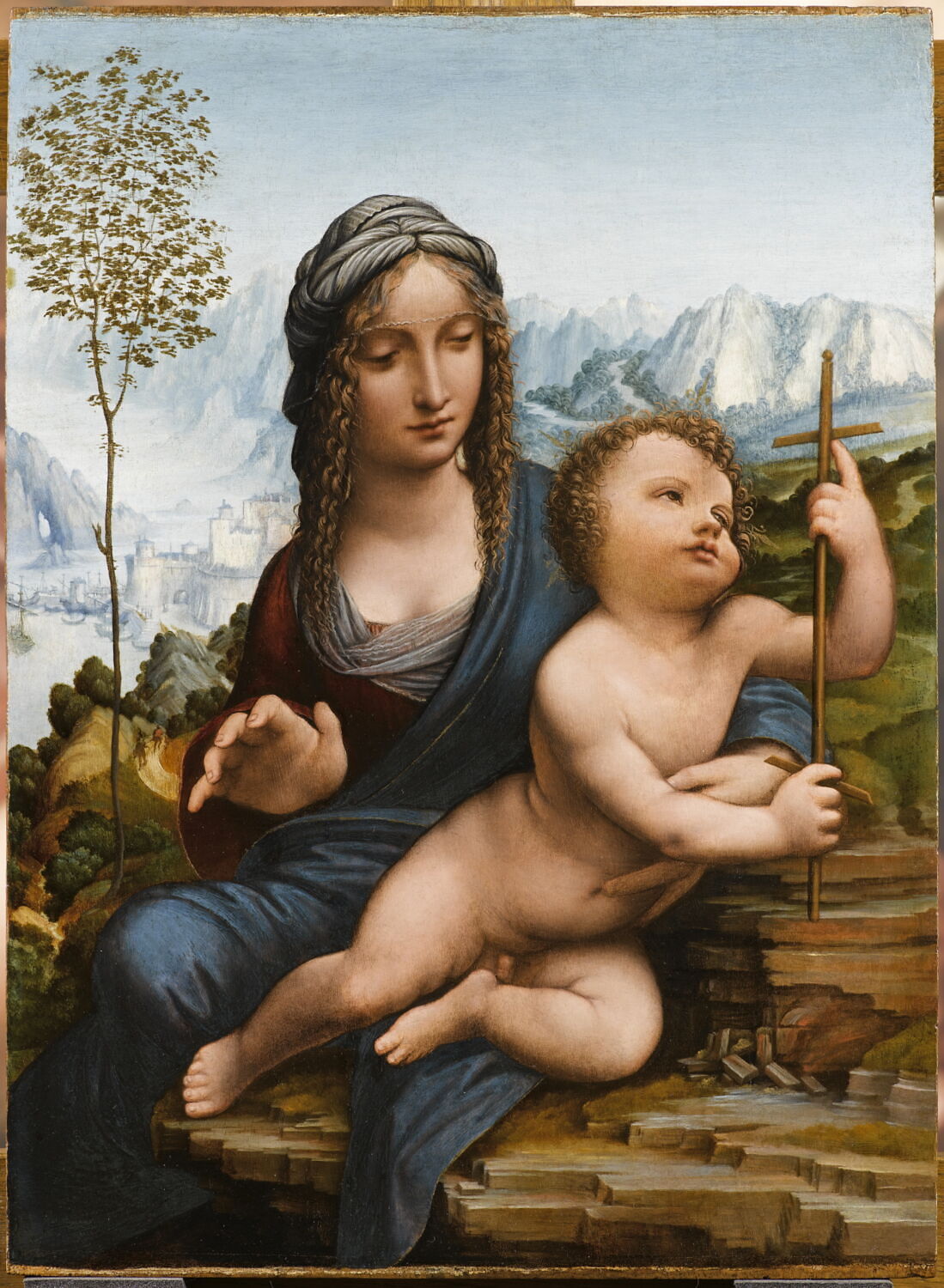
La Vierge et l'Enfant Jésus, dite Vierge au dévidoir ou Vierge aux fuseaux, Léonard de Vinci, XVIe siècle (vers 1505 - 1520)

Leonardo da Vinci

La Vierge et l'Enfant Jésus, dite Vierge au dévidoir ou Vierge aux fuseaux, XVIe siècle (vers 1505 - 1520)

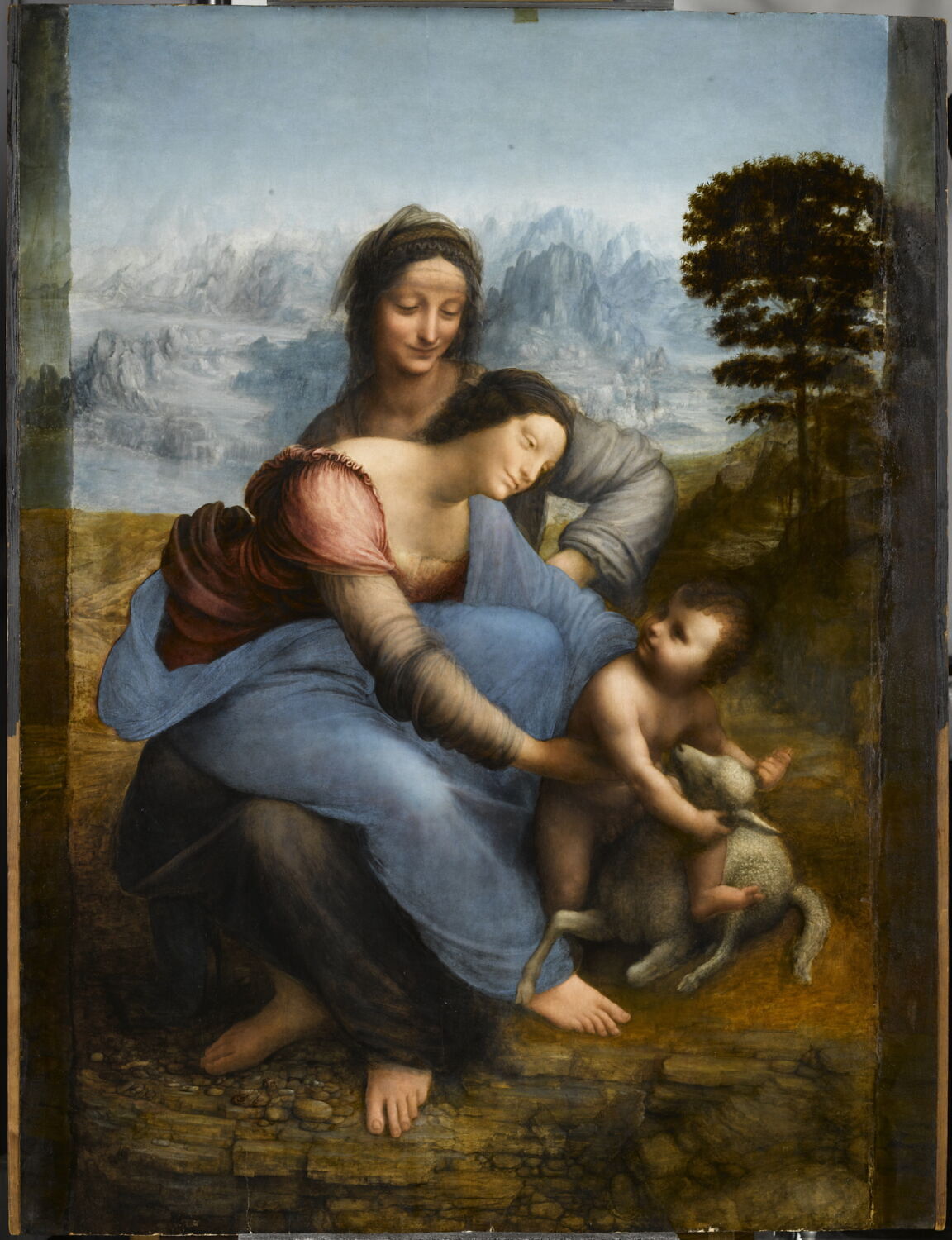
La Vierge, l'Enfant Jésus et sainte Anne, dit La Sainte Anne, Léonard de Vinci, 1e quart du XVIe siècle (vers 1503 - 1519)

Leonardo da Vinci

Anna Selbdritt, 1e quart du XVIe siècle (vers 1503 - 1519)

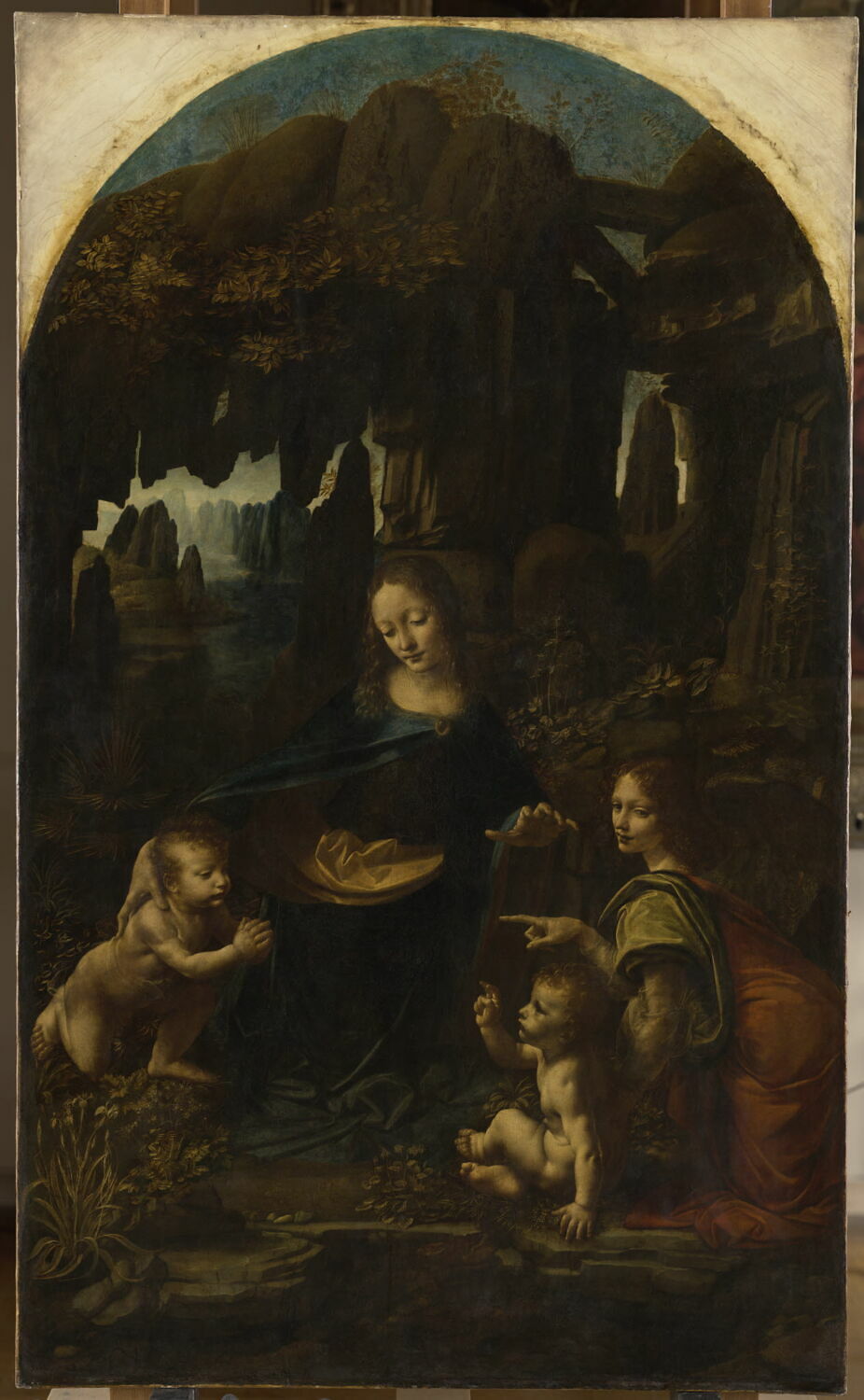
La Vierge, l'Enfant Jésus, saint Jean Baptiste et un ange, dit La Vierge aux rochers, Léonard de Vinci, 4e quart du XVe siècle (vers 1483 - 1494)

Leonardo da Vinci

La Vierge, l'Enfant Jésus, saint Jean Baptiste et un ange, dit La Vierge aux rochers, 4e quart du XVe siècle (vers 1483 - 1494)

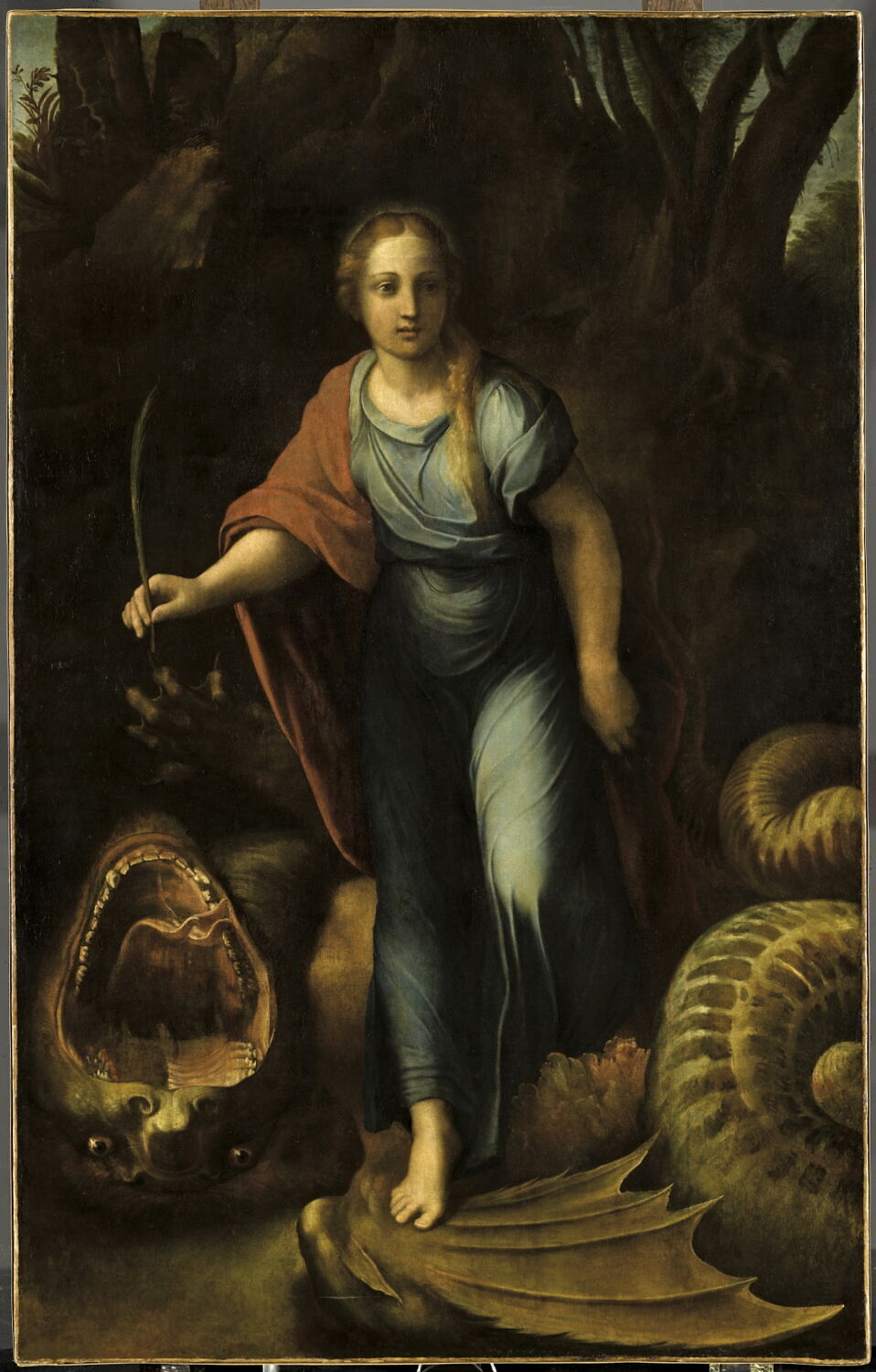
Sainte Marguerite, Santi, Raffaello, dit Raphaël, 1e moitié du XVIe siècle (1518)

Raphael

Sainte Marguerite, 1e moitié du XVIe siècle (1518)

Saint Michel terrassant le démon, dit Le Grand Saint Michel, Santi, Raffaello, dit Raphaël, 2e quart du XVIe siècle (1518)

Raphael

Erzengel Michael vertreibt Satan, 2e quart du XVIe siècle (1518)

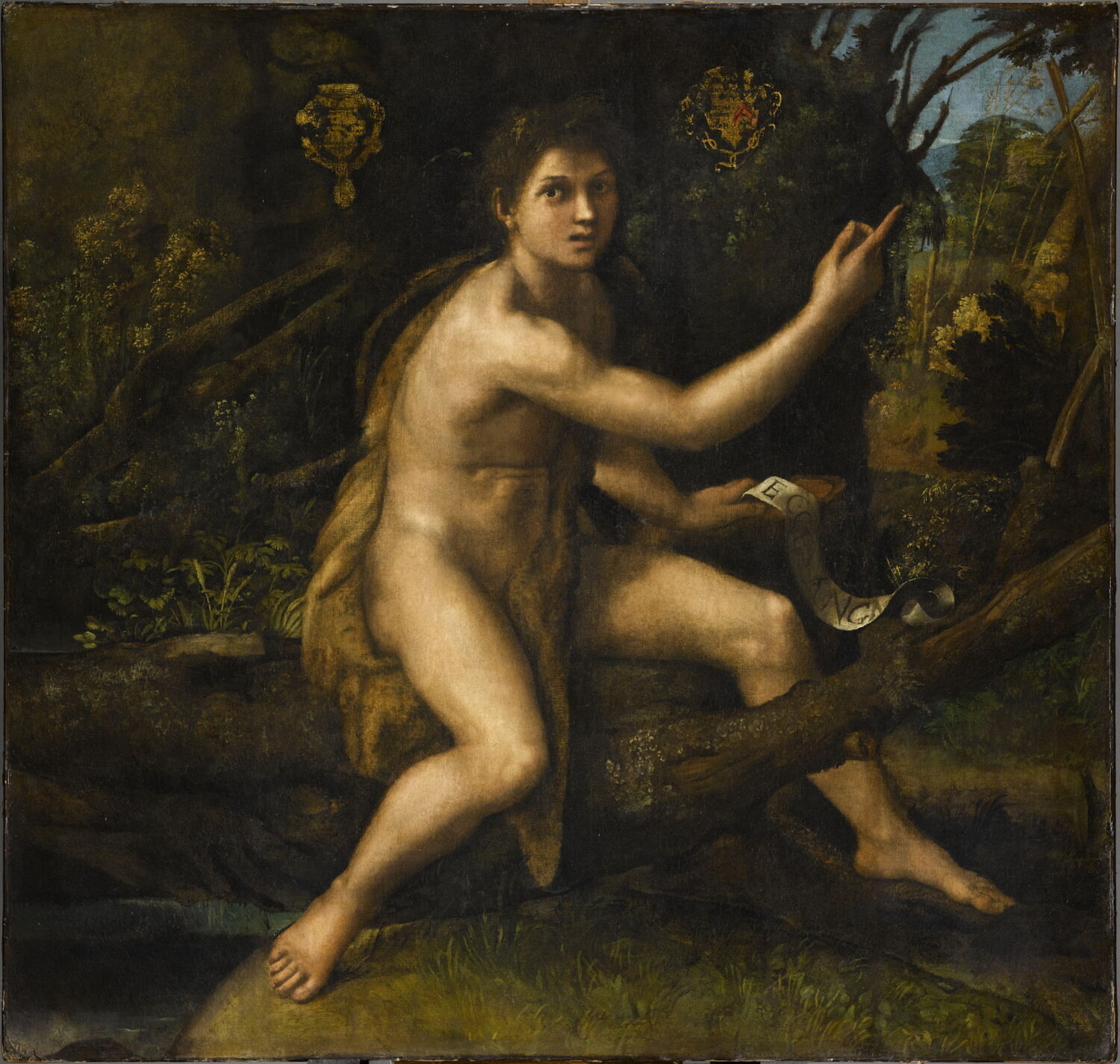
Saint Jean Baptiste dans le désert désignant la Croix de la Passion, Santi, Raffaello, dit Raphaël, 1e quart du XVIe siècle (vers 1516)

Raphael

Saint Jean Baptiste dans le désert désignant la Croix de la Passion, 1e quart du XVIe siècle (vers 1516)