ART WIKI32.963 ausgestellt
KarteSammlungKünstlerMuseenAusstellungenJournal
Anmelden

ART WIKI

Wo das Meisterwerk hängt und wann man vorgelassen wird.

Sammlungen: Art Institute of Chicago, Cleveland Museum of Art, Eremitage, Getty Villa, Harvard Art Museums, Hirshhorn Museum and Sculpture Garden, J. Paul Getty Museum, Louvre, Metropolitan Museum of Art, Minneapolis Institute of Art, Museum of Modern Art, National Gallery of Art, National Museum of Asian Art, National Portrait Gallery, Puschkin-Museum, Rijksmuseum Amsterdam, Russisches Museum, Smithsonian American Art Museum, Statens Museum for Kunst, Tretjakow-Galerie, Victoria and Albert Museum, Whitney Museum of American Art, Staatskatalog des Museumsfonds Russlands (274 Museen), Europeana (19 Museen), Wikidata (6 Museen), Paris Musées (12 Museen) und Joconde, die Museumsdatenbank des französischen Kulturministeriums (495 Museen). Die Bilder gehören ihren Rechteinhabern.

Rubriken

  • Karte
  • Suche
  • Sammlung
  • Meisterwerke
  • Jetzt ausgestellt
  • Künstler

Mehr

  • Museen & Galerien
  • Ausstellungen
  • Journal
  • Woher die Daten stammen
  • Datenschutz & Cookies
StartseiteKarteKatalog
  1. Sammlung/
  2. Louvre/
  3. La fiancée d'Abydos
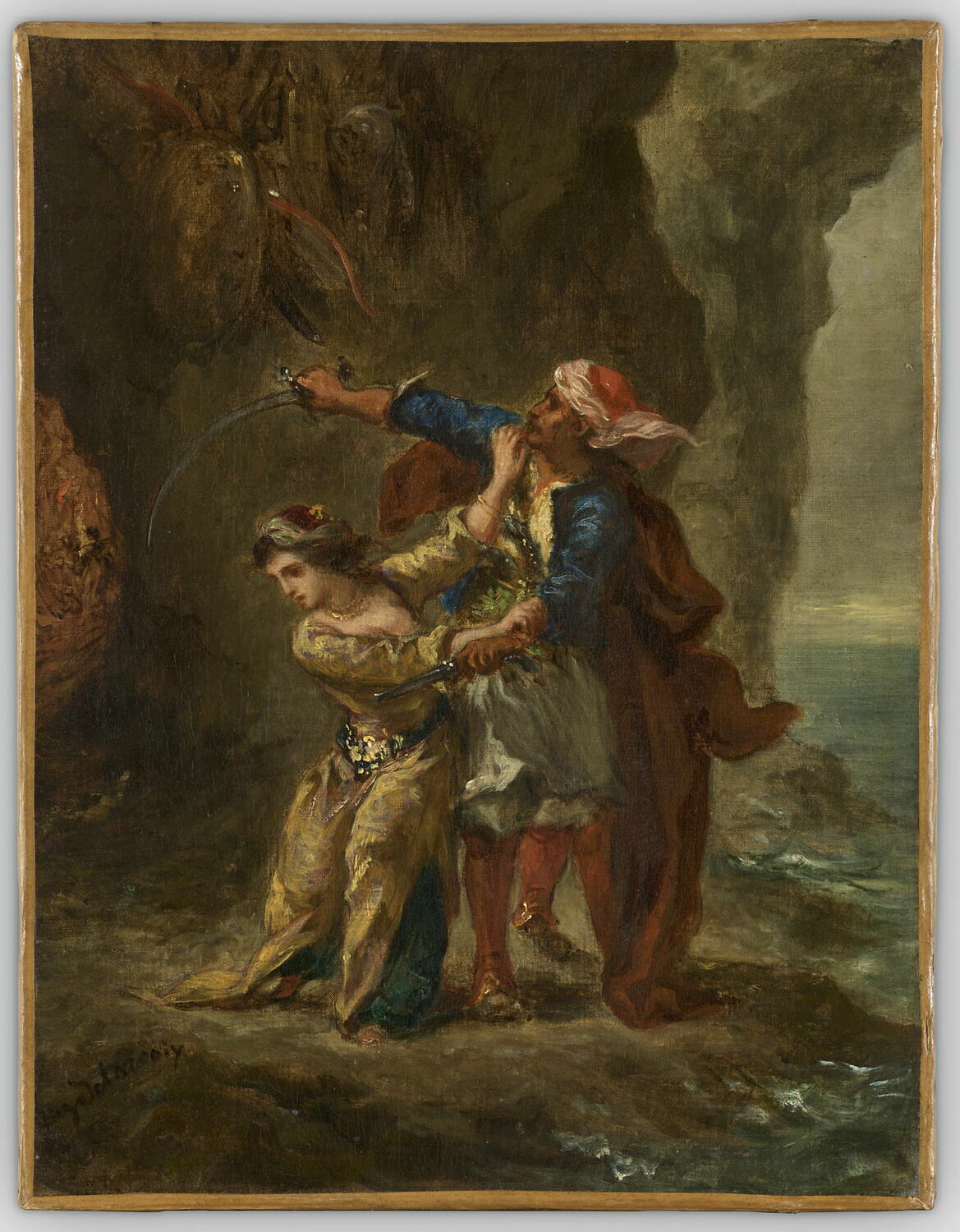
La fiancée d'Abydos, Delacroix, Eugène, 2e quart du XIXe siècle (1825 - 1850)
Eugène Delacroix, PorträtEugène DelacroixFrankreich, 1798–1863

La fiancée d'Abydos

2e quart du XIXe siècle (1825 - 1850) · Peintures

Darf man es sehen?

Empfängt derzeit nicht

Louvre

Paris, Frankreich

Es gehört zur Sammlung, ist derzeit aber nicht ausgestellt.

Geprüft
vor 12 Tagen
Unverändert seit
26. Sept. 2026
Quelle
Das Museum
Auf der KarteMuseumsseite

Über das Gemälde

The Bride of Abydos (French – La Fiancée d'Abydos) or Selim and Zuleika is the title of two paintings by the French Romantic painter Eugène Delacroix, one in the Museum of Fine Arts of Lyon (pre-1849) and another in the Louvre (1843–1849).

Both works show the characters Selim and Zuleika from the poem of the same name by Lord Byron, written after he had swum the Hellespont between Abydos and Sestos in imitation of Leander.

Wikipedia · CC BY-SA

Angaben

2e quart du XIXe siècle (1825 - 1850)
17981863
Inventarnummer
RF 1398

Im Katalog

GemäldeÖlFranzösische MalereiKlassizismusRomantik19. Jahrhundert

Quellen

  • Louvre
  • Bild: Louvre — © 2023 GrandPalaisRmn (musée du Louvre) / Adrien Didierjean

Derweil im Leben von Eugène Delacroix

Das ganze Leben
  1. 1824

    Success of "The Massacre at Chios" at the Salon

    Shown at the Salon of 1824, The Massacre at Chios, devoted to the tragedies of the Greek War of Independence, brought Delacroix genuine success: the authorities recognized him as the leading painter of the new Romantic style, and the painting was bought by the state.

  2. 1825

    Journey to England

    During a trip to England Delacroix visited Thomas Lawrence and Richard Parkes Bonington; the color and manner of English painting gave impetus to his subsequent work.

  3. 1831

    "Liberty" at the Salon of 1831

    Liberty Leading the People was enthusiastically received by the public at the Salon of 1831 and immediately acquired by the state for 3,000 francs for the throne room of the Luxembourg Palace.

  4. 1832

    Journey to Spain and North Africa

    As part of the diplomatic mission of Charles-Edgar de Mornay, Delacroix traveled to Morocco shortly after the French conquest of Algeria. The journey proved a turning point: he made dozens of sketches, and his impressions of North Africa nourished his art for the rest of his life.

  5. 1833–1837

    Decoration of the Salon du Roi in the Palais Bourbon

    From 1833 Delacroix received numerous commissions to decorate the public buildings of Paris; the first was his work on the Salon du Roi in the Chamber of Deputies at the Palais Bourbon, completed in 1837.

  6. 1838

    "Medea" Causes a Sensation at the Salon

    Delacroix exhibited Medea About to Kill Her Children — his first major engagement with Greek mythology; the painting caused a sensation at the Salon and was quickly purchased by the state.
Mehr von Eugène Delacroix

Alle Werke
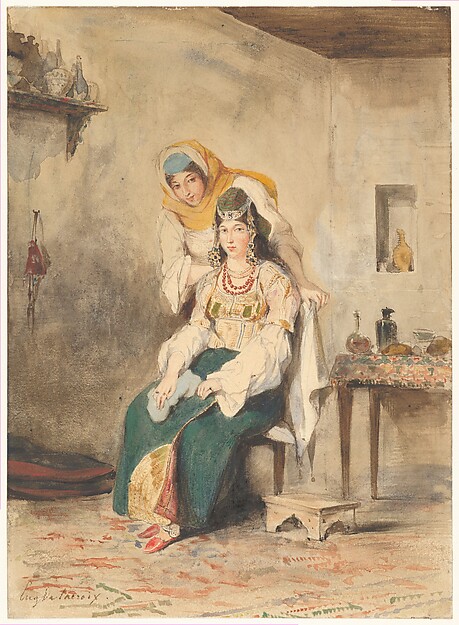
Saada, the Wife of Abraham Ben-Chimol, and Préciada, One of Their Daughters, Eugène Delacroix, 1832

Saada, the Wife of Abraham Ben-Chimol, and Préciada, One of Their Daughters

1832 · Metropolitan Museum of Art

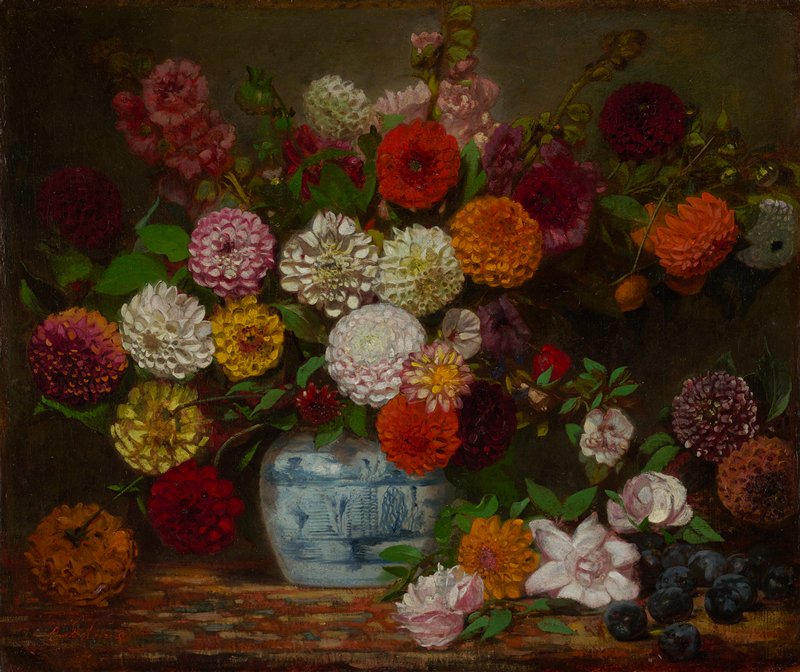
Still Life with Dahlias, Zinnias, Hollyhocks and Plums, Eugène Delacroix, c. 1835

Still Life with Dahlias, Zinnias, Hollyhocks and Plums

c. 1835 · Minneapolis Institute of Art

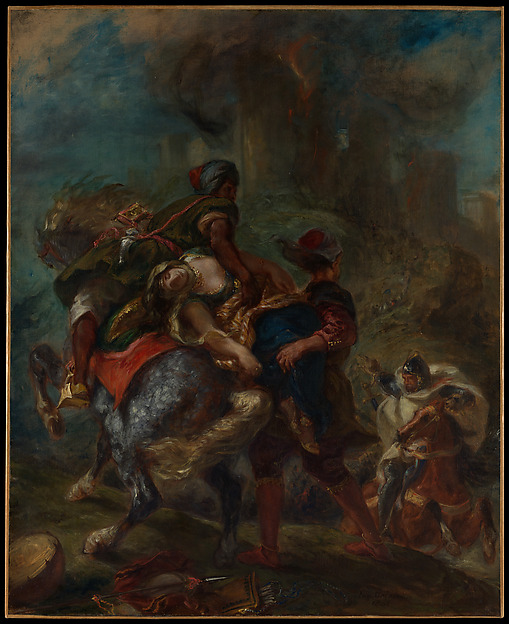
The Abduction of Rebecca, Eugène Delacroix, 1846

The Abduction of Rebecca

1846 · Metropolitan Museum of Art

Sunset, Eugène Delacroix, ca. 1850

Sunset

ca. 1850 · Metropolitan Museum of Art

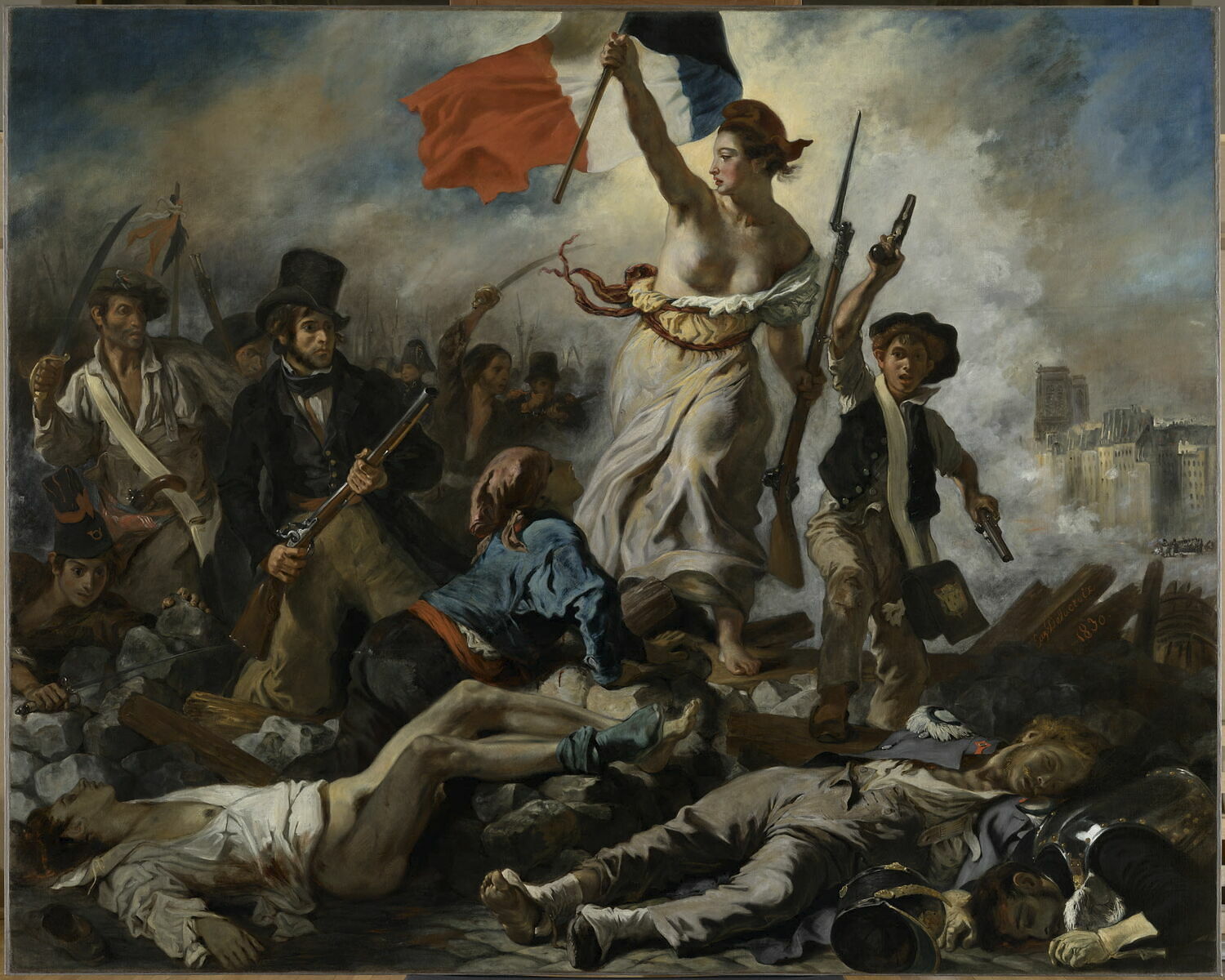
Le 28 juillet 1830. La Liberté guidant le peuple, Delacroix, Eugène, 2e quart du XIXe siècle (1830)

Die Freiheit führt das Volk

2e quart du XIXe siècle (1830) · Louvre

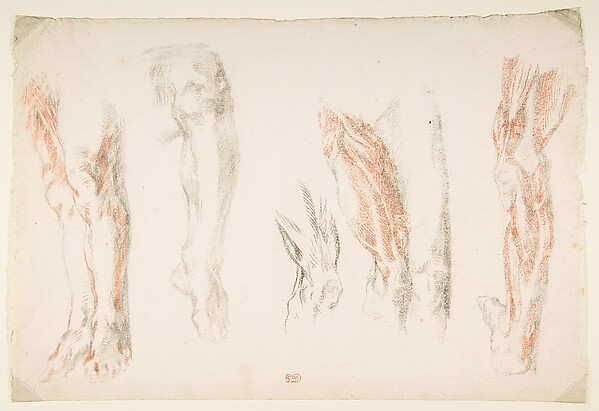
Anatomical Studies of Legs, Eugène Delacroix, 1820–1863

Anatomical Studies of Legs

1820–1863 · Metropolitan Museum of Art

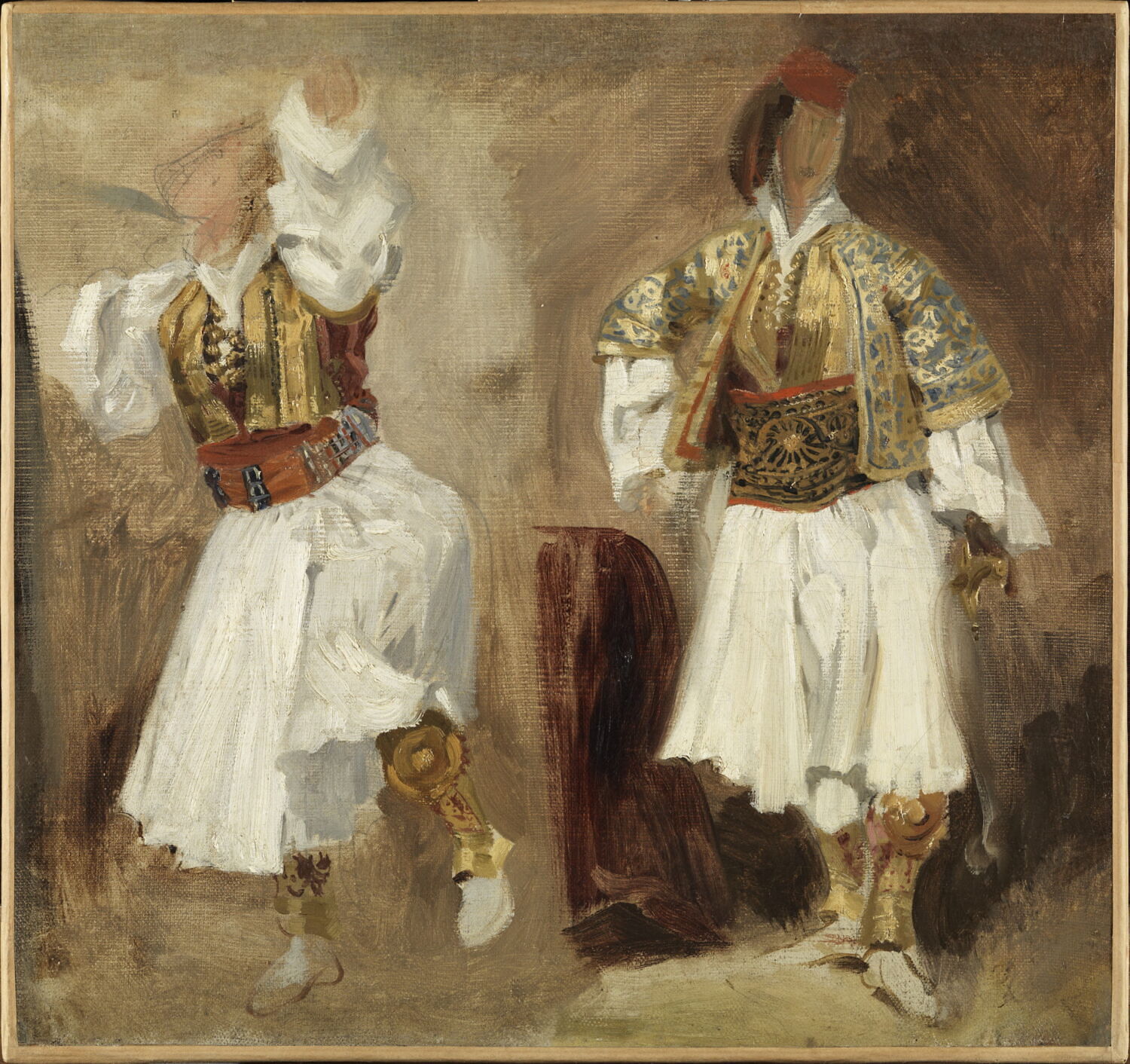
Deux études de costumes souliotes, Delacroix, Eugène, 1e quart du XIXe siècle (1822)

Deux études de costumes souliotes

1e quart du XIXe siècle (1822) · Louvre

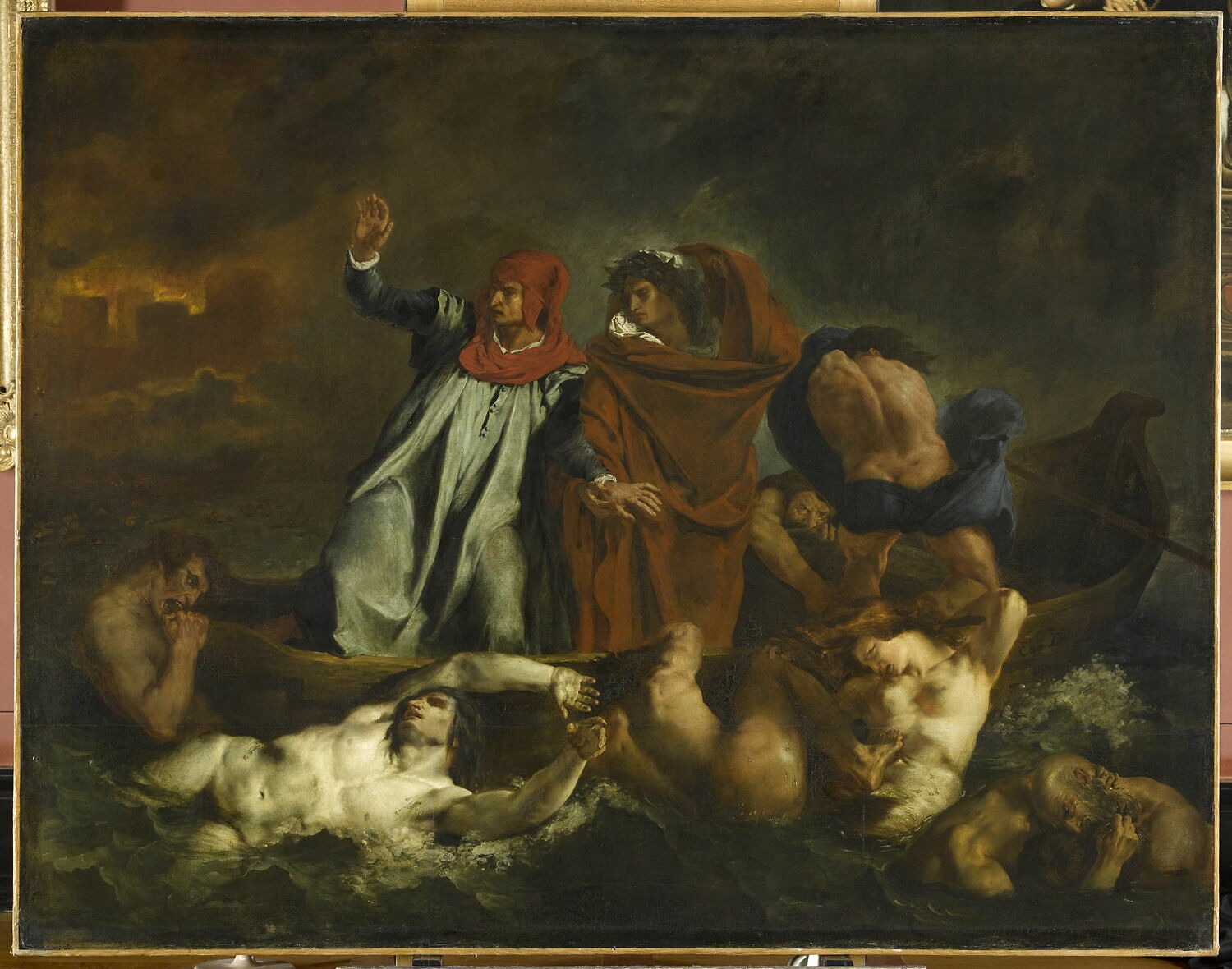
Dante et Virgile, dit aussi La barque de Dante, Delacroix, Eugène, 1e quart du XIXe siècle (1822)

Die Dantebarke

1e quart du XIXe siècle (1822) · Louvre

Nachbarn im Haus: Louvre

Museumsseite
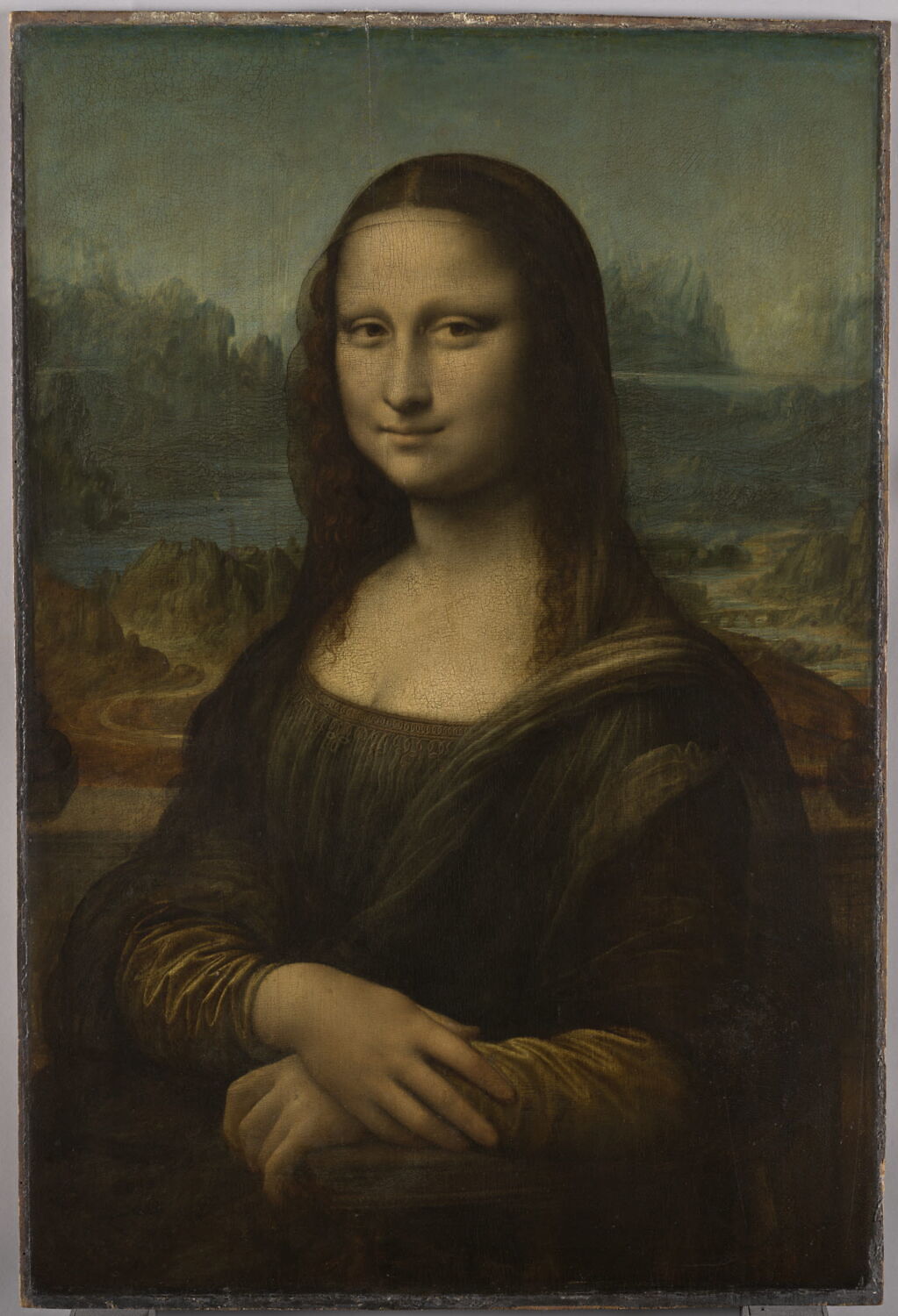
Portrait de Lisa Gherardini, épouse de Francesco del Giocondo, dit La Joconde ou Monna Lisa, Léonard de Vinci, 1e quart du XVIe siècle (1503 - 1519)

Leonardo da Vinci

Mona Lisa, 1e quart du XVIe siècle (1503 - 1519)

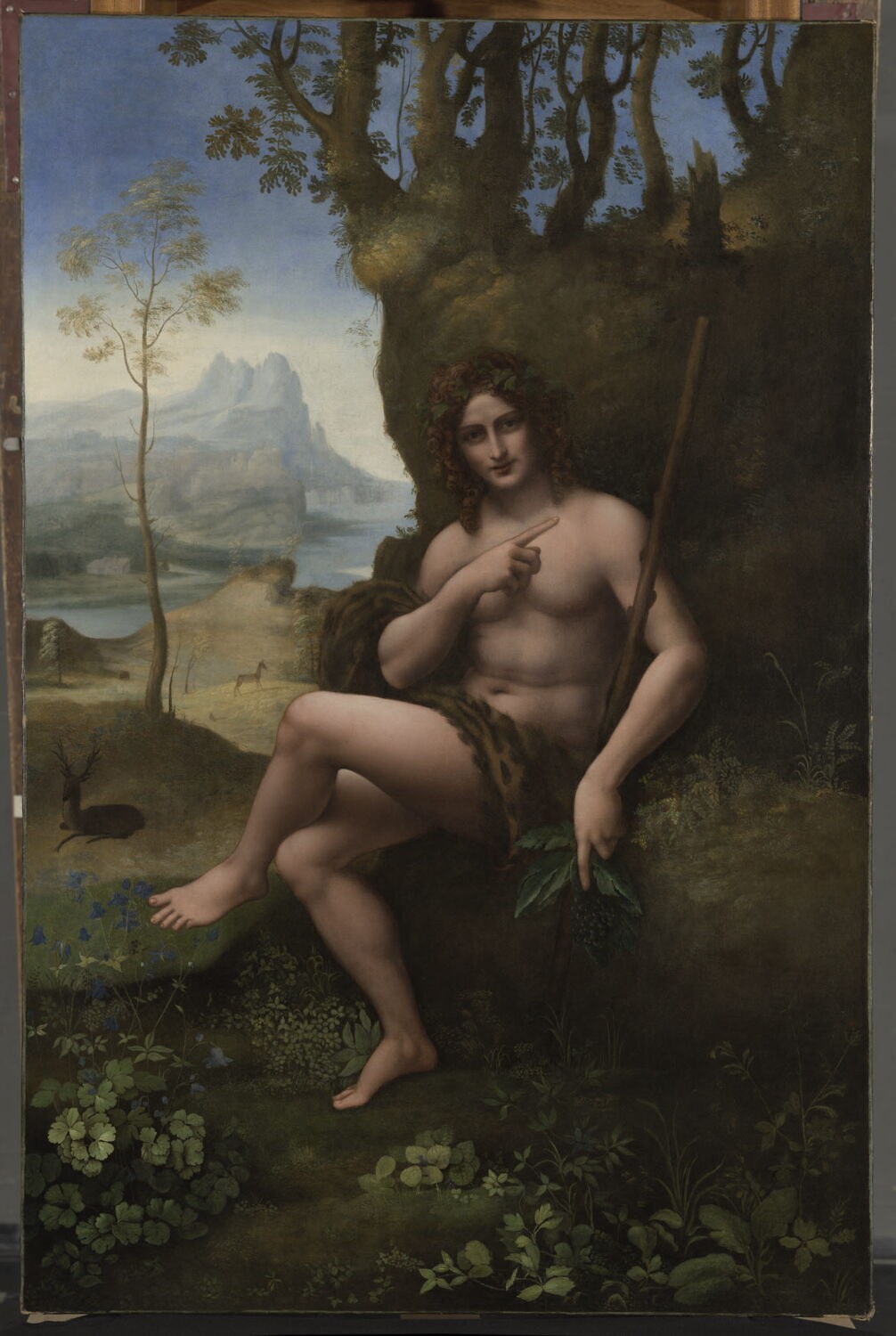
Saint Jean Baptiste, Léonard de Vinci, 1e quart du XVIe siècle (vers 1517 - 1520)

Leonardo da Vinci

Bacchus, 1e quart du XVIe siècle (vers 1517 - 1520)

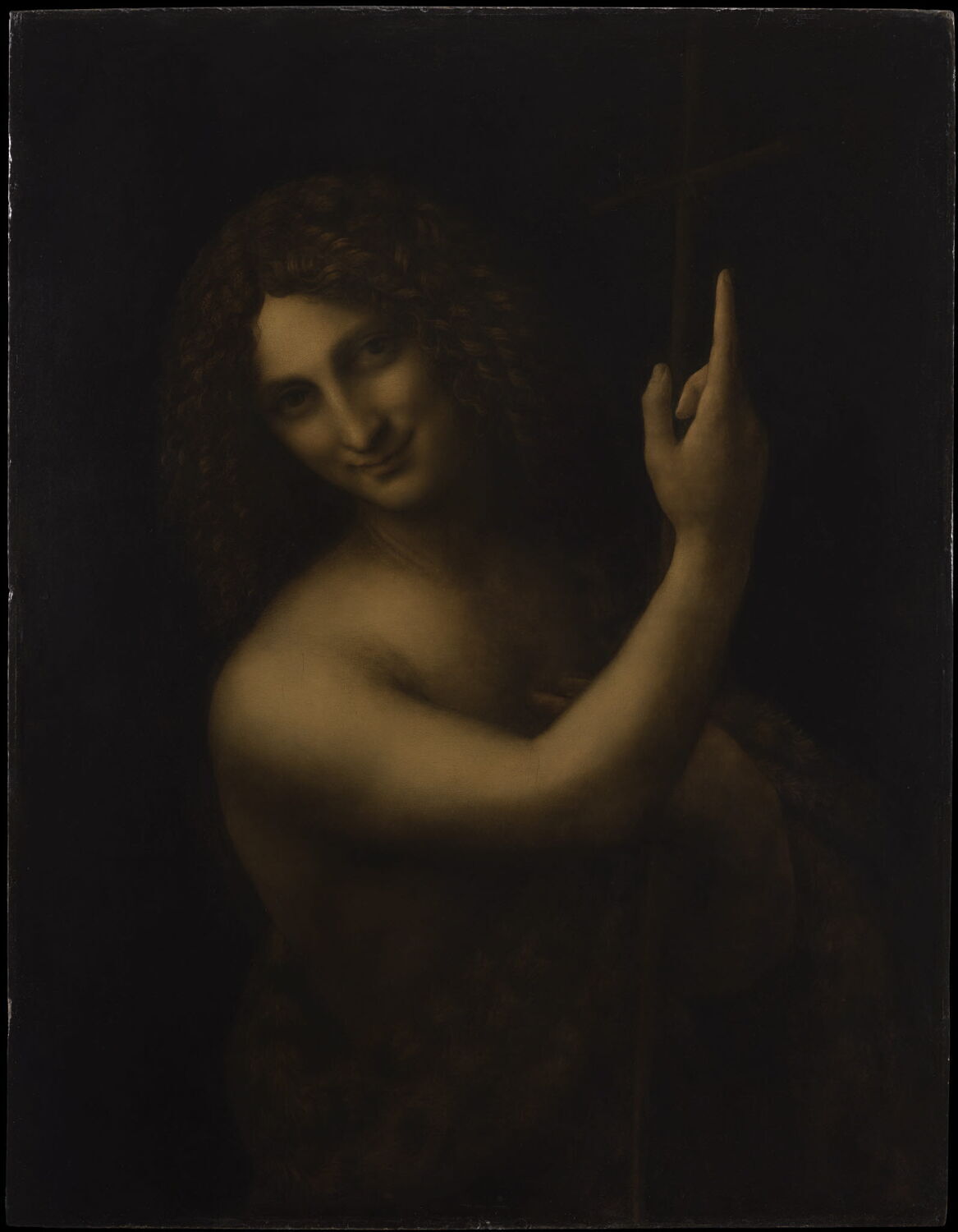
Saint Jean Baptiste, Léonard de Vinci, 1e quart du XVIe siècle (vers 1508 - 1519)

Leonardo da Vinci

Johannes der Täufer, 1e quart du XVIe siècle (vers 1508 - 1519)

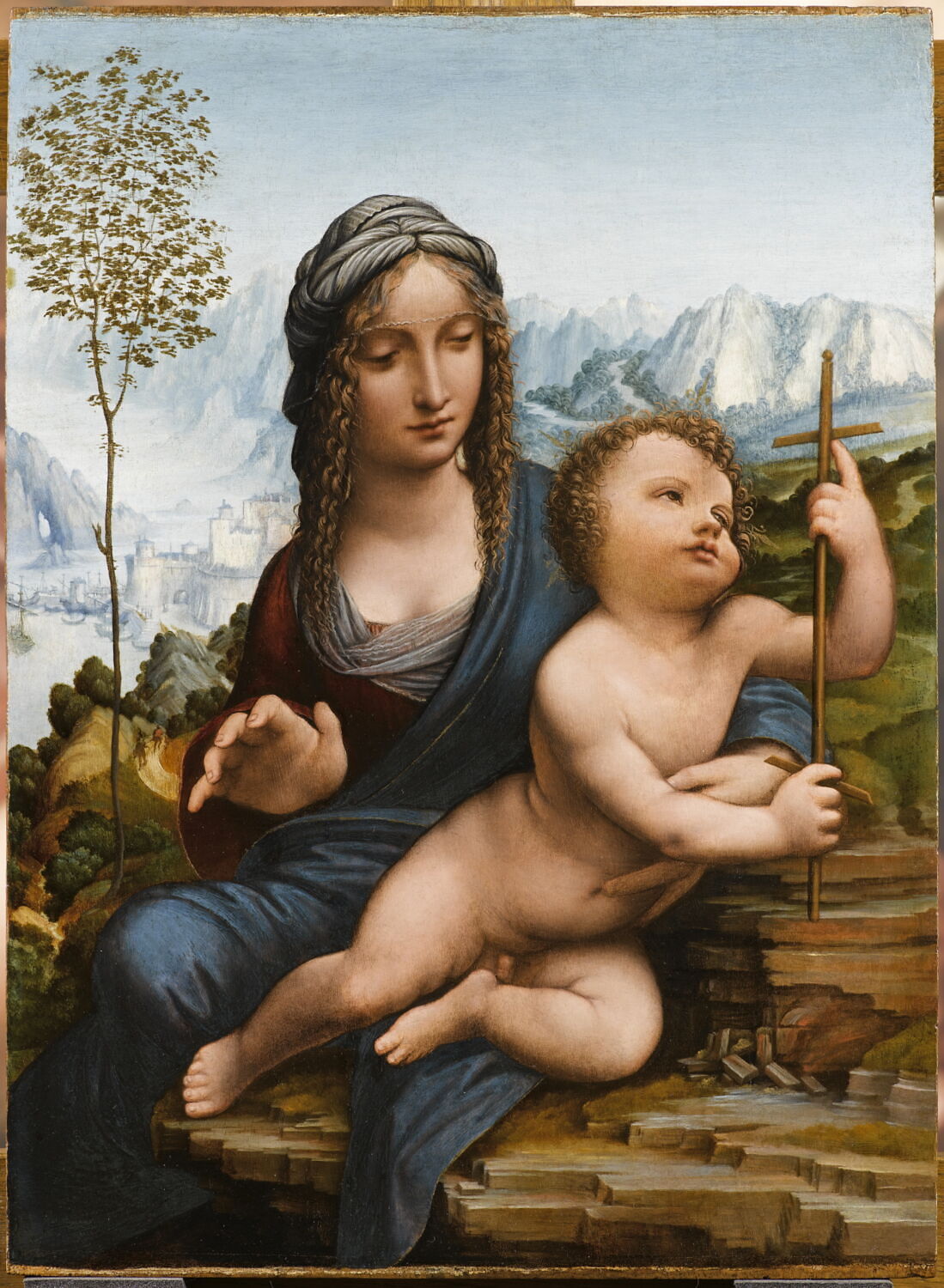
La Vierge et l'Enfant Jésus, dite Vierge au dévidoir ou Vierge aux fuseaux, Léonard de Vinci, XVIe siècle (vers 1505 - 1520)

Leonardo da Vinci

La Vierge et l'Enfant Jésus, dite Vierge au dévidoir ou Vierge aux fuseaux, XVIe siècle (vers 1505 - 1520)

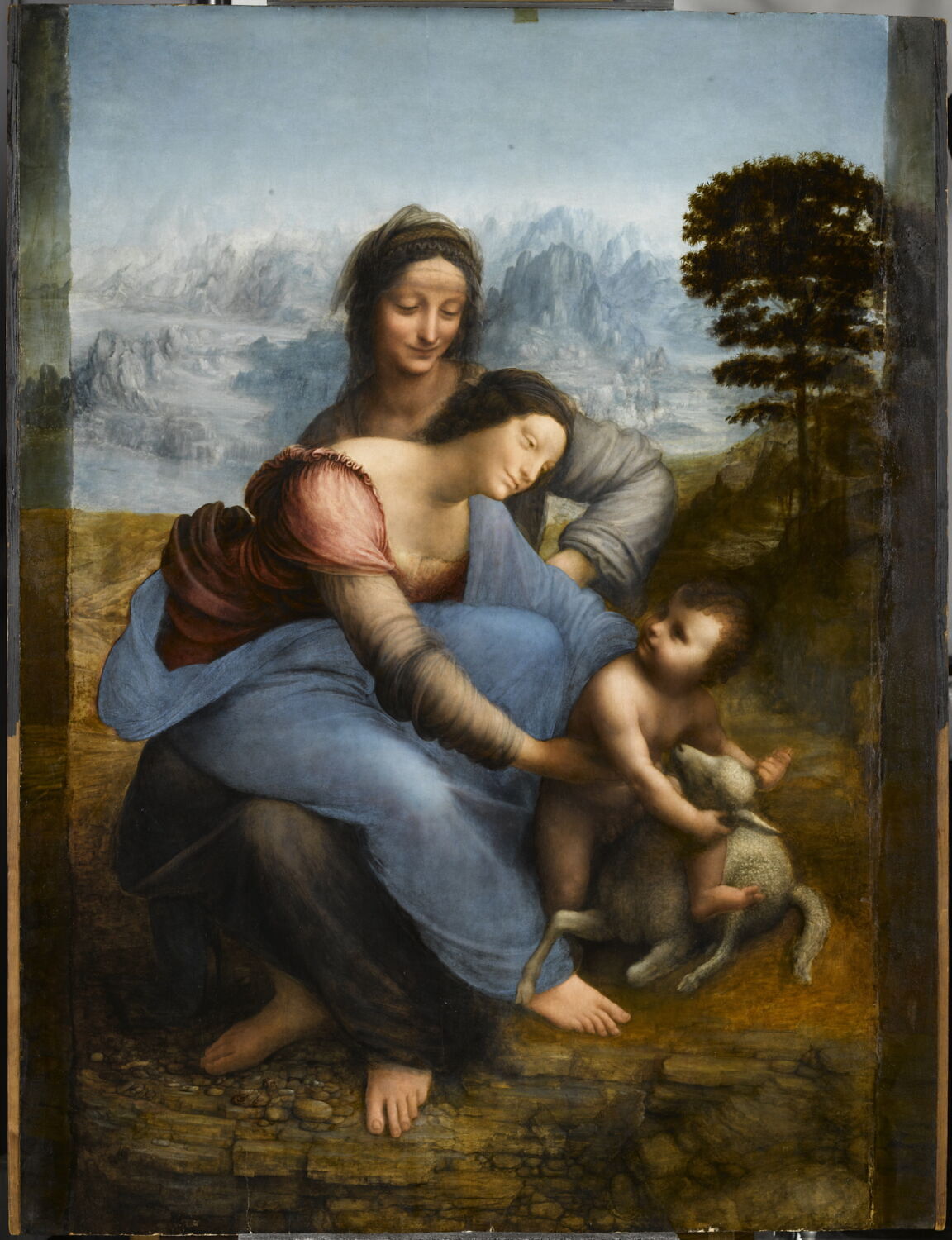
La Vierge, l'Enfant Jésus et sainte Anne, dit La Sainte Anne, Léonard de Vinci, 1e quart du XVIe siècle (vers 1503 - 1519)

Leonardo da Vinci

Anna Selbdritt, 1e quart du XVIe siècle (vers 1503 - 1519)

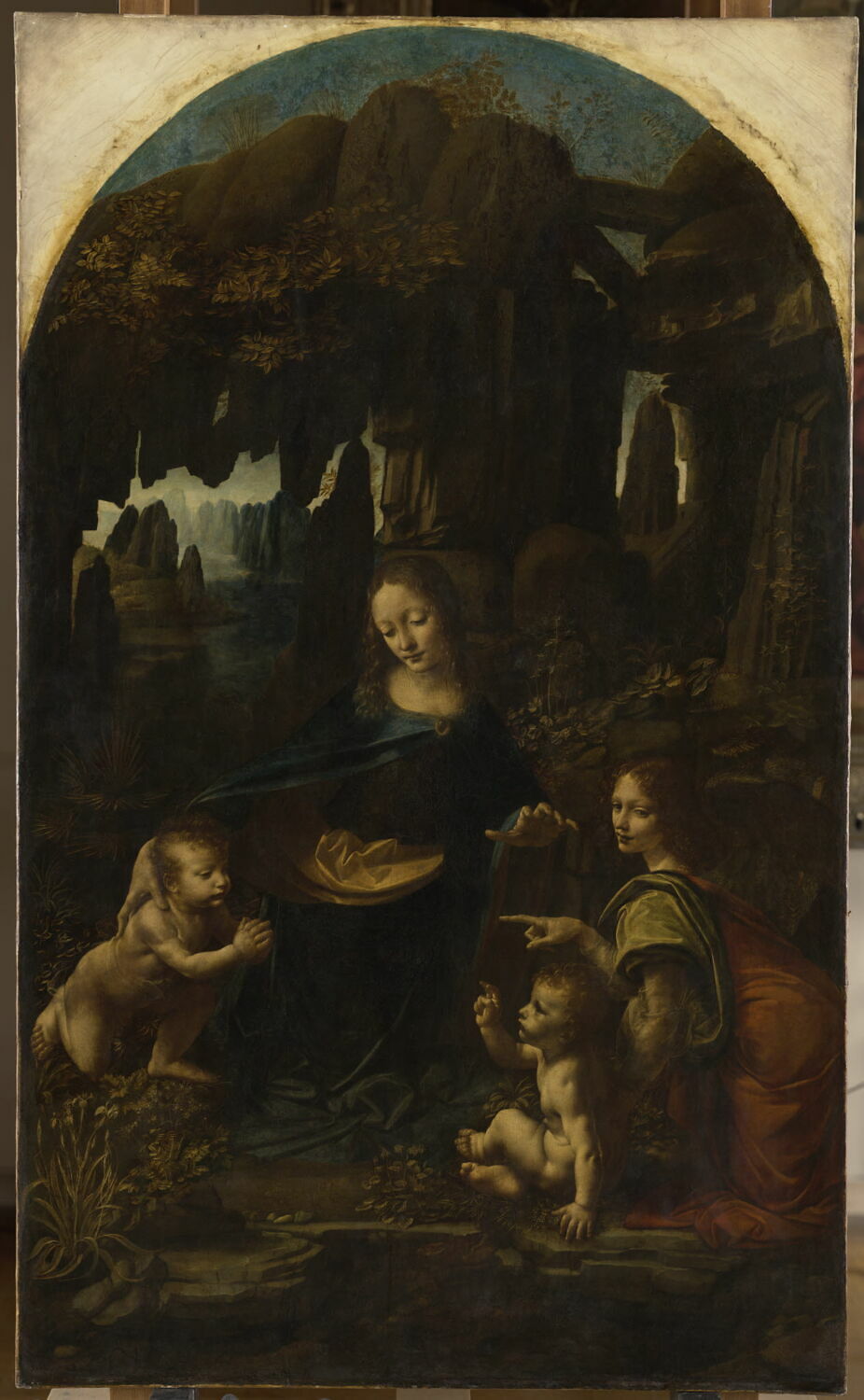
La Vierge, l'Enfant Jésus, saint Jean Baptiste et un ange, dit La Vierge aux rochers, Léonard de Vinci, 4e quart du XVe siècle (vers 1483 - 1494)

Leonardo da Vinci

La Vierge, l'Enfant Jésus, saint Jean Baptiste et un ange, dit La Vierge aux rochers, 4e quart du XVe siècle (vers 1483 - 1494)

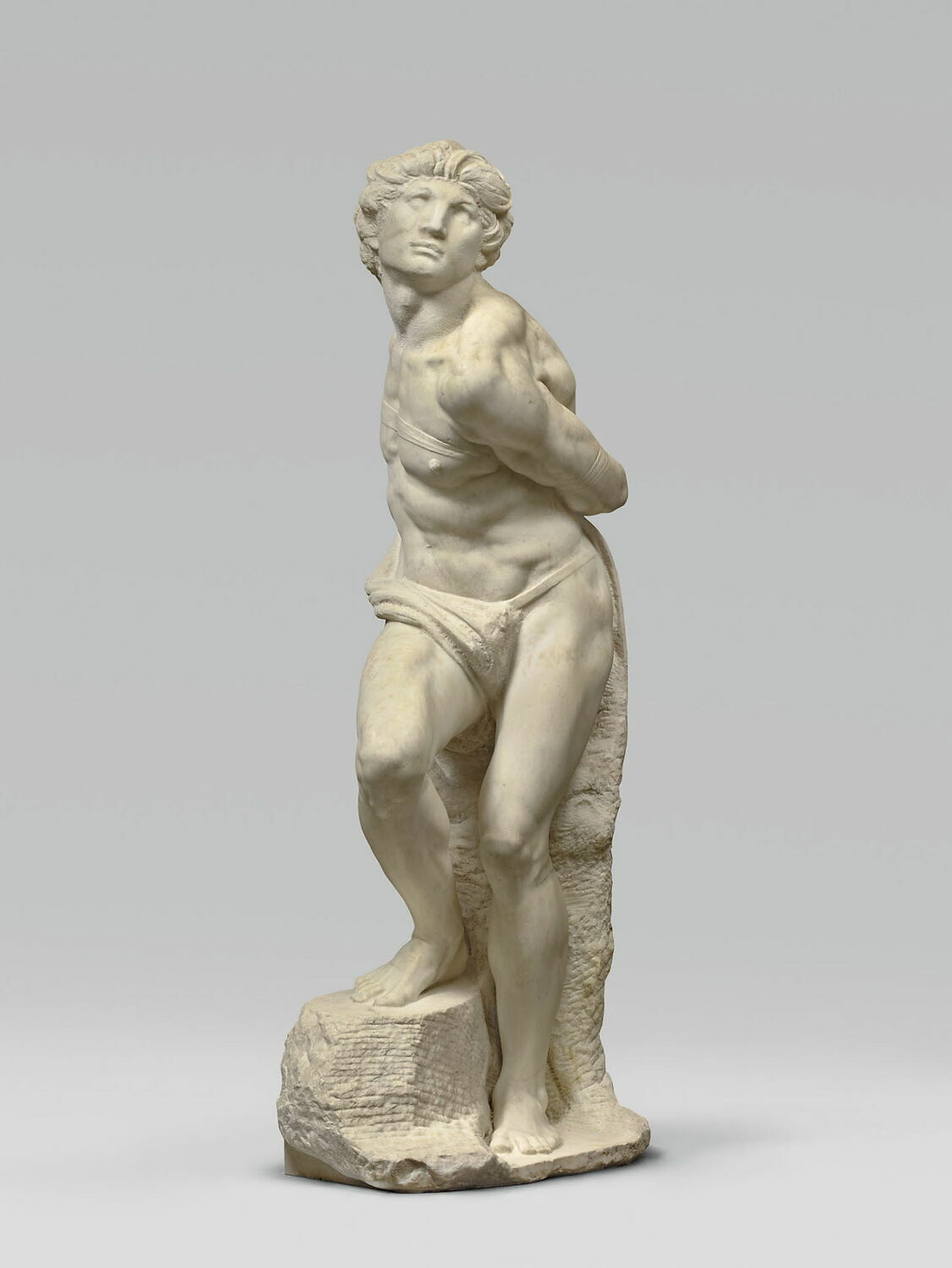
Esclave rebelle, Buonarroti, Michelangelo dit Michel-Ange, 1513 - 1515

Michelangelo

Rebellischer Sklave, 1513 - 1515

Esclave mourant, Buonarroti, Michelangelo dit Michel-Ange, 1513 - 1515

Michelangelo

Sterbender Sklave, 1513 - 1515