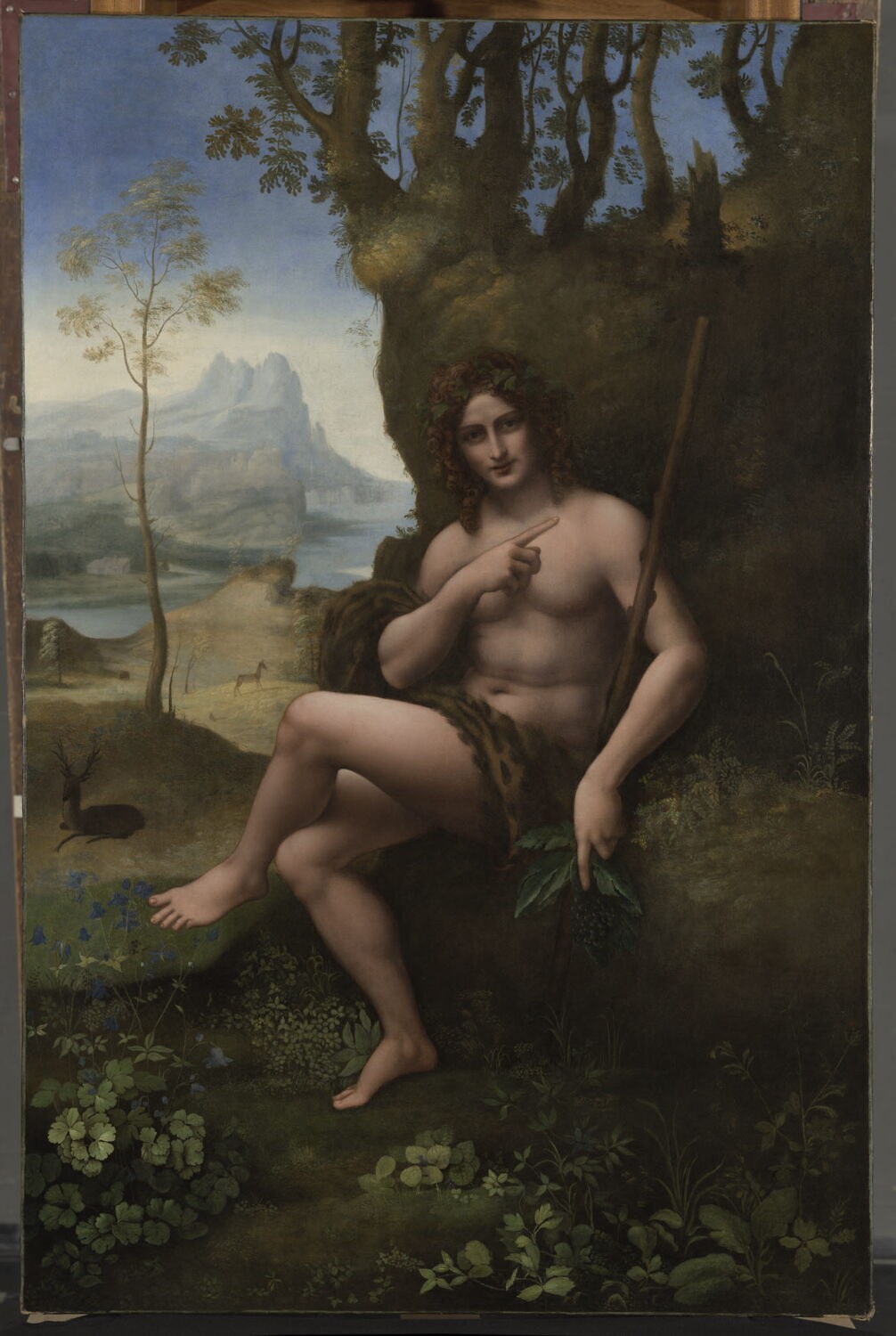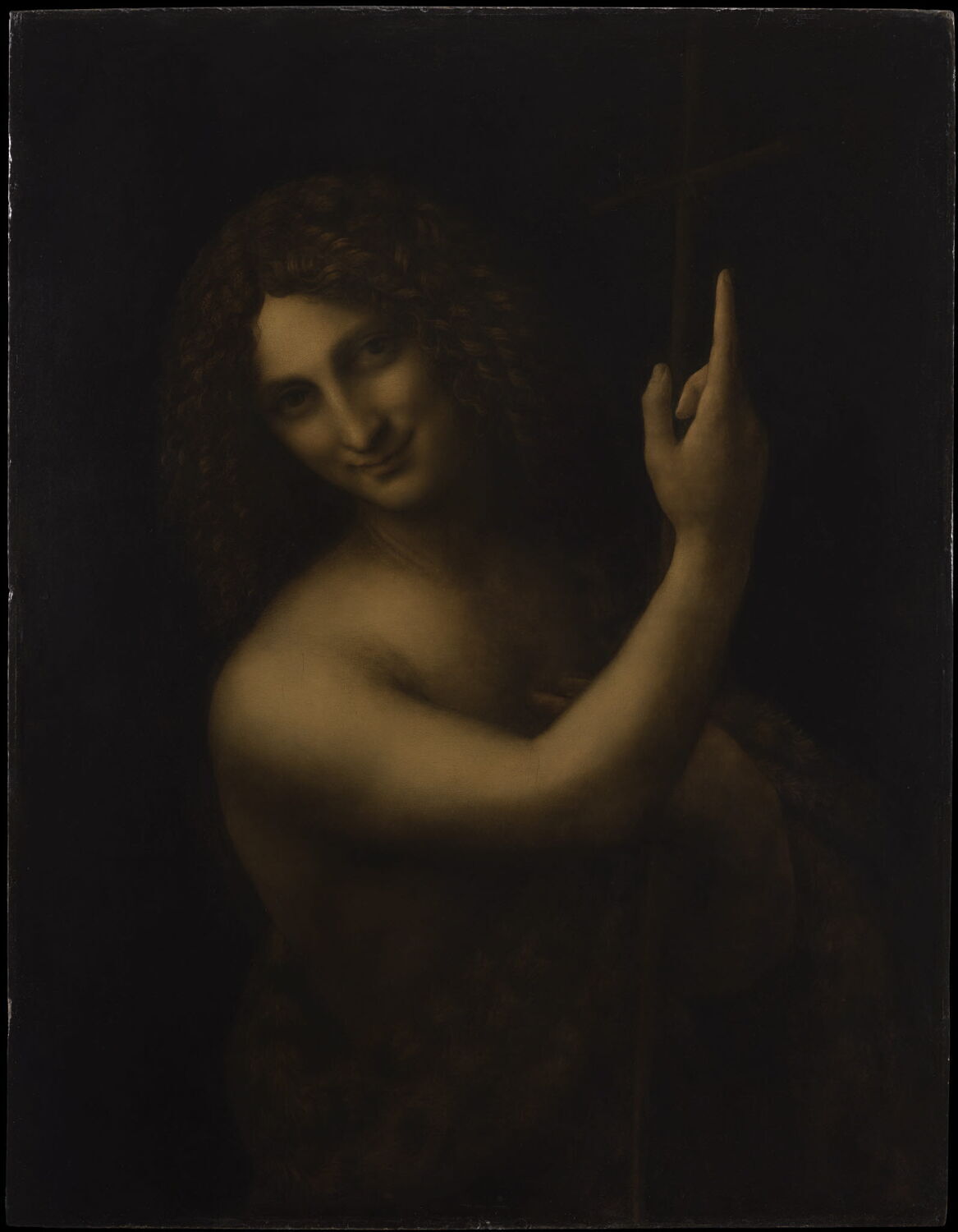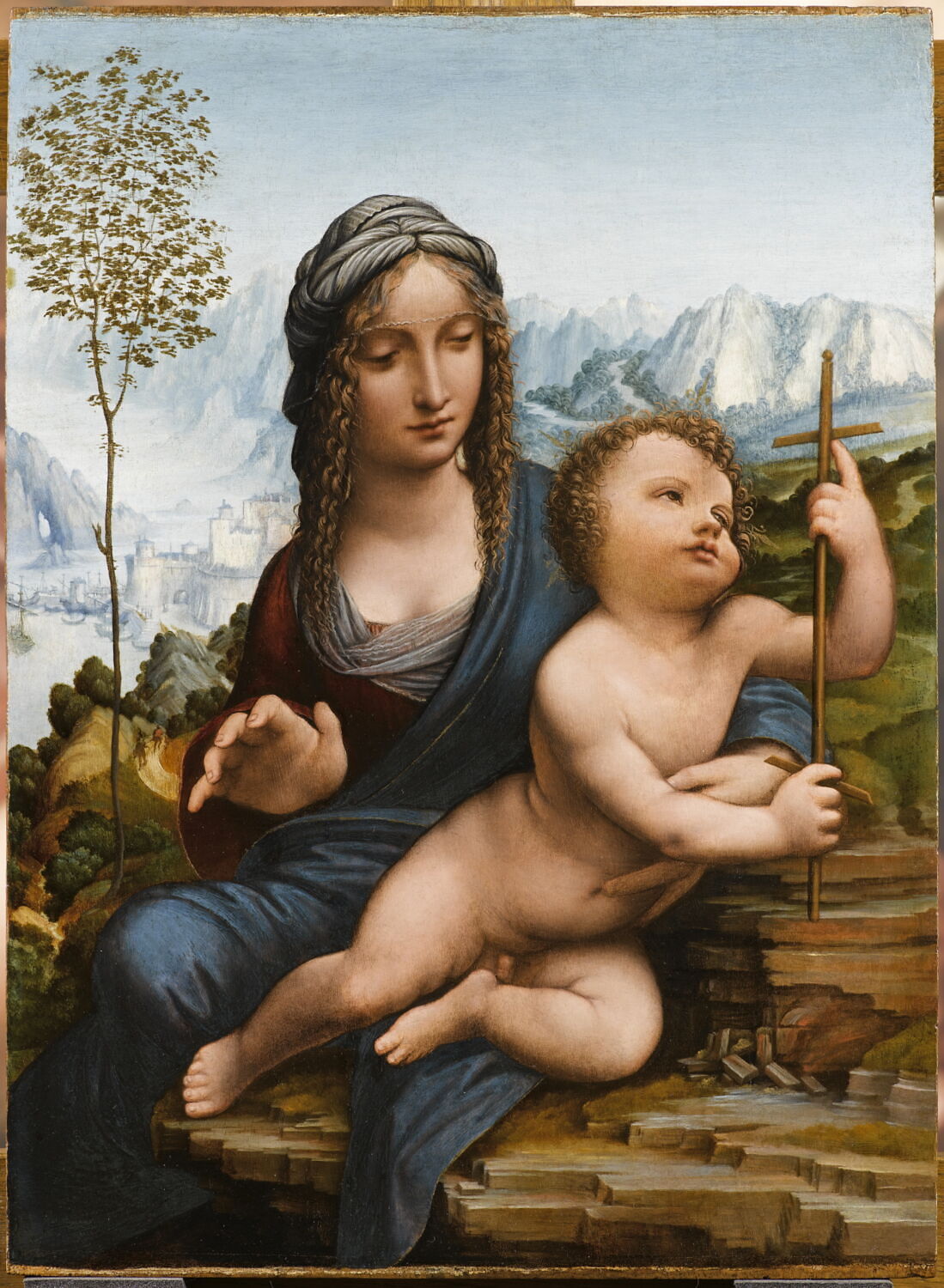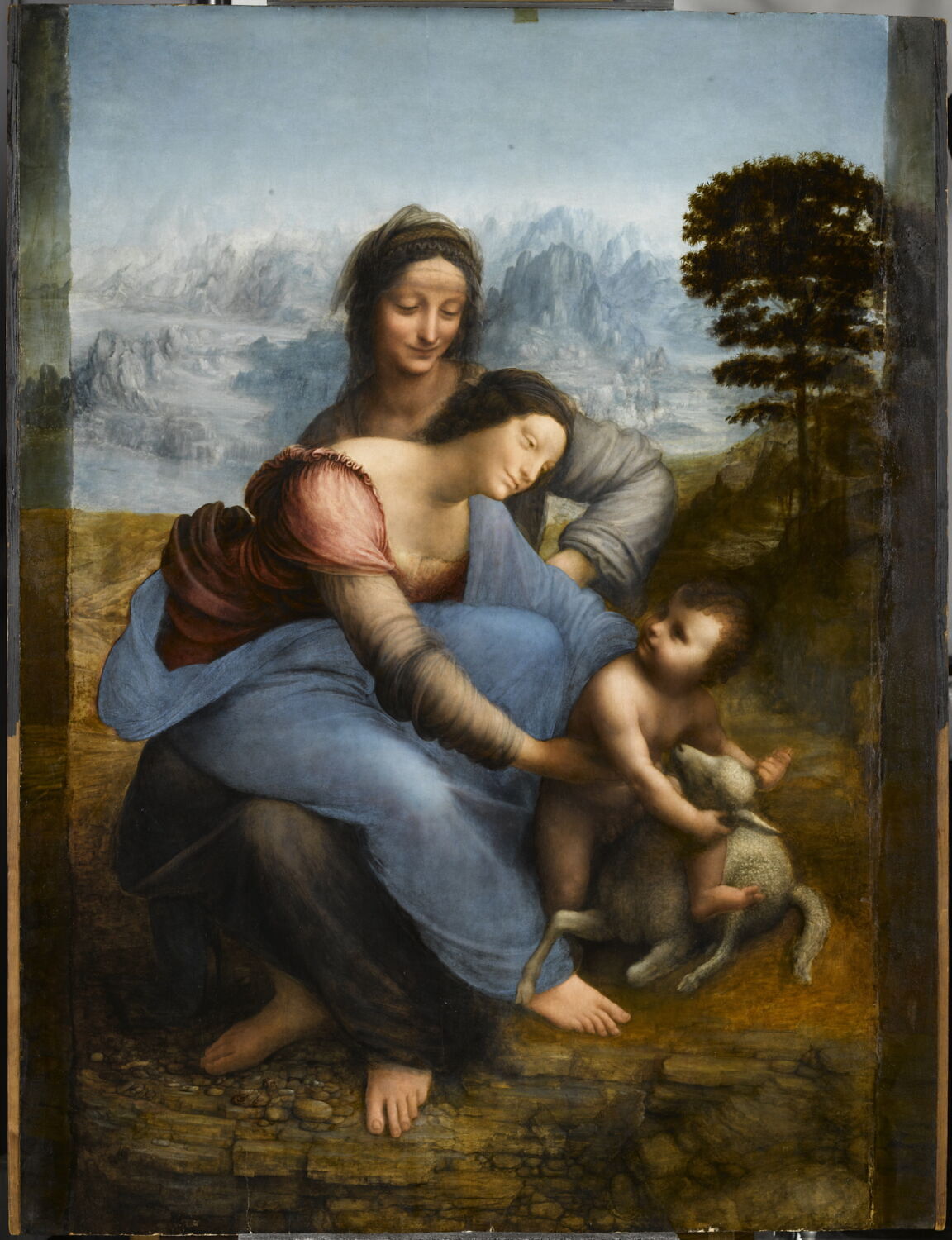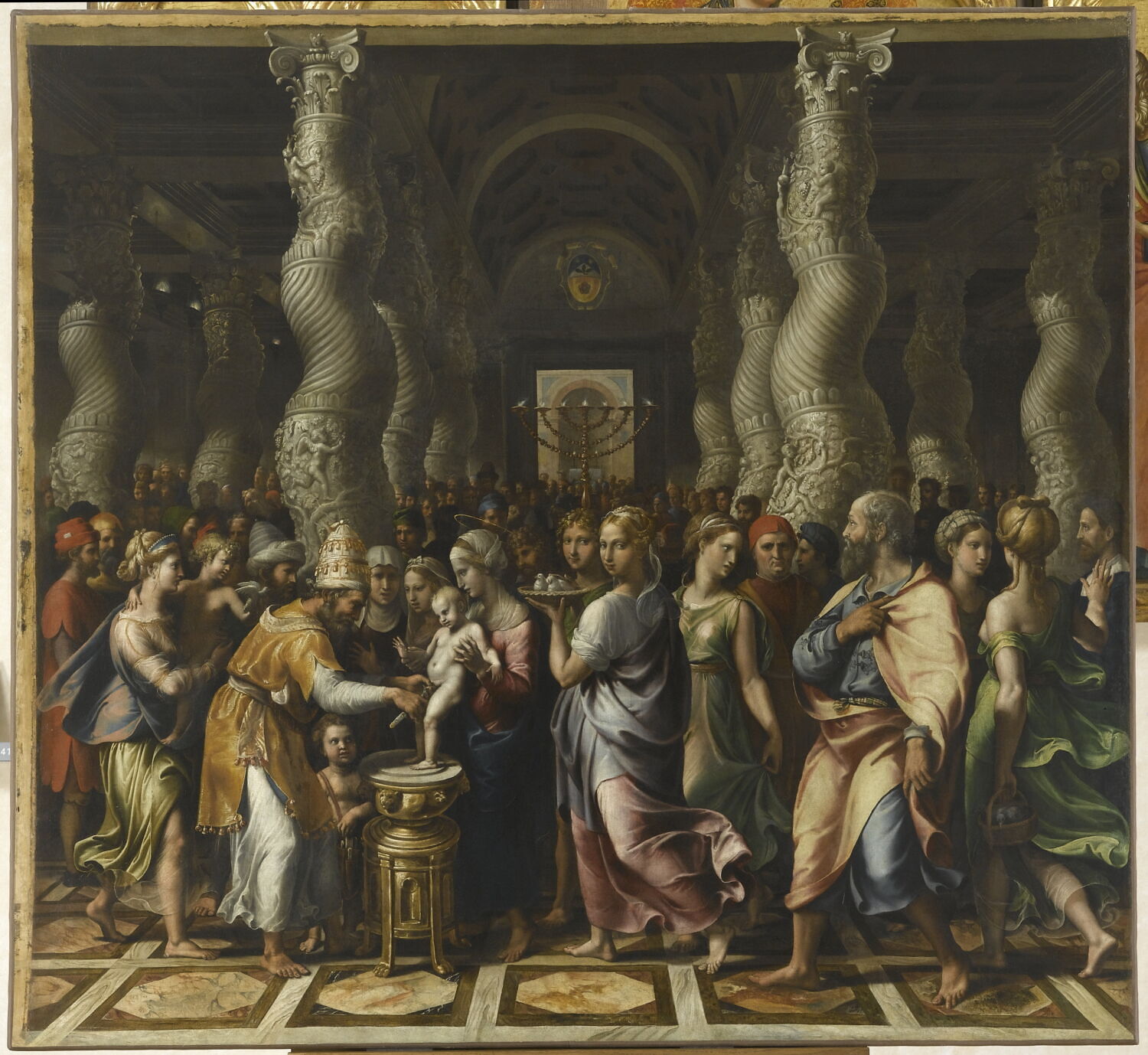
 Giulio RomanoItalien, 1499–1546
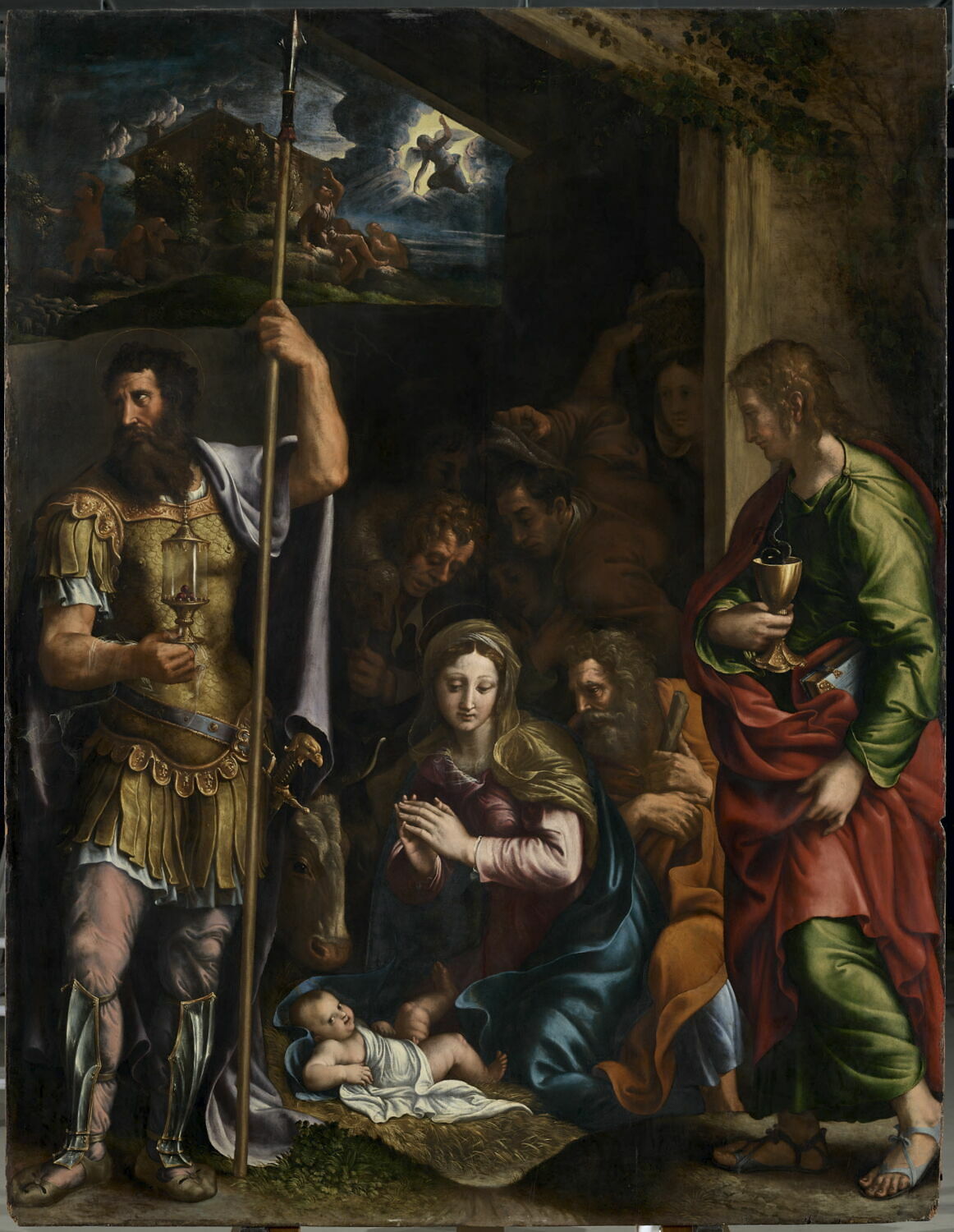
La Circoncision
Darf man es sehen?
Ja, es empfängt Besucher

Louvre
Saal710, Aile Denon, Niveau 1Paris, Frankreich
Öffentlich ausgestellt. Wer dafür bürgt, steht unten.
- Geprüft
- vor 8 Tagen
- Unverändert seit
- 26. Sept. 2026
- Quelle
- Sammlungsdaten des Museums selbst
Angaben
- Inventarnummer
- INV 518
Quellen
- Louvre: the museum's own open data · abgerufen vor 8 Tagen
- Bild: Louvre — © 2006 GrandPalaisRmn (musée du Louvre) / Gérard Blot
Derweil im Leben von Giulio Romano
Das ganze Leben1520
Inherits Raphael's workshop
After Raphael's early death, Giulio, under his master's will, inherited the workshop and its commissions together with his long-time collaborator Giovan Francesco Penni — the start of his independent career. He was entrusted with finishing the master's unfinished work, including the frescoes of the Hall of Constantine in the Vatican.
1520
Keeps the Vatican Stanze commission from Michelangelo
When Raphael died, Michelangelo tried to take over completing the frescoes of the Vatican Stanze, but Giulio, together with Perino del Vaga, kept the commission, since they held the drawings for much of the unfinished work.
1521
Federico II Gonzaga invites him to Mantua
On the recommendation of Baldassare Castiglione, man of letters and Raphael's patron, Federico II Gonzaga invited Giulio to Mantua as court painter. The ruler courted him from 1522, being especially attracted by his skill as an architect.
late 1524
Moves to Mantua
Having finished his Roman commissions, Giulio agreed in late 1524 to move to Mantua, where he stayed for the rest of his life. There, as a non-native artist, he came to be called after his origin, Giulio Romano, 'the Roman' (the name is also linked to his fame as a connoisseur of Roman antiquities).
1524
Scandal over “I Modi” engraved from his drawings
According to one of many versions, in 1524 Marcantonio Raimondi published engravings after sixteen erotic drawings by Giulio; the pope had the engraver arrested and all copies destroyed, while Pietro Aretino wrote a sonnet for each position and helped Raimondi out of prison. Giulio himself, according to Vasari, escaped Pope Clement's wrath only because he had already left for Mantua.
1526
Appointed prefect of Mantua's building works
The post of prefect of building works and 'superintendent of the city streets' put him in charge of all the court's architecture and art — from frescoes to the fanciful inventions fashionable at the Mannerist courts of Europe.