 Arkhip KuindzhiUkraine, 1842–1910
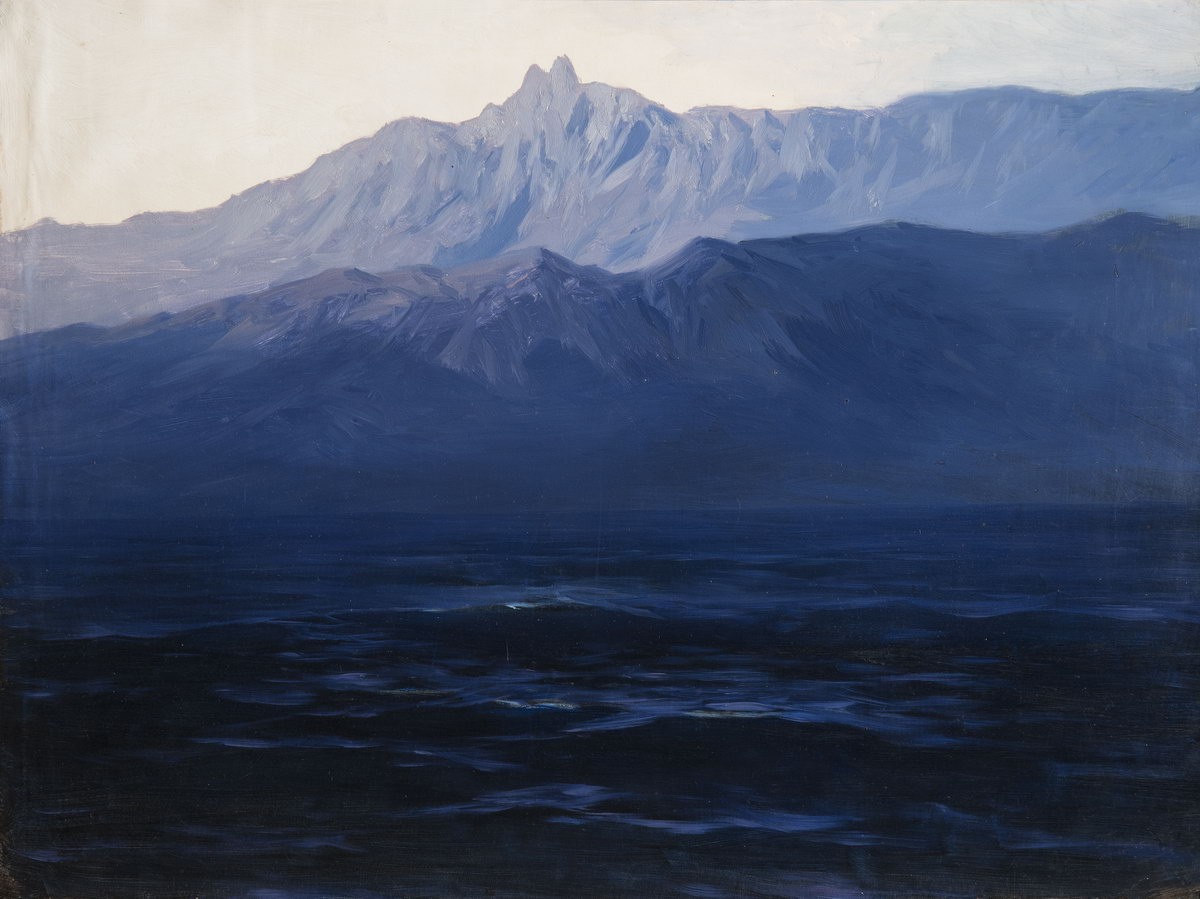
Крым
Darf man es sehen?
Unbekannt

Sankt Petersburg, Russland
Der Besitzer ist bekannt; ob das Werk derzeit ausgestellt ist, nicht.
- Unverändert seit
- Quelle
- Das Museum
Über das Gemälde
In den Worten des Museums — auf Russisch
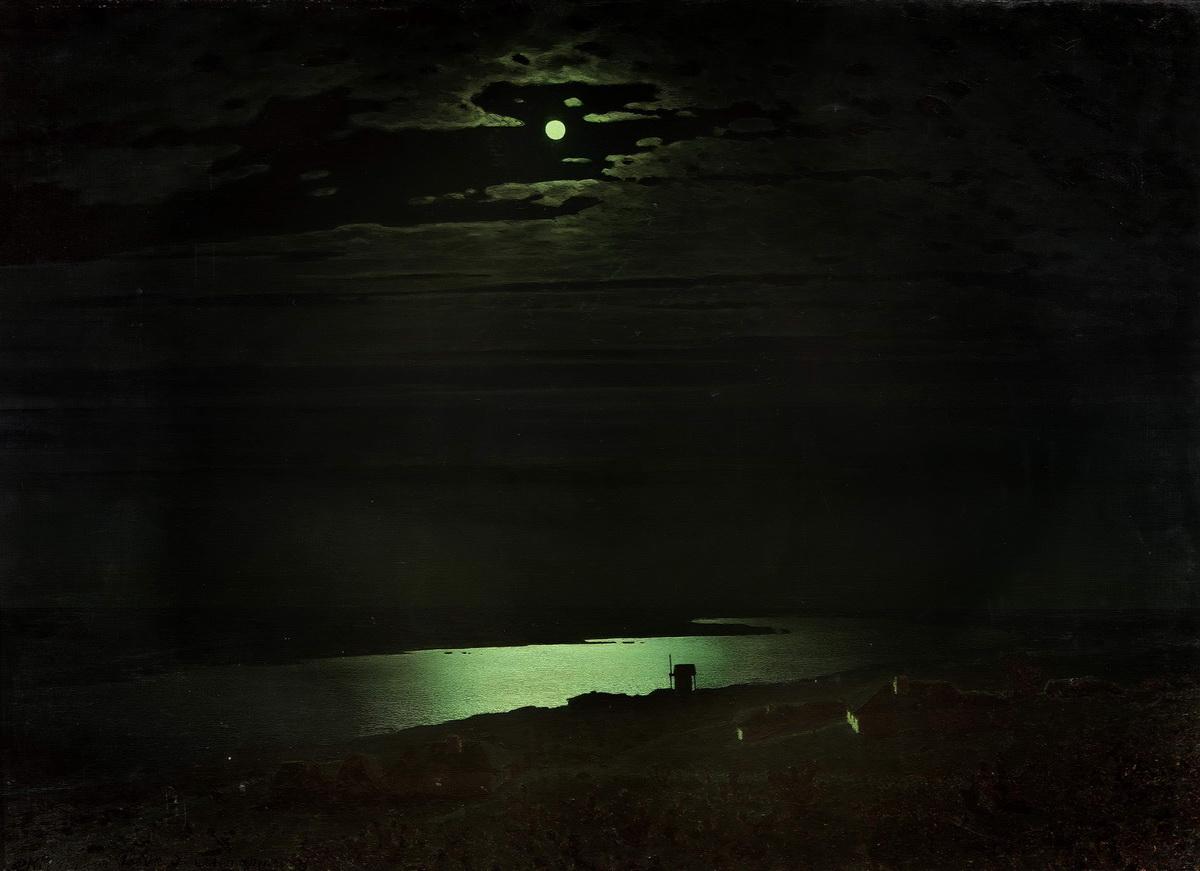
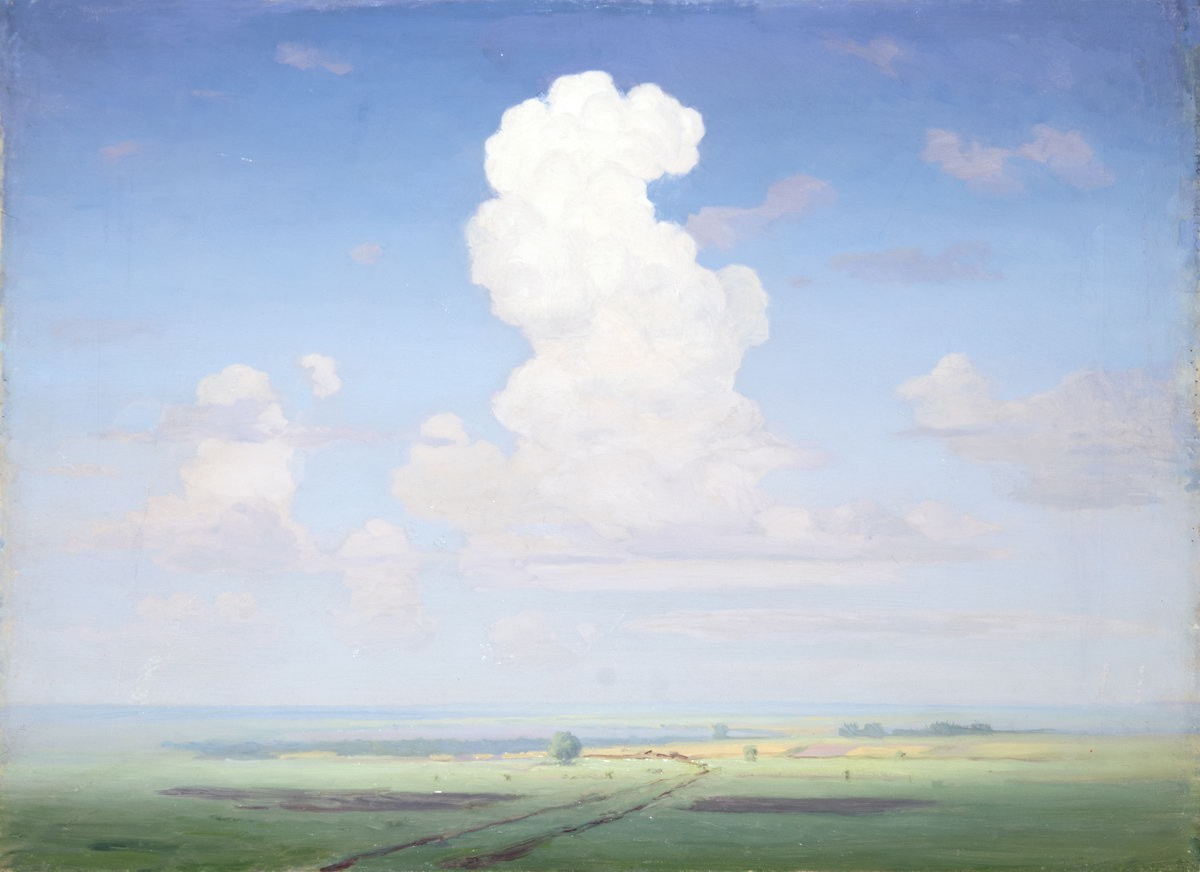
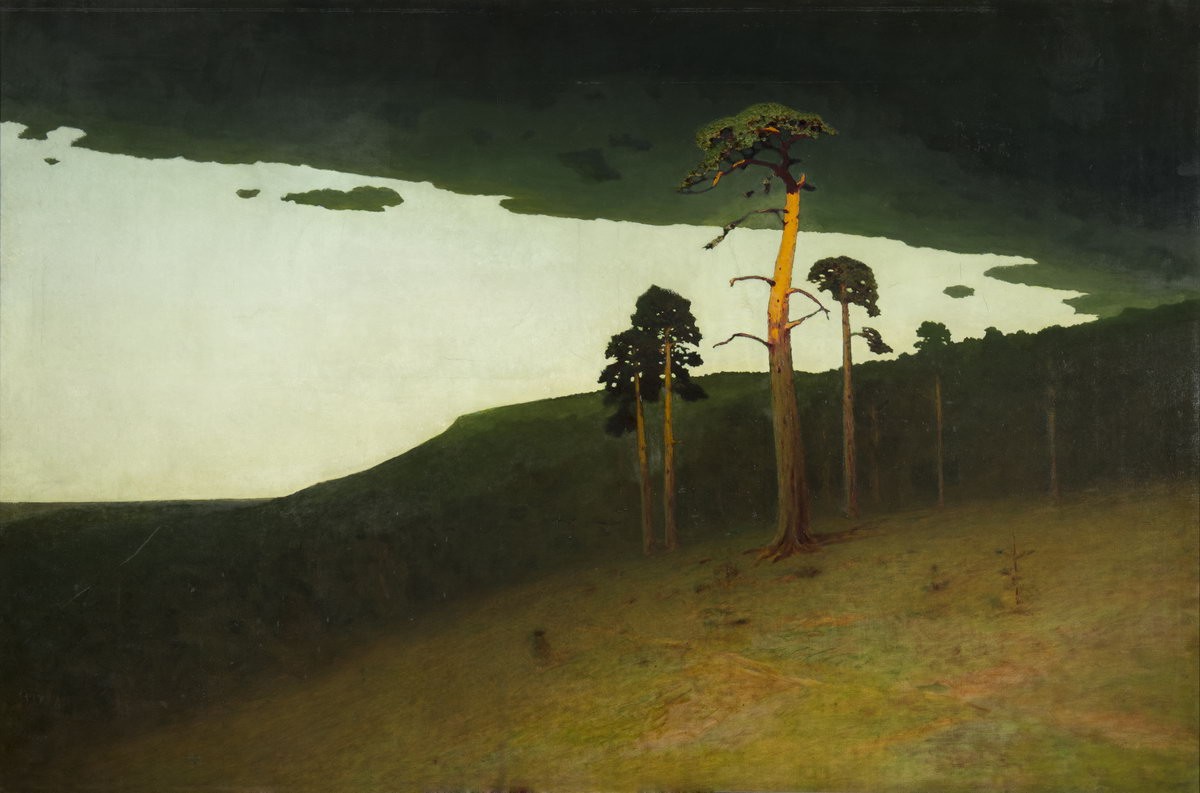
Контраст света и тени был одним из главных изобразительных приемов Архипа Куинджи — самого популярного мастера эффектного пейзажа в русской живописи последней четверти XIX — начала XX века. Сравнивая его произведения «После дождя» (Ж-1520) или «Радуга» (Ж-1530) с аналогичными работами современников, нетрудно заметить необычайную выразительность пейзажных образов, построенных на контрастном сочетании больших светоносных и цветовых плоскостей. Четкая выверенная линия придавала монументальные черты большим живописным формам в крупноформатных полотнах «Облака» (ЖБ-774) , «Крым» (ЖБ-775) , «Ночное» (Ж-4196) и других. Однако, как справедливо отмечал Илья Репин, для Куинджи « свет — очарование, и сила света, его иллюзия были его целью ». Это подтвердил феноменальный успех картины «Лунная ночь на Днепре» (Ж-4191) , которой был посвящен столичный вернисаж 1880 года. Сергей Кривонденченков. Преображенная природа // Преображенная природа. СПб, 2020. С. 10.
Mehr lesen
Усилившиеся у Куинджи в поздние годы декоративные искания ярко проявились в крупноформатном неоконченном полотне „Крым“ (1900—1905). Стремление к большим цветовым пятнам, к подчеркиванию линии, силуэта, к плоскостному построению пространства, к монументальности роднит это произведение с работами ряда других художников начала ХХ века. Куинджи стоял у истоков одного из направлений нового пейзажа, отмеченного тенденцией к декоративности, которое развили его ученики. Ирина Шувалова. Куинджи в Русском музее // Архип Куинджи. СПб, 2010. С.18.
Russisches Museum
Angaben
- Inventarnummer
- ЖБ-775
Was es zeigt
Im Katalog
Quellen
- Russisches Museum
- Bild: Russisches Museum — © State Russian Museum
Derweil im Leben von Arkhip Kuindzhi
Das ganze Leben1882–1901
Twenty years of seclusion
The reasons for the seclusion are unknown; he was probably tired of the fuss and of accusations of cheap effects. The public thought he had exhausted himself, but he worked tirelessly, searching for pigments and grounds resistant to the air, and created about five hundred sketches and finished works and about three hundred graphic works.
1901
Breaks his seclusion: four paintings
In 1901 Kuindzhi showed his students, and then some friends, four paintings: the finished “Evening in Ukraine”, “Christ in the Garden of Gethsemane”, the third version of “The Birch Grove” and the already known “The Dnieper in the Morning”. The viewers were enraptured, and people talked of the artist again.
1901
Cape Kuindzhi on Novaya Zemlya
In 1901 members of the expedition of the painter A. A. Borisov surveyed a cape on Novaya Zemlya in the Kara Sea and named it Cape Kuindzhi.
1901
The last public exhibition
In November 1901 the last public exhibition of Kuindzhi’s work took place; after it nobody saw his new paintings until his death. Witnesses explained this by his fear of sceptical visitors, but the explanation satisfied few.
1904
A gift to the Academy: 100,000 roubles for prizes
In 1904 Kuindzhi gave the Academy of Arts 100,000 roubles to fund 24 annual prizes.