
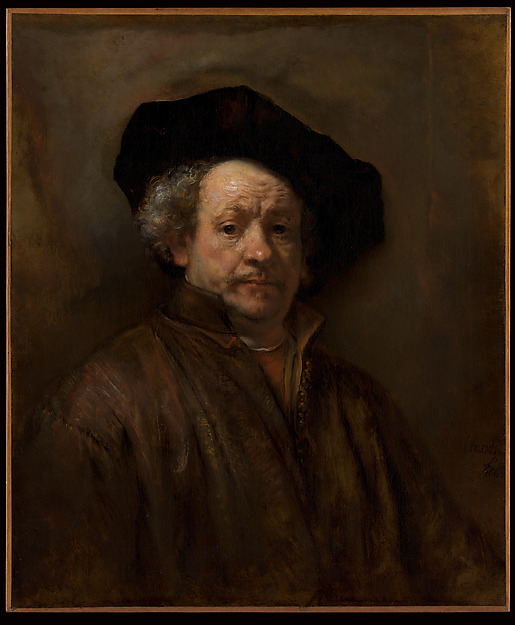
 Rembrandt van RijnNiederlande, 1606–1669
Jahangir
Kann ich es sehen?
Unbekannt
Wo ist „Jahangir“ heute? Sammlung: Rijksmuseum Amsterdam, Amsterdam. Unbekannt.

Amsterdam, Niederlande
Der Besitzer ist bekannt; ob das Werk derzeit ausgestellt ist, nicht.
- Quelle
- Das Museum
Über das Werk
These are 4 of the 23 still extant copies Rembrandt made of Indian miniatures. He could have seen the precious originals at the home of a wealthy collector. They were popular collector’s items, in particular the miniatures of famous rulers, such as the emperor of the Indian Mughal empire Jahangir (1569-1629) and his successor, Shah Jahan (1592-1666), responsible for building the Taj Mahal.
Rijksmuseum Amsterdam
Angaben
- Inventarnummer
- RP-T-1961-82
Was es zeigt
Im Katalog
Quellen
- Rijksmuseum Amsterdam
- Bild: Rijksmuseum Amsterdam — public domain
Im Leben von Rembrandt van Rijn
Das ganze Leben1631–1669 · Wirkungsort
Amsterdam
1639–1658 · Wohnort
Rembrandt House Museum
1654
Birth of His Daughter Cornelia
In 1654 Rembrandt and Hendrickje's daughter Cornelia was born; the parish council censured Hendrickje for "sinful cohabitation" with the artist.
1656
Declaration of Insolvency
Under pressure from creditors, Rembrandt declared himself insolvent (cessio bonorum) in July 1656 and voluntarily surrendered his property; by that time he had already transferred the house to his son.
1657–1658
Sale of His Property and Collection
Rembrandt's property and art collection were sold at auction; the detailed inventory listed 363 items — paintings, prints, antique busts, weapons, textiles, and exotic objects.
1658
Move to the Rozengracht
After the house was sold at auction, the family left the prestigious Jodenbreestraat and moved to modest rented lodgings on the Rozengracht — a district of craftsmen and artists, where Rembrandt lived until the end of his life.


