ART WIKI32.963 ausgestellt
KarteSammlungKünstlerMuseenAusstellungenJournal
Anmelden

ART WIKI

Wo das Meisterwerk hängt und wann man vorgelassen wird.

Sammlungen: Art Institute of Chicago, Cleveland Museum of Art, Eremitage, Getty Villa, Harvard Art Museums, Hirshhorn Museum and Sculpture Garden, J. Paul Getty Museum, Louvre, Metropolitan Museum of Art, Minneapolis Institute of Art, Museum of Modern Art, National Gallery of Art, National Museum of Asian Art, National Portrait Gallery, Puschkin-Museum, Rijksmuseum Amsterdam, Russisches Museum, Smithsonian American Art Museum, Statens Museum for Kunst, Tretjakow-Galerie, Victoria and Albert Museum, Whitney Museum of American Art, Staatskatalog des Museumsfonds Russlands (274 Museen), Europeana (19 Museen), Wikidata (6 Museen), Paris Musées (12 Museen) und Joconde, die Museumsdatenbank des französischen Kulturministeriums (495 Museen). Die Bilder gehören ihren Rechteinhabern.

Rubriken

  • Karte
  • Suche
  • Sammlung
  • Meisterwerke
  • Jetzt ausgestellt
  • Künstler

Mehr

  • Museen & Galerien
  • Ausstellungen
  • Journal
  • Woher die Daten stammen
  • Datenschutz & Cookies
StartseiteKarteKatalog
  1. Sammlung/
  2. Louvre/
  3. Ivoire d’Arslan Tash inscrit
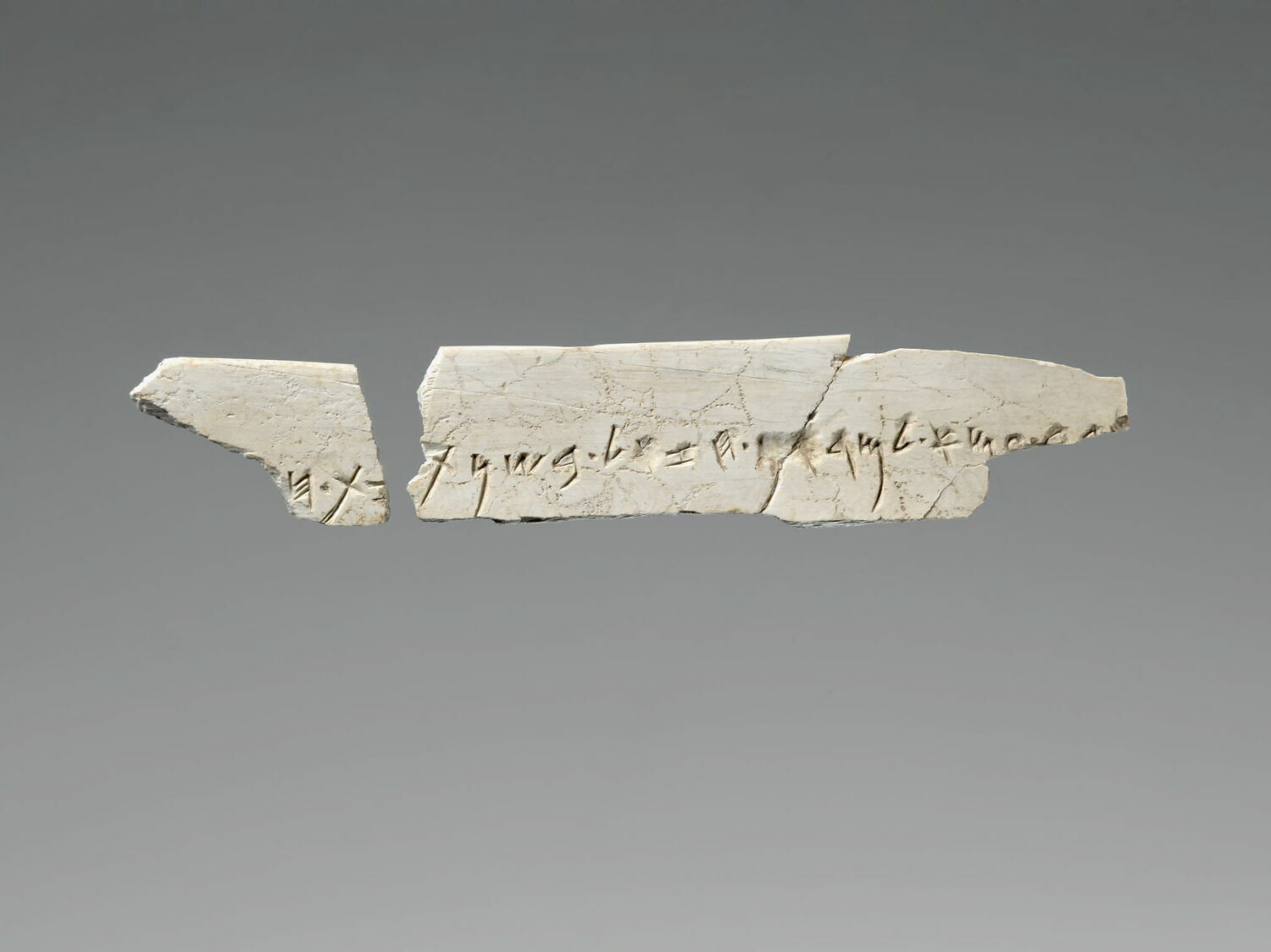
Ivoire d’Arslan Tash inscrit, Néo-assyrien (-800 - -700)

Ivoire d’Arslan Tash inscrit

Néo-assyrien (-800 - -700) · Antiquités orientales

Darf man es sehen?

Ja, es empfängt Besucher

Louvre

Paris, Frankreich

Saal230, Aile Richelieu, Niveau 0

Öffentlich ausgestellt. Wer dafür bürgt, steht unten.

Geprüft
vor 12 Tagen
Unverändert seit
26. Sept. 2026
Quelle
Das Museum
Auf der KarteMuseumsseite

Über die Skulptur

Arslan Tash ivory inscription is a small ivory plaque with an Aramaic language inscription found in 1928 in Arslan Tash in northern Syria (ancient Hadātu) by a team of French archaeologists led by François Thureau-Dangin.

It has been dated to the late 9th century BCE, on the basis of the name "Hazael" in the inscription, who has been speculated to be the Biblical Hazael of Aram-Damascus. The inscription is known as KAI 232.

The plaque, along with many other ivory items, was found on the site of a palace from the 8th century BC belonging to the city's Neo-Assyrian governor.

Three parts of the plaque have been found; two parts fit together, the third one does not. The two joined parts together are 2 cm high and 7.9 cm long, while the third part is 1.9 cm high and 3.2 cm long. The entire inscription on the plate is usually reconstructed as follows:

Weiterlesen

This... son of Amma, engraved for our lord Hazael in the year...

Currently, the plaque is in the Louvre collection under the inventory number AO 11489.

Wikipedia · CC BY-SA

Angaben

Inventarnummer
AO 11489

Im Katalog

SkulpturElfenbein

Quellen

  • Louvre
  • Bild: Louvre — © 2011 Musée du Louvre, Dist. GrandPalaisRmn / Raphaël Chipault
Nachbarn im Haus: Louvre

Museumsseite
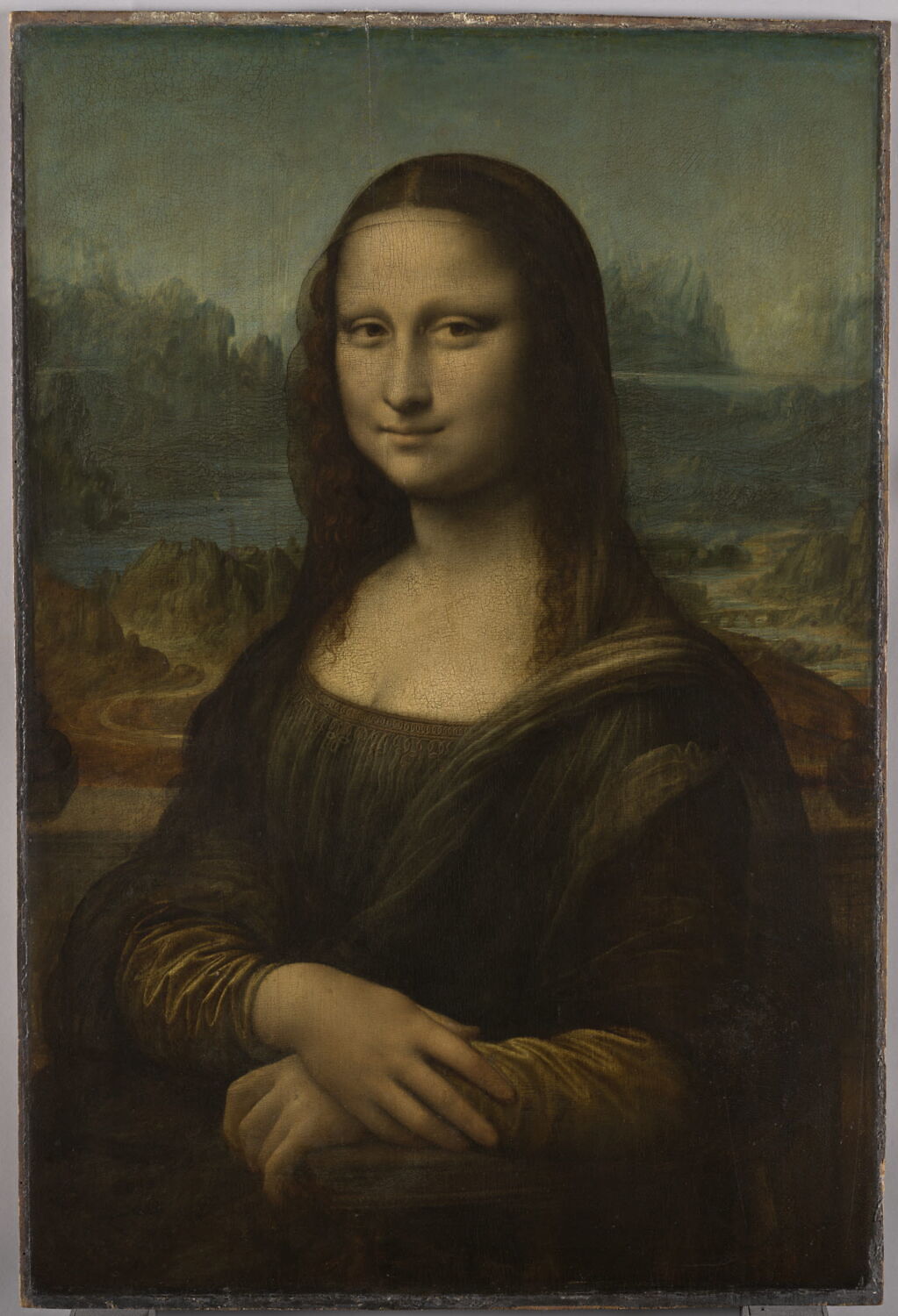
Portrait de Lisa Gherardini, épouse de Francesco del Giocondo, dit La Joconde ou Monna Lisa, Léonard de Vinci, 1e quart du XVIe siècle (1503 - 1519)

Leonardo da Vinci

Mona Lisa, 1e quart du XVIe siècle (1503 - 1519)

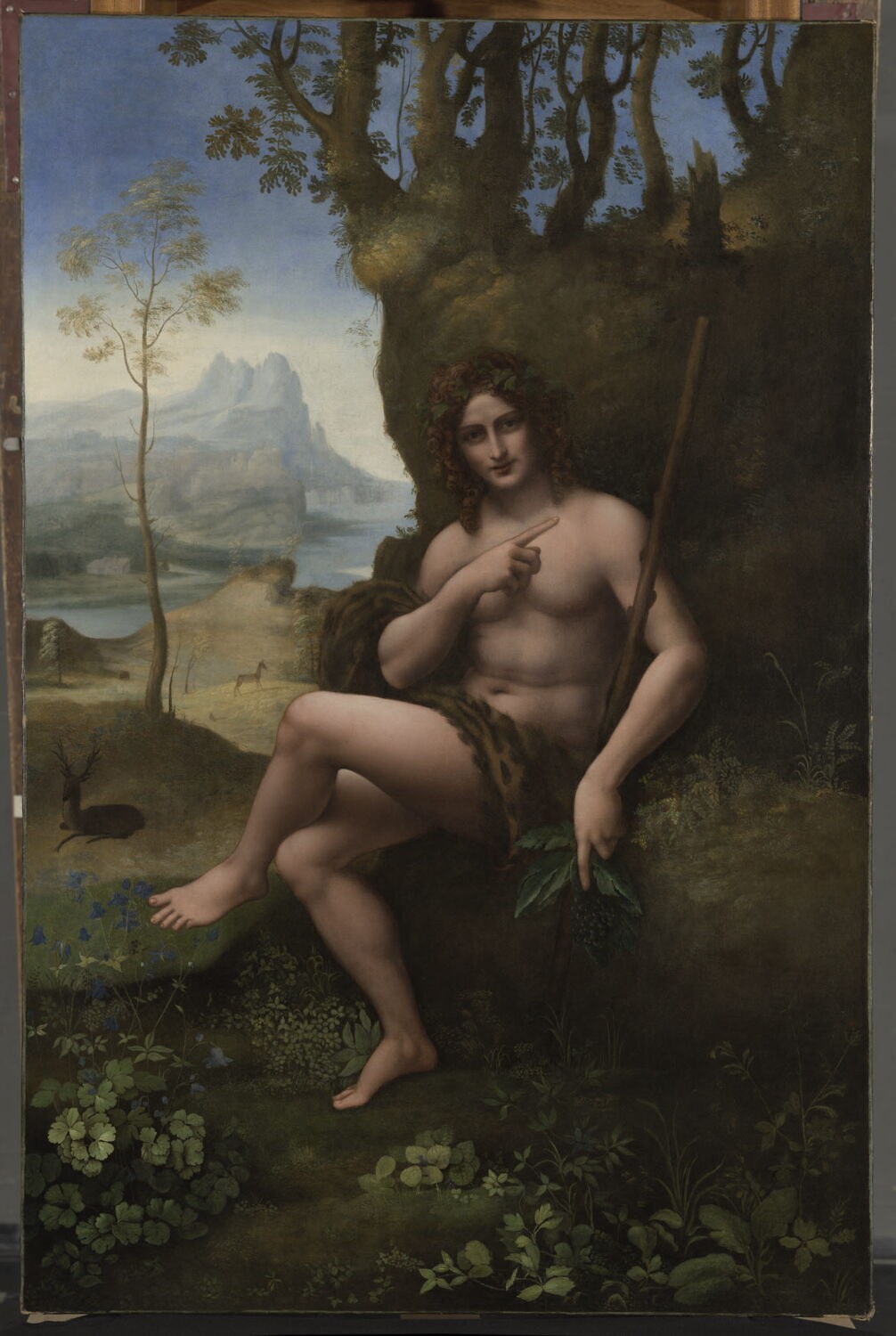
Saint Jean Baptiste, Léonard de Vinci, 1e quart du XVIe siècle (vers 1517 - 1520)

Leonardo da Vinci

Bacchus, 1e quart du XVIe siècle (vers 1517 - 1520)

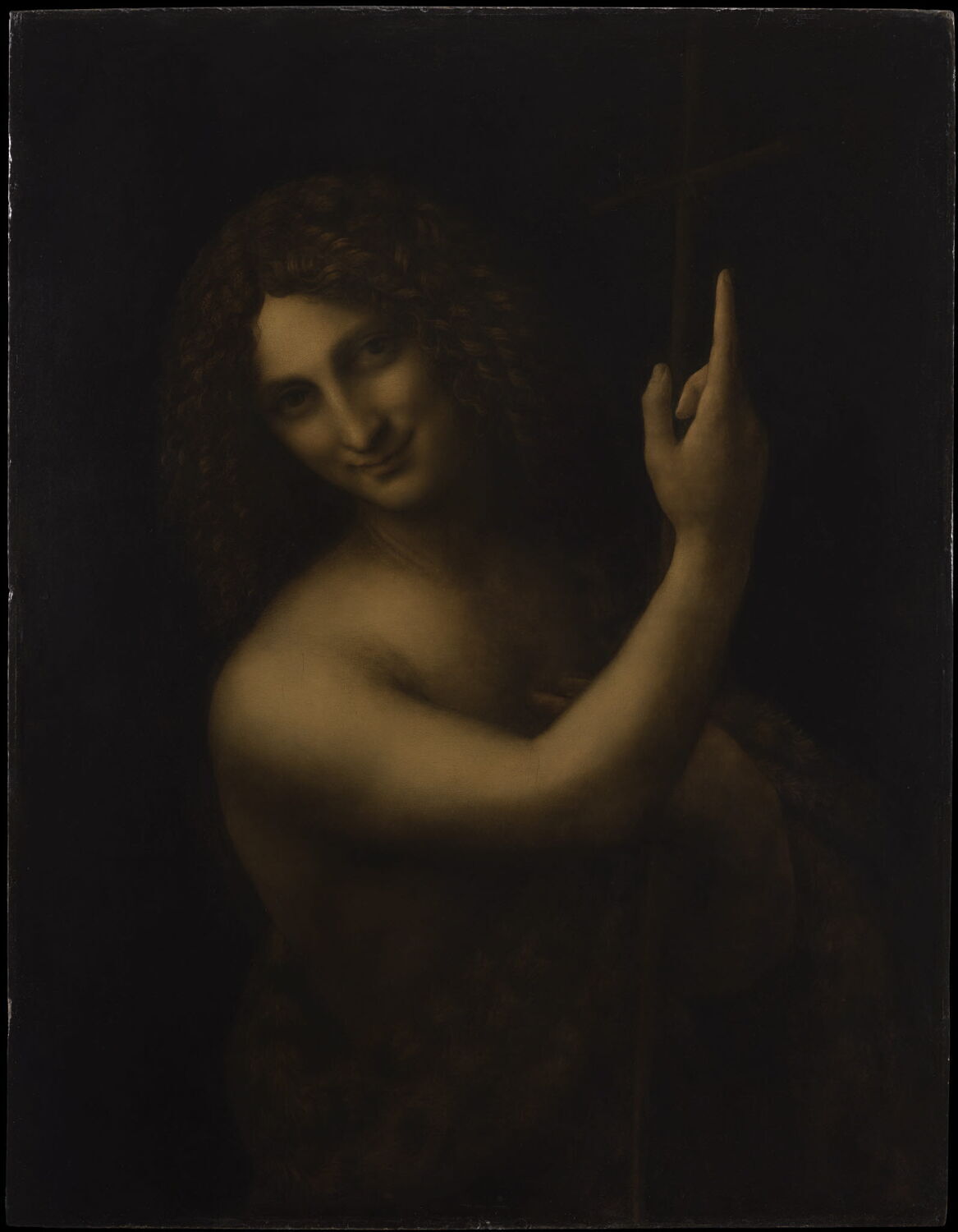
Saint Jean Baptiste, Léonard de Vinci, 1e quart du XVIe siècle (vers 1508 - 1519)

Leonardo da Vinci

Johannes der Täufer, 1e quart du XVIe siècle (vers 1508 - 1519)

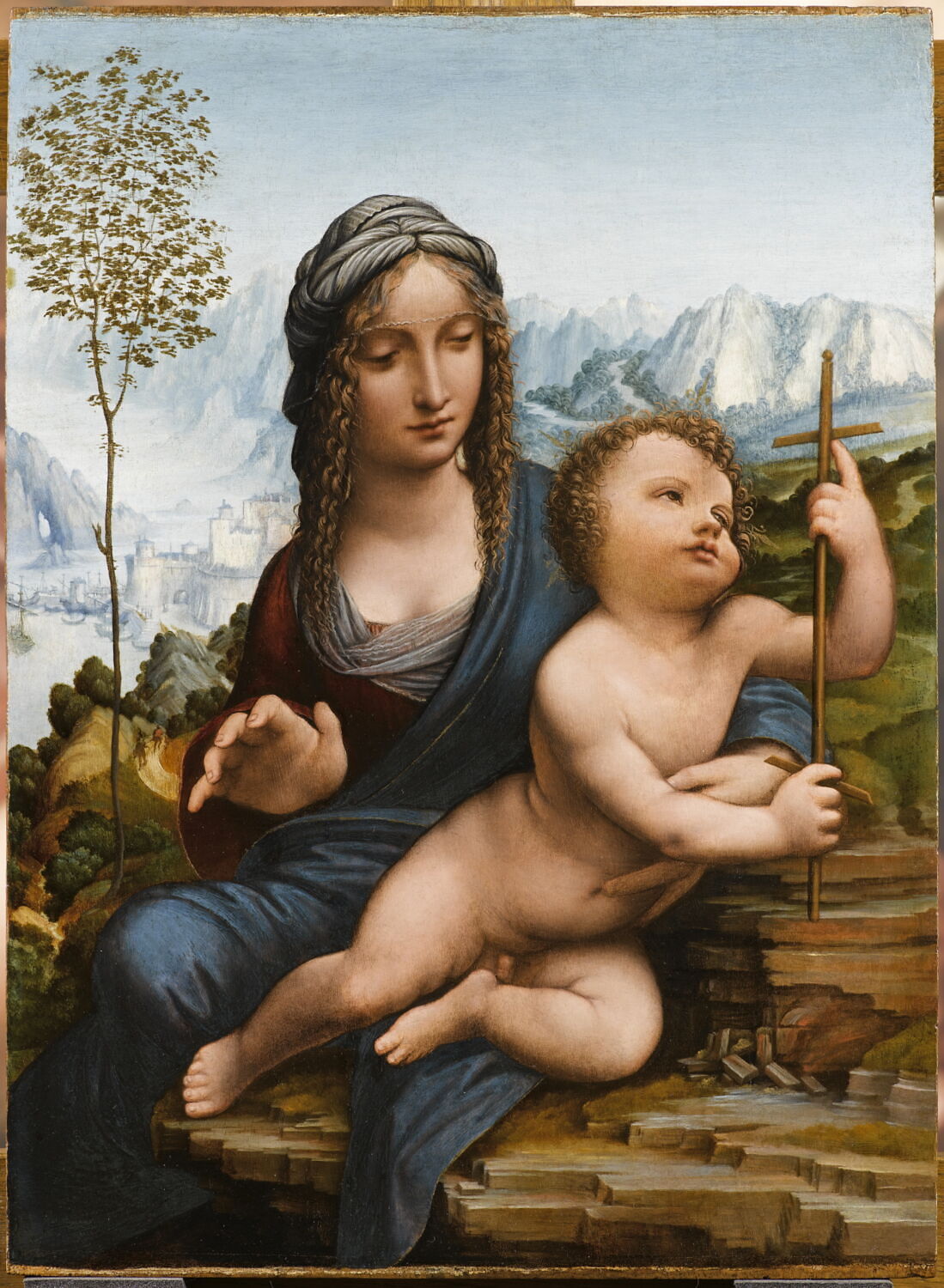
La Vierge et l'Enfant Jésus, dite Vierge au dévidoir ou Vierge aux fuseaux, Léonard de Vinci, XVIe siècle (vers 1505 - 1520)

Leonardo da Vinci

La Vierge et l'Enfant Jésus, dite Vierge au dévidoir ou Vierge aux fuseaux, XVIe siècle (vers 1505 - 1520)

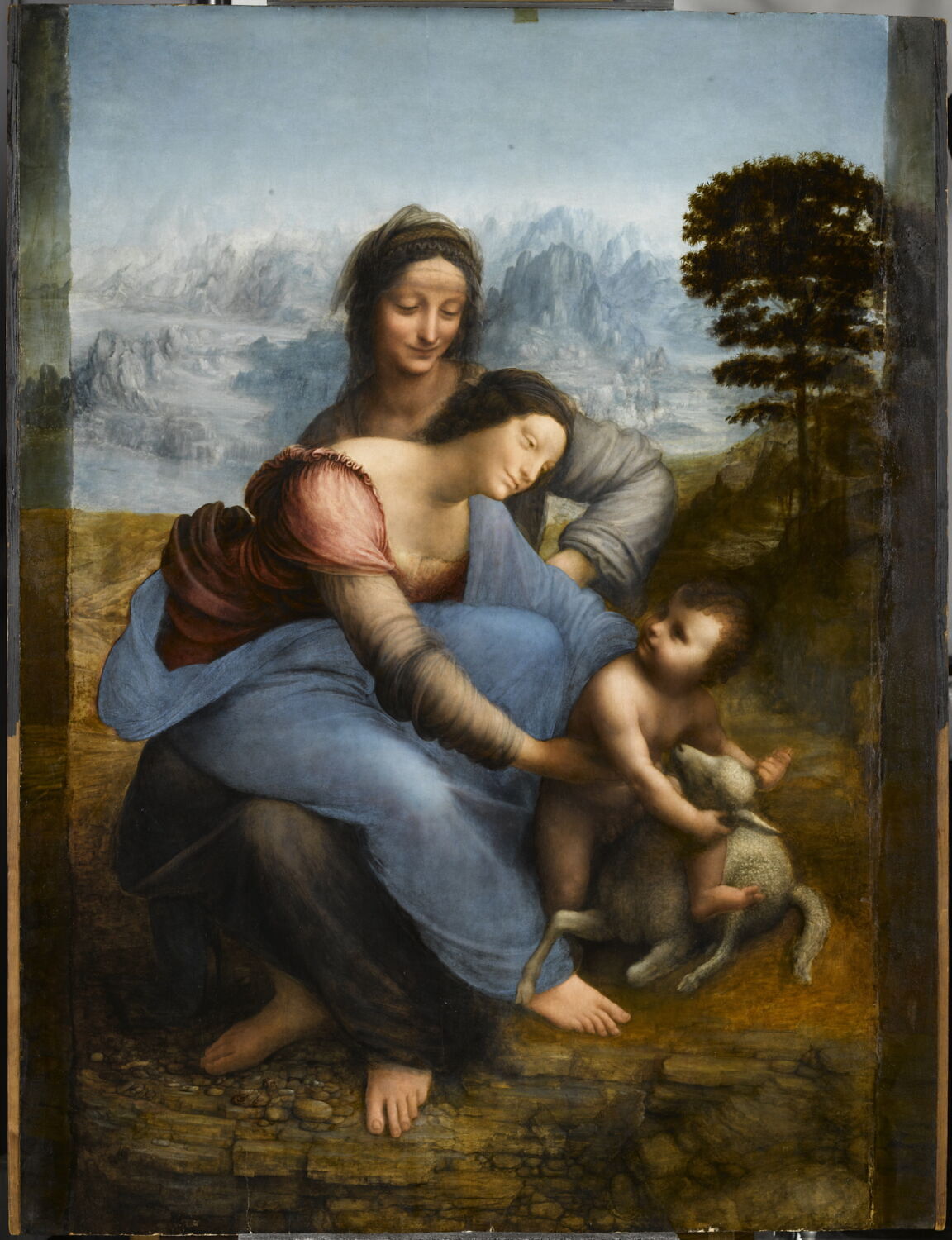
La Vierge, l'Enfant Jésus et sainte Anne, dit La Sainte Anne, Léonard de Vinci, 1e quart du XVIe siècle (vers 1503 - 1519)

Leonardo da Vinci

Anna Selbdritt, 1e quart du XVIe siècle (vers 1503 - 1519)

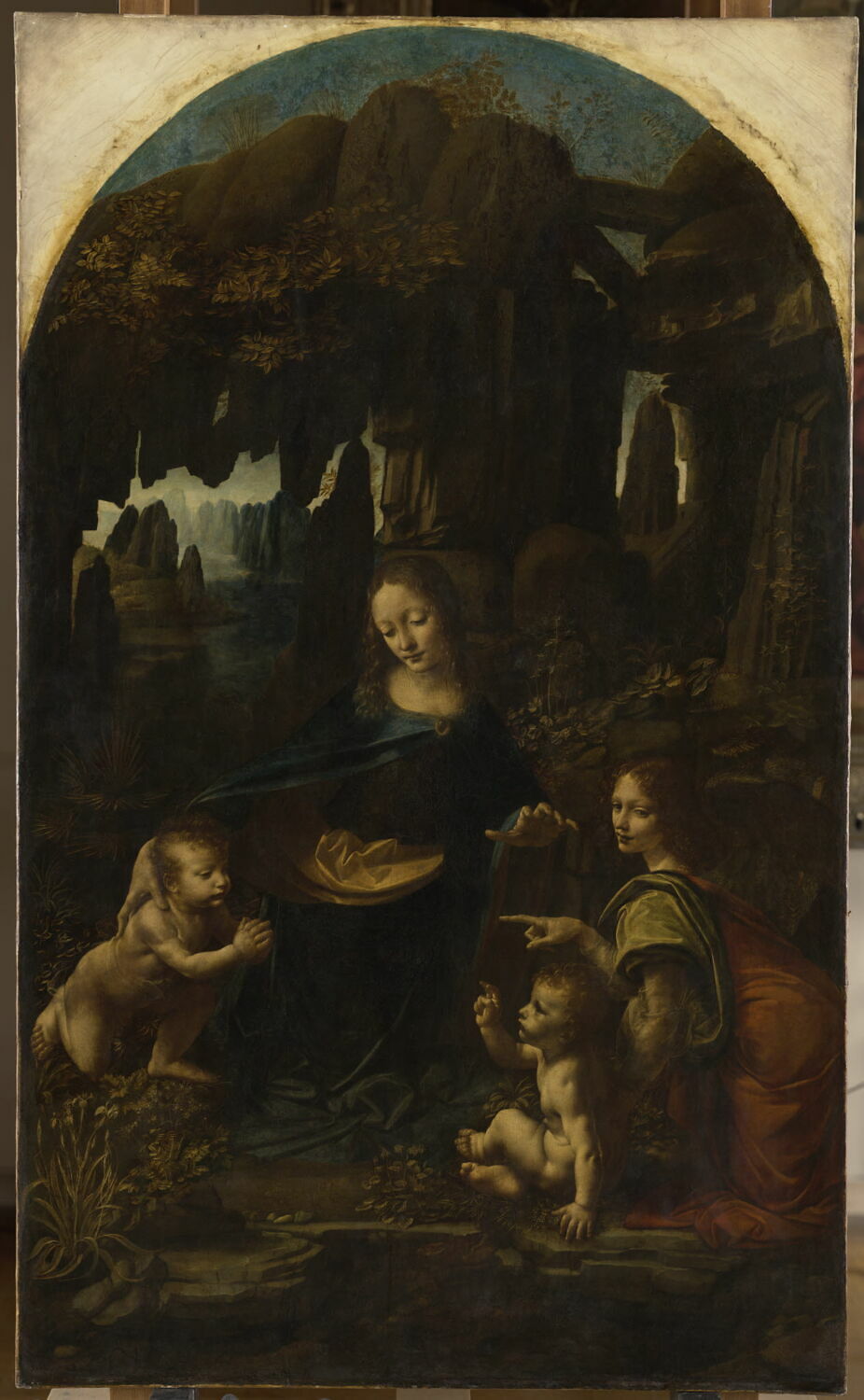
La Vierge, l'Enfant Jésus, saint Jean Baptiste et un ange, dit La Vierge aux rochers, Léonard de Vinci, 4e quart du XVe siècle (vers 1483 - 1494)

Leonardo da Vinci

La Vierge, l'Enfant Jésus, saint Jean Baptiste et un ange, dit La Vierge aux rochers, 4e quart du XVe siècle (vers 1483 - 1494)

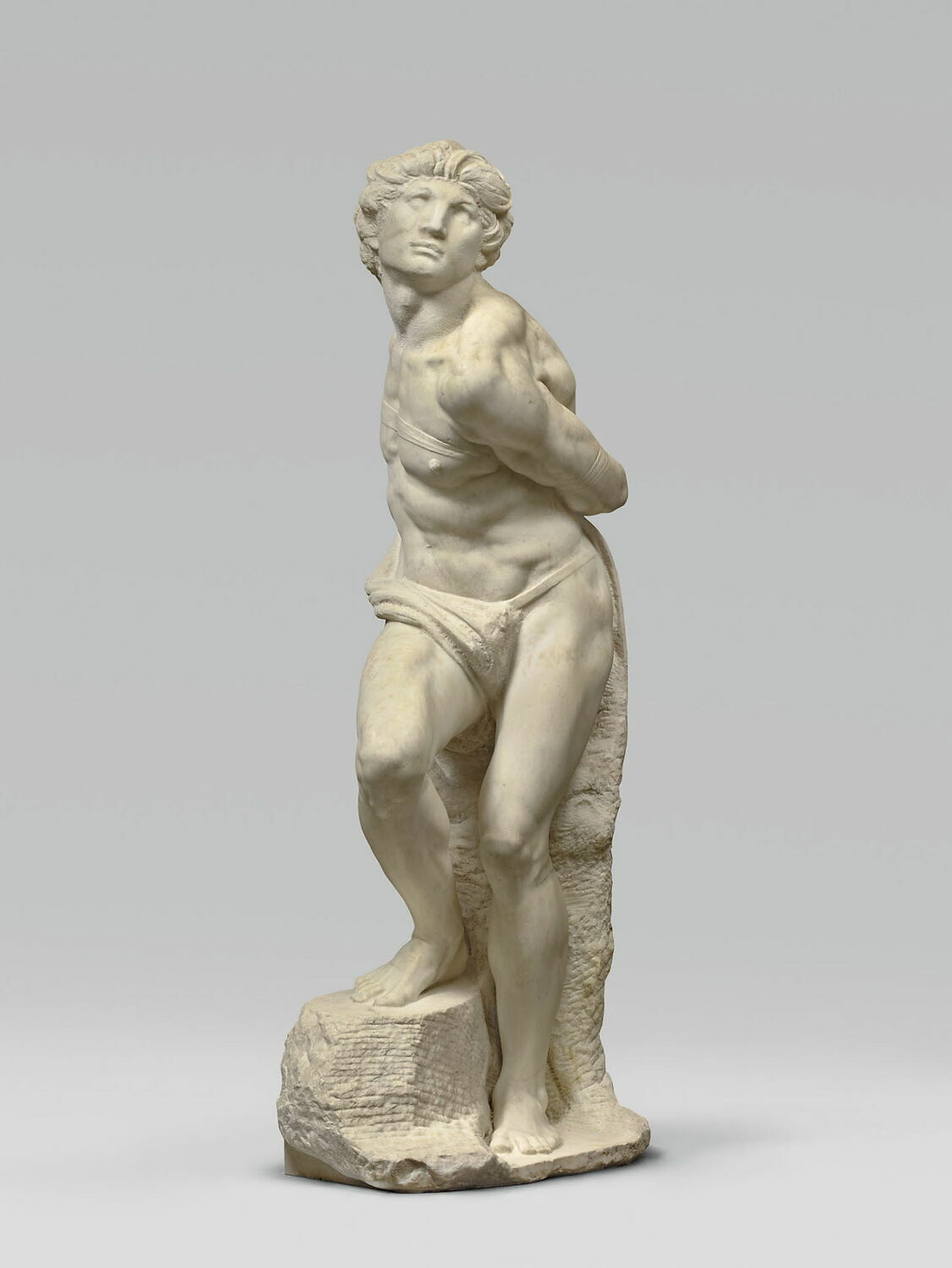
Esclave rebelle, Buonarroti, Michelangelo dit Michel-Ange, 1513 - 1515

Michelangelo

Rebellischer Sklave, 1513 - 1515

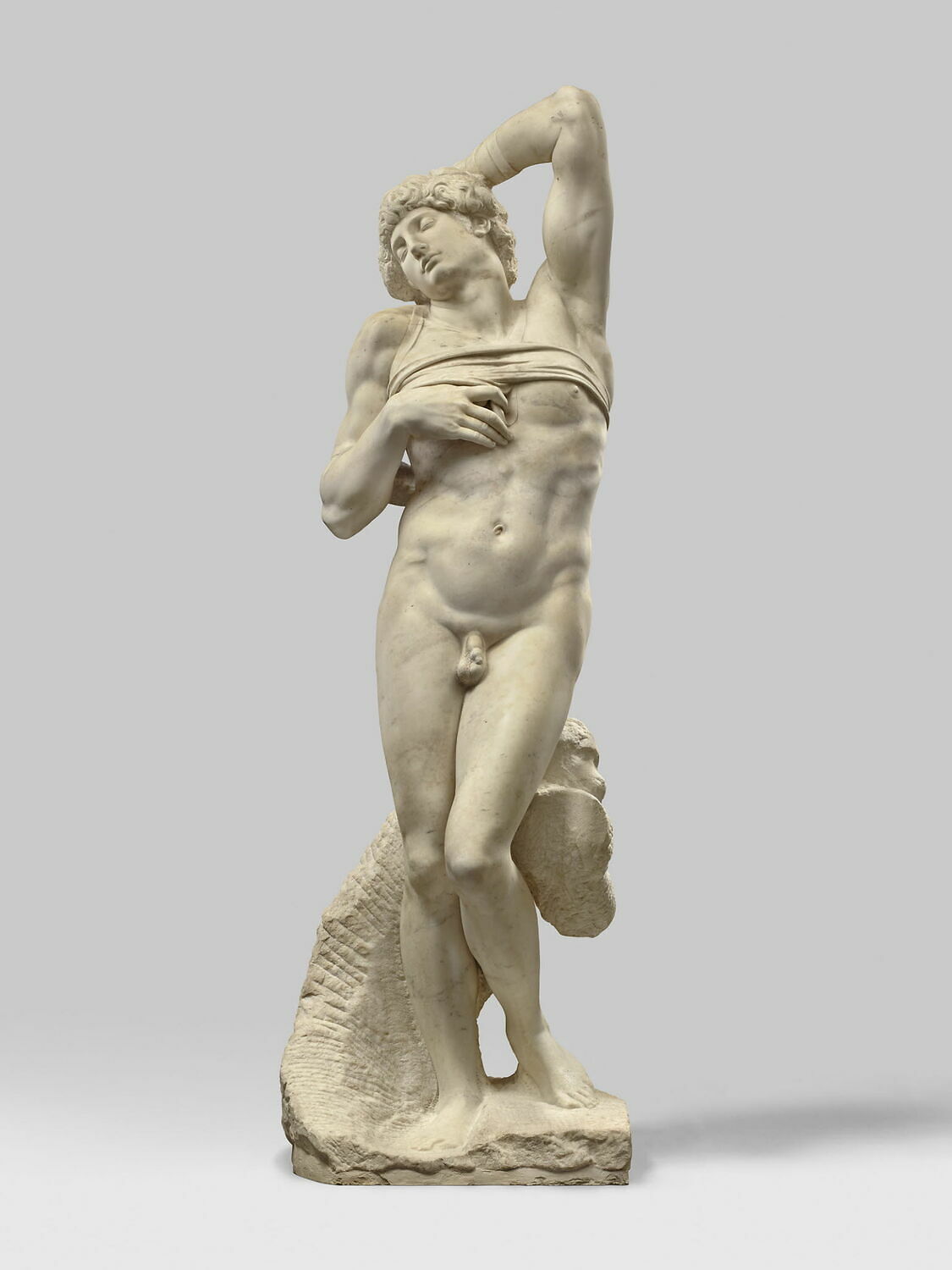
Esclave mourant, Buonarroti, Michelangelo dit Michel-Ange, 1513 - 1515

Michelangelo

Sterbender Sklave, 1513 - 1515