ART WIKI32.963 ausgestellt
KarteSammlungKünstlerMuseenAusstellungenJournal
Anmelden

ART WIKI

Wo das Meisterwerk hängt und wann man vorgelassen wird.

Sammlungen: Art Institute of Chicago, Cleveland Museum of Art, Eremitage, Getty Villa, Harvard Art Museums, Hirshhorn Museum and Sculpture Garden, J. Paul Getty Museum, Louvre, Metropolitan Museum of Art, Minneapolis Institute of Art, Museum of Modern Art, National Gallery of Art, National Museum of Asian Art, National Portrait Gallery, Puschkin-Museum, Rijksmuseum Amsterdam, Russisches Museum, Smithsonian American Art Museum, Statens Museum for Kunst, Tretjakow-Galerie, Victoria and Albert Museum, Whitney Museum of American Art, Staatskatalog des Museumsfonds Russlands (274 Museen), Europeana (19 Museen), Wikidata (6 Museen), Paris Musées (12 Museen) und Joconde, die Museumsdatenbank des französischen Kulturministeriums (495 Museen). Die Bilder gehören ihren Rechteinhabern.
Rubriken

  • Karte
  • Suche
  • Sammlung
  • Meisterwerke
  • Jetzt ausgestellt
  • Künstler

Mehr

  • Museen & Galerien
  • Ausstellungen
  • Journal
  • Woher die Daten stammen
  • Datenschutz & Cookies
StartseiteKarteKatalog
  1. Sammlung/
  2. Metropolitan Museum of Art/
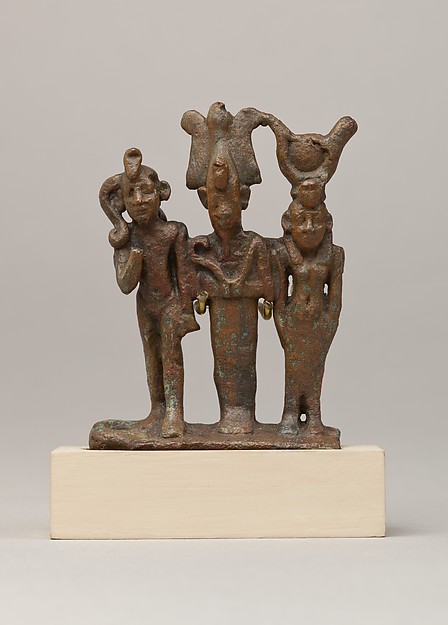
  3. Isis, Osiris and Horus triad
Isis, Osiris and Horus triad, 664–30 BCE

Isis, Osiris and Horus triad

664–30 BCE · Statuette group, Isis, Osiris, Horus

Angaben

Inventarnummer
23.6.11

Im selben Saal · Gallery 130, Metropolitan Museum of Art

Museumsseite

Zum selben Thema · Horus

Alle Werke zum Thema

Darf man es sehen?

Ja, es empfängt Besucher

Metropolitan Museum of Art

New York City, Vereinigte Staaten

Saal130

Öffentlich ausgestellt. Wer dafür bürgt, steht unten.

Geprüft
vor 3 Tagen
Unverändert seit
27. Sept. 2026
Quelle
Das Museum
Auf der KarteMuseumsseite

Was es zeigt

HorusIsisOsiris

Im Katalog

SkulpturLate Period–Ptolemaic Period

Quellen

  • Metropolitan Museum of Art
  • Bild: Metropolitan Museum of Art — Open Access (CC0)
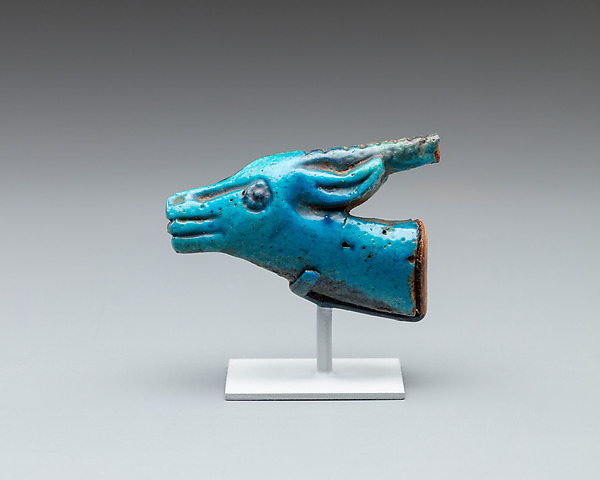
Fragmentary Head of an Oryx, ca. 1550–664 BCE

Fragmentary Head of an Oryx, ca. 1550–664 BCE

Kneeling Statue of Yuny, ca. 1299–1290 BCE

Kneeling Statue of Yuny, ca. 1299–1290 BCE

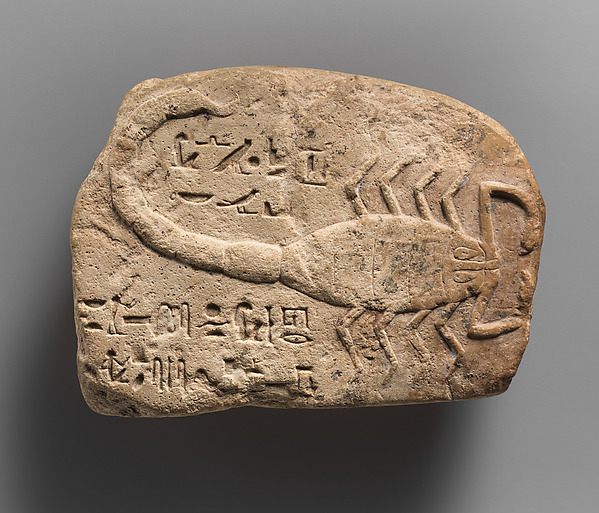
Amuletic stone with a protective spell against scorpions, ca. 1080–332 BCE

Amuletic stone with a protective spell against scorpions, ca. 1080–332 BCE

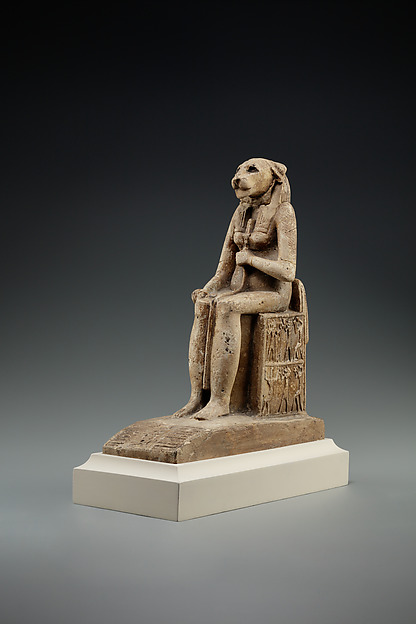
Bastet on a throne decorated with the decans, ca. 1080–664 BCE

Bastet on a throne decorated with the decans, ca. 1080–664 BCE

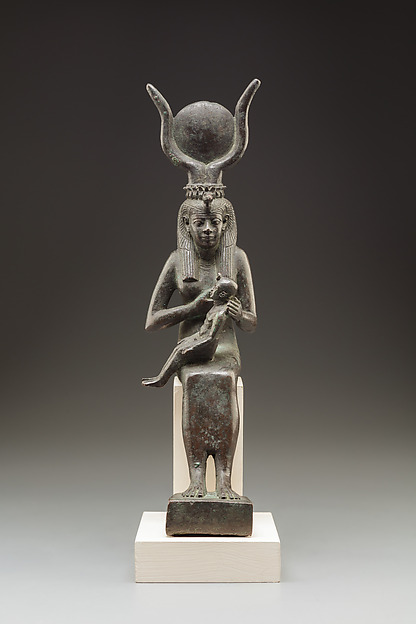
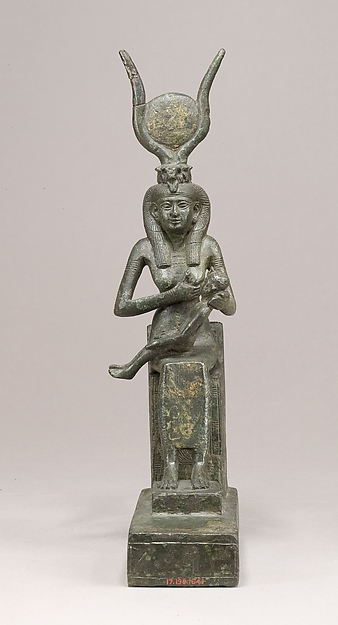
Figure of Isis nursing Horus, ca. 1080–343 BCE

Figure of Isis nursing Horus, ca. 1080–343 BCE

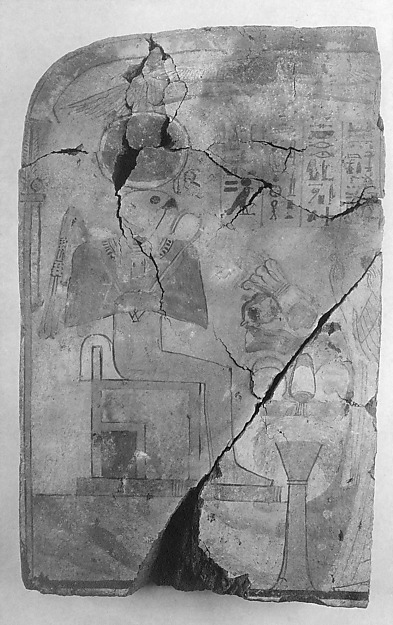
Stela with a seated figure of Re-Harakhty, ca. 1080–721 BCE

Stela with a seated figure of Re-Harakhty, ca. 1080–721 BCE

Isis nursing Horus, ca. 1080–343 BCE

Isis nursing Horus, ca. 1080–343 BCE

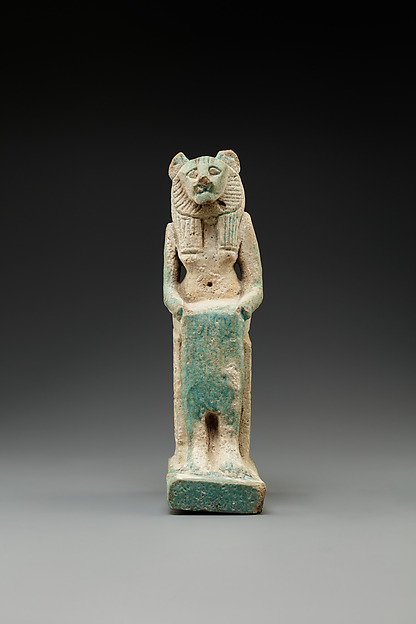
Figure of Sakhmet, ca. 1080–664 BCE

Figure of Sakhmet, ca. 1080–664 BCE

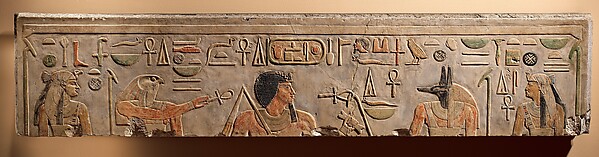
Lintel depicting King Amenemhat I flanked by Nekhbet, Horus, Anubis, and Wadjet, ca. 1981–1952 BCE

Lintel depicting King Amenemhat I flanked by Nekhbet, Horus, Anubis, and Wadjet, ca. 1981–1952 BCE

Metropolitan Museum of Art

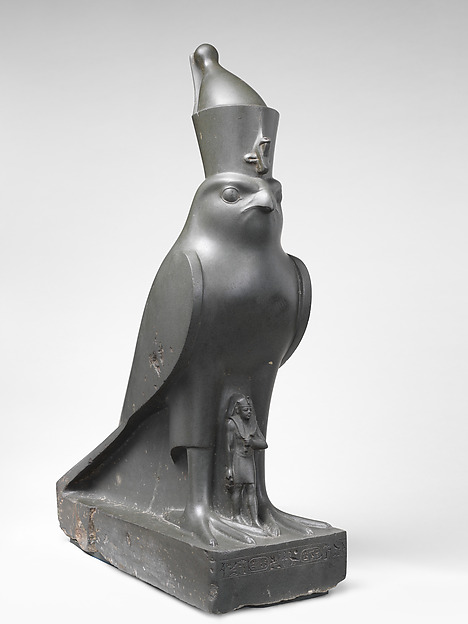
Statue of Horus as a falcon protecting King Nectanebo II, 360–343 BCE

Statue of Horus as a falcon protecting King Nectanebo II, 360–343 BCE

Metropolitan Museum of Art

Donation Stela of Shabaqo, ca. 705–690 BCE

Donation Stela of Shabaqo, ca. 705–690 BCE

Metropolitan Museum of Art

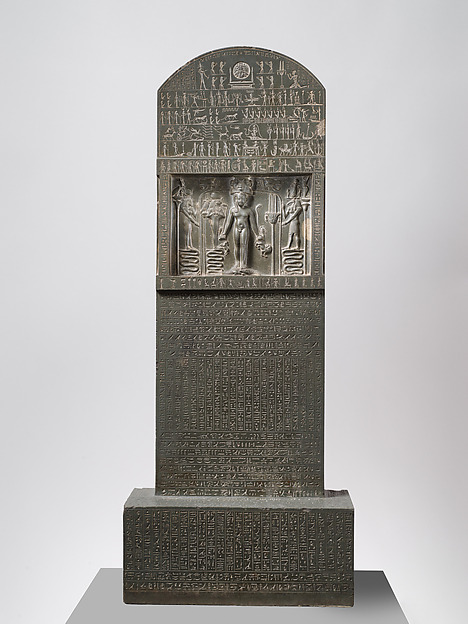
Magical Stela with Horus the Child, 360–343 BCE

Magical Stela with Horus the Child, 360–343 BCE

Metropolitan Museum of Art

Statuette of Isis with the infant Horus, 332–30 BCE

Statuette of Isis with the infant Horus, 332–30 BCE

Metropolitan Museum of Art

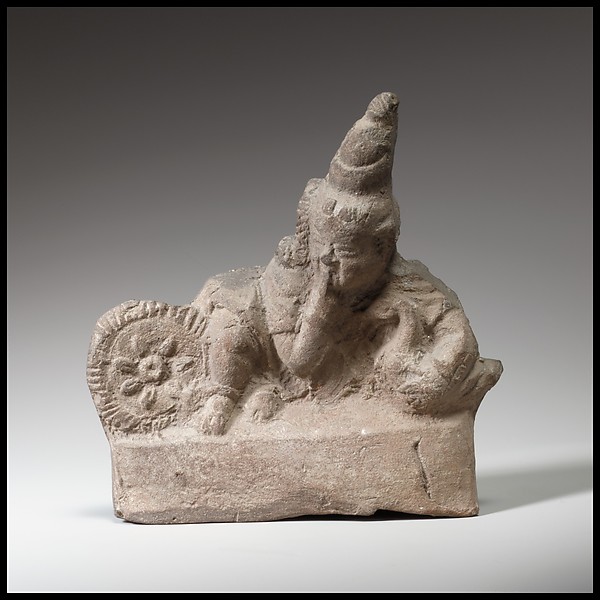
Terracotta statuette of Harpokrates, 1st–3rd century CE

Terracotta statuette of Harpokrates, 1st–3rd century CE

Metropolitan Museum of Art

Isis with Horus, 332–30 BCE

Isis with Horus, 332–30 BCE

Metropolitan Museum of Art

Isis and Horus, 664–30 BCE

Isis and Horus, 664–30 BCE

Metropolitan Museum of Art