 Nicholas RoerichRussland, 1874–1947
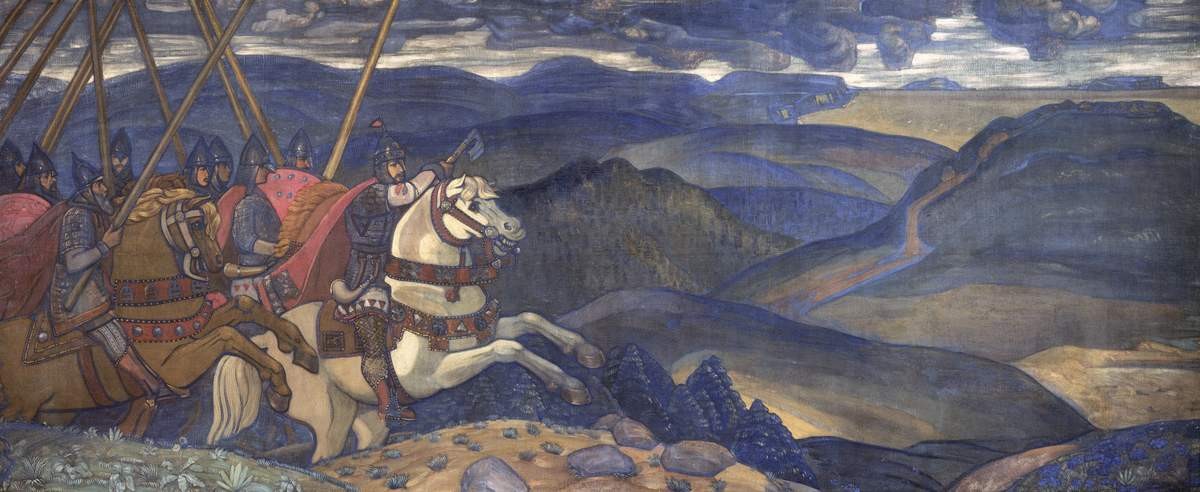
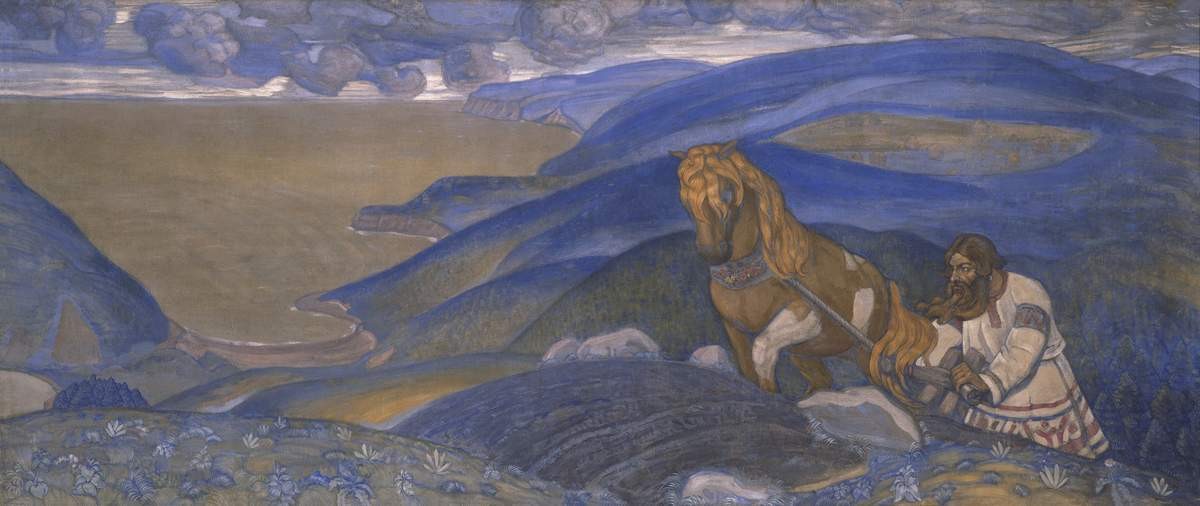
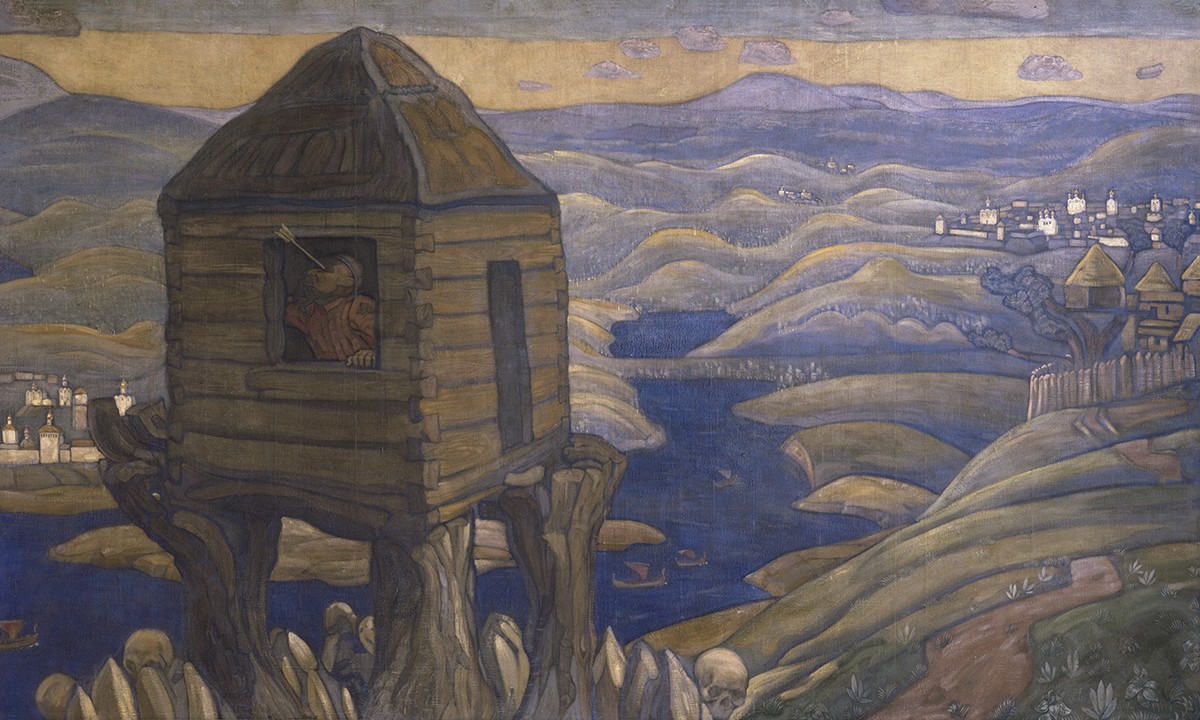
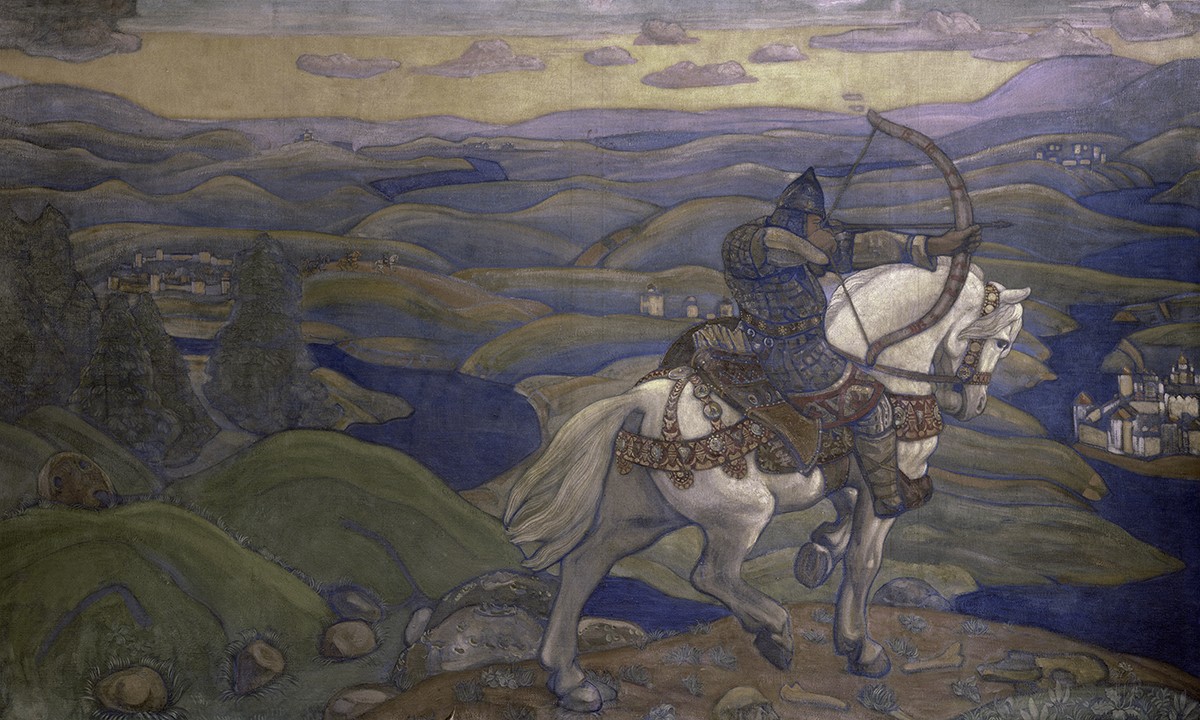
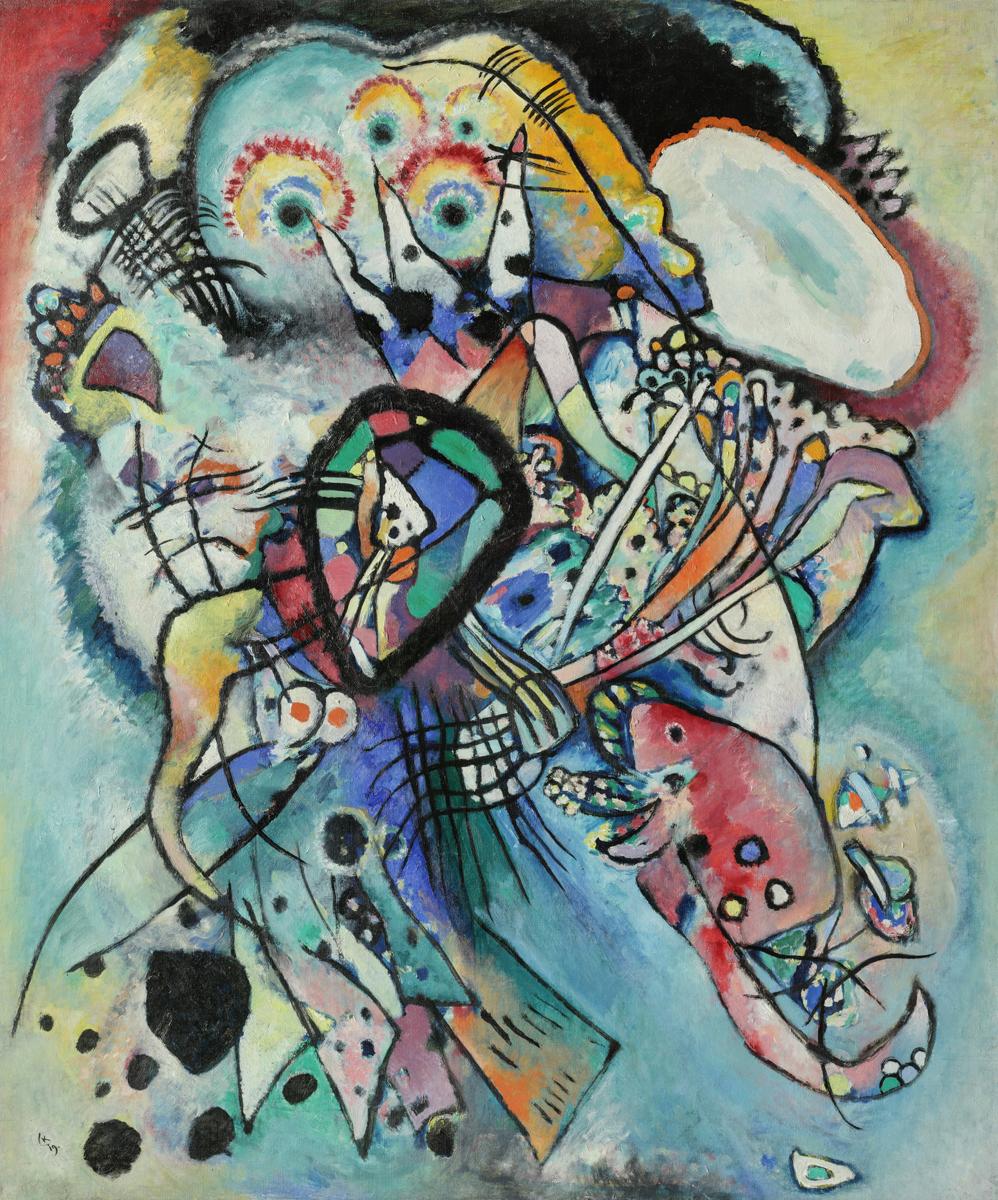
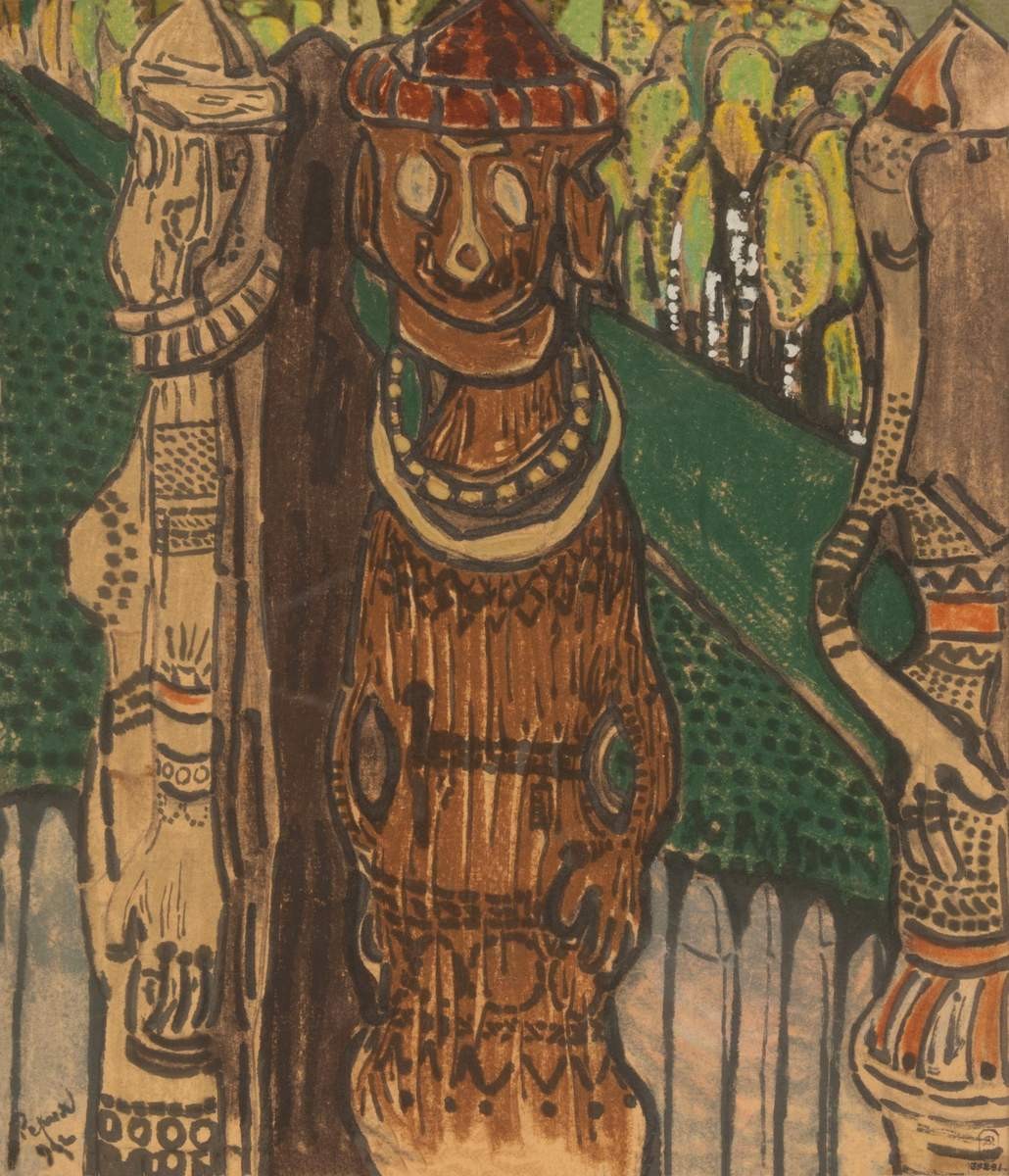
Идолы
Kann ich es sehen?
Unbekannt
Wo ist „Идолы“ heute? Sammlung: Russisches Museum, Sankt Petersburg. Unbekannt.

Sankt Petersburg, Russland
Der Besitzer ist bekannt; ob das Werk derzeit ausgestellt ist, nicht.
- Unverändert seit
- Quelle
- Das Museum
Angaben
- Inventarnummer
- Р-6473
Im Katalog
Quellen
- Russisches Museum
- Bild: Russisches Museum — © State Russian Museum
Im Leben von Nicholas Roerich
Das ganze Lebenc. 1898 – 1901
Working for the Society for the Encouragement of the Arts
At 24 Roerich becomes assistant director of the museum of the Imperial Society for the Encouragement of the Arts and at the same time assistant editor of the magazine “Art and Art Industry”; three years later he becomes the Society's secretary.
1898–1903
Lecturer at the Archaeological Institute
From 1898 Roerich works with the St Petersburg Archaeological Institute: he teaches a course titled “Artistic Technique as Applied to Archaeology”, directs training excavations and compiles the “Archaeological Map of St Petersburg Province”. He digs in the provinces of St Petersburg, Pskov, Novgorod, Tver, Yaroslavl and Smolensk.
28 October 1901
Marries Elena Shaposhnikova
Roerich and Elena Ivanovna are married in the church of the Imperial Academy of Arts; they will go through life hand in hand, complementing each other creatively and spiritually.
3. August 1902
Son born: George de Roerich
1903–1904
A “journey through antiquity”: over forty towns
With his wife Roerich visits more than forty towns with ancient monuments to study the roots of Russian culture. The result is about 90 architectural studies, a collection of photographs of old Russia and articles in which he is among the first to raise the question of the great artistic value of early Russian icon painting and architecture.
1904
Talashkino, Maria Tenisheva's estate
After touring the towns along the Volga and visiting Mozhaisk and the Savvino-Storozhevsky Monastery, Roerich ends his trip at Talashkino near Smolensk, the estate of Maria Tenisheva. Together with Malyutin, Vrubel, Benois, Korovin and Repin he puts into practice projects to revive ancient Russian traditions and folk crafts; his collaboration with Tenisheva will last until 1917 and their friendship until her death.