ART WIKI33.040 ausgestellt
KarteSammlungKünstlerMuseenAusstellungenJournal
Anmelden

ART WIKI

Wo das Meisterwerk hängt und wann man vorgelassen wird.

Sammlungen: Art Institute of Chicago, Cleveland Museum of Art, Eremitage, Getty Villa, Harvard Art Museums, Hirshhorn Museum and Sculpture Garden, J. Paul Getty Museum, Louvre, Metropolitan Museum of Art, Minneapolis Institute of Art, Museum of Modern Art, National Gallery of Art, National Museum of Asian Art, National Portrait Gallery, Puschkin-Museum, Rijksmuseum Amsterdam, Russisches Museum, Smithsonian American Art Museum, Statens Museum for Kunst, Tretjakow-Galerie, Victoria and Albert Museum, Whitney Museum of American Art, Staatskatalog des Museumsfonds Russlands (274 Museen), Europeana (19 Museen), Wikidata (6 Museen), Paris Musées (12 Museen) und Joconde, die Museumsdatenbank des französischen Kulturministeriums (495 Museen). Die Bilder gehören ihren Rechteinhabern.

Rubriken

  • Karte
  • Suche
  • Sammlung
  • Meisterwerke
  • Jetzt ausgestellt
  • Künstler

Mehr

  • Museen & Galerien
  • Ausstellungen
  • Journal
  • Woher die Daten stammen
  • Datenschutz & Cookies
StartseiteKarteKatalog
  1. Sammlung/
  2. Nationales Kunstmuseum Rumäniens/
  3. Hristos la stâlp
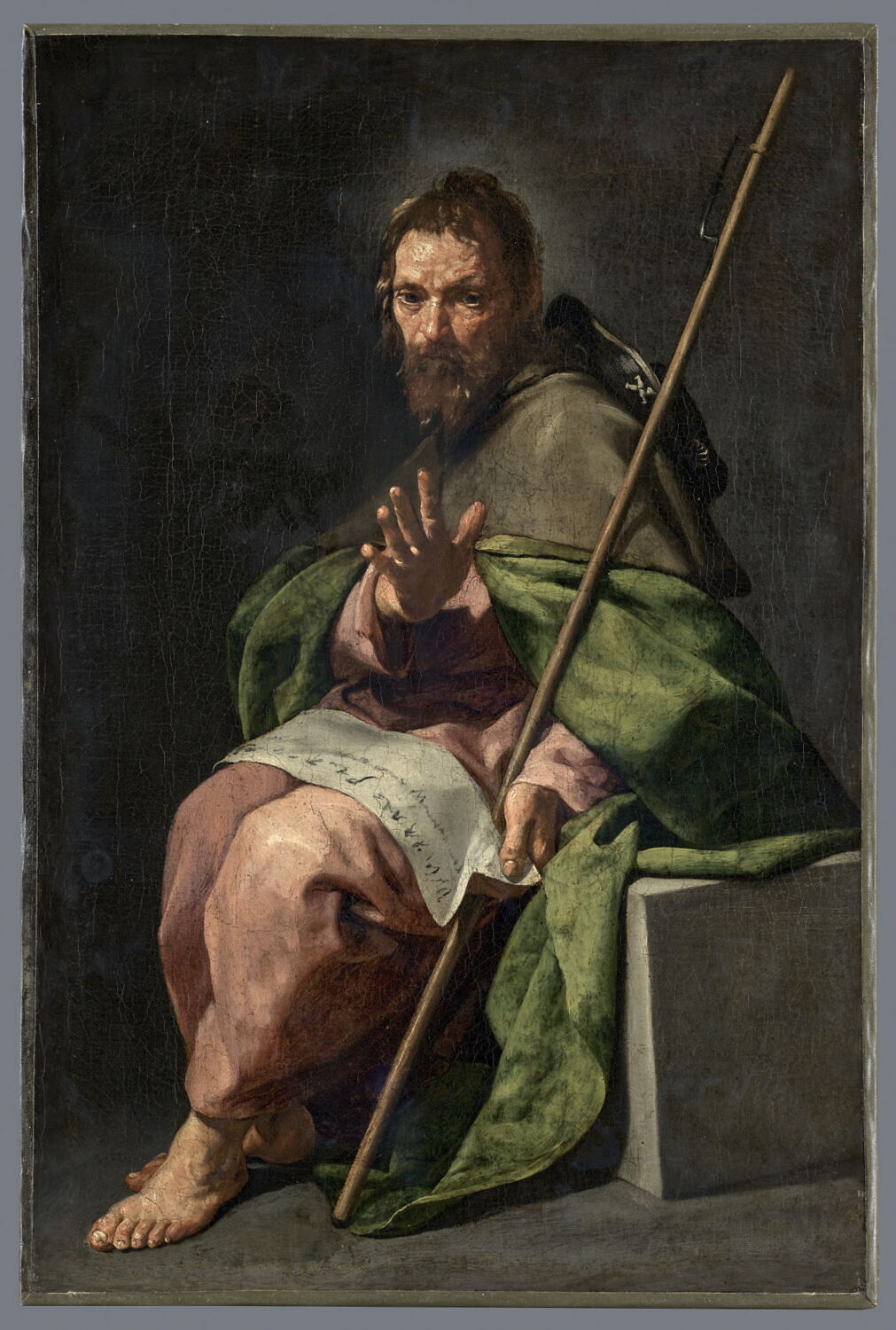
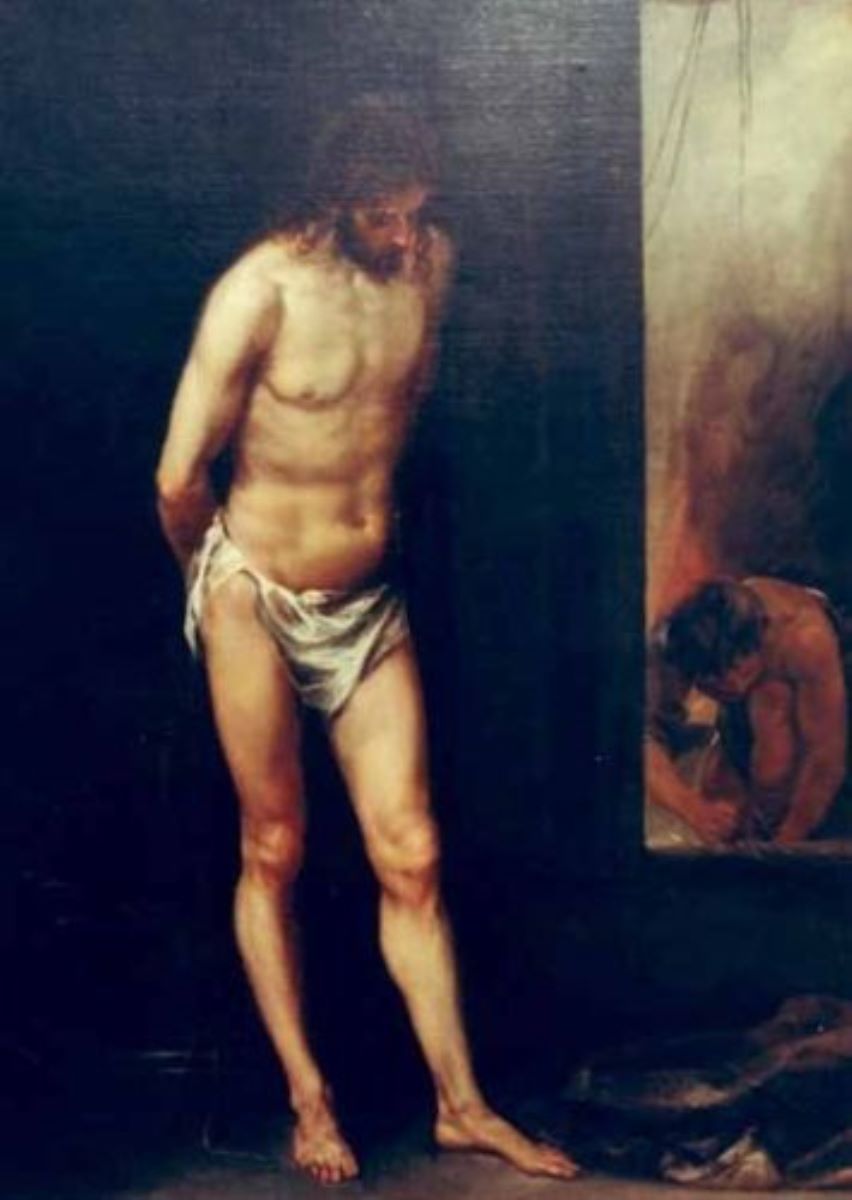
Hristos la stâlp, Alonso Cano, 1638–1648
Alonso Cano, PorträtAlonso CanoSpanien, 1601–1667

Hristos la stâlp

1638–1648 · Painting

Darf man es sehen?

Unbekannt

Nationales Kunstmuseum Rumäniens

Bukarest, Rumänien

Der Besitzer ist bekannt; ob das Werk derzeit ausgestellt ist, nicht.

Unverändert seit
27. Sept. 2026
Quelle
Das Museum
Auf der KarteMuseumsseite

Über das Gemälde

In den Worten des Museums — auf Rumänisch

Lucrare cu caracter de unicitate în opera artistului, ea reflectă, rămânând extrem de personală, influențele picturii venețiene asupra lui Cano "cel mai european dintre pictorii spanioli". Semnat stânga jos, parțial descifrabil: Al [...] Fa [...].

Nationales Kunstmuseum Rumäniens

Angaben

1638–1648
16011667

Im Katalog

GemäldeSpanische MalereiBarock17. Jahrhundert

Quellen

  • Nationales Kunstmuseum Rumäniens
  • Bild: Nationales Kunstmuseum Rumäniens — CC BY-SA 4.0

Derweil im Leben von Alonso Cano

Das ganze Leben
  1. 1614–1637

    Collaborations in Seville and friendship with Velázquez

    During his years in Seville he collaborates with Felipe and Gaspar de Ribas, Luis Ortiz de Vargas, Juan del Castillo, Pablo Legot, Martín de Andújar Cantos, Francisco Varela and other artists. He is a friend of Diego Velázquez.

  2. 1637

    Called to Madrid by the Count-Duke of Olivares

    He begins preparing for a journey to Madrid, where he is called to work for the Count-Duke of Olivares, a close associate of King Philip IV. The summons may have come at Velázquez’s suggestion.

  3. winter 1638

    Settles in Madrid

    He settles in Madrid; closeness to the court lets him see the royal collections, rich in 16th-century Venetian painting and in Velázquez’s recent works. This helps explain the evolution of his style from the tenebrism borrowed from Caravaggio to a more colourful manner and elegant figures recalling the paintings of Van Dyck.

  4. 1640

    Restores paintings after the Buen Retiro fire

    In Madrid he is in charge of restoring paintings after the fire at the royal palace of Buen Retiro.

  5. 1642

    Decides to stay at court

    He sends his father a power of attorney to hand over all his affairs, making clear that he wants to remain at court. At court he became first royal architect, painter to Philip IV and tutor in drawing and painting to Balthasar Charles, Prince of Asturias.

  6. 1644

    His wife is found murdered; suspicion falls on Cano

    Cano’s wife is found murdered with fifteen stab wounds; an Italian painter who lived in his house (by another account, a servant) is accused but vanishes, and because of discord between the spouses suspicion falls on Alonso himself. The judges, mindful of his unbalanced temper, blame Cano: he is arrested and tortured but is not found guilty and, not without the king’s intervention, is released.

Mehr von Alonso Cano

Alle Werke
Crucifixion, Alonso Cano, between 1636 and 1638

Crucifixion

between 1636 and 1638 · Eremitage

Der Apostel Paulus, Alonso Cano

Der Apostel Paulus

Gemäldegalerie Alte Meister

Die Anbetung der Hirten, Alonso Cano

Die Anbetung der Hirten

Albertina

Portrait of Garcilaso de la Vega (?), Alonso Cano, 17th century

Portrait of Garcilaso de la Vega (?)

17th century · Nicht ausgestellt · Eremitage

Мадонна дель Розарио, Alonso Cano, 17th century

Мадонна дель Розарио

17th century · Puschkin-Museum

Studietje van een boom- of klimopblad en enige krabbels, Alonso Cano, 1611 - 1667

Studietje van een boom- of klimopblad en enige krabbels

1611 - 1667 · Rijksmuseum Amsterdam

H. Filippo Neri in aanbidding geknield voor de Madonna, Alonso Cano, 1611 - 1667

H. Filippo Neri in aanbidding geknield voor de Madonna

1611 - 1667 · Rijksmuseum Amsterdam

Saint Jacques le Majeur en pèlerin, Cano, Alonso, 2e quart du XVIIe siècle (1636 - 1638)

Saint Jacques le Majeur en pèlerin

2e quart du XVIIe siècle (1636 - 1638) · Nicht ausgestellt · Louvre

Aus der Sammlung: Nationales Kunstmuseum Rumäniens

Museumsseite
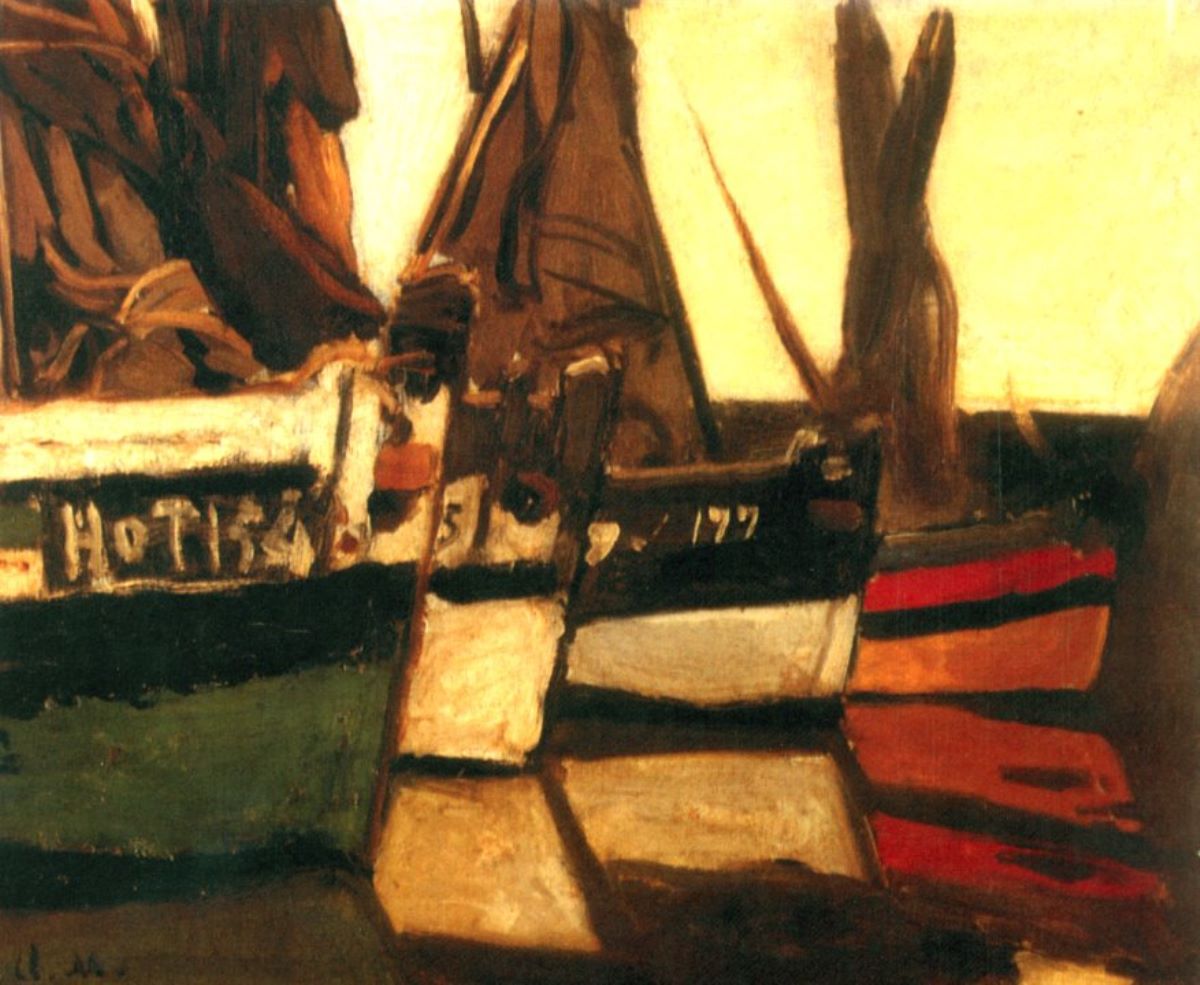
Bateaux de peche, Honfleur/Bărci de pescari la Honfleur, Claude Monet, 1866–1867

Claude Monet

Bateaux de peche, Honfleur/Bărci de pescari la Honfleur, 1866–1867

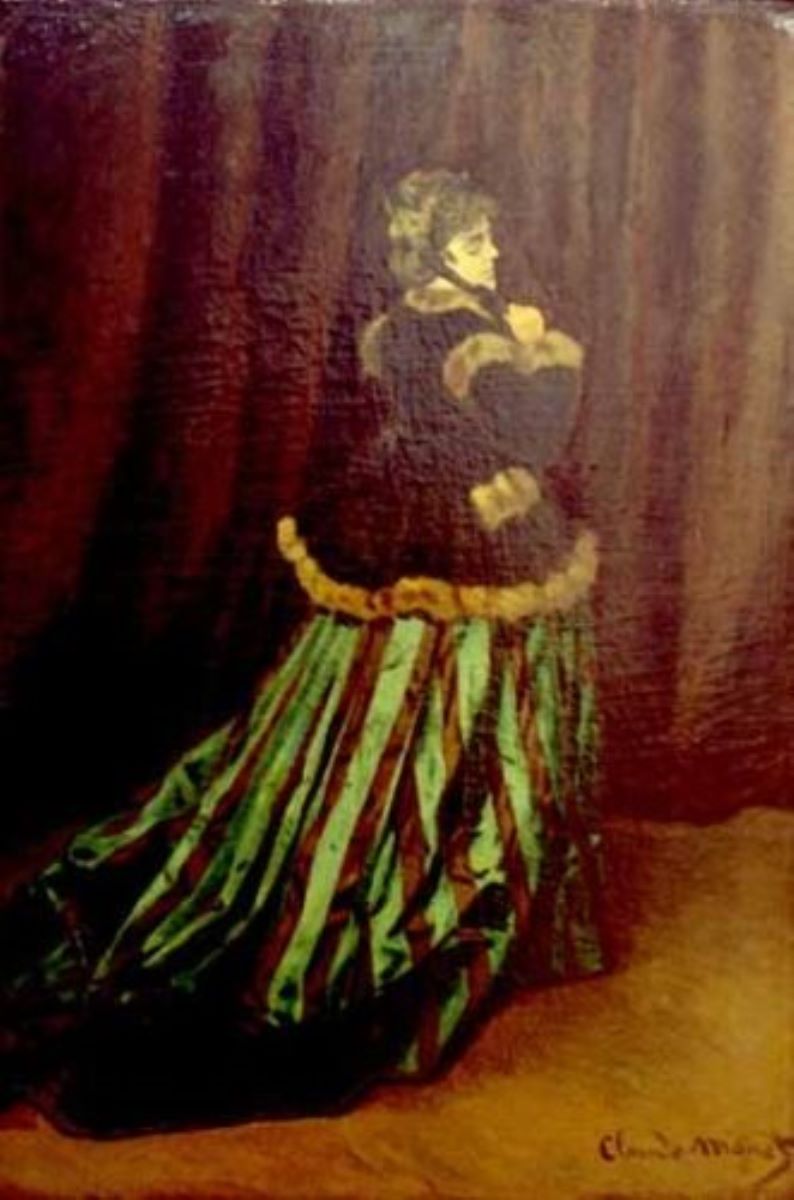
Camille, Claude Monet

Claude Monet

Camille

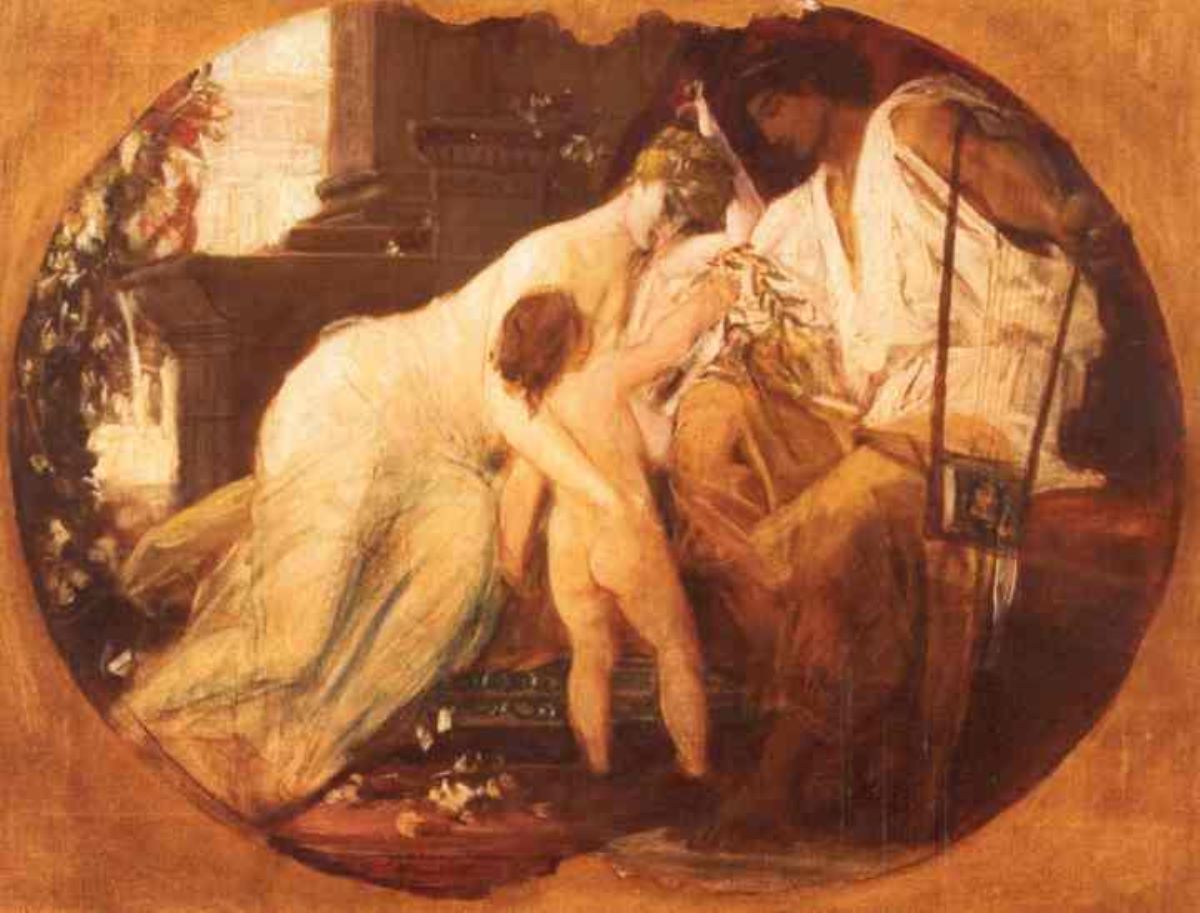
Scenă mitologică, Gustav Klimt, 1884–1885

Gustav Klimt

Scenă mitologică, 1884–1885

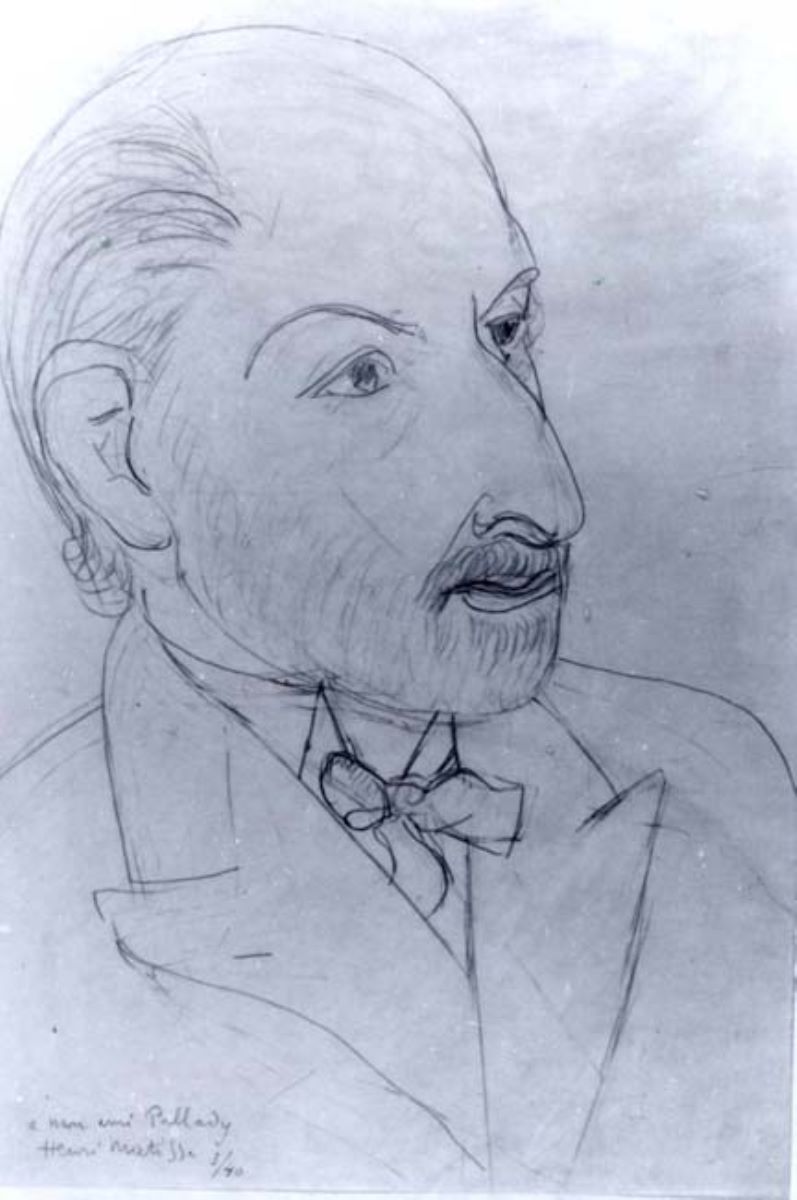
Pictorul Pallady, Henri Matisse, 1940

Henri Matisse

Pictorul Pallady, 1940

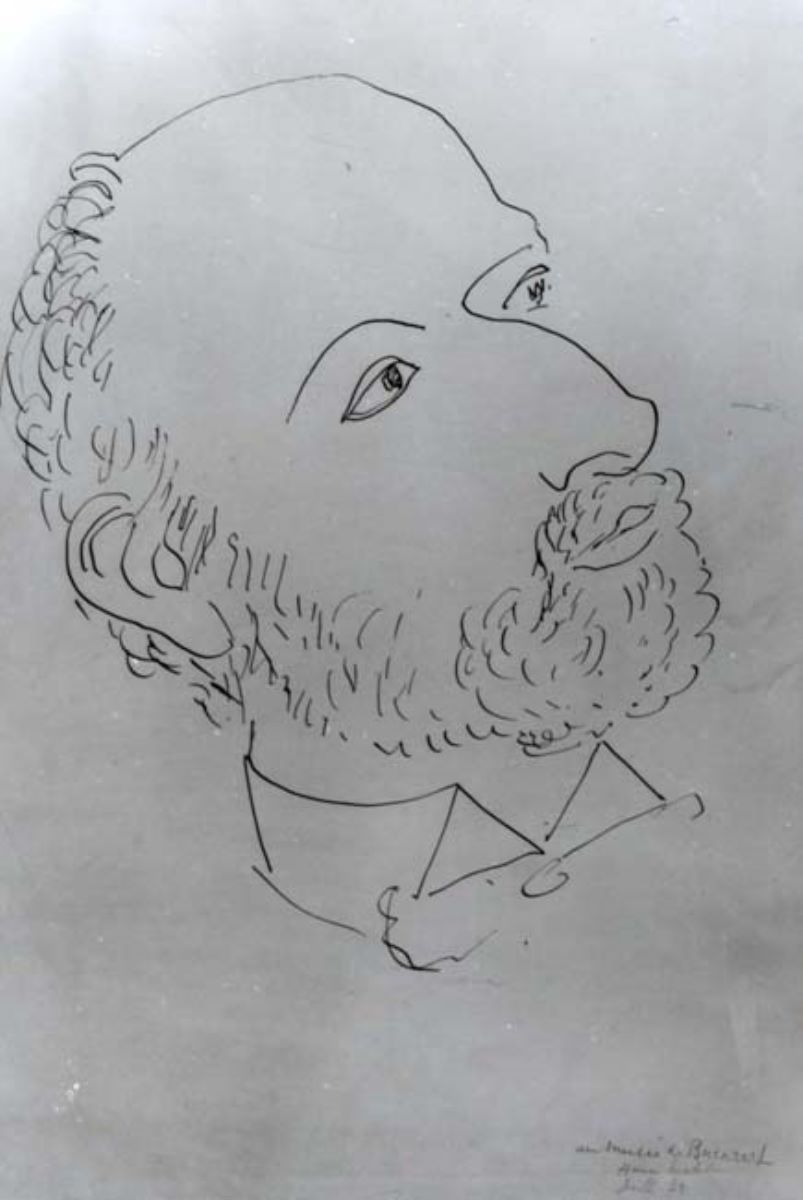
Portret de bărbat, Henri Matisse, 1939

Henri Matisse

Portret de bărbat, 1939

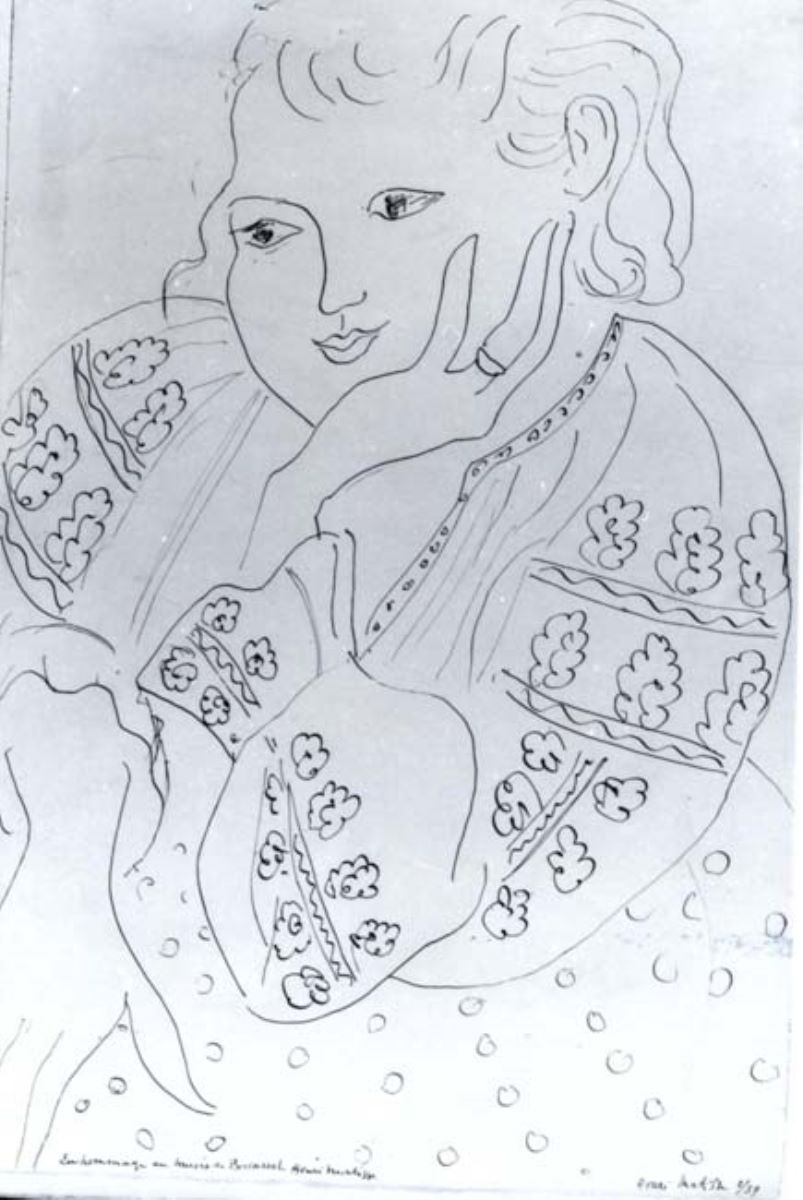
La blouse roumanie, Henri Matisse, 1939

Henri Matisse

La blouse roumanie, 1939

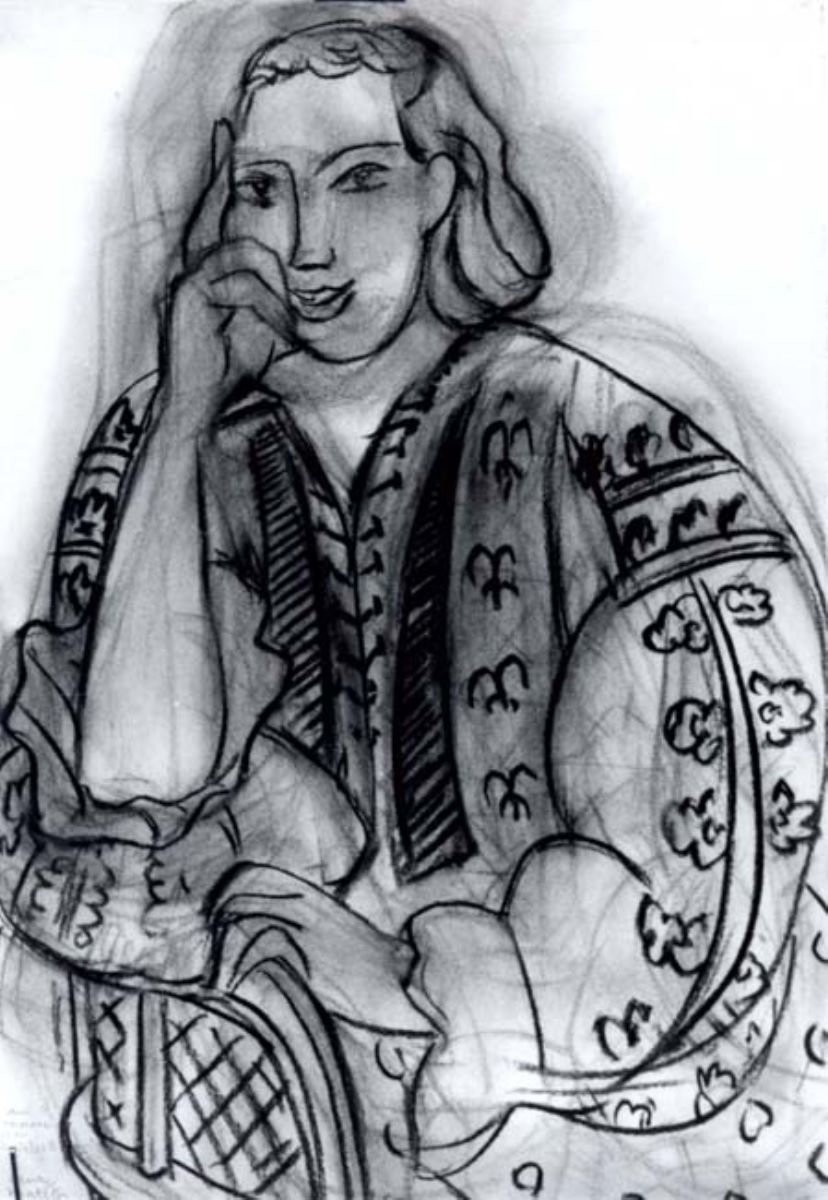
La blouse roumaine, Henri Matisse, 1939

Henri Matisse

La blouse roumaine, 1939

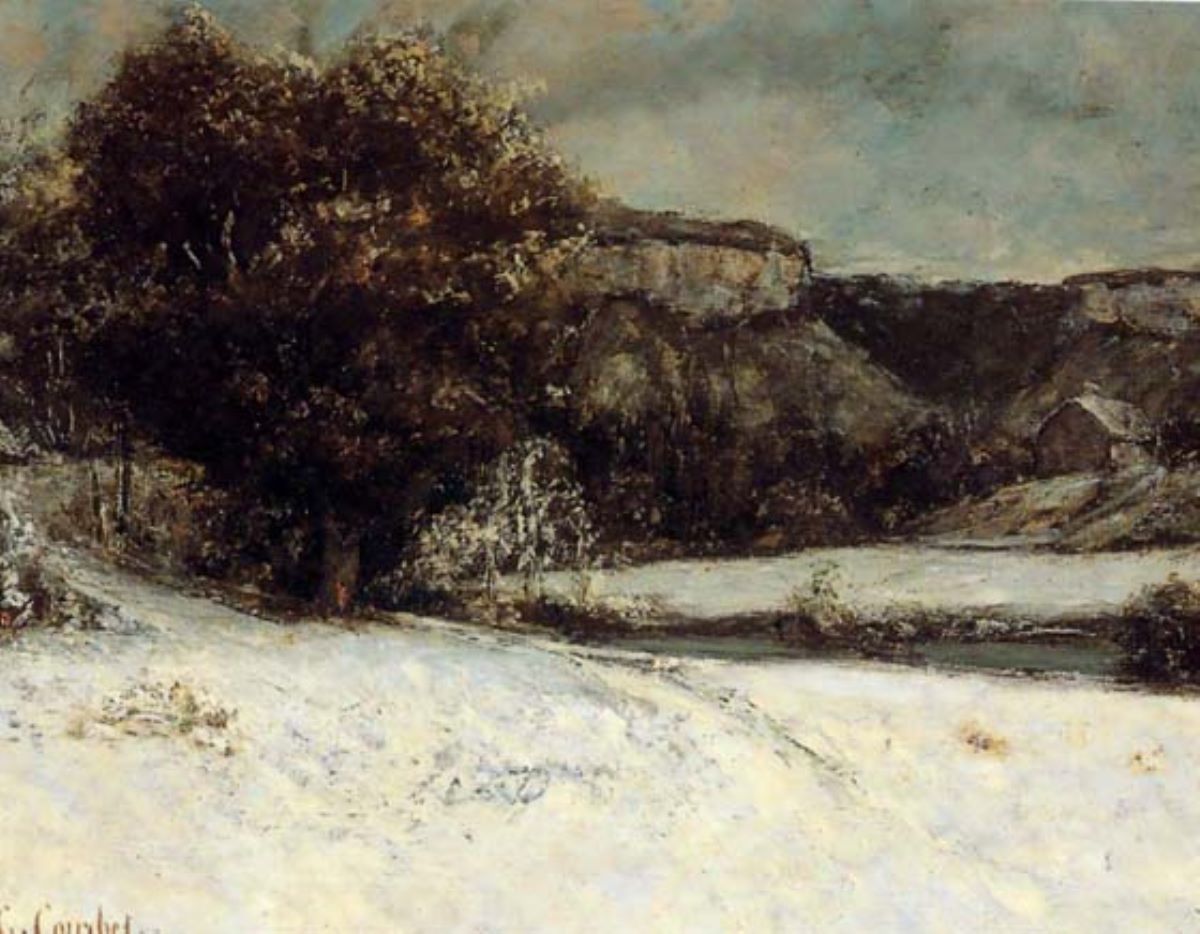
Peisaj de iarnă, Gustave Courbet, 1870–1873

Gustave Courbet

Peisaj de iarnă, 1870–1873