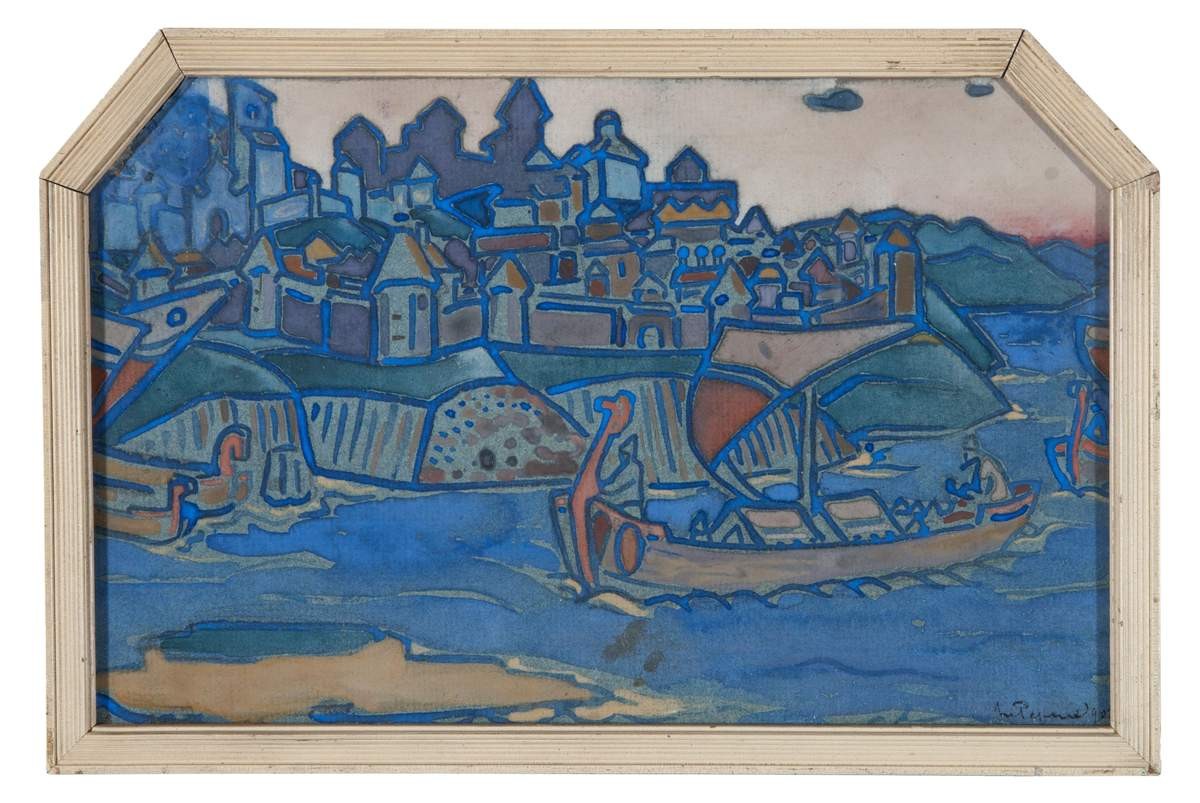
 Nicholas RoerichRussland, 1874–1947
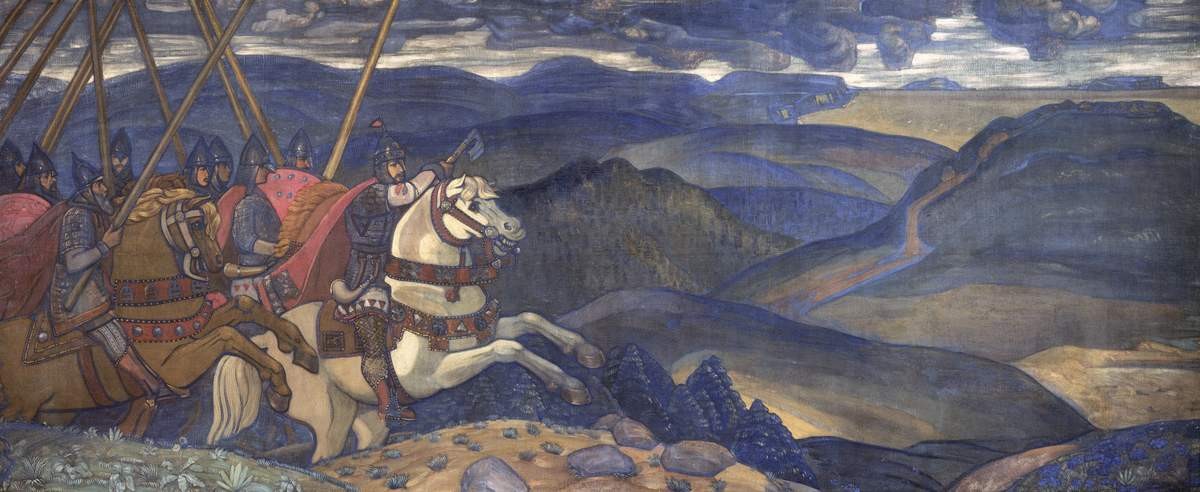
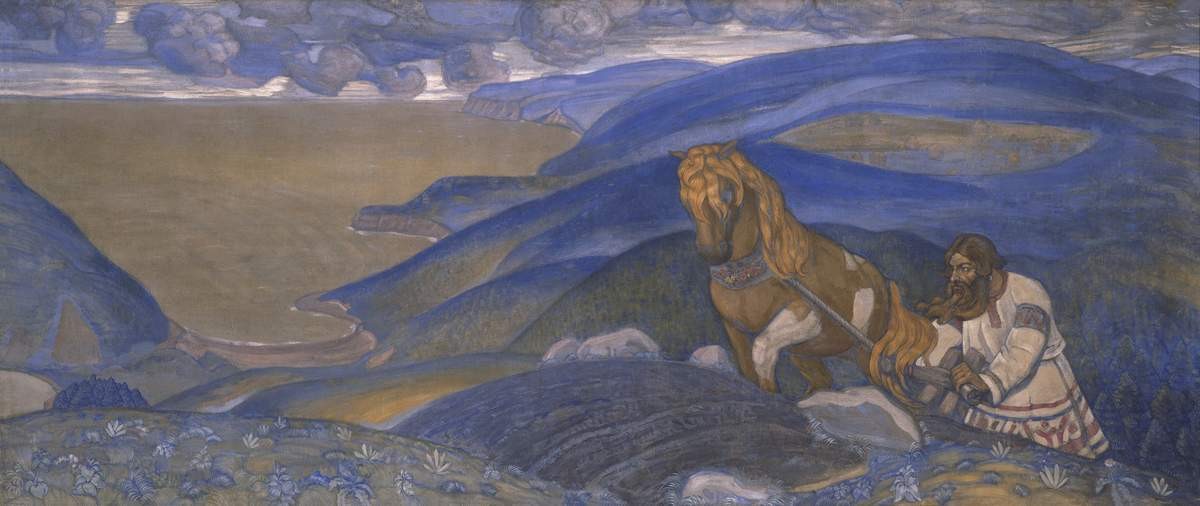
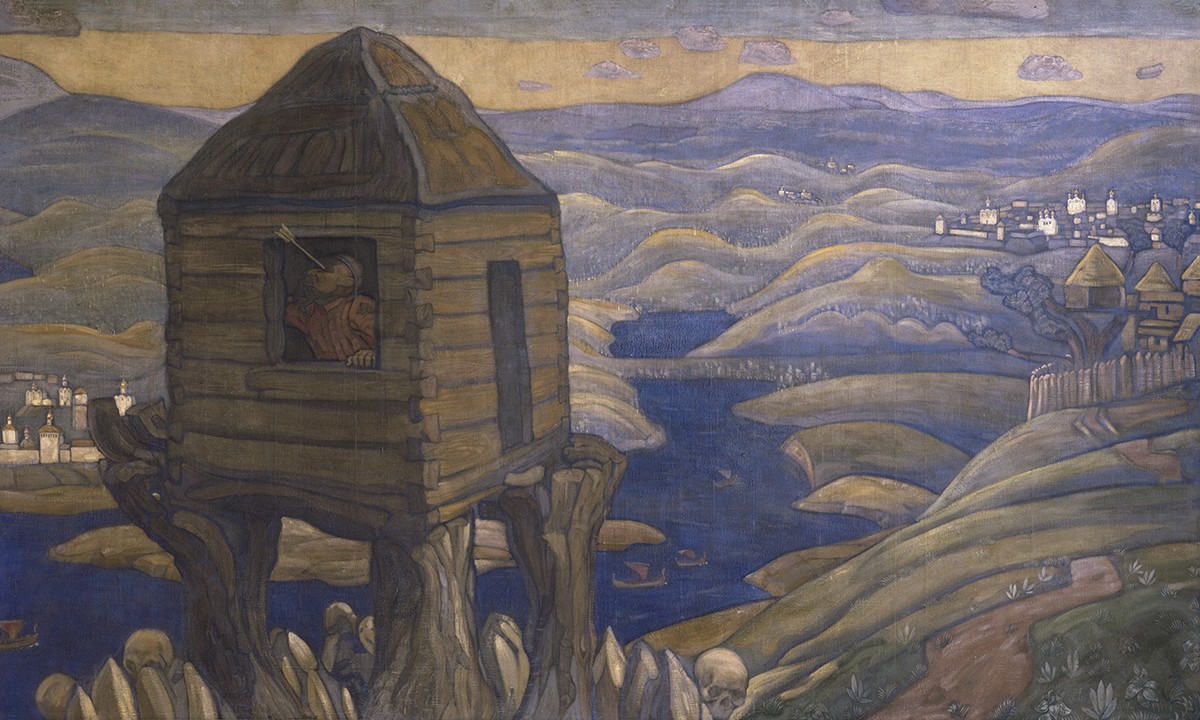
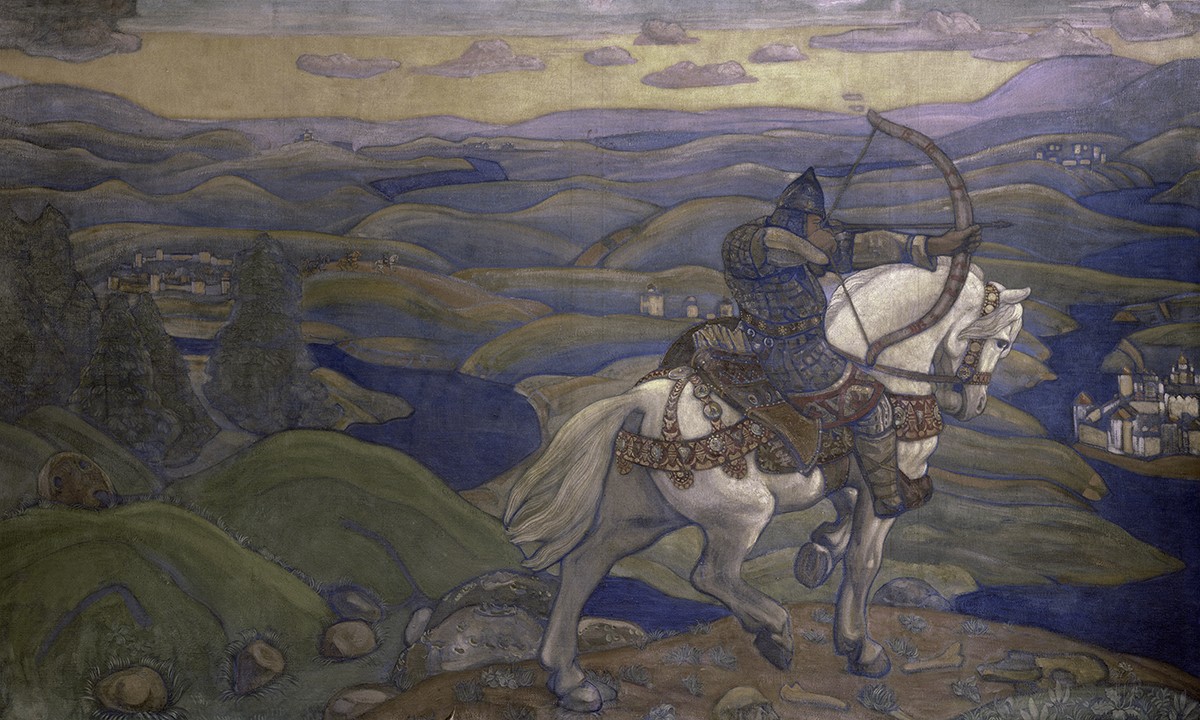
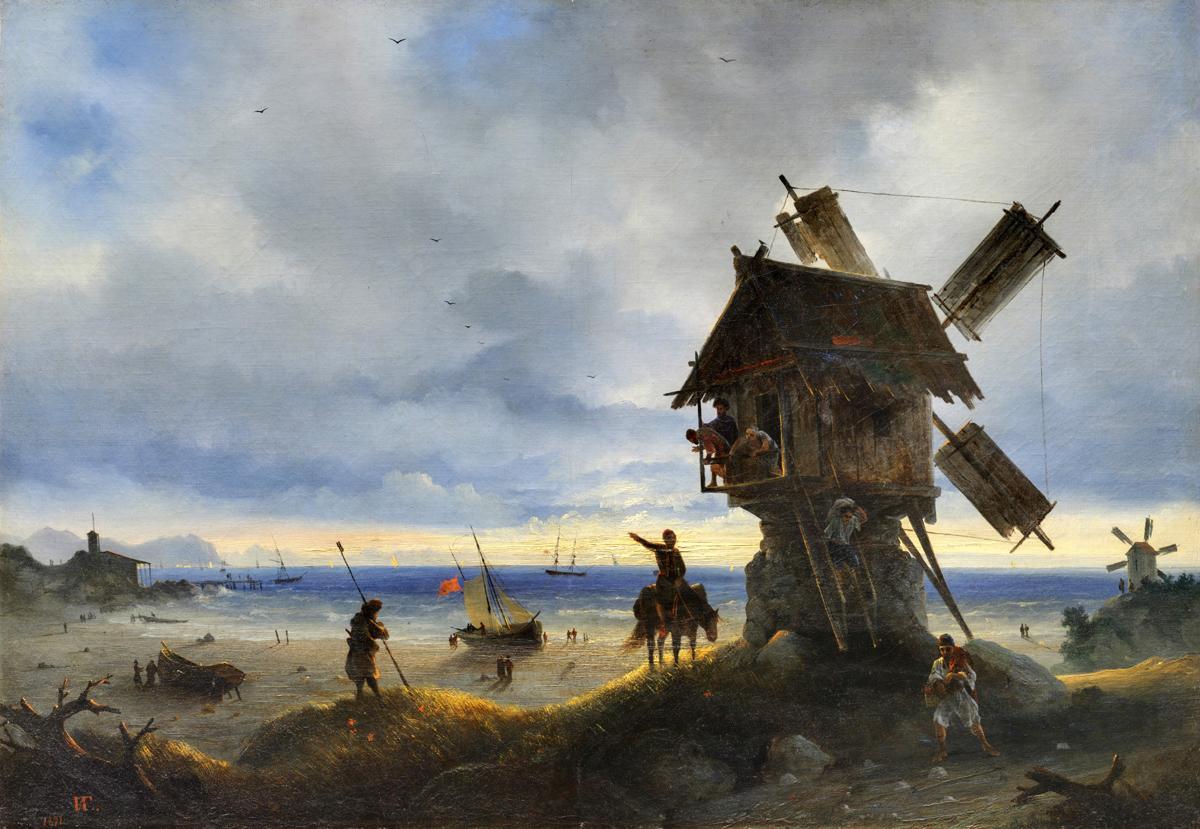
Городок
Kann ich es sehen?
Unbekannt
Wo ist „Городок“ heute? Sammlung: Russisches Museum, Sankt Petersburg. Unbekannt.

Sankt Petersburg, Russland
Der Besitzer ist bekannt; ob das Werk derzeit ausgestellt ist, nicht.
- Unverändert seit
- Quelle
- Das Museum
Angaben
- Inventarnummer
- Ж-1970
Was es zeigt
Im Katalog
Quellen
- Russisches Museum
- Bild: Russisches Museum — © State Russian Museum
Im Leben von Nicholas Roerich
Das ganze Leben1904–1905
Neolithic sites on the Valdai and a Stone Age collection
In 1904, with Prince Putyatin, Roerich finds several Neolithic sites on the Valdai Hills near Lake Piros, and from 1905 he builds a collection of Stone Age antiquities, which is highly praised that same year at the French Prehistoric Congress in Périgueux. By 1910 it holds more than 30,000 items from Russia, Germany, Italy and France; today they are in the Hermitage.
1905
Eastern motifs: Japan and India
From 1905, alongside the ancient Russian theme, Eastern motifs begin to appear in Roerich's work: he publishes essays on Japan and India, paints pictures on Indian subjects, collects Japanese art, reads Ramakrishna, Vivekananda and Tagore, and studies the philosophy of the East.
1906
Exhibitions abroad and the Salon d'Automne
From 1906 Roerich regularly takes part in exhibitions abroad: Paris, Venice, Berlin, Rome, Brussels, Vienna and London get to know his work, and his paintings are bought by the Luxembourg Museum, the National Museum in Rome, the Louvre and other museums. In 1907 he is elected a member of the Société du Salon d'Automne in France.
1906
Director of the Society's Drawing School
On taking up his post as director of the Drawing School, Roerich enlarges its premises, opens new classes and workshops — for icon painting, ceramics, chasing and weaving — restores the rights of the teaching council and founds a Museum of Russian Art at the school; he hopes to reorganise it as a Free People's Academy.
1909
Elected an academician
In 1909 Roerich is elected an academician of the Imperial Academy of Arts, as well as a member of the Council of the Society for the Protection and Preservation of Monuments of Art and Antiquity in Russia and chairman of the Commission of the Museum of Pre-Petrine Art and Life.
1909–1913
Diaghilev's Russian Seasons: sets and a libretto
In Paris, Borodin's “Polovtsian Dances” from “Prince Igor” and Rimsky-Korsakov's “The Maid of Pskov” are staged in Roerich's designs; for the ballet “The Rite of Spring”, to music by Stravinsky, he creates the costumes and sets and also writes the libretto.