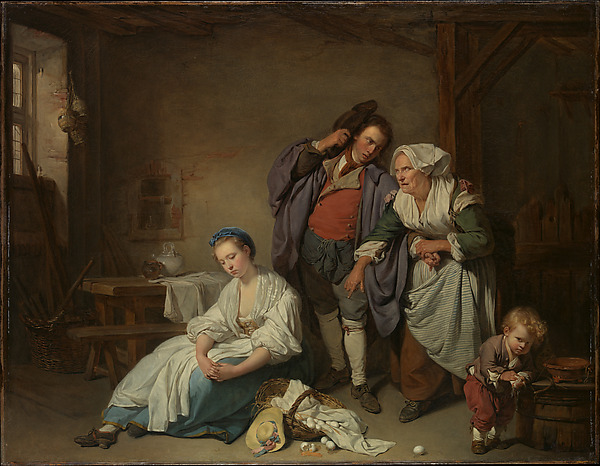
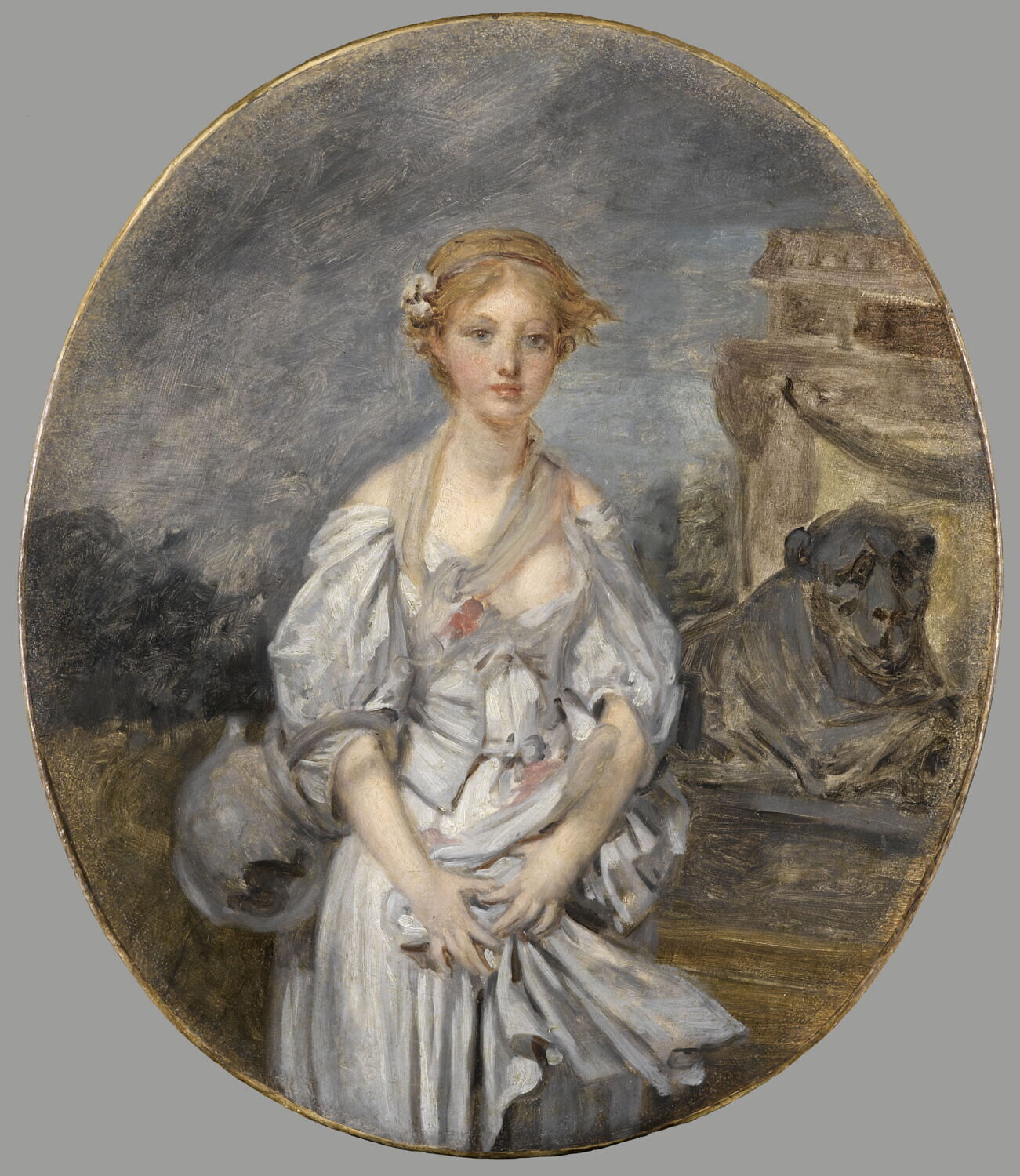
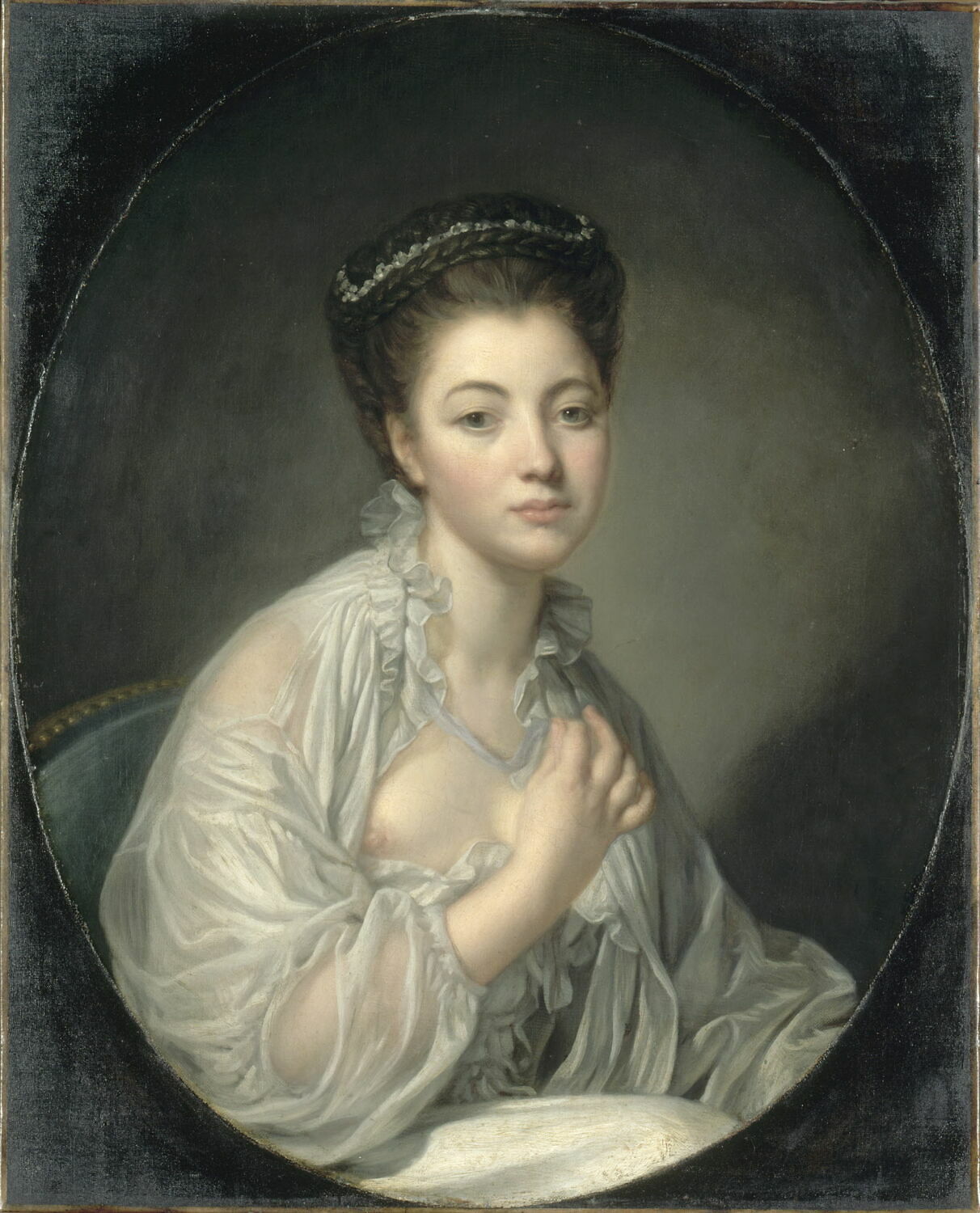
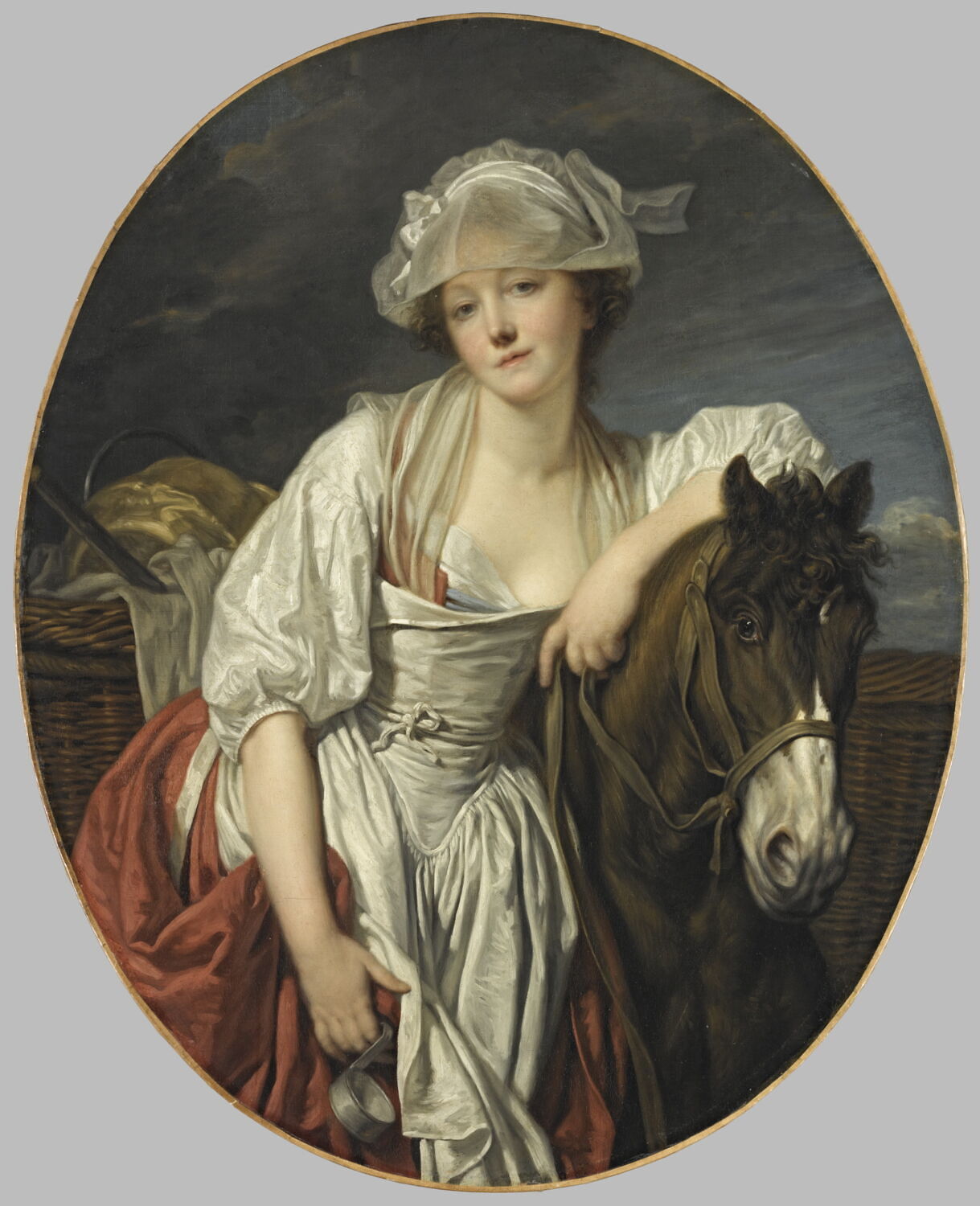
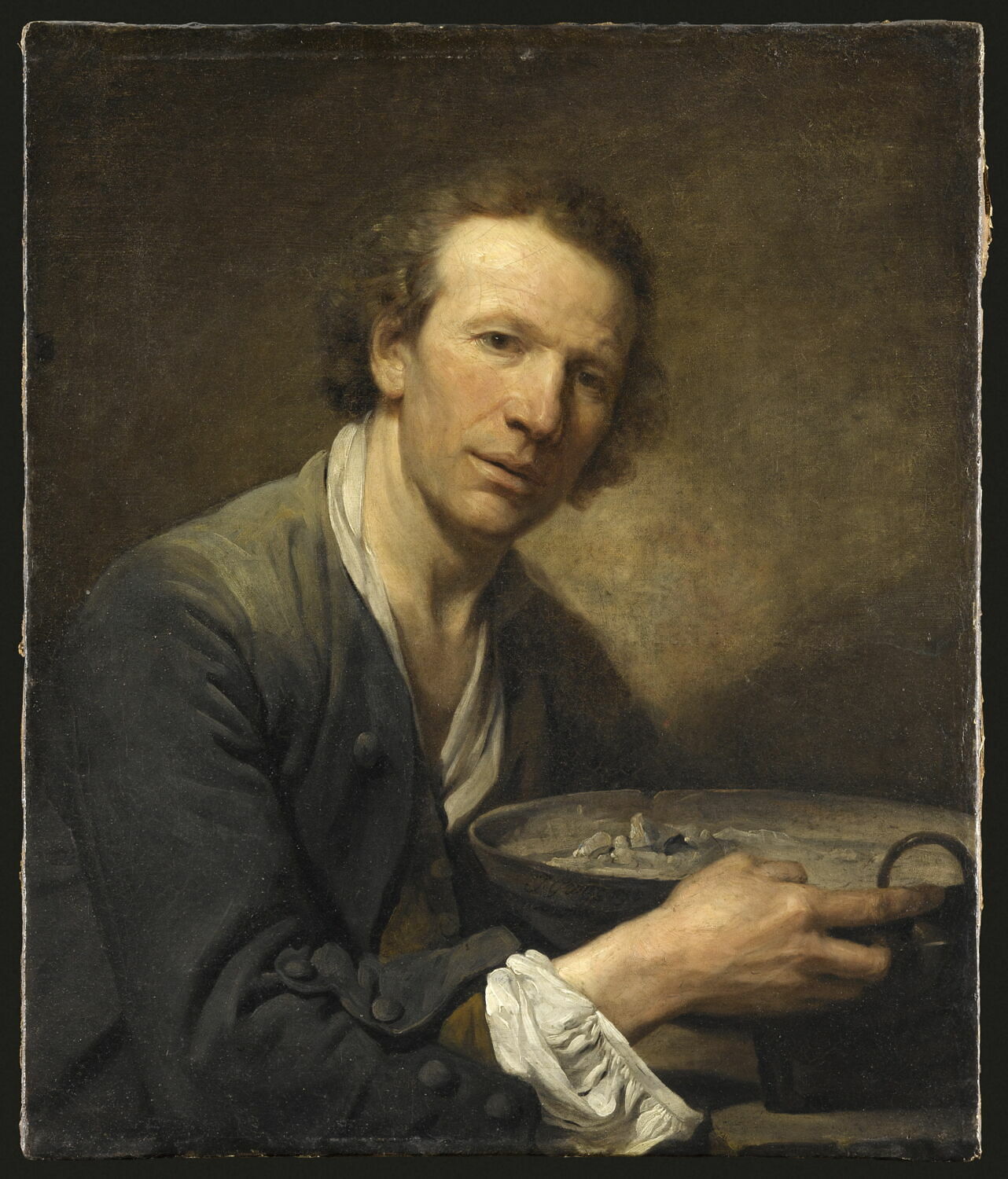
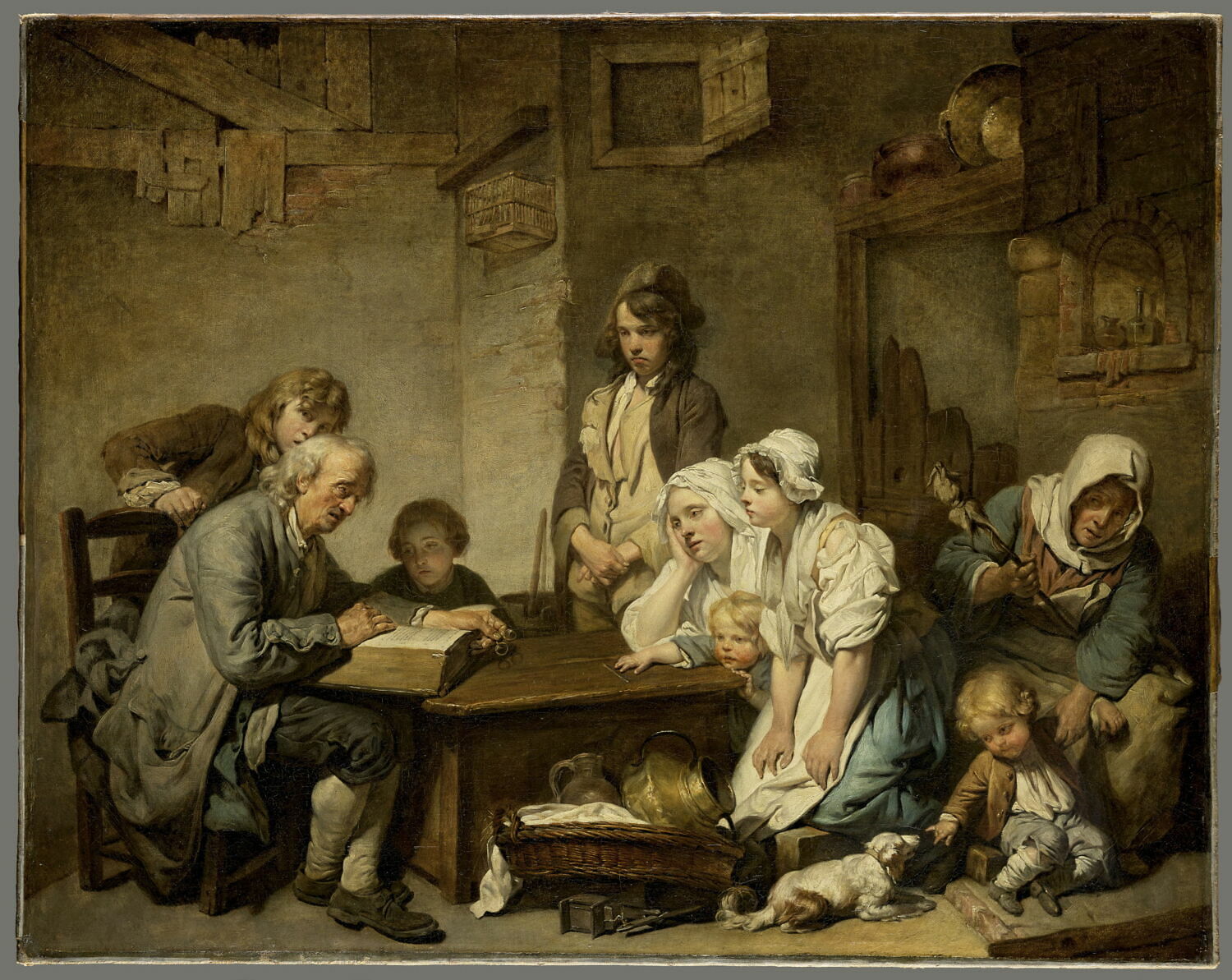
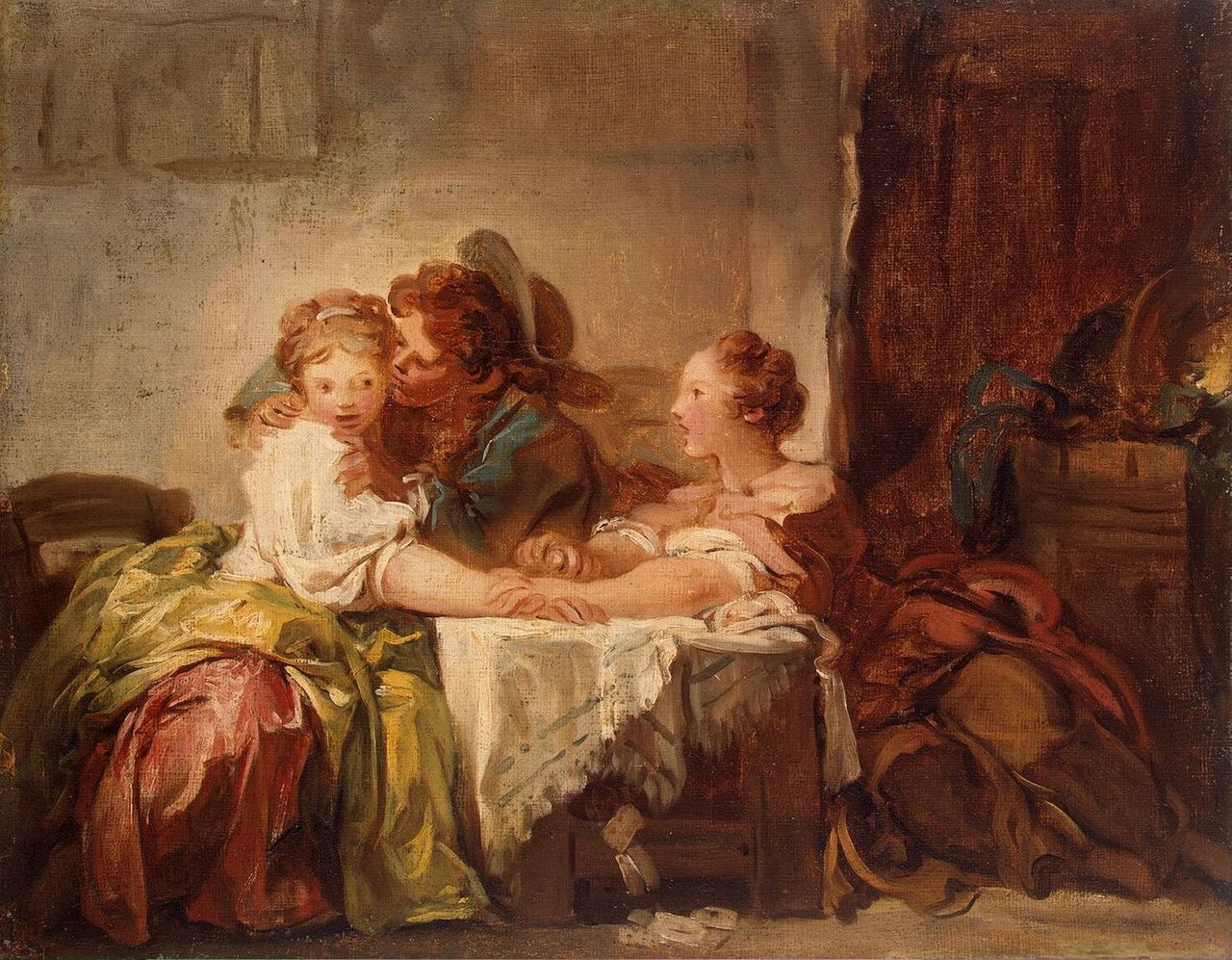
Jean Baptiste GreuzeFrankreich, 1725–1805
Head of a Young Girl in a Bonnet
Kann ich es sehen?
Ja, derzeit ausgestellt
Wo ist „Head of a Young Girl in a Bonnet“ heute? Eremitage, Saal 288, Sankt Petersburg. Ja, derzeit ausgestellt. Geprüft 29. August 2026.

Sankt Petersburg, Russland
Geschlossen· öffnet um 12:00
Öffentlich ausgestellt.
- Geprüft
- Unverändert seit
- Quelle
- Das Museum
Angaben
- Inventarnummer
- ГЭ-1254
Im Katalog
Quellen
- Eremitage
- Bild: Eremitage — Museum open access
Im Leben von Jean Baptiste Greuze
Das ganze Leben3 February 1759
Marries Anne-Gabrielle Babuti
Greuze marries Anne-Gabrielle Babuti, daughter of François Babuti, a bookseller on the Quai des Augustins; he will paint his father-in-law’s portrait in 1761.
16. April 1762
Daughter born: Anna-Geneviève Greuze
1763
The Paralytic and the triumph of the Salon of 1763
Greuze exhibits at the Salons of 1759, 1761 and 1763 with growing success; the high point is The Paralytic (1763), which immediately wins unheard-of fame. The painting is bought by Empress Catherine II on the recommendation of Diderot, one of its most passionate admirers.
1765
The Salon of 1765: thirteen paintings and the height of his fame
At the Salon Greuze is represented by thirteen works, among them Young Girl Weeping for Her Dead Bird, The Good Mother, The Bad Son Punished and The Father’s Curse (the last two now in the Louvre); this is the zenith of his fame. He continues his series of pictures on upbringing and the relations between fathers and children, one of the great questions of the Enlightenment.
1769
Admitted to the Academy only as a genre painter
Wishing to be received as a history painter, Greuze presents the canvas Septimius Severus and Caracalla, exhibited beside his portrait of Jeaurat and the Little Girl with a Black Dog, and suffers a clear fiasco. The Academy accepts him, but only as a genre painter; the director says it respects his former excellent works but has “shut her eyes” to this unworthy canvas.
1769–1804
The quarrel with the Academy and his withdrawal from the Salons
Greatly incensed by the director’s words, Greuze quarrels with his confrères and ceases to exhibit until 1804, when the Revolution had thrown open the doors of the Academy to all the world.