 Andrea Briosco, called RiccioItalien, 1470–1532
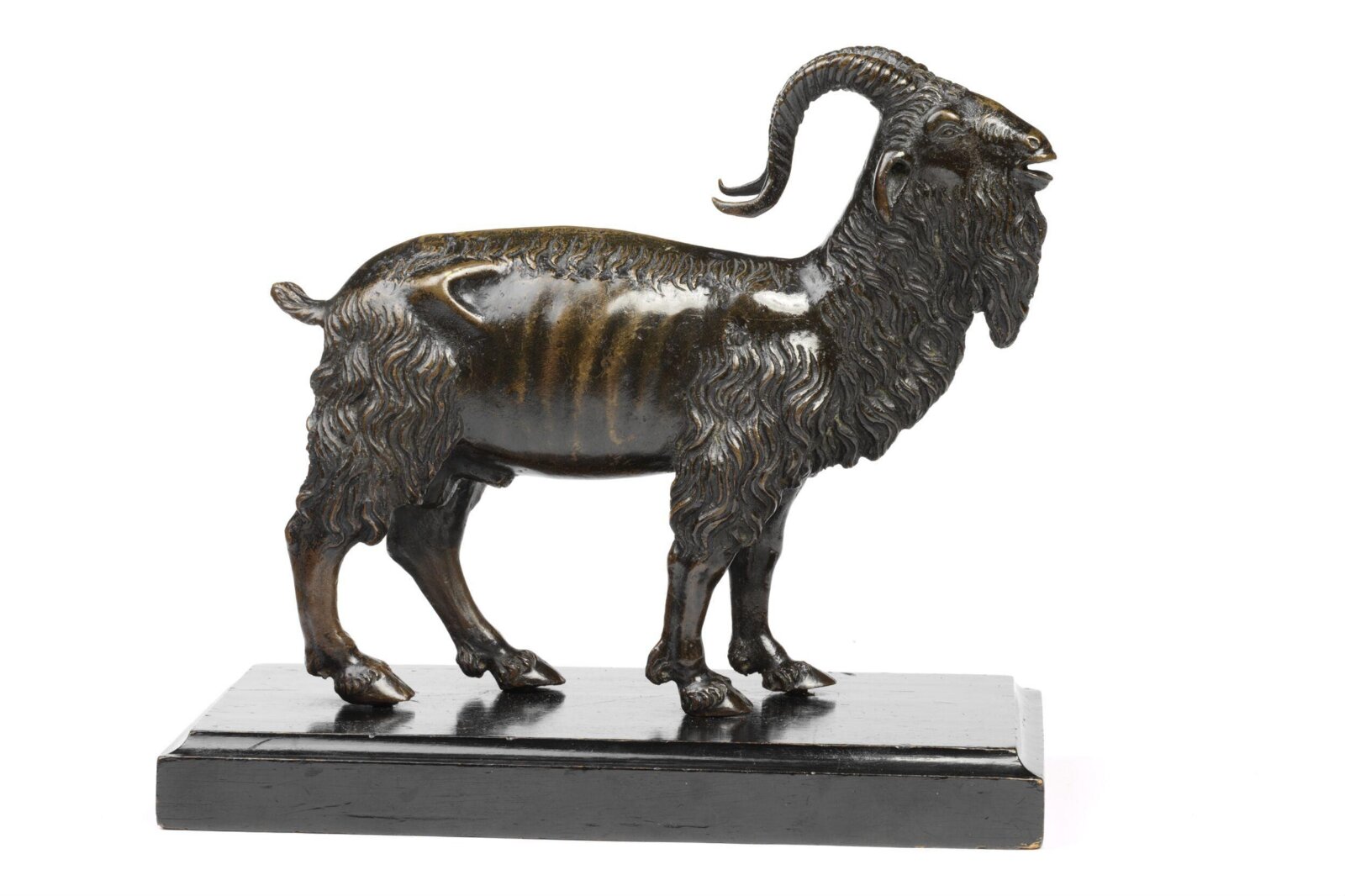
Goat
Darf man es sehen?
Ja, es empfängt Besucher

Victoria and Albert Museum
London, Vereinigtes Königreich
SaalMedieval & Renaissance, Room 64, The Wolfson Gallery
Öffentlich ausgestellt. Wer dafür bürgt, steht unten.
- Geprüft
- Unverändert seit
- Quelle
- Sammlungsdaten des Museums selbst
About the sculpture
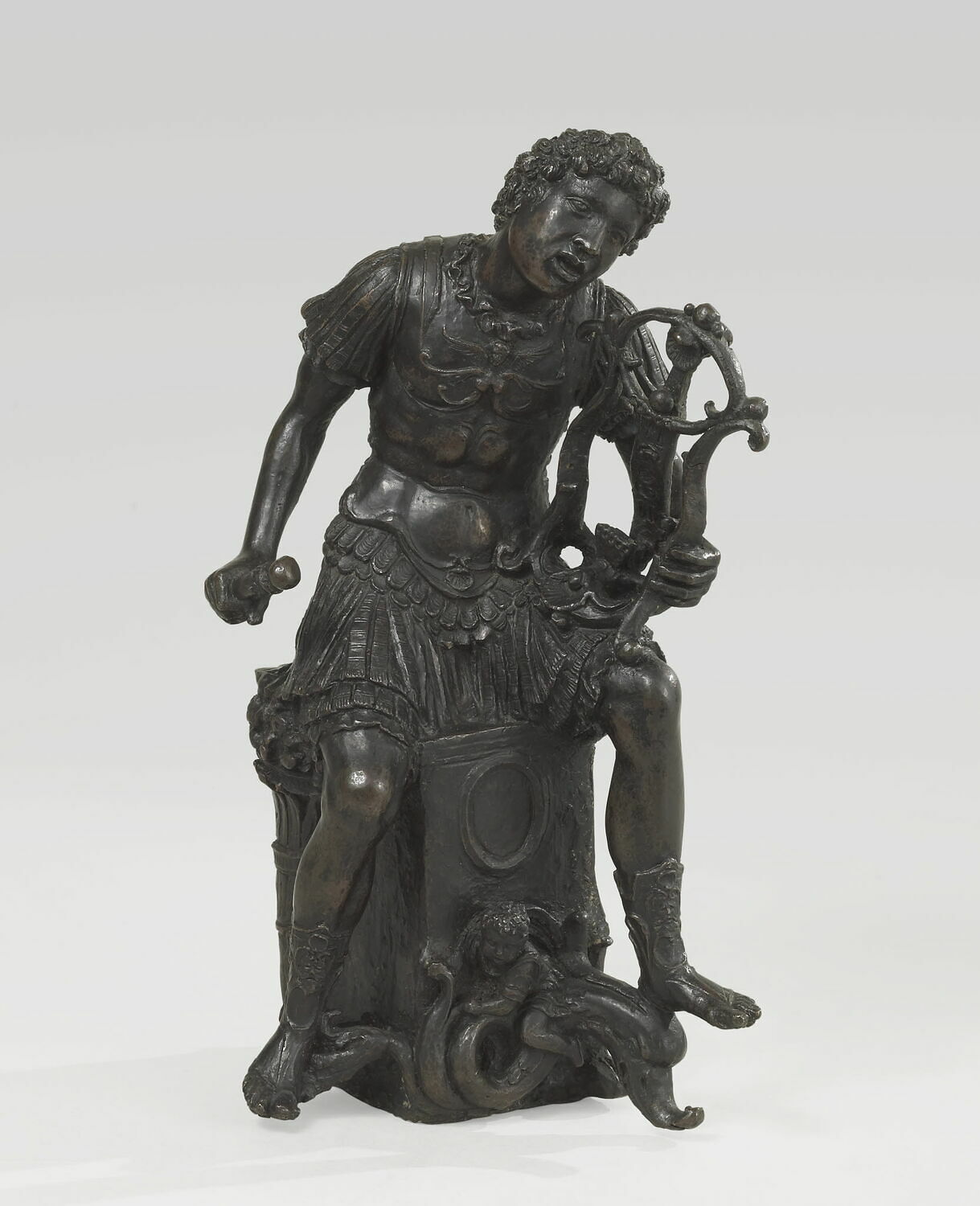
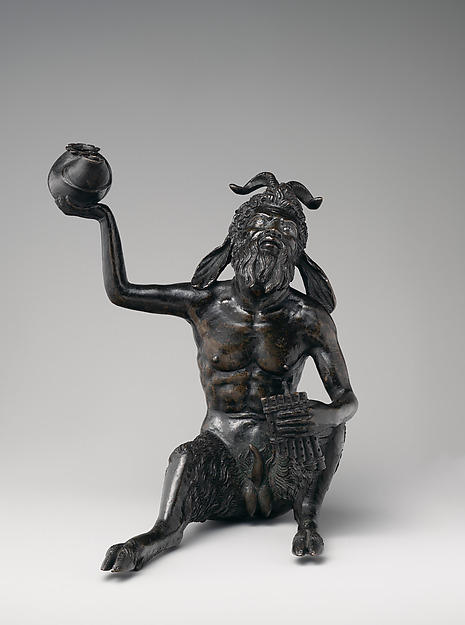
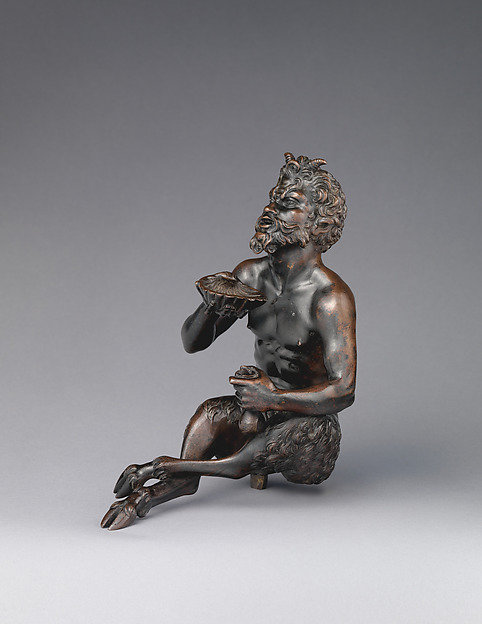
This bronze exists in several versions and is probably based on a model by the celebrated Paduan master, Il Riccio. During the Renaissance the goat was a symbol of male sexuality. It was also associated with the ancient Roman god of wine.
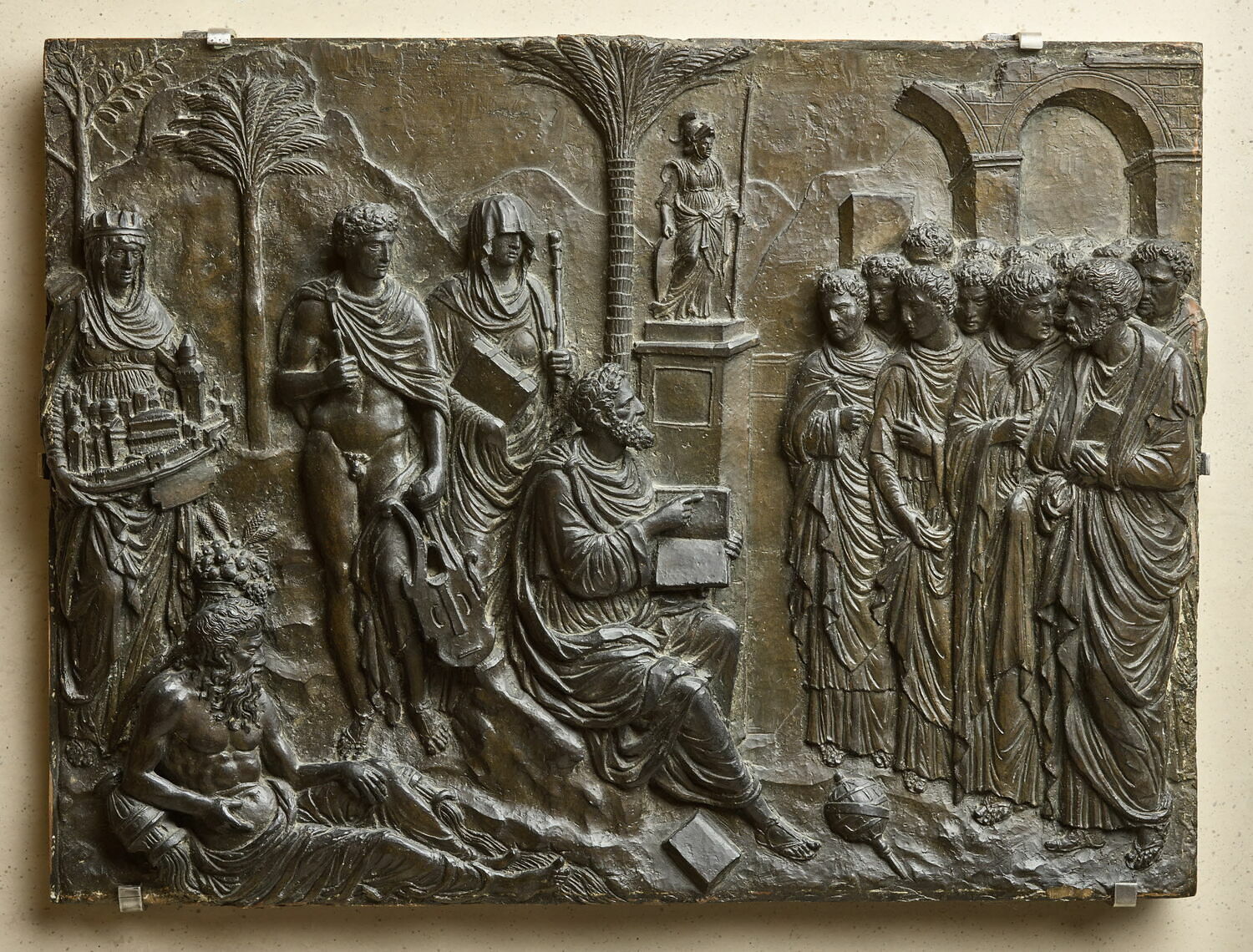
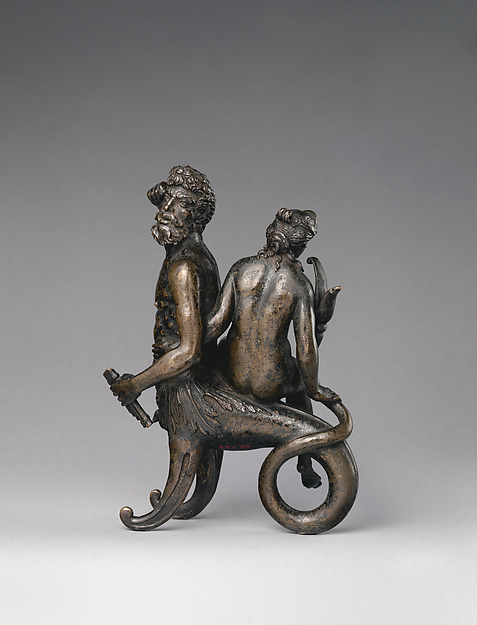
Riccio (1470-1532) - meaning 'Curly-Head' - worked primarily in bronze and is acknowledged as the master of the bronze statuette during the late 15th and early 16th centuries. He was active in the humanist circle of the University of Padua, in north-east Italy.
Riccio was trained as a goldsmith and lived and worked all his live in Padua. Today he is acknowledged as one of the greatest bronze sculptors of the Renaissance.
His statuettes, functional objects, like oil lamps, and reliefs reflect Riccio's inimitable ability to express the most refined humanist ideas prevalent in the Veneto in bronze.
Read on
He was also a specialist in rendering themes of Classical mythology.
His oeuvre is often neglected because of its small scale, but it constitutes one of the most fascinating manifestations of the poetic paganism of the High Renaissance.
Victoria and Albert Museum
Angaben
- Inventarnummer
- A.75-1952
What it shows
Im Katalog
Quellen
- Victoria and Albert Museum: the museum's own open data · abgerufen vor 10 Tagen
- Bild: Victoria and Albert Museum — © Victoria and Albert Museum, London