ART WIKI32.963 ausgestellt
KarteSammlungKünstlerMuseenAusstellungenJournal
Anmelden

ART WIKI

Wo das Meisterwerk hängt und wann man vorgelassen wird.

Sammlungen: Art Institute of Chicago, Cleveland Museum of Art, Eremitage, Getty Villa, Harvard Art Museums, Hirshhorn Museum and Sculpture Garden, J. Paul Getty Museum, Louvre, Metropolitan Museum of Art, Minneapolis Institute of Art, Museum of Modern Art, National Gallery of Art, National Museum of Asian Art, National Portrait Gallery, Puschkin-Museum, Rijksmuseum Amsterdam, Russisches Museum, Smithsonian American Art Museum, Statens Museum for Kunst, Tretjakow-Galerie, Victoria and Albert Museum, Whitney Museum of American Art, Staatskatalog des Museumsfonds Russlands (274 Museen), Europeana (19 Museen), Wikidata (6 Museen), Paris Musées (12 Museen) und Joconde, die Museumsdatenbank des französischen Kulturministeriums (495 Museen). Die Bilder gehören ihren Rechteinhabern.

Rubriken

  • Karte
  • Suche
  • Sammlung
  • Meisterwerke
  • Jetzt ausgestellt
  • Künstler

Mehr

  • Museen & Galerien
  • Ausstellungen
  • Journal
  • Woher die Daten stammen
  • Datenschutz & Cookies
StartseiteKarteKatalog
  1. Sammlung/
  2. Metropolitan Museum of Art/
  3. Evening: Landscape with an Aqueduct
Evening: Landscape with an Aqueduct, Théodore Géricault, 1818
Théodore Géricault, PorträtThéodore GéricaultFrankreich, 1791–1824

Evening: Landscape with an Aqueduct

1818 · Painting

Darf man es sehen?

Ja, es empfängt Besucher

Metropolitan Museum of Art

New York City, Vereinigte Staaten

Saal802

Öffentlich ausgestellt. Wer dafür bürgt, steht unten.

Geprüft
vor 3 Tagen
Unverändert seit
26. Sept. 2026
Quelle
Das Museum
Auf der KarteMuseumsseite

Über das Gemälde

Evening: Landscape with an Aqueduct is an 1818 landscape painting by the French artist Théodore Géricault.

It was one of three monumental landscapes showing various times of the day (a planned fourth was not produced). Géricault combines a view of the aqueduct of Spoleto which he had visited in 1817, with the stormy skies and turbulent moods of the developing romantic movement. It is in the collection of the Metropolitan Museum of Art in New York City.

Wikipedia · CC BY-SA

Angaben

1818 · mit 27 Jahren
17911824
Inventarnummer
1989.183

Was es zeigt

MannRiversLandscapeEveningAqueducts

Im Katalog

GemäldeÖlFranzösische MalereiKlassizismusRomantik19. Jahrhundert

Quellen

  • Metropolitan Museum of Art
  • Bild: Metropolitan Museum of Art — Open Access (CC0)

Derweil im Leben von Théodore Géricault

Das ganze Leben
  1. 1816

    An affair with his uncle's wife: another reason to leave

    At that time Géricault began a love affair with his uncle's wife, Alexandrine-Modeste Caruel, and feared its discovery; it was another, personal reason for his departure for Italy.

  2. 1816–1817

    Naples and Rome: the shock of Michelangelo

    Géricault visited Naples, drawing the landscapes and people, but spent most of his time in Rome. The frescoes of the Sistine Chapel shook him: Michelangelo's monumentality of form inspired his pen drawings, such as “Man Felling a Bull”, among the most interesting made in Rome.

  3. autumn 1817

    The book on the wreck of the Méduse reaches Géricault

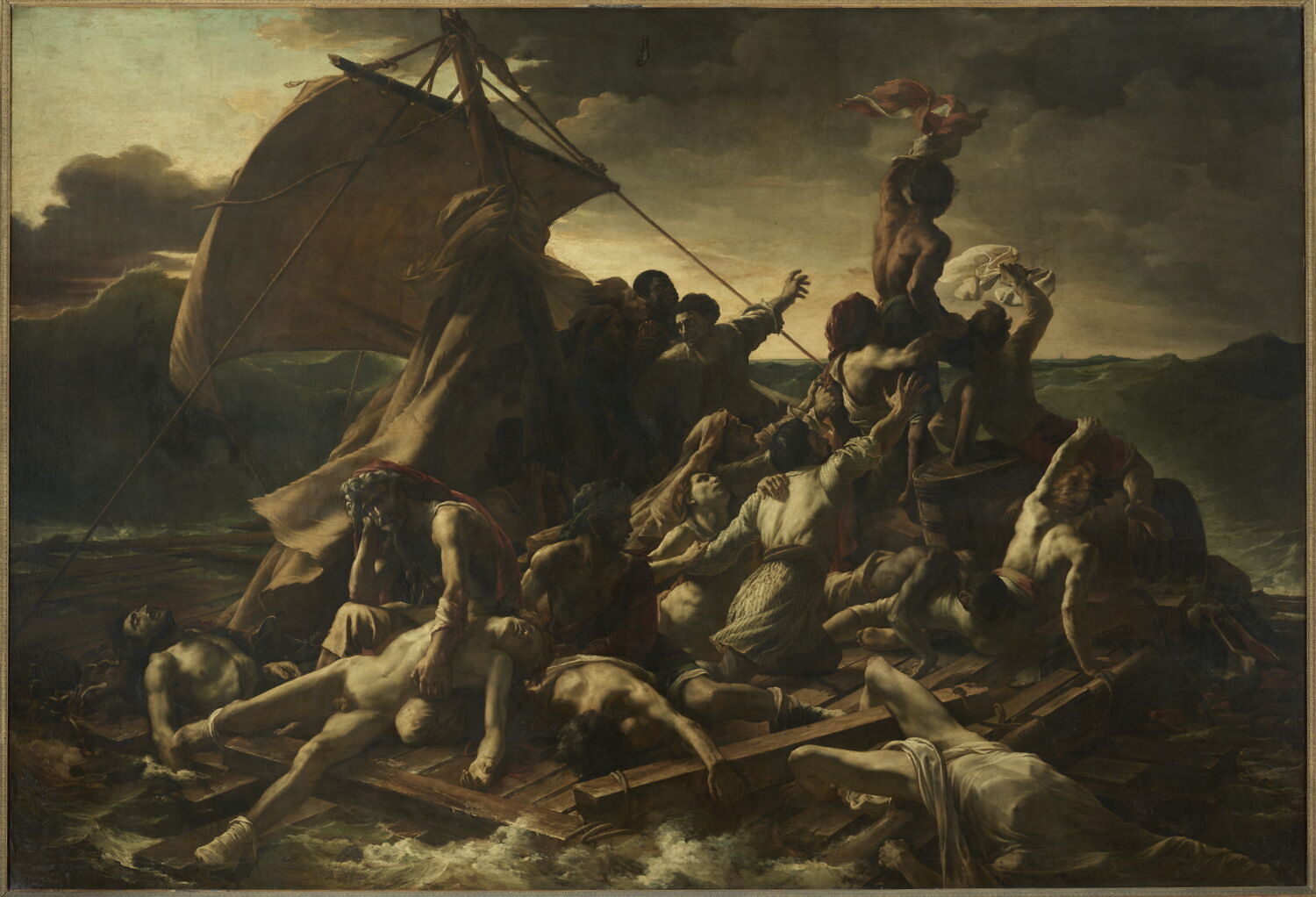
    In the autumn of 1817 the book “The Wreck of the Frigate Medusa” appeared, in which the eyewitnesses, the geographer-engineer Alexandre Corréard and the physician Henri Savigny, described the thirteen-day drift of the raft after the ship ran aground off the coast of Mauritania. The book reached Géricault, who saw in it the subject for the large painting he had long dreamed of.

  4. 1817–1818

    Investigating the disaster: survivors, a model raft, morgues

    Géricault re-created the event by studying the available materials and meeting witnesses: he got to know Corréard and Savigny, a carpenter from the Méduse made a scale model of the raft for him, and the artist modelled wax figures himself. He visited hospital morgues, drawing dead heads, emaciated bodies and severed limbs, and the preparation ended with a trip to Le Havre, where he painted studies of sea and sky.

  5. 1819

    “The Raft of the Medusa” sparks a political controversy at the Salon

    When first exhibited at the Paris Salon of 1819, “The Raft of the Medusa” ignited political controversy: it indicted a corrupt establishment, in which the captain had left the crew and passengers to die, but also dramatized the eternal struggle of man against nature.

  6. 12 June – 30 December 1820

    London: 50,000 visitors and 20,000 francs

    The entrepreneur Bullock exhibited “The Raft of the Medusa” in London from 12 June to 30 December 1820; about 50,000 people saw it, critics called it a masterpiece, and its author was compared to Michelangelo and Caravaggio. Géricault was entitled to a third of the ticket receipts and received 20,000 francs.
Mehr von Théodore Géricault

Alle Werke
Le radeau de la Méduse, Géricault, Théodore, 1e quart du XIXe siècle (1818 - 1819)

Das Floß der Medusa

1e quart du XIXe siècle (1818 - 1819) · Louvre

Flayed Horse III, Théodore Gericault, model c. 1820/1824, cast 1959-1960

Flayed Horse III

model c. 1820/1824, cast 1959-1960 · National Gallery of Art

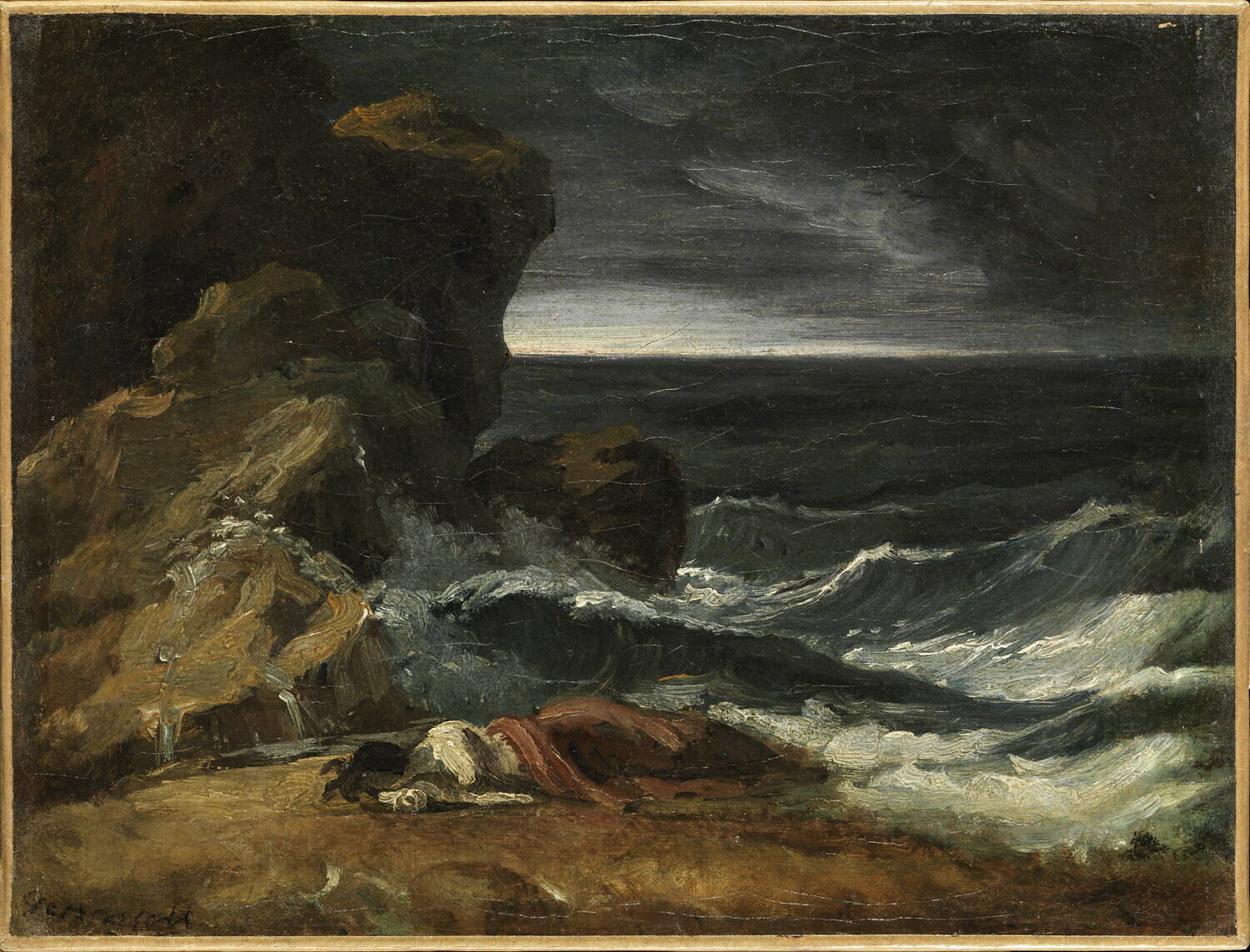
La tempête ou L'épave, Géricault, Théodore, 1e quart du XIXe siècle (1800 - 1825)

La tempête ou L'épave

1e quart du XIXe siècle (1800 - 1825) · Louvre

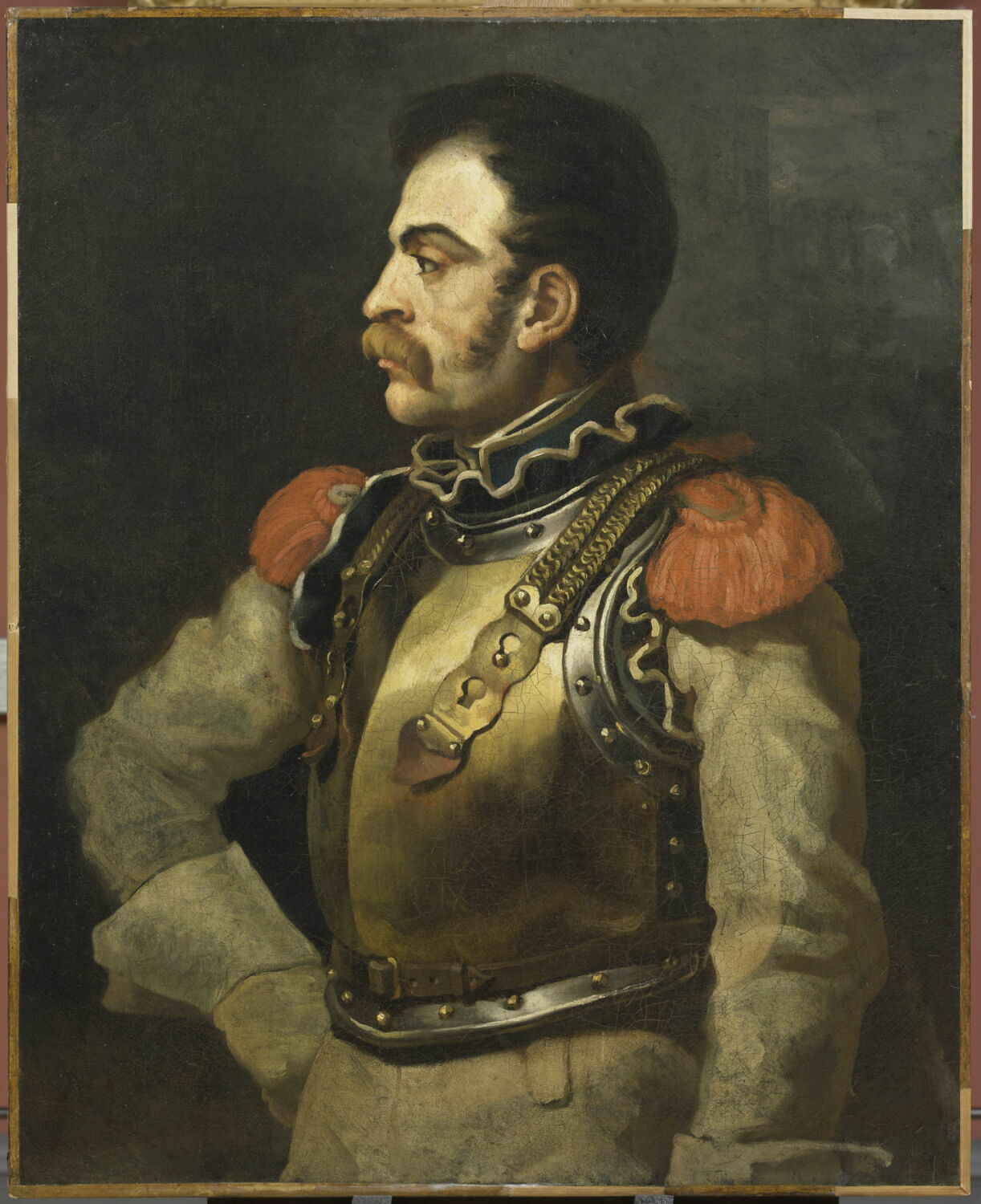
Un carabinier, vu à mi-corps., Géricault, Théodore, 1e quart du XIXe siècle (1800 - 1825)

Un carabinier, vu à mi-corps.

1e quart du XIXe siècle (1800 - 1825) · Louvre

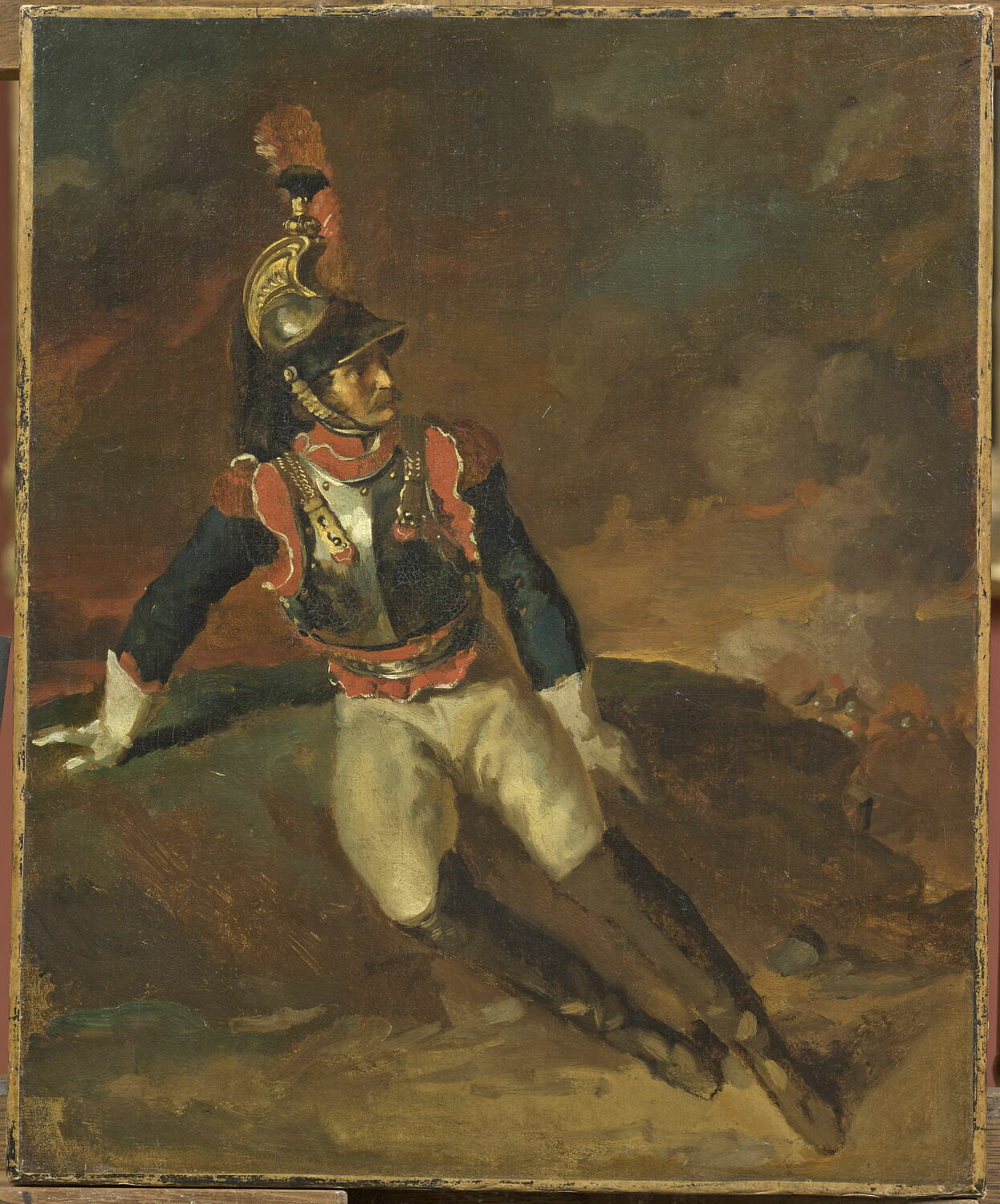
Cuirassier blessé, Géricault, Théodore, 1e quart du XIXe siècle (1800 - 1825)

Cuirassier blessé

1e quart du XIXe siècle (1800 - 1825) · Louvre

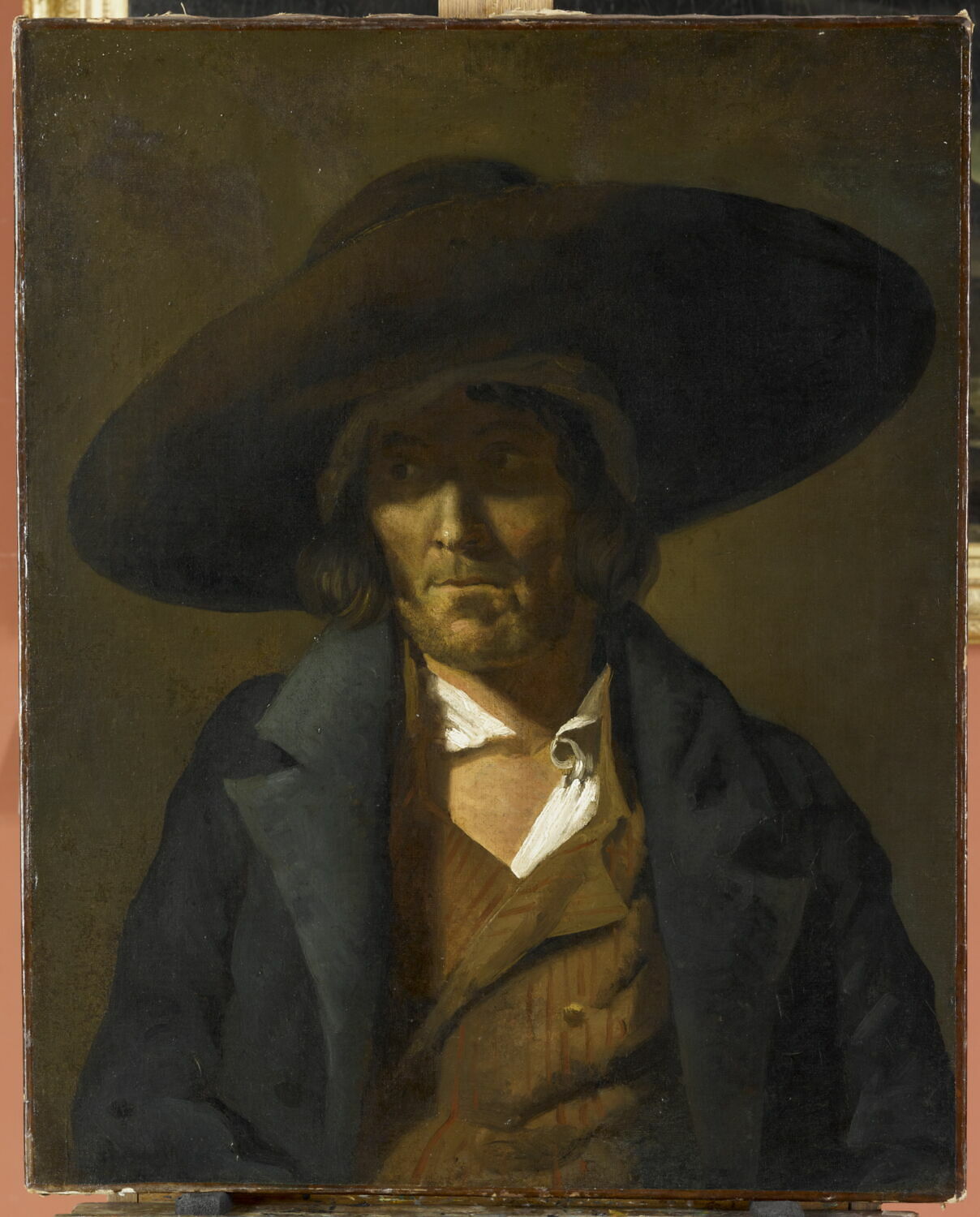
Portrait d'homme, dit le Vendéen, Géricault, Théodore, 1e quart du XIXe siècle (1800 - 1825)

Portrait d'homme, dit le Vendéen

1e quart du XIXe siècle (1800 - 1825) · Louvre

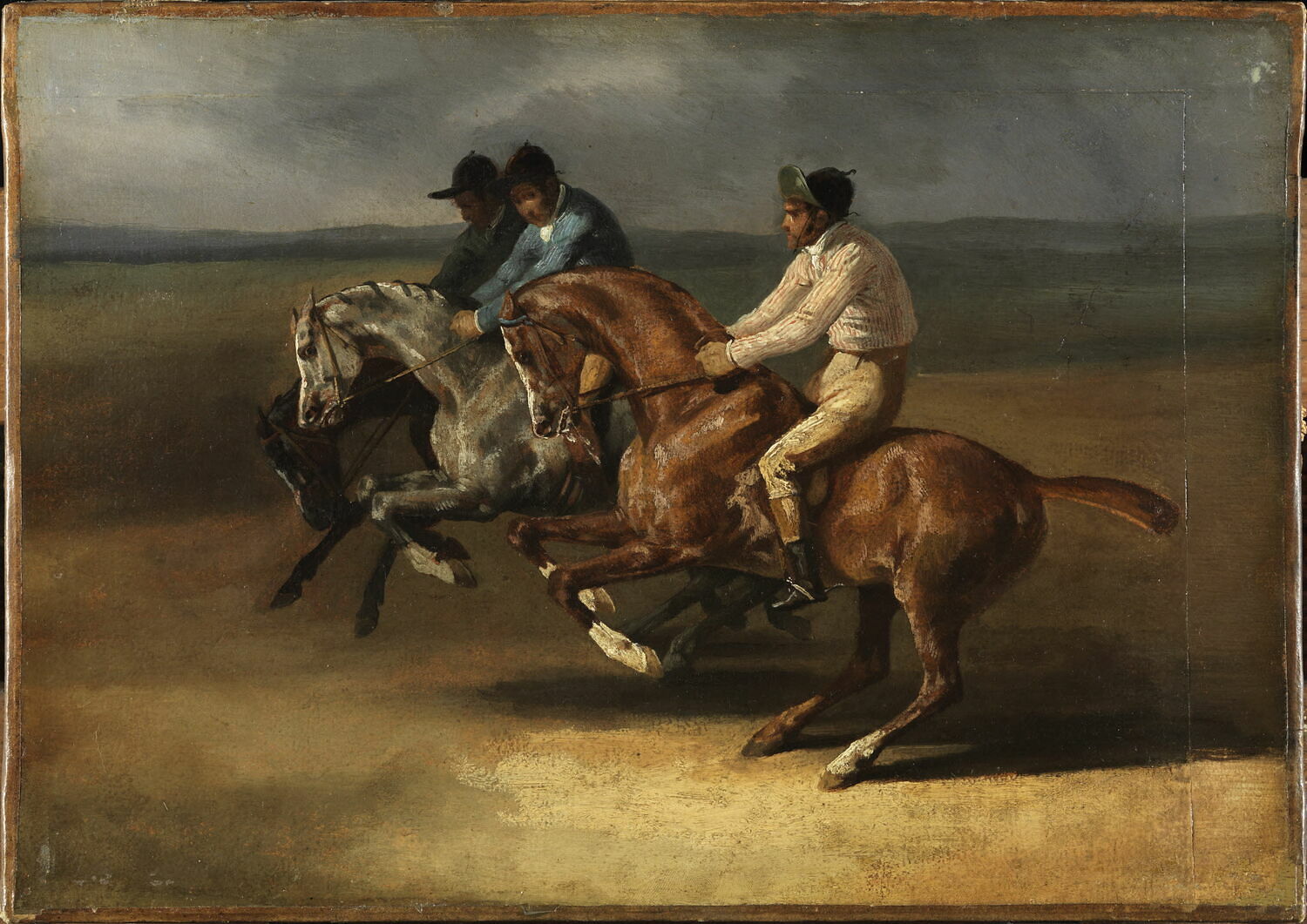
Course de Chevaux montés allant à gauche, au moment du départ., Géricault, Théodore, 1e quart du XIXe siècle (1800 - 1825)

Course de Chevaux montés allant à gauche, au moment du départ.

1e quart du XIXe siècle (1800 - 1825) · Louvre

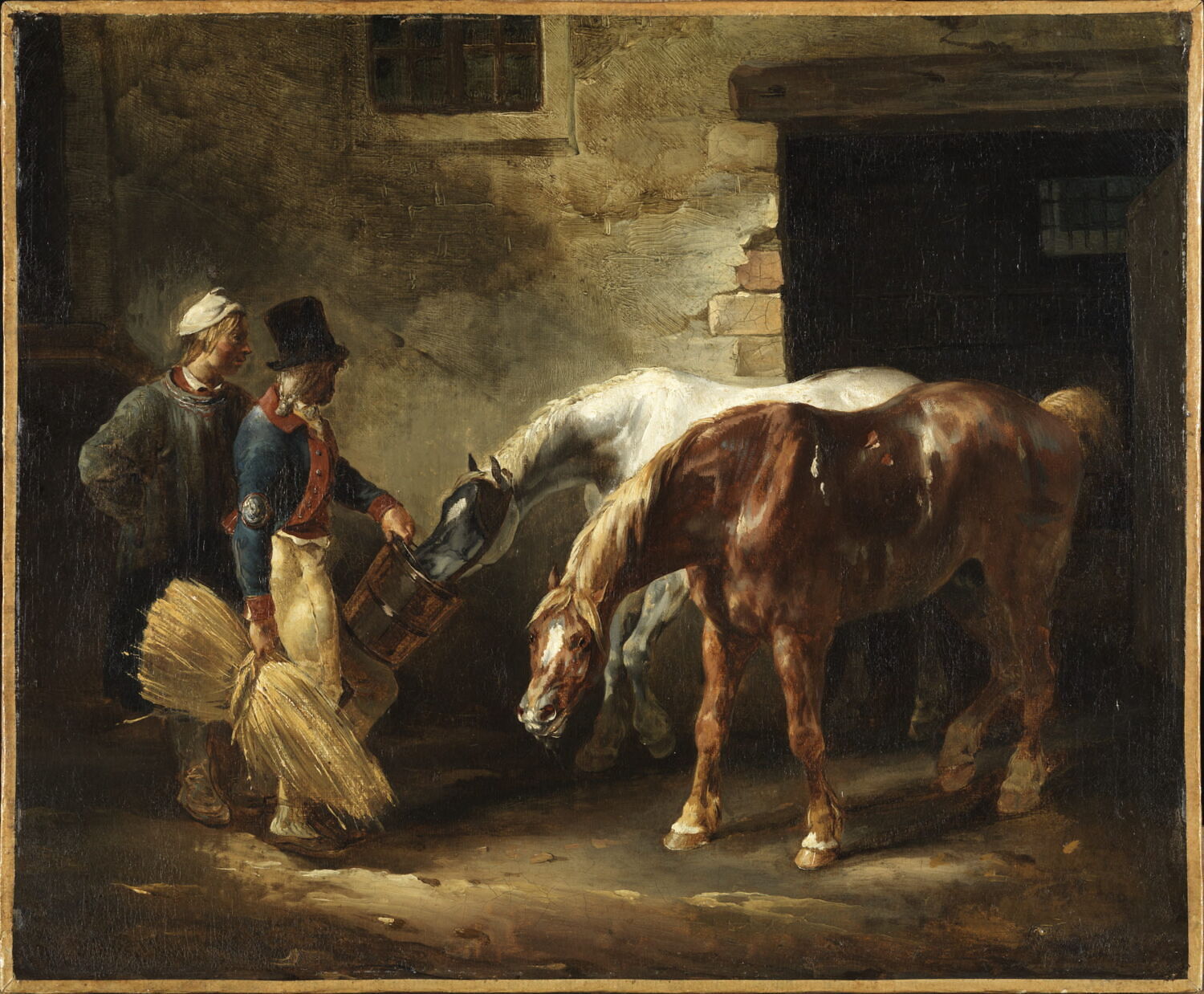
Deux chevaux de poste à la porte d'une écurie, Géricault, Théodore, 1e quart du XIXe siècle (1800 - 1825)

Deux chevaux de poste à la porte d'une écurie

1e quart du XIXe siècle (1800 - 1825) · Louvre

Nachbarn im Haus: Metropolitan Museum of Art

Museumsseite
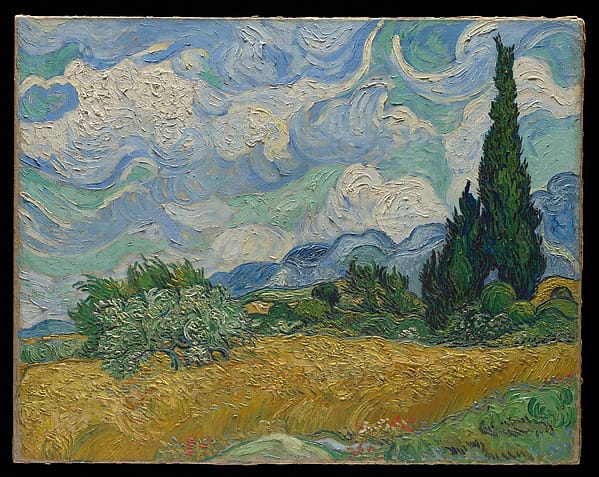
Wheat Field with Cypresses, Vincent van Gogh, 1889

Vincent van Gogh

Wheat Field with Cypresses, 1889

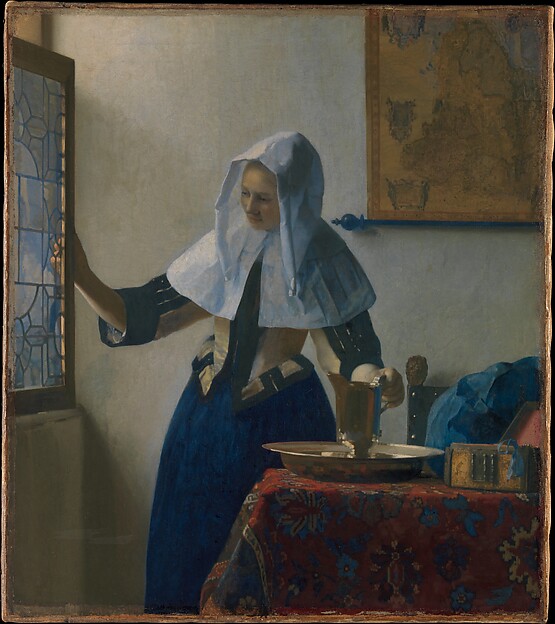
Young Woman with a Water Pitcher, Johannes Vermeer, ca. 1662

Johannes Vermeer

Junge Frau mit Wasserkanne am Fenster, ca. 1662

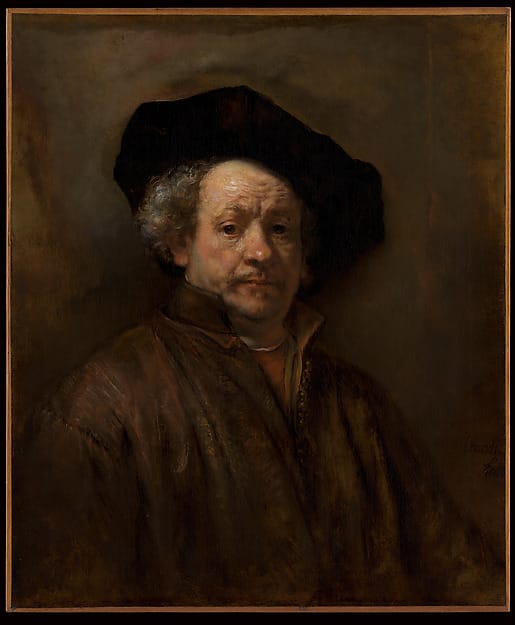
Self-Portrait, Rembrandt van Rijn, 1660

Rembrandt van Rijn

Self-Portrait, 1660

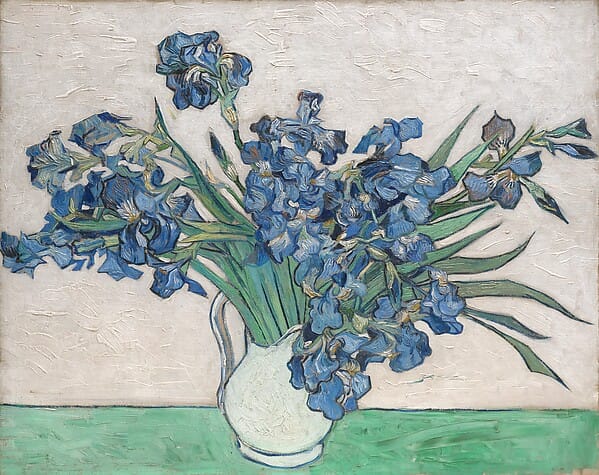
Irises, Vincent van Gogh, 1890

Vincent van Gogh

Irises, 1890

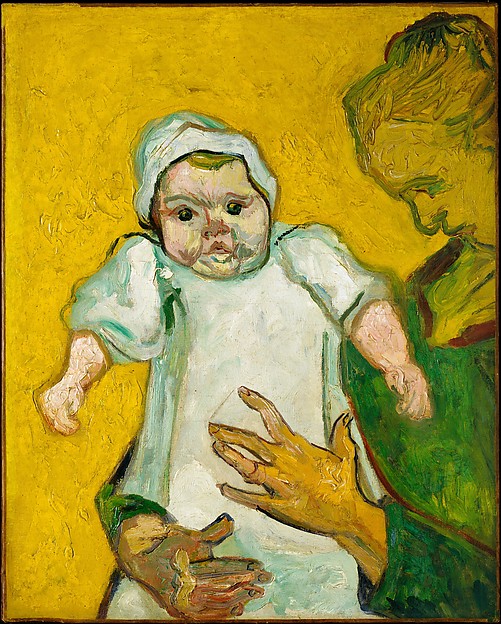
Madame Roulin and Her Baby, Vincent van Gogh, 1888

Vincent van Gogh

Madame Roulin and Her Baby, 1888

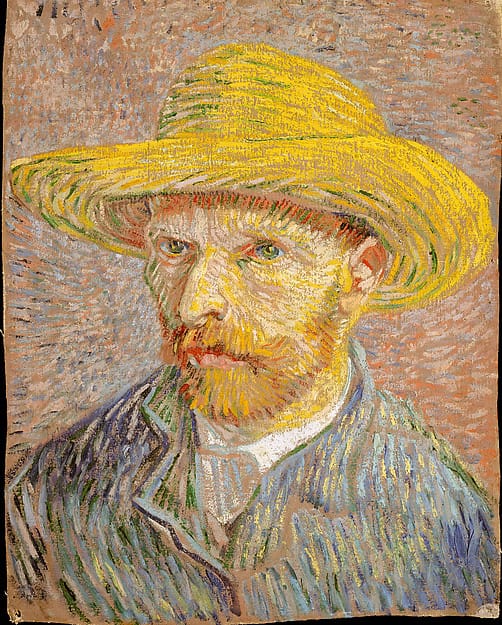
Self-Portrait with a Straw Hat (obverse: The Potato Peeler), Vincent van Gogh, 1887

Vincent van Gogh

Self-Portrait with a Straw Hat (obverse: The Potato Peeler), 1887

Bridge over a Pond of Water Lilies, Claude Monet, 1899

Claude Monet

Bridge over a Pond of Water Lilies, 1899

Houses on the Achterzaan, Claude Monet, 1871

Claude Monet

Houses on the Achterzaan, 1871