ART WIKI32.963 ausgestellt
KarteSammlungKünstlerMuseenAusstellungenJournal
Anmelden

ART WIKI

Wo das Meisterwerk hängt und wann man vorgelassen wird.

Sammlungen: Art Institute of Chicago, Cleveland Museum of Art, Eremitage, Getty Villa, Harvard Art Museums, Hirshhorn Museum and Sculpture Garden, J. Paul Getty Museum, Louvre, Metropolitan Museum of Art, Minneapolis Institute of Art, Museum of Modern Art, National Gallery of Art, National Museum of Asian Art, National Portrait Gallery, Puschkin-Museum, Rijksmuseum Amsterdam, Russisches Museum, Smithsonian American Art Museum, Statens Museum for Kunst, Tretjakow-Galerie, Victoria and Albert Museum, Whitney Museum of American Art, Staatskatalog des Museumsfonds Russlands (274 Museen), Europeana (19 Museen), Wikidata (6 Museen), Paris Musées (12 Museen) und Joconde, die Museumsdatenbank des französischen Kulturministeriums (495 Museen). Die Bilder gehören ihren Rechteinhabern.

Rubriken

  • Karte
  • Suche
  • Sammlung
  • Meisterwerke
  • Jetzt ausgestellt
  • Künstler

Mehr

  • Museen & Galerien
  • Ausstellungen
  • Journal
  • Woher die Daten stammen
  • Datenschutz & Cookies
StartseiteKarteKatalog
  1. Sammlung/
  2. Victoria and Albert Museum/
  3. Druze women
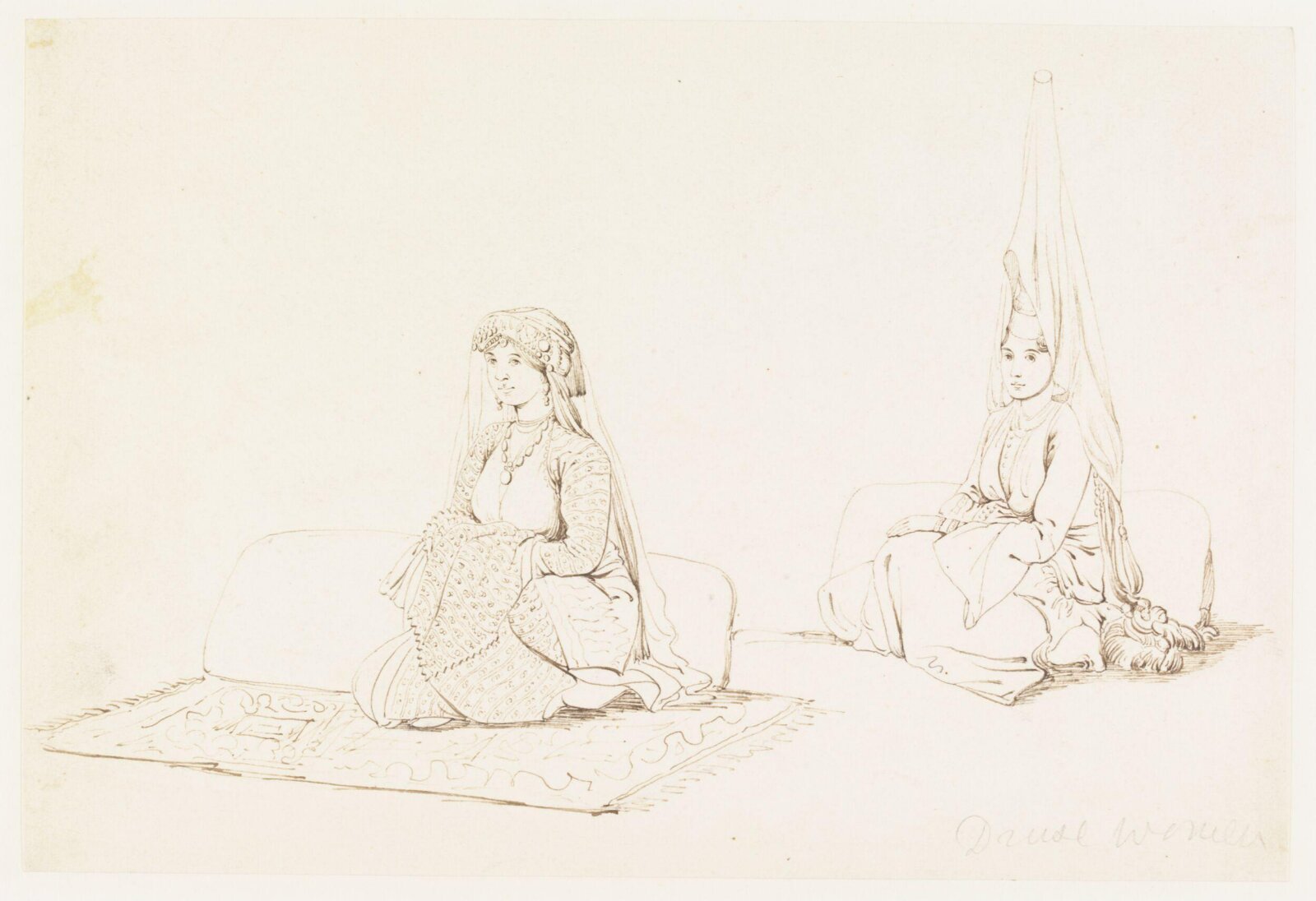
Druze women, 1820-1830

Druze women

1820-1830 · Drawing · 17 × 25.1 cm

Darf man es sehen?

Empfängt derzeit nicht

Victoria and Albert Museum

London, Vereinigtes Königreich

Es gehört zur Sammlung, ist derzeit aber nicht ausgestellt.

Geprüft
vor 12 Tagen
Unverändert seit
25. Sept. 2026
Quelle
Das Museum
Auf der KarteMuseumsseite

Über das Werk

The strange head-dresses of some Lebanese women attracted the curiosity of many travellers. R. R. Madden wrote of them in 1829: - The women wear a horn projecting from their foreheads, called tantoor, twenty inches long and tinselled over with gold and silver leaf, and sometimes with tin-foil. I saw one on the head of a young married woman near Deir el Kammar of solid silver. I endeavoured to prevail on her to sell me another which she showed me, of solid brass: but she said she would rather part with her head than her horn: it illustrates the scriptural expression “thine [sic] horn has been exalted" [1 Samuel 2:1] and it is undoubtedly a very ancient custom.

Weiterlesen

Although it had nearly disappeared by the middle of the nineteenth century, the tantour had a long tradition of being worn by wealthy Druze and Maronite women, and it was worn by a bride as a sign of her married status. Young girls wore them rarely, and then only if they were of noble birth. A husband customarily presented the tantour to his bride on their wedding day. Scholars have tried to explain their origin, and comparisons have been made with similar bizarre tall headdresses, the Hennins, worn in France by Burgundian noblewomen in the 1460s. Some other commentators even suggest a Mongolian origin, but the lack of documentation makes their origin completely uncertain.

This fine pen and ink drawing is by an accomplished artist, probably a British book-illustrator of the 1820s, whose identity is still as mysterious as the tantour itself. The image may have been intended as an illustration in a book of picturesque costume.

Victoria and Albert Museum

Angaben

Inventarnummer
SD.1309

Im Katalog

Zeichnungen & AquarelleFederKlassizismusRomantik19. JahrhundertBritish SchoolOrientalismus

Quellen

  • Victoria and Albert Museum
  • Bild: Victoria and Albert Museum — © Victoria and Albert Museum, London
Nachbarn im Haus: Victoria and Albert Museum

Museumsseite
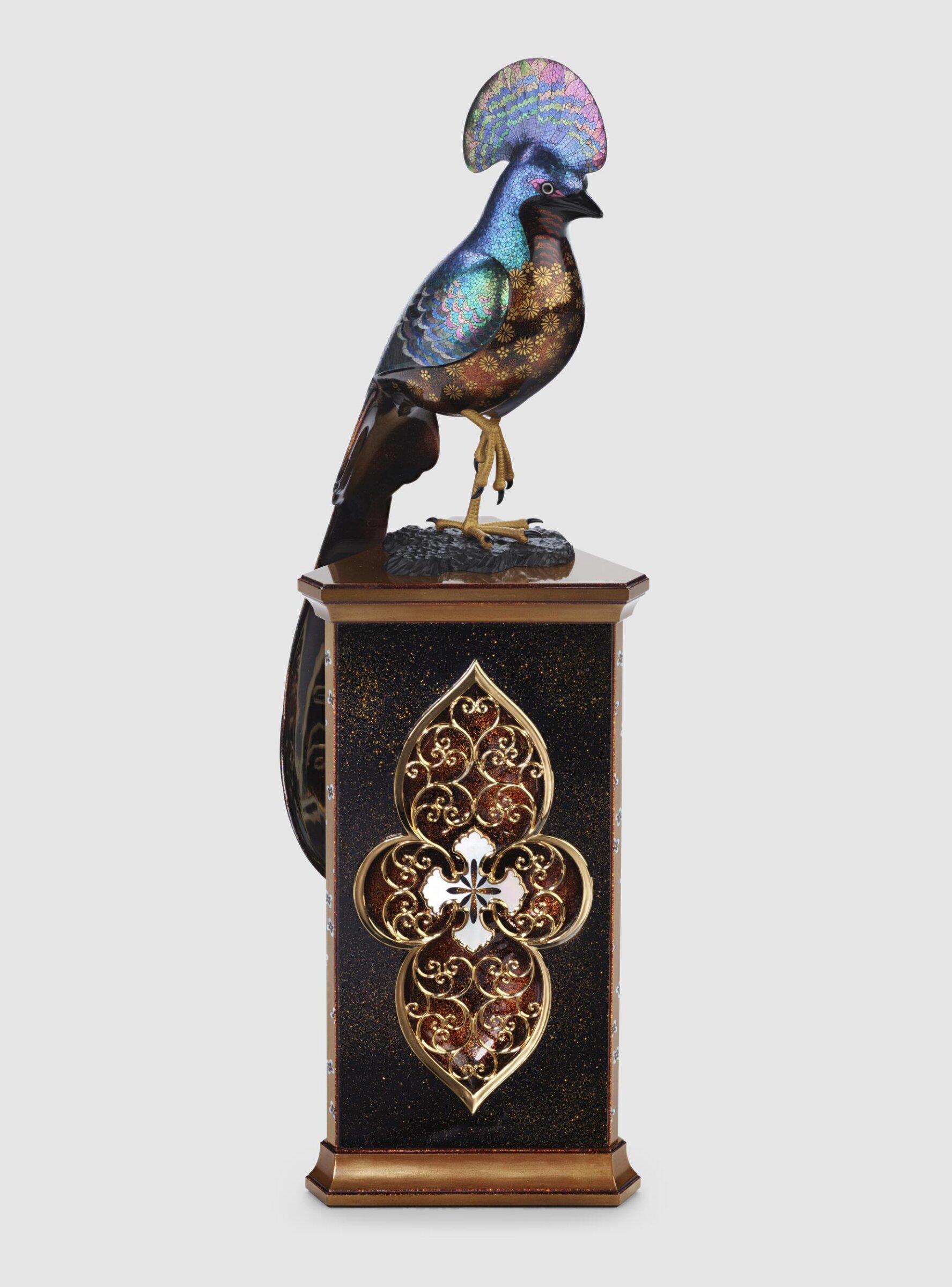
Bird of Paradise, Hashimoto Chitaka, 2026

Hashimoto Chitaka

Bird of Paradise, 2026

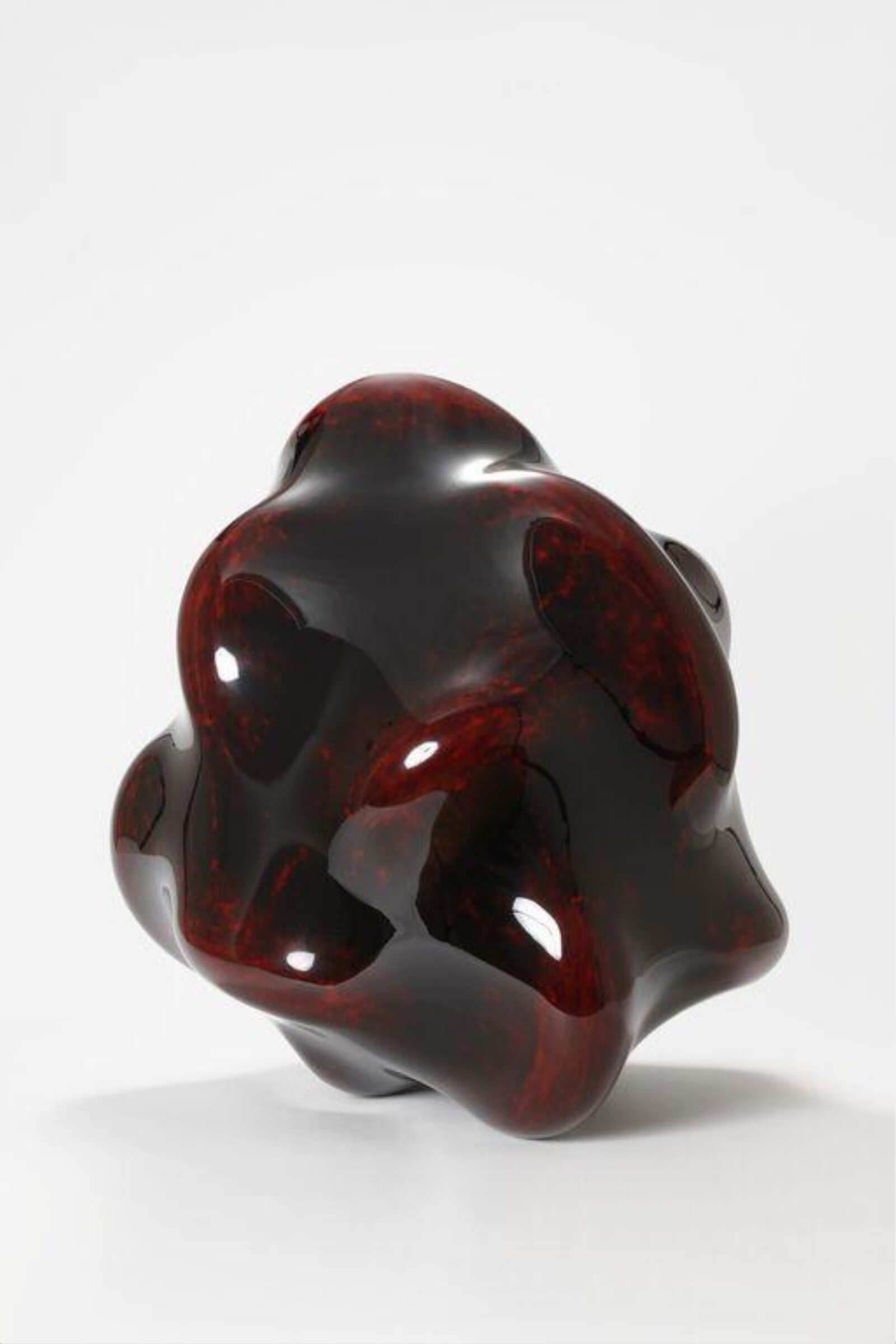
Torsion 2, Taruma Shoko, 2025

Taruma Shoko

Torsion 2, 2025

Fu, Someya Satoshi, 2025

Someya Satoshi

Fu, 2025

Bow Before the Curtain Falls, 2024

Bow Before the Curtain Falls, 2024

Summer, 2024

Summer, 2024

Red Flow, Ishizuka Genta, 2024

Ishizuka Genta

Red Flow, 2024

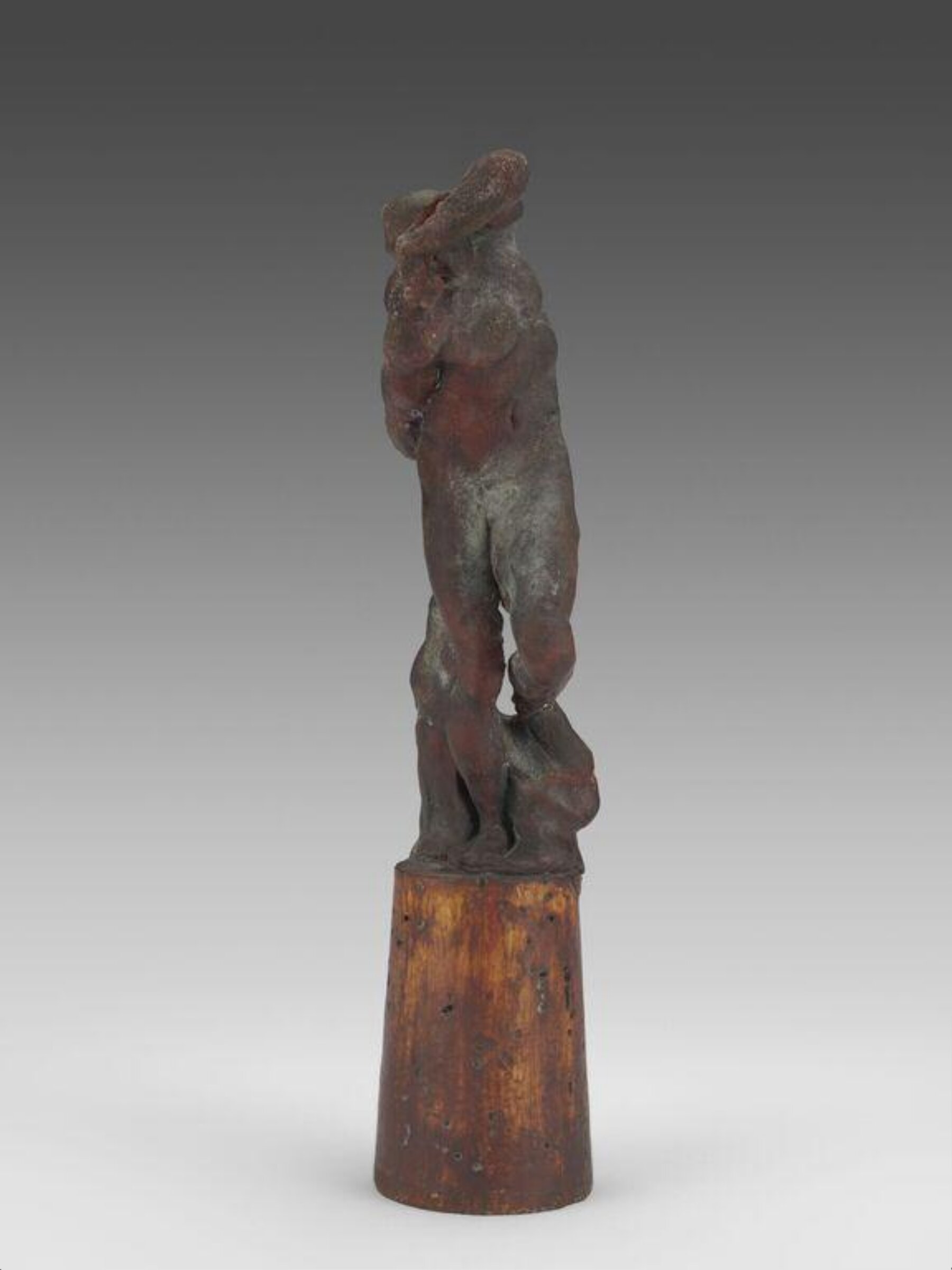
3D replica of Michelangelo's Prisoner (4117-1854), Factum Arte, 2024

Factum Arte

3D replica of Michelangelo's Prisoner (4117-1854), 2024

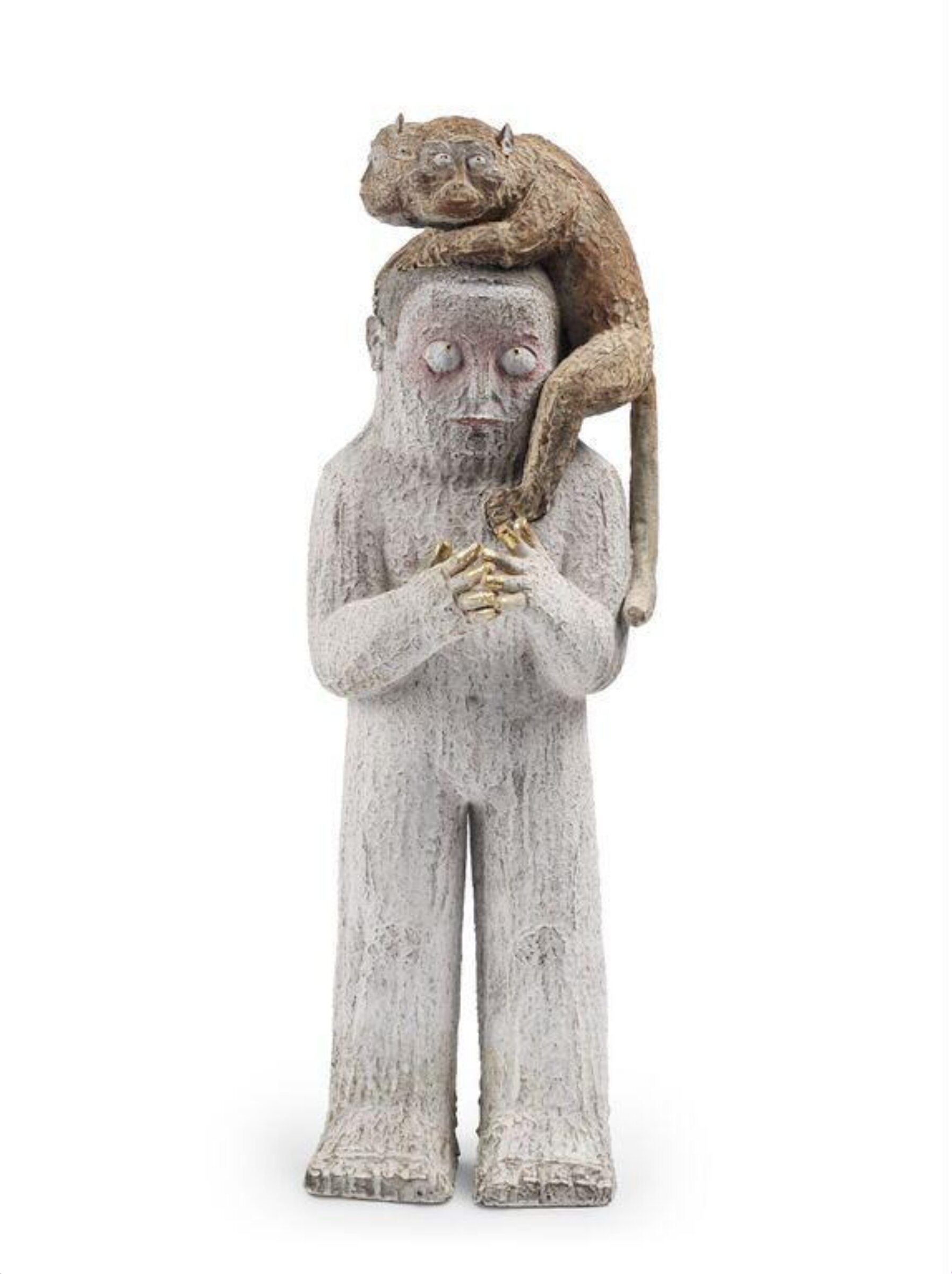
Sculpture, ‘Co-Existence – the Man and the Monkey’, Zhao Lin, 2024

Zhao Lin

Sculpture, ‘Co-Existence – the Man and the Monkey’, 2024