 Gustav KlimtÖsterreich, 1862–1918
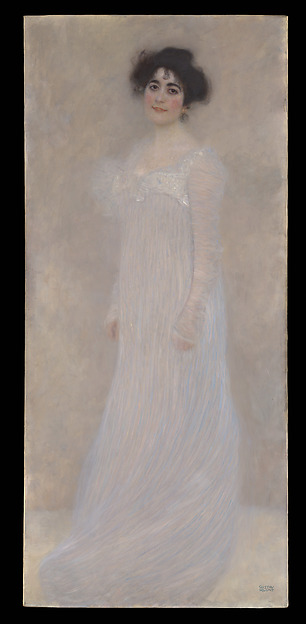
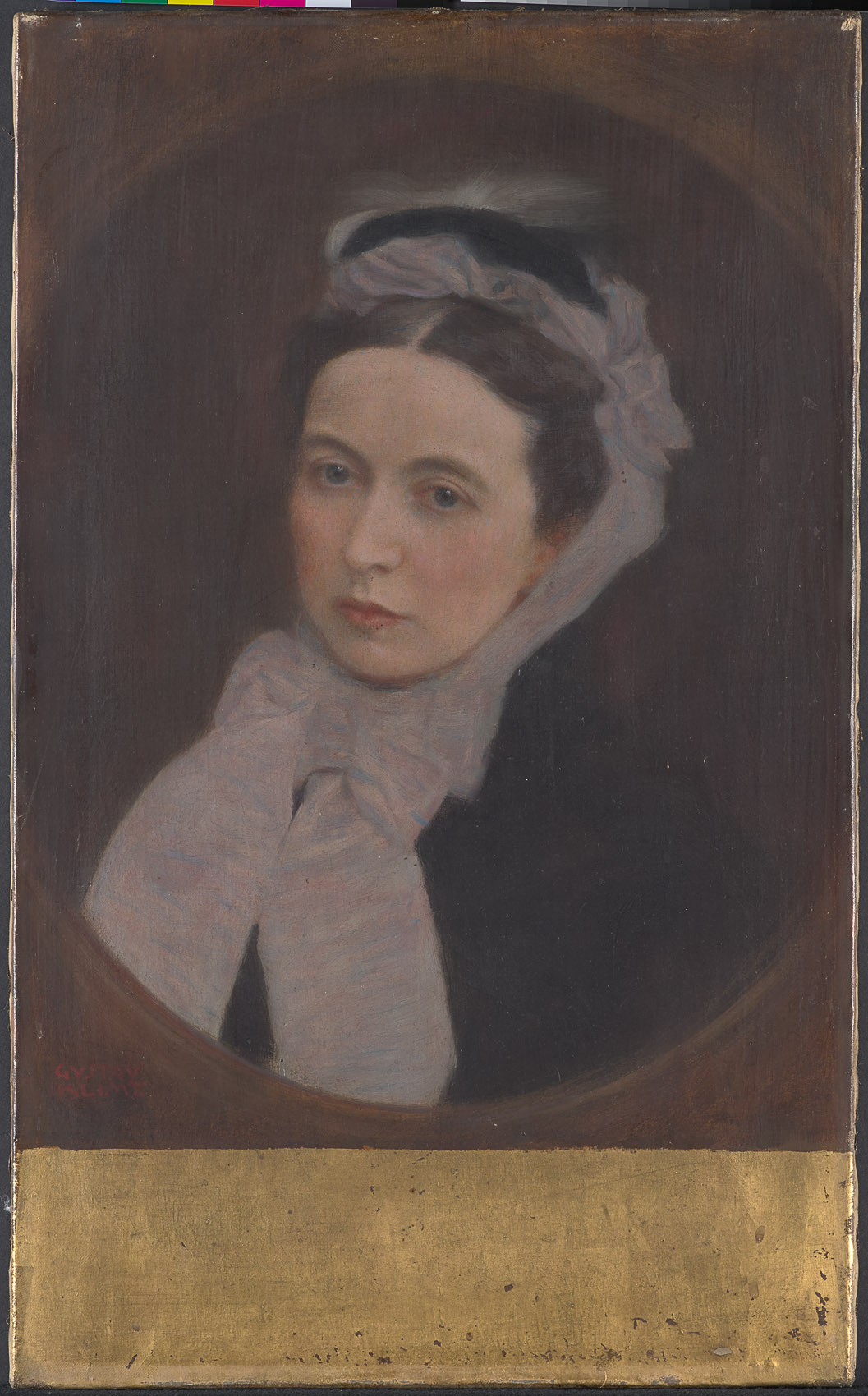
Dame mit lila Schal
Kann ich es sehen?
Unbekannt
Wo ist „Dame mit lila Schal“ heute? Sammlung: Kunsthistorisches Museum Wien, Wien. Unbekannt.

Wien, Österreich
Der Besitzer ist bekannt; ob das Werk derzeit ausgestellt ist, nicht.
- Unverändert seit
- Quelle
- Das Museum
Angaben
Im Katalog
Quellen
- Kunsthistorisches Museum Wien
- Bild: Kunsthistorisches Museum Wien — CC BY-NC-SA 4.0
Im Leben von Gustav Klimt
Das ganze Lebenearly 1890s
Meets Emilie Flöge
Klimt met the fashion designer Emilie Flöge, sister of Helene, his sister-in-law widowed by Ernst's death. She became his lifelong companion; their relationship was intimate but probably remained platonic.
after 1892
A rift with Franz Matsch
Without Ernst the relationship between Klimt and Matsch declined: Matsch moved out of the shared studio and Klimt stayed on alone. Both applied for professorships at the Academy but only Klimt was refused, and the conflict deepened — even years later he would not invite Matsch into the Secession.
1893
Honours for the Burgtheater work
For his work in the Burgtheater Klimt received a small gold medal in 1893, and the partnership received the Golden Cross with Crown from Emperor Franz Joseph.
1894
Commission for the “Faculty Paintings” of the University
The Ministry of Education commissioned Matsch and Klimt to decorate the Great Hall of the University of Vienna. Klimt was given three large ceiling paintings — “Philosophy”, “Medicine” and “Jurisprudence” — and ten tympanum pictures.
1897
First president of the Vienna Secession
The Secession began as a union of fifty founders and Klimt was chosen as its first president: he was sponsored by the influential Carl Moll, and was the eccentric, taciturn leader regarded as steadfast and authentic. In the salon of Carl and Anna Moll he met Viennese society and began painting portraits of its ladies.
1897–1917
Society portraits of Viennese ladies
Over twenty years Klimt painted nearly twenty society portraits of women, which gave him financial independence; Carl Moll introduced him to many of the sitters, most of them from the Jewish upper bourgeoisie. In the portraits the ladies are hidden in sumptuous clothing, their heads and hands seeming to float detached from reality.