 Francis PicabiaFrankreich, 1879–1953
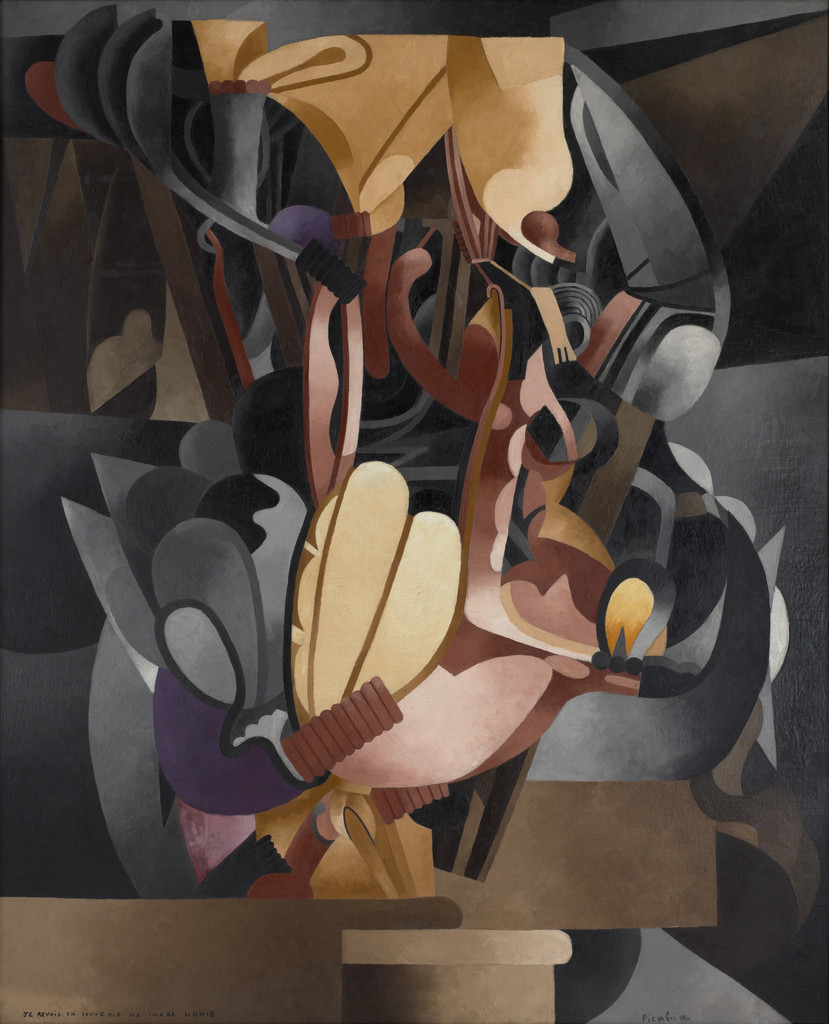
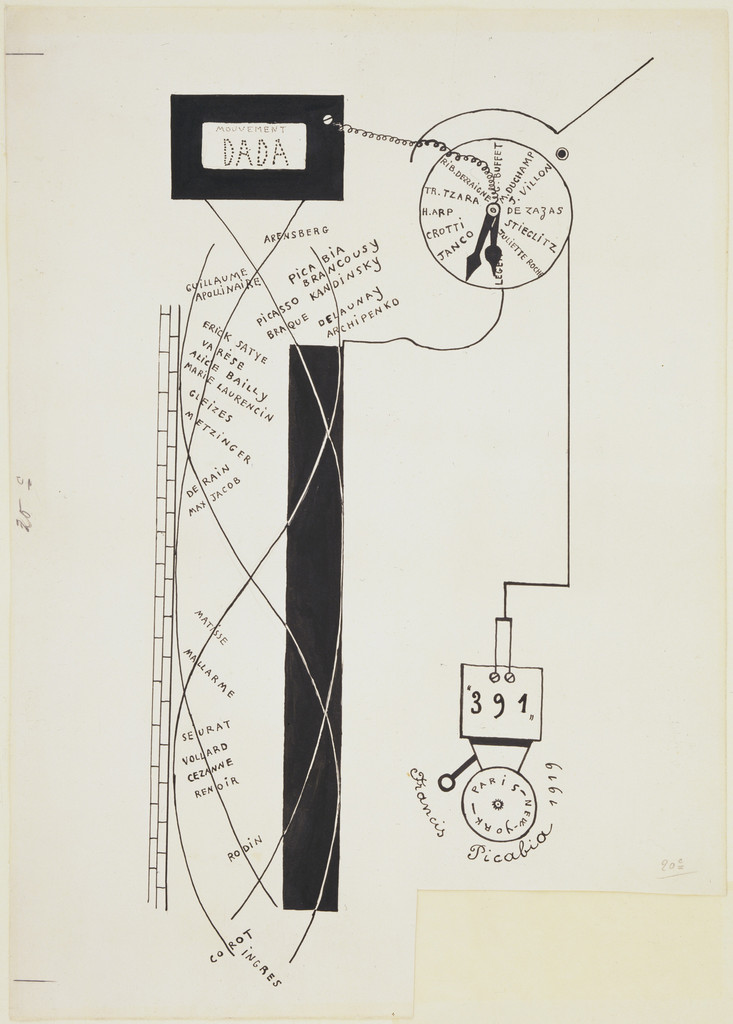
Dada Movement (Mouvement Dada)
Kann ich es sehen?
Derzeit nicht ausgestellt
Wo ist „Dada Movement (Mouvement Dada)“ heute? Sammlung: Museum of Modern Art, New York City. Derzeit nicht ausgestellt. Geprüft 22. September 2026.

New York City, Vereinigte Staaten
Es gehört zur Sammlung, ist derzeit aber nicht ausgestellt.
- Geprüft
- Quelle
- Das Museum
Angaben
- Inventarnummer
- 285.1937
Im Katalog
Quellen
- Museum of Modern Art
- Bild: Museum of Modern Art — © the artist or rights holder
Im Leben von Francis Picabia
Das ganze Leben1915–1917
Leading New York Dada with Duchamp
Throughout his three years in New York Picabia mixed closely with avant-garde artists and, together with Marcel Duchamp, headed the New York section of the Dada movement.
c. 1919
Treatment in Zürich and meeting Tzara
While seeking treatment in Zürich for depression and suicidal impulses, Picabia met Tristan Tzara, whose radical ideas thrilled him. Back in Paris with his mistress Germaine Everling, he found himself among the Dadaists — Breton, Éluard, Soupault and Aragon, who met at Certa, a Basque bar.
15. September 1919
Son born: Vincent Martinez-Picabia
1920
Edits the magazine Cannibale
In 1920 Picabia edited the magazine Cannibale, even more radical than his own review 391.
1920
Mocks Satie, then makes peace with him
In Paris, battling Jean Cocteau's “clique” alongside André Breton, Picabia mocked Satie in the Dada poem “Auric Satie à la noix de Cocteau”. A few months later he sent the composer a letter full of sympathy, and soon Satie printed two aphorisms in huge letters on the front page of 391.
1921
Renounces Dada
In 1921, having developed an interest in Surrealism, Picabia publicly denounced Dada. Of his changes of course he wrote: “If you want to have clean ideas, change them like shirts.”