 Joseph NollekensEngland, 1737–1823
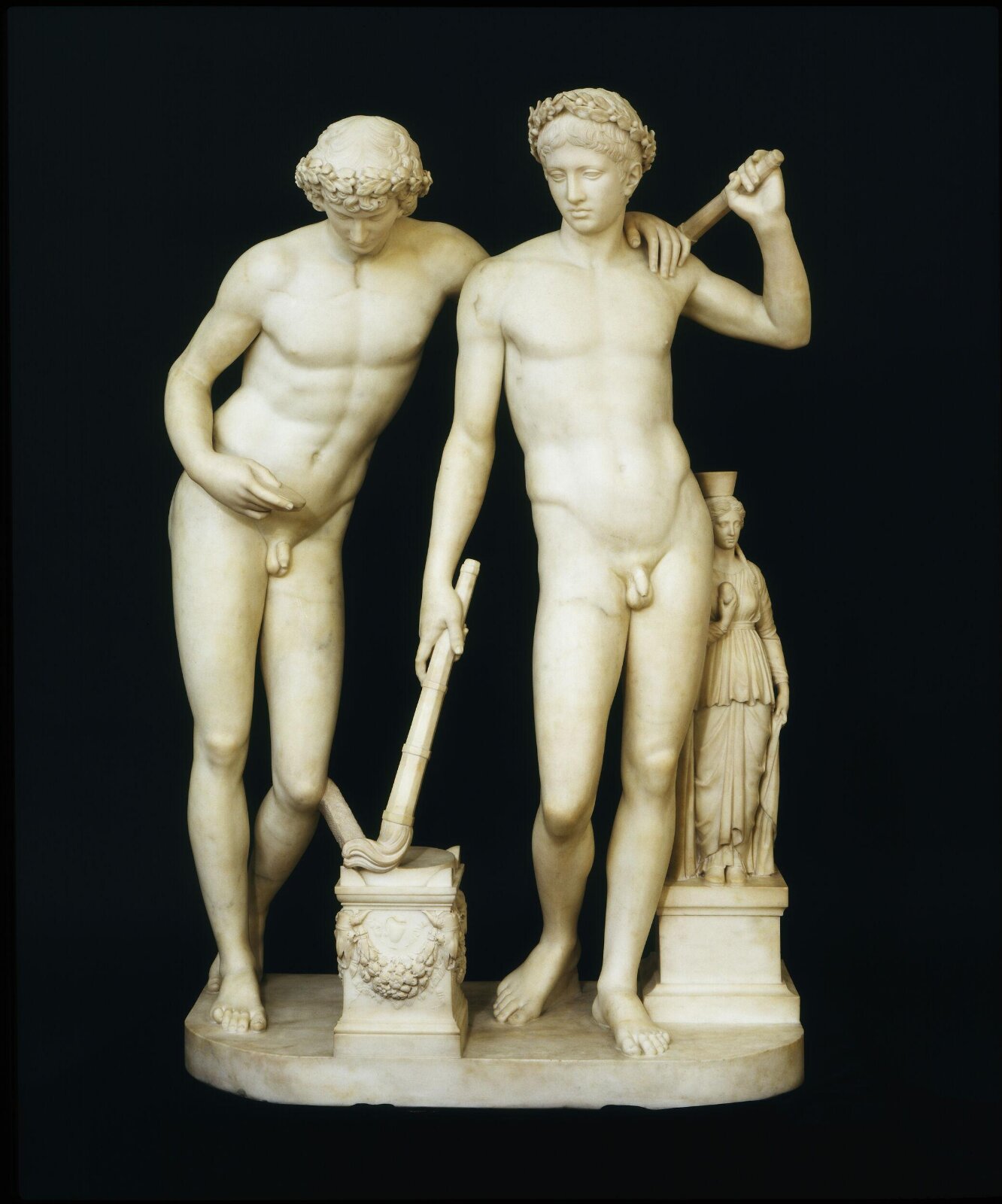
Castor and Pollux
Darf man es sehen?
Ja, es empfängt Besucher

Victoria and Albert Museum
London, Vereinigtes Königreich
SaalBritish Galleries, Room 118, The Wolfson Gallery
Öffentlich ausgestellt. Wer dafür bürgt, steht unten.
- Geprüft
- Unverändert seit
- Quelle
- Sammlungsdaten des Museums selbst
Über die Skulptur
Object Type
This marble group is a close copy of a heavily restored antique group originally excavated in Rome (it was recorded in the Ludovisi Collection in 1623), and later in the collection of Queen Christina of Sweden in Rome. The antique group was sold to Philip V of Spain in 1724, and is now in the Prado, Madrid. Joseph Nollekens (1737-1823) probably made his marble version from the plaster copy kept at the French Academy in Rome. Nollekens's group was made for Thomas Anson (1695-1773) of Shugborough Hall, Staffordshire. Antique statues and copies were highly prized in 18th-century Britain, and numerous country houses had their own sculpture galleries.
Subject
Weiterlesen
The identification of the group as 'Castor and Pollux' has been disputed, but it is the name by which it is commonly known. Castor and Pollux, known as the 'Dioscuri', sons of Zeus, were twin brothers, hatched from eggs laid by Leda, after Zeus in the form of a swan that had seduced her. They were renowned as warriors, and are the heavenly twins of the zodiac Gemini.
People
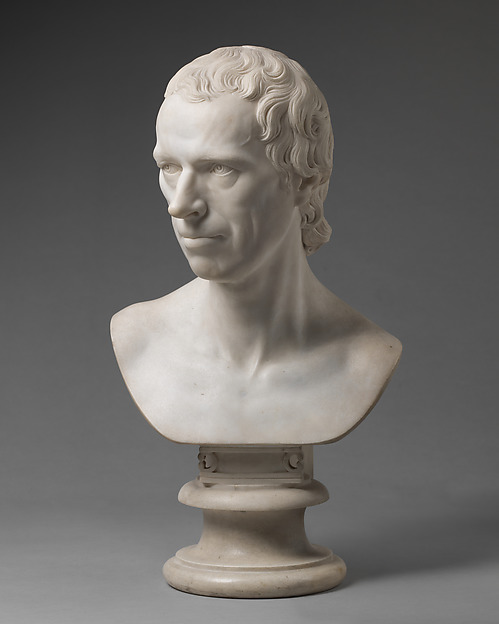
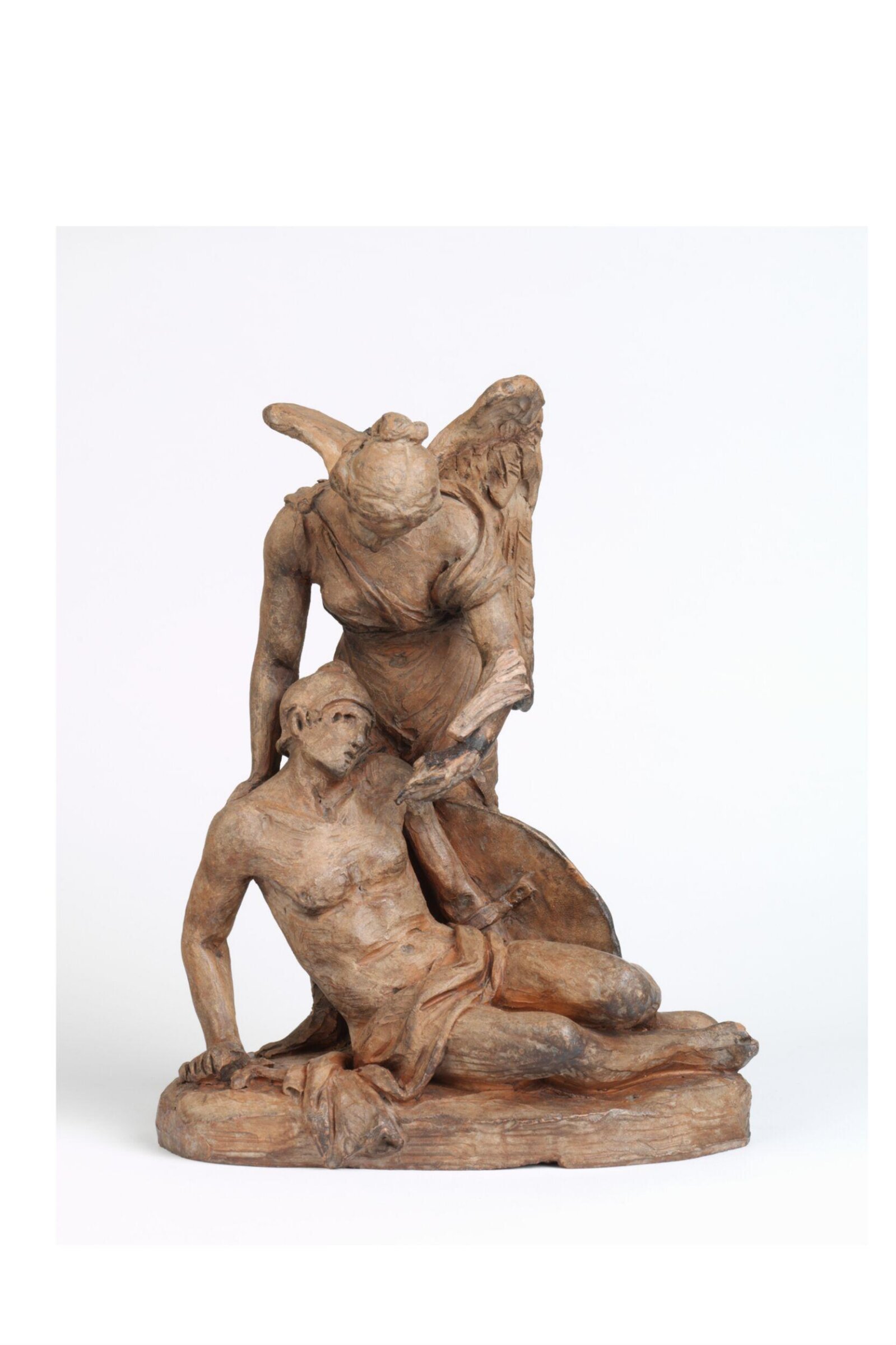
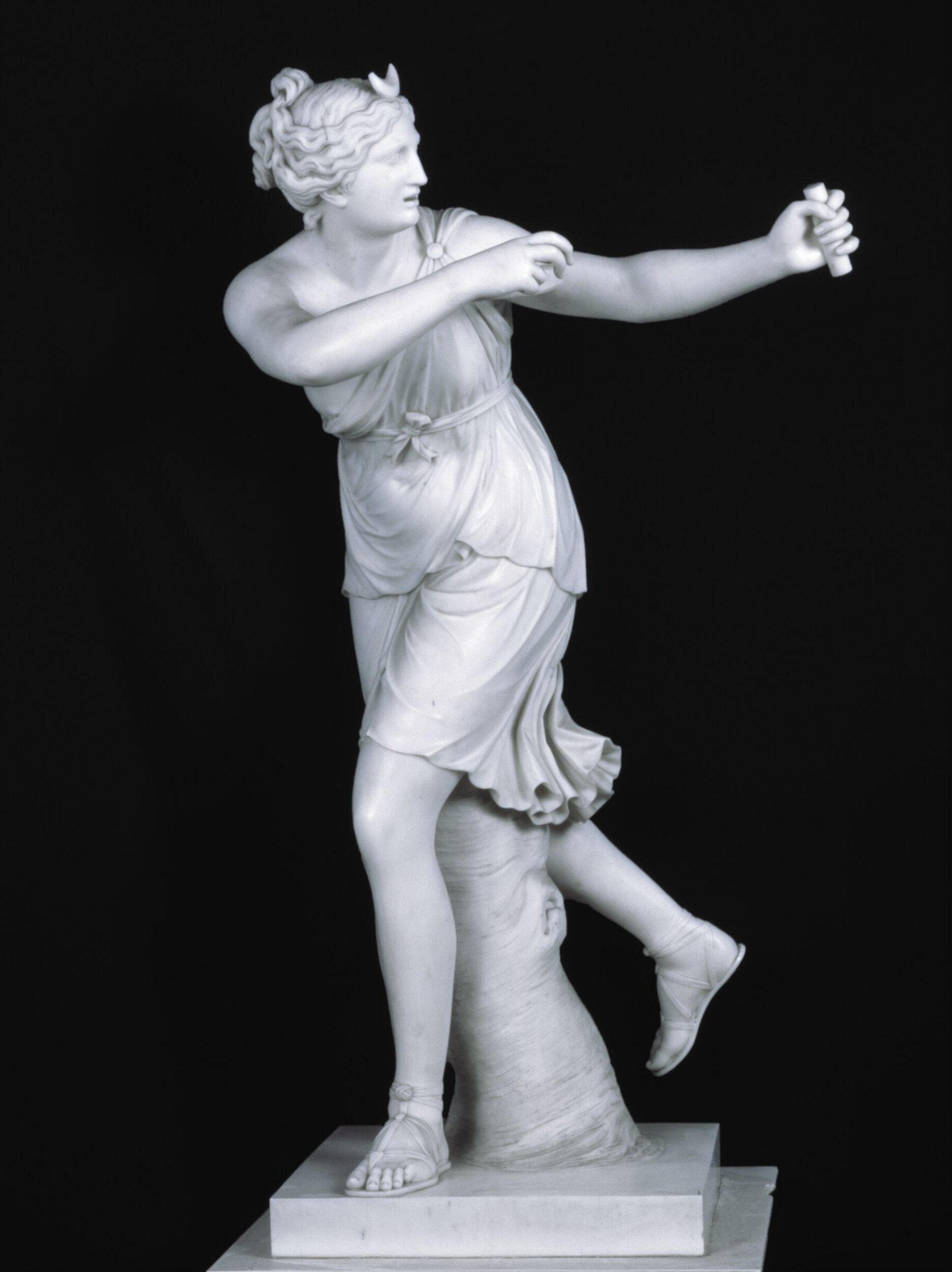
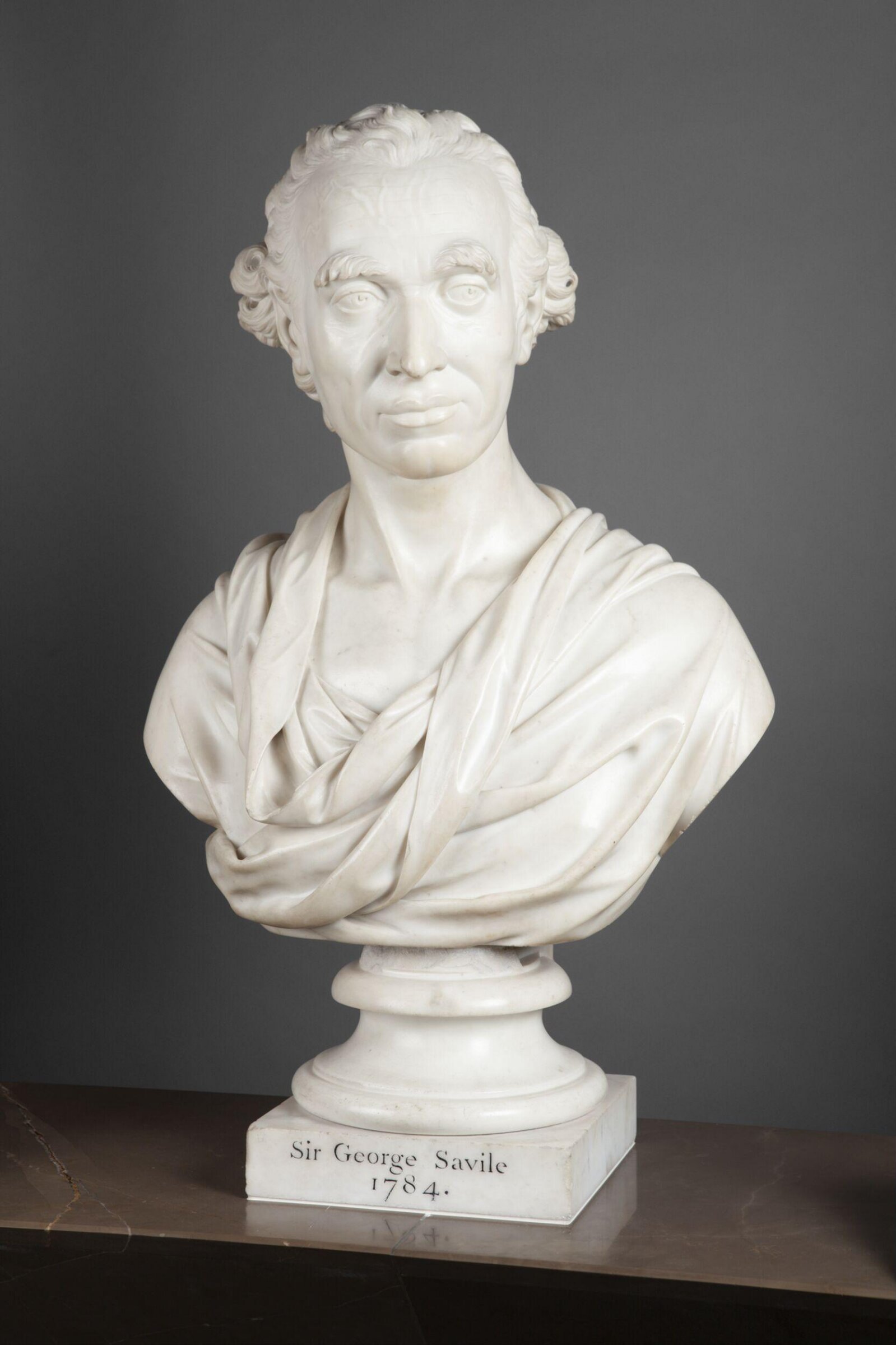
Joseph Nollekens was apprenticed to the sculptor Peter Scheemakers in London in 1750. Following his training, in 1760 he went to Rome, where he stayed until 1770. While there he established a reputation for portrait busts and figure groups, and made important contacts among visting aristocrats on the Grand Tour. On returning to London, his work as a sculptor was widely sought, and he produced a prolific number of marble busts, monuments and statues.
Victoria and Albert Museum
Angaben
- Inventarnummer
- A.59-1940
Was es zeigt
Im Katalog
Quellen
- Victoria and Albert Museum: die offenen Daten des Museums · abgerufen vor 12 Tagen
- Bild: Victoria and Albert Museum — © Victoria and Albert Museum, London