ART WIKI32.963 ausgestellt
KarteSammlungKünstlerMuseenAusstellungenJournal
Anmelden

ART WIKI

Wo das Meisterwerk hängt und wann man vorgelassen wird.

Sammlungen: Art Institute of Chicago, Cleveland Museum of Art, Eremitage, Getty Villa, Harvard Art Museums, Hirshhorn Museum and Sculpture Garden, J. Paul Getty Museum, Louvre, Metropolitan Museum of Art, Minneapolis Institute of Art, Museum of Modern Art, National Gallery of Art, National Museum of Asian Art, National Portrait Gallery, Puschkin-Museum, Rijksmuseum Amsterdam, Russisches Museum, Smithsonian American Art Museum, Statens Museum for Kunst, Tretjakow-Galerie, Victoria and Albert Museum, Whitney Museum of American Art, Staatskatalog des Museumsfonds Russlands (274 Museen), Europeana (19 Museen), Wikidata (6 Museen), Paris Musées (12 Museen) und Joconde, die Museumsdatenbank des französischen Kulturministeriums (495 Museen). Die Bilder gehören ihren Rechteinhabern.
Rubriken

  • Karte
  • Suche
  • Sammlung
  • Meisterwerke
  • Jetzt ausgestellt
  • Künstler

Mehr

  • Museen & Galerien
  • Ausstellungen
  • Journal
  • Woher die Daten stammen
  • Datenschutz & Cookies
StartseiteKarteKatalog
  1. Sammlung/
  2. Metropolitan Museum of Art/
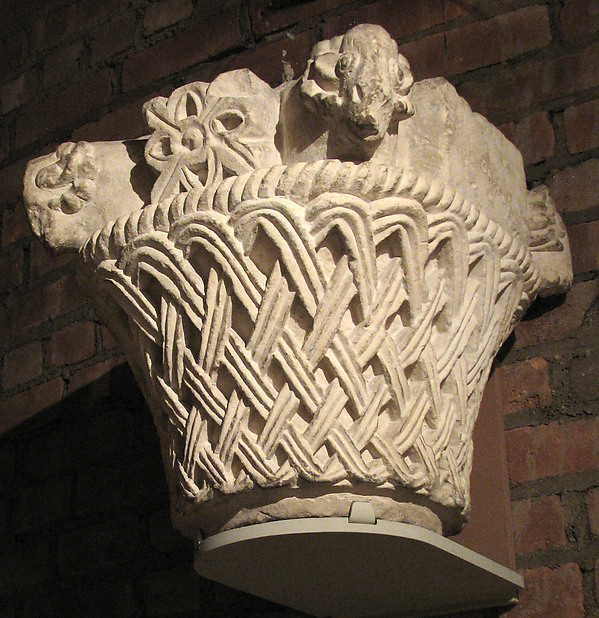
  3. Capital with a Basket-Weave Pattern and Rams’ Heads
Capital with a Basket-Weave Pattern and Rams’ Heads, 5th–6th century

Capital with a Basket-Weave Pattern and Rams’ Heads

5th–6th century · Sculpture

Angaben

Inventarnummer
10.176.160

Im selben Saal · Gallery 302, Metropolitan Museum of Art

Museumsseite

Zum selben Thema · Rams

Alle Werke zum Thema

Darf man es sehen?

Ja, es empfängt Besucher

Metropolitan Museum of Art

New York City, Vereinigte Staaten

Saal302

Öffentlich ausgestellt. Wer dafür bürgt, steht unten.

Geprüft
vor 3 Tagen
Unverändert seit
28. Sept. 2026
Quelle
Das Museum
Auf der KarteMuseumsseite

Was es zeigt

Rams

Im Katalog

SkulpturStein

Quellen

  • Metropolitan Museum of Art
  • Bild: Metropolitan Museum of Art — Open Access (CC0)
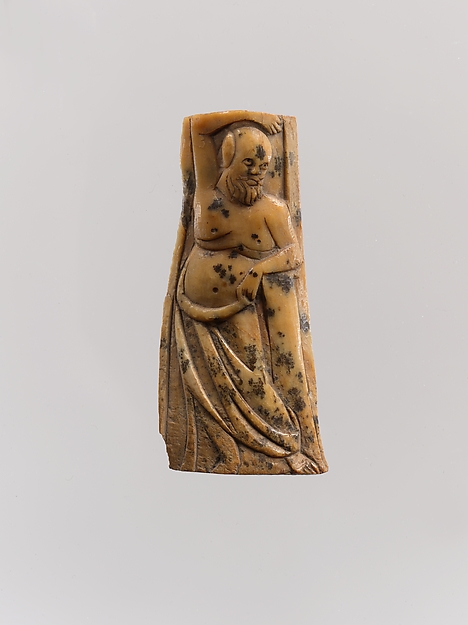
Silenus, the Tutor of Dionysos, 4th–7th century

Silenus, the Tutor of Dionysos, 4th–7th century

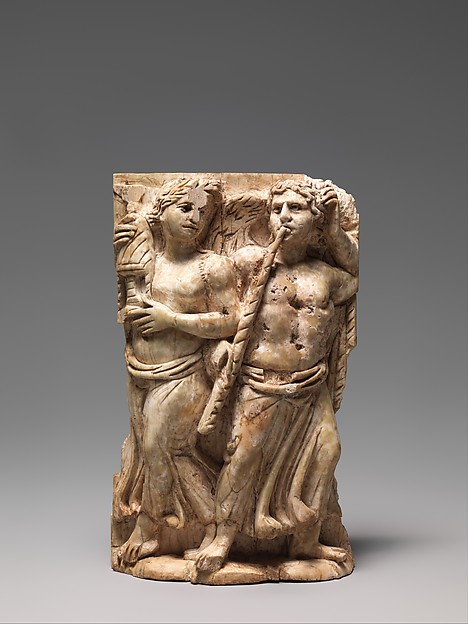
Bone Carving, Possibly of a Dionysiac Revel, 300–500

Bone Carving, Possibly of a Dionysiac Revel, 300–500

Tusk Fragment with Christ Enthroned, 810–1010

Tusk Fragment with Christ Enthroned, 810–1010

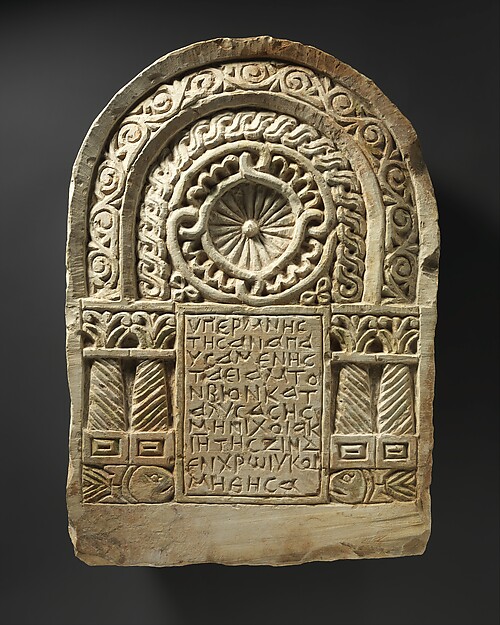
Funerary Stele with Architectural Frame, 6th–7th century

Funerary Stele with Architectural Frame, 6th–7th century

Funerary Stele with Two Lions and Circle Pattern within a Niche, 7th–8th century

Funerary Stele with Two Lions and Circle Pattern within a Niche, 7th–8th century

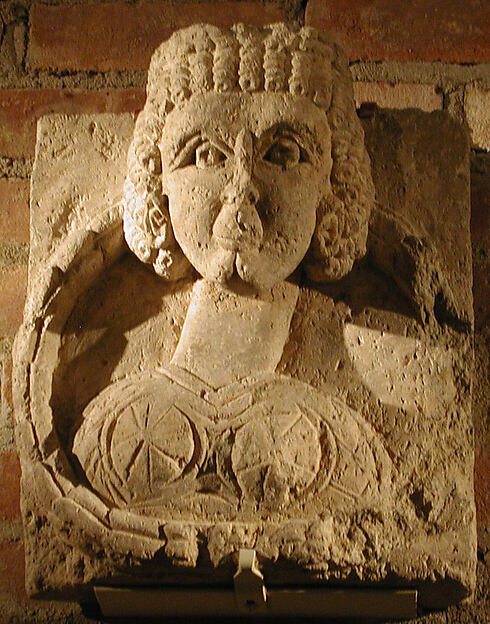
Fragment from a Relief with the Bust of a Woman, 4th–5th century

Fragment from a Relief with the Bust of a Woman, 4th–5th century

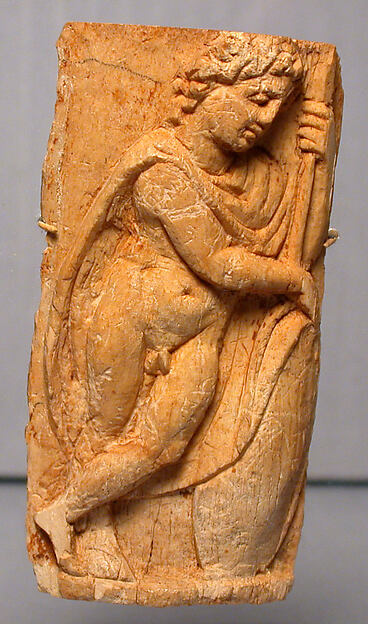
Panel with Warrior Resting, 4th–6th century

Panel with Warrior Resting, 4th–6th century

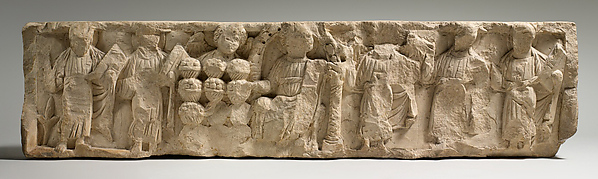
Fragment of a Frieze with the Miracle of Loaves and Fishes, 6th–7th century

Fragment of a Frieze with the Miracle of Loaves and Fishes, 6th–7th century

Rothschild lamp, Andrea Briosco, called Riccio, ca. 1510–20

Andrea Briosco, called Riccio

Rothschild lamp, ca. 1510–20

Metropolitan Museum of Art

Autumn (one of a pair), Nicholas Sébastien Adam the Younger, 1745–47

Adam, Nicolas-Sébastien

Autumn (one of a pair), 1745–47

Metropolitan Museum of Art

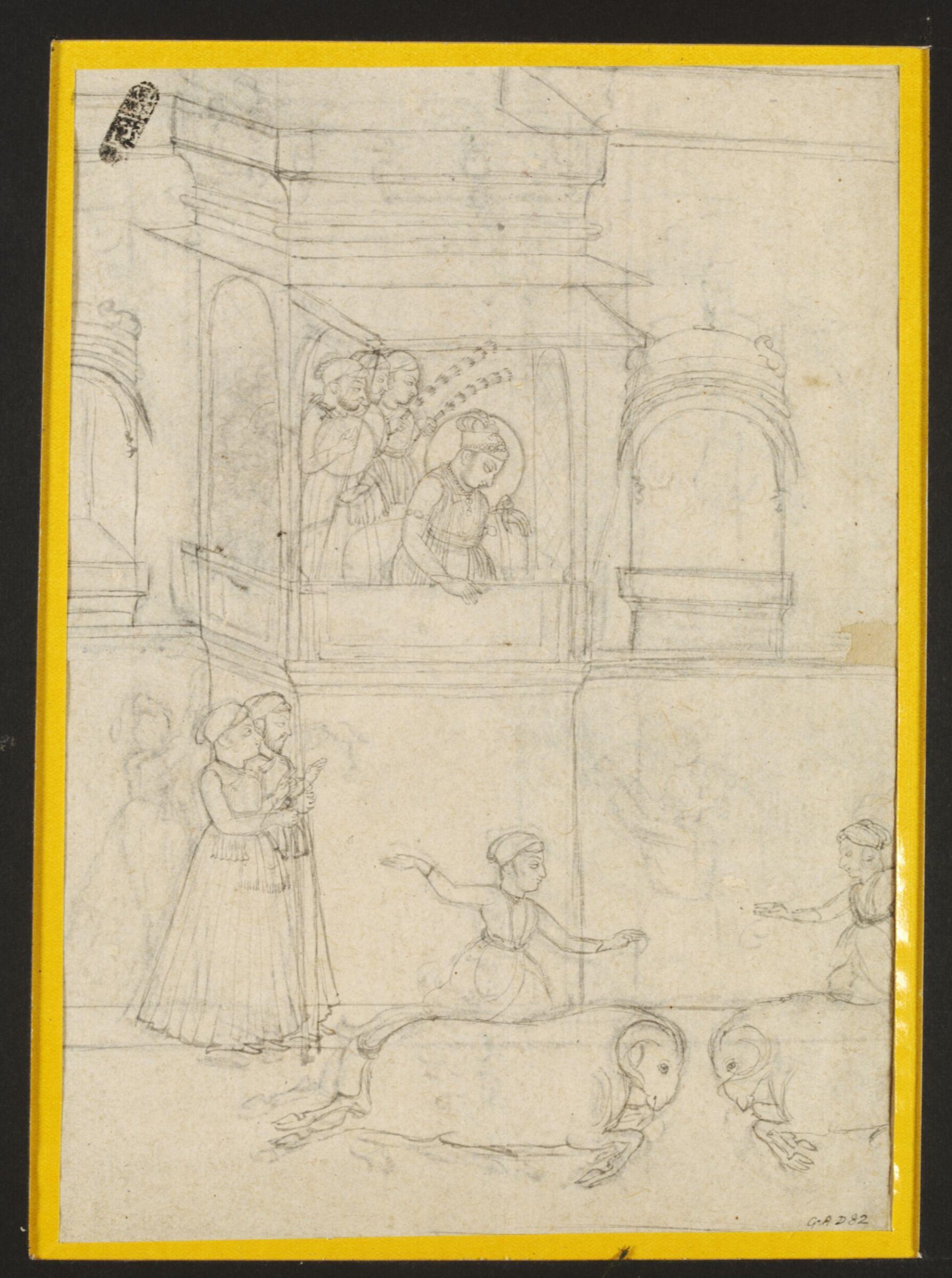
Drawing, ca. 1740

Drawing, ca. 1740

Nicht ausgestellt · Victoria and Albert Museum

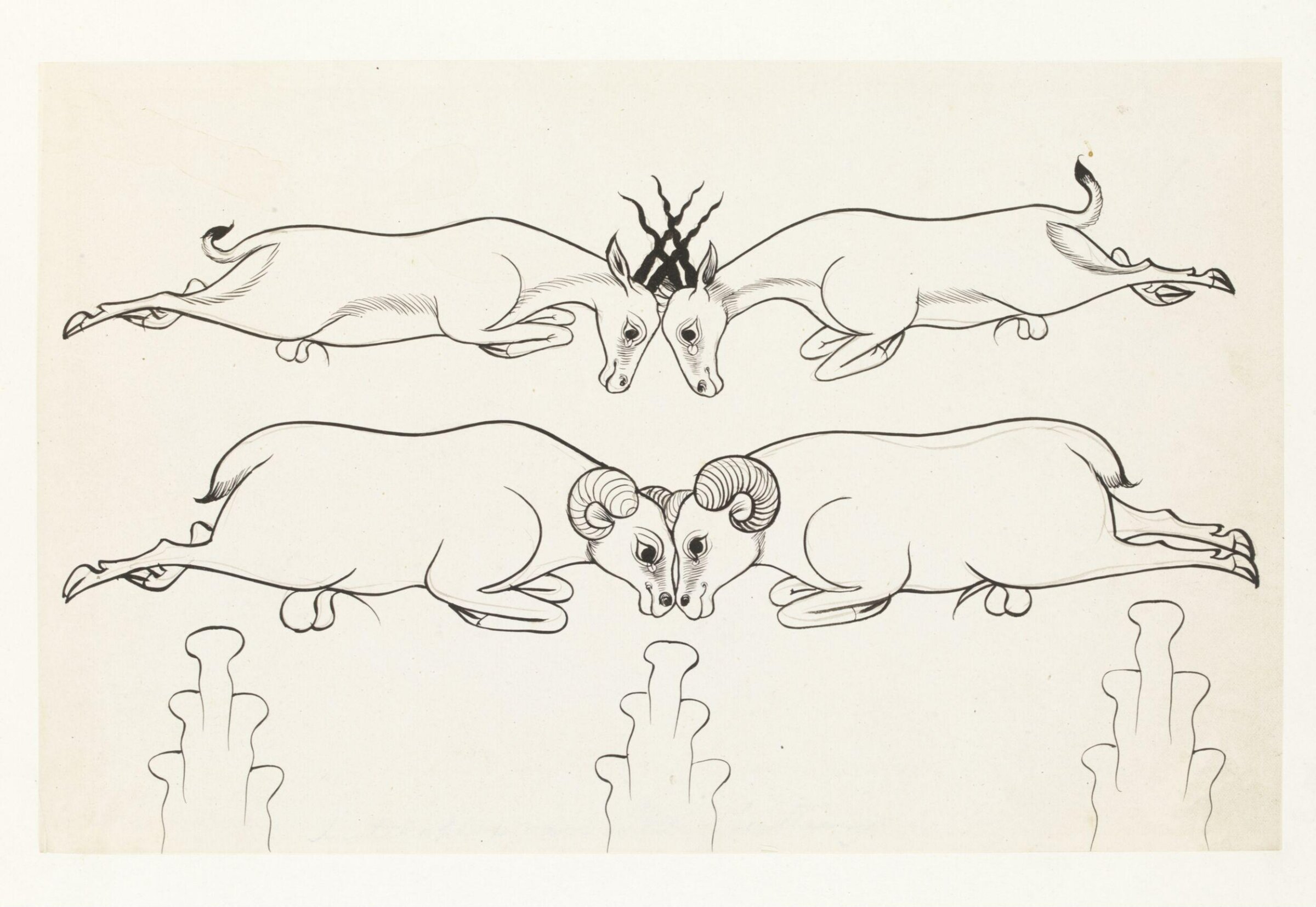
Drawing, ca. 1860

Drawing, ca. 1860

Nicht ausgestellt · Victoria and Albert Museum

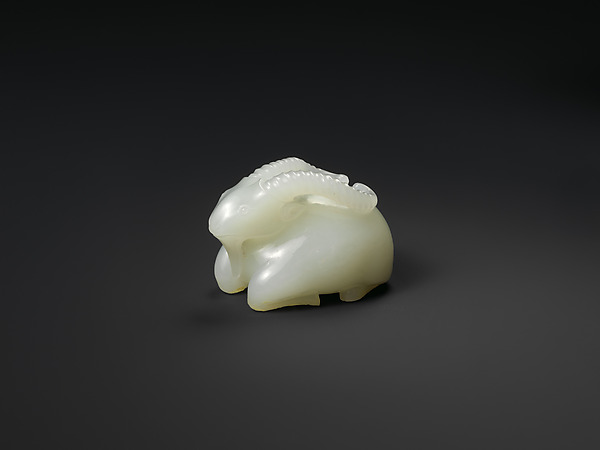
Ram, late 18th–early 19th century

Ram, late 18th–early 19th century

Metropolitan Museum of Art

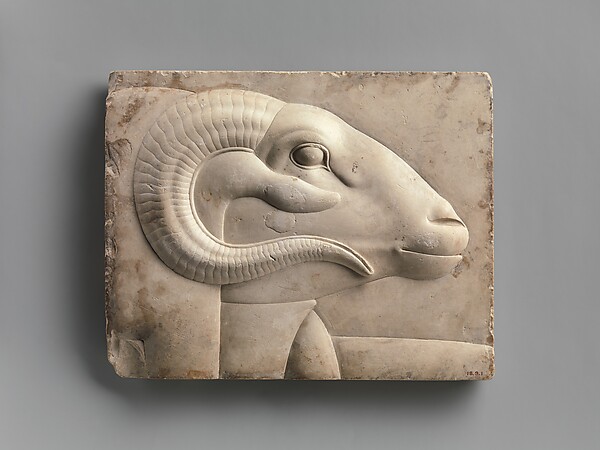
Relief plaque with the head of a ram deity, 400–30 BCE

Relief plaque with the head of a ram deity, 400–30 BCE

Metropolitan Museum of Art

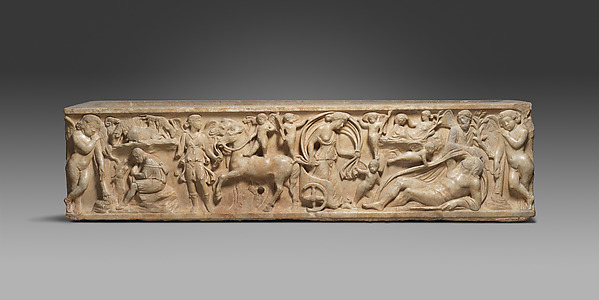
Marble sarcophagus with the myth of Endymion, mid-2nd century CE

Marble sarcophagus with the myth of Endymion, mid-2nd century CE

Metropolitan Museum of Art

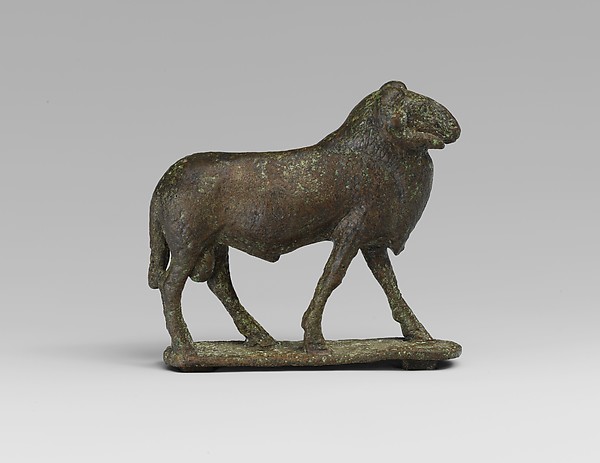
Bronze statuette of a ram, ca. 200 BCE–200 CE

Bronze statuette of a ram, ca. 200 BCE–200 CE

Metropolitan Museum of Art