ART WIKI32.963 ausgestellt
KarteSammlungKünstlerMuseenAusstellungenJournal
Anmelden

ART WIKI

Wo das Meisterwerk hängt und wann man vorgelassen wird.

Sammlungen: Art Institute of Chicago, Cleveland Museum of Art, Eremitage, Getty Villa, Harvard Art Museums, Hirshhorn Museum and Sculpture Garden, J. Paul Getty Museum, Louvre, Metropolitan Museum of Art, Minneapolis Institute of Art, Museum of Modern Art, National Gallery of Art, National Museum of Asian Art, National Portrait Gallery, Puschkin-Museum, Rijksmuseum Amsterdam, Russisches Museum, Smithsonian American Art Museum, Statens Museum for Kunst, Tretjakow-Galerie, Victoria and Albert Museum, Whitney Museum of American Art, Staatskatalog des Museumsfonds Russlands (274 Museen), Europeana (19 Museen), Wikidata (6 Museen), Paris Musées (12 Museen) und Joconde, die Museumsdatenbank des französischen Kulturministeriums (495 Museen). Die Bilder gehören ihren Rechteinhabern.

Rubriken

  • Karte
  • Suche
  • Sammlung
  • Meisterwerke
  • Jetzt ausgestellt
  • Künstler

Mehr

  • Museen & Galerien
  • Ausstellungen
  • Journal
  • Woher die Daten stammen
  • Datenschutz & Cookies
StartseiteKarteKatalog
  1. Sammlung/
  2. Minneapolis Institute of Art/
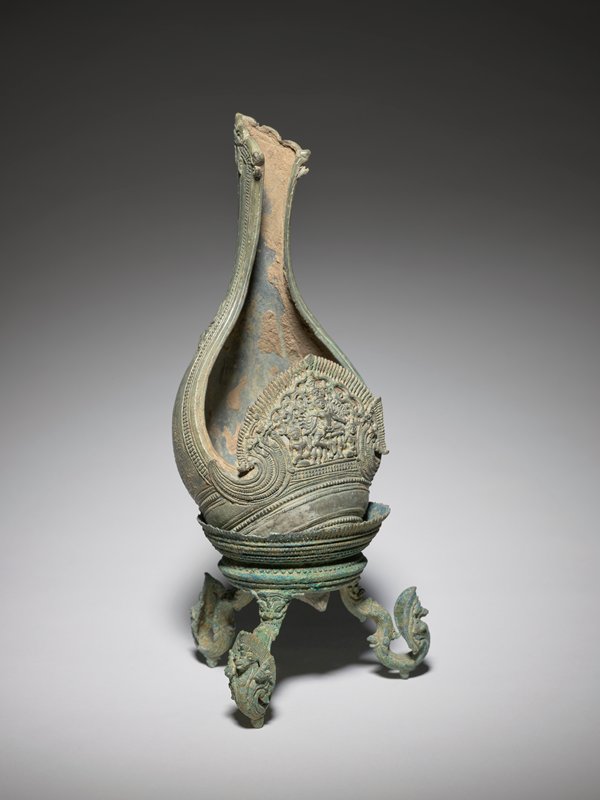
  3. Buddhist ritual conch shell with a dancing Hevajra
Buddhist ritual conch shell with a dancing Hevajra, 12th-13th century

Buddhist ritual conch shell with a dancing Hevajra

12th-13th century · Sculpture

Über die Skulptur

This bronze takes the form of a conch shell, a vessel used in both Buddhist and Hindu rituals. Blown at the beginning of ceremonies, the instrument makes the sound of the sacred syllable “Om, ” believed to purify the mind before meditation. Buddhism and Hinduism were often practiced side by side in the kingdoms of Southeast Asia; however, Hinduism was the official religion of Khmer kings until the conversion to Buddhism of Jayavarman VII (reign c. 1181–1218), after which Buddhist art flourished. The embellished bronze features a dancing, multiheaded Hevajra, a key deity in Vajrayana Buddhism, a sect that emphasizes ritual as a means to enlightenment.

Minneapolis Institute of Art

Angaben

Inventarnummer
91.22.1a, b

Im selben Saal · G213, Minneapolis Institute of Art

Museumsseite

Darf man es sehen?

Ja, es empfängt Besucher

Minneapolis Institute of Art

Minneapolis, Vereinigte Staaten

SaalG213

Öffentlich ausgestellt. Wer dafür bürgt, steht unten.

Geprüft
vor 3 Tagen
Unverändert seit
25. Sept. 2026
Quelle
Das Museum
Auf der KarteMuseumsseite

Im Katalog

SkulpturBronzeKhmer

Quellen

  • Minneapolis Institute of Art
  • Bild: Minneapolis Institute of Art — public domain
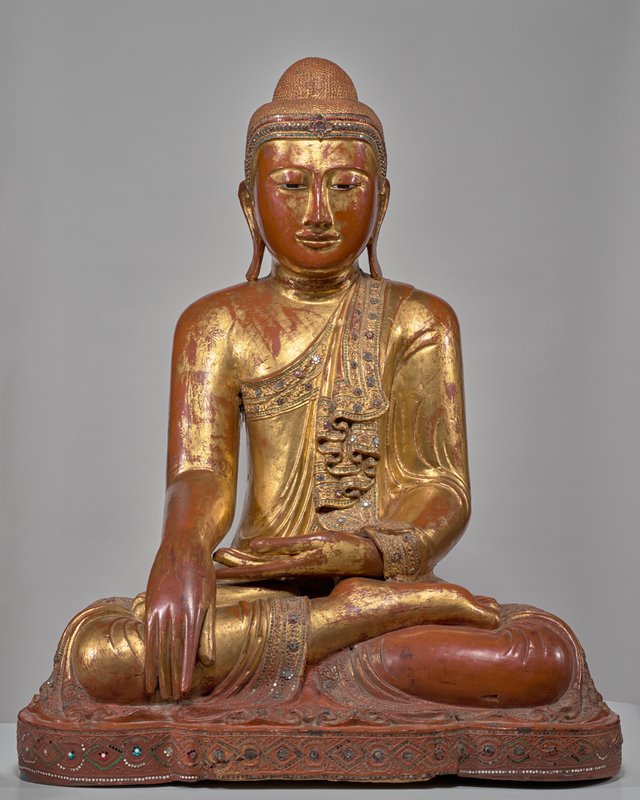
Enshrined Buddha, c. 1850

Enshrined Buddha, c. 1850

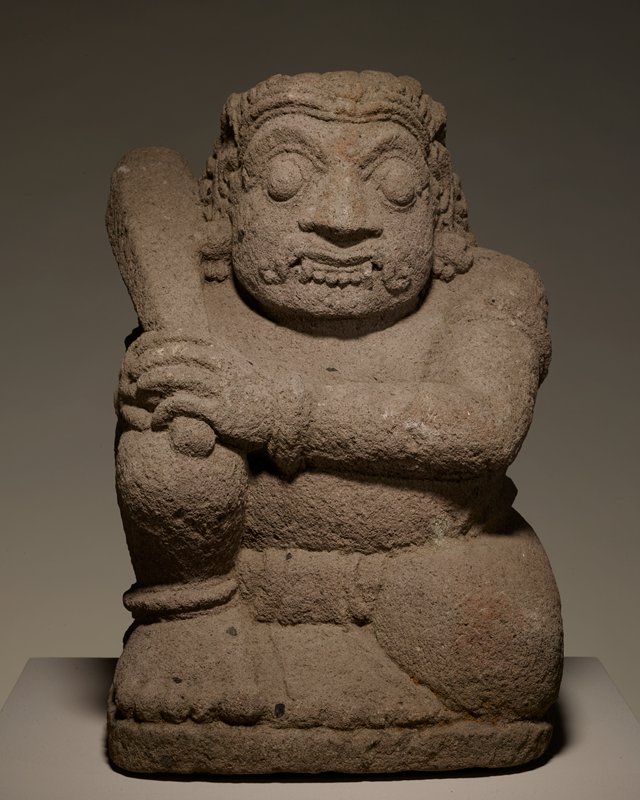
Dvarapala (Door Guardian), c. 14th–15th century

Dvarapala (Door Guardian), c. 14th–15th century

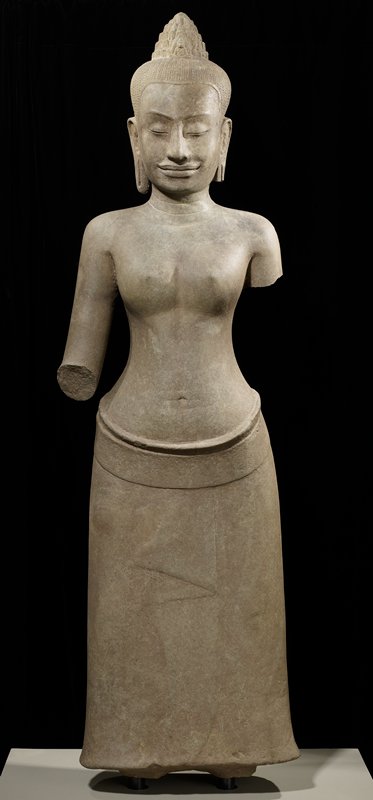
Prajnaparamita, late 12th–early 13th century

Prajnaparamita, late 12th–early 13th century

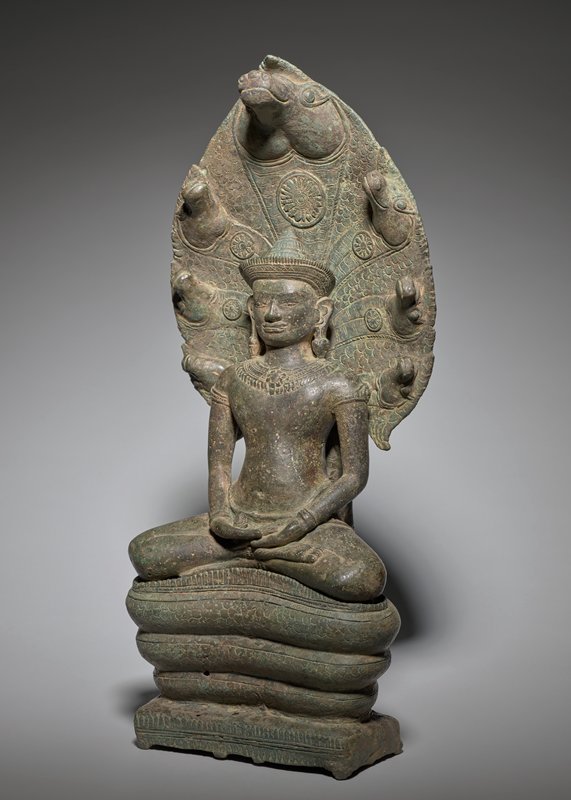
Naga-enthroned Buddha, 12th-13th century

Naga-enthroned Buddha, 12th-13th century

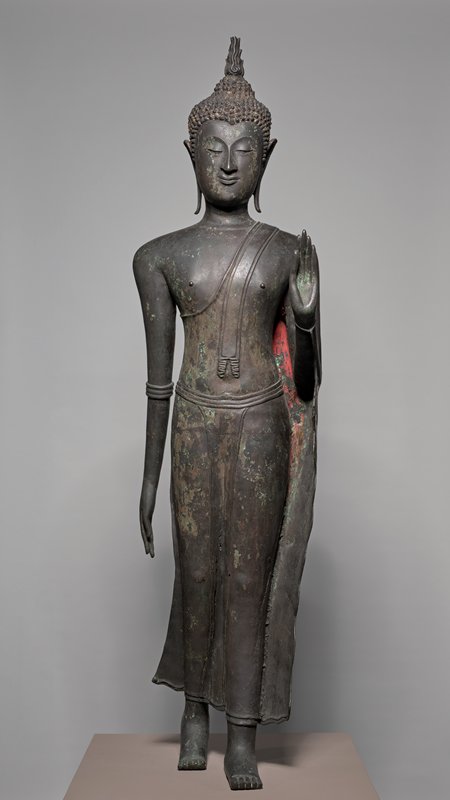
Walking Shakyamuni Buddha, 15th century

Walking Shakyamuni Buddha, 15th century

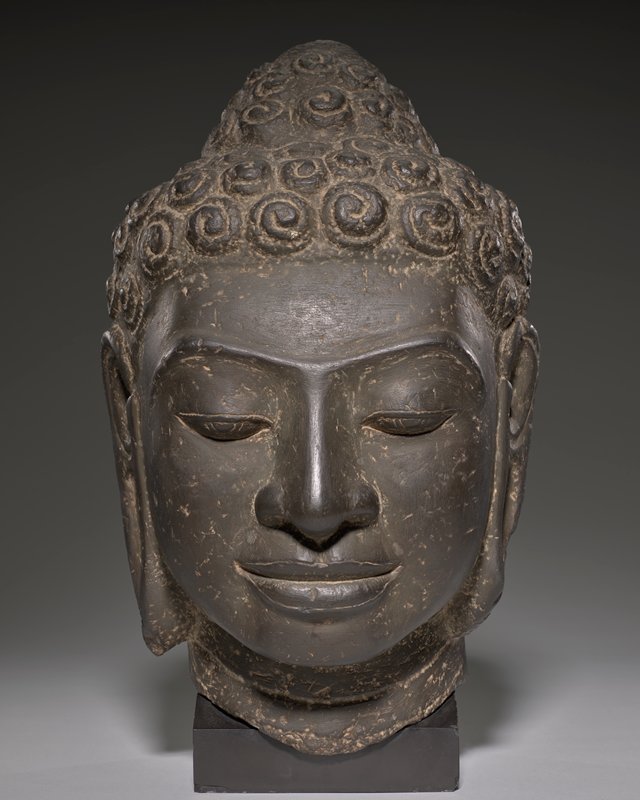
Buddha Head, or Thailand, 8th century

or Thailand

Buddha Head, 8th century

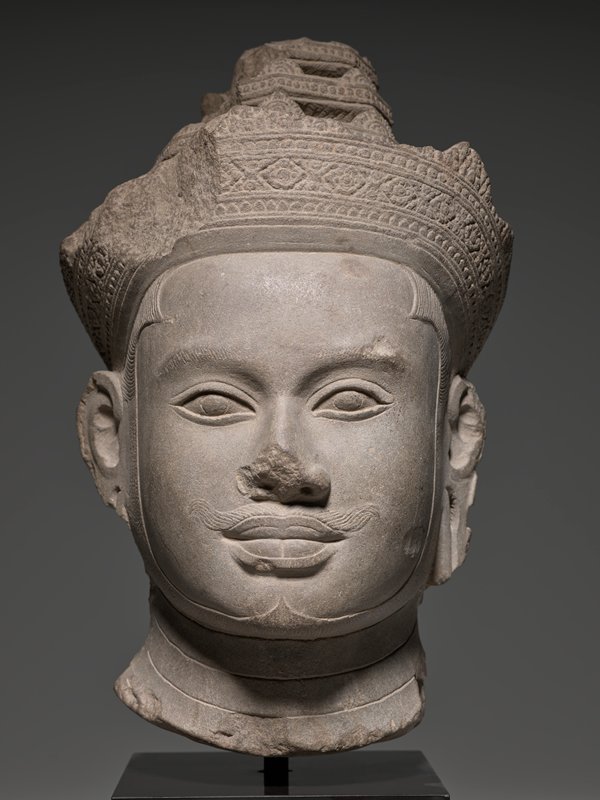
Head from an image of Vishnu or a deified king, early 9th century

Head from an image of Vishnu or a deified king, early 9th century

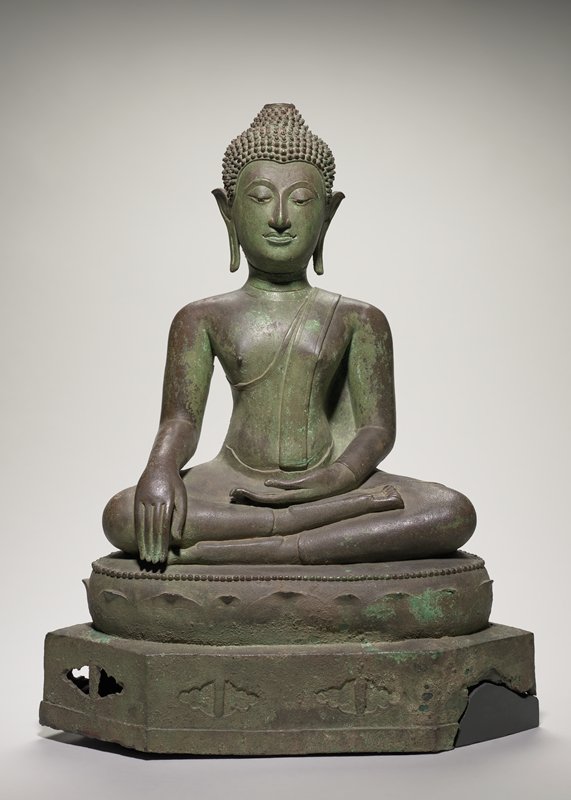
Buddha subduing Mara, 15th century

Buddha subduing Mara, 15th century