Gaspard MarsyFrankreich, 1624–1681
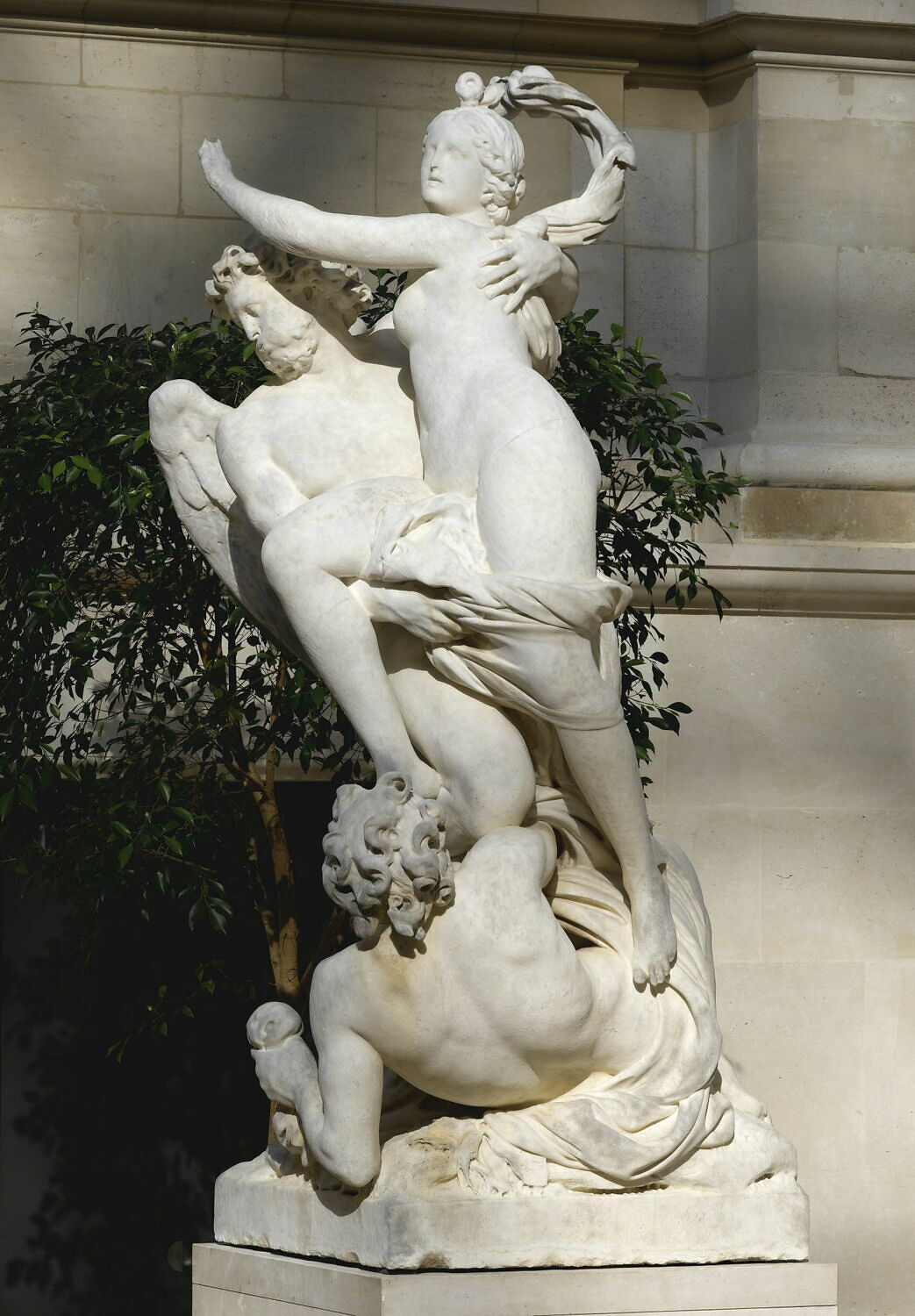
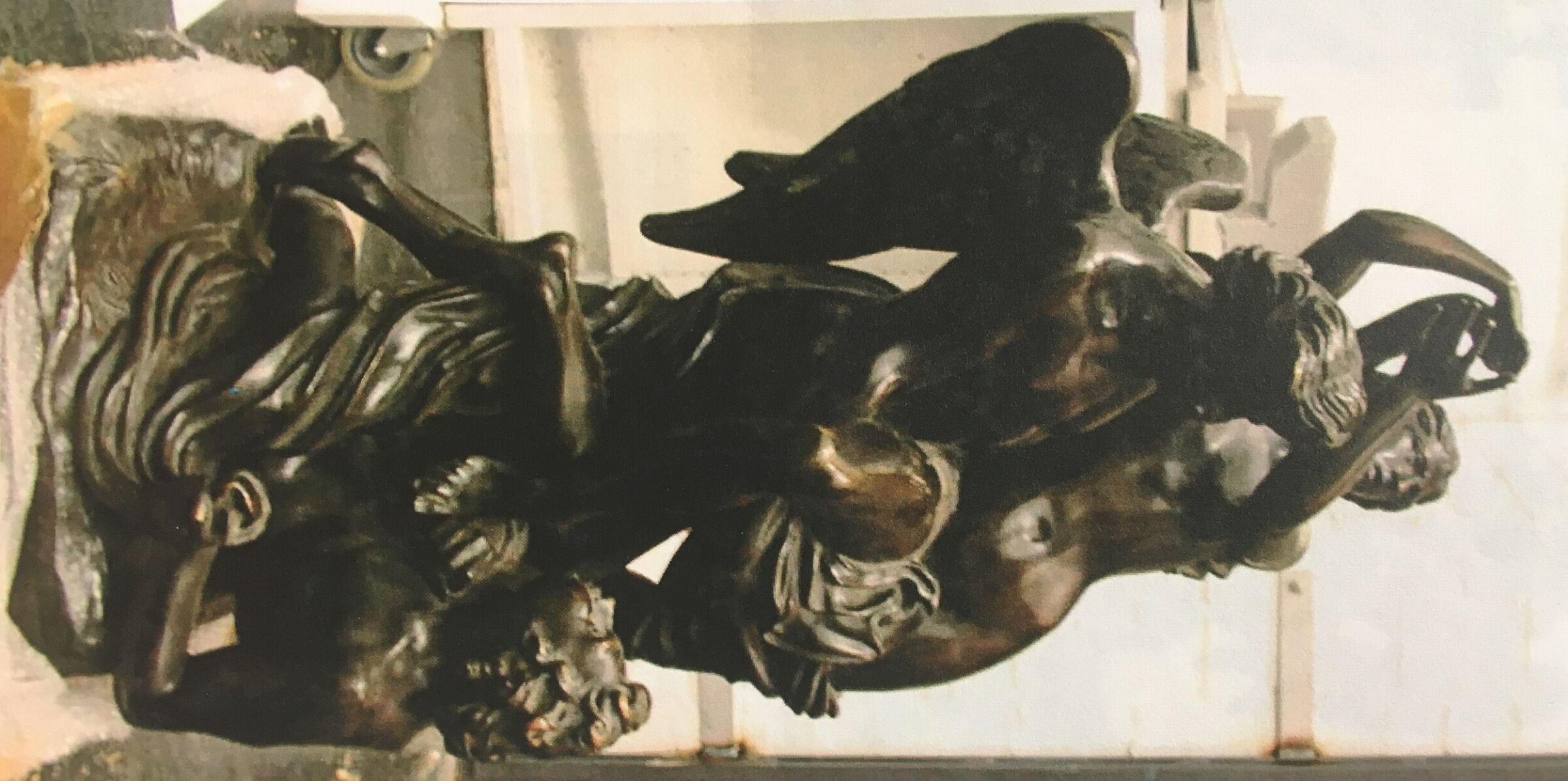
Boreas Abducting Orithyia
Kann ich es sehen?
Derzeit nicht ausgestellt
Wo ist „Boreas Abducting Orithyia“ heute? Sammlung: J. Paul Getty Museum, Los Angeles. Derzeit nicht ausgestellt. Geprüft 7. Oktober 2026.
Los Angeles, Vereinigte Staaten
Es gehört zur Sammlung, ist derzeit aber nicht ausgestellt.
- Geprüft
- Unverändert seit
- Quelle
- Das Museum
Über die Skulptur
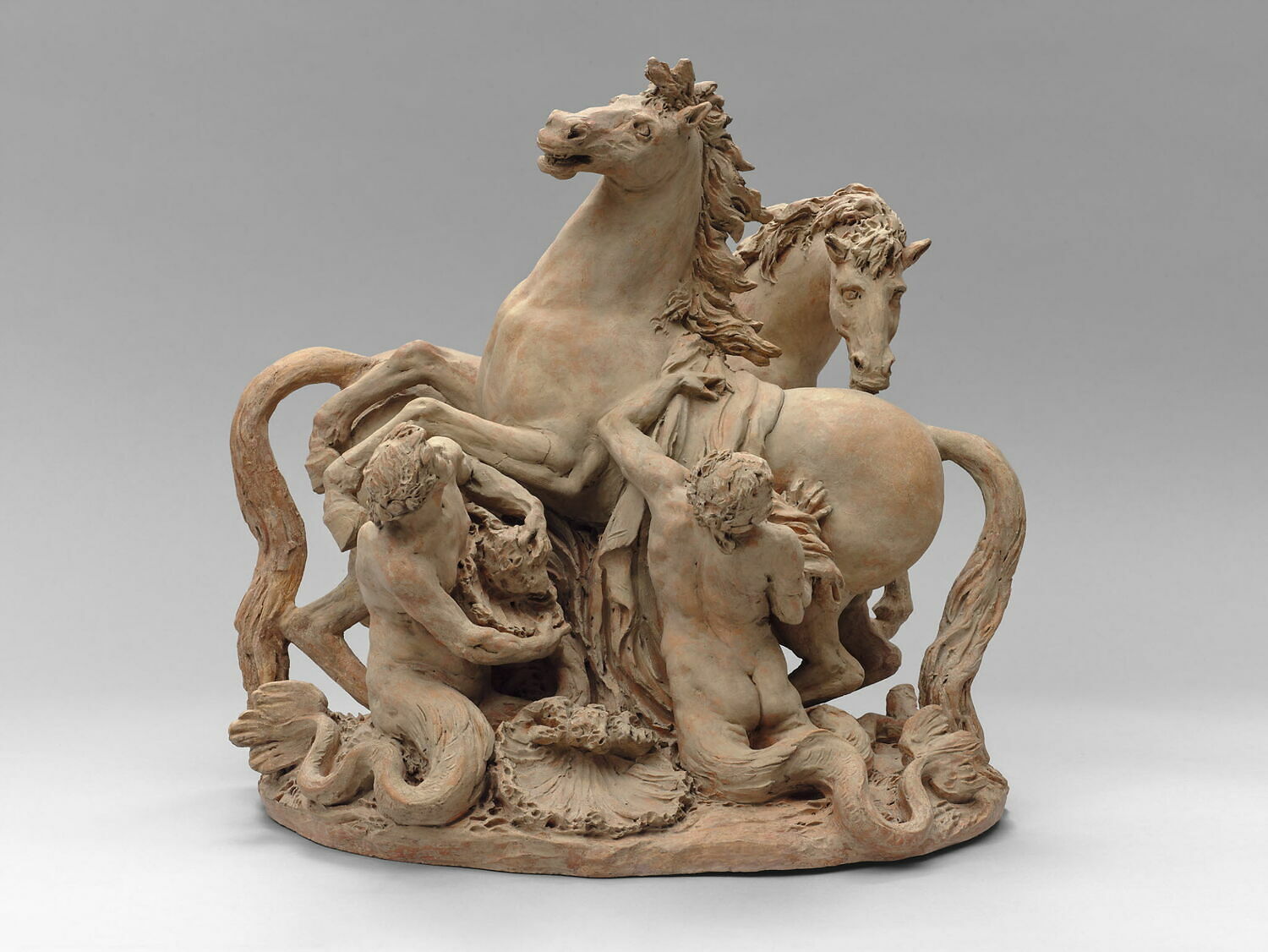
Gaspard Marsy's bronze of Boreas Abducting Orithyia entwines three figures in a complex and compact spiral: a small reclining Zephyr, the young but powerful Boreas, whose puffed-out cheeks refer to his identity as the North Wind, and the struggling Orithyia, daughter of Erechtheus, king of Athens. According to Greek mythology, Boreas brought Orithyia to Thrace, where the two reigned as King and Queen of the Winds. To decorate the corners of Charles LeBrun's never-completed garden at Versailles, the Parterre d'Eau, Louis XIV commissioned four monumental marble groups representing mythological abductions, each featuring three figures and symbolizing one of the four elements: earth, air, fire, and water. This bronze, with Boreas as a personification of the North Wind representing Air, is based on Marsy's preparatory model for one of these statues.
Mehr lesen
Since the garden was never built as planned, Louis XIV commissioned bronze reductions, or smaller scale copies, of Marsy's work and François Girardon's statue to form a pair for his Salon Ovale in the palace of Versailles. The Getty Museum's collection includes two casts of both of these works, in two different sizes.
J. Paul Getty Museum
Angaben
- Inventarnummer
- 88.SB.74
Im Katalog
Quellen
- J. Paul Getty Museum
- Bild: J. Paul Getty Museum — Open Content