ART WIKI33.040 ausgestellt
KarteSammlungKünstlerMuseenAusstellungenJournal
Anmelden

ART WIKI

Wo das Meisterwerk hängt und wann man vorgelassen wird.

Sammlungen: Art Institute of Chicago, Cleveland Museum of Art, Eremitage, Getty Villa, Harvard Art Museums, Hirshhorn Museum and Sculpture Garden, J. Paul Getty Museum, Louvre, Metropolitan Museum of Art, Minneapolis Institute of Art, Museum of Modern Art, National Gallery of Art, National Museum of Asian Art, National Portrait Gallery, Puschkin-Museum, Rijksmuseum Amsterdam, Russisches Museum, Smithsonian American Art Museum, Statens Museum for Kunst, Tretjakow-Galerie, Victoria and Albert Museum, Whitney Museum of American Art, Staatskatalog des Museumsfonds Russlands (274 Museen), Europeana (19 Museen), Wikidata (6 Museen), Paris Musées (12 Museen) und Joconde, die Museumsdatenbank des französischen Kulturministeriums (495 Museen). Die Bilder gehören ihren Rechteinhabern.

Rubriken

  • Karte
  • Suche
  • Sammlung
  • Meisterwerke
  • Jetzt ausgestellt
  • Künstler

Mehr

  • Museen & Galerien
  • Ausstellungen
  • Journal
  • Woher die Daten stammen
  • Datenschutz & Cookies
StartseiteKarteKatalog
  1. Sammlung/
  2. Museum of Modern Art/
  3. Analytical Chart
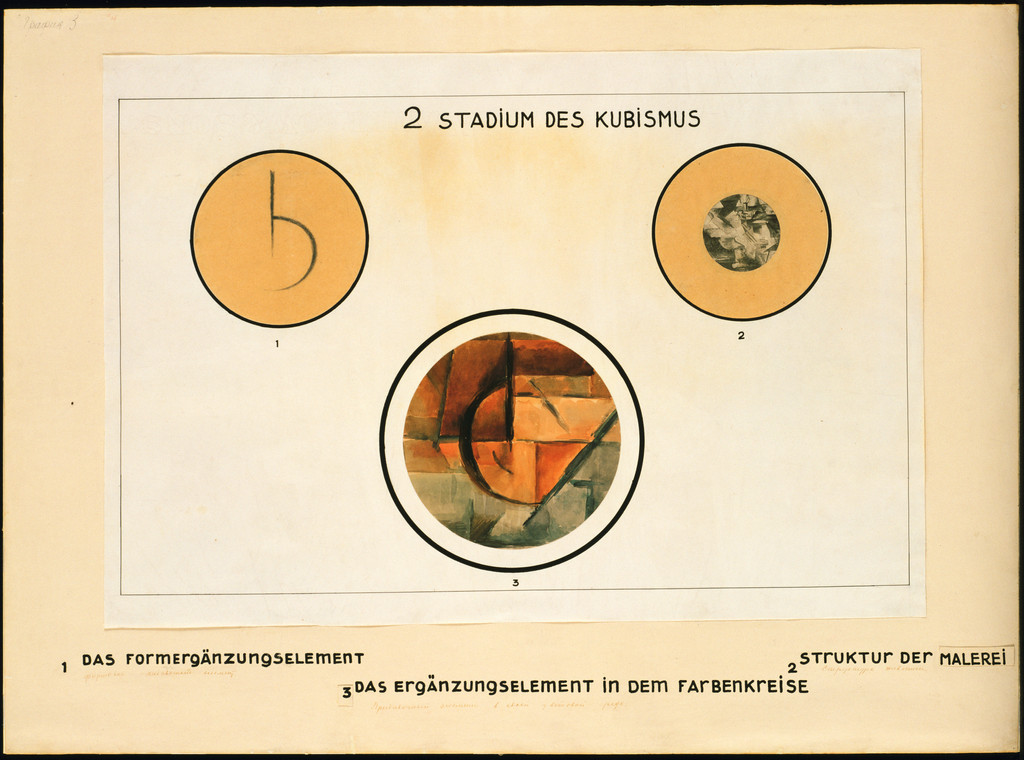
Analytical Chart, Kazimir Malevich, 1924–27
Kazimir Malevich, PorträtKazimir MalevichRussland, 1879–1935

Analytical Chart

1924–27 · Drawing

Darf man es sehen?

Empfängt derzeit nicht

Museum of Modern Art

New York City, Vereinigte Staaten

Es gehört zur Sammlung, ist derzeit aber nicht ausgestellt.

Geprüft
vor 16 Tagen
Quelle
Das Museum
Auf der KarteMuseumsseite

Angaben

1924–27
18791935
Inventarnummer
823.1935

Im Katalog

Zeichnungen & AquarelleAquarellModerne20. Jahrhundert

Quellen

  • Museum of Modern Art
  • Bild: Museum of Modern Art — © the artist or rights holder

Derweil im Leben von Kazimir Malevich

Das ganze Leben
  1. 1919–1922

    The theoretical writings of the Vitebsk years

    In Vitebsk Malevich published the theoretical work “On New Systems in Art” (1919), issued the UNOVIS manifesto in the journal “Iskusstvo” (1921), and in 1922 finished his chief theoretical and philosophical work, “Suprematism. The World as Non-Objectivity, or Eternal Rest”, and brought out the pamphlet “God Is Not Cast Down. Art, Church, Factory”.

  2. 1922

    Moving to Petrograd with his pupils

    In early June 1922 Malevich moved to Petrograd with several pupils, members of UNOVIS, and joined the work of the Museum of Artistic Culture; that year his works were shown at the First Russian Art Exhibition in Berlin.

  3. 1923–1926

    Director of the Museum of Artistic Culture and GINKhUK

    In 1923 Malevich was appointed acting director of the Petrograd Museum of Artistic Culture and began research and teaching there, surrounded by pupils who had followed him. In 1924 the museum was renamed, and from 1924 to 1926 he was director of the Leningrad State Institute of Artistic Culture (GINKhUK), where he headed the formal-theoretical department; he lived in the Myatlev house on St Isaac’s Square, where the institute was housed, from 1926 until his death.

  4. 10 June 1926

    “A monastery on state supplies”: the closure of GINKhUK

    On 10 June 1926 “Leningradskaya Pravda” published G. Seryi’s article “A Monastery on State Supplies”, which became the pretext for closing the institute: the newspaper called it a government-supported monastery rife with “counterrevolutionary sermonizing and artistic debauchery”. The collection of the institute’s papers prepared for print, with Malevich’s “Introduction to the Theory of the Additional Element in Painting”, was annulled, and in the autumn GINKhUK was liquidated; Malevich and his colleagues continued to work at the Institute of Art History until their dismissal in June 1929.

  5. 29 March – 5 June 1927

    Berlin and the Bauhaus: the Great Berlin Art Exhibition

    At the end of March 1927 Malevich left Warsaw for Berlin with the Polish poet and critic Tadeusz Peiper; on 7 April they visited the Bauhaus in Dessau, where he met Walter Gropius and László Moholy-Nagy. At the Great Berlin Art Exhibition (7 May – 30 September) he was given a hall — over seventy works spanning his whole oeuvre; the show has been called a defining moment in the Western reception of Malevich.

  6. 1 November 1929

    A solo exhibition at the Tretyakov Gallery

    On 1 November 1929 the “Exhibition of Paintings and Graphic Works by K. S. Malevich” opened at the State Tretyakov Gallery. In 1930 an abridged version of the exhibition was shown in Kiev (February–May), and the artist’s works were exhibited in Berlin and Vienna.
Mehr von Kazimir Malevich

Alle Werke
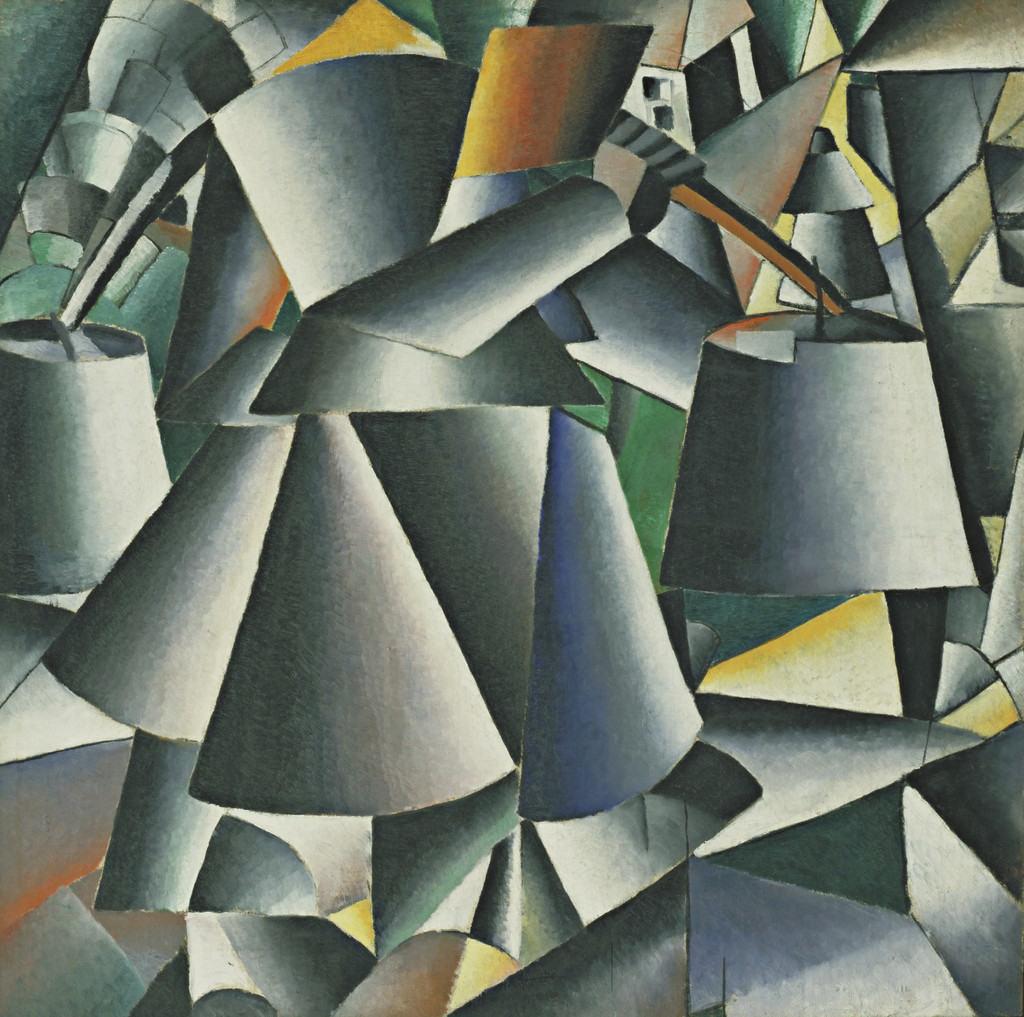
Woman with Pails: Dynamic Arrangement, Kazimir Malevich, 1912-13 (dated on reverse 1912)

Woman with Pails: Dynamic Arrangement

1912-13 (dated on reverse 1912) · Museum of Modern Art

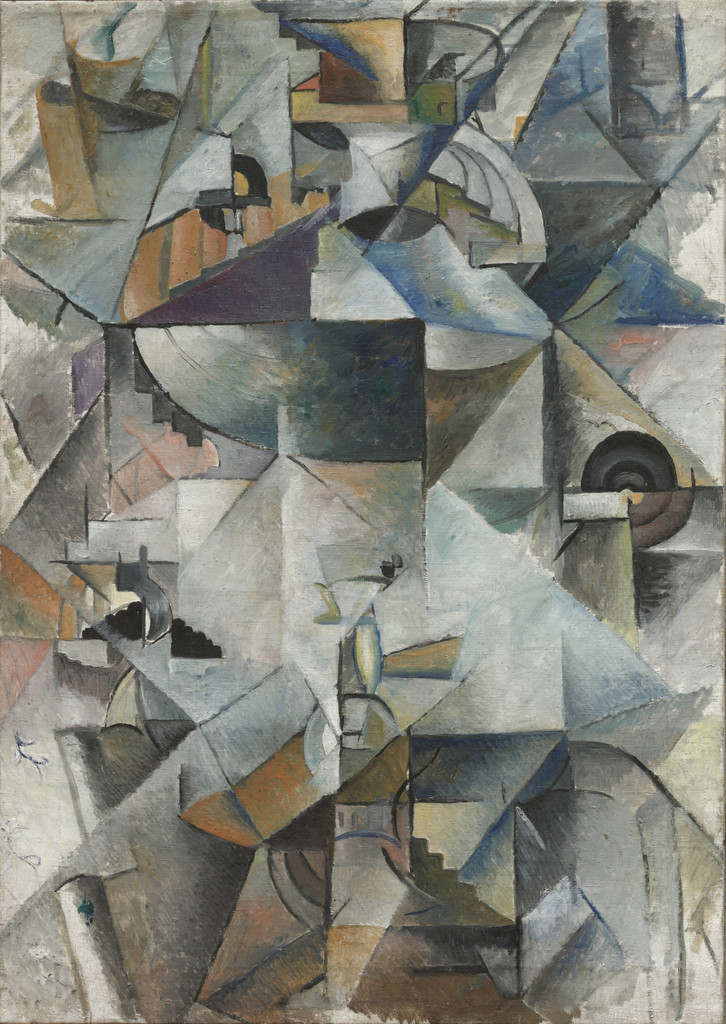
Samovar, Kazimir Malevich, 1913

Samovar

1913 · Museum of Modern Art

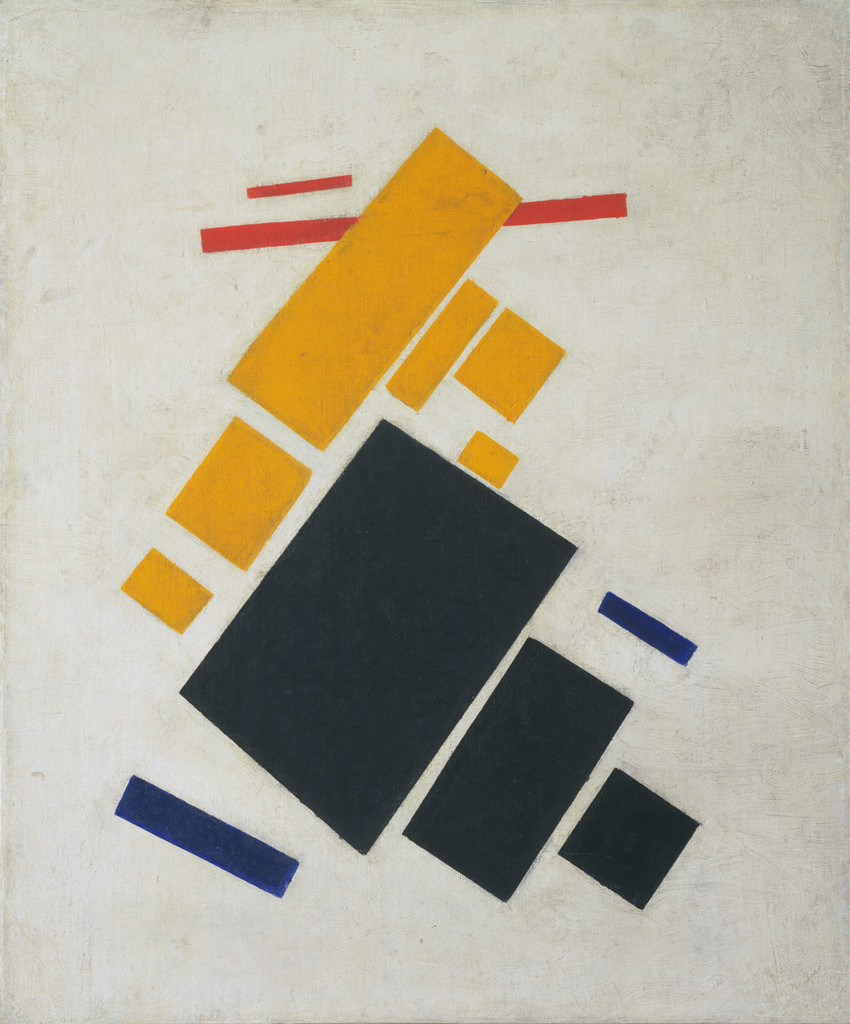
Suprematist Composition: Airplane Flying, Kazimir Malevich, 1915 (dated on reverse 1914)

Suprematist Composition: Airplane Flying

1915 (dated on reverse 1914) · Museum of Modern Art

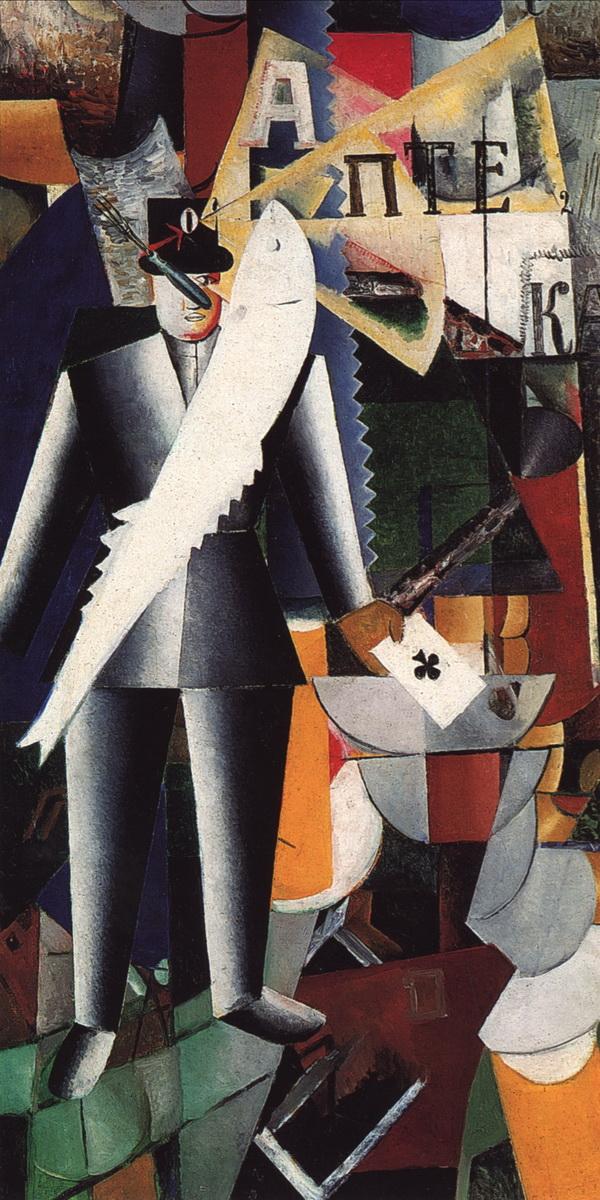
Авиатор, Kazimir Malevich, 1914

Авиатор

1914 · Russisches Museum

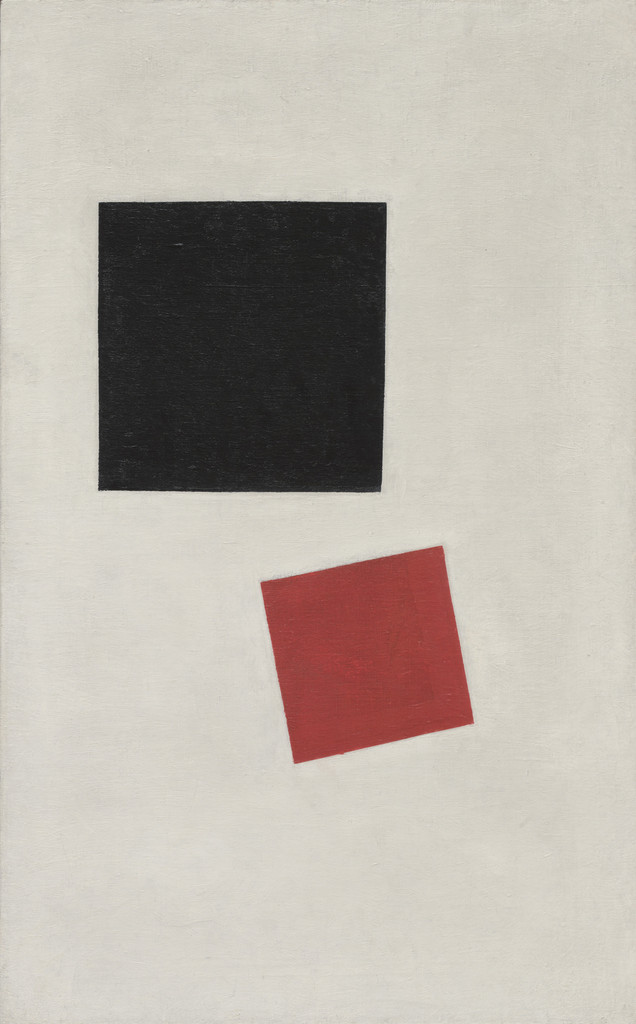
Painterly Realism of a Boy with a Knapsack - Color Masses in the Fourth Dimension, Kazimir Malevich, 1915

Painterly Realism of a Boy with a Knapsack - Color Masses in the Fourth Dimension

1915 · Museum of Modern Art

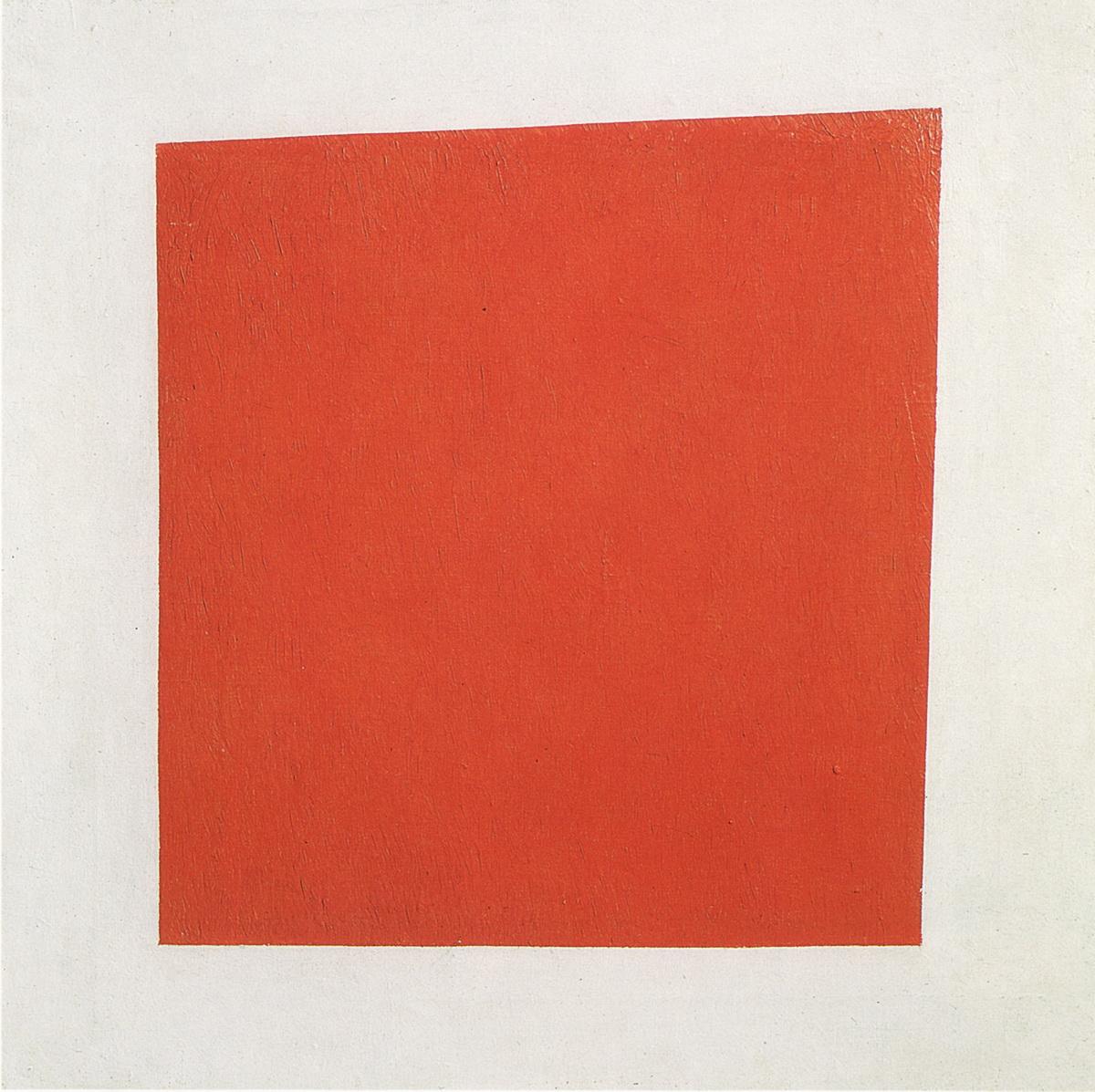
Rotes Quadrat, Kazimir Malevich, 1915

Rotes Quadrat

1915 · Russisches Museum

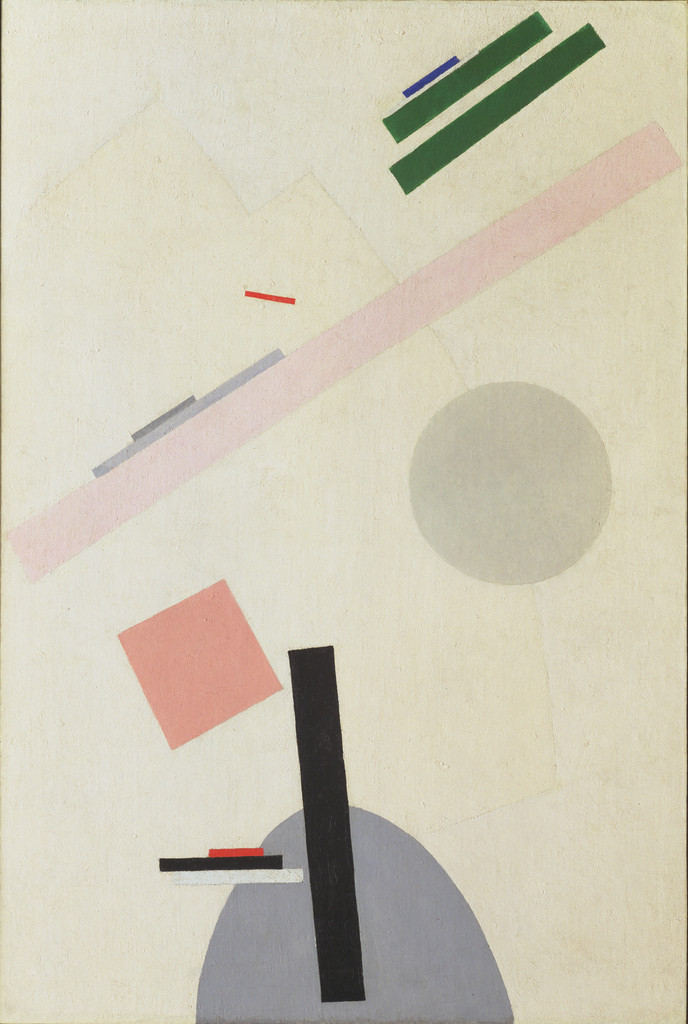
Suprematist Painting, Kazimir Malevich, 1916-17

Suprematist Painting

1916-17 · Museum of Modern Art

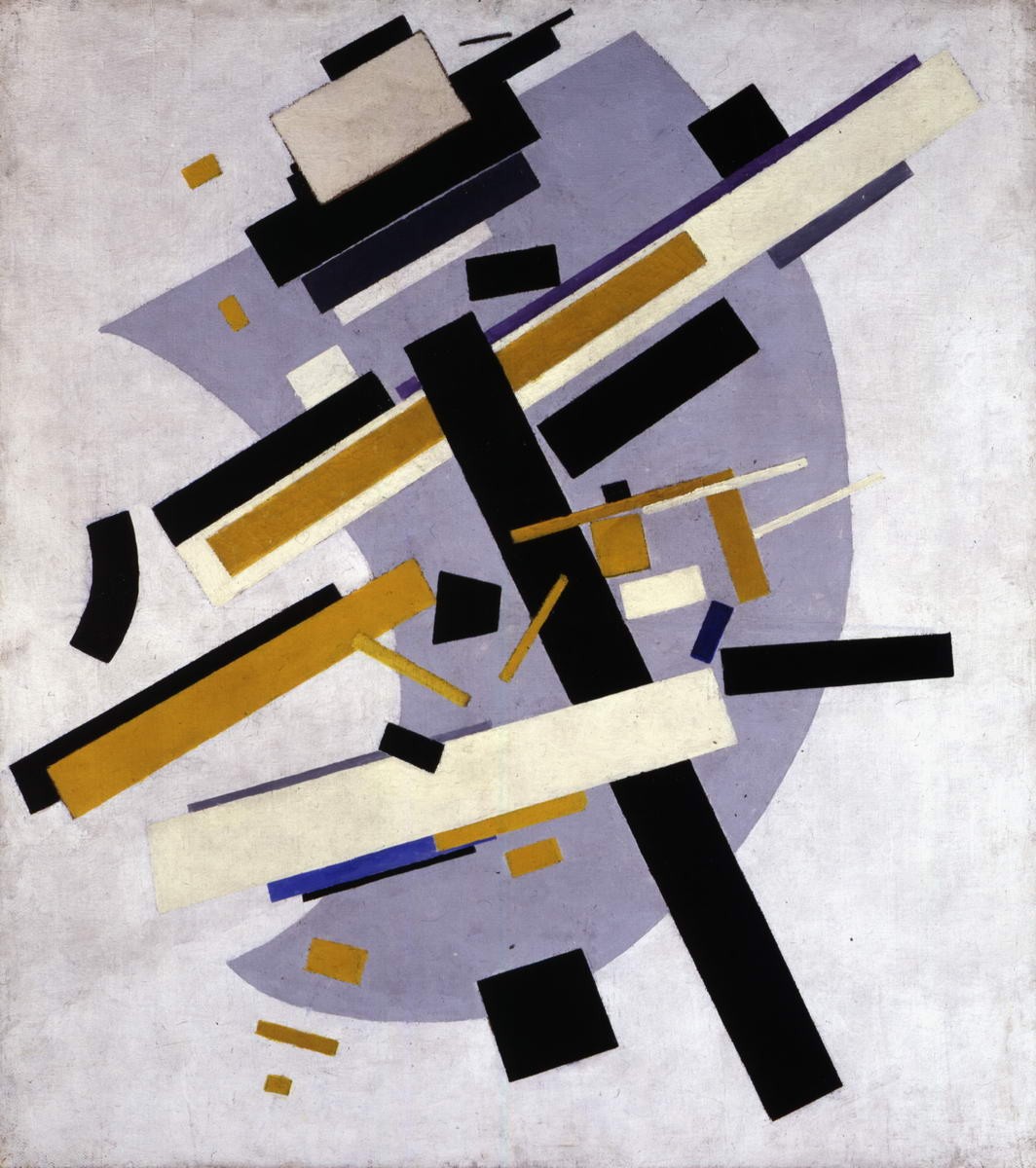
Супрематизм (Supremus №58. Желтое и черное), Kazimir Malevich, 1916

Супрематизм (Supremus №58. Желтое и черное)

1916 · Russisches Museum

Nachbarn im Haus: Museum of Modern Art

Museumsseite
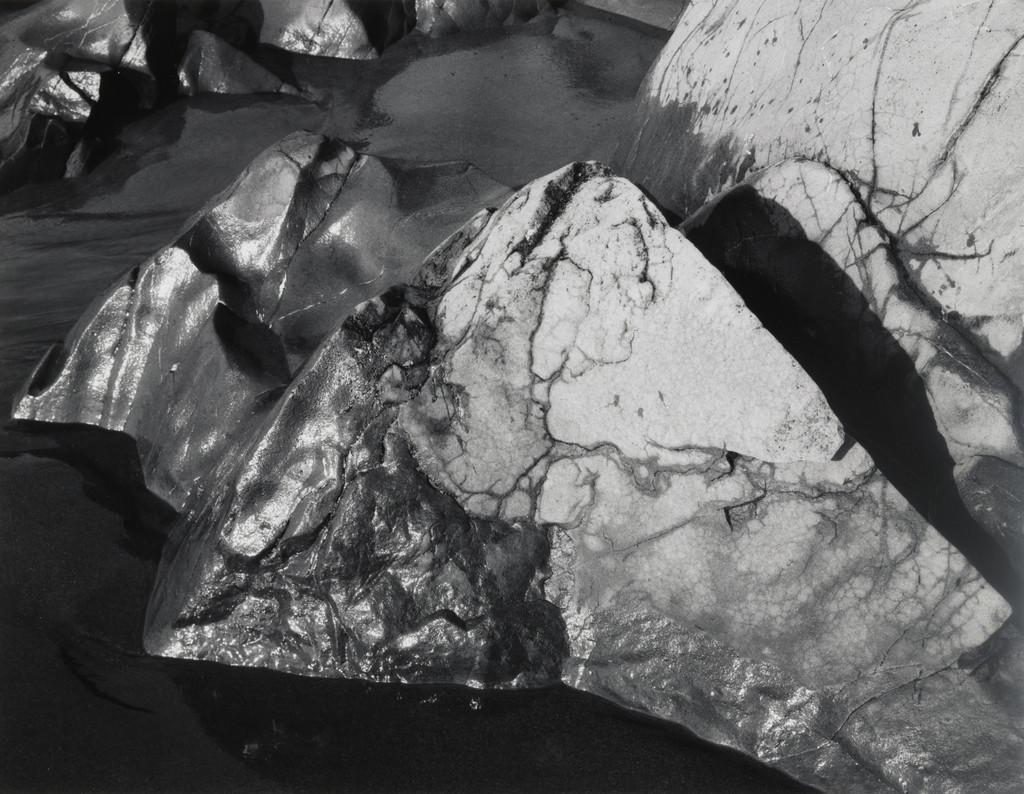
Rock, Bakers Beach, San Francisco, California, Ansel Adams, c. 1931

Ansel Adams

Rock, Bakers Beach, San Francisco, California, c. 1931

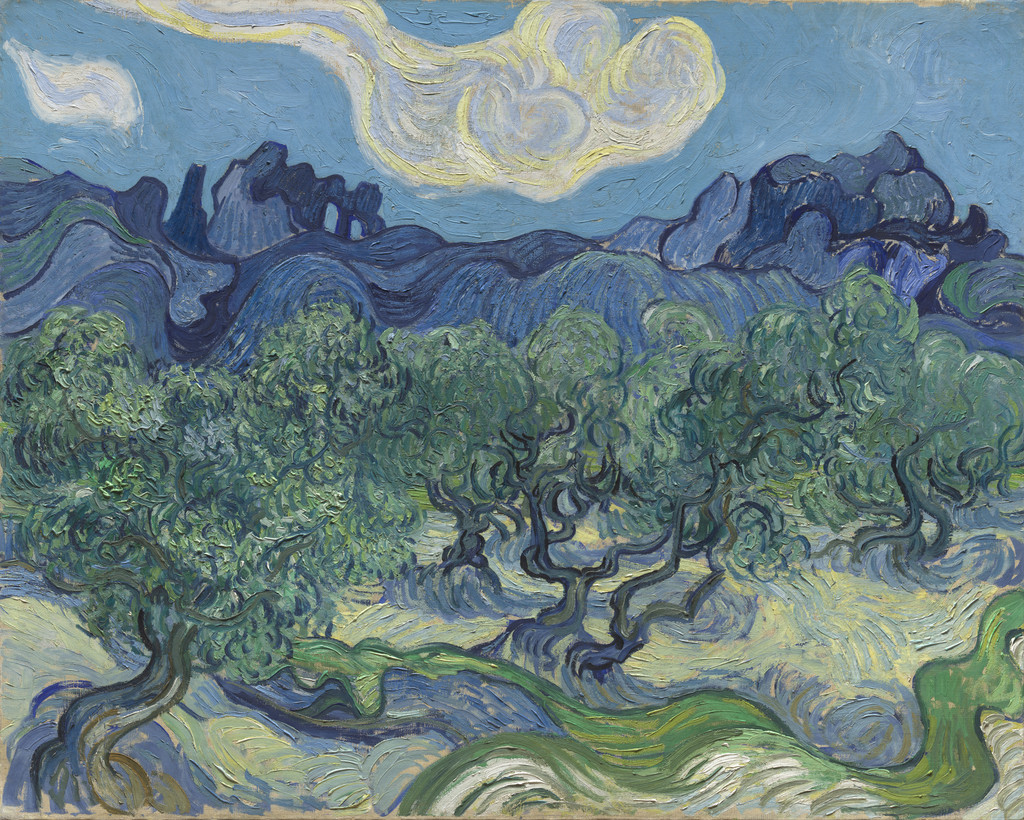
The Olive Trees, Vincent van Gogh, Saint Rémy, June-July 1889

Vincent van Gogh

The Olive Trees, Saint Rémy, June-July 1889

The Starry Night, Vincent van Gogh, 1889

Vincent van Gogh

Sternennacht, 1889

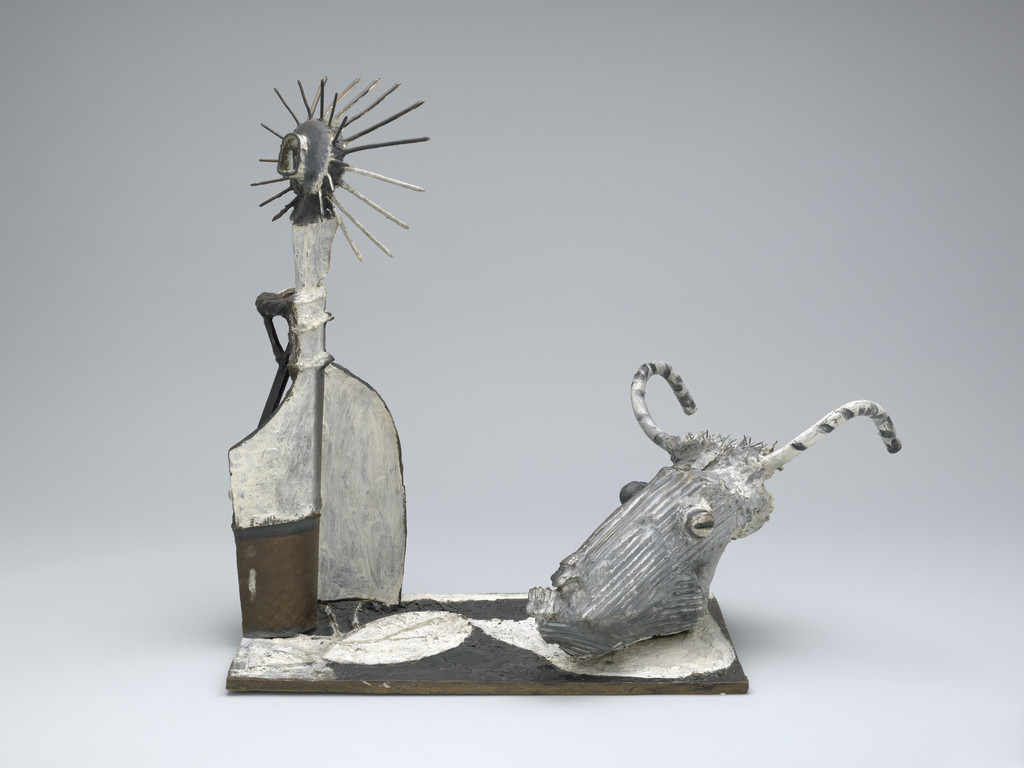
Goat Skull and Bottle, Pablo Picasso, Vallauris, 1951 (cast 1954)

Pablo Picasso

Goat Skull and Bottle, Vallauris, 1951 (cast 1954)

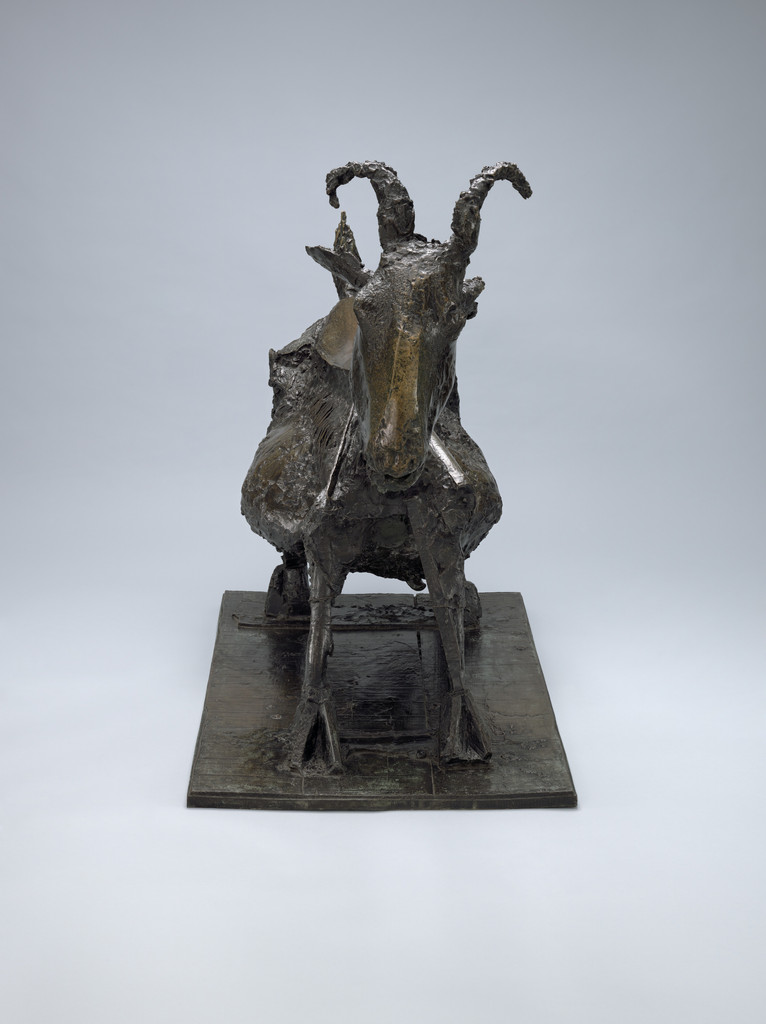
She-Goat, Pablo Picasso, Vallauris, 1950 (cast 1952)

Pablo Picasso

She-Goat, Vallauris, 1950 (cast 1952)

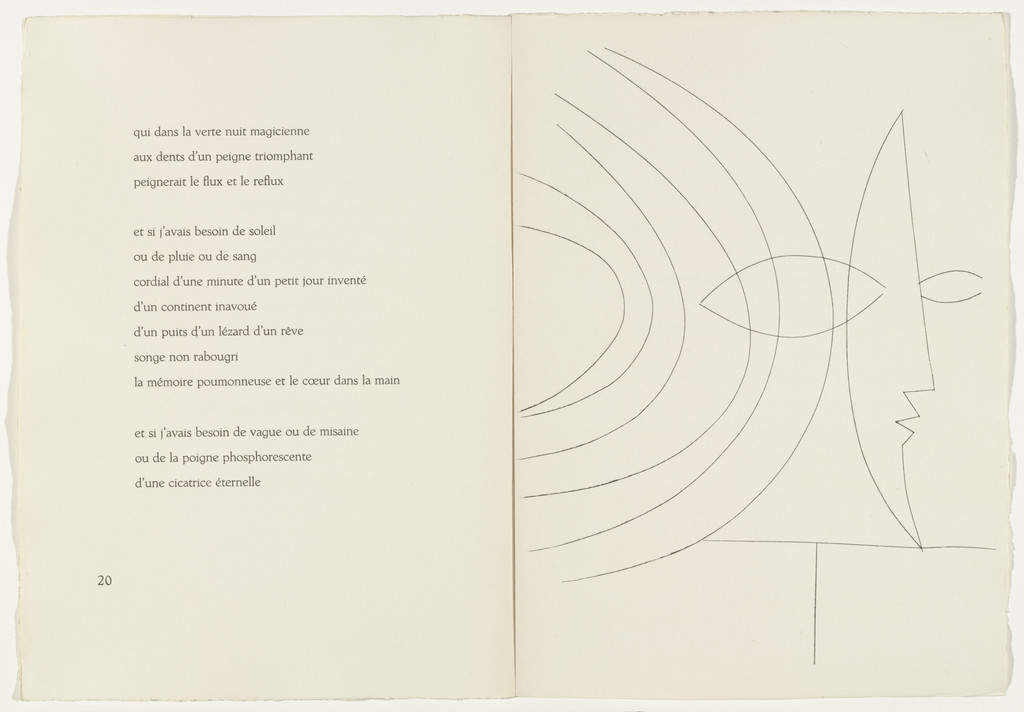
Face in Profile (plate, page 21) from Corps perdu, Pablo Picasso, 1949, published 1950

Pablo Picasso

Face in Profile (plate, page 21) from Corps perdu, 1949, published 1950

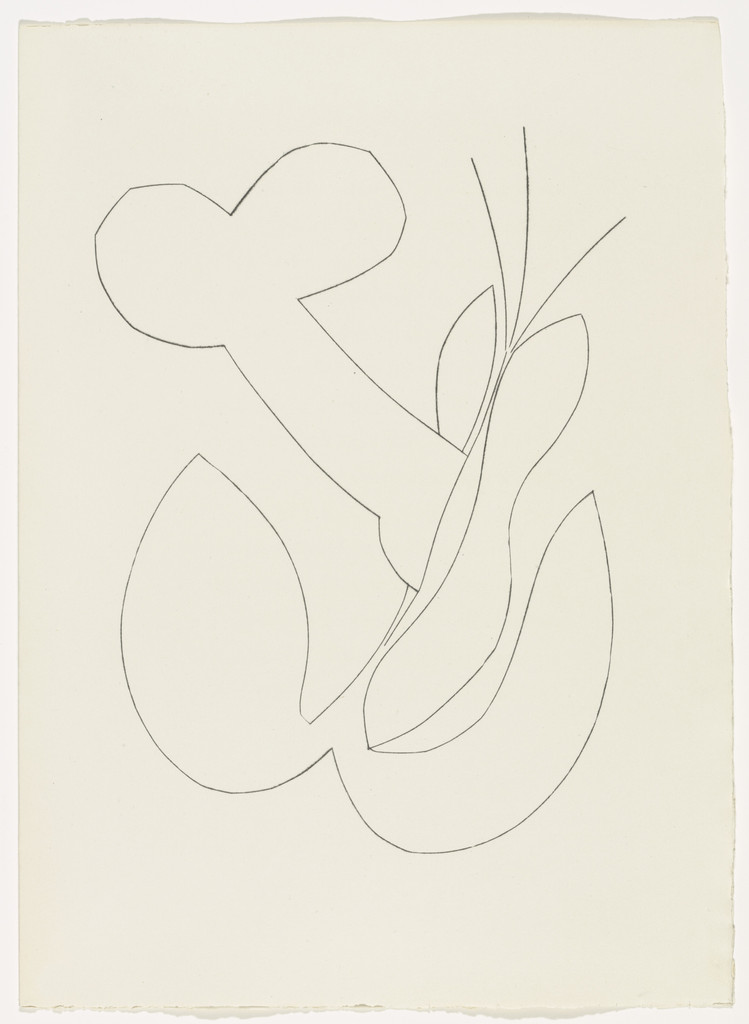
Coupling (plate, page 17) from Corps perdu, Pablo Picasso, 1949, published 1950

Pablo Picasso

Coupling (plate, page 17) from Corps perdu, 1949, published 1950

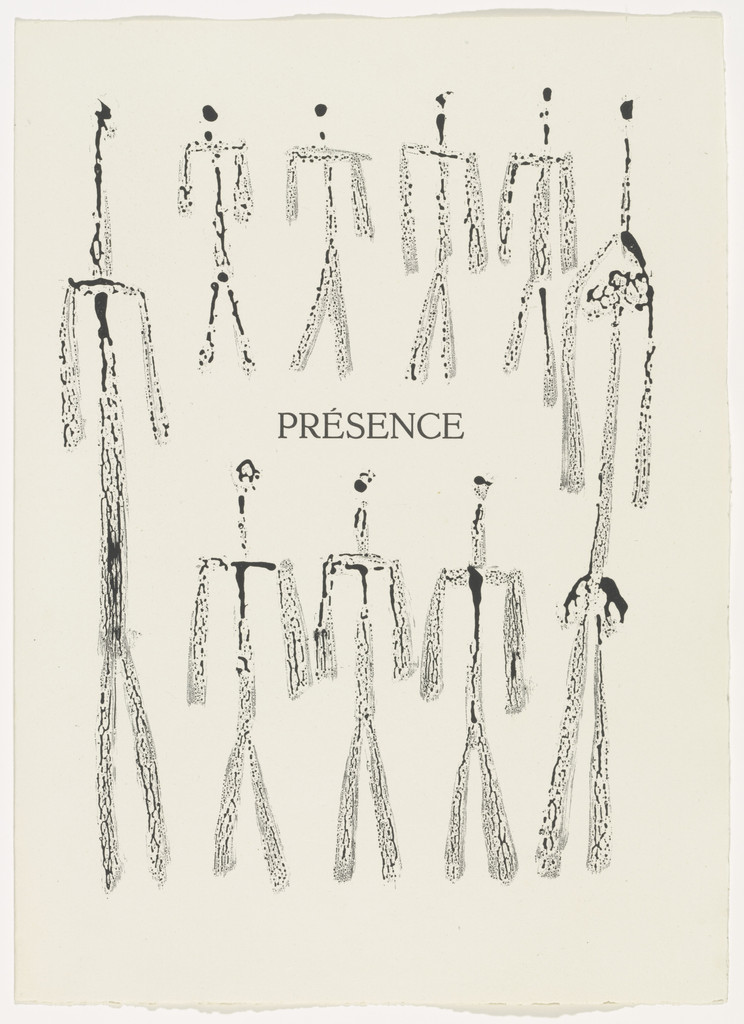
"Présence" (chapter title, page 13) from Corps perdu, Pablo Picasso, 1949, published 1950

Pablo Picasso

"Présence" (chapter title, page 13) from Corps perdu, 1949, published 1950