Paul KleeDeutschland, 1879–1940
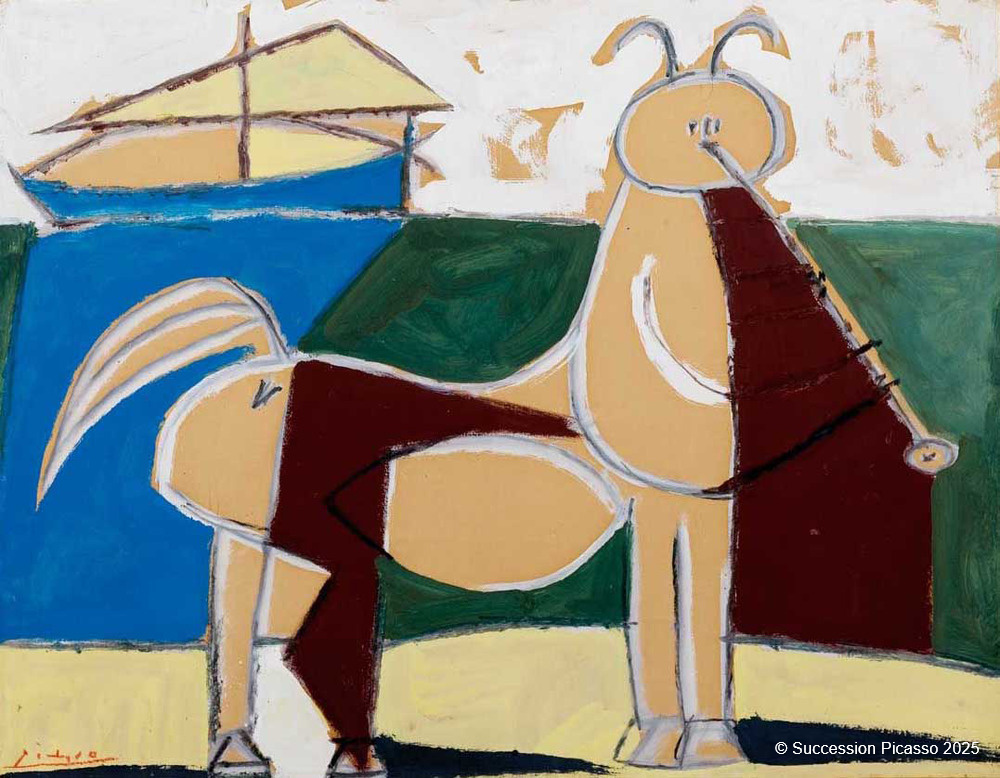
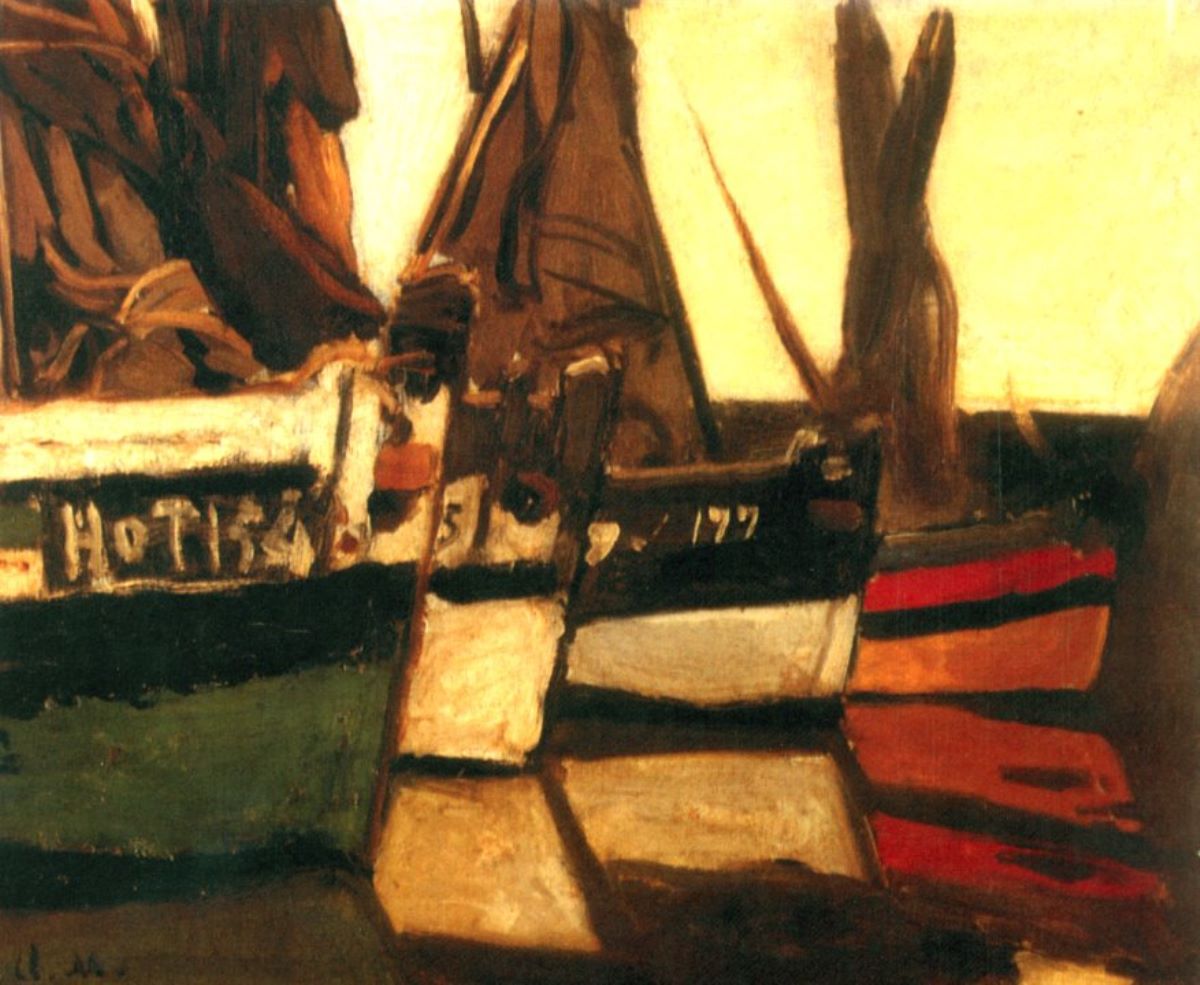
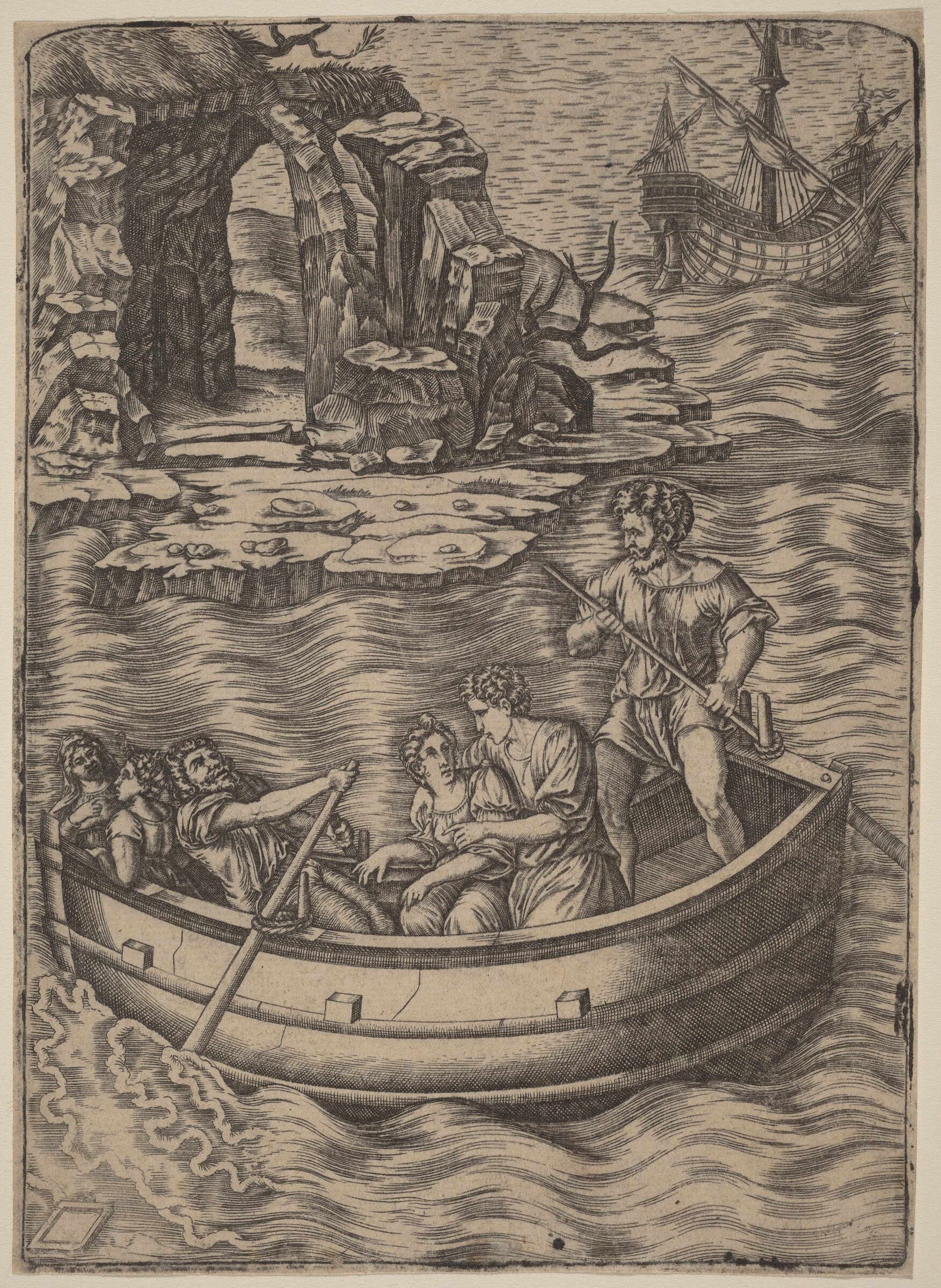
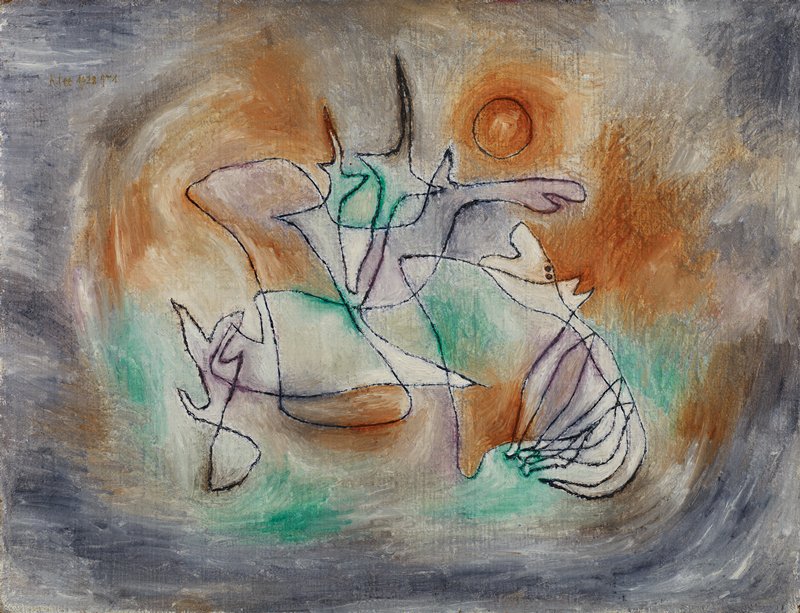
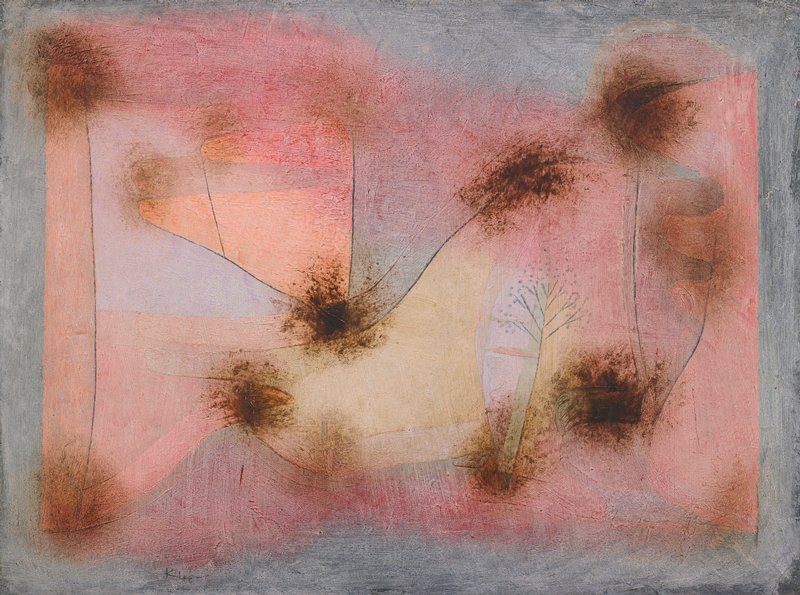
Alter Dampfer (Old Steamboat)
Darf man es sehen?
Empfängt derzeit nicht

Washington, D.C., Vereinigte Staaten
Es gehört zur Sammlung, ist derzeit aber nicht ausgestellt.
- Geprüft
- Unverändert seit
- Quelle
- Das Museum
Angaben
- Inventarnummer
- 1943.3.9039
Was es zeigt
Im Katalog
Quellen
- National Gallery of Art
- Bild: National Gallery of Art — Museum open access
Derweil im Leben von Paul Klee
Das ganze Leben1920
Retrospective at Goltz’s: over 300 works
In 1920 Hans Goltz showed Klee’s works at his Munich gallery — a retrospective of more than 300 works.
1920
Voltaire’s “Candide” appears with Klee’s drawings
In 1920 an edition of Voltaire’s “Candide” appeared with Klee’s illustrations, begun after his meeting with Kubin; the book was published by Kurt Wolff.
1920
Gropius invites Klee to teach at the Bauhaus
In October 1920, on behalf of the Bauhaus staff, its director Walter Gropius invited Klee to teach; from January 1921 to April 1931 he was a “form master” — first in the bookbinding workshop, then, together with Kandinsky, in the stained-glass and mural-painting workshops, and later he ran a painting class.
1921
Walter Benjamin buys “Angelus Novus”
In 1921 the philosopher and critic Walter Benjamin bought Klee’s painting “Angelus Novus”. In his “Theses on the Philosophy of History” he suggested that its angel might be seen as the angel of history.
1921–1931
The preliminary course on the “theory of form”
Klee developed a preliminary course in the “theory of form” that began with the “point as the beginning of all beginnings”, moving through space, and the “cosmic egg” from which line, spiral, square, circle and cube are born. Students listened to lectures illustrated with Klee’s own abstract watercolours and then painted their own, trying to express movement, balance, flight and tension.
1924–1925
Success with the Paris Surrealists
In 1924 Klee exhibited in Paris for the first time and became a hit with the French Surrealists, who were drawn to his partly morbid motifs. At the Paris Surrealist exhibition of 1925 Max Ernst was impressed by his work.




![Ginevra de' Benci [obverse], Leonardo da Vinci, c. 1474/1478](https://api.nga.gov/iiif/8f29e3c9-a289-4d53-abf0-31a66e9e98fa/full/!2400,2400/0/default.jpg)
![Wreath of Laurel, Palm, and Juniper with a Scroll inscribed Virtutem Forma Decorat [reverse], Leonardo da Vinci, c. 1474/1478](https://api.nga.gov/iiif/ff62e8d0-45c4-498f-ad36-6358de827e04/full/!2400,2400/0/default.jpg)