ART WIKI32.963 ausgestellt
KarteSammlungKünstlerMuseenAusstellungenJournal
Anmelden

ART WIKI

Wo das Meisterwerk hängt und wann man vorgelassen wird.

Sammlungen: Art Institute of Chicago, Cleveland Museum of Art, Eremitage, Getty Villa, Harvard Art Museums, Hirshhorn Museum and Sculpture Garden, J. Paul Getty Museum, Louvre, Metropolitan Museum of Art, Minneapolis Institute of Art, Museum of Modern Art, National Gallery of Art, National Museum of Asian Art, National Portrait Gallery, Puschkin-Museum, Rijksmuseum Amsterdam, Russisches Museum, Smithsonian American Art Museum, Statens Museum for Kunst, Tretjakow-Galerie, Victoria and Albert Museum, Whitney Museum of American Art, Staatskatalog des Museumsfonds Russlands (274 Museen), Europeana (19 Museen), Wikidata (6 Museen), Paris Musées (12 Museen) und Joconde, die Museumsdatenbank des französischen Kulturministeriums (495 Museen). Die Bilder gehören ihren Rechteinhabern.

Rubriken

  • Karte
  • Suche
  • Sammlung
  • Meisterwerke
  • Jetzt ausgestellt
  • Künstler

Mehr

  • Museen & Galerien
  • Ausstellungen
  • Journal
  • Woher die Daten stammen
  • Datenschutz & Cookies
StartseiteKarteKatalog
  1. Sammlung/
  2. Louvre/
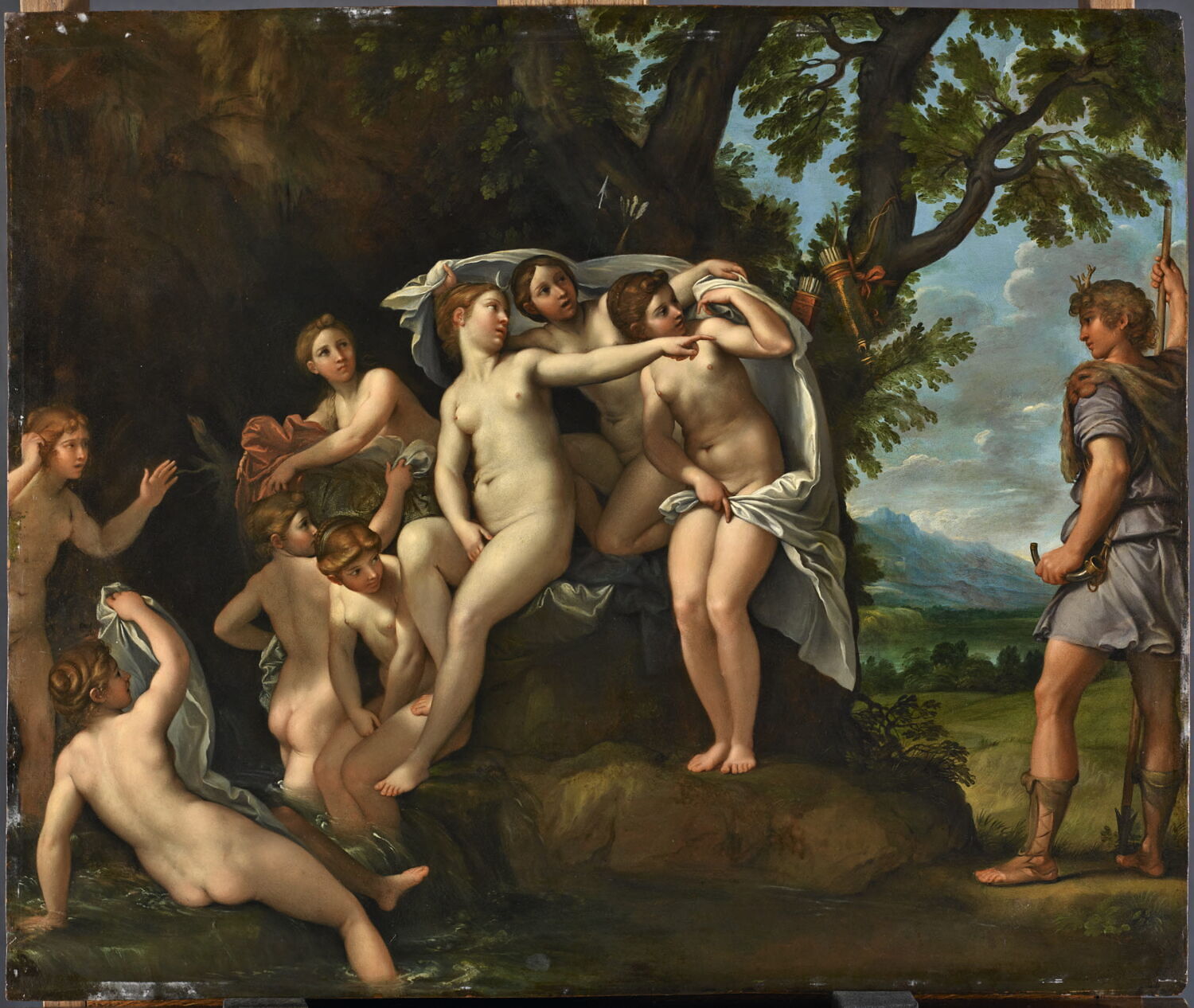
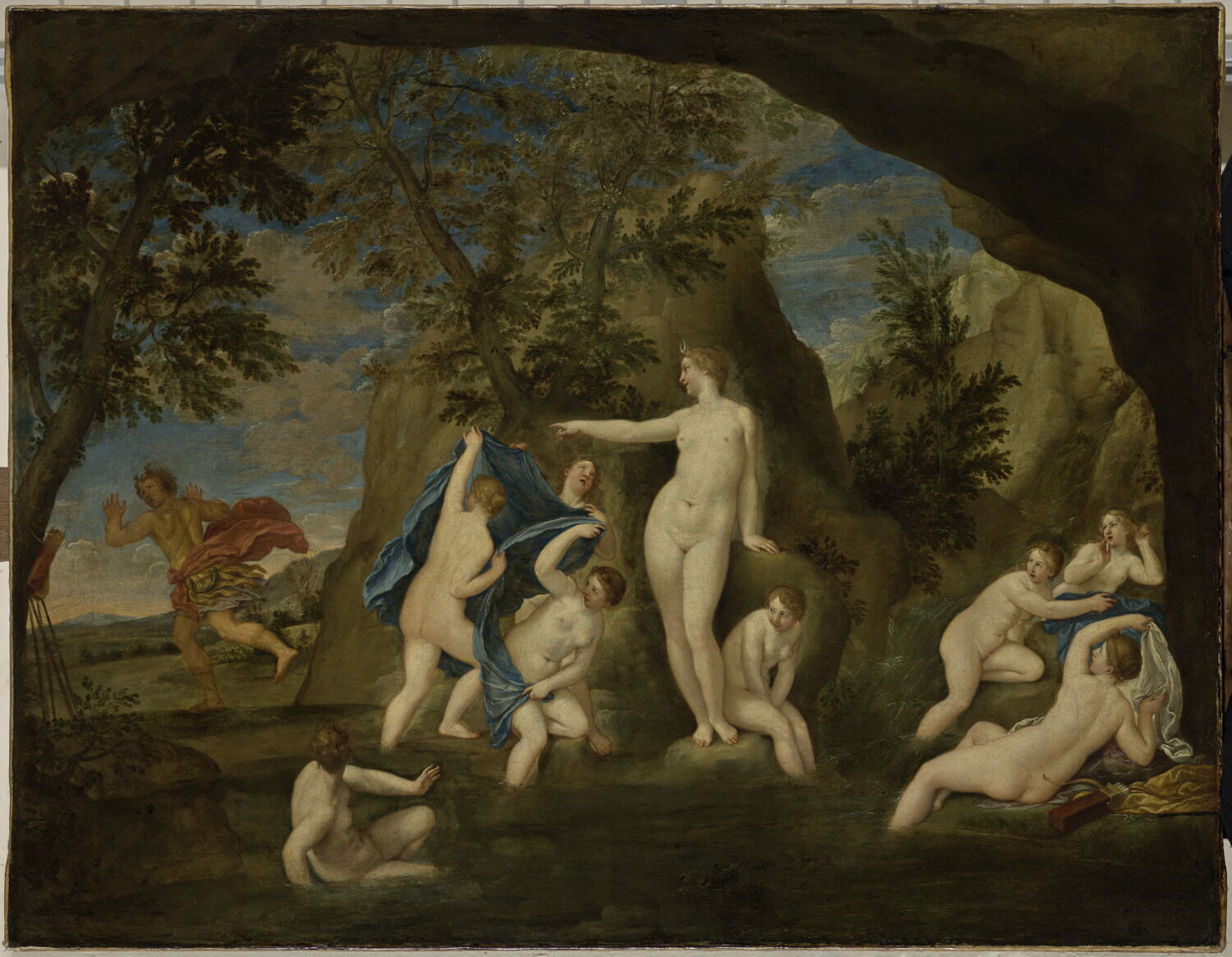
  3. Actéon métamorphosé en cerf
Actéon métamorphosé en cerf, Albani, Francesco, 2e quart du XVIIe siècle (1625 - 1650)
Francesco Albani, PorträtFrancesco AlbaniItalien, 1578–1660

Actéon métamorphosé en cerf

2e quart du XVIIe siècle (1625 - 1650) · Peintures

Darf man es sehen?

Empfängt derzeit nicht

Louvre

Paris, Frankreich

Es gehört zur Sammlung, ist derzeit aber nicht ausgestellt.

Geprüft
vor 12 Tagen
Unverändert seit
26. Sept. 2026
Quelle
Das Museum
Auf der KarteMuseumsseite

Angaben

2e quart du XVIIe siècle (1625 - 1650)
15781660
Inventarnummer
INV 16

Im Katalog

GemäldeÖlItalienische MalereiBarock17. Jahrhundert

Quellen

  • Louvre
  • Bild: Louvre — © 2026 GrandPalaisRmn (musée du Louvre) / Sylvie Chan-Liat

Derweil im Leben von Francesco Albani

Das ganze Leben
  1. 1600–1625

    Roman patrons and the Academy of St Luke

    In Rome Albani works for members of the most powerful aristocratic families — the Borghese, Colonna, Corsini and Giustiniani; proof of his success is his admission to the Academy of St Luke.

  2. after 1625

    Back in Bologna: a large studio

    After working in Rome from 1623 to 1625, Albani returns to Bologna and runs a large studio that rivals Reni's for the most important public commissions. His main work becomes large-scale altarpieces for Bolognese and provincial churches and easel pictures for an international clientele.

  3. 1630s

    Begins a treatise on painting

    Albani begins a treatise on painting, whose general content is known from excerpts of his notes published in Malvasia's biography: it stresses the importance of invention and of the artist's education and sharply criticizes the naturalism of Caravaggio and his followers.

  4. 1633

    In Florence: completing a cycle for Giancarlo de' Medici

    In 1633 Prince Giancarlo de' Medici summons Albani to Florence, where he completes several pictures originally commissioned by the Duke of Mantua — the cycle begun in 1621 for Ferdinando Gonzaga (now in the Louvre).

  5. by 1643

    A family of twelve children

    By 1643 the Albani family numbers twelve children; the putti that increasingly populate his secular and sacred paintings, his biographers said, were modelled on his own babies. Other accounts say that his second marriage, to Doralice Fioravanti, produced ten children who served as models for the angels.

  6. 1645–1660

    The workshop turns out replicas

    Extensive workshop assistance and the execution of many replicas account for the decline in quality of works datable after 1645; other accounts say that for the last thirty years of his life the workshop kept producing small mythological and religious pictures of uneven quality.
Mehr von Francesco Albani

Alle Werke
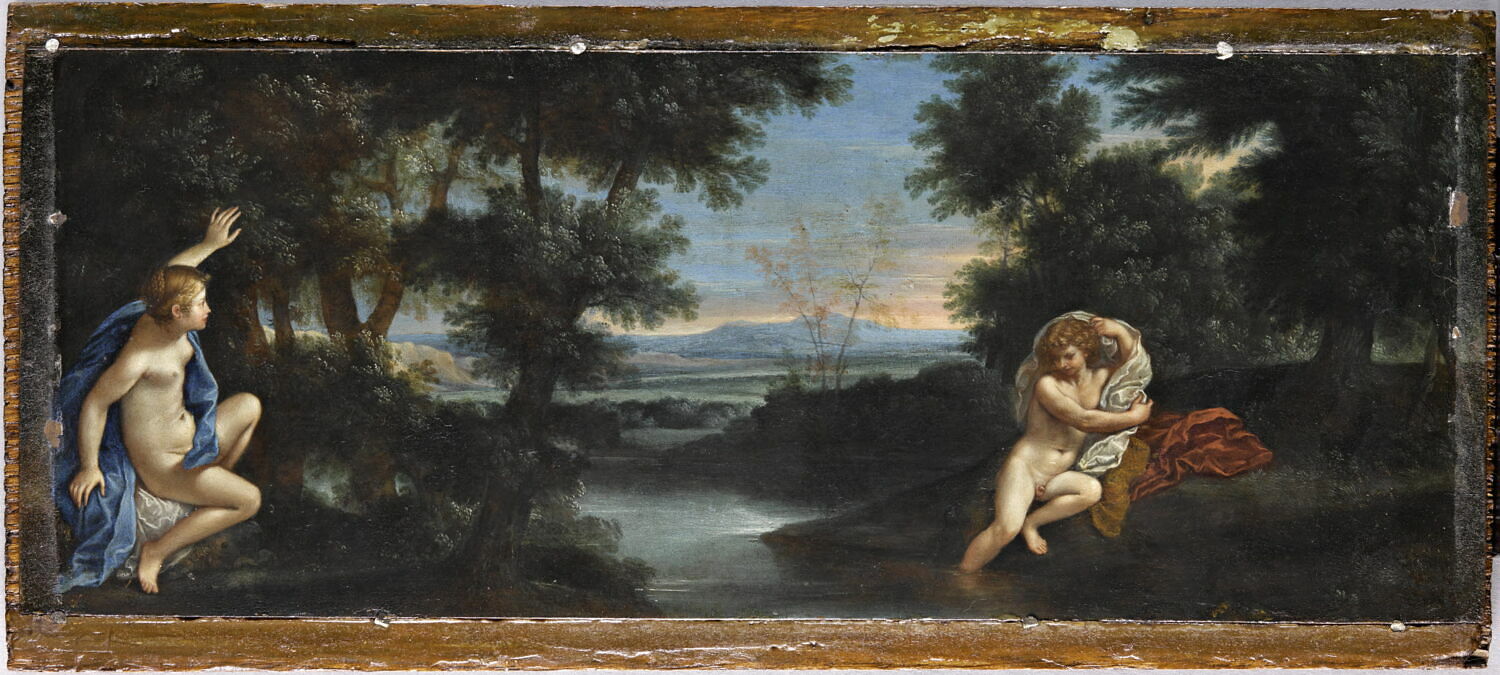
Salmacis et Hermaphrodite, Albani, Francesco, Fin du XVIe siècle - début du XVIIè siècle (1575 - 1625)

Salmacis et Hermaphrodite

Fin du XVIe siècle - début du XVIIè siècle (1575 - 1625) · Louvre

La Nativité, Albani, Francesco, 1e quart du XVIIe siècle (1600 - 1625)

La Nativité

1e quart du XVIIe siècle (1600 - 1625) · Louvre

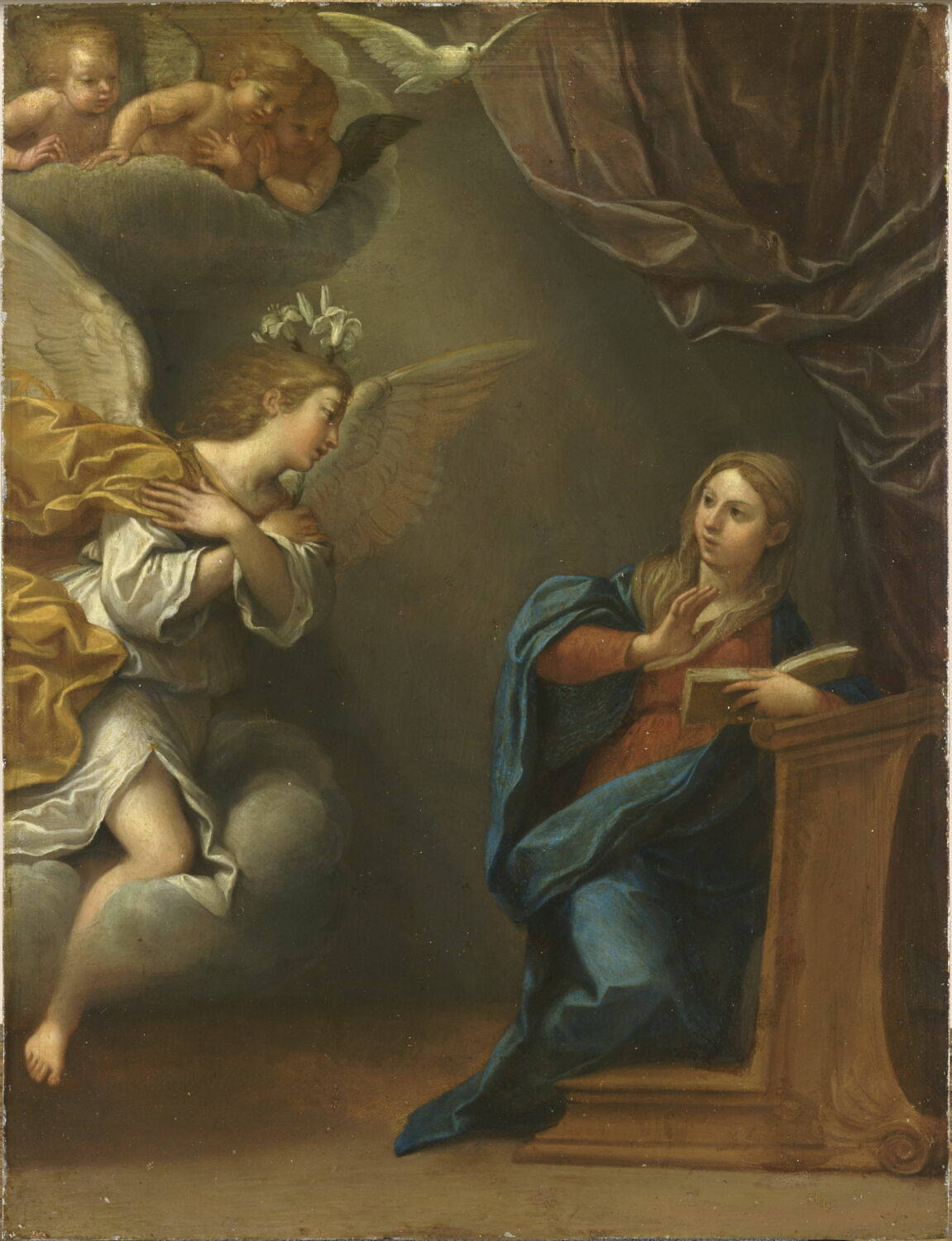
L'Annonciation, Albani, Francesco, XVIIe siècle (1600 - 1700)

L'Annonciation

XVIIe siècle (1600 - 1700) · Louvre

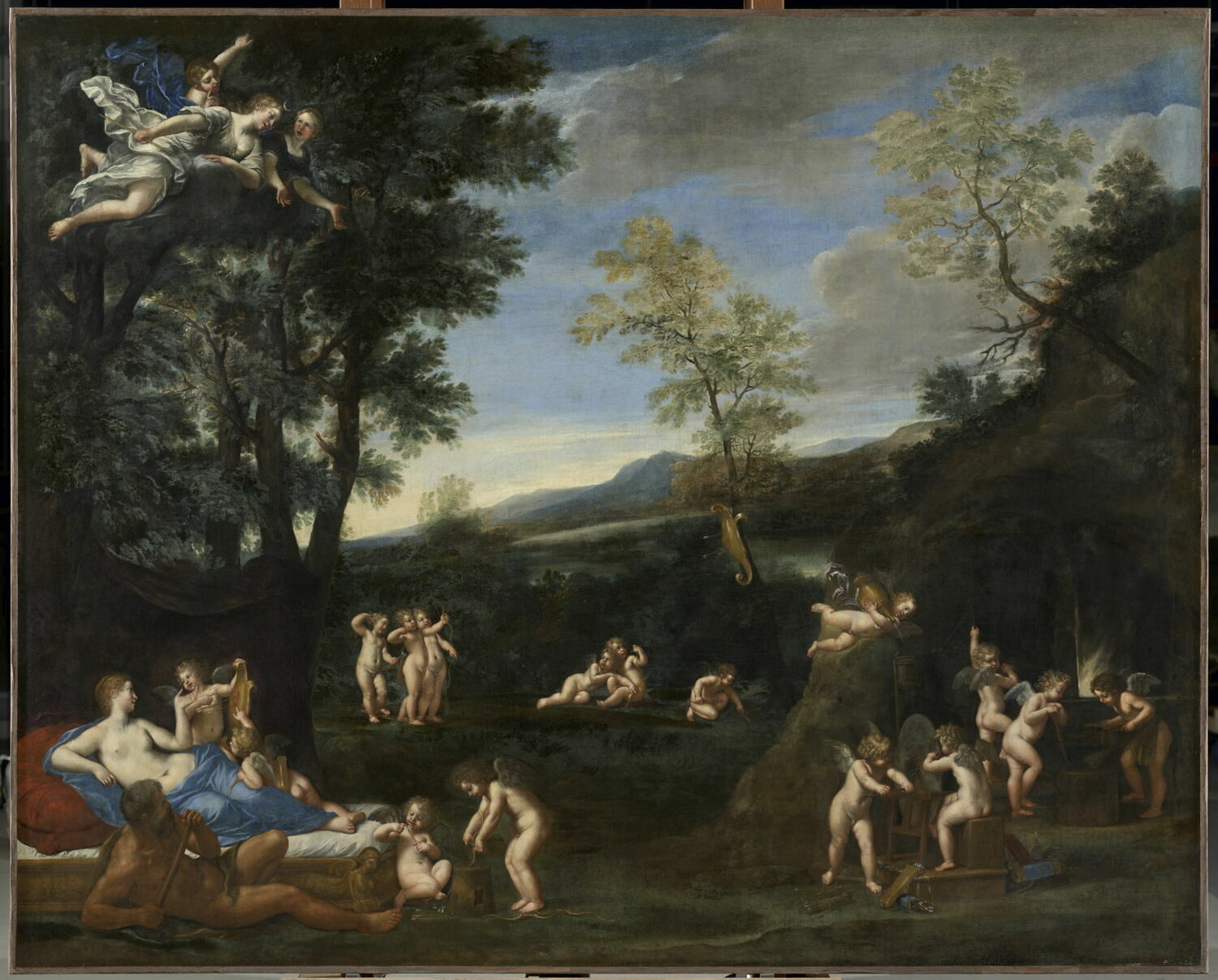
Actéon métamorphosé en cerf, Albani, Francesco, 1e quart du XVIIe siècle (1600 - 1625)

Actéon métamorphosé en cerf

1e quart du XVIIe siècle (1600 - 1625) · Louvre

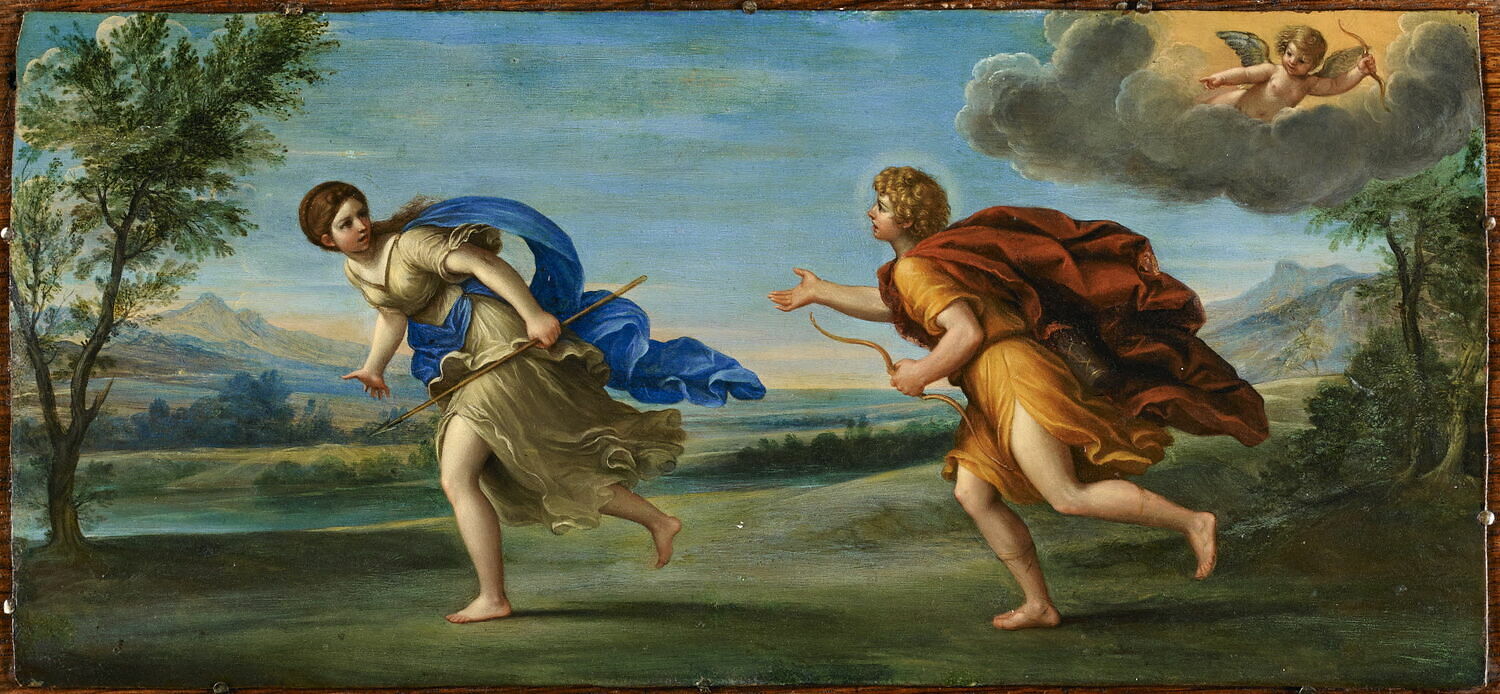
Apollon et Daphné, Albani, Francesco, 1e quart du XVIIe siècle (vers 1615 - 1620)

Apollon et Daphné

1e quart du XVIIe siècle (vers 1615 - 1620) · Louvre

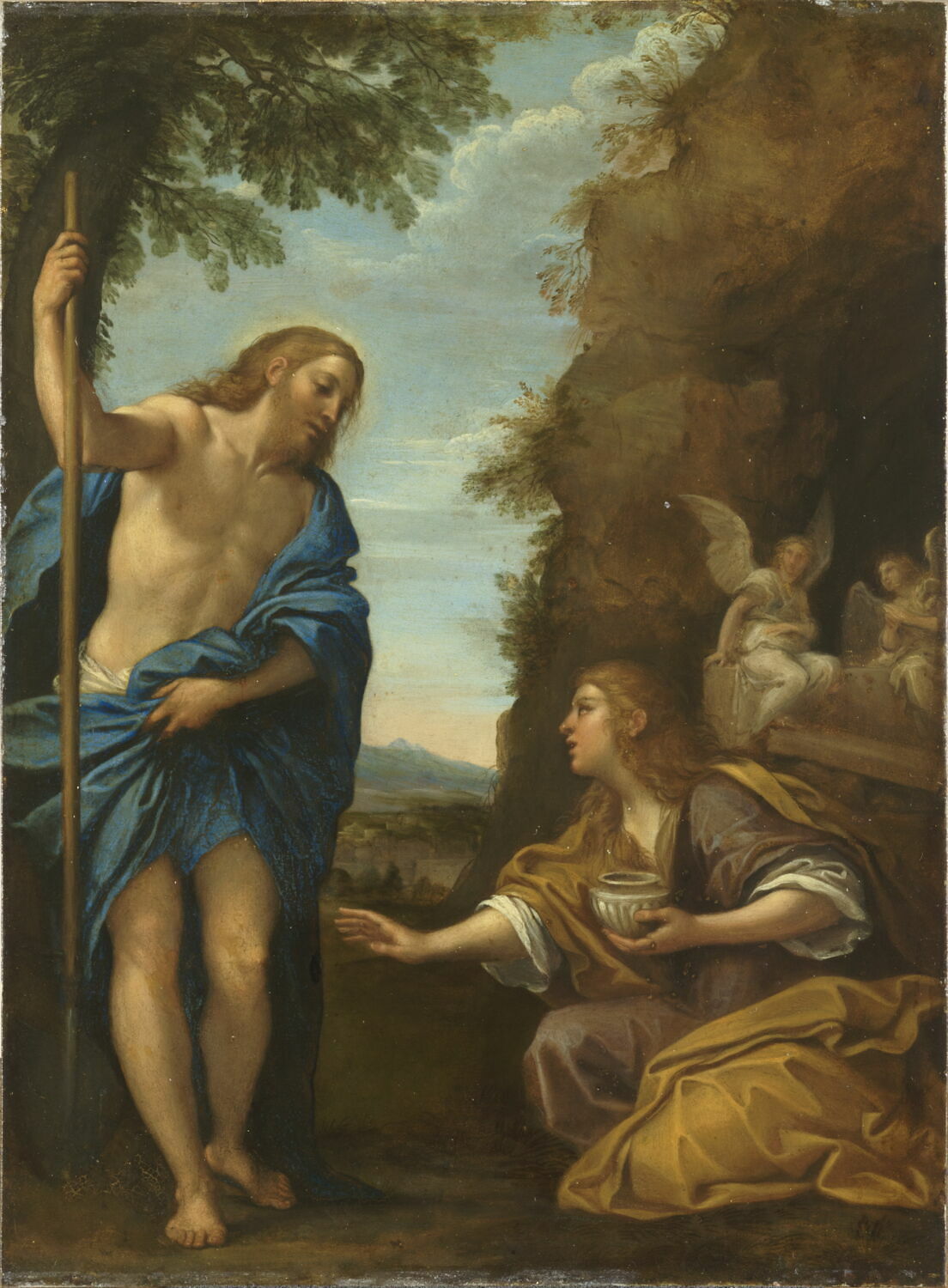
Le Christ et la Madeleine, Albani, Francesco, 1e quart du XVIIe siècle (vers 1620 - 1625)

Le Christ et la Madeleine

1e quart du XVIIe siècle (vers 1620 - 1625) · Louvre

Le Repos de Vénus et de Vulcain, dit aussi à tort Le Feu, Albani, Francesco, 1e tiers du XVIIe siècle (1621 - 1633)

Le Repos de Vénus et de Vulcain, dit aussi à tort Le Feu

1e tiers du XVIIe siècle (1621 - 1633) · Louvre

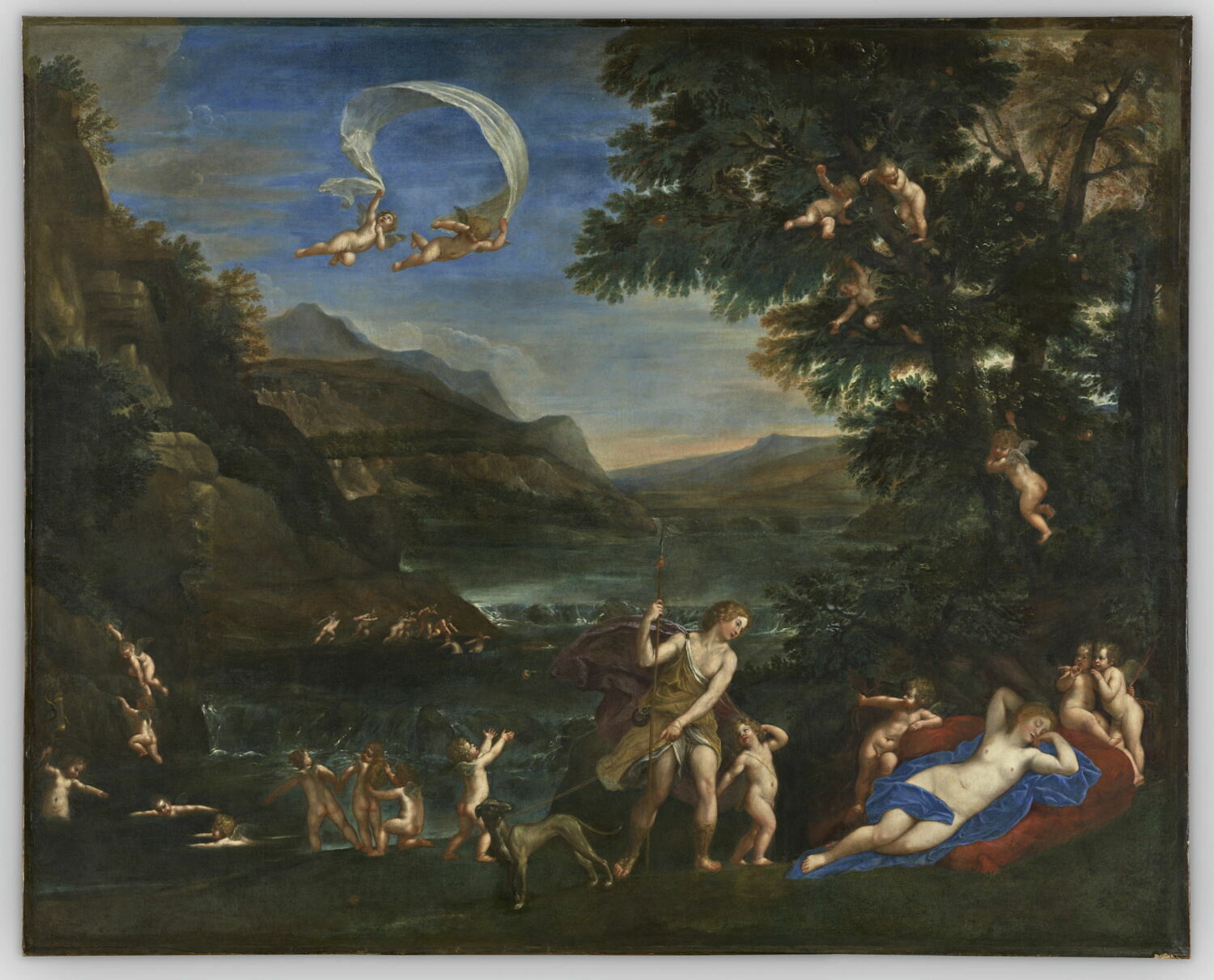
Adonis conduit près de Vénus par les amours, dit aussi à tort L'Eau, Albani, Francesco, 1e tiers du XVIIe siècle (1621 - 1633)

Adonis conduit près de Vénus par les amours, dit aussi à tort L'Eau

1e tiers du XVIIe siècle (1621 - 1633) · Louvre

Nachbarn im Haus: Louvre

Museumsseite
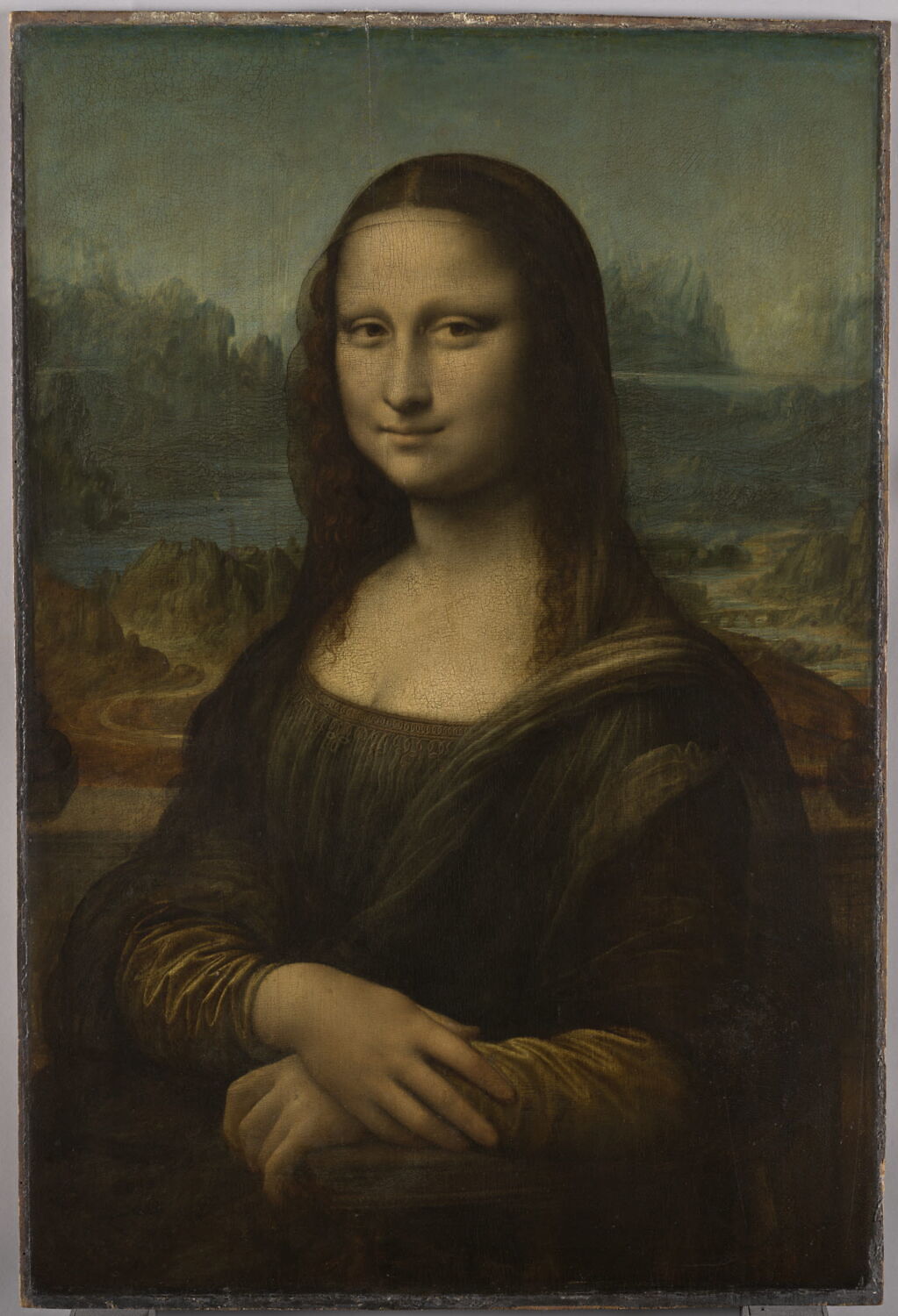
Portrait de Lisa Gherardini, épouse de Francesco del Giocondo, dit La Joconde ou Monna Lisa, Léonard de Vinci, 1e quart du XVIe siècle (1503 - 1519)

Leonardo da Vinci

Mona Lisa, 1e quart du XVIe siècle (1503 - 1519)

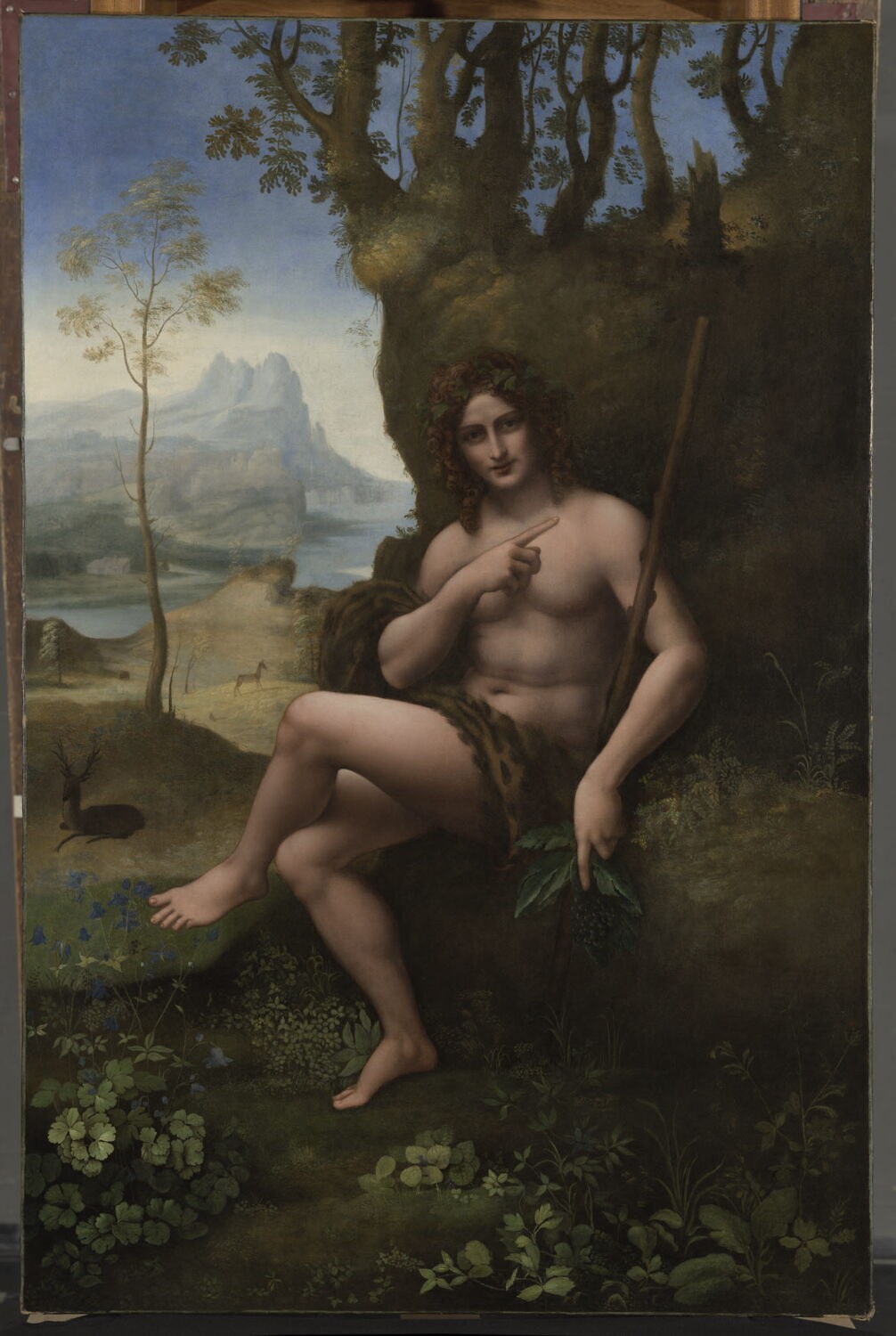
Saint Jean Baptiste, Léonard de Vinci, 1e quart du XVIe siècle (vers 1517 - 1520)

Leonardo da Vinci

Bacchus, 1e quart du XVIe siècle (vers 1517 - 1520)

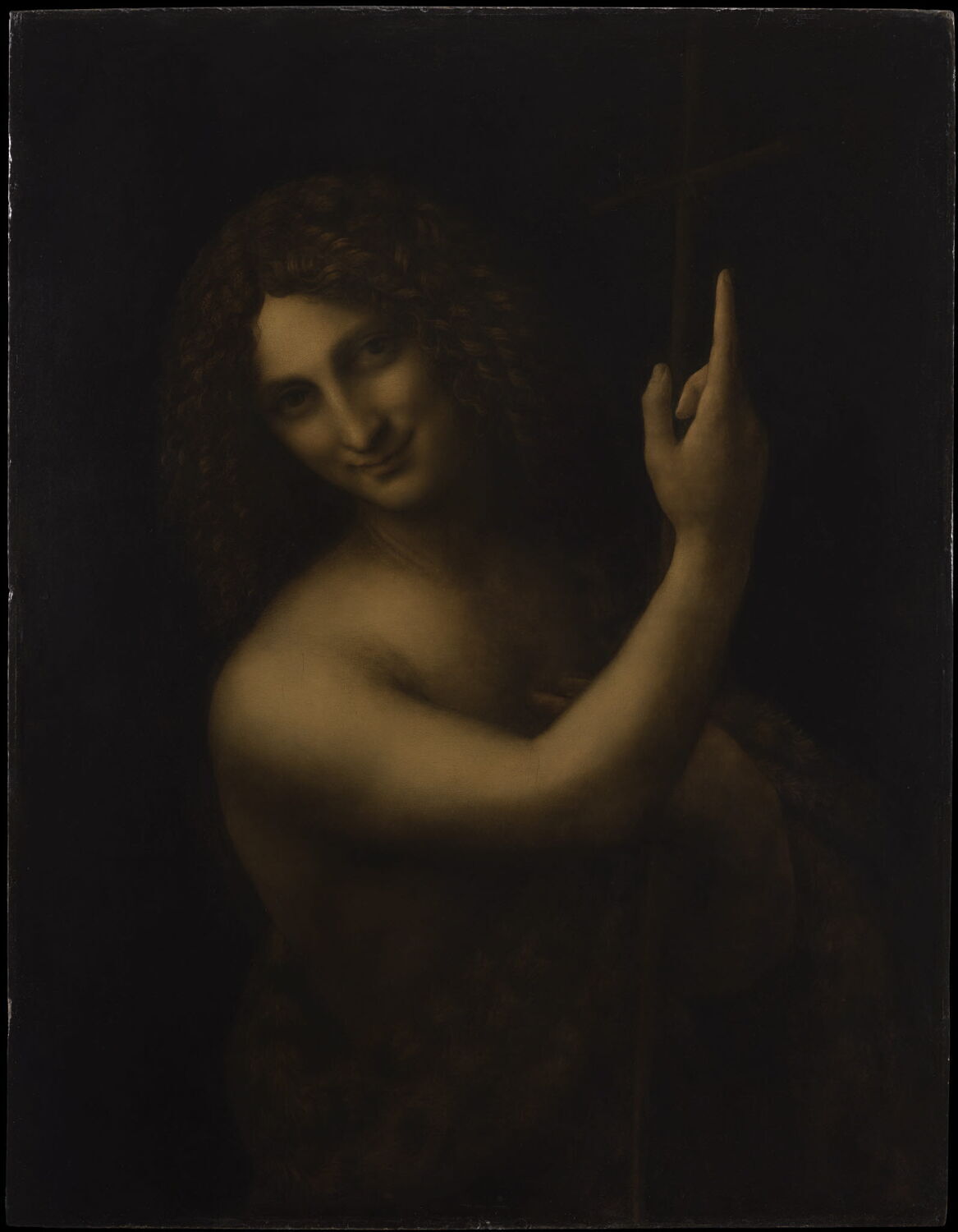
Saint Jean Baptiste, Léonard de Vinci, 1e quart du XVIe siècle (vers 1508 - 1519)

Leonardo da Vinci

Johannes der Täufer, 1e quart du XVIe siècle (vers 1508 - 1519)

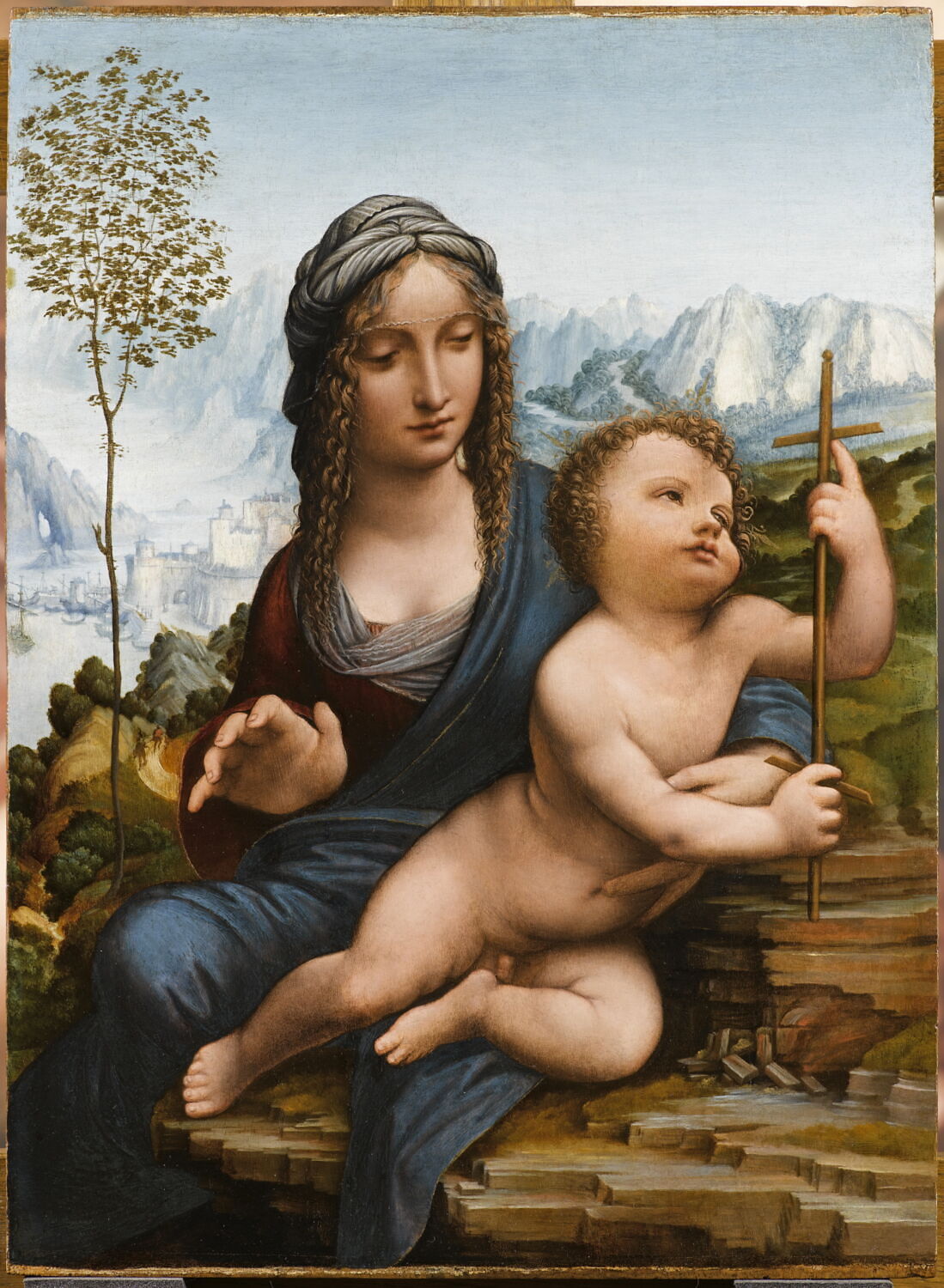
La Vierge et l'Enfant Jésus, dite Vierge au dévidoir ou Vierge aux fuseaux, Léonard de Vinci, XVIe siècle (vers 1505 - 1520)

Leonardo da Vinci

La Vierge et l'Enfant Jésus, dite Vierge au dévidoir ou Vierge aux fuseaux, XVIe siècle (vers 1505 - 1520)

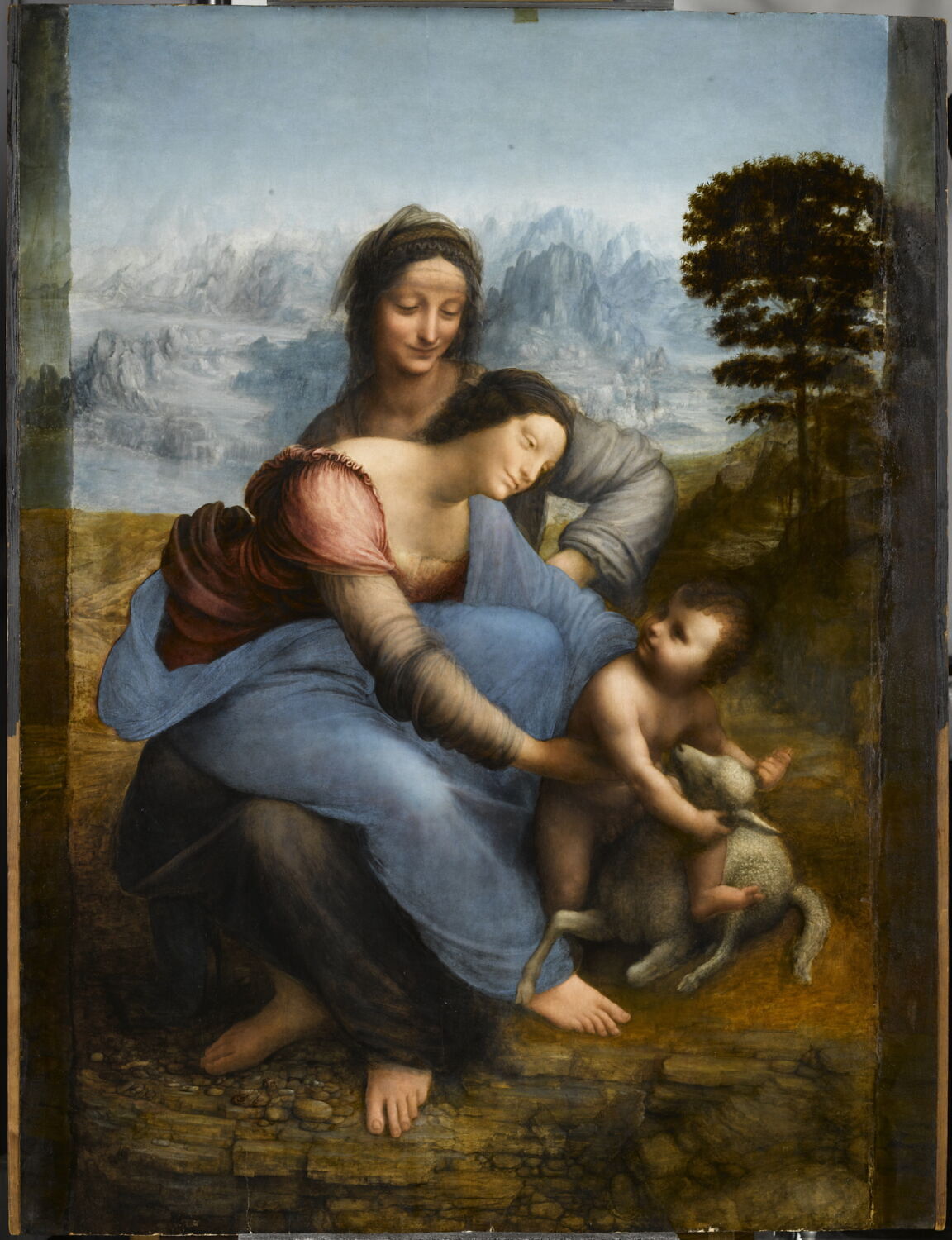
La Vierge, l'Enfant Jésus et sainte Anne, dit La Sainte Anne, Léonard de Vinci, 1e quart du XVIe siècle (vers 1503 - 1519)

Leonardo da Vinci

Anna Selbdritt, 1e quart du XVIe siècle (vers 1503 - 1519)

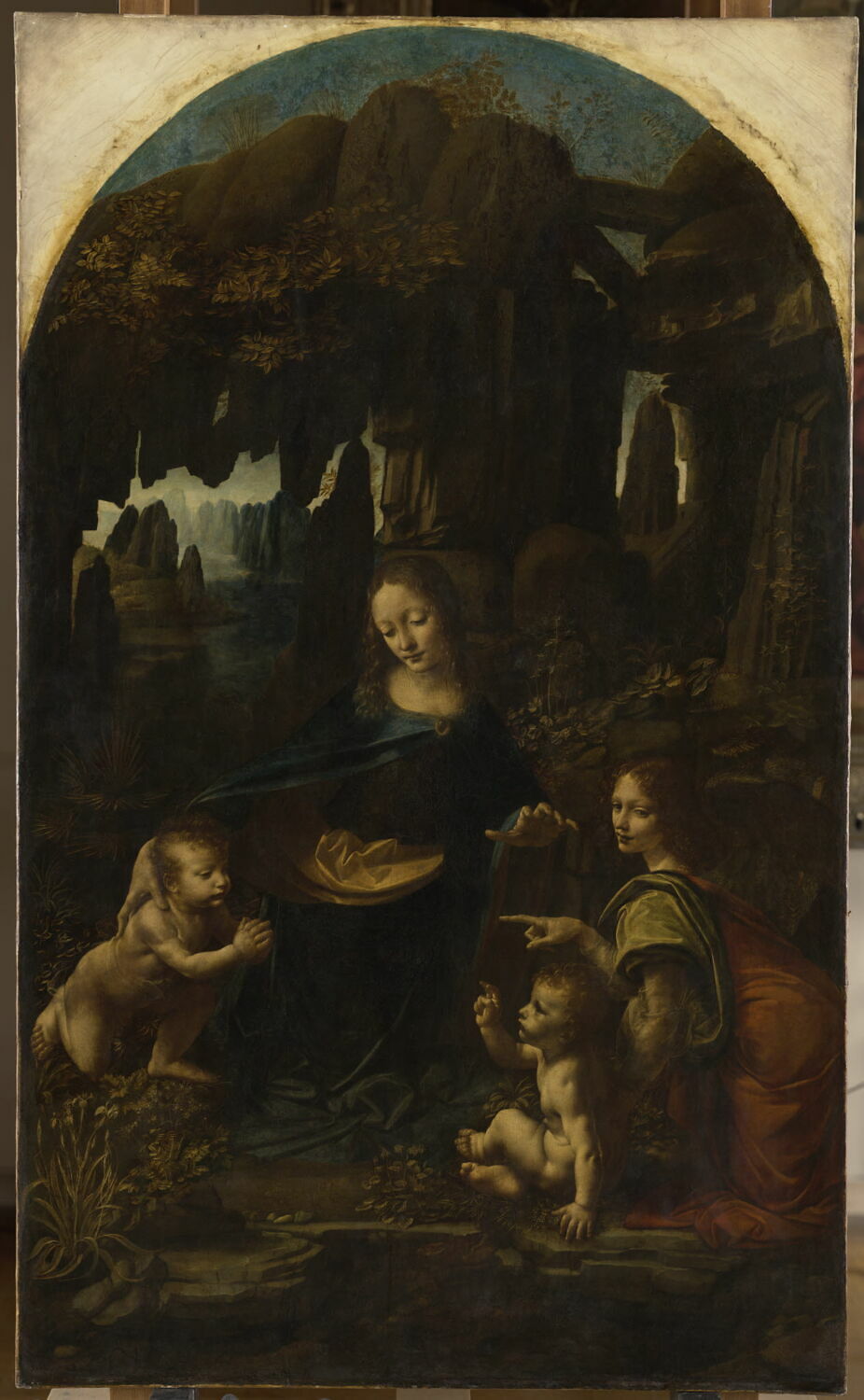
La Vierge, l'Enfant Jésus, saint Jean Baptiste et un ange, dit La Vierge aux rochers, Léonard de Vinci, 4e quart du XVe siècle (vers 1483 - 1494)

Leonardo da Vinci

La Vierge, l'Enfant Jésus, saint Jean Baptiste et un ange, dit La Vierge aux rochers, 4e quart du XVe siècle (vers 1483 - 1494)

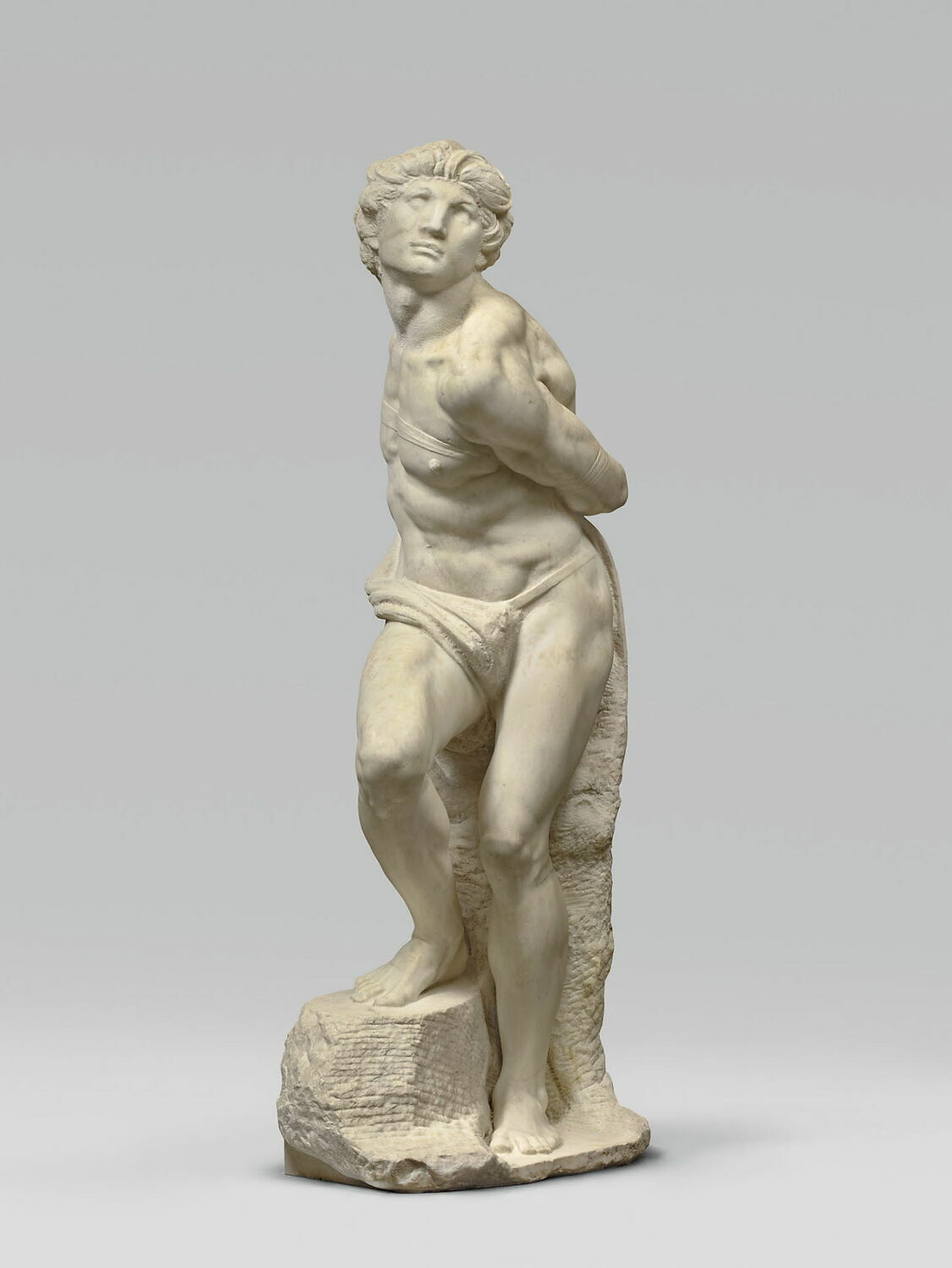
Esclave rebelle, Buonarroti, Michelangelo dit Michel-Ange, 1513 - 1515

Michelangelo

Rebellischer Sklave, 1513 - 1515

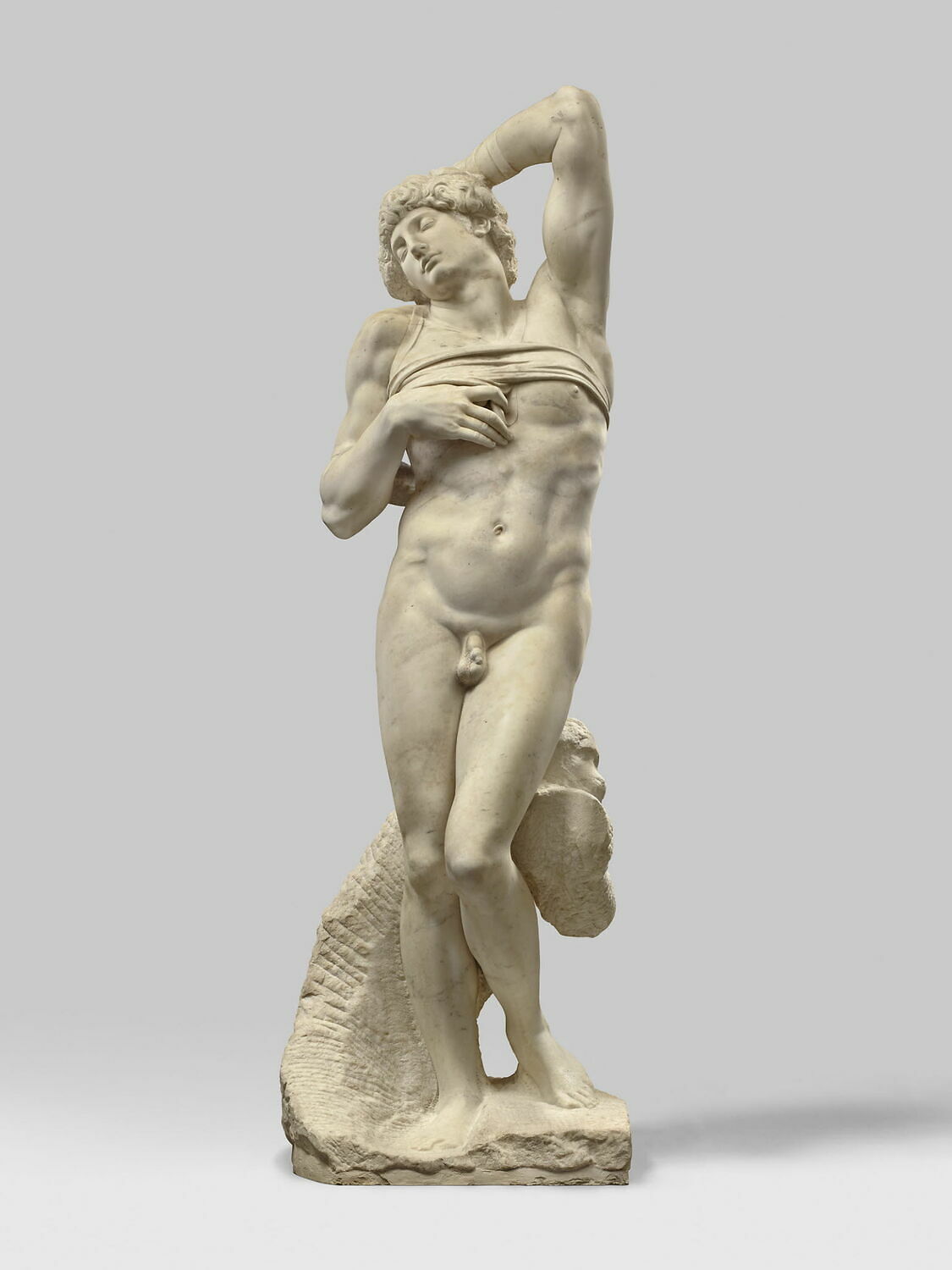
Esclave mourant, Buonarroti, Michelangelo dit Michel-Ange, 1513 - 1515

Michelangelo

Sterbender Sklave, 1513 - 1515