ART WIKI33.040 ausgestellt
KarteSammlungKünstlerMuseenAusstellungenJournal
Anmelden

ART WIKI

Wo das Meisterwerk hängt und wann man vorgelassen wird.

Sammlungen: Art Institute of Chicago, Cleveland Museum of Art, Eremitage, Getty Villa, Harvard Art Museums, Hirshhorn Museum and Sculpture Garden, J. Paul Getty Museum, Louvre, Metropolitan Museum of Art, Minneapolis Institute of Art, Museum of Modern Art, National Gallery of Art, National Museum of Asian Art, National Portrait Gallery, Puschkin-Museum, Rijksmuseum Amsterdam, Russisches Museum, Smithsonian American Art Museum, Statens Museum for Kunst, Tretjakow-Galerie, Victoria and Albert Museum, Whitney Museum of American Art, Staatskatalog des Museumsfonds Russlands (274 Museen), Europeana (19 Museen), Wikidata (6 Museen), Paris Musées (12 Museen) und Joconde, die Museumsdatenbank des französischen Kulturministeriums (495 Museen). Die Bilder gehören ihren Rechteinhabern.

Rubriken

  • Karte
  • Suche
  • Sammlung
  • Meisterwerke
  • Jetzt ausgestellt
  • Künstler

Mehr

  • Museen & Galerien
  • Ausstellungen
  • Journal
  • Woher die Daten stammen
  • Datenschutz & Cookies
StartseiteKarteKatalog
  1. Sammlung/
  2. Art Institute of Chicago/
  3. Abraham’s Sacrifice
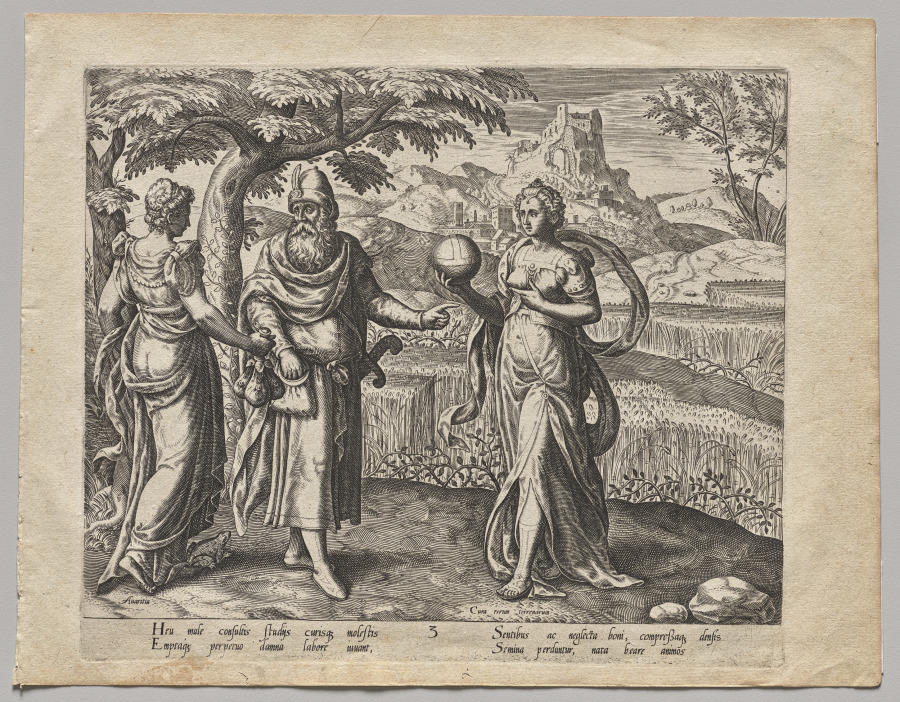
Abraham’s Sacrifice, Philips Galle, c. 1560

Abraham’s Sacrifice

c. 1560 · Print

Angaben

c. 1560
15371612
Inventarnummer
2023.1149

Mehr von Philips Galle

Alle Werke

Im selben Saal · Gallery 208, Art Institute of Chicago

Museumsseite
Philips Galle, PorträtPhilips GalleFlandern, Niederlande, 1537–1612

Darf man es sehen?

Ja, es empfängt Besucher

Art Institute of Chicago

Chicago, Vereinigte Staaten

Saal208

Öffentlich ausgestellt. Wer dafür bürgt, steht unten.

Geprüft
vor 9 Tagen
Unverändert seit
28. Sept. 2026
Quelle
Das Museum
Auf der KarteMuseumsseite

Im Katalog

DruckgrafikKupferstichRenaissance16. JahrhundertFlandern

Quellen

  • Art Institute of Chicago
  • Bild: Art Institute of Chicago — CC0
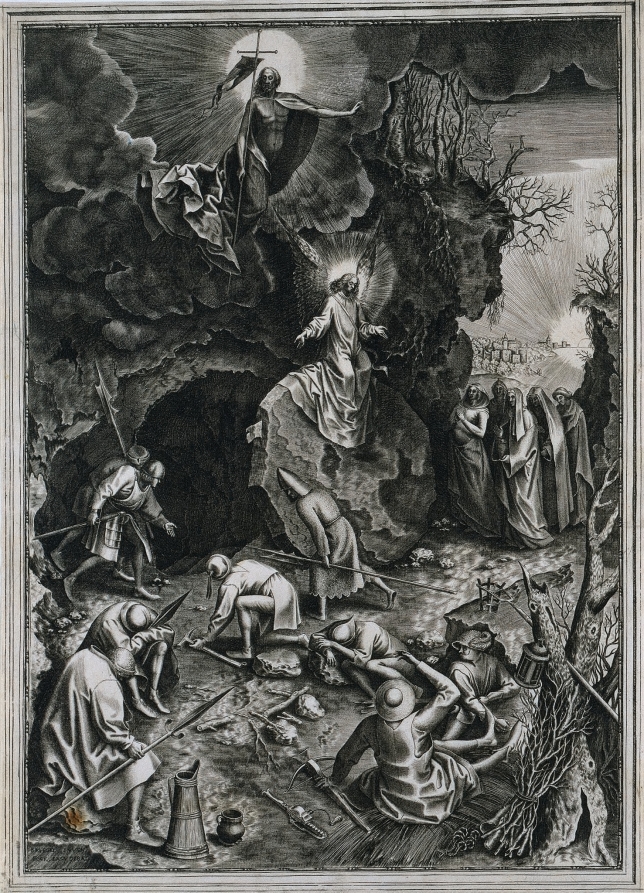
The Resurrection of Christ, Philip Galle, c. 1562

The Resurrection of Christ

c. 1562 · Cleveland Museum of Art

Water, from The Four Elements, Philips Galle, 1564

Water, from The Four Elements

1564 · Art Institute of Chicago

Air, from The Four Elements, Philips Galle, 1564

Air, from The Four Elements

1564 · Art Institute of Chicago

Earth, from The Four Elements, Philips Galle, 1564

Earth, from The Four Elements

1564 · Art Institute of Chicago

Fire, from The Four Elements, Philips Galle, 1564

Fire, from The Four Elements

1564 · Art Institute of Chicago

The Seed Received among the Thorns, Philip Galle, 1574

The Seed Received among the Thorns

1574 · Cleveland Museum of Art

Triomf van de liefde, Philips Galle, c. 1565

Triomf van de liefde

c. 1565 · Rijksmuseum Amsterdam

Phoebus Telling Vulcan of His Wife's Adultery, Hans Collaert the Younger, after Philip Galle, 1580-1628

Phoebus Telling Vulcan of His Wife's Adultery

1580-1628 · Nicht ausgestellt · National Gallery of Art

Jupiter Rebuked by Venus, Abraham Janssens, c. 1612

Abraham Janssens

Jupiter Rebuked by Venus, c. 1612

Still Life with Dead Game, Fruits, and Vegetables in a Market, Frans Snyders, 1614

Snyders, Frans

Still Life with Dead Game, Fruits, and Vegetables in a Market, 1614

Apollo Granting Phaeton Permission to Drive the Chariot of the Sun, Johann Michael Rottmayr, 1690/95

Johann Michael Rottmayr

Apollo Granting Phaeton Permission to Drive the Chariot of the Sun, 1690/95

Jove casts his Thunderbolts at the Rebellious Giants, Johann Michael Rottmayr, 1690/95

Johann Michael Rottmayr

Jove casts his Thunderbolts at the Rebellious Giants, 1690/95

Mercury rescues the disguised Io after beheading Argus, Johann Michael Rottmayr, c. 1690/95

Johann Michael Rottmayr

Mercury rescues the disguised Io after beheading Argus, c. 1690/95

Diana and Endymion, Johann Michael Rottmayr, 1690/95

Johann Michael Rottmayr

Diana and Endymion, 1690/95

Dead Birds and Shot Bags, Pieter Boel, c. 1660

Peeter Boel

Dead Birds and Shot Bags, c. 1660

The Triumph of Silenus, Gerard van Obstal, c. 1660

Gerard van Opstal

The Triumph of Silenus, c. 1660