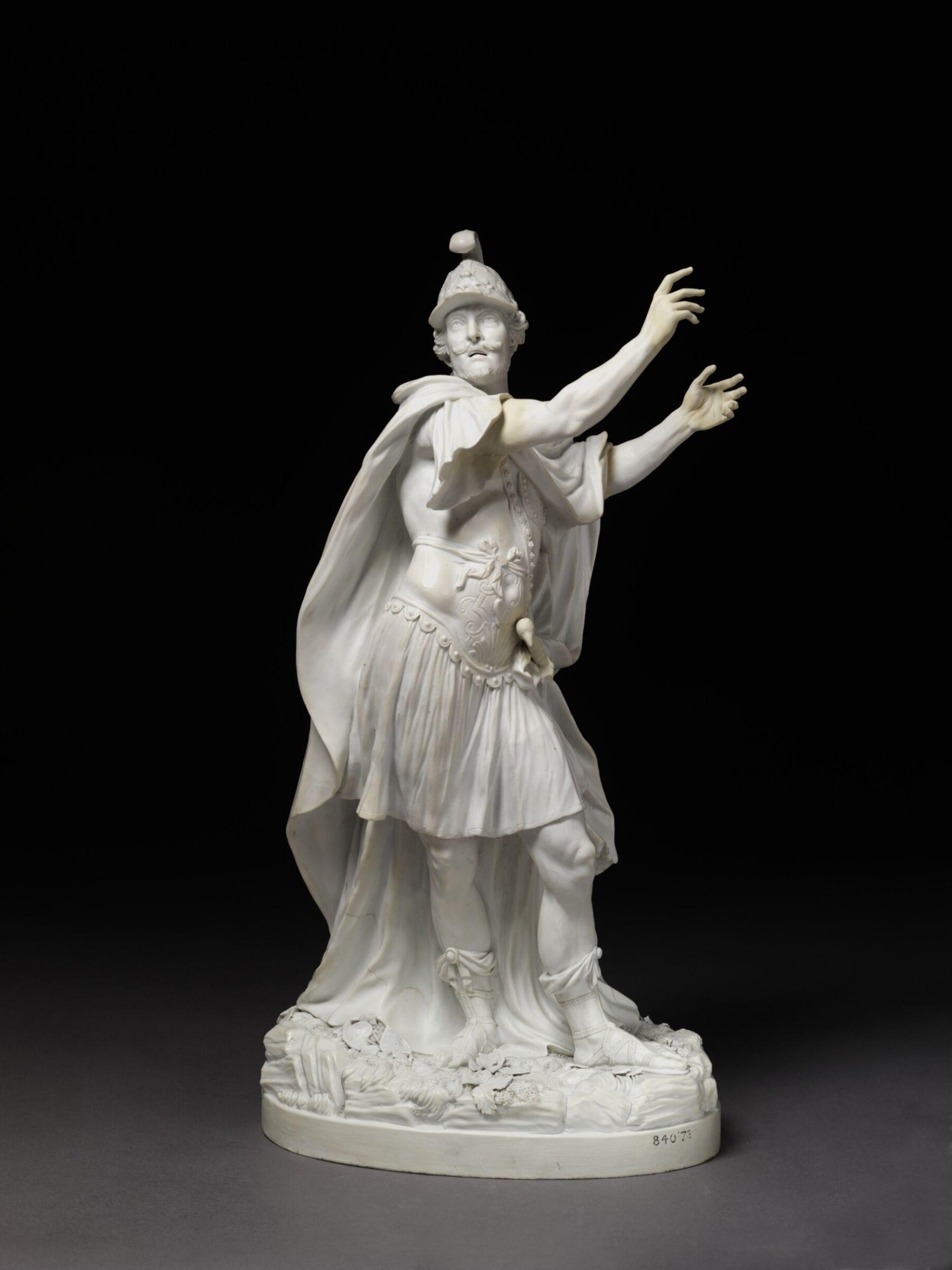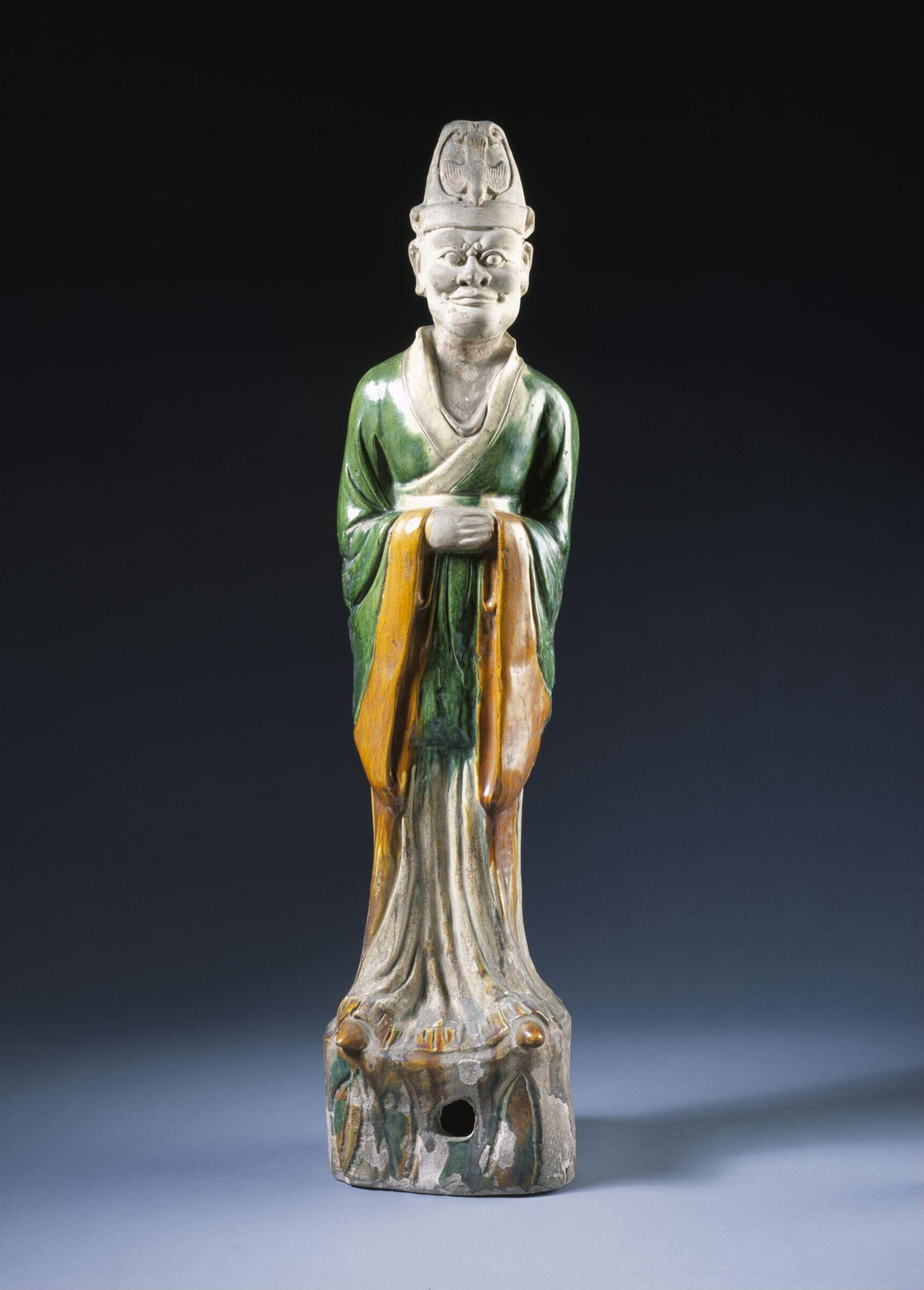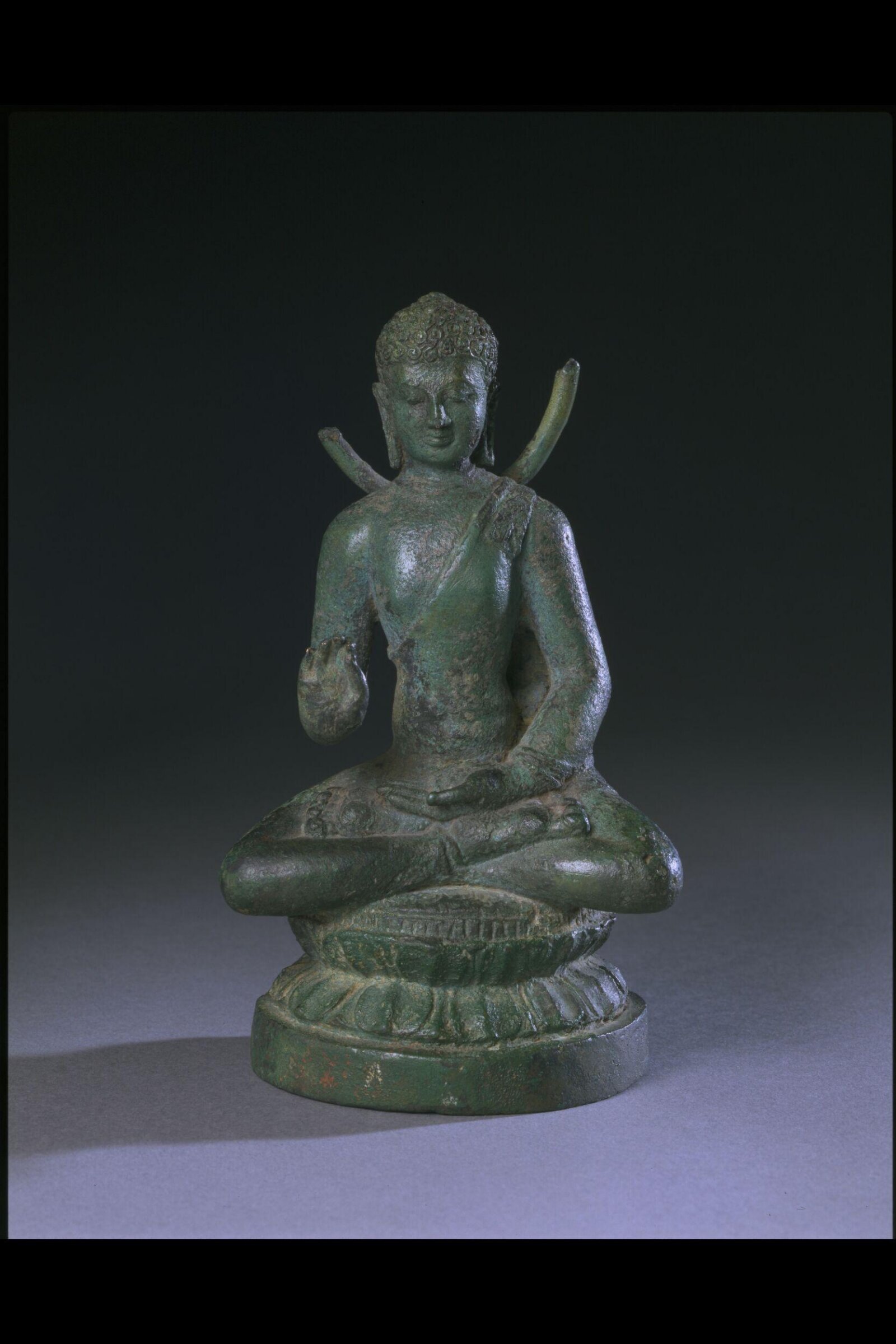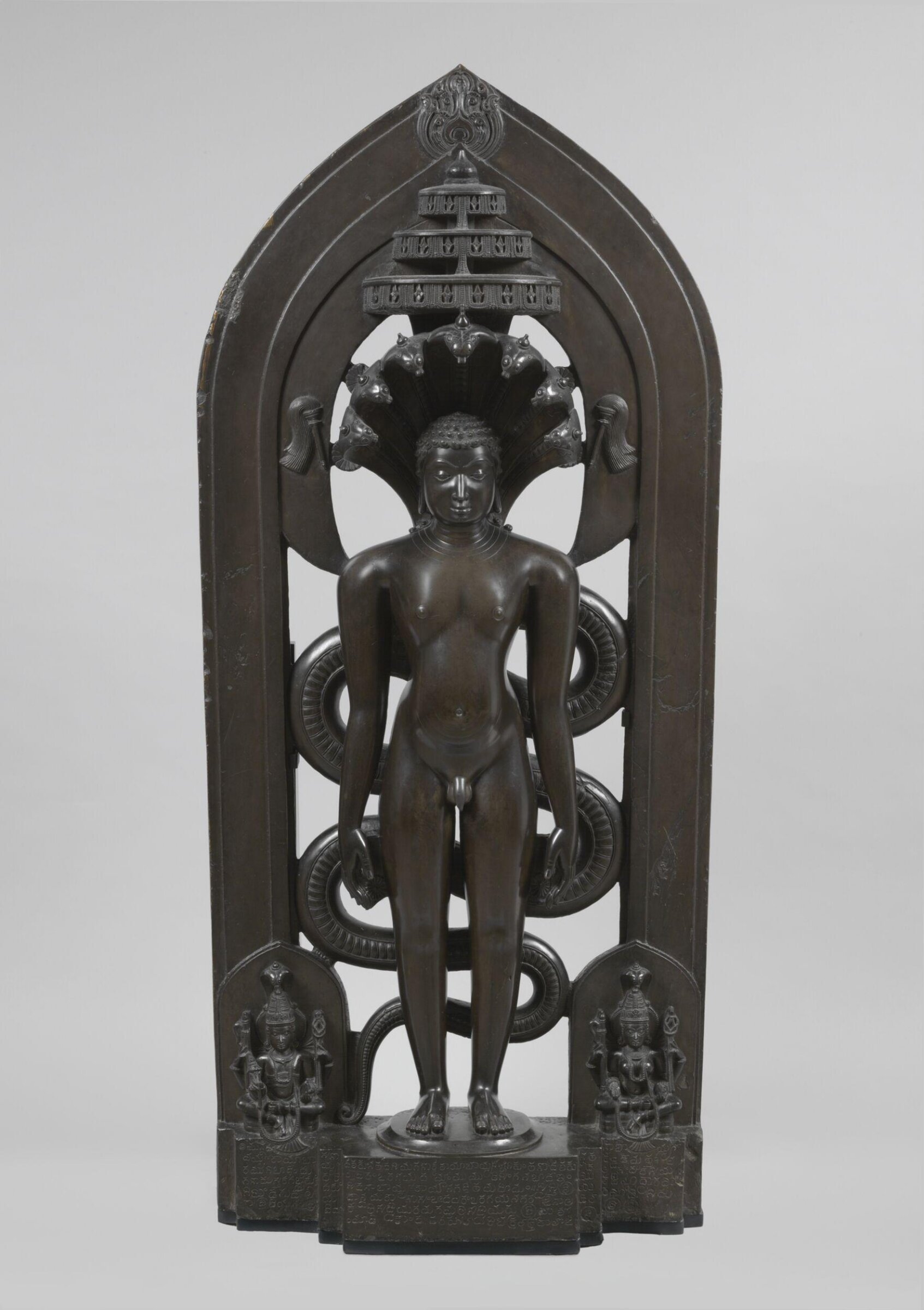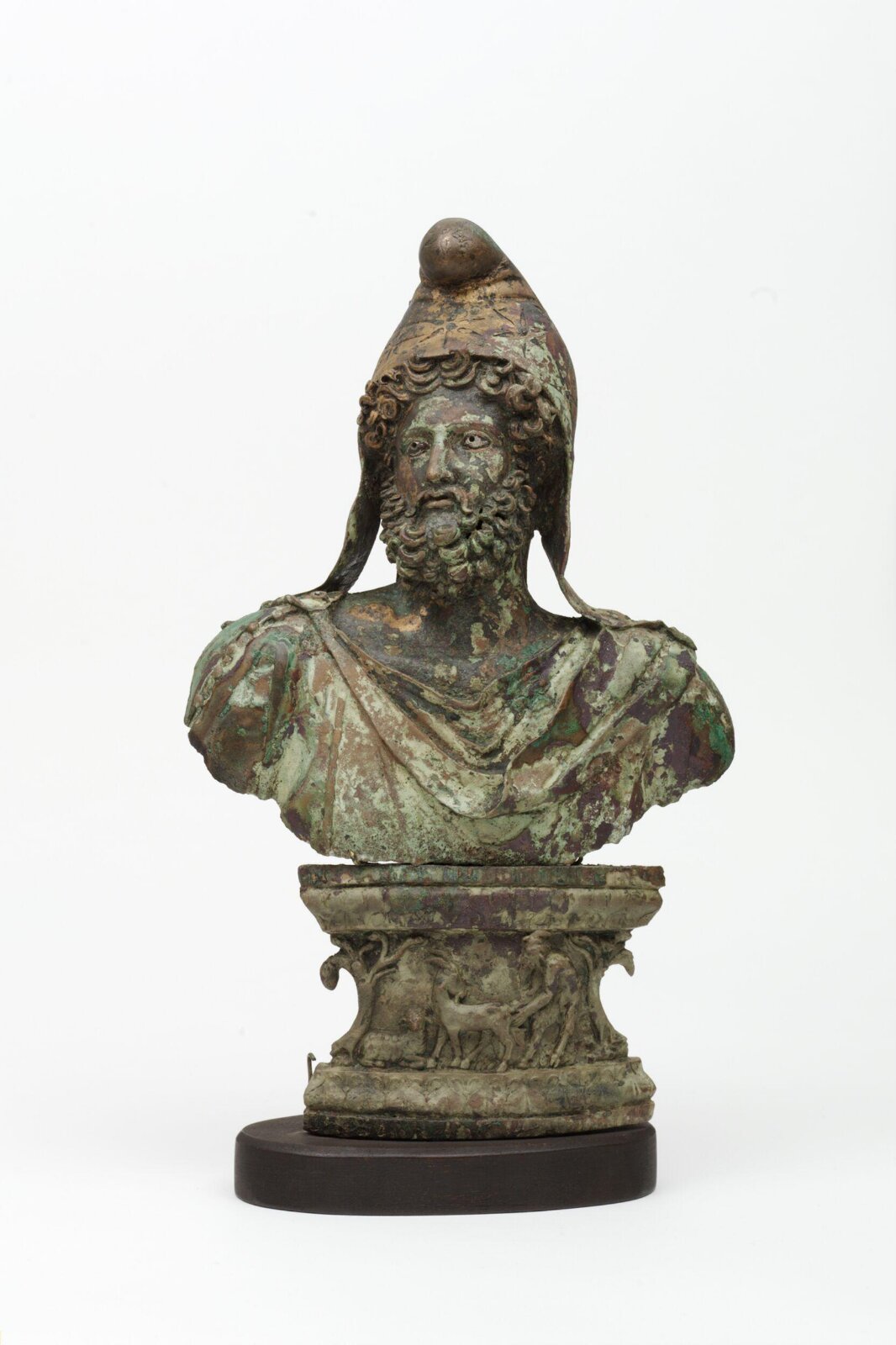
Zeus-Sabazios
Må man se det?
Ja, det tager imod

Victoria and Albert Museum
SalMedieval & Renaissance, Room 64, The Wolfson GalleryLondon, Storbritannien
Udstillet for publikum. Hvem der står inde for det, står nedenfor.
- Kontrolleret
- for 7 dage siden
- Uændret siden
- 25. sep. 2026
- Kilde
- Museets egne samlingsdata
About the sculpture
Ancient busts such as this one were often displayed on high shelves and formed a focal point of a scholar's study. Humanist Renaissance scholars, most so in Italy, were keen to link themsleves with the intellectual traditions of Greece and Rome, and paint themsleves as the guardians and inheritors of long-forgotten Classical schools of thought, though in fact 'the Ancients' had been always been held in the highest regard right through the entire medieval period, and right across Europe. But Classical heritage and traditions were always stronger and its influence more obviously visible in Italian art than the rest of Christendom. The influence of ancient Roman and Greek traditions on art, architecture, learning, politics and military affairs, costume and even the self-identity of scholars, noblemen and princes, grew stonger, more obvious, more a matter of imitation than homage and regard, and also more sustained and irreversable once the 'Renaissance' unfolded.
Read on
This small Roman bust represents the deity Zeus-Sabazius (or Sabazios), the centre of a mystery-cult. This bust was previously identified as a likeness of the Emperor Commodus. His head-gear is known as a Phrygian cap, which in Renaissance Italy came to symbolise people from the East.
Victoria and Albert Museum
Oplysninger
- Inventarnummer
- A.581:0, 1-1910
What it shows
I kataloget
Kilder
- Victoria and Albert Museum: the museum's own open data · hentet for 7 dage siden
- Billede: Victoria and Albert Museum — © Victoria and Albert Museum, London