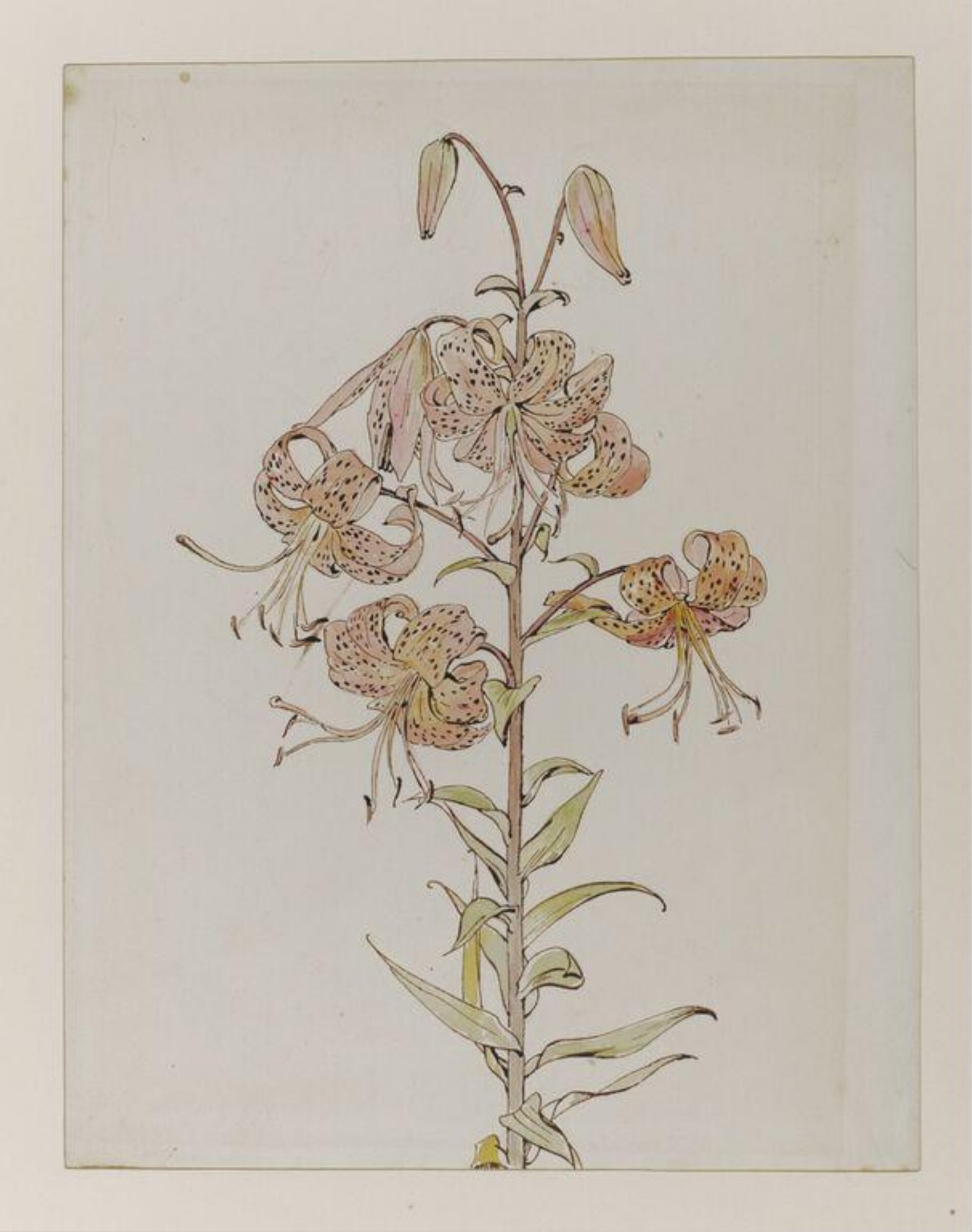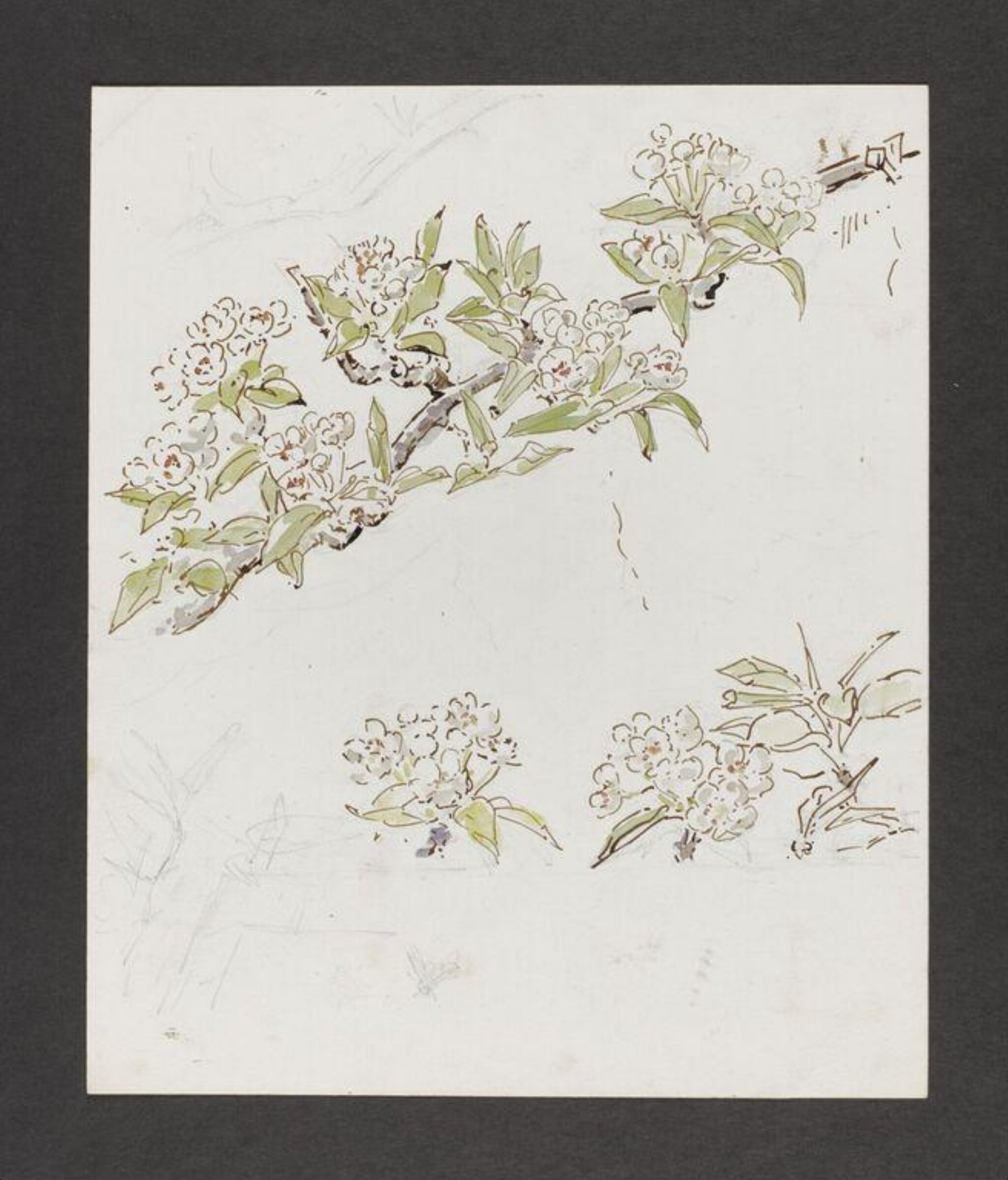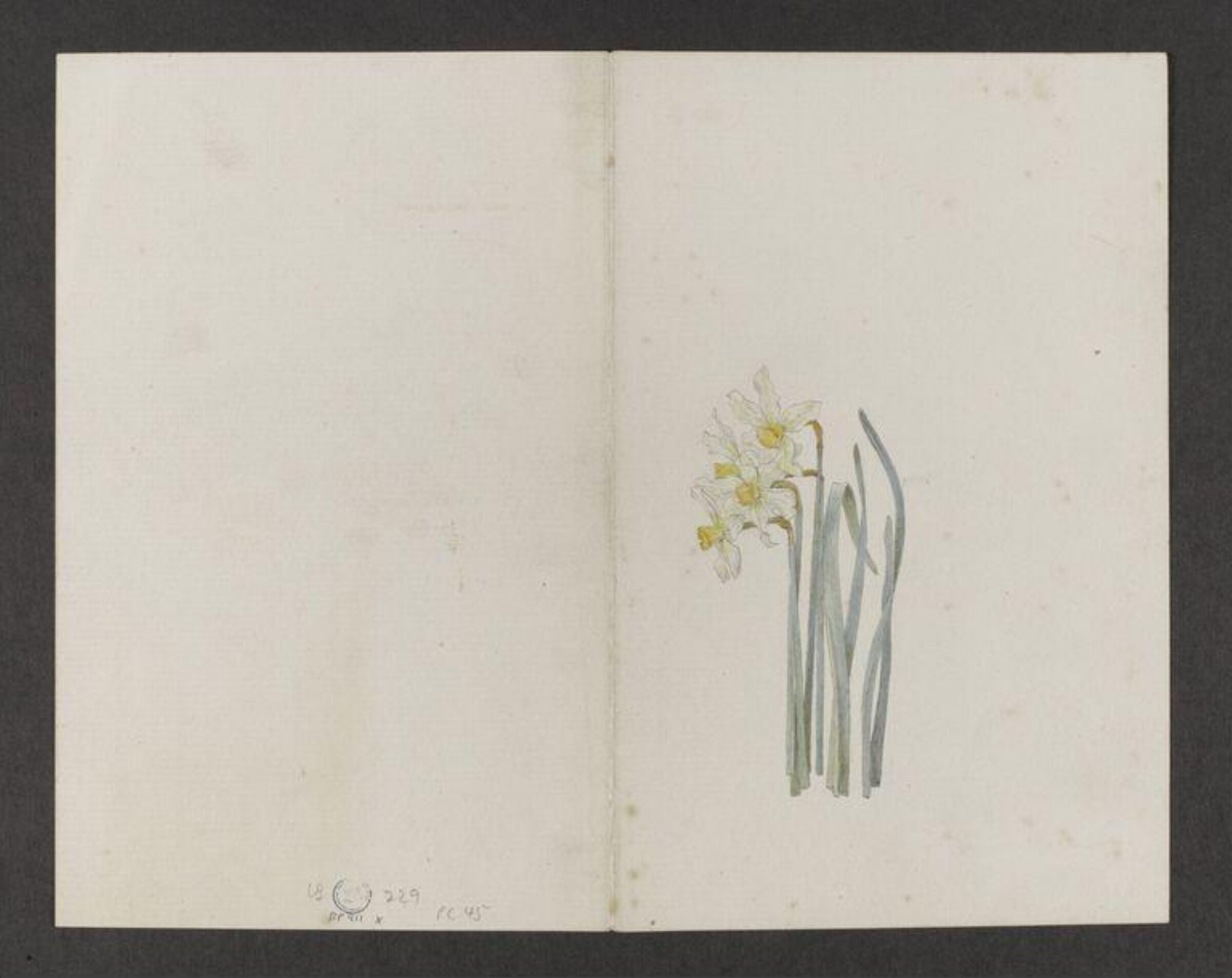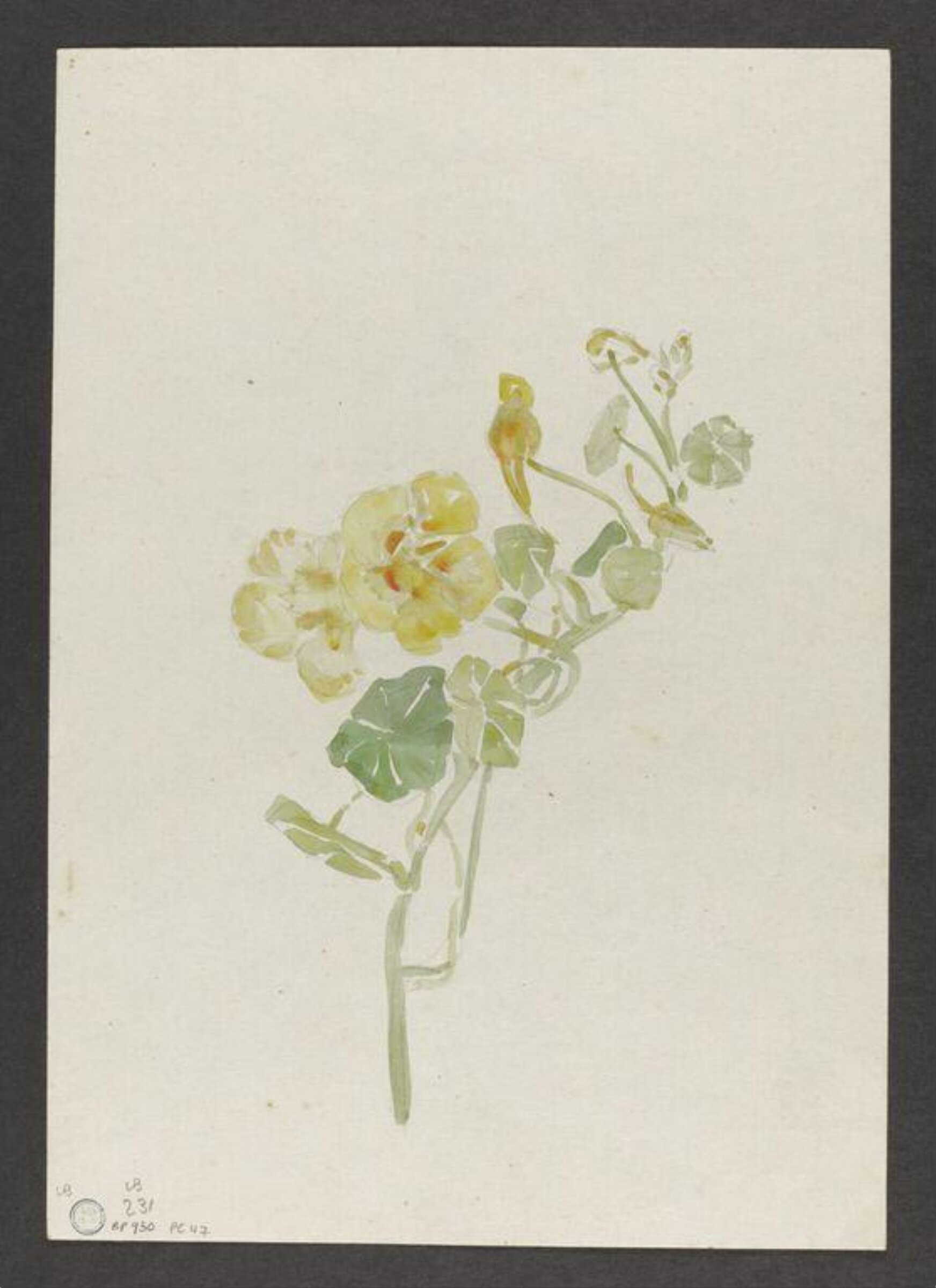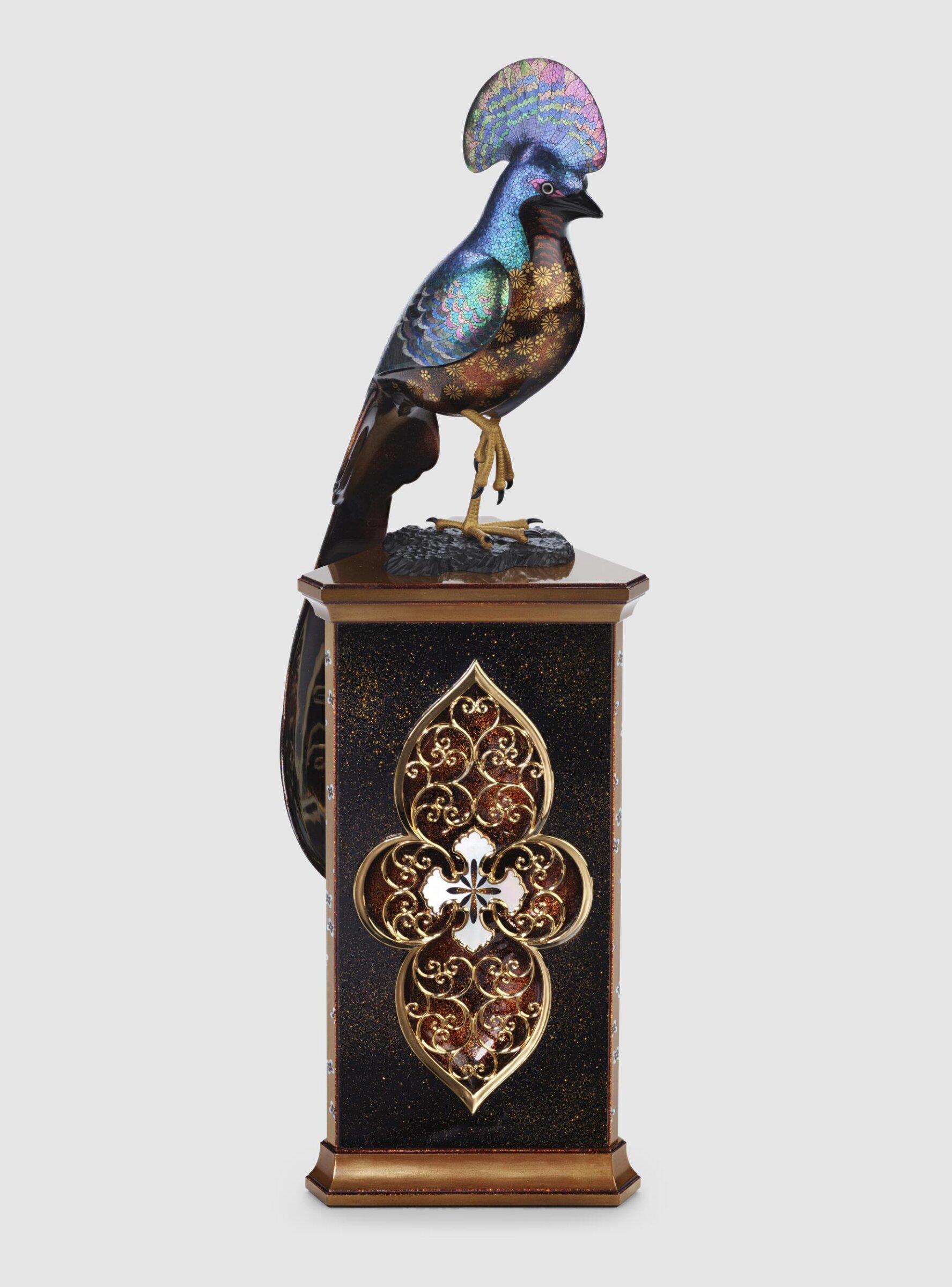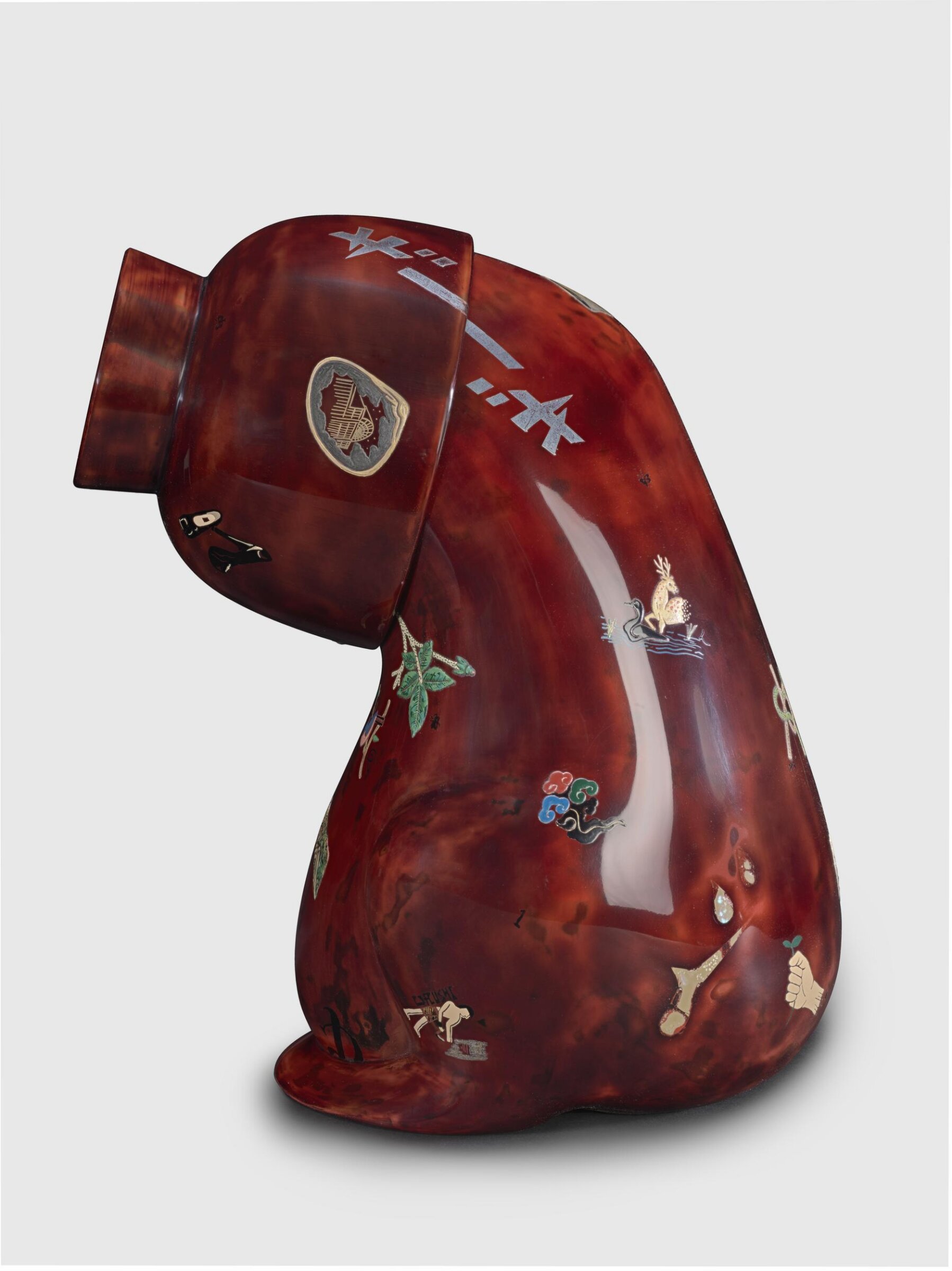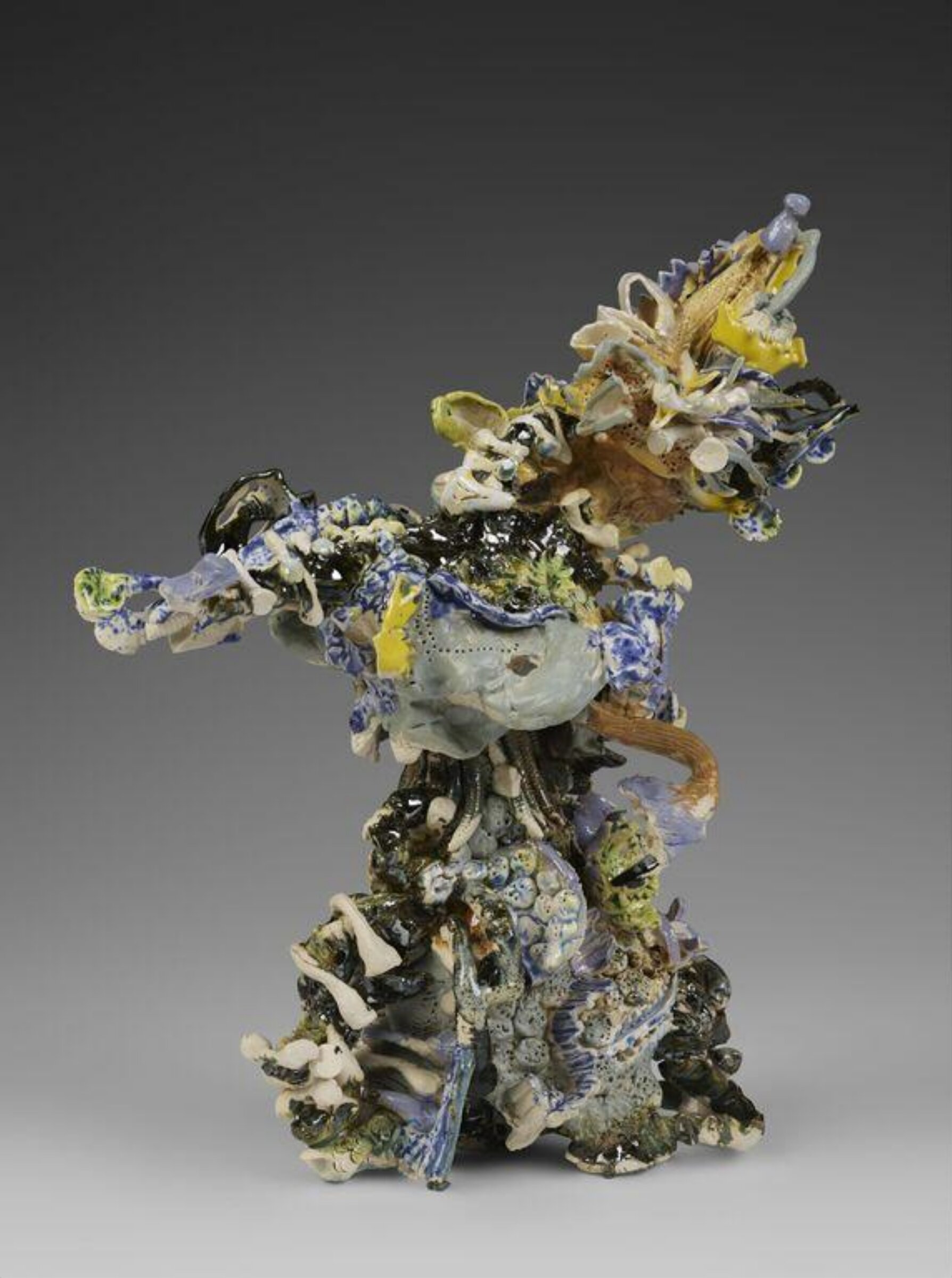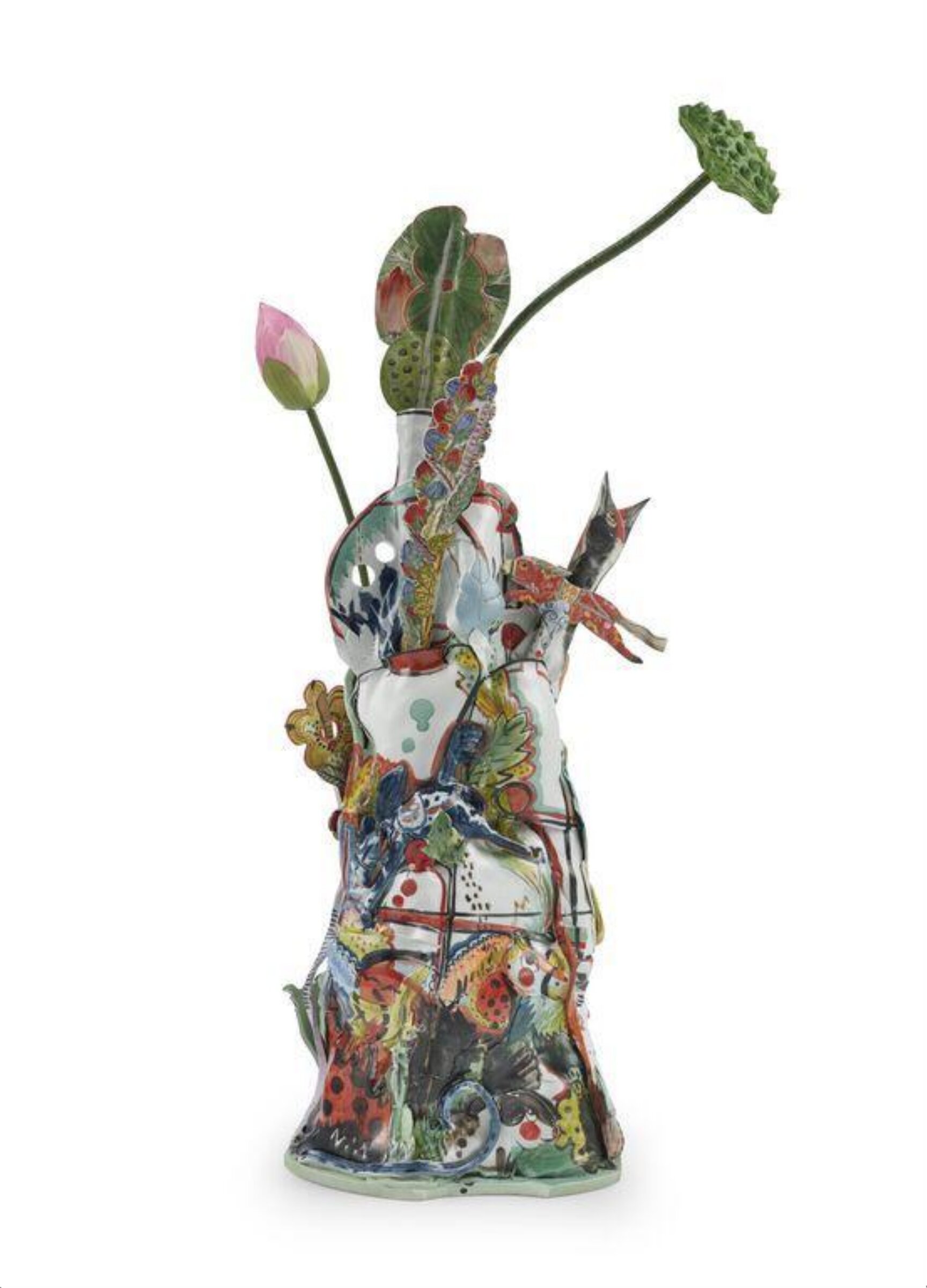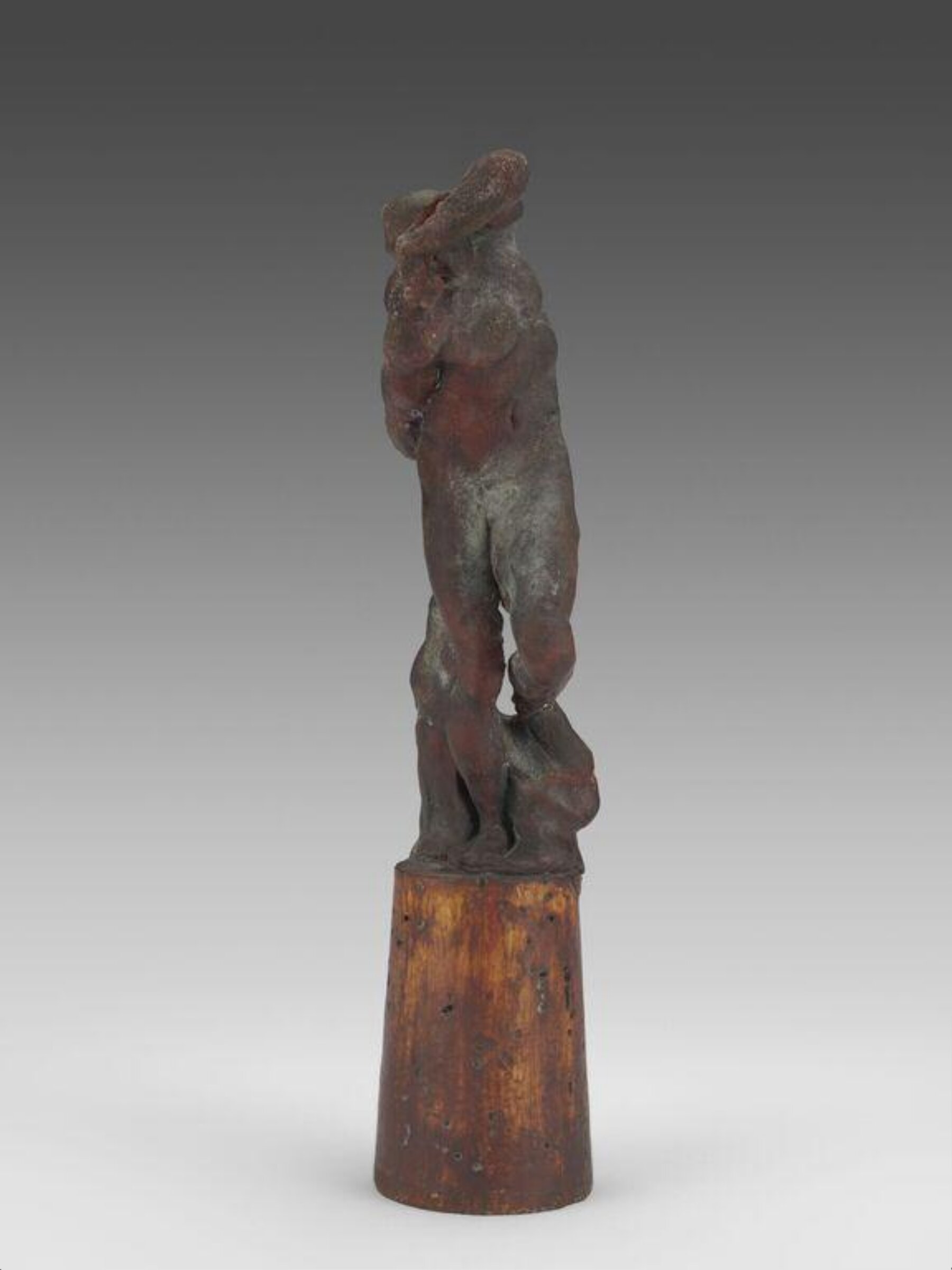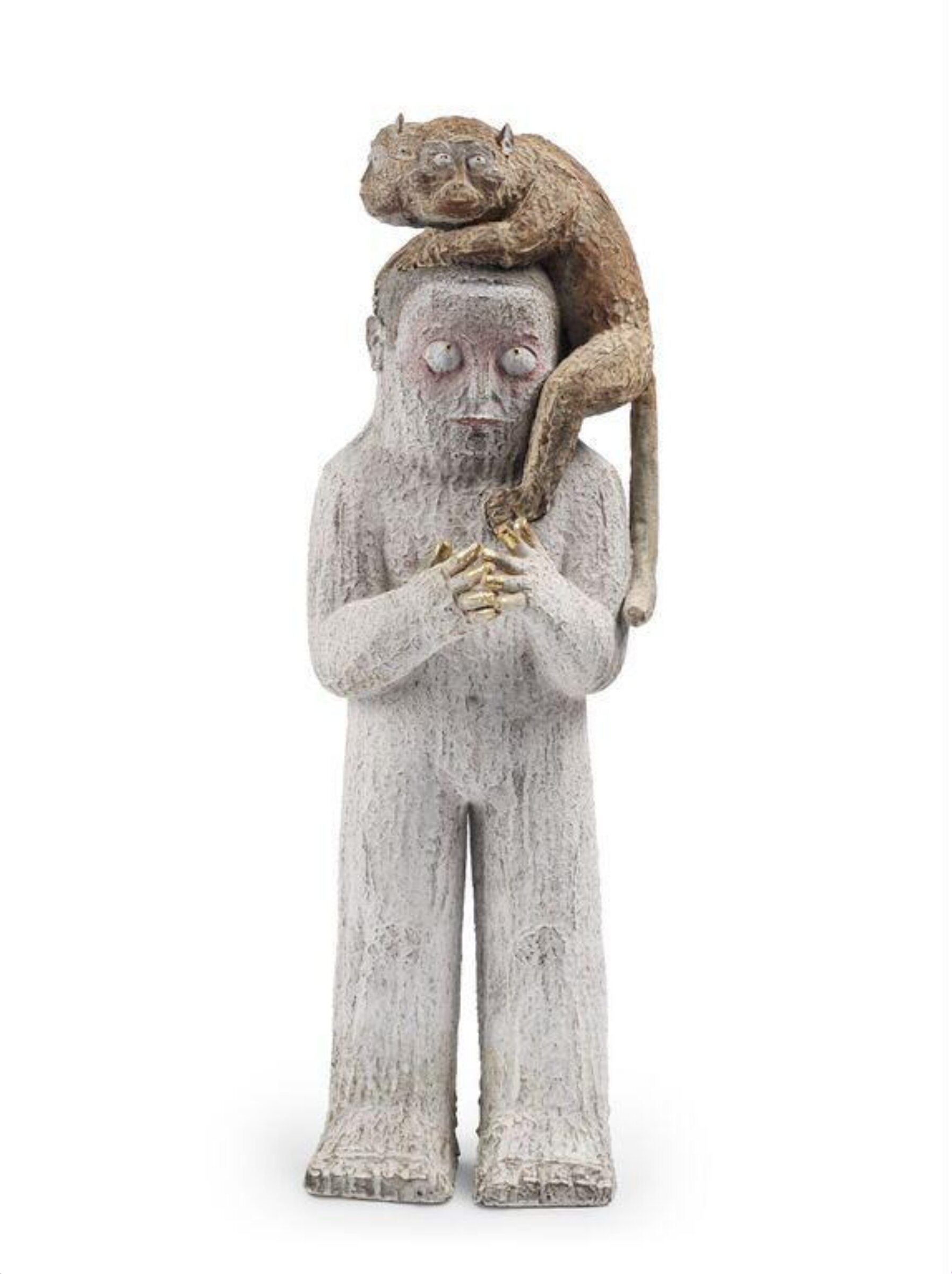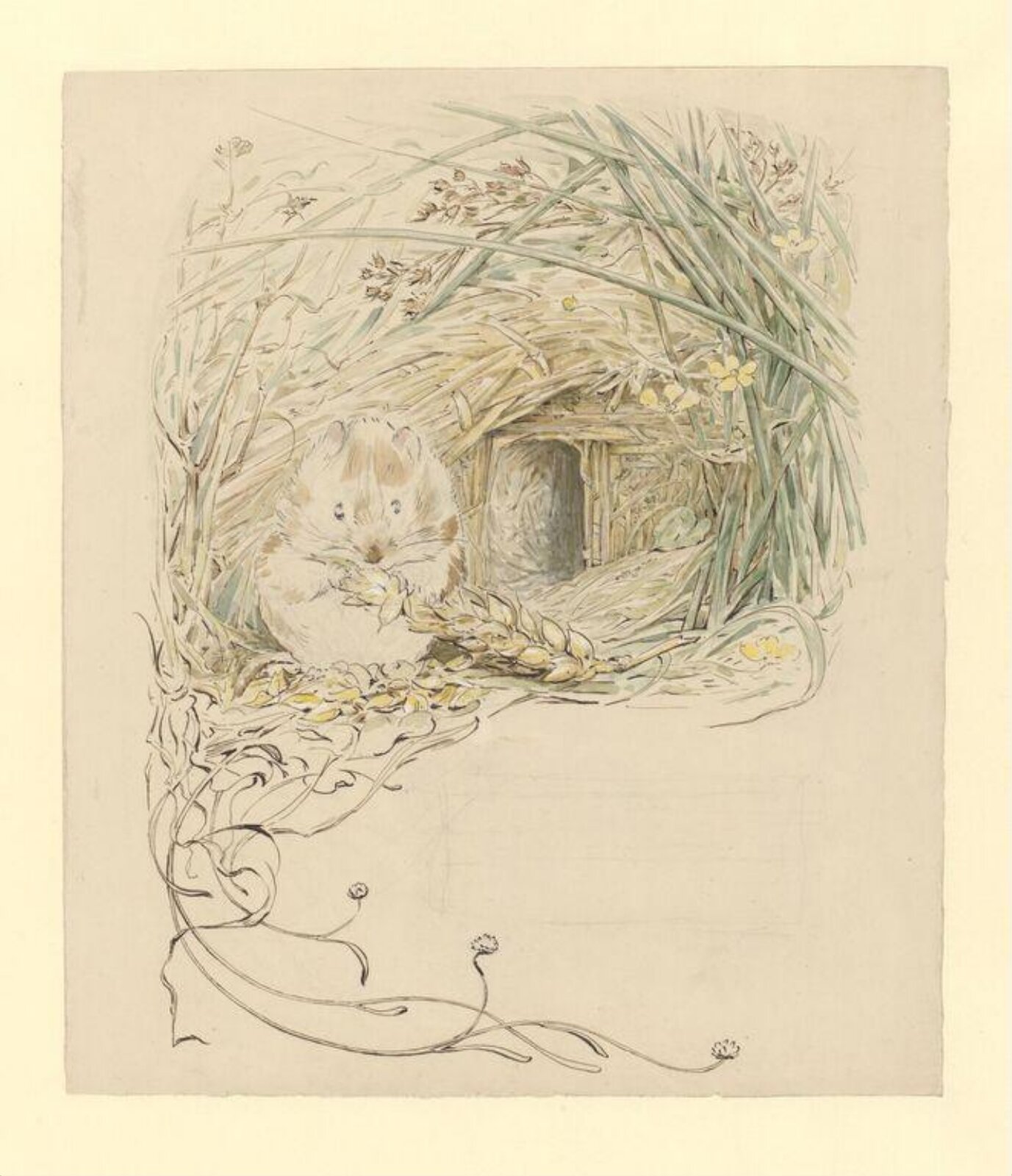
 Beatrix Potter1866–1943
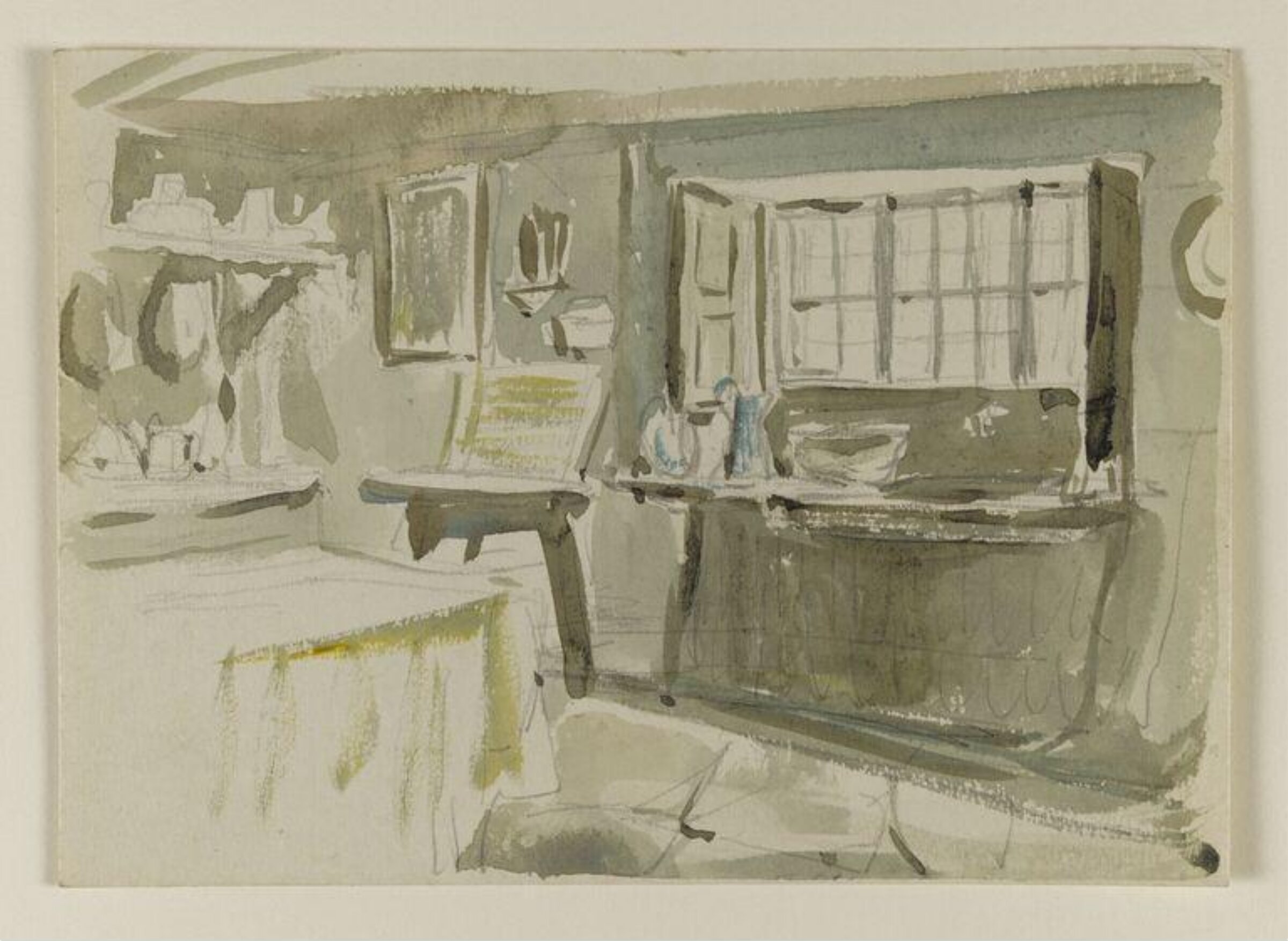
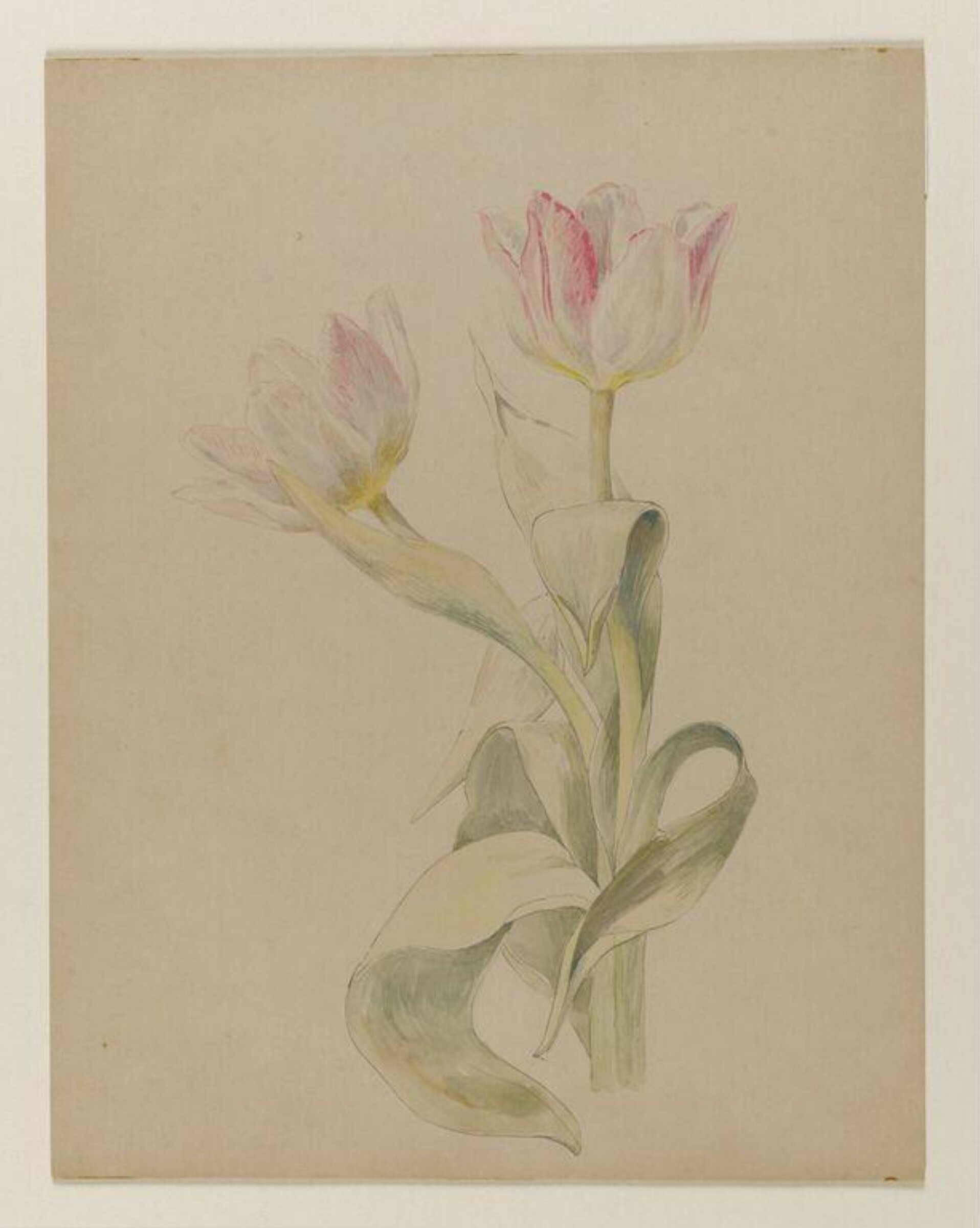
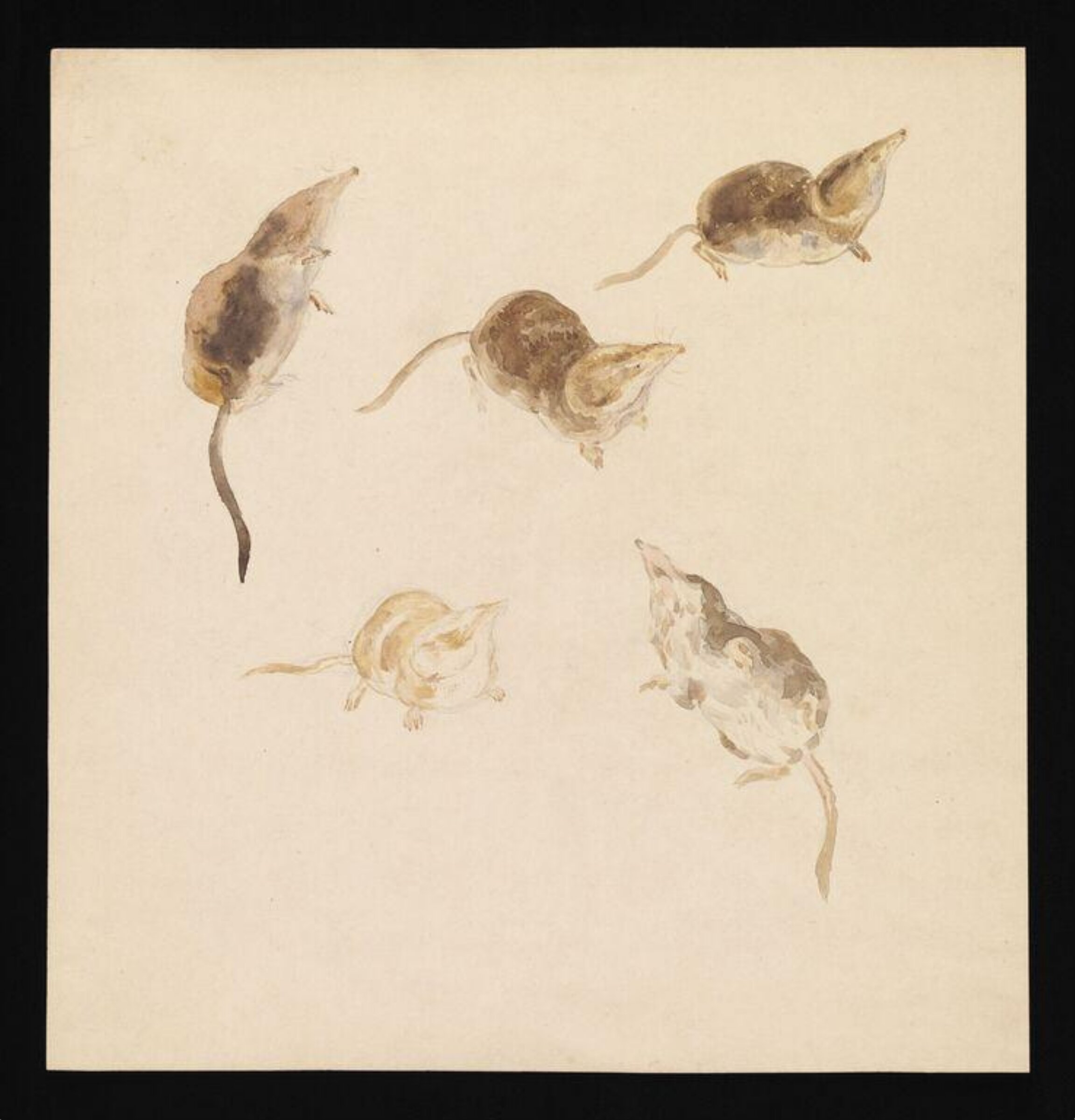
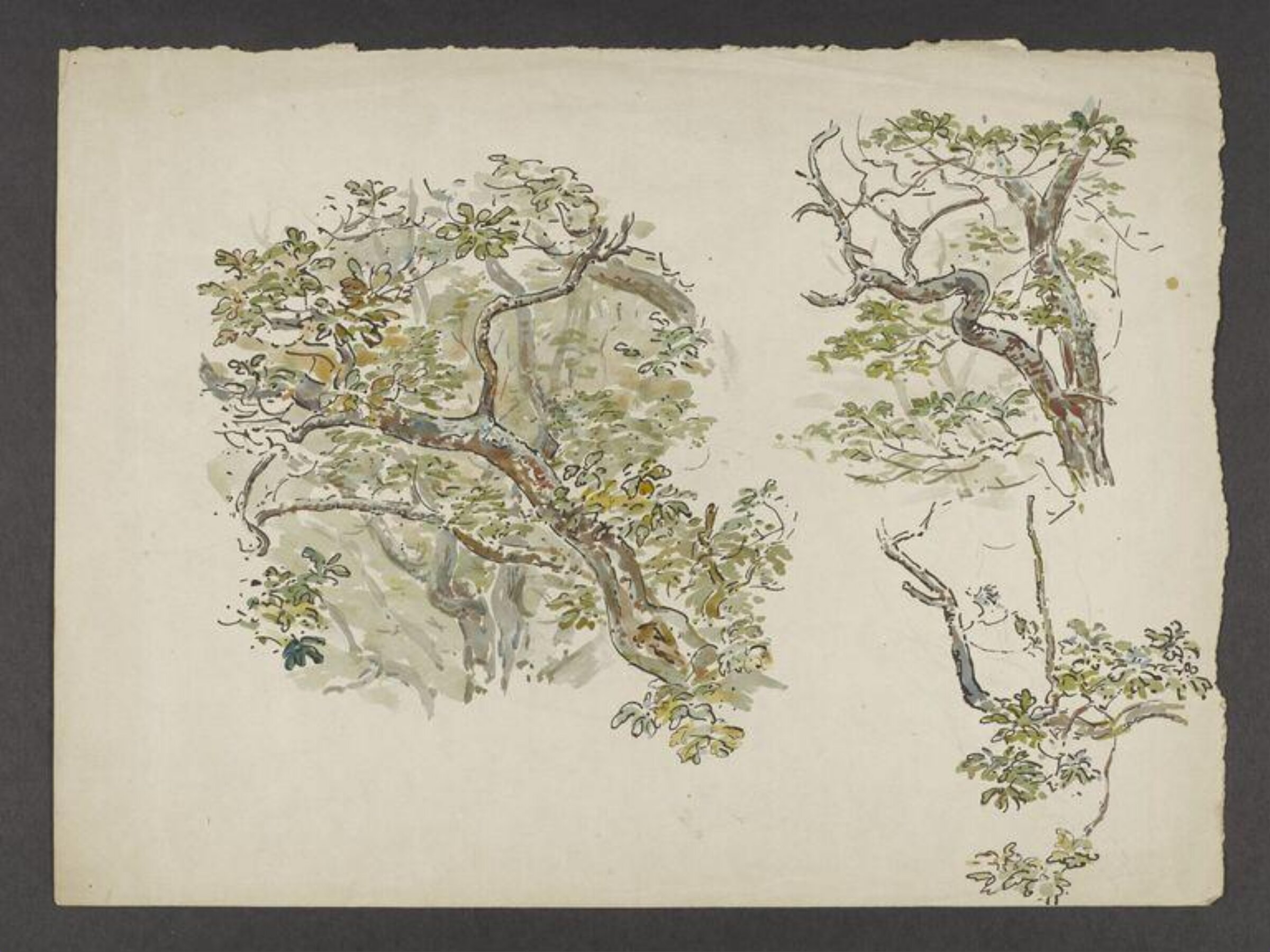
Watercolour
Kan det ses?
Ikke udstillet lige nu
Hvor er »Watercolour« i dag? Samling: Victoria and Albert Museum, London. Ikke udstillet lige nu. Kontrolleret 25. september 2026.

London, Storbritannien
Det hører til samlingen, men er ikke udstillet for tiden.
- Kontrolleret
- Uændret siden
- Kilde
- Museet
Oplysninger
- Inventarnummer
- LC 29/B/1
Hvad det viser
I kataloget
Kilder
- Victoria and Albert Museum
- Billede: Victoria and Albert Museum — © Victoria and Albert Museum, London
Imens i livet hos Beatrix Potter
Hele livet1903
A patented Peter Rabbit toy: the birth of character merchandising
In 1903 Beatrix made and patented a Peter Rabbit doll — he became the first fictional character made into a patented soft toy, and so the oldest licensed character. Painting books, board games, wallpaper, figurines, baby blankets and china tea-sets followed under licence from her publisher Warne, earning her an independent income, and Harrods catalogues list Peter merchandise from at least 1910.
1903–1922
Two or three books a year with the editor Norman Warne
“The Tale of Squirrel Nutkin” and “The Tailor of Gloucester” followed “Peter Rabbit” in 1903 — both also began as picture letters to the Moore children. Working with the editor Norman Warne, Beatrix published two or three little books a year — 23 in all in that format, the last, in 1922, being “Cecily Parsley’s Nursery Rhymes”; the royalties gave her a degree of independence, though she still lived with her parents.
1905
Engagement to Norman Warne, and his death
In 1905 Beatrix and her publisher Norman Warne became unofficially engaged; her parents objected because Warne was “in trade” and so socially unsuitable. The engagement lasted only a month: Warne died of a blood disease at the age of 37.
1905
Buys Hill Top Farm in Near Sawrey
In 1905, with the proceeds of her books and a small legacy from an aunt, Beatrix bought Hill Top Farm in Near Sawrey in the Lake District, six miles west of Lake Windermere. She and Warne may have hoped it would be their holiday home, but after his death she went ahead with the purchase, as she had always wanted to own that farm and live in “that charming village”.
1905–1909
Learning to farm: a tenant, sheep and Castle Farm
The tenant farmer John Cannon and his family stayed on to run the farm while Beatrix made improvements and learned the techniques of fell farming and livestock; the following year she added sheep. To protect her boundaries she turned to the Hawkshead solicitors W. H. Heelis & Son and, with William Heelis acting for her, bought adjoining pasture — in 1909 the 20 acres of Castle Farm across the road from Hill Top.
1905–1913 · Uddannelse
governance